Table of Contents
1. Introducing border fencing

Introducing border fencing involves the construction of physical barriers along the boundaries between countries or territories. This practice is often undertaken for a variety of reasons, including the control of illegal immigration, prevention of smuggling, enhancing national security, and reducing the risk of cross-border crime.
The concept and implementation of border fencing can be highly controversial and multifaceted, touching upon issues of sovereignty, human rights, environmental impact, and international relations.
A primary objective is to enhance national security by preventing unauthorized entries and exits. To manage and regulate the flow of people across borders, deterring illegal immigration. Aiming to reduce smuggling, trafficking, and other cross-border criminal activities.
The legality of constructing such barriers, respecting international laws, and the ethical implications regarding the rights of individuals. Costs involved in construction, maintenance, and the potential impact on cross-border trade and local economies. Potential negative effects on local wildlife and ecosystems due to habitat disruption.
One of the most well-known examples, where fencing aims to control illegal immigration and drug smuggling, sparking debates on human rights and effectiveness. Aimed at preventing terrorism and attacks, this barrier has been subject to international criticism regarding its impact on Palestinian communities.
2. The importance of fencing for border
The importance of fencing for borders encompasses various aspects, including security, regulation of movement, protection of resources, and symbolic significance. Here’s a more detailed look at each of these aspects.
2.1 Security
One of the primary reasons for border fencing is to enhance security. Fences are used to deter unauthorized entry, prevent illegal activities such as smuggling of goods and trafficking of people, and protect a country from potential threats. By controlling access points, a country can better manage and monitor who enters and exits, thus reducing the risk of criminal activities.
The importance of fencing for border security encompasses a range of considerations, from the physical deterrence of unauthorized crossings to the broader implications for national security, immigration control, and even environmental protection. Here’s a detailed look at the significance of border fencing:
Physical Deterrence: Fencing serves as a physical barrier that deters unauthorized individuals from crossing borders. It makes it significantly more challenging for people to enter a country without going through designated checkpoints, where they can be screened for security and immigration purposes.
National Security: Border fences are crucial components of national security strategies. They help prevent illegal entry of individuals who could pose security threats, including terrorists, smugglers, and traffickers. By controlling access points, countries can better monitor and mitigate potential risks.
Immigration Control: Fencing is a tool for managing immigration. It allows countries to regulate the flow of people entering and leaving, ensuring that immigration laws are upheld. This control is essential for maintaining the integrity of a country’s immigration policies and procedures.
Crime Prevention: Border fences can reduce the incidence of cross-border crime, such as drug trafficking, human trafficking, and smuggling of goods. By creating a physical barrier, fences make it more difficult for criminals to operate across borders, thereby aiding law enforcement efforts.
Economic Implications: Unauthorized immigration and cross-border crime can have significant economic impacts on a country. Fencing can help mitigate these impacts by controlling the flow of goods and people, protecting jobs, and reducing the costs associated with illegal activities.
Environmental Protection: In some cases, fencing can also help protect sensitive environments and ecosystems from the impacts of uncontrolled human migration and trafficking routes. However, environmental considerations must be carefully balanced, as fences can also disrupt wildlife migration and habitat.
Humanitarian Concerns: While fencing can enhance security and control, it also raises humanitarian concerns. It’s important for border security measures, including fencing, to be implemented in a manner that respects human rights and provides for the safety and dignity of all individuals.
Technological Integration: Modern border fences often incorporate technology, such as sensors, surveillance cameras, and drones, to enhance their effectiveness. These technologies enable real-time monitoring and response, further strengthening border security.
Diplomatic Implications: The construction and maintenance of border fences can have diplomatic implications, affecting relations between neighboring countries. It’s important for countries to engage in dialogue and cooperation to address mutual security concerns while respecting each other’s sovereignty.
Legal and Ethical Considerations: The implementation of border fencing must adhere to international laws and respect the rights of individuals. Legal and ethical considerations should guide the design, placement, and management of border fences to ensure they are just and effective.
2.2 Regulation of Movement
Fencing helps in regulating the movement of people and goods across borders. It enables a country to enforce immigration laws, customs regulations, and quarantine rules. Through regulated checkpoints, authorities can inspect and manage the flow of individuals and cargo, ensuring compliance with national laws and international agreements.
The regulation of movement and the importance of fencing for borders are topics deeply intertwined with national security, immigration policy, environmental protection, and the rights of indigenous peoples. Border fences and barriers serve multiple purposes, from preventing unauthorized migration and smuggling to protecting national sovereignty and security.
2.3 Protection of Resources
Borders often demarcate areas rich in natural resources, and fencing can play a crucial role in protecting these resources from illegal exploitation. This includes preventing unauthorized mining, logging, and poaching of endangered species. Fencing can also be used to manage environmental concerns, such as controlling the spread of invasive species and diseases.
The importance of fencing for border protection of resources highlights a multifaceted approach towards managing and safeguarding national, environmental, and economic interests. Fencing, as a physical barrier, serves multiple purposes in the context of border security and resource protection:
Prevention of Illegal Crossings: Fencing is a deterrent to unauthorized access to a country’s territory. It helps prevent illegal immigration, trafficking, and smuggling of goods, which can have significant economic and social impacts.
Wildlife Conservation: In areas where the goal is to protect natural resources, fencing can be crucial for the conservation of wildlife. It can prevent the entry of poachers and reduce human-wildlife conflicts, thereby helping in the preservation of biodiversity.
Disease Control: Fences can act as barriers to the spread of diseases by controlling the movement of animals that may carry infectious diseases across borders. This is particularly important in regions where livestock farming is a major economic activity.
Agricultural Protection: Fencing can protect agricultural lands from being encroached upon or damaged by unauthorized persons or wildlife. It ensures that the resources within these lands, such as crops and livestock, are secured against theft and destruction.
Cultural and Historical Preservation: In some cases, fencing is used to protect areas of cultural or historical significance from vandalism, looting, or unauthorized access, preserving these sites for future generations.
Environmental Management: Fences can also play a role in environmental management by delineating protected areas, controlling erosion, and managing land use. They can help in the maintenance of ecological balance by restricting access to sensitive ecosystems.
National Security: Beyond resource protection, fencing is integral to national security. It serves as a first line of defense against potential threats, allowing for better surveillance and control over a nation’s borders.
2.4 Symbolic Significance
Beyond its practical functions, border fencing can have symbolic value. It represents the sovereignty and territorial integrity of a country, marking the physical limits of a nation’s jurisdiction. For some, it symbolizes a commitment to maintaining national identity and cultural heritage.
The symbolic significance of fencing for borders encompasses a wide array of meanings and interpretations, varying greatly depending on the historical, cultural, political, and social context. At its core, a fence is a physical barrier meant to delineate boundaries and control access.
Fencing is often seen as a symbol of a nation’s sovereignty and its right to protect its citizens and resources. It is a physical manifestation of the state’s duty to ensure security against external threats, whether they are military, economic, or social in nature.
On a more negative note, fences symbolize division and separation. They can represent deep-seated divisions between countries or communities, often highlighting differences in wealth, ideology, or culture. Fences can physically and symbolically separate people, leading to a sense of isolation or exclusion.
Fences symbolize the control over movement. By regulating who or what can cross a border, fences embody the power dynamics between nations and within societies. This can pertain to immigration control, trade regulation, or the containment of movement for security reasons.
The construction of a fence can symbolize underlying conflicts and tensions. It can be a response to disputes over territory, resources, or political ideologies. The presence of a fence often signifies unresolved issues and can be a flashpoint for further tensions.
Fences are symbolic barriers against illegal activities, such as smuggling or unauthorized entry. They represent the legal demarcations set by a country to protect its interests and enforce its laws.
Fences can symbolize the preservation of cultural identity by delineating a boundary within which a culture can develop and maintain its traditions. Conversely, they also highlight cultural differences and the distinction between “us” and “them.”
2.5 Humanitarian Concerns
While border fencing can serve security and regulatory purposes, it also raises humanitarian concerns. There can be negative impacts on the migration of people fleeing conflict or seeking better economic opportunities, potentially leading to dangerous crossings and humanitarian crises.
The construction and maintenance of fences can also affect local communities and wildlife, disrupting traditional migration routes and ecosystems.
The discussion around the importance of fencing for border security is multifaceted and deeply entwined with humanitarian concerns. The primary argument in favor of border fencing revolves around the enhancement of national security, the regulation of migration, and the prevention of illegal activities such as trafficking and smuggling.
2.6 International Relations
The construction of border fencing can influence diplomatic relations between neighboring countries. While it may be seen as a necessary measure for one country, it might be perceived as a hostile act by another, potentially leading to tensions or conflicts. Thus, the decision to erect border fences often requires careful consideration of international norms and bilateral agreements.
Fencing is often used to prevent illegal activities such as smuggling, trafficking, and unauthorized entry. By acting as a physical barrier, it can help reduce the incidence of these activities along border areas.
In regions prone to terrorism or insurgency, border fences are used to deter militants from crossing into a country. They serve as a part of a country’s broader security apparatus to protect its citizens.
Fences are a tool for controlling migration, allowing countries to regulate who enters and exits. This is particularly relevant in contexts where there is a significant movement of refugees or migrants.
The use of fencing raises debates between the need for humanitarian assistance to migrants and refugees and the right of states to control their borders and ensure the security of their citizens.
3. The types of border fencing
Border fencing can be designed in various types to meet the unique challenges of a country’s geography, address different regional issues, and achieve state intent regarding how to manage the passage of goods, animals, and people. These types of border fencing range from high-security barriers to simple passive options.
Below are different types of border fencing that different countries have used or installed for various political, social, and defense strategies.
3.1 Anti Climb Fencing
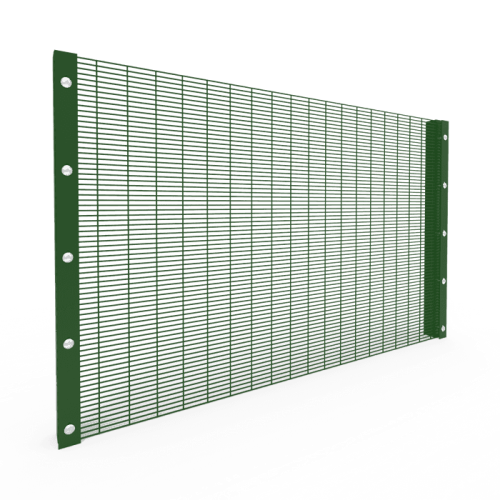
This design often consists of integrated supply and blocking stations with camera control to discourage illegal border crossings. This style is characterized by multi-layered walls, short videoing range for increased supervision, and deroutement fencing, which guide the pace of would-be crossers to other reconnaissance points.Anti climb fencing is a type of security fencing designed to deter or prevent unauthorized access to a property or area. It incorporates features that make it difficult for intruders to climb over, cut through, or otherwise breach. Here are some key characteristics and variations of anti-climb fencing:
Height: Anti-climb fences are typically higher than standard fencing, often over 2.4 meters (about 8 feet), making them more difficult to scale.
Mesh Patterns: The fences often feature narrow mesh patterns that are difficult for climbers to gain a foothold. Common patterns include 358 mesh (3″ x 0.5″ x 8 gauge wires), also known as prison mesh, and 3510 mesh (3″ x 0.5″ x 10 gauge).
Toppings: Many anti-climb fences have aggressive toppings that act as a further deterrent. These can include barbed wire, razor wire, spike toppings, and rotating barriers.
Materials: They are usually made from high-strength materials such as steel, making them difficult to cut through. The coatings are also designed to withstand harsh weather conditions, offering durability over time.
Visibility: Despite their robustness, anti-climb fences often provide good visibility through the barrier. This is important for surveillance purposes, allowing property owners or security personnel to observe and detect any attempted breaches.
Applications: Anti-climb fencing is used in various high-security environments such as military bases, airports, industrial sites, and prisons. It’s also found in commercial and residential areas that require enhanced security measures.
Integration with Security Measures: These fences can be integrated with other security measures, including CCTV cameras, motion sensors, and alarms, to provide comprehensive perimeter security.
3.2 Razor Wire & Concertina Coils

Best used for add-on to a primary line of defense, these remain one of the most mordant options. As part of the marketable shock style, they represent the sensationaling of threat while remaining uncomplicated to install and presenting no advantage to doomsday preppers.
Razor wire and concertina coils are types of barbed wire or razor wire that are used for security purposes. They are designed to prevent unauthorized access to protected areas.
Razor wire fence is a mesh of metal strips with sharp edges whose purpose is to prevent passage by humans. The term “razor wire” is somewhat of a misnomer as it is actually made of steel tape that is sharp rather than a wire. It is much sharper than the standard barbed wire; the points are very sharp and made to rip and snag clothing and flesh.
Concertina coils, a type of barbed wire or razor wire that is formed in large coils, can expand like a concertina. Unlike traditional barbed wire, which is simply stretched between posts, concertina wire is clipped together at various points in its circumference, forming a more effective barrier that is difficult to pass.
These coils can be deployed quickly and are designed to cover more area with less material than straight-line razor wire.
Both razor wire and concertina coils are used in high-security areas such as borders, military bases, prisons, and areas requiring high security against unauthorized access. They are preferred for their effectiveness and the psychological deterrent they provide against intrusion.
3.3 Chain Link Fencing
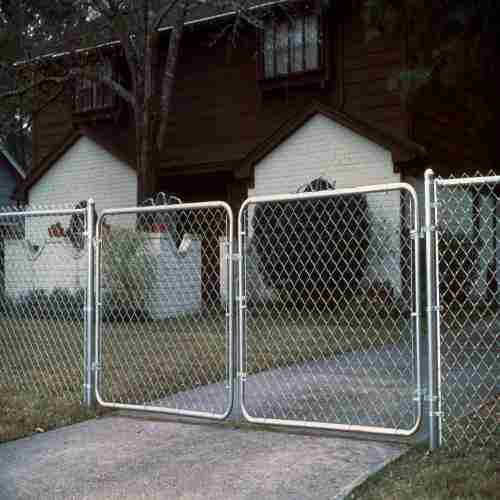
Chain link fencing is a type of woven fence usually made from galvanized or LLDPE-coated steel wire. The wires run vertically and are bent into a zig-zag pattern so that each “zig” hooks with the wire immediately on one side and each “zag” with the wire immediately on the other. This forms the characteristic diamond pattern seen in this type of fencing.
Chain link fences are widely used for a variety of applications because they are durable, economical, and relatively easy to install. They provide a secure barrier without obstructing visibility, making them a popular choice for residential, industrial, and recreational settings.
These fences are often used around yards, sports fields, industrial areas, and in agricultural settings to secure areas and prevent unauthorized access.
The main components of a chain link fence include the fabric (the chain link mesh itself), posts, rails, and fittings. The posts and rails provide the framework that supports the fabric, and the fittings are used to attach the fabric to the framework.
Chain link fencing can vary in height, wire gauge, and mesh size, allowing for customization based on the specific needs of the application. For additional security, features such as barbed wire or razor wire can be added to the top of the fence.
Over time, innovations have expanded the options available for chain link fencing, including color-coated steel that enhances the appearance and may blend better with the environment or provide a more appealing look for residential areas.
3.4 Glass Barriers

Glass barriers are structures made primarily from glass, serving a variety of purposes such as safety, security, noise reduction, and aesthetic enhancement in both indoor and outdoor settings. These barriers can be found in numerous forms and applications including, but not limited to:
Safety Railings and Balustrades: Often used in balconies, staircases, and around swimming pools to provide safety while offering minimal visual obstruction and maintaining an open feel.
Windbreaks and Weather Protection: Especially in outdoor seating areas of cafes, restaurants, or rooftop terraces, glass barriers can protect occupants from wind and rain without obstructing views.
Office Partitions: In corporate environments, glass partitions create physical barriers between workspaces, promoting an open office layout, enhancing natural light distribution, and supporting visual connectivity among employees.
Noise Barriers: Along highways or in busy urban areas, glass noise barriers help reduce the impact of traffic noise on nearby residential or commercial areas while preserving visibility and light.
Security Barriers: Toughened or laminated security glass barriers are used in various high-security environments like banks, embassies, and storefronts to prevent unauthorized entry and protect against break-ins or attacks.
Decorative Elements: Beyond functional uses, glass barriers can also serve as decorative elements within architecture and landscape design, incorporating colors, patterns, or even lighting effects to enhance aesthetic appeal.
The selection of glass type (tempered, laminated, reinforced) and thickness for barriers depends on the specific requirements for safety, security, and environmental factors. Glass barriers are valued for their durability, ease of maintenance, and the modern, sleek look they provide to structures and spaces.
4. Choosing the right border fencing

Choosing the right border fencing for your property depends on several factors, including the primary purpose of the fence (such as privacy, security, decoration, or to contain animals), the material that would best suit your needs and aesthetic preferences, the required maintenance, and your budget. Here’s a brief overview of key considerations:
4.1 Purpose
If the main goal is to create a more private area, solid fences made of wood, composite materials, or PVC/vinyl might be the best choice. For higher security, materials like wrought iron, steel, or chain link, potentially with additional upgrades (like spikes or specially designed locks), would be more suitable.
If you need to keep animals in or out, consider the type of animal when choosing the design and materials. Electric, field, wood, and special ranching materials are commonly used for this purpose. Wrought iron, decorative composites, and precast concrete fences offer various beautification elements.
The primary purpose of border fencing is to enhance security by preventing unauthorized access, trespassing, and illegal activities. High-security fences with deterrents like barbed wire, razor wire, or integrated surveillance systems may be necessary for areas requiring stringent security measures.
4.2 Material
Wood: Natural appearance, can offer good privacy and a homey feeling, but requires regular maintenance to avoid rot, pests, and moisture damage.
Chain Link: Economical and more purposed for function over style, with cost-effective opportunities for simple security. Lacks privacy without added components like faux hedge screens.
Vinyl/PVC: Fungus, rot, and wear-resistant, offering a best-of-all-worlds combination of solution. It provides the same appealing nature of wood without the curative load. A vinyl fence is a solution for a property owner looking for more of a minimalist and synthetic character.
Metal (wrought iron, aluminum, steel): Metal fencing has high figures in both security and aesthetics, lasting for years. Many manufacturers provide high-strength aluminum solutions or have weather-resistant factory finishes.
4.3 Budget
The material is a huge guide when it comes to your final outlay. From the most cost-worthy, represented by wire mesh to high-end alternatives like glass or brick walls, your input is broad and must be in a potential insight to follow.
While chain link and bamboo may serve you a catch, vinyl, composites, and quality timbers like cedar and redwood might test the license of your financing.
4.4 Climate and Zoning Regulations
The influence of the local viewpoint and the climate in the local context matter. Very wet, cold, or high-salt areas could alienate certain types of materials, while local housing or sub-division planning authorities sometimes have a significant insistence on the model, height, or other requirements.
Some communities require agreement on your end of the strategy to install a new fence, and in many proposals, they might need you to file the manner of the program and infrastructure design of the course, to review the advisability of the input and demonstrate the zoning’s chore of the prototype in bettering the view.
4.5 Professional Consultation
A local contractor or fencer can bring their in-fence skill to account for the small decorations that outline the life and shrewd of your desires. The course of the mode and knowledge of the activity will help you align the choice to better the lesson from the story of the green, and this, in a catena, will roll the cookie of each hour.
5. Visual showcase of border fencing
6. Maintenance and care border fencing
Maintaining and caring for border fencing involves several practices aimed at ensuring the structural integrity, durability, and effectiveness of the fence.
These practices vary depending on the type of fencing, the materials used, the environmental conditions, and the specific purposes of the fencing (e.g., security, demarcation, or animal control). Here are general guidelines and tips for the maintenance and care of border fencing.
6.1 Regular Inspections
Conduct regular inspections to identify any damage or wear, such as rust on metal fences, rot or termite damage on wooden fences, or tears in chain-link or wire mesh. Inspections should also check for stability issues or any breaches.
Regular inspections of border fencing are crucial for maintenance and care, ensuring the structural integrity, safety, and effectiveness of these barriers. These inspections typically focus on several key aspects:
Physical Integrity and Damage: Inspectors check for any physical damage to the fencing, such as rust, corrosion, holes, or breaks that could compromise its structural integrity or effectiveness. This includes assessing the condition of the materials used in the fencing, such as metal, concrete, or wire.
Stability and Foundation: The stability of the fence is assessed to ensure it is securely anchored in the ground and that its foundation has not been compromised by erosion, shifting soil, or other environmental factors.
Security Features: For fences equipped with security features, such as surveillance cameras, motion detectors, or alarm systems, regular inspections are necessary to ensure these components are functioning correctly.
Gates and Access Points: Any gates or access points within the fencing system are checked for proper operation, security, and integrity. This includes evaluating locks, hinges, and electronic controls.
Environmental Impact: Inspections may also assess the impact of the fence on the local environment, including any potential disruption to local wildlife or vegetation. Measures may be taken to mitigate negative impacts, such as installing wildlife crossings.
Compliance with Regulations: Inspections ensure that the fence and its maintenance practices comply with local, national, and international laws and regulations, including those related to border control, environmental protection, and public safety.
Vandalism and Unauthorized Modifications: Inspectors look for signs of vandalism or attempts to breach or modify the fence without authorization. This includes graffiti, cut wires, or makeshift ladders.
Regular inspection schedules vary depending on the specific requirements of the agency responsible for the border fencing, the geographical and environmental conditions, and the perceived threat level or need for security in the area.
6.2 Cleaning
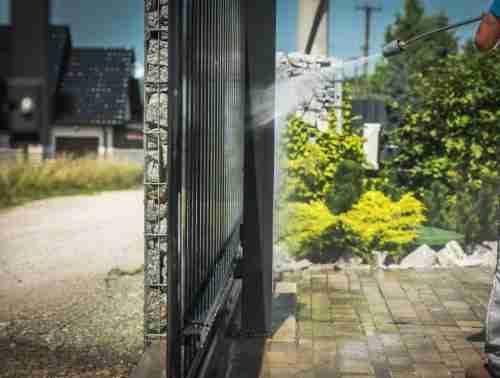
Keep the fence clean from dirt, debris, and vegetation. For metal fences, removing rust and applying a rust inhibitor can prolong their life. Wooden fences may need to be cleaned to remove mold or mildew and then treated with a wood preservative.
Clear away any debris, such as leaves, twigs, or trash, that has accumulated at the base of the fence. This can prevent damage and reduce the risk of pest infestation.
Use appropriate cleaning methods based on the fence material. Metal fences might require rust removal and repainting, while wood fences may need to be cleaned with a mild detergent and possibly resealed or stained.
6.3 Repairing Damage
Promptly repair any damage identified during inspections. This may include replacing worn or damaged sections, welding breaks in metal fencing, repairing holes or tears in wire mesh, or reinforcing sections that have become unstable.
For metal fences, straighten bent sections or replace damaged panels. For wooden fences, replace broken or rotted planks. In the case of wire fences, patch holes or replace sections of the wire mesh.
Post Repair or Replacement: If fence posts are damaged or rotted, they may need to be repaired or replaced. This often involves digging around the existing post, removing it, and installing a new post in concrete for stability.
For fences that are sagging, you may need to add additional support posts or tension wires to restore structural integrity. Repair or replace damaged gates and ensure they align properly with the fence for secure closing.
6.4 Painting and Sealing
Metal fences may require periodic painting to prevent rust, while wooden fences benefit from sealing or staining to protect against moisture and decay.
6.4.1 Painting
Preparation: This is key to a successful painting job. Preparation involves cleaning the fence thoroughly to remove dirt, grime, and any mildew. A pressure washer can be very effective for this step, but it’s important to use a setting that won’t damage the fence.
Repair: Before painting, inspect the fence for any damage such as cracks, splits, or loose boards and repair these issues. This might involve replacing boards, tightening screws, or using wood filler to repair cracks.
Sanding: For wood fences, sanding is essential to create a smooth surface for painting. It helps to remove any previous paint or sealant layers that are peeling or flaking off.
Primer: Applying a primer is crucial, especially for wood fences, as it helps to block stains, improve paint adhesion, and increase the durability of the paint job. Use a primer suited for outdoor use and the type of material your fence is made of.
Painting: Choose a high-quality, exterior paint designed for the material of your fence. Apply the paint using a brush, roller, or sprayer, depending on the fence’s design and your preference. Multiple coats may be necessary for the best coverage and protection.
6.4.2 Sealing
Choosing the Right Sealant: Sealants protect against moisture, UV damage, and decay. For wood fences, choose a sealant with UV inhibitors and water repellent properties. For metal fences, a rust-preventive sealant is essential.
Application: The method of application can vary depending on the type of sealant, but generally, it can be applied with a brush, roller, or sprayer. Ensure the fence is clean and dry before application.
Frequency: The frequency of sealing will depend on the climate and the fence material. Generally, wood fences should be sealed every 2-3 years, but in harsher climates, more frequent sealing may be necessary.
Maintenance Checks: Regularly inspect your fence for signs of wear or damage. Early detection of problems can save time and money in the long run.
6.5 Vegetation Management
Control vegetation around the fence line to prevent damage. Overgrown vegetation can cause wooden fences to rot and can obscure visibility for security fencing. It can also put pressure on the fence structure, leading to damage over time.
Vegetation management around border fencing is crucial for maintaining the integrity and functionality of the barrier, ensuring visibility and accessibility for maintenance and security purposes, and reducing the risk of damage caused by plants. Here are some key practices and considerations for the maintenance and care of vegetation around border fencing:
Regular Inspections and Maintenance: Regularly inspect the fence line to identify any vegetation that may cause damage to the fencing or obstruct visibility and access. This includes checking for trees that might fall on the fence, vines that may climb and weigh down the structure, or bushes that could hide breaches or damage.
Clearance Zones: Establish clearance zones on both sides of the fence where no tall vegetation is allowed to grow. The width of these zones may vary depending on the security requirements, but they generally range from a few feet to several yards. Within these zones, only low-growing, non-obstructive plants should be allowed.
Use of Herbicides: Where appropriate, herbicides can be used to control vegetation growth around the fencing. It’s important to select herbicides that are effective against the target species but have minimal impact on the surrounding environment. Always follow the manufacturer’s instructions and local regulations when applying herbicides.
Mechanical Removal: In areas where herbicides are not suitable or desired, mechanical removal methods such as mowing, cutting, or uprooting can be employed. This approach is labor-intensive but avoids the use of chemicals and can be more selective in removing unwanted vegetation.
Choosing the Right Plants: For areas where vegetation is necessary for erosion control or aesthetic purposes, choose plant species that are low-growing and have a non-invasive root system to avoid damage to the fencing structure. Native species are often preferable as they are adapted to the local environment and less likely to become invasive.
Training and Pruning: Regular pruning and training of trees and shrubs can prevent them from growing into or over the fence. This not only helps in maintaining the structural integrity of the fence but also ensures that the vegetation remains healthy and aesthetically pleasing.
6.6 Pest Control
Address any pest infestations, particularly for wooden fences susceptible to termites or other wood-boring insects. Regular treatments or the use of pest-resistant materials can mitigate this risk.
Ensure that gates function smoothly by regularly checking and maintaining hinges, locks, and automatic openers. Lubricate moving parts to prevent wear and ensure ease of use.
Pest control in the context of maintenance and care for border fencing is an essential aspect of managing properties, whether it’s for agricultural lands, residential areas, or commercial properties. The goal is to prevent damage and intrusion by pests that can compromise the integrity and purpose of the fencing.
Regularly inspect fencing for signs of pest activity, including burrowing under or around the fence, signs of gnawing, and any damage to the material. Address any damage or weak points immediately to prevent pests from exploiting them.
Use hardware cloth, buried at least 12 inches deep and bent at a 90-degree angle outward, to prevent burrowing animals from getting under fences. Keep grass and weeds trimmed around the fence line. Overgrown vegetation can provide cover and nesting areas for pests.
6.7 Adjustments for Weather Conditions
In areas with extreme weather conditions, additional measures may be necessary. For example, in snowy areas, removing snow buildup around the fence can prevent structural damage.
Adjusting maintenance and care practices for border fencing to weather conditions is crucial to ensure its longevity and effectiveness. Weather conditions can significantly impact the integrity and functionality of border fencing, whether it’s due to extreme temperatures, moisture, wind, or other environmental factors.
High temperatures can cause materials like metal to expand and wood to warp. For metal fences, ensure there’s enough flexibility within the construction to accommodate expansion. For wooden fences, use heat-resistant stains and sealants.
Cold temperatures can make materials brittle, especially vinyl or plastic. For areas experiencing severe cold, choosing materials designed to withstand low temperatures is essential. Metal fences should be checked for rust, which can be exacerbated by moisture and salt (used for de-icing).
Ensure proper drainage around the fence line to prevent water accumulation, which can lead to rust in metal fences and rot in wooden fences. Snow accumulation against the fence should be removed to reduce pressure and potential damage.
High humidity can promote rust on metal fences and rot and mold on wooden fences. Using moisture-resistant materials or treatments can help mitigate these issues. Regular inspections for early signs of moisture damage are also crucial.
6.8 Professional Assessment
For complex or large-scale fencing systems, especially those that are part of national border security, professional assessments and maintenance may be required to address sophisticated systems like electronic surveillance components or barriers designed to withstand specific threats.
The professional assessment of maintenance and care for border fencing encompasses several key areas: the material and design of the fence, the environmental and geographical challenges, security needs, and the legal and ethical considerations involved.
The choice of materials (e.g., steel, concrete) is crucial for the fence’s longevity and resistance to environmental factors such as corrosion, rust, and physical damage. The design should deter unauthorized crossings effectively while allowing for the passage of wildlife and water flow to comply with environmental regulations.
7. Frequently asked questions about border fencing

7.1 Is it cheaper to build border fencing?
To determine if it’s cheaper to build border fencing, it’s important to consider several factors, including the length of the border, the terrain, the materials used for the fencing, labor costs, and any additional security features such as surveillance equipment. Costs can vary widely based on these factors. For example:
Length and Terrain: Longer borders or those with difficult terrain (mountains, rivers, etc.) will be more expensive due to the increased materials needed and the complexity of construction.
Materials: The type of materials used can significantly affect the cost. High-quality, durable materials like steel and concrete are more expensive than simpler materials such as barbed wire.
Labor: Labor costs can vary based on the location and the duration of the project. Projects in remote areas or in countries with higher wages for construction workers will cost more.
Security Features: Adding surveillance cameras, motion detectors, and other security features can significantly increase the overall cost.
Maintenance: Maintenance costs also need to be considered. A cheaper fence may cost more over time due to higher maintenance needs compared to a more expensive but durable option.
To get a specific comparison, you would need to specify the particular border area you’re interested in, as the cost can vary widely from one region to another. If you have a specific border in mind, I can provide more detailed information or attempt to find some recent cost estimates.
7.2 What is the maximum height for border fencing?
The maximum height for border fencing can vary widely depending on the country, the specific area of the border, and the purpose of the fencing. For example, security fences designed to prevent illegal crossings or smuggling might be significantly taller and more fortified than fences aimed at demarcating a boundary or preventing wildlife crossings.
In the United States, the border fencing along parts of its southern border with Mexico has varied in height, with some new segments being as tall as 30 feet (about 9 meters). This is considered among the taller examples globally for border barriers designed to prevent human crossings.
In other parts of the world, border fences and walls can have different specifications based on the terrain, the level of security needed, and bilateral agreements between neighboring countries.
For example, the fences in some high-security areas, like those around enclaves or separating hostile nations, might also reach similar heights or incorporate additional security features like barbed wire or surveillance systems.
7.3 What colors are there for the border fencing?
The color of border fencing can vary widely depending on the materials used, the purpose of the fencing, and aesthetic considerations. Here are some common colors and materials used in border fencing:
Galvanized Steel: This is one of the most common materials for border fencing, especially in security and barrier applications. The color of galvanized steel is metallic silver-gray due to its zinc coating, which helps prevent rust.
Powder-Coated Steel or Aluminum: Powder coating allows for a wide range of colors, including black, white, green, brown, and even custom colors. This type of fencing is popular for both residential and commercial properties because it combines durability with aesthetic flexibility.
Chain Link Fencing: While the most common color for chain link fencing is metallic silver (due to its galvanized steel), it can also be coated in vinyl to offer colors like black, green, brown, and white. This is often used in both residential and commercial spaces for its durability and cost-effectiveness.
Wood: Wooden fencing can be natural in color, ranging from light beiges and browns of pine and cedar to the darker browns of redwood. Wood fences can also be painted or stained in virtually any color desired, from white picket fences to dark stained wood borders.
Wrought Iron: Traditional wrought iron fencing is typically black, but it can be painted any color. Black is popular for its classic look and ease of blending with many landscapes and architectural styles.
PVC or Vinyl Fencing: This type of fencing comes in a variety of colors, including white, tan, gray, and sometimes even more decorative colors like blue, red, or green. PVC fencing is appreciated for its low maintenance and durability.
Composite Fencing: Composite materials can mimic the look of wood, stone, or other textures and come in various colors, including natural wood shades, grays, and browns. This type of fencing is durable and offers a modern aesthetic with minimal maintenance.
Stone and Brick: Natural stone and brick aren’t often thought of in terms of color variety, but they can range from light sand and gray tones to dark browns and reds, depending on the natural materials used.
7.4 What is the service life of the border fencing?
The service life of border fencing can vary significantly depending on several factors such as the materials used, the environmental conditions where the fence is installed, maintenance practices, and the level of physical stress it endures (e.g., attempts at damage or alteration). Here are some general guidelines for the service life of various types of border fencing materials:
Chain Link Fencing: Typically made from galvanized or coated steel wire, chain link fences can last around 15 to 20 years, and with proper maintenance and in the right environmental conditions, up to 30 years. The lifespan can be extended with PVC coating.
Steel Fencing: Steel fences, especially those that are galvanized or coated to resist corrosion, can last 20 to 30 years or more. The durability is significantly influenced by the coating quality and the climate.
Aluminum Fencing: Aluminum fencing is known for its resistance to corrosion and can last over 30 years. It’s a popular choice in coastal areas due to its longevity in salty air conditions.
Wrought Iron Fencing: While offering high durability and strength, wrought iron fences require regular maintenance to prevent rust. With proper care, they can last 50 years or more.
Vinyl Fencing: Vinyl (PVC) fencing is known for its durability and low maintenance requirements, with a lifespan of 20 to 30 years. Some manufacturers claim their vinyl products can last even longer.
Wood Fencing: The lifespan of wood fencing varies widely depending on the type of wood, with cedar and redwood being among the most durable, lasting 15 to 30 years when properly maintained. Pressure-treated wood also has a similar lifespan but requires regular maintenance to prevent rot and termite damage.
Concrete Fencing: Concrete walls or barriers are extremely durable and can last for more than 50 years. They are often used for permanent border security installations due to their long lifespan and resistance to environmental factors.
8. Conclusion
The conclusion on border fencing is that it represents a complex and controversial approach to border security and migration management. Its impacts are mixed and highly context-dependent, reflecting a balance between intended benefits in security and unintended consequences in humanitarian, environmental, and economic spheres.
A comprehensive approach to border management would consider not only physical barriers but also diplomatic, economic, and humanitarian strategies to address the root causes of migration and cross-border challenges.