
Table of Contents
1. Introducing ornamental barrier

Introducing an ornamental barrier refers to the process of incorporating a decorative structure designed to either enclose, divide, or serve as a boundary within a space. These barriers can be found in various settings, including gardens, landscapes, interiors, and urban environments.
Aesthetic enhancement, privacy, security, and demarcation of property lines or specific areas. Ornamental barriers can take many forms, such as fences, walls, hedges, gates, and screens, and are often crafted from materials like wood, metal, stone, or living plants to add visual interest and complement the surrounding architecture or natural landscape.
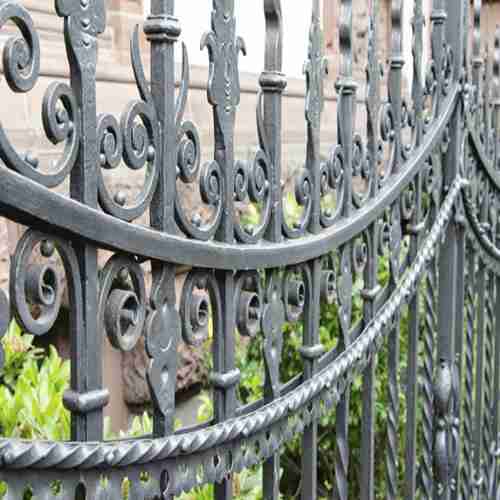
The design of an ornamental barrier is crucial, as it reflects personal style, cultural influences, and architectural trends, while also considering functionality. For example, a wrought iron gate with intricate patterns may provide security for a property while also adding a touch of elegance.
Similarly, a beautifully trimmed hedge can offer privacy and sound insulation in addition to enhancing the garden’s aesthetic.
Incorporating an ornamental barrier involves planning and design, taking into account the site’s characteristics, the barrier’s intended function, material selection, and maintenance requirements. It may also require adherence to local zoning laws and regulations, especially for outdoor installations.
Whether for a private garden, a public park, or an architectural project, ornamental barriers add value and beauty, making them an important aspect of design in both historical and contemporary contexts.
2. The importance of ornamental barrier
Ornamental barriers, such as fences, gates, and railings, serve multiple purposes beyond their basic function of marking boundaries and providing security. They are an integral part of landscape architecture, contributing both aesthetically and functionally to outdoor spaces. Here are several key points highlighting their importance.
2.1 Aesthetic Appeal
Ornamental barriers are designed to be visually appealing, enhancing the overall look of a property. They come in various styles, materials, and designs, from wrought iron gates with intricate patterns to wooden fences that offer a natural, rustic charm.
By adding elegance or character to a landscape, these barriers can significantly increase a property’s curb appeal and overall value.
Ornamental barriers can complement and enhance the architectural style of the buildings they surround. Whether through matching materials, colors, or design motifs, these barriers contribute to a cohesive and harmonious appearance.
Intricately designed barriers serve as a focal point, adding visual interest to landscapes and buildings. The use of ornamental elements, such as finials, scrolls, and decorative panels, can turn a simple boundary into a work of art. These features attract the eye and can make the space more inviting and memorable.
2.2 Security
While their ornamental features are a significant aspect, these barriers also fulfill the practical function of providing security. They can deter unauthorized entry and enhance privacy, making them an important consideration for residential and commercial properties alike.
The importance of ornamental barriers, often referred to as decorative fencing, goes beyond their aesthetic appeal. These barriers play a significant role in both security and landscaping, offering a blend of functionality and design that can enhance the overall value and safety of a property. Here are some key points regarding the security aspects of ornamental barriers:
Perimeter Security: Ornamental barriers serve as a physical boundary for a property, marking the limits and deterring unauthorized access. They are designed to be difficult to climb over, providing a first line of defense against intruders.
Visual Deterrence: The presence of a well-designed ornamental barrier can be a visual deterrent to potential intruders. It signals that a property is well-cared for and likely to have other security measures in place.
Integration with Security Systems: Modern ornamental barriers can be integrated with security systems, including surveillance cameras, motion detectors, and alarms. This integration enhances the overall security posture of a property by providing real-time monitoring and response capabilities.
Access Control: Gates within ornamental barriers can be equipped with access control systems, such as keypads, card readers, or biometric scanners, allowing for controlled entry and exit points. This ensures that only authorized individuals can access the property.
2.3 Defining Spaces
Ornamental barriers help in delineating different areas within a space, such as separating a garden from a recreational area. This can help in creating organized, functional areas within a larger landscape, making it more usable and aesthetically pleasing.
2.4 Cultural and Historical Significance
In many cases, ornamental barriers also carry cultural or historical significance, reflecting the architectural styles and preferences of a particular era or region. For instance, Victorian-style ironwork in gates and fencing can reflect the architectural trends of the 19th century, adding a historical dimension to a property.
2.5 Enhancing Landscaping
These barriers can also play a crucial role in landscaping by supporting climbing plants and vines, contributing to a garden’s biodiversity, or being used as a backdrop for showcasing particular plants or garden features.
2.6 Customization and Personal Expression
With the wide range of designs and materials available, property owners can choose barriers that reflect their personal style and the character of their home or business, allowing for personal expression and customization of the space.
Customization of ornamental barriers allows for the creation of unique and personalized spaces. Owners can choose designs that reflect their personal style, cultural heritage, or aesthetic preferences.
For instance, a wrought iron gate with intricate patterns can add a touch of elegance and sophistication to a property, while a brightly painted wooden fence can create a warm and welcoming atmosphere. This level of customization not only enhances the visual appeal of the space but also imbues it with a sense of identity and character.
Ornamental barriers serve as canvases for personal expression, enabling individuals and communities to showcase their creativity and values. Through the selection of materials, colors, and designs, these barriers can tell stories, celebrate history, or pay homage to natural beauty. They can also be used to make social or political statements.
3.Choosing the right ornamental barrier
Choosing the right ornamental barrier for your property involves considering several factors to ensure it not only meets your aesthetic preferences but also serves its functional purposes effectively. Here are some key aspects to consider.
3.1 Purpose
If security is a primary concern, look for barriers that are difficult to climb over or break through. Materials like wrought iron and steel, and designs with vertical bars, can be effective. For privacy, consider barriers with solid panels or closely spaced elements. Wood, vinyl, and metal panels can offer good privacy options.
If the barrier is primarily decorative, focus on materials and designs that complement your property’s architecture and landscape. Ornamental metal, traditional wood, or modern composite materials can all be good choices.
3.2 Material
Materials like aluminum, steel, and wrought iron are durable and require minimal maintenance, while wood may require regular treatment to prevent rot and termite damage. Consider how much time and money you are willing to invest in maintenance.
Metals like aluminum and wrought iron may only need occasional cleaning, while wood may need to be stained or painted regularly. Budget will also influence your choice. Wrought iron and steel tend to be more expensive than wood or vinyl, but they can offer longer lifespan and better durability.
3.3 Design
The barrier should complement the style of your property. For example, a Victorian-style home might benefit from a wrought iron fence with intricate designs, while a modern home might look better with a sleek, minimalist barrier.
Check local zoning laws and homeowners’ association rules, as there may be restrictions on the type of barriers allowed, their height, and materials.
4. The most popular ornamental fence styles
Ornamental barriers are designed not just for functionality but also to enhance the aesthetics of the spaces they define. These barriers come in various types, materials, and designs, catering to different preferences and requirements. Here’s an overview of common types.
4.1 Ornamental Wrought Iron Fencing
Known for its durability and elegant designs, wrought iron fencing is often used for both security and decorative purposes. It is customizable and can feature intricate patterns that add a classic or contemporary touch to any property.
Ornamental wrought iron fencing combines durability with timeless elegance. This type of fencing is known for its strength, security, and distinctive appearance.
Wrought iron fencing offers a range of designs from simple, classic lines to intricate patterns. Its versatility makes it suitable for both historical and modern properties. Custom designs can be created to match the architectural style of a home or landscape, including the addition of decorative elements like scrolls, finials, and floral motifs.
Wrought iron is exceptionally strong and resistant to impact, making it an excellent choice for security fencing. It can last for decades with proper care. To maintain its appearance and prevent rust, wrought iron fencing may require periodic painting or treatment.
4.2 Ornamental Vinyl Fencing
A low-maintenance alternative to wood that can mimic various styles, including traditional wood fences and wrought iron. Vinyl fencing comes in different colors and patterns, offering durability and flexibility in design.
Ornamental vinyl fencing is designed to offer the aesthetic appeal of traditional ornamental fences, such as those made from wrought iron or aluminum, but with the added benefits of vinyl. This type of fencing is known for its durability, low maintenance, and versatility in design.
Ornamental vinyl fencing is available in a variety of styles, including designs that mimic the look of wrought iron or other metals. This allows homeowners and businesses to enjoy the elegant appearance of an ornamental fence without the maintenance or cost associated with metal fencing.
Vinyl is a highly durable material that does not rust, rot, or corrode. This makes it an excellent choice for fencing, as it can withstand harsh weather conditions without deteriorating.
Unlike metal fences that may require regular painting or treatment to prevent rust and corrosion, vinyl fencing requires very little maintenance. A simple cleaning with soap and water is typically all that is needed to keep it looking new.
4.3 Ornamental Bamboo Fencing
Ornamental bamboo fencing is a visually appealing and eco-friendly option for adding privacy and enhancing the aesthetic appeal of gardens, patios, and other outdoor spaces. Bamboo, being a fast-growing and sustainable material, offers several advantages over traditional fencing materials like wood or vinyl.
This type is made from long bamboo canes tied together with wire or string and can be easily unrolled and attached to an existing fence or frame. Similar to rolled fencing but with thicker canes, offering more privacy and durability.
Involves planting bamboo plants to create a living fence. It requires more maintenance but can provide a unique, lush barrier.
4.4 Stone Walls
Ornamental stone walls are a popular and elegant addition to both indoor and outdoor spaces, offering both aesthetic appeal and functional benefits. These walls can be constructed using various types of stones, including natural stones like granite, limestone, sandstone, slate, and marble, or manufactured stones, which are often lighter and easier to install.
The design of an ornamental stone wall can vary widely, from simple and rustic to intricate and sophisticated, depending on the type of stone used, the method of construction, and the overall design aesthetic of the space. These walls can be used in a variety of applications, including garden walls, retaining walls, facades, interior feature walls, and as part of landscaping designs.
The choice of stone impacts the wall’s appearance, durability, and maintenance needs. Natural stones offer unique textures and colors but may require more maintenance, while manufactured stones provide consistency and ease of installation.
4.5 Ornamental Aluminum Fencing
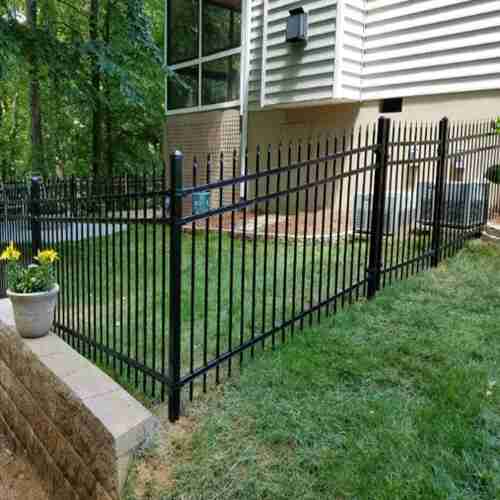
Ornamental aluminum fencing is a popular choice for both residential and commercial properties due to its durability, low maintenance, and aesthetic appeal. It’s designed to mimic the elegant look of wrought iron fencing without the associated rust and upkeep.
Aluminum is resistant to corrosion and rust, making it an ideal material for fencing, especially in areas with high humidity or coastal climates. Unlike iron, aluminum does not require regular painting or treatment to prevent rust, making it a low-maintenance option for property owners.
Ornamental aluminum fencing comes in a variety of styles, colors, and heights, allowing for customization to suit the architectural style of the property or the personal preference of the property owner.
While being aesthetically pleasing, aluminum fences can also provide a secure perimeter. They can be designed with pickets that are difficult to climb and can include spear tops for additional security.
4.6 Ornamental steel Fencing
Ornamental steel fencing is a popular choice for both residential and commercial properties due to its combination of strength, durability, and aesthetic appeal. This type of fencing is designed to provide a high level of security while also enhancing the appearance of the property.
Ornamental steel fences are known for their elegant designs, which can range from simple and modern to intricate and classical. They can mimic the appearance of traditional wrought iron fencing without the associated maintenance.
There are numerous design options available, including different patterns, finials, and post caps, allowing property owners to customize the look to match their style or the architectural style of their buildings.
4.7 Ornamental Iron Fencing
Ornamental iron fencing is a popular choice for both residential and commercial properties due to its durability, security features, and aesthetic appeal. This type of fencing combines strength with elegance, offering a range of styles that can complement various architectural designs.
Ornamental iron fences are known for their longevity and resistance to harsh weather conditions. They are typically made from wrought iron or steel, materials that can withstand the elements and resist corrosion when properly treated. Maintenance generally involves periodic painting or sealing to prevent rust and ensure the fence continues to look its best.
The strength of iron makes these fences an excellent option for security. They are difficult to break or cut through and can be designed with pointed tops or other deterrents to climbing. The solid construction also offers privacy, especially with designs that limit visibility through the fence.
Ornamental iron fencing offers a timeless elegance that can enhance the curb appeal of any property. It is available in a variety of designs, from simple and modern to intricate and traditional patterns. Custom designs can also be created to match the unique style of a home or building.
5. Potential problems with ornamental barrier

Ornamental barriers, often used for aesthetic enhancement as well as for demarcation of property lines or protected areas, can present several potential problems depending on their design, placement, and construction materials.
5.1 Safety Hazards
When discussing the safety hazards associated with ornamental barriers, there are several potential problems that should be considered to ensure they are safe for use in any environment. Ornamental barriers, while aesthetically pleasing, can pose a variety of risks if not properly designed, installed, and maintained. Here are some key safety hazards to be aware of:
Sharp Edges and Protrusions: Ornamental designs often feature intricate patterns that may include sharp edges or points. These can cause injuries if someone accidentally comes into contact with the barrier.
Climbing Hazards: The designs on ornamental barriers may inadvertently provide footholds for children, making it easier for them to climb the barrier. This could lead to falls and serious injuries, especially if the barrier is meant to protect against access to dangerous areas like swimming pools or balconies.
Structural Integrity: If not properly constructed or maintained, ornamental barriers can become unstable or weak over time. This can lead to collapse or failure, potentially causing injury to people nearby or damage to property.
Gaps and Entrapment Hazards: The spaces within the design of an ornamental barrier could pose entrapment hazards, especially for children. There’s a risk of head entrapment or limbs getting stuck, which could lead to injuries.
Chemical Hazards: The materials and finishes used on some ornamental barriers may contain harmful chemicals that could pose health risks, especially if they chip, peel, or are subject to wear and tear. It’s important to ensure that materials used are safe and non-toxic.
Visibility Issues: Some ornamental barriers may obstruct the view of areas that need to be visible for safety reasons. For example, barriers that are too high or too dense can hide hazards on the other side, making it difficult to supervise children or spot potential dangers.
Electrical and Lighting Hazards: If the ornamental barrier incorporates electrical components for lighting or other features, there’s a risk of electrical hazards, including shock or fire, if not properly installed and maintained.
Weather-Related Hazards: Materials used in ornamental barriers must be able to withstand local weather conditions. Failure to consider this can lead to degradation of the material, making it more susceptible to breaking or collapsing during strong winds or other severe weather conditions.
5.2 Maintenance Challenges
Maintaining ornamental barriers, such as decorative fences, gates, and railings, involves addressing a variety of potential problems to ensure their aesthetic appeal and structural integrity over time. Here are some common maintenance challenges and potential problems associated with ornamental barriers:
Rust and Corrosion: For metal barriers, such as those made of iron or steel, rust is a significant issue, especially in humid or coastal environments. Rust can weaken the structure and mar its appearance. Regular inspections, cleaning, and application of rust inhibitors or protective coatings are essential to manage this problem.
Weather Damage: Ornamental barriers are exposed to the elements, which can lead to damage over time. Wood can rot or warp due to moisture, while metal can expand or contract with temperature changes, affecting stability and functionality. Using weather-resistant materials and finishes can mitigate these effects.
Wear and Tear: Regular use and exposure to environmental factors can lead to general wear and tear, such as loosening of parts, fading of paint or finishes, and mechanical failures in gates. Routine maintenance, including tightening loose components, repainting, and lubricating moving parts, is necessary to address these issues.
Vegetation Growth: Plants growing near or on the barriers can cause structural problems, such as wood rot or metal corrosion, and can interfere with the operation of gates. It’s important to regularly trim vegetation and remove any plants growing directly on the barriers.
Impact Damage: Accidental impacts from vehicles, lawn equipment, or falling branches can cause physical damage to ornamental barriers. Repairing such damage may require professional services, especially for intricate designs or specialized materials.
Insect and Pest Damage: Wooden barriers are susceptible to insect infestations, such as termites or carpenter ants, which can compromise structural integrity. Regular inspections and treatments are necessary to prevent and address infestations.
Aesthetic Degradation: Over time, the visual appeal of the barrier can diminish due to factors like discoloration, staining, or the accumulation of dirt and grime. Regular cleaning, along with periodic refinishing or repainting, can help maintain the barrier’s aesthetic qualities.
Security Weaknesses: Damage or wear can also lead to security vulnerabilities, especially in fences and gates designed to restrict access. Ensuring that locks, hinges, and other security features are in good working order is critical.
5.3 Visual Obstruction
Visual obstruction caused by ornamental barriers can present several potential problems in various contexts, including residential, commercial, and public spaces. Here are some of the key issues associated with visual obstruction by ornamental barriers:
Reduced Visibility and Safety Hazards: In areas where visibility is crucial, such as near roadways, driveways, and pedestrian crossings, ornamental barriers can obstruct sightlines. This can lead to increased risks of accidents as drivers, cyclists, and pedestrians may not see each other until it’s too late.
Impact on Surveillance and Security: Ornamental barriers that obstruct the view can also affect the security of a property. They can create hidden spots that are ideal for unauthorized access or activities, reducing the effectiveness of surveillance cameras and natural surveillance by residents or passersby.
Aesthetic Concerns and Neighborhood Disputes: While ornamental barriers are often installed for their aesthetic appeal, they can sometimes lead to disputes if neighbors feel their views are being obstructed or if the barrier clashes with the local architectural style or natural landscape.
Impact on Wildlife and Natural Light: Barriers that block views can also interfere with the movement of wildlife, especially in areas where animals are used to traversing. Additionally, these barriers may block natural light, affecting both the growth of plants and the light available to neighboring properties.
Legal and Regulatory Issues: Many localities have regulations regarding the height and placement of fences and barriers to prevent visual obstruction. Ignoring these rules can lead to legal disputes and may require the modification or removal of the barrier, leading to additional costs.
Access and Maintenance Challenges: Ornamental barriers that obstruct views can also make it difficult to access certain areas for maintenance or emergency services. This can be particularly problematic if the barrier impedes access to utility services or emergency egress.
5.4 Environmental Impact
When discussing the environmental impact of ornamental barriers, several potential problems may arise, depending on the design, materials used, and location of the barrier. Ornamental barriers, often used for aesthetic, privacy, or security purposes, can impact the environment in various ways:
Habitat Fragmentation: The installation of barriers can lead to habitat fragmentation, where continuous habitats are divided into smaller, isolated patches. This can severely affect wildlife mobility and access to resources, impacting biodiversity.
Non-native Species: Some ornamental barriers, especially those made of living plants or incorporating non-native species, can lead to the spread of invasive species. These species can outcompete native flora and fauna, leading to reduced biodiversity.
Chemical Leaching: Barriers made from treated wood or certain metals might leach chemicals into the soil and water, harming plant life and aquatic systems. This is particularly concerning if the materials contain toxic substances like arsenic in pressure-treated wood or heavy metals in some paints and coatings.
Water Flow Disruption: Physical barriers can alter natural water flow, leading to issues like erosion, sedimentation, and the disruption of local water ecosystems. Barriers that impede the natural flow of water can also contribute to flooding by restricting water movement.
Soil Disruption: The installation process for some barriers may involve significant soil disruption, which can lead to erosion, loss of topsoil, and harm to the root systems of nearby plants. This can degrade the quality of the habitat and reduce its suitability for native wildlife.
Light and Sound Pollution: Depending on the design and location, ornamental barriers can also contribute to light and sound pollution. Barriers that reflect light or amplify sounds can disrupt the behaviors of nocturnal wildlife and contribute to stress and disorientation.
Resource Consumption: The production and transportation of materials for ornamental barriers can consume significant resources, including energy and water. This consumption contributes to the overall environmental footprint of such structures.
5.5 Permit and Regulation Non-Compliance
When discussing permit and regulation non-compliance in the context of installing or maintaining ornamental barriers (such as fences, walls, or gates), various potential problems can arise. These issues not only involve the immediate legal and financial consequences of non-compliance but also the broader implications for safety, community relations, and environmental impact. Here’s an overview of potential problems associated with non-compliance:
5.6 Legal and Financial Consequences
Non-compliance with local zoning laws, building codes, or specific regulations regarding ornamental barriers can result in significant fines and penalties. These are often calculated per day of non-compliance and can accumulate rapidly.
If an ornamental barrier is found to violate regulations, property owners may be required to alter or remove the structure at their own expense. This can be particularly costly if the barrier is extensive or constructed from high-end materials.
Disputes arising from non-compliant barriers, whether with local governments or aggrieved neighbors, can lead to litigation. Legal fees and potential settlements or judgments can be financially burdensome.
5.7 Safety and Accessibility Issues
Barriers that do not comply with safety standards can pose risks to pedestrians, vehicles, and the general public. For example, a wall that obstructs sight lines near roads can increase the risk of accidents.
Non-compliant designs may hinder the access of emergency services, such as fire, police, and medical teams, potentially delaying response times during critical situations.
5.8 Environmental and Community Impact
Installation of some barriers without proper permits might lead to environmental degradation, such as disruption of local wildlife habitats, improper water runoff management, and harm to protected landscapes or trees.
Ornamental barriers that encroach on public or neighboring properties can lead to disputes and sour relations within a community. Issues such as obstructed views, loss of light, or perceived encroachments on privacy can escalate into ongoing conflicts.
5.9 Aesthetic and Historical Considerations
Disruption of Community Character: In areas with specific historical or aesthetic guidelines, non-compliant barriers can disrupt the visual harmony and community character, potentially affecting property values and community pride.
5.10 Long-term Implications
Non-compliant structures can negatively affect the property values not only of the offending property but also of neighboring properties, especially if the barrier is considered an eyesore or a safety hazard.
Issues related to non-compliance can emerge during the sale of a property, potentially complicating or derailing real estate transactions.
5.11 Cost
Installing an ornamental barrier, such as a decorative fence or wall, can enhance the aesthetic appeal and potentially the security of a property.
Ornamental barriers, especially those made from high-quality materials or with intricate designs, can be significantly more expensive than standard fencing options. The cost increases with the complexity of the design, the quality of materials, and the size of the area to be enclosed.
Decorative barriers may require more maintenance than simpler fences. Materials like wrought iron need regular painting and rust removal to maintain their appearance and integrity. Wood, while beautiful, may need treatment against rot, pests, and weathering.
Many localities have specific regulations regarding the height, style, and materials of fences and barriers. There may be restrictions that limit your options or require you to obtain permits before installation, potentially delaying your project and adding to the cost.
5.12 Privacy Concerns
Privacy concerns regarding ornamental barriers, such as decorative fencing or walls, are valid and can encompass a variety of issues. These concerns often revolve around the balance between enhancing aesthetic appeal and ensuring privacy and security. Here are some potential problems with ornamental barriers related to privacy:
Insufficient Coverage: Ornamental barriers may prioritize design over functionality, potentially leading to gaps or openings that compromise privacy. For example, a decorative fence with large gaps between its elements might not adequately shield your property from outside views.
Height Issues: If the barrier is not tall enough, it might not prevent neighbors or passersby from looking into private areas of your property. This is particularly problematic in elevated areas or where neighboring properties are on higher ground.
Material Transparency: Some ornamental barriers use materials that, while attractive, may not provide sufficient privacy. For instance, wrought iron fences or certain types of lattice work can be seen through easily.
Legal and Regulatory Challenges: Local zoning laws or homeowners’ association (HOA) regulations may impose restrictions on the type, height, and placement of ornamental barriers. This can limit your ability to use these barriers for privacy effectively.
Maintenance and Wear: Over time, the integrity of a decorative barrier can be compromised due to weathering, damage, or neglect, potentially leading to increased visibility into your property. Regular maintenance is required to ensure privacy is maintained.
Security Overlooked: While focusing on aesthetics, the security aspect of a barrier might be overlooked. A barrier that is easy to climb or bypass does not offer much in terms of privacy or security.
Landscaping and Plant Growth: The integration of landscaping with ornamental barriers can both enhance and detract from privacy. Over time, plants may either grow to fill in gaps and increase privacy or, if not properly maintained, can die or become overgrown, reducing privacy and security.
5.13 Impact on Wildlife
Ornamental barriers, while often designed to enhance the aesthetic appeal of landscapes, can have various impacts on wildlife. The potential problems these barriers pose to animal populations primarily revolve around habitat disruption, movement restriction, and direct harm. Here are some key considerations:
Habitat Fragmentation: Ornamental barriers can contribute to the fragmentation of habitats. Wildlife habitats are often delicate ecosystems, and erecting barriers can divide these spaces, isolating animal populations. This isolation can limit access to food, mates, and essential migratory paths, potentially leading to decreased biodiversity.
Movement Restriction: Many animals rely on the ability to move freely within their habitats for survival. Ornamental barriers can obstruct these movements, affecting the animals’ ability to find food, water, shelter, and mates. For species that migrate or have large territories, such restrictions can be particularly harmful.
Injury and Mortality: Animals attempting to navigate around or over ornamental barriers may face injury or death. Birds, for example, may not recognize transparent or reflective barriers and can collide with them. Terrestrial animals might try to climb over or dig under barriers, leading to potential injury or entrapment.
Altered Behaviors: The presence of barriers can force wildlife to alter their natural behaviors. Animals may need to travel longer distances to find food or mates, increasing their exposure to predators and human-related hazards like roads and vehicles.
Ecosystem Imbalance: By restricting animal movements, ornamental barriers can lead to imbalances in local ecosystems. Predators may find it harder to access prey, or prey species may increase in areas where predators are kept out, potentially leading to overgrazing and vegetation loss.
Barrier Permeability: The design of ornamental barriers can sometimes be impermeable to smaller wildlife, preventing the passage of amphibians, reptiles, and small mammals. This impermeability can significantly disrupt local ecosystems and biodiversity.
5.14 Cultural or Historical Insensitivity
Discussing the potential problems with ornamental barriers from a cultural or historical insensitivity perspective involves considering how such structures can inadvertently or deliberately perpetuate stereotypes, disrespect cultural heritage, or ignore the historical context and significance of certain symbols, designs, or placement.
Using specific cultural symbols, designs, or styles in an ornamental barrier without understanding or respecting their significance can be seen as appropriation. This is particularly problematic if the symbols are sacred or have deep meanings within the originating culture and are used superficially or decoratively by another.
Certain designs or motifs may have historical connotations that are insensitive or offensive to some groups. For example, using imagery or styles associated with colonial oppression, slavery, or other historical injustices in an ornamental barrier could be deeply hurtful to those whose ancestors suffered through those periods.
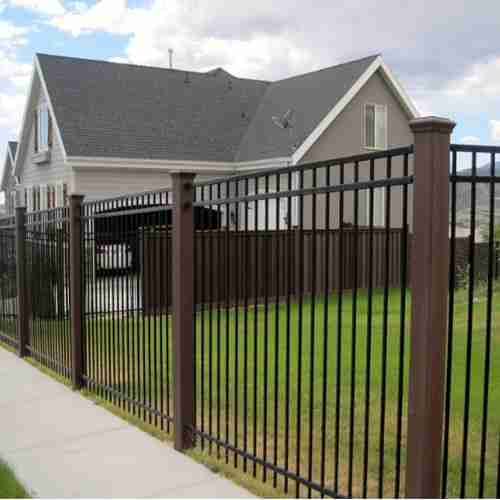
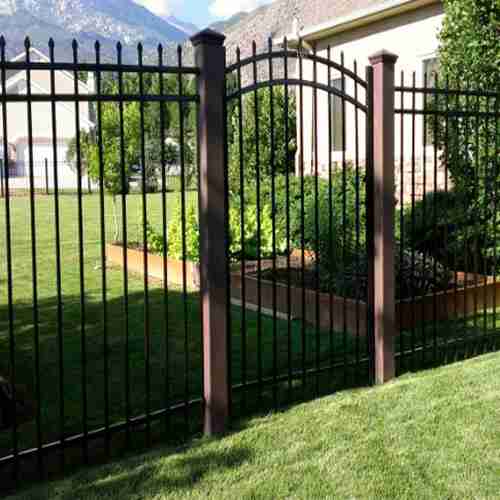
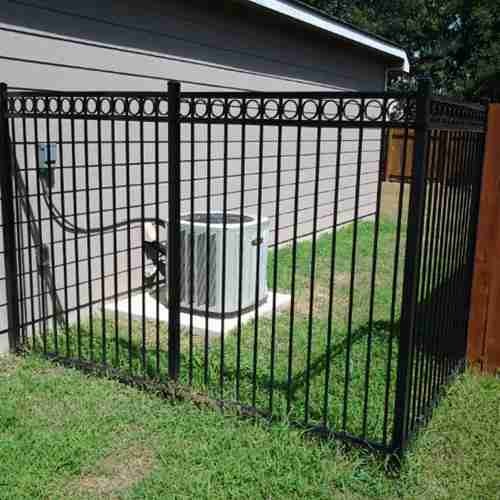
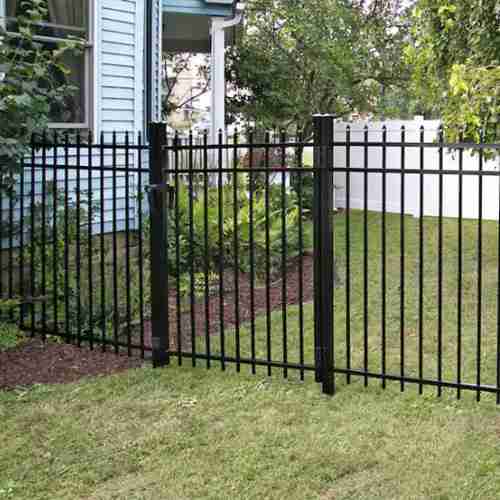
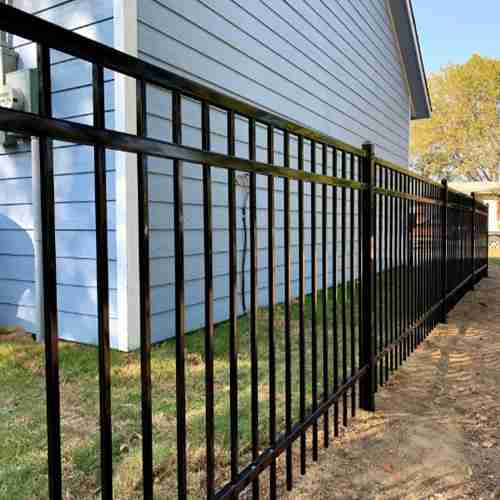
6. Visual showcase of ornamental barrier

7. Maintain ornamental barrier
Maintaining an ornamental barrier, such as a decorative fence or hedge, involves several steps to ensure it remains attractive and functional. Here are general tips to help you maintain your ornamental barrier:
7.1 Regular Cleaning
Maintaining an ornamental barrier, such as a decorative fence or wall, involves regular cleaning and care to ensure its appearance and longevity.
Start by inspecting the entire structure for any signs of damage, wear, or corrosion. This is especially important for barriers made of metal or wood, which are susceptible to rust and rot, respectively. Check for loose or missing components, such as screws, nails, or panels.
For metal barriers (e.g., wrought iron), use a mild detergent mixed with water and a soft brush to clean the surface. Rinse with a hose and let dry. If you notice rust, you may need to sand the area lightly and apply a rust-inhibiting primer and paint.
Use a wood cleaner or a mixture of bleach and water (1 part bleach to 2 parts water) for mildew or algae. Apply with a brush or sprayer, let it sit for a few minutes, then rinse off with a hose. Avoid pressure washing as it can damage the wood.
These can be cleaned with a basic soap and water solution or a vinyl fence cleaner. Apply with a soft cloth or sponge and rinse off with water. Repair any damage found during the inspection. This might involve tightening loose components, replacing damaged or worn parts, and sealing any cracks or gaps. For wood barriers, you might need to replace sections that are too damaged to repair.
7.2 Painting and Sealing
Maintaining an ornamental barrier, such as a decorative fence or wall, involves several steps to ensure its longevity and appearance. Painting and sealing are critical components of this maintenance process, serving both aesthetic and protective functions.
Begin by cleaning the barrier thoroughly to remove dirt, grime, and any peeling paint. A pressure washer can be effective for outdoor barriers, but use a gentle setting to avoid damage. Inspect for any cracks, splits, or rust (for metal barriers) and repair them. Wood barriers might need filling and sanding, while metal barriers might require rust treatment and primer.
Lightly sand the surface to improve paint adhesion. For wood, use medium-grit sandpaper; for metal, you might need a wire brush or sandblaster for rusty areas. Apply a primer suitable for the barrier’s material (wood, metal, etc.). Primer helps the paint adhere better and provides an extra layer of protection.
Select a paint designed for the barrier’s material and suitable for exterior use if the barrier is outdoors. For wood, exterior-grade latex or oil-based paints are common. For metal, use a paint specifically designed for metal surfaces.
Use a brush, roller, or sprayer to apply the paint. Brushes are great for detailed work and small areas, rollers can cover large flat surfaces quickly, and sprayers are efficient for intricate patterns.
7.3 Repairs
Tighten or replace any loose nails, screws, or fasteners. For stone or brick barriers, repointing may be necessary if mortar is crumbling. For metal barriers, remove rust using a wire brush or sandpaper, then apply a primer and paint suitable for metal to prevent future rusting.
Repair or replace rotted wood sections. Use sealants or wood preservative treatments to protect against weather and pests. Refresh paint or stain to protect the material and improve appearance. Choose products that are suitable for the barrier’s material and the local climate.
7.4 Protection from Plants
Protection from plants, especially when maintaining an ornamental barrier, involves several key practices to ensure that the plants remain healthy and effective in their role as a barrier, while also ensuring they do not cause harm to nearby structures, other plants, or people.
Choose plants that are appropriate for the local climate, soil conditions, and the specific purpose of the barrier. Some plants have natural defensive mechanisms such as thorns or dense foliage that can provide privacy or deter animals and intruders.
Pruning and trimming are essential to keep the plants in shape and prevent them from overgrowing into areas where they could cause damage or become a nuisance. Regular maintenance also helps in detecting and managing pests and diseases early.
Ensure the soil is healthy and provides the necessary nutrients for your plants. Regularly adding organic matter or using appropriate fertilizers can help maintain soil fertility. This also includes proper watering practices to prevent both underwatering and overwatering.
Monitor for signs of pests and diseases and use environmentally friendly control methods whenever possible. This may include mechanical controls (like removing infested parts), biological controls (using beneficial organisms), or chemical controls (using pesticides as a last resort and choosing the least harmful options).
7.5 Check for Stability
Regularly check the stability of fence posts and anchor points, especially after severe weather conditions.
8. Frequently asked questions about ornamental barrier
8.1 Is it safe to field weld ornamental barrier?
Field welding ornamental barriers can be safe when performed correctly by qualified personnel following appropriate safety protocols and standards. However, several factors must be considered to ensure the safety and integrity of the welding process and the final structure. Here are some key considerations:
Welder Qualifications: The welder should be certified and experienced in welding the specific materials involved. Different materials require different welding techniques and parameters.
Material Considerations: The type of material (e.g., steel, aluminum) will dictate the welding process (e.g., MIG, TIG, stick welding) and the specific precautions needed. Some materials may require preheating or specific filler materials.
Safety Protocols: Proper safety gear (e.g., welding helmets, gloves, aprons) and procedures must be in place to protect the welder and bystanders from hazards such as sparks, UV radiation, and hot metal.
Welding Equipment: The welding equipment should be suitable for the type of welding required and in good working condition. This includes welders, electrodes, filler materials, and protective gas supplies.
Structural Integrity: The welding process must not compromise the structural integrity of the barrier. This includes considering the heat-affected zone (HAZ) and ensuring that the welds are of high quality to prevent future failure.
Aesthetic Considerations: Since ornamental barriers often serve a decorative purpose, it’s important that the welding process does not negatively affect the appearance. This may involve finishing work to hide welds or using techniques that are less visible.
Inspection and Testing: After welding, the structure should be inspected and, if necessary, tested (e.g., via non-destructive testing methods) to ensure that the welds are sound and the structure is safe.
Local Codes and Standards: Compliance with local building codes and standards is essential. These regulations may specify requirements for welding, materials, and barrier designs.
Environmental Conditions: Field welding may be affected by environmental conditions (e.g., wind, rain, temperature). Protective measures may be necessary to ensure a safe and effective welding environment.
8.2 Does ornamental barrier peel, rust, or chip?
Ornamental barriers, often made of materials like iron, steel, aluminum, or wood, can experience various forms of wear over time depending on the material, the quality of their construction, and the environmental conditions they’re exposed to.
Peeling: This typically happens to painted or coated surfaces. Over time, exposure to sunlight, moisture, and fluctuating temperatures can cause the paint or coating to lose adhesion, leading to peeling. This is more common in materials like wood and metal that have been painted or coated with a protective layer.
Rusting: Rust is a form of corrosion that affects iron and its alloys, such as steel. It occurs when the metal is exposed to moisture and oxygen over a period of time. Protective coatings can delay this process, but if they are breached, rust can form and spread. Rust is a particular concern for ornamental barriers made of iron or steel that are located outdoors.
Chipping: Chipping can occur on materials that have been coated or painted, similar to peeling. It often results from physical impacts or abrasion. Chipping exposes the underlying material to environmental elements, which can lead to further damage such as rusting in metals or rotting in wood.
8.3 How long do ornamental barrier typically last?
The lifespan of an ornamental barrier, such as a decorative fence or wall, depends on a variety of factors including the materials used, the environmental conditions it’s exposed to, maintenance practices, and the quality of installation. Here’s a general overview based on common materials:
Wood: Wooden barriers, depending on the type of wood and whether it’s treated, can last anywhere from 10 to 20 years. Cedar and redwood are more durable and resistant to decay, potentially lasting longer with proper maintenance.
Metal: Metal barriers, including wrought iron, aluminum, and steel, can last much longer. Wrought iron and steel need to be treated to prevent rust and can last 50 years or more with proper care. Aluminum, being rust-resistant, also offers a long lifespan of several decades.
Vinyl: Vinyl fencing is known for its durability and low maintenance, often lasting 20 to 30 years or more without the need for painting or staining.
Stone or Brick: Stone or brick barriers are extremely durable and can last for centuries if constructed well. Their longevity often surpasses that of the property they enclose.
Composite: Composite materials, which are made from a mixture of wood fibers and plastic, are resistant to rot, splintering, and insect damage. They can last anywhere from 25 to 30 years or more.
Environmental factors play a significant role in the longevity of an ornamental barrier. For example, wood and metal may deteriorate faster in areas with high humidity or salt exposure. Regular maintenance, such as painting, staining, or sealing, can significantly extend the life of these barriers.
8.4 Can an ornamental barrier be customized?
Yes, ornamental barriers can be customized in a variety of ways to suit different preferences, environments, and functional requirements. Here are some aspects in which an ornamental barrier can be customized:
Material: Ornamental barriers can be made from a wide range of materials including metal (iron, aluminum, steel), wood, composite materials, or even glass. Each material offers different aesthetic and durability characteristics.
Design and Patterns: The design possibilities are nearly endless. You can choose from traditional patterns, modern designs, or even have a completely custom pattern that reflects personal style, cultural heritage, or architectural themes.
Size and Shape: Custom sizes and shapes can be created to fit specific spaces or to achieve a particular look. This includes varying the height and width of the barrier, as well as creating curved or angled sections.
Finish and Color: The finish can vary from natural, to painted, to powder-coated, among others. Colors can be customized to match or complement existing structures or landscapes.
Decorative Elements: Additional decorative elements like scrolls, finials, plaques, and integrated lighting can be added to enhance the visual appeal of the barrier.
Functionality Additions: Beyond purely ornamental functions, barriers can be customized with added features like gates, security enhancements, or privacy screens.
Integration with Technology: Some ornamental barriers incorporate technology, such as automated gates, security cameras, or lighting systems that can be controlled remotely.
8.5 Can an ornamental barrier provide security?
An ornamental barrier can provide a certain level of security, but its effectiveness largely depends on its design, materials, and the specific security needs it aims to address. Here are some points to consider regarding the security aspects of ornamental barriers:
Physical Deterrent: An ornamental barrier can act as a physical deterrent to unauthorized entry. If it is tall and robust, it can make access more difficult for potential intruders. The presence of a barrier might also psychologically deter would-be trespassers.
Visibility: Some ornamental barriers are designed to allow visibility through them. This can be a double-edged sword; it allows property owners and security personnel to see through the barrier and monitor for suspicious activity, but it also allows potential intruders to see into the property.
Strength and Durability: The materials and construction of the barrier determine its strength. Metal barriers, for example, can provide a high level of security if they are made from durable materials and are difficult to cut through or climb over.
Design Features: Some ornamental barriers incorporate security features such as spikes, pointed tops, or anti-climb paint, which can enhance their security function. The design can also be tailored to make climbing difficult without compromising aesthetics.
Integration with Other Security Measures: An ornamental barrier can be part of a layered security approach. For example, it can be used in conjunction with surveillance cameras, motion detectors, or security lighting to enhance overall security.
Psychological Aspect: The appearance of a barrier can also have a psychological impact on potential intruders. An ornate and well-maintained barrier might suggest that the property is well-guarded and that the owners are serious about security, potentially deterring criminal activity.
Limitations: It’s important to note that while an ornamental barrier can enhance security, it might not be sufficient on its own for high-security needs. In such cases, additional security measures would be necessary.
9. Conclusion
An ornamental barrier can be used to delineate property lines, provide security, and ensure privacy, while also contributing to the landscape’s visual interest and enhancing the overall design of a space. These barriers often incorporate artistic elements, intricate designs, and high-quality materials that reflect the style and preferences of the property owner.
In conclusion, ornamental barriers are more than just practical solutions for security and privacy; they are also expressions of artistic taste and design sensibility. They add value to a property by improving curb appeal and can be customized to complement the architectural style of a building and the natural surroundings.
Whether through the use of metal, wood, stone, or other materials, ornamental barriers stand as a testament to the blend of form and function, offering both utility and beauty.