

Iron is a chemical element with the symbol Fe and atomic number 26. There are several different types or forms of iron, which are primarily distinguished by their molecular or structural arrangements. Here are some notable types of iron.
5.1 Wrought Iron
Wrought iron is a type of iron with a very low carbon content (less than 0.08%) and a fibrous inclusion of slag, which gives it a grain resembling wood. This type of iron has been used for centuries in various applications, particularly in the construction of buildings, bridges, and other structures.
Wrought iron is known for its malleability and ductility, meaning it can be easily shaped and stretched without breaking. This makes it a versatile material for various applications.
The low carbon content in wrought iron distinguishes it from steel. Modern steel has higher carbon content, making it stronger but less malleable compared to wrought iron.
5.1.1 The composition & properties of wrought iron
Wrought iron is a type of iron with a very low carbon content, typically less than 0.1%. It is a form of iron that has been worked, or wrought, through a process of repeated heating and forging to give it its characteristic fibrous structure. Here are some key aspects of the composition and properties of wrought iron.
5.1.1.1 Composition
Iron (Fe): Wrought iron is primarily composed of iron, which makes up the majority of its content.
Carbon (C): Wrought iron has a low carbon content, usually less than 0.1%. The low carbon content distinguishes it from steel, which typically has a higher carbon content.
Impurities: Small amounts of other impurities such as sulfur, phosphorus, and silicon may be present in wrought iron, but in much lower concentrations compared to cast iron.
5.1.1.2 Properties
Fibrous Structure: One of the distinctive features of wrought iron is its fibrous structure, which is a result of the forging process. This fibrous structure gives wrought iron its unique appearance and contributes to its mechanical properties.
Ductility: Wrought iron is highly ductile, meaning it can be easily stretched or drawn out without breaking. This property makes it suitable for various applications where flexibility is required.
Toughness: Wrought iron is known for its toughness, which is the ability to absorb energy and deform before fracturing. This toughness is a result of its fibrous structure and low carbon content.
Corrosion Resistance: Wrought iron has a good resistance to corrosion compared to other forms of iron. The fibrous slag inclusions in the material provide a protective layer against corrosion.
Malleability: Wrought iron is malleable, allowing it to be easily shaped and formed through forging. This property makes it suitable for blacksmithing and other forging processes.
Weldability: Wrought iron can be welded, although the process may require careful control of heat to prevent the material from becoming brittle.
Melting Point: Wrought iron has a relatively low melting point compared to steel. It is usually forged at temperatures below its melting point.
5.1.2 Types of wrought iron
Wrought iron is an iron alloy with a very low carbon content in contrast to cast iron. It has a fibrous structure that gives it a grain resembling wood, and it is known for its strength, ductility, and malleability.
Wrought iron is often used for decorative and ornamental purposes due to its aesthetic appeal. There are different types of wrought iron based on its composition and manufacturing process. Here are some common types.
5.1.2.1 Pure Wrought Iron
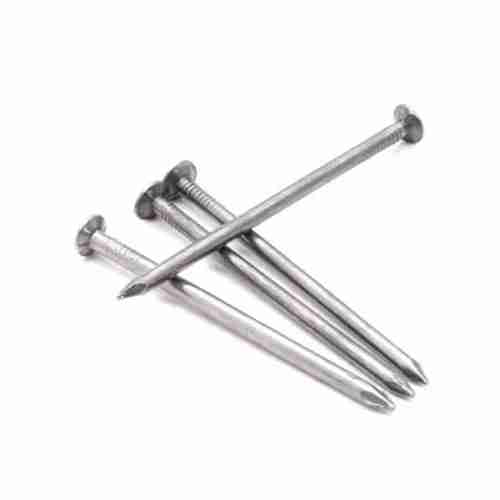
Pure wrought iron refers to a type of iron that is almost entirely free of impurities and contains a very low carbon content, typically less than 0.1%. Unlike modern steel, which is an alloy of iron and carbon, pure wrought iron is a relatively soft and ductile metal.
Pure wrought iron is known for its ductility, meaning it can be easily shaped and formed without losing its strength. It is also tough, meaning it can withstand impact without breaking.
5.1.2.2 Ornamental Wrought Iron
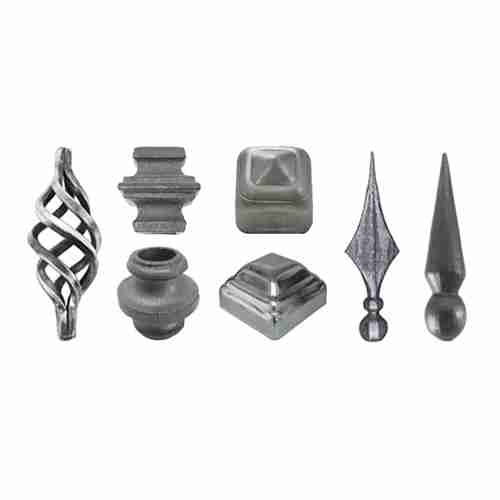
Ornamental wrought iron refers to decorative ironwork that is crafted using a forging process. Wrought iron itself is a type of iron with a very low carbon content, making it strong, malleable, and well-suited for forging.
Ornamental wrought ironwork has been used for centuries to create aesthetically pleasing and functional elements in architecture, furniture, and various other applications.
5.1.3 Historical uses of wrought iron
Wrought iron has a long history of use in various applications due to its desirable properties, such as strength, malleability, and resistance to corrosion.
In ancient times, wrought iron was a crucial material for the production of weapons such as swords, spears, and armor. Its strength and durability made it suitable for crafting effective tools for warfare.
Wrought iron has been extensively used in architectural applications throughout history. In medieval Europe, for example, it was used to create decorative elements in cathedrals, castles, and bridges. The Eiffel Tower in Paris is a notable example of a structure built using wrought iron.
Wrought iron’s malleability made it a popular choice for crafting intricate railings and fences. Many historic buildings and estates feature wrought iron fences and gates, showcasing the material’s versatility and decorative appeal.
Wrought iron was used in the construction of ships, providing strength and durability to various components. It played a role in the development of naval vessels and merchant ships during different historical periods.
Wrought iron was widely used in the production of tools and agricultural implements. Its toughness and resistance to wear made it suitable for applications such as plows, hoes, and various hand tools.
5.1.4 Modern-day uses of wrought iron
Wrought iron has been used for centuries in various applications due to its strength, durability, and malleability.
While it was historically employed in structures like bridges and railings, modern-day uses of wrought iron have evolved to include both functional and decorative purposes. Some contemporary applications of wrought iron include:
Furniture: Wrought iron is often used in the manufacturing of outdoor and indoor furniture, such as tables, chairs, and benches. Its strength and resistance to corrosion make it suitable for outdoor use.
Gates and Fences: Wrought iron is popular for gates and fences due to its decorative and sturdy nature. It can be crafted into intricate designs and provides a secure barrier for residential and commercial properties.
Railings and Balustrades: Wrought iron railings and balustrades are common in both residential and commercial buildings. They add a touch of elegance and provide safety on staircases, balconies, and terraces.
Light Fixtures: Wrought iron is often used in the creation of light fixtures, including chandeliers, pendant lights, and wall sconces. The material’s flexibility allows for intricate and artistic designs.
Home Décor Items: Various home décor items, such as candle holders, wall art, and sculptures, are crafted from wrought iron. Its versatility allows artisans to create unique and visually appealing pieces.
Garden Accessories: Wrought iron is utilized in the production of garden accessories like trellises, plant stands, and decorative garden gates. Its durability withstands exposure to the elements.
Doors and Windows: While less common than in the past, wrought iron is still used for decorative elements in doors and windows. It can be incorporated into the design as grilles, panels, or other ornamental features.
5.1.5 How to shape wrought iron
Shaping wrought iron involves heating the metal to a malleable state and then manipulating it into the desired form. Here’s a general guide on how to shape wrought iron.
Prepare your workspace: Ensure you have a well-ventilated and safe workspace. Have all your tools and materials ready.
Heat the wrought iron: Place the wrought iron piece into the forge or heat it with an oxy-acetylene torch. Heat the metal until it is glowing red or orange. The exact temperature depends on the specific type of wrought iron you are working with.
Shape on the anvil: Once the wrought iron is heated to a malleable state, transfer it to the anvil using tongs. Use a hammer to shape the metal on the anvil. You can create bends, curves, twists, or any other desired form by striking the metal with the hammer.
Use scrolling tongs or vice grips for bending: If you need to create bends or curves, use scrolling tongs or vice grips to hold and manipulate the heated metal. Apply pressure or tap with the hammer as needed to achieve the desired shape.
Reheat as necessary: Wrought iron cools quickly, so it may be necessary to reheat the metal multiple times during the shaping process. Make sure the metal is always in a workable temperature range for effective shaping.
Cooling and finishing: Allow the shaped wrought iron to cool naturally or quench it in water or oil, depending on the specific requirements of the metal. Once cooled, you can further refine the shape and surface using additional tools or techniques.
Inspect your work: After the wrought iron has cooled completely, inspect the piece for any imperfections or areas that may need further attention. Make any necessary adjustments or corrections.
5.2 Cast Iron

Cast iron refers to a group of iron-carbon alloys with a carbon content greater than 2%. It is known for its excellent heat retention, even heating, durability, and versatility. Cast iron is commonly used for various applications, including cookware, pipes, automotive parts, and architectural elements.
5.2.1 What makes cast iron different?
Cast iron is a type of iron-carbon alloy that is known for its distinctive properties, making it different from other materials, especially in the context of cookware. Here are some key characteristics that set cast iron apart.
Composition: Cast iron is primarily composed of iron, carbon, and silicon, with trace amounts of other elements. The high carbon content (typically 2-4%) gives it its unique properties.
Molded Casting Process: Cast iron gets its name from the casting process used to make it. Molten iron is poured into molds and allowed to cool and solidify. This process allows for the creation of intricate shapes and designs.
Heat Retention: One of the most notable features of cast iron is its excellent heat retention. It heats up slowly but retains heat for a long time. This makes it ideal for cooking dishes that require even and sustained heat, such as slow-cooked stews and braises.
Versatility: Cast iron cookware is versatile and can be used on various cooking surfaces, including stovetops, ovens, and even over open flames. It’s suitable for a wide range of cooking techniques, from frying and sautéing to baking and roasting.
Durability: Cast iron is known for its durability and longevity. When properly cared for, it can last for generations. It is resistant to scratches and can withstand high cooking temperatures.
Non-Stick Properties: With proper seasoning (a process of applying a layer of oil and baking it onto the surface), cast iron develops a natural non-stick surface. This makes it a popular choice for cooking without the need for synthetic non-stick coatings.
Health Benefits: Cooking with cast iron can also contribute to iron intake. Small amounts of iron from the cookware can leach into the food, especially when cooking acidic or high-moisture dishes. For individuals with iron deficiencies, this can be a positive aspect.
Weight: Cast iron is relatively heavy compared to other cookware materials. While this weight can be a disadvantage for some, it contributes to the even distribution and retention of heat.
5.2.2 Properties of cast iron
Cast iron is a versatile and widely used material known for its excellent castability, durability, and heat retention. There are various types of cast iron, each with its own specific properties, but here are some general characteristics of cast iron.
5.2.2.1 High Carbon Content
Cast iron typically contains a higher carbon content compared to other iron alloys, ranging from 2% to 4%. This high carbon content contributes to its hardness and brittleness.
Cast iron is renowned for its high carbon content, typically ranging from 2% to 4% by weight. This elevated carbon composition distinguishes it from other types of iron and steel and imbues it with distinctive properties.
High carbon content makes cast iron relatively brittle compared to steel. This brittleness can lead to cracking or fracturing under heavy loads or sudden impacts. However, certain types of cast iron can be engineered to be more ductile through careful alloying and heat treatment processes.
The high carbon content contributes to excellent fluidity and castability of molten cast iron, making it an ideal material for intricate casting shapes. This property is particularly advantageous in applications where complex geometries are required, such as in automotive engine blocks and ornamental structures.
5.2.2.2 Excellent Castability
One of the main advantages of cast iron is its exceptional castability. It can be easily melted and poured into molds, allowing for complex shapes and intricate designs.
5.2.2.3 High Melting Point
Cast iron has a relatively high melting point, typically above 2,100 degrees Fahrenheit (1,150 degrees Celsius), making it suitable for applications where high temperatures are involved.
5.2.2.4 Good Heat Retention
Cast iron has excellent heat retention properties, which is why it is commonly used for cookware like skillets and Dutch ovens. It evenly distributes heat and retains it for an extended period, making it ideal for slow cooking.
5.2.2.5 Brittleness
While the high carbon content contributes to hardness, it also makes cast iron brittle. This means it can fracture or break under stress rather than bend, which may limit its use in certain applications.
5.2.2.6 Corrosion Resistance
Cast iron is susceptible to rust and corrosion when exposed to moisture and air. To mitigate this, many cast iron products are coated with a layer of enamel or seasoned with oil to create a protective barrier.
5.2.2.7 Good Wear Resistance
Cast iron exhibits good wear resistance, making it suitable for applications where abrasion and wear are concerns, such as in brake rotors, engine blocks, and pipes.
5.2.2.8 Machinability
Cast iron is generally machinable, although its hardness can pose challenges. It can be prone to tool wear, but with the right tools and techniques, it can be effectively machined.
5.2.2.9 Ductility
Cast iron is less ductile compared to other metals like steel. Its lack of ductility means it doesn’t deform significantly before fracture.
5.2.2.10 Weight
Cast iron is a dense and heavy material, which can be an advantage in certain applications where weight is a desirable attribute, such as in some types of machinery and construction.
5.2.3 Cast iron uses
Cast iron is a versatile and durable material that has been used for various applications for centuries. Its properties make it suitable for a wide range of products and industries. Here are some common uses of cast iron:
Cookware: Cast iron pans, skillets, and Dutch ovens are popular for their excellent heat retention and even heating. They are ideal for slow cooking, frying, and baking.
Pipes and Plumbing: Cast iron pipes have been historically used for plumbing systems. Although newer materials like PVC and copper are now more common, cast iron pipes are still present in some older buildings.
Construction: Cast iron is used in construction for various structural elements such as columns, beams, and decorative elements. Its strength and durability make it suitable for supporting heavy loads.
Automotive Industry: Cast iron is used in the manufacturing of engine blocks, cylinder heads, and brake components in the automotive industry. It provides the necessary strength and heat resistance for these applications.
Railroad Industry: Cast iron is used in the production of rail tracks and various components for the railroad industry due to its durability and resistance to wear.
Machinery and Equipment: Many industrial machines and equipment components are made of cast iron due to its high strength and resistance to wear and tear.
Bridge Components: Some structural components of bridges, such as supports and railings, may be made from cast iron due to its strength and ability to withstand harsh weather conditions.
5.2.4 Types of cast iron
Cast iron is a group of iron-carbon alloys with a carbon content greater than 2%. There are several types of cast iron, each with its own characteristics and applications. The main types include.
5.2.4.1 Gray Cast Iron
This is the most common type of cast iron. It has a graphite microstructure, which gives it its characteristic gray color. Gray iron is known for its excellent castability, good machinability, and moderate strength. It is widely used in automotive components, pipes, and engine blocks.
5.2.4.2 White Cast Iron
White iron has a high hardness due to the presence of carbide impurities. It is brittle and not easily machinable, making it unsuitable for many applications. White iron is used in applications where high abrasion resistance is required, such as in the production of wear-resistant parts like mill liners and grinding balls.
5.2.4.3 Ductile Cast Iron
Ductile iron is created by adding small amounts of magnesium to molten iron, causing the graphite to form in nodules or spheres rather than flakes. This imparts ductility and toughness to the iron, making it more malleable and less brittle than gray iron.
5.2.4.4 Malleable Cast Iron
Malleable iron is created by heat-treating white iron or cast iron with an appropriate mixture of alloying elements. This process removes some of the brittleness and imparts a certain degree of ductility.
5.2.4.5 Compacted Graphite Iron
CGI is a newer type of cast iron that has characteristics between those of gray iron and ductile iron. It has a graphite structure that is intermediate between the flakes in gray iron and the nodules in ductile iron.
CGI offers a good balance of strength, thermal conductivity, and castability, making it suitable for various applications including engine blocks and cylinder heads.
5.2.4.6 Alloyed Cast Iron
Cast iron can also be alloyed with other elements such as nickel, chromium, and molybdenum to enhance specific properties. Alloyed cast iron is often used in specialized applications where increased corrosion resistance, high-temperature strength, or other specific properties are required.
5.3 Pig Iron

Pig iron is a term used to describe the first stage of iron production in the steelmaking process. It is an intermediate product that is created by smelting iron ore in a blast furnace.
5.3.1 Composition and characteristics of pig iron
Pig iron is an intermediate product in the iron and steel production process. It is typically produced in a blast furnace from iron ore, coke (a form of carbon derived from coal), and limestone. Here are the composition and characteristics of pig iron.
5.3.1.1 Composition
Iron (Fe): The primary component of pig iron is iron, typically constituting around 92-94% of its composition.
Carbon (C): Pig iron contains a significant amount of carbon, usually between 3.5% and 4.5%. The carbon content makes pig iron brittle, and it needs to be refined further to reduce the carbon content for most steel applications.
Silicon (Si): Silicon is present in pig iron, typically in the range of 1-3%. Silicon can improve the fluidity of molten iron but is often considered an impurity and needs to be reduced in the production of high-quality steel.
Manganese (Mn): Manganese is present in pig iron to some extent, generally around 0.5-2%. It can help deoxidize and desulfurize the iron, improving its quality.
Sulfur (S): Sulfur is an impurity in pig iron and is usually present in trace amounts, typically below 0.1%. High sulfur content can adversely affect the quality of steel produced from pig iron.
Phosphorus (P): Phosphorus is another impurity that is present in small amounts, typically below 0.2%. Excess phosphorus can have negative effects on the properties of steel.
Other Impurities: Small amounts of other elements like chromium, nickel, copper, and other trace elements may also be present in pig iron, depending on the raw materials used in the blast furnace.
5.3.1.2 Characteristics
Brittleness: Pig iron is relatively brittle due to its high carbon content. It is not suitable for most applications in this form and requires further processing to produce steel.
High Melting Point: Pig iron has a high melting point, which makes it suitable for further processing in steelmaking processes.
Versatility: While pig iron itself is not used directly in many applications, it serves as a crucial intermediate product in the production of steel, which is widely used in construction, automotive manufacturing, and various other industries.
Fluxing Agent: Pig iron may contain some fluxing agents, such as limestone, which help in the removal of impurities during the smelting process.
Molten State: In its molten state, pig iron has good fluidity, allowing it to be cast into various shapes in foundries.
5.3.2 Pig Iron production
Pig iron is the intermediate product of smelting iron ore with a high-carbon fuel, such as coke, usually with limestone as a flux. The process of producing pig iron involves several stages:
Mining Iron Ore: Iron ore is extracted from the earth through mining. The type and quality of the ore can vary, and it usually contains impurities that need to be removed in later stages of the process.
Preparing the Iron Ore: The extracted iron ore is crushed into small pieces and then sorted to remove unwanted materials such as rocks and soil.
Smelting: The smelting process involves heating the iron ore along with a carbon-rich substance, such as coke (derived from coal), in a blast furnace. The carbon in the coke combines with oxygen in the iron ore to produce carbon dioxide and heat, resulting in the reduction of the iron ore to molten iron.
Adding Flux: Limestone or other flux materials are added to the blast furnace. Flux helps in the removal of impurities by forming a slag that can be easily separated from the molten iron.
Separation of Impurities: The impurities in the iron ore, such as silica, phosphorus, and sulfur, combine with the flux to form slag. The slag is lighter than molten iron and can be easily separated.
Tapping: The molten iron, along with some slag, is tapped from the bottom of the blast furnace. This mixture is called pig iron. Pig iron is high in carbon content, typically around 3-4%, and contains other alloying elements.
Pig iron is not the final product; it is further refined to produce various types of iron and steel. Depending on the desired end product, pig iron may undergo processes such as refining in a basic oxygen furnace or electric arc furnace to reduce carbon content and remove impurities.
5.3.3 Shipping and handling of pig Iron
Shipping and handling of pig iron involve several steps to ensure the safe and efficient transportation of this raw iron product.
Pig iron is the intermediate product of smelting iron ore with coke and limestone, and it is typically transported in bulk due to its high weight and density. Here’s an overview of the shipping and handling process for pig iron:
5.3.3.1 Packaging and Loading
Pig iron is usually shipped in bulk form, either as hot metal (molten pig iron) or in solidified form (cooled and hardened pig iron). If shipped in solid form, pig iron is often loaded into bulk carriers, which are large vessels specifically designed for transporting bulk cargo.
5.3.3.2 Vessel Type
Bulk carriers are the most common vessels for transporting pig iron. These ships have large holds to accommodate bulk cargo and are equipped with conveyor belt systems or cranes for efficient loading and unloading.
5.3.3.3 Loading Ports
Pig iron is loaded onto ships at ports near the blast furnaces or smelting facilities where it is produced. Major iron-producing regions such as Brazil, India, and Australia have significant export facilities for pig iron.
5.3.3.4 Transportation
The transportation of pig iron is typically done by sea. Bulk carriers transport the pig iron to its destination, which may be a steel production facility or a port where the pig iron is further processed.
5.3.3.5 Unloading Ports
At the destination port, the bulk carrier is unloaded using conveyor belt systems, grabs, or other specialized equipment. The pig iron may then be transported by road, rail, or river to its final destination.
5.3.3.6 Storage and Handling at Destination
Once unloaded, pig iron may be stored in designated areas within the port or transported directly to steel mills for further processing. Proper handling equipment, such as cranes or forklifts, is used to move and store the pig iron.
5.3.3.7 Safety Measures
Safety is a critical consideration in the handling of pig iron, especially if it is transported in molten form. Specialized equipment and procedures are in place to ensure the safety of workers and the prevention of accidents during loading, transportation, and unloading.
5.3.3.8 Regulatory Compliance
Shipping and handling of pig iron are subject to international and national regulations. These regulations cover aspects such as cargo securing, safety protocols, environmental protection, and documentation.
5.4 Wrought Iron VS Cast Iron VS Pig Iron
Wrought iron, cast iron, and pig iron are different forms of iron with varying properties and uses. Here’s a brief overview of each.
5.4.1 Wrought Iron
Production: Wrought iron is produced by refining pig iron and removing impurities through a process known as “puddling.” This involves heating the iron in a furnace and manually stirring it to oxidize and remove impurities.
Properties: Wrought iron has a very low carbon content (typically less than 0.1%) and is tough, malleable, and ductile. It has a fibrous structure due to the slag inclusions, which gives it a distinctive grain.
Uses: Wrought iron is historically known for its use in ornamental and decorative ironwork, such as gates, railings, and furniture. However, its use has declined with the availability of more modern materials.
5.4.2 Cast Iron
Production: Cast iron is produced by melting pig iron along with scrap iron and adding a small amount of scrap steel or iron. The molten iron is then poured into molds to create the desired shapes.
Properties: Cast iron has a higher carbon content than wrought iron, typically between 2% and 4%. It is brittle and has a crystalline structure. Cast iron is known for its excellent casting properties and good heat retention.
Uses: Cast iron is used for a variety of applications, including cookware (such as frying pans and Dutch ovens), pipes, engine blocks, and decorative items.
5.4.3 Pig Iron
Production: Pig iron is the initial product of the iron smelting process. It is produced by smelting iron ore with a high carbon fuel in a blast furnace. The resulting pig iron contains significant amounts of carbon, along with other impurities.
Properties: Pig iron is brittle and has a high carbon content, typically ranging from 3.5% to 4.5%. It is not suitable for direct use in most applications due to its brittleness and impurities.
Uses: Pig iron is primarily used as a raw material in the production of steel. It undergoes further refinement in the steelmaking process to reduce its carbon content and remove impurities, resulting in steel.
Iron, one of the most abundant elements on Earth, has numerous modern applications across various industries. Here are some of the key modern applications of iron
7.1 Construction and Infrastructure

Iron is a crucial component in construction, used in the form of structural steel for buildings, bridges, and other infrastructure projects. Its strength, durability, and versatility make it an essential material in the construction industry.
7.2 Automotive Industry
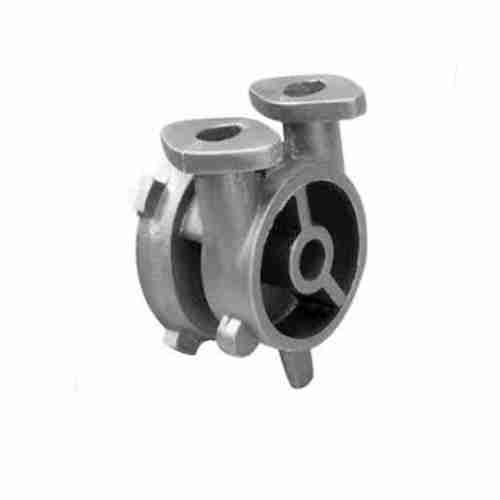
Iron and its alloys, particularly steel, are extensively used in the automotive industry for manufacturing vehicle bodies, chassis, engine parts, and other components. Iron’s strength and formability make it ideal for producing lightweight yet sturdy automotive parts.
7.3 Machinery and Equipment
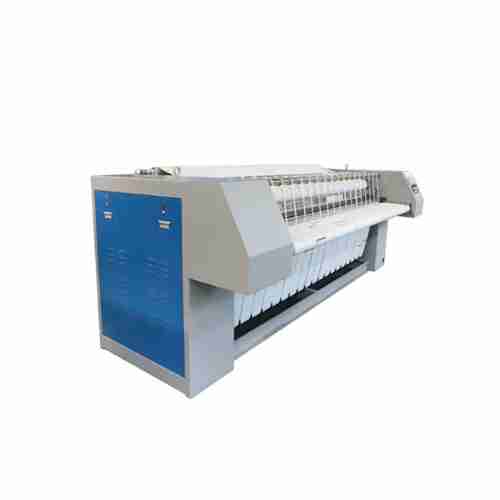
Iron and steel are fundamental materials in the manufacturing of machinery and equipment across various sectors, including agriculture, mining, manufacturing, and transportation. From heavy machinery to hand tools, iron-based materials play a vital role in the functionality and reliability of equipment.
7.4 Infrastructure and Transportation

Iron is essential in the transportation sector for railway tracks, locomotives, and freight cars. It is also used in the construction of roads, bridges, tunnels, and other transportation infrastructure. Additionally, iron-based materials are used in shipbuilding for vessels, boats, and offshore structures.
7.5 Household Appliances

Iron and steel are common materials used in the manufacturing of household appliances such as refrigerators, stoves, washing machines, dishwashers, and microwaves. These appliances rely on iron’s strength, heat resistance, and durability to withstand everyday use.
7.6 Energy Sector
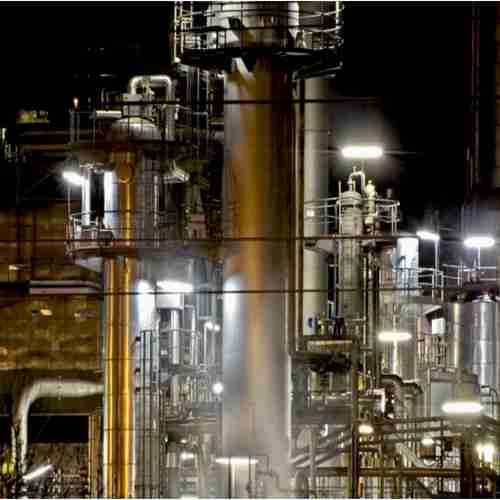
Iron is utilized in the energy industry for various purposes, including the construction of power plants, transmission towers, and pipelines. It is also used in the production of wind turbines, solar panels, and other renewable energy infrastructure components.
7.7 Packaging and Containers

Iron and steel are widely used for manufacturing packaging materials and containers for storing and transporting goods. Steel drums, cans, barrels, and containers provide robust and secure packaging solutions for a wide range of products.
7.8 fence
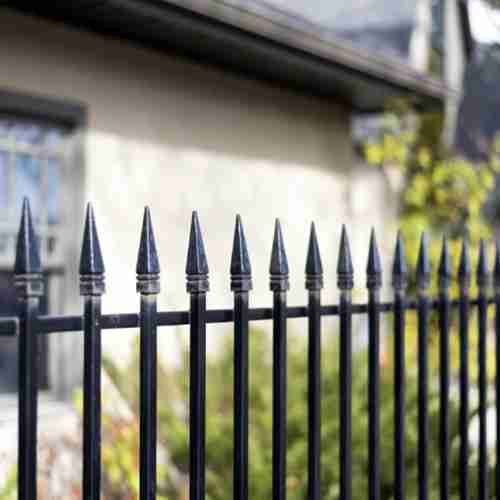
An iron fence is a type of fencing structure made primarily of iron or steel. These fences are known for their durability, strength, and decorative appeal. Iron fences can serve various purposes, including providing security, marking boundaries, and enhancing the aesthetic appeal of a property.
7.9 Electronics and Technology

Iron is used in the production of various electronic devices, including computers, smartphones, and consumer electronics. It is also an essential component in the manufacturing of magnetic storage devices like hard disk drives.