
Table of Contents
1.Introduction permanent wildlife fencing

Wildlife fencing plays a crucial role in managing human-wildlife conflicts, protecting both wildlife and human interests. Permanent wildlife fencing is designed to provide long-term solutions for mitigating the interactions between wildlife and human activities.
These fences are typically installed in areas where there is a need to prevent wildlife from accessing specific areas or to protect them from potential threats.
Permanent wildlife fencing is constructed using durable and long-lasting materials to withstand environmental conditions. Common materials include steel, high-tensile wire, and treated wood.
The height and design of the fence are crucial considerations. The fence should be tall enough to deter wildlife from attempting to jump or climb over it. The design may include features such as overhangs or slanting sections to discourage climbing.
2.The importance of fencing for permanent wildlife
Permanent wildlife fencing plays a crucial role in wildlife conservation and management, offering several benefits for both wildlife and their habitats. Here are some key reasons highlighting the importance of fencing for permanent wildlife.
2.1 Habitat Protection

Chain link fencing helps protect natural habitats from human encroachment, urban development, and agricultural expansion. This is especially important for preserving ecosystems that are vital for the survival of various wildlife species.
Habitat protection is a crucial aspect of wildlife conservation, and the implementation of permanent wildlife fencing requires careful consideration to minimize its impact on the surrounding ecosystem.
Before installing permanent wildlife fencing, conduct a thorough ecological assessment of the area. Identify key habitats, migration routes, and the species present. This information will guide the design and placement of the fencing.
Place wildlife fencing strategically to avoid disrupting critical habitats, migration corridors, and feeding areas. Ensure that the fencing does not fragment the landscape or isolate populations of wildlife.
2.2 Vegetation Maintenance
Regularly maintain vegetation around the permanent wildlife fencing to prevent it from becoming an obstacle for wildlife. This may include clearing vegetation, particularly on the sides of underpasses or around wildlife passages.
2.3 Population Management
Welded wire Fencing can be used to control and manage wildlife populations by creating boundaries and preventing overgrazing or overbrowsing in specific areas. This helps maintain a balance between wildlife and their habitat, preventing ecological imbalances.
Population management of permanent wildlife fencing involves strategies and practices aimed at mitigating the impact of fencing on both the target wildlife species and the overall ecosystem.
Permanent wildlife woven wire fencing is often used to prevent wildlife from accessing certain areas, protect crops, or reduce human-wildlife conflicts.
Before installing permanent fencing, conduct a thorough assessment of the ecosystem to understand the potential impact on wildlife populations.
Identify key species, migration routes, and breeding areas that might be affected by the fencing.
Incorporate wildlife corridors or passages within the fencing to allow for the movement of animals across the landscape. Ensure that these corridors are strategically placed to facilitate natural movement patterns.
Tailor the height and design of the fencing to the specific wildlife species in the area. For example, taller fencing may be needed for larger mammals. Use wildlife-friendly designs such as smooth tops and visibility aids to minimize the risk of injury to animals.
2.4 Preventing Human-Wildlife Conflict
Permanent wildlife fencing serves as a barrier to prevent conflicts between humans and wildlife. In areas where wildlife may pose a threat to agricultural crops or livestock, well-designed fencing can reduce the likelihood of such conflicts, protecting both human livelihoods and wildlife.
Fencing can be employed to control the spread of diseases between wildlife and domestic animals. By creating physical barriers, the transmission of diseases, such as those affecting livestock or endangered wildlife, can be minimized.
Fencing can help prevent hybridization and maintain the genetic integrity of distinct wildlife populations. This is particularly important for species with specific habitat requirements or those that are at risk of genetic dilution due to interbreeding with other species.
Fencing is crucial for protecting endangered species by creating secure areas where they can thrive without the threat of poaching or habitat destruction. This is often done in wildlife reserves and protected areas to safeguard the survival of vulnerable species.
2.5 Ecosystem Restoration
Permanent wildlife fencing is a tool used in ecosystem restoration projects to exclude invasive species or to allow vegetation to recover in degraded areas. This helps in the restoration of natural habitats and the enhancement of biodiversity.
2.6 Migration Routes Protection
Fencing can be strategically designed to allow for the movement of wildlife along their traditional migration routes. This is essential for species that rely on seasonal movements to access resources or breed.
2.7 Biodiversity Conservation
By protecting habitats and managing wildlife populations, fencing contributes to overall biodiversity conservation. Maintaining diverse ecosystems is crucial for the health and resilience of the planet.
3. Choosing the right permanent wildlife fencing
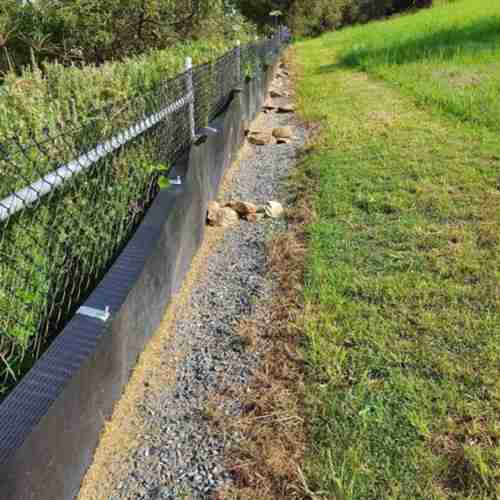
Choosing the right permanent wildlife fencing requires careful consideration of several factors to ensure effectiveness and sustainability. Here are some key considerations to guide your decision.
3.1 According to purpose and function
Choosing a permanent wildlife fence depends on several factors, including the purpose and function of the fence, as well as the specific wildlife you are trying to manage. Here are some considerations based on common purposes and functions.
3.1.1 Wildlife Exclusion (Keeping Wildlife Out)
For small mammals and rodents: Consider using a mesh or wire fence with small gaps to prevent entry. Materials like chicken wire or hardware cloth can be effective.
For large mammals: Use sturdy materials such as chain-link or woven wire fencing. The height of the fence should be appropriate for the targeted species. Additionally, consider adding electric fencing as a deterrent for larger animals.
3.1.2 Wildlife Enclosure (Keeping Wildlife In)
Choose fencing materials based on the size and type of wildlife you want to contain. For smaller animals, a finer mesh may be required. Larger animals may require more robust materials like chain-link or wooden fencing. Ensure the fence is tall enough and has appropriate features to prevent climbing or digging.
3.1.3 Highway or Roadway Wildlife Barrier
Opt for tall, sturdy fencing that is wildlife-friendly, such as wildlife-friendly fencing that allows animals to safely pass underneath. The fence should be tall enough to prevent wildlife from jumping or climbing onto the road.
Consider reflective materials to increase visibility for wildlife, reducing the likelihood of collisions.
3.1.4 Protecting Crops or Gardens
Depending on the size of the wildlife, use fencing with appropriate height and mesh size. Consider electric fencing for added deterrence, especially for larger animals.
3.1.5 Preserving Natural Habitats
Use wildlife-friendly fencing designs that allow small animals to pass through. This may involve using materials like wildlife-friendly mesh or spacing the fence posts to create openings for small animals. Avoid disrupting natural migration routes by using fences that are easy for wildlife to navigate.
3.1.6 Predator Control
Choose materials that prevent predators from accessing livestock or poultry areas. This may involve heavy-duty wire fencing or electric fencing. Ensure that the fence extends both above and below ground to prevent climbing or digging.
3.1.7 Firebreaks and Erosion Control
Use fencing to create firebreaks by choosing materials that are non-combustible.
For erosion control, consider using fencing in combination with vegetation to stabilize soil.
3.2 According to Material
Selecting the appropriate materials for a permanent wildlife fence depends on several factors, including the type of wildlife you want to control, the environmental conditions, and your budget. Here are some common materials used in wildlife fencing and their considerations.
3.2.1 Wood
Wood is a natural and aesthetically pleasing option. It can be effective for certain types of wildlife. It may require regular maintenance, as wood is susceptible to rot, decay, and insect damage.
3.2.2 Metal
Metals like steel or aluminum provide durability and strength. They are resistant to weathering and can be effective for larger wildlife. Some metals may rust over time, so choosing a corrosion-resistant option is important.
3.2.3 Vinyl/PVC
Vinyl or PVC fences are low-maintenance and resistant to weathering, insects, and rot. They are also easy to clean. They may lack the strength needed for larger or more determined wildlife.
3.2.4 Wire Mesh
Wire mesh, such as chain-link or woven wire, is versatile and can be effective for a wide range of wildlife. It allows for visibility. Smaller mesh may be needed for smaller animals, and it might not be aesthetically pleasing in certain environments.
3.2.5 Composite Materials
Composite materials, which may combine wood and plastic, offer a balance between natural aesthetics and durability. Costs may be higher, and the selection might be limited.
3.2.6 Electric Fencing
Electric fencing is highly effective for deterring wildlife. It can be combined with other materials. It requires an energy source, and installation must be done carefully to avoid safety concerns.
3.2.7 Stone or Masonry
Stone walls or masonry can provide a durable and natural-looking barrier.
Cons: They can be expensive and may not be suitable for all environments.
3.2.8 Bamboo
Bamboo is an eco-friendly option that can provide a natural barrier. It may not be as durable as other materials and may need more frequent maintenance.
3.3 According to Style and Design
When selecting a permanent wildlife fence, the style and design play a crucial role in its effectiveness and suitability for the intended purpose.
The choice of fence style and design should be tailored to the specific wildlife species you are trying to manage and the environmental conditions of the site. Here are some considerations for choosing the style and design of a permanent wildlife fence.
3.3.1 Height
Consider the size and behavior of the target wildlife species. For larger animals, such as deer, a taller fence (e.g., 8-10 feet) may be necessary to prevent them from jumping over.
3.3.2 Material
Choose durable and weather-resistant materials. Common materials for wildlife fences include chain-link, woven wire, and electric fencing. The material should be strong enough to withstand wildlife pressure and environmental conditions.
3.3.3 Visibility
Make the fence visible to wildlife to reduce the likelihood of accidental collisions. Adding flags or visual markers can enhance visibility, especially for species with poor eyesight.
3.3.4 Mesh Size
The size of the mesh or gaps in the fence should be appropriate for the size of the target species. Smaller mesh sizes can prevent smaller animals from passing through or getting entangled.
3.3.5 Ground Barrier
Consider whether a buried or skirted portion of the fence is necessary to prevent burrowing or digging by wildlife. This is important for species like rabbits or groundhogs.
3.3.6 Electric Components
Electric fencing can be an effective deterrent for certain wildlife species. It provides a mild shock upon contact and can be used in combination with other fence types.
3.3.7 Gates
Include gates in the design for human access and maintenance. Make sure gates are securely constructed and equipped with appropriate latches to prevent wildlife from entering.
3.3.8 Corridor Considerations
If the fence is part of a wildlife corridor or migration route, consider designs that minimize disruption to natural movements. This might include wildlife-friendly crossings or gaps in the fence.
3.3.9 Environmental Impact
Consider the environmental impact of the fence. Choose materials and designs that are eco-friendly and minimize disturbance to the local ecosystem.
3.3.10 Regulatory Compliance
Be aware of any local regulations or permits required for installing wildlife fences. Ensure that your chosen design complies with these regulations.
3.4 According to Cost
Choosing a permanent wildlife fence based on cost requires considering several factors to ensure effectiveness and durability.
Wildlife fences are designed to prevent animals from entering or leaving a specific area, and the choice of materials, design, and construction can significantly impact the overall cost. Here are some factors to consider when choosing a cost-effective wildlife fence.
3.4.1 Material
Wood: Generally less expensive upfront, but may require more maintenance over time.
Chain-link: A durable and cost-effective option, commonly used for large areas.
Vinyl: Requires minimal maintenance and can be a good long-term investment, but may have a higher upfront cost.
3.4.2 Height
Taller fences may be more effective for larger animals, but they also tend to be more expensive. Consider the specific wildlife species in the area and their typical behavior.
3.4.3 Mesh Size
Smaller mesh sizes can prevent smaller animals from entering or escaping, but they may be more expensive. Larger mesh sizes are generally more cost-effective.
3.4.4 Installation
Professional installation can add to the overall cost, but it ensures that the fence is properly installed and effective. DIY installation may save money but requires careful consideration of design and materials.
3.4.5 Gates
The number and size of gates impact the overall cost. Choose gates strategically based on the need for access and potential wildlife entry points.
3.4.6 Terrain
The terrain of the area where the fence will be installed can affect the cost. Uneven or rocky terrain may require additional preparation and labor.
3.4.7 Long-Term Costs
Consider the long-term maintenance costs associated with the chosen material. While a more expensive initial investment may be justified if it requires less maintenance over time, a cheaper option may incur higher maintenance costs.
3.4.8 Local Regulations
Check local regulations and requirements for wildlife fencing. Compliance with local codes may impact the choice of materials and design, affecting overall costs.
3.4.9 Wildlife Species
Different wildlife species have varying abilities to climb, dig, or navigate fences. Understanding the behavior and physical capabilities of the target species will help in choosing an effective and cost-efficient solution.
3.5 According to Climate Considerations
Selecting a permanent wildlife fence involves considering various factors, including climate considerations. The climate in the area where the fence will be installed can significantly impact its durability and effectiveness. Here are some climate considerations to keep in mind when choosing a permanent wildlife fence.
3.5.1 Material Durability
Hot and Dry Climates: In areas with high temperatures and low humidity, materials like vinyl or coated metals may be suitable as they are resistant to rust and degradation.
Cold Climates: Cold temperatures can make certain materials brittle and prone to cracking. Steel or aluminum fences with a durable coating can withstand freezing temperatures better.
3.5.2 Resistance to Corrosion
Humid Climates: In regions with high humidity, such as coastal areas, the fence material should be corrosion-resistant to prevent rust. Stainless steel and galvanized steel are good options.
Saltwater Environments: For areas near the ocean where saltwater exposure is a concern, corrosion-resistant materials like aluminum or stainless steel are preferable.
3.5.3 Wind Resistance
If the location experiences strong winds, the design and installation of the fence should account for wind resistance. Solid barriers may act as windbreaks but can create issues like drifting snow; mesh or chain-link fences may be better in windy conditions.
3.5.4 UV Resistance
Intense sunlight can cause some materials to degrade over time. UV-resistant coatings or materials, such as UV-stabilized plastics or treated wood, are suitable for sunny climates.
3.5.5 Temperature Extremes
For areas with extreme temperature variations, such as desert regions or high-altitude locations, choose materials that can withstand temperature extremes without warping or becoming brittle.
3.5.6 Ground Conditions
Freezing and Thawing: In areas where the ground freezes and thaws, fence posts should be set deep enough to prevent upheaval during freeze-thaw cycles.
3.5.7 Fire Resistance
In regions prone to wildfires, consider fire-resistant materials to minimize the risk of the fence acting as fuel. Metal or composite materials may be more suitable in such environments.
4.Visual showcase of permanent wildlife fencing


5.Maintenance and care permanent wildlife fencing
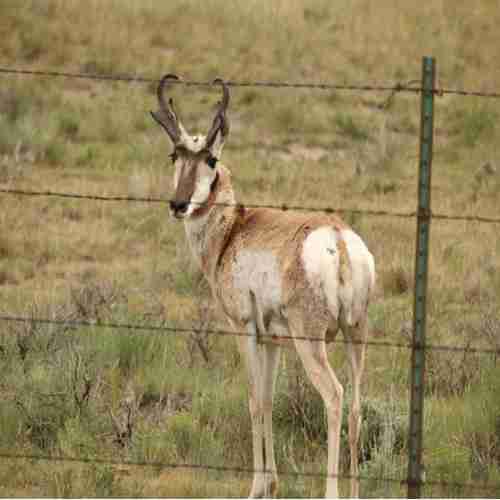
Maintaining and caring for permanent wildlife fencing is essential to ensure its effectiveness and longevity. Wildlife fencing is commonly used to protect habitats, prevent animal-vehicle collisions, and manage wildlife populations. Here are some guidelines for maintaining and caring for permanent wildlife fencing.
5.1 Regular Inspections
Conduct routine inspections of the entire fence perimeter. Look for any signs of damage, wear, or breaches. Inspect fence posts, wires, mesh, and any other components for integrity.
Regular inspections of permanent wildlife fencing are crucial to ensure its effectiveness in protecting both wildlife and infrastructure. Wildlife fencing is often installed to prevent animals from accessing roads, highways, or specific areas where their presence could pose a threat to themselves or humans.
Regularly inspect the entire length of the fence visually. Look for any signs of damage, wear, or weaknesses in the structure. Check for vegetation growth that might compromise the fence’s integrity or create pathways for animals to breach the barrier.
Examine the posts, mesh, and other components for signs of corrosion, rust, or degradation. Ensure that the fence is securely anchored to the ground and that there are no loose or missing components.
5.2 Vegetation Management
Keep vegetation around the fence in check. Overgrown vegetation can damage the fence and provide a potential route for wildlife to breach it. Clear any vegetation that may have grown onto or through the fence.
Vegetation management around permanent wildlife fencing is essential to ensure the effectiveness of the barrier and maintain its structural integrity.
Uncontrolled vegetation can compromise the fence’s functionality by providing cover for animals attempting to breach it, creating opportunities for damage, and hindering regular maintenance efforts.
Regularly inspect the fence line and clear any vegetation that may be encroaching or touching the fence. This includes grass, shrubs, and vines. Use handheld tools or machinery, such as brush cutters, to maintain a clear zone along the fence line.
Consider using approved herbicides to control vegetation growth around the fence. Follow environmental regulations and guidelines to choose products that are safe for wildlife and the surrounding ecosystem. Apply herbicides selectively to targeted vegetation, avoiding harm to non-target plants and animals.
Establish a buffer zone of native plants around the fence. Native vegetation can deter wildlife from approaching the fence and provide a natural barrier without compromising the integrity of the structure. Native plants also support local ecosystems and biodiversity.
Apply organic mulch around the base of the fence posts to suppress weed growth and reduce the need for frequent vegetation management. Mulching can also help retain moisture, prevent erosion, and improve soil health.
5.3 Repair Damage Promptly
Repair any damage as soon as it is discovered. Prompt repairs prevent further deterioration and help maintain the fence’s effectiveness. Replace damaged or missing components, such as posts, wires, or mesh.
Repairing damage promptly to permanent wildlife fencing is crucial to ensure the continued effectiveness of the barrier in protecting wildlife and preventing them from entering or leaving certain areas. Here are some steps you can take to repair damage promptly:
Regular Inspections: Conduct regular inspections of the wildlife fencing to identify any signs of damage. Inspections should be scheduled based on factors such as weather conditions, local wildlife activity, and the type of fencing material used.
Immediate Assessment: If damage is identified during an inspection, assess the extent of the damage and the potential impact on the fence’s functionality. Determine whether the damage is due to wildlife, weather, vandalism, or other factors.
Emergency Repairs: Address critical or immediate issues as soon as they are identified. Emergency repairs may include patching holes, securing loose sections, or replacing damaged components to prevent wildlife from exploiting the opening.
Document Damage: Keep records of any damage observed during inspections, noting the location, type of damage, and the date of discovery. This documentation can help in planning future repairs and assessing patterns of damage over time.
Use Durable Materials: When repairing or replacing damaged sections, use durable materials that are suitable for the local environment. Consider materials that are resistant to weather, corrosion, and wildlife-related damage.
Work with Professionals: If the damage is extensive or requires specialized skills, consider working with professionals such as wildlife management experts, fence contractors, or conservation organizations. They can provide guidance on effective repairs and contribute to long-term solutions.
Implement Preventive Measures: Identify and address the root causes of damage to prevent future incidents. This may involve modifying the fence design, installing deterrents, or implementing other strategies to reduce wildlife interactions with the fencing.
Community Engagement: Engage with local communities and stakeholders to raise awareness about the importance of maintaining wildlife fencing. Encourage reporting of any observed damage and promote a collective responsibility for conservation efforts.
Budget for Maintenance: Allocate resources and budget for regular maintenance and repairs of wildlife fencing. Having a dedicated budget ensures that funds are available when repairs are needed and helps prevent delays in addressing damage.
5.4 Maintain Clear Zones
Keep clear zones on both sides of the fence to ensure that wildlife cannot use overhanging branches or nearby structures to bypass the barrier.
5.5 Check Tension and Alignment
Regularly check the tension of wires or mesh to ensure they are secure and properly aligned. Loose or sagging sections can compromise the fence’s effectiveness.
5.6 Consider Seasonal Adjustments
Seasonal adjustments of permanent wildlife fencing can be important to address specific challenges and variations in wildlife behavior throughout the year. Here are some considerations for seasonal adjustments:
Migration Patterns: If the area in question is a migration route for certain wildlife, the fencing may need to be adjusted seasonally to accommodate the movement of animals. Temporary openings or modifications can be implemented during migration seasons to prevent barriers and aid in the safe passage of wildlife.
Breeding Seasons: During breeding seasons, some wildlife may exhibit different behavior, such as increased movement or changes in territory. Adjustments to fencing, such as creating openings or modifying fence heights, can help prevent disruptions to breeding activities.
Feeding Patterns: Wildlife may have different feeding patterns during different seasons. For example, certain species might be more active in searching for food during specific times of the year. Understanding these patterns can help in adjusting fencing to minimize interference with natural behaviors.
Weather Conditions: Seasonal changes in weather can impact wildlife behavior and movement. Fencing may need adjustments to withstand extreme weather conditions such as heavy snowfall, strong winds, or flooding. Additionally, changes in vegetation and landscape due to weather can affect the effectiveness of the fencing.
Hibernation Periods: Some species hibernate during specific seasons. Fencing adjustments may be needed to account for the reduced activity and movement of wildlife during these periods.
Monitoring and Research: Regular monitoring and research can provide insights into the seasonal behavior of wildlife in the area. This information can guide adjustments to fencing based on specific wildlife needs during different times of the year.
Collaboration with Experts: Working with wildlife biologists, ecologists, or other experts can help in understanding the seasonal behaviors of local wildlife. Collaborative efforts can lead to more effective and targeted adjustments to permanent wildlife fencing.
5.7 Implement Wildlife Crossings
Designing and implementing wildlife crossings with permanent wildlife fencing requires careful planning to ensure the safety of both animals and humans. Here’s a step-by-step guide to help you create an effective wildlife crossing system:
Site Assessment: Identify areas with high wildlife activity, especially those intersecting with roads or human developments. Consider the types of wildlife in the area, their migration patterns, and any existing ecological corridors.
Mapping and Planning: Create detailed maps of the area, marking wildlife hotspots, migration routes, and potential crossing locations. Collaborate with wildlife biologists and ecologists to understand the specific needs of the local fauna.
Selecting Crossing Types: Determine the most suitable wildlife crossing structures based on the species in the area. Common types include overpasses, underpasses, and culverts. Consider the size and mobility of the target species when selecting crossing dimensions.
Permanent Wildlife Fencing: Install permanent wildlife fencing along the road to guide animals towards the designated crossing structures. Use wildlife-friendly fencing materials that are tall enough to prevent animals from jumping over and buried to prevent burrowing underneath.
Consider including escape ramps for animals that may become trapped within the fenced area.
Construction Standards: Follow engineering standards for the construction of wildlife crossings to ensure their durability and effectiveness. Consult with civil engineers and construction experts to design and build robust structures capable of withstanding weather conditions.
Vegetation and Habitat Considerations: Maintain natural vegetation around the crossings to encourage wildlife use. Mimic natural habitats within the crossing structures to make them more appealing to animals.
6.Frequently asked questions about permanent wildlife fencing
6.1 Can permanent wildlife fencing be used for habitat connectivity?
Permanent wildlife fencing is typically designed to restrict the movement of wildlife rather than promote habitat connectivity. These fences are often installed to prevent animals from accessing certain areas or to protect them from hazards such as roads or human infrastructure.
While these fences can be effective in managing wildlife and reducing human-wildlife conflicts, they may hinder habitat connectivity if not properly designed and managed.
If the goal is to enhance habitat connectivity, wildlife corridors and passages are more suitable solutions. These are designed to facilitate the movement of wildlife across landscapes, allowing them to access different habitats, find mates, and maintain genetic diversity within populations.
To promote effective habitat connectivity, consider the following measures:
Wildlife Corridors: Establish designated pathways or corridors that connect different habitats. These can include underpasses or overpasses across roads, rivers, or other barriers.
Fence Modifications: If permanent fencing is already in place, modifications such as creating wildlife-friendly fence designs (e.g., adding gaps or wildlife gates) can help mitigate its impact on habitat connectivity.
Monitoring and Management: Regular monitoring of wildlife movement patterns and the effectiveness of the habitat connectivity measures is essential. This information can guide adaptive management strategies to improve connectivity over time.
Collaboration: Work collaboratively with ecologists, wildlife biologists, and other stakeholders to design and implement habitat connectivity strategies that benefit both wildlife and human interests.
6.2 How high should permanent wildlife fencing be?
The height of permanent wildlife fencing depends on the specific wildlife species you are trying to deter or exclude. Different animals have different abilities to jump or climb, so the height of the fence should be tailored to the target species. Here are some general guidelines for common wildlife:
Deer: Fences to keep out deer typically need to be at least 8 feet (2.4 meters) high. Deer are capable jumpers, and an 8-foot fence is usually sufficient to prevent them from easily clearing it.
Coyotes: A fence designed to keep out coyotes is generally recommended to be at least 6 feet (1.8 meters) high. Coyotes are good climbers and jumpers, so the height is important to deter them.
Rabbits: For smaller animals like rabbits, a fence that is 2 to 3 feet (0.6 to 0.9 meters) high may be sufficient. However, it’s also important to consider burrowing, so the fence may need to extend below ground level.
Foxes: Similar to coyotes, a 6-foot (1.8 meters) fence is often recommended to keep out foxes.
Large predators (e.g., bears): For larger predators, such as bears, the fence height may need to be higher, around 10 feet (3 meters) or more, depending on the specific bear species and the local conditions.
6.3 How is the effectiveness of permanent wildlife fencing measured?
The effectiveness of permanent wildlife fencing is typically measured through various methods that assess its ability to prevent or mitigate wildlife movement across a designated area.
The specific metrics used may vary depending on the goals of the fencing project and the targeted species. Here are some common factors considered when evaluating the effectiveness of permanent wildlife fencing:
Species-specific behavior: Understanding the behavior of the target wildlife species is crucial. The effectiveness of the fence is often assessed by observing whether it deters or prevents the target species from crossing the barrier.
Incident rate: Monitoring the number of incidents involving wildlife crossing the fence is a common method. This may involve counting the occurrences of animals attempting to breach the fence or documenting successful crossings.
Physical damage assessment: Inspecting the fence for signs of damage, such as holes, breaches, or areas where animals have attempted to burrow under or climb over, can provide insights into its effectiveness.
Camera traps: Using wildlife cameras along the fence line helps capture images or videos of animals interacting with the fence. This method allows researchers to analyze the effectiveness of the barrier and identify any weak points.
Tracking and telemetry studies: For larger animals, such as mammals, researchers may use tracking devices or telemetry studies to monitor their movements around and across the fence. This provides detailed data on how successful the fence is in restricting the animals’ movement.
Surveillance and monitoring: Regular surveillance of the fenced area, either through direct observation or technological means like sensors, can provide ongoing data on wildlife activities and the effectiveness of the barrier.
Ecological impact assessment: Evaluating the broader ecological impact of the fence is important. This includes considering whether the fence has unintended consequences on non-target species or disrupts natural ecological processes.
Maintenance records: Keeping track of the maintenance history of the fence is crucial. Regular inspections, repairs, and improvements may be necessary to ensure the ongoing effectiveness of the barrier.
6.4 Can permanent wildlife fencing have unintended ecological consequences
Yes, permanent wildlife fencing can have unintended ecological consequences, and the impact may vary depending on factors such as the type of fencing, its location, and the species involved.
While wildlife fencing is often implemented with the intention of protecting certain areas or species, it can lead to several ecological issues:
Barrier Effects: Fencing can create barriers that hinder the movement of wildlife, affecting their ability to access food, water, and breeding grounds. This can lead to population fragmentation, reduced genetic diversity, and increased vulnerability to diseases.
Migration Disruption: Many species rely on seasonal migrations to find food, breed, or escape harsh weather conditions. Permanent fencing can disrupt these natural migration patterns, potentially leading to population declines and negatively impacting ecosystems.
Wildlife Behavior Changes: Animals may alter their behavior in response to the presence of fencing. Some species may become stressed, change their foraging patterns, or even avoid certain areas altogether. This can have cascading effects on the entire ecosystem.
Predator-Prey Dynamics: Fencing can influence predator-prey relationships by altering the ability of predators to access certain areas or limiting the escape routes for prey species. This can result in changes to population dynamics and ecosystem structure.
Invasive Species Encouragement: In some cases, permanent fencing may inadvertently create favorable conditions for invasive species by restricting the movement of native species that would normally control the spread of invasives.
Hydrological Impacts: Fencing can affect natural water flow patterns, leading to changes in hydrology. This can impact aquatic ecosystems, affecting the distribution of species that rely on specific water conditions.
7.Conclusion
The conclusion regarding permanent wildlife fencing involves a nuanced consideration of various factors, balancing the benefits of wildlife conservation and habitat protection with potential drawbacks and ethical considerations.
Permanent wildlife fencing can be effective in safeguarding critical habitats and ecosystems from human encroachment, agricultural activities, and infrastructure development. This protection is essential for maintaining biodiversity and ensuring the long-term health of ecosystems.
Fencing can contribute to wildlife conservation efforts by preventing habitat fragmentation, protecting endangered species, and reducing the incidence of human-wildlife conflicts. It helps in maintaining natural migration routes and promoting genetic diversity within populations.
Permanent fencing is particularly valuable in areas where human-wildlife conflicts are prevalent. It can protect crops, livestock, and human settlements, reducing the need for lethal control measures and fostering coexistence between humans and wildlife.
In conclusion, while permanent wildlife fencing can play a crucial role in habitat protection and wildlife conservation, its implementation requires a thoughtful and adaptive approach.