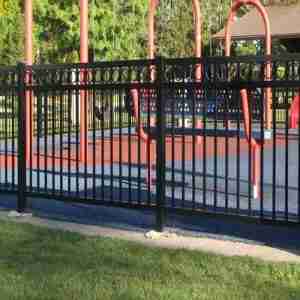
Table of Contents
1. What is a metal barrier fencing?

Metal barrier fencing refers to a type of fencing structure made primarily of metal materials. This type of fencing is commonly used for various purposes, including security, containment, and demarcation of boundaries.
Metal barrier fences are known for their durability, strength, and resistance to weather conditions, making them suitable for both residential and commercial applications.
Common metals used in the construction of barrier fencing include steel, aluminum, and iron. The choice of metal depends on factors such as the intended purpose of the fence, budget considerations, and the desired aesthetic appeal.
2. Types of metal barrier fencing
Metal barrier fencing comes in various types, each designed to serve specific purposes based on factors such as security needs, aesthetics, and intended application. Here are some common types of metal barrier fencing.
2.1 Metal chain link fencing

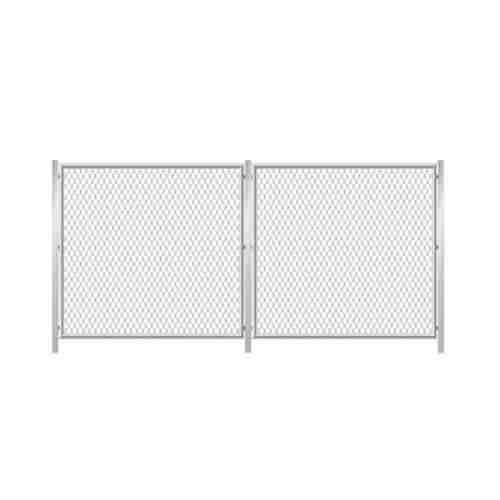
Metal chain link fencing is a type of fencing made from interwoven steel wires forming a diamond pattern. It is a popular and cost-effective choice for various applications due to its durability, versatility, and relatively low maintenance.
Typically, the material used is galvanized steel, which is coated with zinc to protect it from corrosion and rust. This makes the fencing suitable for outdoor use in various weather conditions.
Smaller mesh sizes provide more security but may reduce visibility, while larger mesh sizes offer better visibility but may be less secure.
2.2 Metal welded wire fencing
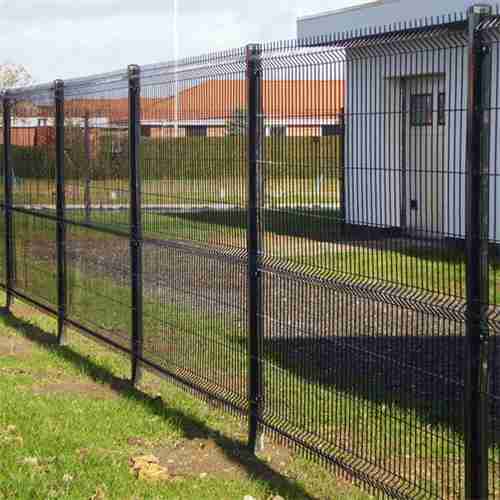
Metal welded wire fencing is a type of fencing made from metal wires that are welded together to form a grid or mesh pattern. This type of fencing is commonly used for various purposes due to its durability, strength, and versatility.
Common metals used for welded wire fencing include steel and, less commonly, aluminum. Steel is preferred for its strength and durability, making it suitable for various applications.
The wires are joined together through welding, which creates a strong and rigid structure. This welding process ensures that the fence maintains its integrity even under pressure or stress.
The wires are arranged in a grid pattern, creating openings of various sizes. The size of the mesh can vary depending on the intended use of the fencing.
2.3 Metal tubular steel fencing
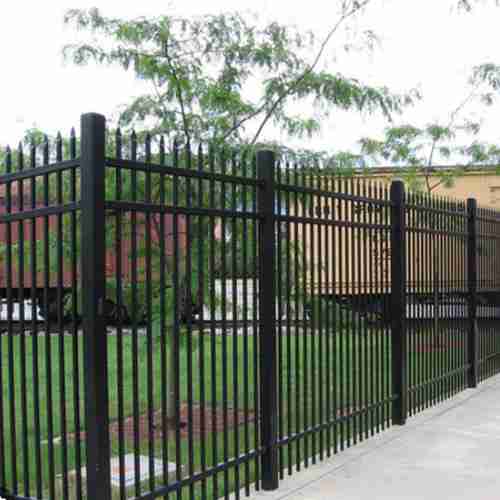
Metal tubular steel fencing refers to fencing made from tubular steel components, typically in a cylindrical or tube-like shape. This type of fencing is popular for its durability, strength, and aesthetic appeal.
Tubular steel fencing is typically made from steel, which is known for its strength and longevity. The steel tubes used in fencing can vary in thickness (gauge) depending on the intended purpose and level of security required.
Metal tubular steel fencing comes in various designs and styles, offering flexibility for different architectural and landscaping preferences. Common designs include picket, rail, ornamental, and mesh patterns.
2.4 Metal barbed wire fencing
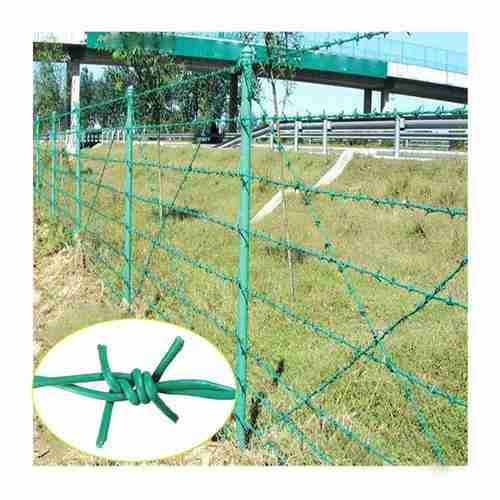
Metal barbed wire fencing is a type of fencing that incorporates strands of sharp, pointed metal barbs or spikes along the length of the wire. It is commonly used for security and perimeter protection due to its ability to deter intruders and animals.
Barbed wire fencing is known for its effectiveness in deterring trespassers and preventing unauthorized entry. The sharp barbs act as a physical barrier, making it difficult for individuals to climb over or pass through the fence.
The main components of metal barbed wire fencing are typically high-tensile steel wires with sharp barbs attached at regular intervals. The barbs may have various designs, but their primary purpose is to discourage climbing or crawling.
Barbed wire fencing comes in different configurations, including single strand, double strand, or multiple strands. The number of strands used depends on the desired level of security.
2.5 metal expanded metal fencing

Expanded metal fencing refers to a type of fencing material made from expanded metal sheets. Expanded metal is a versatile and durable material commonly used in various applications, including fencing.
Expanded metal is typically made from sheets of metal such as steel, aluminum, or stainless steel.
Expanded metal fencing is known for its strength and durability. The process of expanding the metal sheets creates a rigid and sturdy structure that can withstand various environmental conditions.
Expanded metal fencing is often chosen for security purposes. The small openings in the mesh provide a barrier that is difficult to climb or penetrate, making it suitable for applications where security is a priority.
2.6 Metal decorative metal fencing
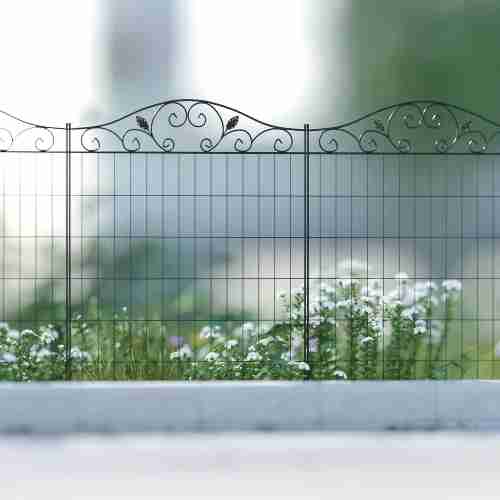
Decorative metal fencing can add both aesthetic appeal and functional value to residential, commercial, or industrial properties. There are various types of decorative metal fencing options available, each with its own unique design elements and features.
Wrought iron fences are known for their intricate and ornate designs. They often feature swirls, scrolls, and other decorative elements. Wrought iron is sturdy and durable, making it a long-lasting option.
3. Benefits of metal barrier fencing
Metal barrier fencing offers various benefits, making it a popular choice for different applications. Metal barrier fencing provides a high level of security, acting as a deterrent to trespassers and intruders.
The durability and strength of metal make it difficult to breach, enhancing the overall security of the enclosed area. Here are the benefits of various fences.
3.1 Benefits of metal chain link fencing
Metal chain link fencing offers several benefits, making it a popular choice for various applications. Here are some of the key advantages:
Affordability: Chain-link fencing is often more cost-effective compared to other types of fencing materials such as wood or vinyl. This makes it a practical choice for large areas or projects with budget constraints.
Durability: Metal chain-link fences are known for their durability and resistance to weather conditions. They can withstand harsh elements such as rain, snow, and UV rays without deteriorating or rusting easily. This makes them suitable for both residential and commercial applications.
Low Maintenance: Chain-link fences are relatively low-maintenance. They don’t require painting or staining, and their galvanized or coated surfaces help prevent rust. Regular maintenance typically involves simple tasks like cleaning with water and mild detergent.
Security: Chain-link fences provide a secure barrier, making them an excellent choice for security purposes. They are difficult to climb, and their transparency allows for easy visibility, deterring trespassers.
Versatility: Chain-link fencing is versatile and can be used in various settings, including residential, commercial, industrial, and recreational areas. It is commonly used for securing properties, sports fields, construction sites, and more.
Quick Installation: Compared to some other types of fencing, chain-link fences are relatively quick and easy to install. This can save both time and labor costs during the installation process.
Customization Options: Chain-link fencing comes in various heights and can be customized with different gauges and coatings to meet specific needs. This allows for flexibility in designing a fence that suits the intended purpose.
3.2 Benefits of metal welded wire fencing
Metal welded wire fencing offers various benefits, making it a popular choice for a wide range of applications. Here are some of the key advantages:
Durability: Metal welded wire fencing is known for its strength and durability. It can withstand harsh weather conditions, including rain, snow, and extreme temperatures, without deteriorating or losing structural integrity.
Security: This type of fencing provides a secure barrier, making it difficult for intruders to breach. The welded connections between wires create a sturdy structure that enhances the overall security of the enclosed area.
Visibility: The open design of welded wire fencing allows for visibility both inside and outside the enclosed area. This can be advantageous for surveillance purposes, making it easier to monitor activities within the fenced space.
Cost-effective: Compared to some other types of fencing materials, metal welded wire fencing is often more cost-effective. The upfront costs are generally lower, and its durability can result in long-term savings on maintenance and replacement.
Easy installation: Metal welded wire fencing is relatively easy to install, especially when compared to some other fencing options like masonry or chain-link fences. This can save both time and labor costs during the installation process.
3.3 Benefits of metal tubular steel fencing
Metal tubular steel fencing offers various benefits, making it a popular choice for residential, commercial, and industrial applications. Here are some of the key advantages:
Durability: Metal tubular steel is known for its strength and durability. It can withstand harsh weather conditions, including rain, snow, and UV rays, without deteriorating or corroding easily. This durability makes it a long-lasting option for fencing.
Security: Metal tubular steel fencing provides a high level of security. Its sturdy construction and resistance to tampering make it difficult for intruders to breach. This makes it an excellent choice for properties where security is a top priority, such as commercial and industrial sites.
Versatility: Metal tubular steel fencing is versatile in terms of design and application. It can be customized to fit various styles and preferences, making it suitable for both residential and commercial properties. The flexibility in design allows for decorative elements without compromising security.
Low Maintenance: Compared to some other fencing materials, metal tubular steel requires relatively low maintenance. Regular cleaning and occasional inspections for signs of rust or damage are usually sufficient to keep the fencing in good condition. This can be especially advantageous for busy property owners or businesses.
Aesthetic Appeal: Metal tubular steel fencing can be aesthetically pleasing and can complement the overall look of a property. It comes in various styles, colors, and finishes, allowing property owners to choose an option that enhances the visual appeal of their surroundings.
Resistant to Pests and Rot: Unlike wood fencing, metal tubular steel is not susceptible to pests such as termites, and it does not rot. This resistance ensures the longevity of the fence and eliminates the need for treatments or replacements due to pest infestations or decay.
3.4 Benefits of metal barbed wire fencing
Metal barbed wire fencing offers several benefits for various applications, primarily focused on security and containment. Here are some advantages of using metal barbed wire fencing:
Deterrence and Security: Barbed wire is an effective deterrent to trespassers, vandals, and intruders. The sharp barbs act as a physical barrier, discouraging individuals from attempting to climb or breach the fence.
Cost-Effective: Metal barbed wire fencing is generally more cost-effective compared to other types of fencing with similar security capabilities. This makes it a practical choice for large areas or properties with budget constraints.
Versatility: Barbed wire fencing is versatile and can be used in various settings, including agricultural, industrial, and residential areas. It can be easily adapted to different terrains and landscapes.
Durability: Metal barbed wire is typically made from materials like steel, which is known for its durability and strength. This ensures that the fencing can withstand external forces and maintain its effectiveness over an extended period.
3.5 Benefits of metal expanded metal fencing
Expanded metal fencing, which is made from sheets of metal that are cut and stretched to create a pattern of openings, offers several benefits for various applications. Here are some of the advantages of using metal expanded metal fencing:
Security: Expanded metal fencing provides a high level of security due to its sturdy and rigid structure. The interlocking mesh pattern creates a strong barrier that is difficult to breach.
Durability: Metal expanded metal fencing is durable and resistant to harsh weather conditions, corrosion, and rust. This makes it suitable for outdoor applications and ensures a longer lifespan compared to some other types of fencing materials.
Versatility: Expanded metal fencing is versatile and can be used in various settings such as industrial facilities, commercial properties, residential areas, and public spaces. It can be adapted to different security and aesthetic requirements.
Customization: Expanded metal fencing can be customized to meet specific design and functional requirements. Different mesh sizes, patterns, and materials can be chosen based on the intended purpose and aesthetics.
Airflow and Light Transmission: The open design of expanded metal allows for airflow and light transmission, making it suitable for applications where ventilation and visibility are important. This is particularly beneficial in industrial settings.
3.6 Benefits of metal decorative metal fencing
Decorative metal fencing offers a variety of benefits, making it a popular choice for residential, commercial, and industrial applications. Here are some of the key advantages:
Aesthetic Appeal: One of the primary benefits of decorative metal fencing is its ability to enhance the overall appearance of a property. These fences often come in intricate designs and can be customized to complement the architectural style of the surrounding environment.
Durability: Metal fences, particularly those made from materials like wrought iron, aluminum, or steel, are known for their durability and longevity. They can withstand harsh weather conditions, resist corrosion, and are less susceptible to damage compared to some other fencing materials.
Security: Decorative metal fencing can provide a high level of security, discouraging trespassing and unauthorized entry. The sturdy construction and height of these fences make them a formidable barrier, enhancing the protection of homes, businesses, and other properties.
Increased Property Value: The aesthetic appeal, durability, and security provided by decorative metal fencing can contribute to an increase in property value. Potential buyers often view well-maintained and attractive fencing as a desirable feature.
Environmentally Friendly: Metal fencing materials are recyclable, making them an environmentally friendly choice. At the end of their lifespan, metal fences can be recycled rather than contributing to landfill waste.
4. The difference between expanded metal barrier fencing and chain link metal barrier fencing
Expanded metal barrier fencing and chain link metal barrier fencing are two different types of fencing systems, each with its own characteristics and applications. Here are some key differences between the two:
4.1 Material and Construction
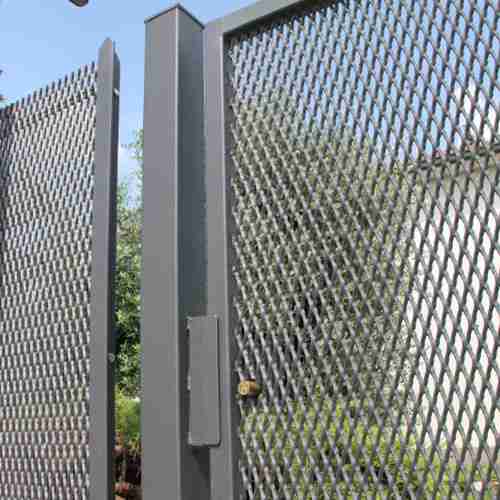
Expanded Metal Barrier Fencing: This type of fencing is made from sheets of metal that are cut and stretched to create a pattern of openings. The process involves creating diamond-shaped openings in the metal sheets. The resulting mesh is lightweight yet durable.
Chain Link Metal Barrier Fencing: Chain link fencing is made from interwoven steel wires forming a diamond pattern. The wires are connected at the intersections to create a flexible and sturdy mesh.
4.2 Appearance

Expanded Metal Barrier Fencing: Typically has a solid and continuous appearance with diamond-shaped openings. It can provide a more visually closed-off barrier compared to chain link fencing.
Chain Link Metal Barrier Fencing: Has a more open and see-through design due to the woven pattern of the interlinked wires.
4.3 Strength and Durability
Expanded Metal Barrier Fencing: Generally provides good strength and durability, especially in preventing forced entry or tampering.
Chain Link Metal Barrier Fencing: Offers durability and strength, making it resistant to impact and bending. However, it may be easier to cut through compared to expanded metal fencing.
4.4 Weight
Expanded Metal Barrier Fencing: Is usually lighter compared to chain link fencing due to its construction with fewer materials.
Chain Link Metal Barrier Fencing: Tends to be heavier, especially in applications where a thicker gauge of wire is used.
4.5 Security and Visibility
Expanded Metal Barrier Fencing: Offers better privacy and security due to its less transparent nature.
Chain Link Metal Barrier Fencing: Provides visibility through the fence, which can be an advantage in certain applications where surveillance is important.
4.6 Applications
Expanded Metal Barrier Fencing: Commonly used in areas where security and privacy are priorities, such as industrial facilities, airports, and prisons.
Chain Link Metal Barrier Fencing: Widely used for various purposes, including residential, commercial, and recreational areas. It is often used when visibility and ventilation are essential.
4.7 Cost
Expanded Metal Barrier Fencing: Can be more expensive than chain link fencing due to the manufacturing process and materials.
Chain Link Metal Barrier Fencing: Generally more cost-effective compared to expanded metal fencing.
5. Why green is a popular choice for metal barrier fencing?

The choice of green for metal barrier fencing is often influenced by a combination of practical, aesthetic, and cultural factors. Here are some reasons why green is a popular choice:
Natural Aesthetic: Green is a color commonly associated with nature, particularly with grass, trees, and foliage. Using green for metal fence barrier can help the structure blend into the surrounding environment, providing a more natural and visually appealing appearance.
This is especially important in residential areas where homeowners may prefer a fence that complements their landscaping.
Camouflage: In many outdoor settings, especially in parks, gardens, or wooded areas, a green fence can act as a form of camouflage. The color helps the fence blend in with the background, making it less obtrusive and allowing the focus to remain on the natural surroundings.
Cultural Associations: Green is often associated with concepts such as growth, harmony, and tranquility. These positive associations can make green a preferred color for fencing, as it creates a sense of calmness and balance in the environment.
Visibility: While green is chosen for its ability to blend into natural surroundings, it also provides sufficient visibility. In contrast to darker colors like black or brown, green is often more visible, especially in well-lit areas. This can be important for safety reasons, ensuring that the fence is easily seen and does not pose a hazard.
Regulatory Compliance: In some areas, local regulations or homeowner association rules may specify acceptable colors for fencing. Green may be a popular choice due to its versatility and wide acceptance in meeting these requirements.
Weather Resistance: Green coatings on metal fencing often include protective elements that enhance the material’s resistance to weathering, such as UV resistance and corrosion protection. This not only contributes to the longevity of the fence but also helps maintain its aesthetic appeal over time.
Tradition and Uniformity: In certain contexts, such as public spaces or historic districts, there may be a tradition of using green for metal fencing. Choosing a color that aligns with existing structures can contribute to a sense of uniformity and historical continuity.
6. Applications of metal barrier fencing

Metal barrier fencing has a wide range of applications across various industries and settings due to its durability, strength, and versatility. Here are some common applications of metal barrier fence.
6.1 Perimeter Security
Metal fencing is often used to secure the perimeters of properties, such as residential compounds, commercial buildings, industrial facilities, and government installations. It acts as a deterrent and prevents unauthorized access.
Perimeter security is a crucial aspect of protecting a property or facility, and metal barrier fencing is a common and effective solution. Metal barrier fencing serves several applications in perimeter security, providing a physical barrier to deter, delay, and detect unauthorized access.
6.2 Access Control
Metal barrier fencing helps control access to a defined area by creating a physical boundary that restricts entry. Controlled access points, such as gates or turnstiles, can be integrated with the fencing to manage authorized entry.
The presence of a metal barrier fence acts as a visible deterrent, discouraging potential intruders from attempting unauthorized access. The robust and imposing nature of metal fencing can effectively communicate that the area is secured.
6.3 Public Safety and Crowd Control
Metal barriers are frequently employed to control crowds and manage public events, concerts, sports events, parades, and festivals. They help maintain order and ensure the safety of participants and spectators.
6.4 Highway and Roadside Safety
Metal barrier fencing is used along highways and roads to enhance safety. It helps prevent accidents by restricting access to dangerous areas, guiding traffic, and minimizing the risk of pedestrians wandering onto busy roads.
6.5 Construction Sites
Metal fencing is commonly used at construction sites to secure the area, prevent unauthorized entry, and protect the public from potential hazards. It also helps keep construction equipment and materials safe.
6.6 Critical Infrastructure Protection
Metal fencing is essential for securing critical infrastructure such as power plants, water treatment facilities, telecommunication centers, and transportation hubs. It provides an additional layer of protection against unauthorized access and potential threats.
6.7 Wildlife Conservation
In certain regions, metal fencing is employed to protect wildlife habitats, prevent encroachment, and manage the movement of animals. It helps in maintaining ecological balance and preserving natural environments.
6.8 Prisons and Correctional Facilities
High-security metal fencing is used to secure prisons and correctional facilities, acting as a primary barrier to prevent escapes and unauthorized access.
6.9 Sports Facilities
Metal fencing is commonly used around sports fields, stadiums, and recreational areas to define boundaries, prevent unauthorized access, and ensure the safety of players and spectators.
6.10 Airport Security
Metal fencing is used at airports to secure the premises and restrict access to sensitive areas. It plays a crucial role in maintaining the overall security of aviation facilities.
7. Maintain metal barrier fencing
Maintaining metal barrier fencing is crucial for ensuring its longevity, functionality, and aesthetic appeal. Here are some general tips to help you maintain metal barrier fencing effectively.
7.1 Regular Cleaning
Before cleaning, inspect the metal barrier fencing for any signs of damage or rust. Address any issues such as loose bolts, chipped paint, or bent sections before cleaning.
Use a broom or brush to remove loose dirt, leaves, and other debris from the surface of the fencing. This can be done regularly to prevent the buildup of grime.
Use a hose to spray down the entire length of the fencing. This will help remove surface dirt and dust. A pressure washer can be more effective, but be cautious with the pressure to avoid damaging the metal or its coating.
Prepare a solution of mild soap or detergent and water. Apply the solution to the metal fencing using a soft brush or sponge. This will help break down any stubborn dirt or grime.
Use a soft-bristle brush or sponge to scrub the metal surface gently. Focus on areas with stains or buildup. Avoid using abrasive materials that could scratch or damage the metal.
Rinse the fencing thoroughly with clean water to remove any soap residue. Ensure that all cleaning agents are completely washed away.
If you notice any signs of rust, use a wire brush or sandpaper to gently remove the rust from the affected areas. Afterward, apply a rust inhibitor or primer to prevent further rusting.
7.2 Paint or Seal
If the small metal fence has a painted or sealed finish, inspect it for any chips or peeling. Touch up these areas with the appropriate paint or sealant to protect the metal from the elements.
7.3 Regular Maintenance
Perform these cleaning and maintenance steps regularly, depending on the environmental conditions. In areas with harsh weather, more frequent cleaning may be necessary.
7.4 Painting
Painting metal barrier fencing is a relatively straightforward process that can enhance its appearance and provide protection against corrosion. Choose a high-quality metal primer and a durable exterior metal paint. Make sure the paint is suitable for outdoor use and provides rust protection.
A metal primer designed to adhere well to metal surfaces and improve paint adhesion. Use a high-quality paintbrush or roller appropriate for the size of the fencing. Protect the surrounding area from paint splatter by covering nearby plants, surfaces, or objects.It can also used for metal decorative garden fence.
7.5 Inspection
Inspecting metal barrier fencing is an essential aspect of ensuring its effectiveness, safety, and longevity. Check the entire length of the metal barrier for any visible signs of damage, such as dents, bends, or deformities.
Look for rust or corrosion, especially in areas where the coating may be compromised. This is crucial for maintaining the structural integrity of the fencing.
Inspect the welds for any cracks or signs of weak connections. Weld failures can compromise the strength of the barrier. Ensure that all bolts and nuts are securely fastened. Loose connections can reduce the effectiveness of the fencing.
7.6 Lubrication
If your fencing includes moving parts, such as gates or hinges, lubricate them regularly with a suitable lubricant to prevent friction and ensure smooth operation. Check and tighten any nuts, bolts, or screws regularly to prevent the fencing from becoming loose or wobbly.
8. How long does metal barrier fencing last?
The lifespan of metal barrier fencing can vary depending on several factors, including the type of metal used, environmental conditions, maintenance practices, and the specific purpose of the fencing. Here are some general estimations for common types of metal fencing.
8.1 Steel Fencing
Galvanized Steel: Galvanized steel fencing is treated with a protective zinc coating, which can extend its lifespan. It is often resistant to rust and corrosion. With proper maintenance, galvanized steel fencing can last 20-50 years or more.
Powder-Coated Steel: Powder coating adds an extra layer of protection to steel fencing, enhancing its resistance to corrosion and providing a more durable finish. Powder-coated steel fencing can last 15-30 years or longer.
8.2 Aluminum Fencing
Aluminum fencing is generally corrosion-resistant and does not rust. With proper care, aluminum fencing can last 20-30 years or more.
8.3 Wrought Iron Fencing
Wrought iron fencing, known for its decorative and ornamental qualities, is susceptible to rust. Regular maintenance, such as painting and anti-rust treatments, can help extend its lifespan. With proper care, wrought iron fencing can last 20-30 years or more.
8.4 Galvanized Chain Link Fencing
Galvanized chain link fencing is treated to resist corrosion and rust. With proper maintenance, it can last 15-25 years or more. Vinyl-coated chain link fencing may have an extended lifespan due to the additional layer of protection.
9. Conclusion
In conclusion, metal barrier fencing is a robust and versatile option with many advantages, particularly in terms of durability and security. However, it’s essential to carefully consider the specific needs of the project, as well as the environmental conditions, in order to determine whether metal fencing is the most suitable choice. Regular maintenance is also crucial to ensure the longevity and effectiveness of the metal barrier fencing over time.