
Tubular Steel Fence
Tubular steel fence is constructed using hollow metal tubes or pipes, typically made of materials like steel or aluminum. The metal tubes are designed to withstand harsh weather conditions, making them highly durable and long-lasting.
These fences come in various styles, heights, and colors, allowing for a wide range of aesthetic options. Whether you’re looking for a classic and elegant design or a modern and sleek appearance, a tubular metal fence can be tailored to match your vision.
The sturdy construction of these fences acts as a formidable deterrent to potential intruders. They are commonly used around homes, commercial properties, and industrial facilities to protect against unauthorized access and safeguard valuable assets.
Regular inspections for rust or corrosion and periodic cleaning with soap and water are usually sufficient to keep them looking good and functioning correctly.
Depending on the type of metal used, some fences may require occasional repainting to maintain their appearance.If you need tubular metal fence products, please contact DEZE.

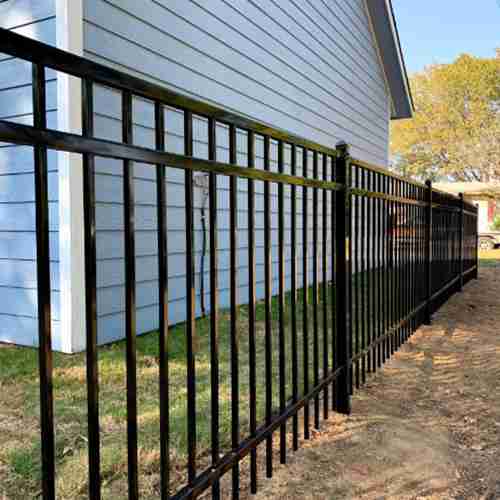

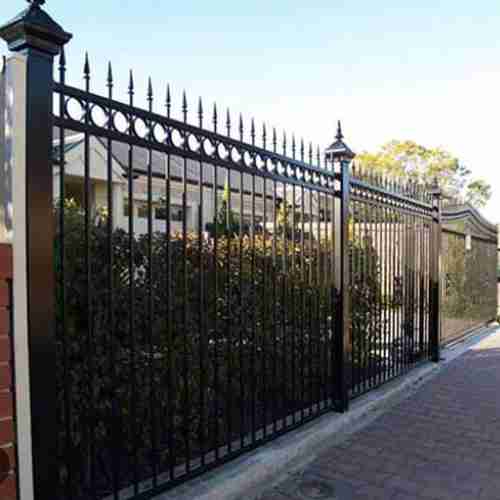
ProductS
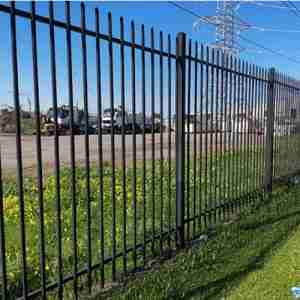
Galvanized Tubular Steel Fence
Galvanized tubular steel fences are composed of hollow steel tubes that are galvanized through a hot-dip process. Galvanization involves immersing the steel in molten zinc, creating a protective layer that prevents rust and corrosion.
The steel tubes used in the construction of these fences are thick and robust, making them highly resistant to impact and potential damage.
The tubular steel design offers a sleek and modern appearance, making galvanized steel fences a popular choice for contemporary landscaping and property aesthetics. They come in a variety of styles and can be customized to match the desired look and feel of the property.

Tubular Powder Coated Steel Fencing
Tubular powder coated steel fencing is characterized by its tubular steel construction, which provides a robust framework for perimeter protection, while the powder coating adds a layer of protection and decorative appeal.
The powder coating process involves applying a layer of dry powder to the steel surface and then curing it through a heat-induced chemical reaction. This results in a protective finish that shields the steel from rust and weather-related damage.
In addition to its protective and decorative qualities, tubular powder coated steel fencing is renowned for its versatility. It can be used in a range of settings, from residential garden boundaries to commercial perimeters and even public areas like parks and schools.
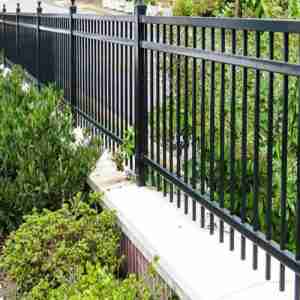
3 Rail Tubular Metal Fence
3 rail tubular metal fence is constructed of hollow steel tubes that are shaped into horizontal rails, typically three in number, and securely connected to vertical posts. The result is a strong, stylish, and long-lasting fence that can serve various purposes in both residential and commercial settings.
Steel is a robust and resilient material that can withstand harsh weather conditions, resist corrosion, and endure the test of time. This makes 3 rail tubular metal fence an ideal choice for a fence that needs to maintain its integrity and appearance over the years.
The steel construction, coupled with the horizontal rails, creates a formidable barrier that deters unauthorized access and provides peace of mind. The open, three-rail design also allows for good visibility, making it an excellent choice for maintaining an open and inviting atmosphere.
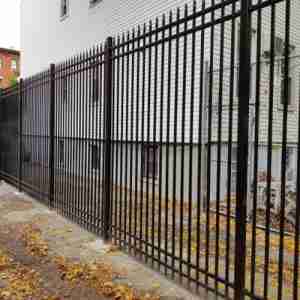
4 Rails Tubular Metal Fence
4 rail tubular metal fence is constructed using tubular steel, which provides exceptional strength and longevity, making it an ideal choice for various settings.
The use of high-quality metal materials ensures that the 4 rail tubular metal fence can withstand harsh environmental conditions, including extreme weather, corrosion, and impact. The 4-rail design of this fence offers an added layer of security compared to fences with fewer rails.
Despite its focus on security and strength, a 4 rail tubular metal fence can also be aesthetically pleasing. The sleek and modern design of the steel tubes can complement various architectural styles and landscaping.
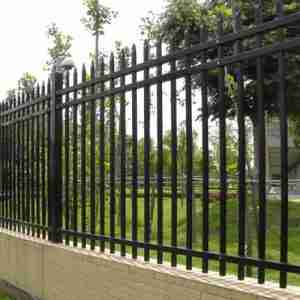
Picket Tubular Steel Fence
Picket tubular steel fence is constructed from tubular steel posts and horizontal rails, with vertical pickets or spindles attached.
It is known for its sleek and modern appearance for a variety of applications.
The sturdy construction of these fences provides a high level of security, deterring trespassers and providing privacy for homeowners. They are difficult to climb over, and the spacing between the pickets can be customized to enhance security while maintaining visibility.
They require occasional cleaning to remove dirt and debris, and a fresh coat of paint or a rust-resistant finish can help prolong their lifespan and maintain their appearance.

Black Tubular Steel Fencing
Black tubular steel fencing is characterized by its sleek and minimalistic design, constructed from high-quality steel tubing that is coated with a durable black finish.
It is resistant to rust and corrosion, thanks to the black powder coating, which not only adds to its aesthetics but also serves as a protective layer against environmental factors.
The black color creates a bold and sophisticated contrast with its surroundings, adding a touch of elegance to any space.
Maintenance requirements for black tubular steel fencing are minimal, which is a significant advantage for property owners. Regular cleaning and occasional touch-ups are typically all that is needed to keep this fencing looking its best.

Ornamental Steel Tubular Fencing
Ornamental steel tubular fencing not only enhances the aesthetics of a property but also provides a sense of security and privacy. The sturdy steel construction acts as a formidable barrier, deterring potential intruders and providing peace of mind for property owners.
Steel is renowned for its exceptional durability, and ornamental tubular fencing is no exception.
Ornamental steel tubular fencing comes in a variety of designs, colors, and finishes, allowing you to personalize the look to match your property’s style and your personal preferences.
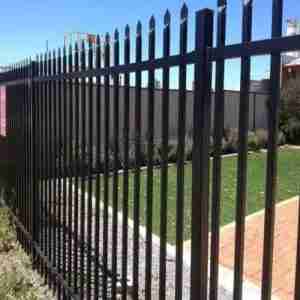
Heavy Duty Metal Tubular Fencing
Heavy duty metal tubular fencing is crafted from high-quality materials, such as steel or aluminum, and features a tubular design that not only enhances its strength but also adds a sleek and modern aesthetic to any property.
The robust construction of the tubular framework ensures that the fencing can endure heavy loads, making it an excellent choice for properties that require enhanced security.
The clean lines and structural integrity of the tubular components give the fencing a sleek and professional look that complements various architectural styles.
Techniques
1. What are the standard dimensions for tubular metal fencing?

Length | 6-10ft (1.8-3m) |
Height | 4-8ft (1.2-2.4m) |
Standard Size | 6-8ft (1.8*2.4m) |
Rail styles | 2 rails, 3 rails, 4 rails |
Rail thickness | 0.8–2.0 mm |
2. What is tubular fence made of?

Tubular fence is typically made of steel or aluminum. These fences are constructed using hollow tubular sections of metal, which are shaped like cylindrical tubes.
3. How are modern tubular fence sections connected?

Modern tubular fence sections are often connected using welded joints, which provide strength and security. Alternatively, they can be connected using mechanical fasteners like screws or bolts.
4. How are tubular metal fence sections typically assembled?

Tubular metal fence sections are typically assembled using a combination of components such as posts, panels, brackets, and fasteners.
The exact method of assembly can vary depending on the specific design of the fence and the manufacturer’s instructions, but here are the general steps involved in assembling a tubular metal fence:
Prepare the site: Before assembly, ensure that the area where the fence will be installed is properly marked and leveled. Dig holes for the fence posts, if needed, and ensure they are evenly spaced according to your design.
Install fence posts: If your fence design includes posts, start by installing them. Secure the posts in the ground using concrete or anchors, making sure they are level and plumb.
Attach brackets (if applicable): Some metal fences have brackets that attach to the posts to hold the fence panels in place. Attach these brackets to the posts at the desired height and spacing according to the design.
Attach fence panels: With the brackets in place, attach the tubular metal fence panels to the brackets or directly to the posts. Panels are typically attached using screws, bolts, or other fasteners.
Connect panels: If your fence has multiple sections, you will need to connect them. Use connectors provided by the manufacturer or custom solutions depending on the design.
Secure the top rail (if applicable): Some metal fences have a top rail that adds extra stability and a finished look.
Install gates (if applicable): If your fence includes gates, install them according to the manufacturer’s instructions. This often involves attaching gate hinges and latches to the fence posts and the gate frame.
Tighten fasteners: Go through the entire fence, tightening all fasteners to ensure a secure and stable assembly.
Finishing touches: Once the fence is assembled, you may want to apply a finish or paint to protect the metal from corrosion and enhance its appearance.
5. What are some common design features of tubular fence?

Tubular fences are popular for their durability, security, and aesthetic appeal. They often feature a number of common design features, which can be customized to suit the specific needs and preferences of property owners. Some common design features of fences include:
Tubular Construction: Tubular fences are characterized by their use of tubular steel or aluminum components. These components can be square, round, or rectangular in shape, and they are often used to create the fence’s frame and pickets.
Pickets: The vertical elements of the fence, known as pickets or balusters, are attached to the horizontal rails.
Rails: Horizontal rails are used to connect and stabilize the pickets. These rails can be placed at different heights on the fence, and their design can vary, with some fences having multiple rails for added strength and visual interest.
Finials: Finials are decorative caps that are often placed on top of the pickets. They can come in various shapes and designs, adding a decorative element to the fence while also serving the practical purpose of preventing water from entering the tubular components and causing rust.
Gates: Tubular fences are often accompanied by matching gates. These gates can be single or double and may feature the same design elements as the fence itself.
Height and spacing: The height of the tubular fence and the spacing between pickets can be customized to suit the intended purpose of the fence, such as providing security, enclosing a pool, or simply adding a decorative touch.
Color: The color of the fence can be customized to match the property’s color scheme and aesthetic.
FAQ
Most frequent questions and answers
Tubular metal fence is a type of fencing structure made primarily from metal tubes or pipes. These tubes are often crafted from materials such as steel or aluminum and are used to create a secure, durable, and aesthetically pleasing barrier around properties, gardens, parks, or other areas.
One of the primary purposes of tubular steel spear top security fencing is to enhance security around a property or perimeter. The spear top design deters intruders from attempting to climb or scale the fence, providing a physical barrier that helps prevent unauthorized access.
Tubular fencing offers several advantages, making it a popular choice for both residential and commercial properties. Here are some of the advantages of using fencing:
Aesthetic appeal: Tubular fencing is known for its timeless and elegant appearance. It adds a touch of sophistication to your property and enhances its curb appeal. The intricate designs and decorative elements of tubular fencing can complement various architectural styles.
Durability: Tubular fencing is typically made from durable materials such as steel or aluminum, which are known for their longevity and resistance to weathering. When properly maintained, tubular fencing can last for many years.
Security: Tubular fencing provides a sturdy barrier that can deter intruders and keep your property secure. The vertical pickets and sturdy construction make it difficult for unauthorized individuals to breach the fence.
Low maintenance: Tubular fencing requires relatively little maintenance. Regular cleaning and occasional repainting or resealing, depending on the material, can help keep the fence in good condition.
Versatility: Tubular fencing can be customized to meet various design preferences and functional needs. You can choose from a wide range of styles, heights, and colors to match your property’s aesthetic and security requirements.
Visibility: Unlike solid fencing options, tubular fencing allows for visibility both into and out of your property. This can be advantageous if you want to maintain a sense of openness while still demarcating your property boundaries.
Environmental friendliness: Aluminum tubular fencing is a more environmentally friendly option compared to other materials like PVC or wood. Aluminum is recyclable and can be repurposed.
Cost effective: While the initial cost of tubular fencing may be higher than some other fencing options, its long lifespan and low maintenance requirements make it a cost-effective choice in the long run.
The typical lifespan of tubular steel fencing can vary significantly based on several factors, including the quality of materials, environmental conditions, and maintenance. In general, well-constructed fencing can last anywhere from 20 to 50 years or more.
Maintaining tubular fence panel, like any other type of fence, is important to ensure its longevity and aesthetic appeal. Here are some general maintenance tasks for fence panels:
Regular cleaning: Clean the fence regularly to remove dirt, dust, and grime. Use a mild detergent and water, and scrub with a brush or sponge. Rinse thoroughly with a hose to prevent soap residue buildup.
Rust prevention: Tubular fence panels are typically made of metal, which can rust over time. To prevent rust, inspect the fence for any signs of rust or corrosion, especially in areas with chipped paint or damage.
Repainting: Repaint your tubular fence panels when the existing paint begins to fade, peel, or chip. A fresh coat of paint not only enhances the appearance but also provides additional protection against rust and the elements.
Lubrication: Lubricate any moving parts, such as gate hinges and latches, to keep them functioning smoothly and prevent rust. Use a silicone-based lubricant for this purpose.
Inspection: Regularly inspect the fence for loose or damaged sections, missing bolts or screws, and any other structural issues.
Vegetation control: Ensure that plants and vines are not growing on or around the fence, as they can cause damage and make maintenance more challenging.
Soil and moisture management: If the fence is set in concrete or anchored in the ground, check the base for signs of soil erosion or moisture damage.
Seasonal maintenance: Consider seasonal maintenance tasks, especially in areas with extreme weather conditions.
Tubular fencing systems, which are typically made from metal or aluminum tubes, have a variety of applications due to their durability, security, and aesthetic appeal. Some typical applications for fencing systems include:
Residential fencing: Tubular fences are commonly used in residential settings to enclose yards, gardens, and swimming pools.
Commercial and industrial fencing: These fences are often used in commercial and industrial properties to secure perimeters, parking lots, and storage areas.
Security fencing: Tubular fencing is suitable for security applications, such as around government facilities, schools, and critical infrastructure. Their sturdy construction and options for anti-climb features make them effective at deterring unauthorized access.
Pool fencing: Tubular pool fencing is a popular choice to comply with safety regulations for swimming pools. It provides a barrier to prevent young children from accessing the pool area, helping to reduce the risk of accidents.
Decorative fencing: Tubular fences come in various designs and can be used for decorative purposes in residential and commercial landscaping.
Sports facilities: Tubular fencing systems are used in sports facilities, such as tennis courts, basketball courts, and athletic fields, to create boundaries and enhance the safety of players and spectators.
Public spaces: Tubular fencing is used in parks, plazas, and public areas to define boundaries, guide pedestrian traffic, and enhance the overall appearance of the space.
Pedestrian barriers: Tubular fencing can be used to create pedestrian walkways and barriers at events, festivals, and construction sites to ensure safety and crowd control.
Animal enclosures: These fences are employed in zoos, wildlife reserves, and farms to create enclosures for animals, ensuring their safety and separation from visitors.
Bike racks and storage: Tubular fencing is often used to create secure areas for bike storage and racks, promoting cycling as a transportation option in urban environments.
Railings: Tubular railing systems are used in buildings, staircases, and balconies to provide support, safety, and a sleek design.
Privacy screens: By adding elements like mesh or slats, tubular fencing can also be used as privacy screens for residential or commercial properties.
The most common reason is corrosion or rust, especially if the tubular steel fence has been exposed to harsh weather conditions, moisture, or salt in coastal areas. Over time, rust can weaken the structural integrity of the steel, making it susceptible to failure or collapse.
Another reason for replacement could be physical damage, such as accidents, impacts, or vandalism, which can bend or break the steel components beyond repair.
If the fence has outdated or non-compliant design or no longer serves its intended purpose, replacement may be required to meet safety or regulatory standards. An aesthetic or style change preference can also be a reason for replacement.
Aluminium tubular fencing can be used for security purposes, but its effectiveness depends on various factors. These fences are lightweight, durable, and resistant to rust, making them suitable for security applications in some cases.
The level of security provided by aluminium tubular fencing largely depends on the fence’s design, height, and any additional security features.
New tubular steel fence can indeed provide both privacy for your property. fences can be customized with various designs and heights to offer the desired level of privacy. You can choose from options like solid steel panels or add privacy slats, which effectively shield your property from prying eyes.
The fence’s height, coupled with any decorative elements, can also enhance the aesthetics of your property while maintaining a sense of seclusion.
The durability of tubular metal fence can be influenced by various factors, and it can be extended or shortened depending on how these factors are managed. Here are some key considerations. Factors that can extend the durability of fence:
Material Selection: Choosing a high-quality and corrosion-resistant material, such as stainless steel or galvanized steel, can significantly extend the lifespan of the fence.
Coatings: Applying protective coatings, such as powder coating or paint, can help prevent rust and corrosion.
Maintenance: Regular maintenance, such as cleaning, inspecting for damage, and addressing any issues promptly, can prevent small problems from becoming major issues. Lubricating moving parts, such as hinges and locks, can also help.
Proper Installation: Ensuring that the tubular metal fence is installed correctly is crucial for its longevity. Properly anchored posts, secure connections, and adequate support can prevent sagging and other structural issues.
Avoiding Physical Damage: Protect the tubular metal fence from physical damage by avoiding collisions with vehicles or heavy objects.
Tubular wrought iron fences are known for their durability and resistance to rust and corrosion, making them a popular choice for outdoor applications. The key to their resilience lies in the material itself and proper maintenance.
Wrought iron is inherently resistant to rust because it contains very low carbon content and is primarily composed of iron. However, to enhance its corrosion resistance, the iron is often galvanized or coated with protective layers such as paint or powder coating.
Zinc tubular steel fences, often referred to as galvanized steel fences, are a popular choice for various applications due to their durability and corrosion resistance. However, like any fencing material, they can face common problems over time. Some of the common issues associated with fences include:
Corrosion: While zinc-coated steel is more resistant to corrosion than untreated steel, it can still corrode over time, especially if the zinc coating is compromised. Scratches, dents, or areas where the zinc coating has worn off can be vulnerable to rust.
Scratches and dents: Physical damage to the fence, such as scratches and dents from impacts or accidents, can weaken the protective zinc coating and make the fence more susceptible to corrosion.
Weld failures: If the fence is assembled using welded joints, the quality of the welding is crucial. Poorly executed welds can lead to weak points in the fence, and over time, these joints may fail.
Rust stains: Even if the zinc coating is intact, rust stains can still form on the surface of the fence due to environmental factors, such as exposure to salt, moisture, and pollution.
Paint adhesion: Some zinc tubular steel fences are painted for aesthetic reasons. If the paint is not applied properly or if the surface is not adequately prepared, it may not adhere well and can peel or flake over time.
Loose fasteners: Bolts, nuts, and other fasteners used to secure the fence components may become loose over time.
Regulations and restrictions for installing tubular metal fences can vary depending on your location, as they are typically governed by local building codes, zoning ordinances, and homeowner’s association rules.Here are some common factors and regulations that may apply to the installation of fences:
Height Regulations: Many areas have restrictions on the maximum height of fences, including tubular metal ones.
Property Lines: Fences should generally be installed within your property lines. You may need to have a survey done to ensure you are not encroaching on your neighbor’s property or public right-of-way.
Building Permits: Some localities require a building permit for fence installation, especially if the tubular metal fence is of a certain height or if it’s part of a larger construction project.
Design and Aesthetics: In some areas, there may be design or aesthetic guidelines for fences, which could include rules regarding the style, color, and materials used.
Setback Requirements: There may be setback requirements dictating how far from the property line or the street a fence must be installed.
Visibility and Safety: In some locations, there are rules to maintain visibility at intersections or driveways.
Homeowner’s Association Rules: If you live in a community governed by a homeowner’s association, they may have their own regulations regarding tubular metal fence materials, design, and installation.
Choosing the right height for industrial tubular steel fencing depends on several factors, including your specific needs and requirements. Here are some steps to help you determine the appropriate height for your industrial fencing:
Local Regulations and Codes: Check with your local building department and zoning regulations to find out if there are specific height requirements for industrial fencing in your area.
Security and Access Control: Consider the level of security you need. If security is a primary concern, a taller fence may be necessary to deter unauthorized access.
Site Conditions: Assess the topography and layout of your industrial site. If your property has significant changes in elevation or slopes, you may need to adjust the fence height accordingly to ensure it follows the contour of the land.
Purpose of the Fence: Define the primary purpose of the fence. Is it meant to keep people out, protect your property, or act as a visual barrier? Your goals will influence the appropriate height.
Aesthetic considerations: Think about the appearance of the fence and how it fits into your industrial site’s overall design.
Cost and budget: Consider your budget and the cost implications of different fence heights. Taller fences typically require more materials and labor, so balance your security needs with your budget constraints.
Tubular fences can be used in regions with extreme weather conditions, but their suitability depends on various factors, including the specific weather conditions, materials used, and maintenance.
In regions prone to harsh winters with heavy snowfall or extreme cold, tubular fences made of durable materials like steel or aluminum are a good choice. These materials are resistant to corrosion and can withstand the weight of snow.
In regions with extreme heat and sunlight, such as deserts, tubular fences made of materials like powder-coated aluminum can also be effective as they are less likely to fade or deteriorate.
Rod top tubular fences can be installed on uneven terrain or slopes, but the installation may require some adjustments and additional steps to ensure a secure and aesthetically pleasing result. Here are some considerations for installing fences on uneven terrain or slopes:
Site assessment: Before installing the fence, you should assess the terrain to determine the extent of the slope and any other irregularities.
Adjusting post spacing: To accommodate the slope, you may need to adjust the spacing between the fence posts. Posts should be installed at equal heights, but their vertical alignment can vary to match the slope.
Use angled panels: You can use fence panels with a sloped or stepped design. These panels are designed to follow the contour of the slope, providing a more visually appealing and secure installation.
Grading and leveling: Depending on the severity of the slope, you may need to level the ground in certain areas or create retaining walls to provide a level surface for the fence. Grading and leveling can help maintain a consistent fence height.
Stair-stepped installation: On very steep slopes, it may be necessary to install the fence in a stair-stepped fashion. This involves creating sections of fence that follow the slope in a series of steps, with each step being level.
Post anchoring: Ensure that the fence posts are securely anchored into the ground. This may involve using longer posts or concrete footings to provide stability, especially on slopes where there’s a risk of soil erosion or posts settling over time.
Follow local regulations: Check with your local building or zoning authorities to ensure that your fence installation complies with local regulations, which may have specific requirements for fencing on slopes.
Yes, there are environmental considerations to take into account when choosing security tubular steel fencing. The environmental impact of security fencing, like any construction or manufacturing process, can have both positive and negative effects on the environment. Here are some factors to consider:
Material Sourcing: The production of steel typically involves mining and refining iron ore, which can have significant environmental impacts. It’s essential to consider whether the steel used in the fencing is sourced from responsible and sustainable suppliers.
Coatings and Finishes: Steel fencing is often coated or finished with paint or protective coatings to prevent corrosion. Some of these coatings can contain harmful chemicals or volatile organic compounds (VOCs) that may be released into the environment during manufacturing or over time as the coating deteriorates.
Maintenance and Durability: The durability of steel fencing is crucial for minimizing its environmental impact. Fencing that requires frequent maintenance, repairs, or replacement can contribute to resource depletion and waste.
Installation: Minimizing the environmental footprint during installation is important. Consider using eco-friendly installation practices, and try to avoid disturbing sensitive ecosystems or wildlife habitats.
Recycling and Disposal: When it’s time to replace or remove the fencing, consider the recyclability of the materials. Steel is highly recyclable, and recycling can significantly reduce the environmental impact of disposal.
Many tubular metal fence suppliers such as DEZE fence offer design assistance and consultation services to their customers. These services are typically provided to help clients make informed decisions about the type of fence that best suits their needs and aesthetic preferences.
Design assistance may involve recommending suitable fence styles, materials, and colors, as well as helping customers understand local building codes and regulations.
Consultation services can include on-site visits to assess the property, take measurements, and provide tailored solutions based on the specific requirements of the project. Some tubular metal fence suppliers may charge a fee for these services, while others may offer them for free as part of their customer service.