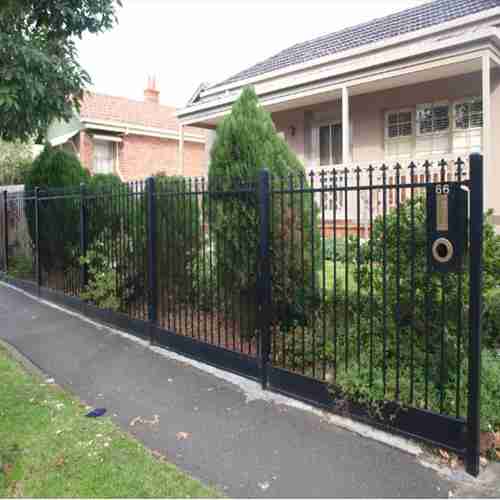
Comfortable Living: The Experience of Residential Property Fencing

Table of Contents

1. Residential property fencing introduction

residential property fencing

A residential property fence serves various purposes, contributing to the safety, privacy, and aesthetics of a home.

Whether you’re considering installing a fence for security, to define your property boundaries, or simply to enhance the curb appeal of your home, choosing the right type of fence is crucial. This introduction provides an overview of the key aspects associated with residential property fences.

2. The role of fencing in residential property

Fencing plays a significant role in residential properties, serving various purposes that contribute to the overall well-being, safety, and aesthetics of the property. Here are some key roles that fencing plays in residential settings.

2.1 Security and Privacy

Fencing acts as a physical barrier that deters unauthorized individuals from entering the property. It makes it more difficult for trespassers to access the premises. By installing gates and access points, homeowners can control who enters and exits the property. This is particularly important for controlling and monitoring visitors.

Fences provide a visual barrier, preventing outsiders from easily observing activities within the property. This helps maintain the privacy of the residents. Depending on the type of fencing material, it can also contribute to reducing noise from the surrounding area, enhancing the overall privacy of the property.

2.2 Boundary Definition

Fencing primarily serves as a physical barrier, demarcating the boundaries of a residential property. It defines the extent of the homeowner’s land, providing a clear indication of where one property ends and another begins. This helps prevent encroachment and disputes over property lines.

2.3 Safety for Children and Pets

For properties located near roads or highways, fencing helps prevent children and pets from accidentally wandering onto the road, reducing the risk of traffic accidents.

2.4 Aesthetic Enhancement

Fences contribute to the overall aesthetic appeal of a residential property. They come in various styles, materials, and colors, allowing homeowners to choose options that complement the architectural style of their home and enhance its curb appeal.

Choose fencing materials that complement the surrounding landscape and architecture. Wood, bamboo, or natural stone can add warmth and texture to the property. Consider using reclaimed or sustainable materials for an eco-friendly touch.

Incorporate decorative elements such as intricate patterns, lattice work, or ornamental post caps to add visual interest to the fence. These details can elevate the overall aesthetic and create a unique focal point.

Opt for paint or stain in colors that harmonize with the exterior palette of the house. Soft neutrals like beige or gray can provide a classic look, while bold colors like blue or green can add personality and flair. Consider using a contrasting color for the trim or accents to make the fence stand out.

2.5 Noise Reduction

Certain types of fencing, particularly those made from materials like wood, vinyl, or composite, can help reduce noise from nearby streets, neighbors, or other sources. The solid structure of the fence absorbs and deflects sound waves, making the outdoor living spaces quieter and more peaceful.

2.6 Increased Property Value

A well-designed and properly maintained fence can add value to a residential property. Potential homebuyers often appreciate the added security, privacy, and aesthetic appeal that a quality fence provides.

Fencing can create the perception of a larger property by enclosing outdoor spaces effectively. This perceived increase in usable land can contribute to a higher property value, as buyers often place value on having ample outdoor space for various activities.

2.7 Marking Special Use Areas

Fences can be used to designate specific areas within the property, such as a backyard garden, pool area, or recreational space. This helps organize the property and create functional zones for different activities.

Fencing can also be used to designate special use areas within a residential property, such as a backyard garden, a play area for children, or a separate space for outdoor entertaining. These fenced-off areas can help organize and optimize the use of outdoor space according to the homeowners’ preferences and needs.

2.8 Weather Protection

Fences act as effective windbreaks, helping to reduce the impact of strong winds on the property. This can be particularly important in areas prone to harsh weather conditions or storms.

Solid fencing materials, such as wood or vinyl, can provide privacy and shade, shielding the property from the sun’s rays. This not only offers relief during hot weather but also helps protect outdoor furniture, plants, and structures from sun damage.

In colder climates, fencing can assist in managing snow. Solid and sturdy fences can act as barriers, preventing drifting snow from accumulating in specific areas. This is especially useful for driveways, walkways, and entrances.

Fencing can play a role in controlling soil erosion on residential properties. Properly installed fences can prevent soil from being washed away during heavy rain, protecting landscaping and preventing potential damage to the property’s foundation.

Fences can enhance the security of a property during extreme weather events. They can act as a barrier against debris carried by strong winds during storms, protecting both the property and its occupants.

2.9 Compliance with Local Regulations

Compliance with local regulations regarding fencing in residential properties is crucial to ensure that your fencing meets legal requirements and contributes to the overall safety and aesthetics of the neighborhood. The specific regulations can vary widely depending on your location, as they are typically set by local governments, municipalities, or homeowners’ associations.

Different areas have different zoning codes that dictate the type, height, and placement of fences. Check with your local planning or zoning department to understand the specific requirements in your area.

Many jurisdictions have regulations on the maximum height of fences. This is often to maintain visibility, preserve aesthetics, and avoid creating a sense of enclosure. Ensure your fence adheres to the specified height limits.

3. Choosing the Right Metal Fence

Choosing the right metal fence involves considering several factors such as the purpose of the fence, your budget, desired aesthetics, maintenance requirements, and local regulations. Here’s a guide to help you make an informed decision.

3.1 Materials selection

Selecting the right metal materials for residential property fencing involves considering various factors such as durability, aesthetics, maintenance requirements, and budget. Here are some common types of metal materials used for residential fencing.

3.1.1 Wrought Iron

Wrought iron has been a popular material for residential property fencing for centuries, and it continues to be a preferred choice for many homeowners.

Wrought iron is known for its exceptional durability and longevity. It can withstand harsh weather conditions, including rain, snow, and UV rays, without corroding or deteriorating quickly.

Properly maintained wrought iron fences can last for decades, providing a long-term solution for residential properties.

Wrought iron tubular Fence offers a high level of security. The sturdy and robust nature of the material acts as a deterrent to intruders. The fence can be designed with pointed or spear-topped pickets, adding an additional layer of security.

Wrought iron is valued for its classic and timeless appearance. It adds a touch of elegance and sophistication to residential properties. The material is highly versatile and can be crafted into various ornate designs, allowing homeowners to choose a style that complements the overall aesthetics of their property.

3.1.2 Aluminum

Aluminum fencing is known for its durability and resistance to rust and corrosion. It can withstand harsh weather conditions, making it a suitable option for both coastal and inland areas. Unlike iron, aluminum does not rust, which means it requires minimal maintenance over time.

One of the significant benefits of aluminum fencing is its low maintenance requirements. Unlike wood, which may need regular staining or painting, aluminum fencing typically only requires occasional cleaning to maintain its appearance, such as aluminum chain link fence.

Aluminum fencing offers a sleek and modern look that can complement various architectural styles. It is available in a variety of designs, colors, and finishes, providing homeowners with the flexibility to choose a style that enhances the overall aesthetics of their property.

While aluminum fencing may not be as heavy as some other materials like steel, it still provides a level of security for residential properties. Additionally, various customization options, such as adding finials or spear tops, can enhance the security features of the fence.

3.1.3 Steel

Steel is known for its exceptional durability. It can withstand harsh weather conditions, resist rust and corrosion, and is less susceptible to damage from pests or rot compared to some other materials like wood.

Steel is a strong material, providing a sturdy and reliable barrier. This strength is particularly beneficial for security and privacy purposes, making it harder for intruders to breach the fence.

If security is a primary concern, steel fencing is an excellent choice. It can be designed with features such as pointed finials or a height that acts as a deterrent to potential intruders.

Steel fences,such as steel welded wire mesh fence generally require minimal maintenance. Unlike wood, steel does not need to be painted or sealed regularly. Periodic inspections and simple cleaning are usually sufficient to keep a steel fence in good condition.

3.1.4 Galvanized Steel

Galvanized steel is coated with a layer of zinc to protect it from corrosion. This makes it highly resistant to rust and other forms of degradation caused by exposure to the elements. This corrosion resistance is particularly important for outdoor applications like fencing, where the material is exposed to rain, snow, and varying temperatures.

Galvanized steel palisade fences are known for their long lifespan. The galvanization process provides a robust protective barrier that enhances the overall durability of the material. This ensures that the fence can withstand various weather conditions and environmental factors without deteriorating quickly.

Galvanized steel is inherently strong and provides a sturdy barrier. This strength is essential for residential fencing, especially when security and privacy are key considerations. Galvanized steel fences can act as an effective deterrent to unauthorized access and provide a reliable boundary for the property.

3.1.5 Powder-Coated Steel

Powder-coated steel is known for its strength and durability. It can withstand harsh weather conditions, resist corrosion, and is less prone to damage from pests or rot compared to some other materials.

Powder coating allows for a variety of color options and finishes, providing homeowners with the flexibility to match their fencing to the overall aesthetic of their property. The coating also helps protect the steel from rust and corrosion, maintaining the fence’s appearance over time.

Powder-coated steel requires minimal maintenance. The powder coating acts as a protective layer, reducing the need for frequent repainting or refinishing. Periodic cleaning with mild soap and water is usually sufficient to keep the fence looking new.

Powder-coated steel is versatile in terms of design and style. It can be used for various fence types, including ornamental, privacy, or security fences. The material can be customized to meet specific design preferences and functional requirements.

3.1.6 Corten Steel

Corten steel is a type of steel alloy that forms a stable rust-like appearance when exposed to the weather. It is often used in architectural and construction applications due to its unique aesthetic qualities and its ability to withstand atmospheric corrosion.

Corten steel has a distinctive rusted appearance that adds a modern and industrial look to the property. Consider whether this aesthetic fits well with the overall design and style of the residence.

Corten steel is highly durable and resistant to corrosion, making it suitable for outdoor applications. It forms a protective layer of rust, which actually enhances its resistance to further corrosion. This can result in a longer lifespan compared to traditional steel.

Corten steel requires minimal maintenance, as the rust layer formed on its surface protects it from further corrosion. However, some homeowners appreciate the weathered look, while others may prefer to apply a sealant to maintain a more consistent appearance.

3.2 Design style

Residential property fencing serves both functional and aesthetic purposes. The design style you choose should complement the overall architectural style of your home and meet your specific needs for privacy, security, and curb appeal.

3.2.1 Traditional Wooden Fencing

Traditional wooden fencing is a popular choice for residential property fencing, providing a classic and timeless look while also offering practical benefits.

Wooden fences contribute to a warm and natural aesthetic that complements various architectural styles. They can enhance the curb appeal of a home and blend well with the surrounding landscape.

Traditional wooden fencing comes in various styles, such as picket fences, privacy fences, and post-and-rail fences. Homeowners can choose a style that suits their preferences, matches the property’s design, and provides the desired level of privacy.

Different types of wood are used for fencing, including cedar, redwood, pine, and spruce. Each type has its own characteristics in terms of durability, resistance to decay, and maintenance requirements. Cedar and redwood are often preferred for their natural resistance to insects and decay.

While wood is a durable material, it does require regular maintenance to ensure longevity. This may include staining or sealing the wood to protect it from the elements, preventing rot and decay. Regular inspections for damage and prompt repairs are also essential.

Traditional wooden fencing can be cost-effective compared to some alternative materials like wrought iron or vinyl. The overall cost depends on factors such as the type of wood used, fence style, and installation requirements.

Wooden fences offer flexibility in terms of customization. Homeowners can paint or stain the wood in various colors to match their preferences or the overall theme of their property. Additionally, decorative elements like lattice tops or post caps can be added for a personalized touch.

3.2.2 Modern metal fencing

Modern metal fencing for residential properties combines functionality, durability, and aesthetics to provide security and enhance the overall appearance of a home.

Known for its strength and durability, steel is a popular choice for modern fencing. It can be customized in various styles and finishes. Lightweight and corrosion-resistant, aluminum is another common choice. It’s suitable for regions with humid or coastal climates.

Traditionally used for ornamental fencing, wrought iron provides a classic and elegant look. However, it requires maintenance to prevent rust.

Modern metal fences often feature sleek, minimalist designs that complement contemporary architecture. Horizontal lines and geometric patterns are common in modern fencing, contributing to a clean and sophisticated aesthetic. Customization options include various colors, finishes, and decorative elements to match the homeowner’s preferences.

Some modern metal fences are designed with privacy in mind, incorporating panels or slats to obstruct the view from outside. Security features such as anti-climb designs, gates with secure locking mechanisms, and height considerations can enhance the overall safety of the property.

Modern metal fencing typically requires less maintenance compared to traditional materials like wood. Choosing materials with protective coatings can help prevent rust and corrosion.

4. The visual showcase of residential property fencing

Residential property fences have a variety of uses, from security and privacy to aesthetics and defining property boundaries. Here is a visual presentation of it.

5. Maintenance of fencing for residential property

Maintaining the fencing around your residential property is essential for various reasons, including security, aesthetics, and property value. Here are some general tips for the maintenance of residential fencing.

5.1 Regular Inspections

Conduct regular visual inspections of your fence. Look for signs of damage, such as loose or missing boards, rust, or leaning posts. Check the overall stability and alignment of the fence to ensure it is standing straight and securely in place.

Regular inspections and maintenance of fencing for residential properties are essential to ensure the safety, security, and aesthetic appeal of the premises. Here is a guide on how to conduct inspections and carry out maintenance tasks:

Frequency of Inspections: Conduct routine inspections at least twice a year, ideally in the spring and fall, to address seasonal changes and potential issues.

Check for Damage: Inspect the entire perimeter of the fencing for any visible signs of damage, such as cracks, dents, or rust. Look for loose or missing bolts, screws, or nails that may compromise the stability of the fence.

Verify Stability: Ensure that the fence posts are secure in the ground and that there is no leaning or wobbling.

Tighten any loose fasteners and replace damaged or missing ones.

Assess Material Integrity: If the fence is made of wood, check for signs of rot, decay, or insect infestation. Replace any deteriorated sections. For metal fencing, inspect for rust and corrosion. Treat affected areas with rust inhibitors and repaint as necessary.

5.2 Clean the Fence
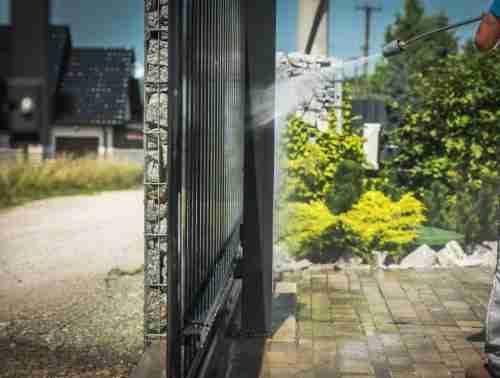
Clean the Fence


Clean the fence regularly to remove dirt, mold, and mildew. Use a mild detergent and a soft brush or sponge for cleaning. If your fence is made of metal, such as iron or aluminum, consider using a rust cleaner or inhibitor to prevent corrosion.

Collect the necessary cleaning supplies. This may include a bucket, mild detergent, a soft brush or sponge, a garden hose or pressure washer, a scrub brush, and safety equipment such as gloves and safety goggles.

Before cleaning, remove any loose debris such as leaves, cobwebs, or dirt. Use a broom or a brush to sweep away these elements, ensuring a clear surface for the cleaning process. Mix a mild detergent or a specialized fence cleaner with water in a bucket. Avoid using harsh chemicals that may damage the fence material or harm nearby plants.

Before applying the cleaning solution to the entire fence, perform a spot test in an inconspicuous area to ensure that the cleaner doesn’t cause discoloration or damage to the material. Dip a soft brush or sponge into the cleaning solution and scrub the fence thoroughly. Pay special attention to areas with stains, mold, or mildew. For tougher stains, you may need to use a scrub brush.

5.3 Painting or Staining

Wooden fences benefit from regular painting or staining to protect them from the elements. This helps prevent rot, warping, and discoloration. Metal fences can be repainted to prevent rust. Choose a paint specifically designed for outdoor metal surfaces.

Paint creates a thick protective layer on the surface of the wood, shielding it from the elements, including sunlight, rain, and snow. Paint offers a wide range of color choices, allowing you to match or complement your home’s exterior. This can enhance the overall aesthetic appeal of your property.

Paint provides better coverage, hiding imperfections and giving a more consistent appearance to the fence. Painted fences generally require more maintenance as they can chip and peel over time. Touch-ups and repainting may be necessary every few years.

5.4 Repair Damage Promptly

Maintaining the fencing around your residential property is crucial for ensuring security, privacy, and aesthetic appeal. Fences can be subjected to various environmental elements and wear over time, leading to damage that, if left unaddressed, may compromise their effectiveness.

Conduct routine inspections of your fence to identify any signs of damage, such as loose or missing components, rust, rot, or leaning posts. Regular checks will help you catch issues early on, allowing for prompt repairs.

Keep the fence clean from dirt, debris, and vegetation. Accumulated dirt and plant growth can accelerate the deterioration of materials. Clean your fence periodically, and trim any overhanging branches or vines that might cause damage.

5.5 Trim Vegetation

Trim any vegetation, such as vines or bushes, that may be growing on or against the fence. This prevents excess moisture and reduces the risk of damage to the structure. Trim grass or weeds around the base of the fence to improve air circulation and discourage pests.

Trimming vegetation around a residential property’s fencing is an essential part of property maintenance. Regular trimming helps enhance the overall appearance of the property, ensures the security of the premises, and prevents potential issues.

5.6 Protect Against Termites and Pests

Conduct regular inspections of your fencing. Look for signs of termite activity, such as mud tubes or damaged wood. Check for other pests like ants, beetles, or wood-boring insects. Look for holes, sawdust, or any visible damage to the wood.

Choose fencing materials that are naturally resistant to termites. Some hardwoods, such as cedar and redwood, are less attractive to termites. Treated wood with preservatives can also be used to make the wood less appealing to pests.

Regularly apply wood preservatives to your fencing. This helps protect the wood from both termites and other pests. Follow the manufacturer’s instructions for application and reapplication intervals.

Ensure that there is no direct contact between the soil and the wooden components of your fencing. Termites are more likely to infest wood that is in direct contact with the ground.

5.7 Weatherproofing

Weatherproofing and maintaining fencing for residential properties is crucial to ensure the longevity and effectiveness of the fencing system. Proper maintenance helps protect the fence from the elements, preventing issues such as rust, rot, and deterioration.

Select materials that are resistant to weather conditions. For example, vinyl, aluminum, and treated wood are popular choices for fencing as they are more resistant to moisture, insects, and rot.

For wooden fences, apply a weatherproofing sealant or stain to protect the wood from moisture, UV rays, and insects. This helps prevent rot and decay.

5.8 Winter Preparations

If you live in an area with harsh winters, take extra precautions. Remove snow from the fence, especially heavy accumulations that can cause stress on the structure.Consider applying a protective coating to metal fences to prevent corrosion from road salt or other de-icing agents.
6. The best time to install the residential property fencing

The best time to install residential property fencing can depend on various factors, including weather conditions, local regulations, and personal preferences. Here are some considerations to help you determine the optimal time for installing residential property fencing.

6.1 Weather Conditions

Avoid Extreme Weather: It’s generally best to install fencing during mild weather conditions. Extreme heat, cold, or heavy rain can make the installation process more challenging and may affect the quality of the installation.

Seasonal Considerations: Spring and fall are often considered ideal times for fencing installations. The weather is typically moderate during these seasons, making it easier for installers to work and ensuring that the materials can be installed effectively.

6.2 Local Regulations

Before installing a fence, be sure to check with your local municipality or homeowners association to understand any regulations or restrictions on fencing. Some areas may have specific guidelines regarding the type, height, and placement of fences.

6.3 Ground Conditions

Dry Season: If possible, consider installing the fence during a dry season. Wet or muddy ground can complicate the installation process and may affect the stability of the fence posts.

Frost Considerations: In regions with frost, it’s important to install fence posts below the frost line to prevent heaving during the winter. This may impact the timing of your installation.

6.4 Landscaping Considerations

If you have landscaping plans that involve planting trees, shrubs, or other features, it’s advisable to install the fence either before or after these activities to avoid disruptions.

6.5 Personal Schedule

Consider your own schedule and availability. Choose a time when you can supervise the installation or be available to address any concerns that may arise during the process.

6.6 Neighbor Considerations

If the fence borders your neighbor’s property, it’s courteous to communicate with them about the installation plans. Discussing the project in advance can help prevent any misunderstandings.

7. Residential property fencing Installation

Installing a residential property fence involves several steps to ensure a sturdy and aesthetically pleasing result. Here is a general guide to help you with the installation process.

7.1 Check Local Regulations

Before you start, check with your local municipality or homeowners’ association to understand any regulations or guidelines regarding fence installation. Some areas have specific rules regarding height, materials, and placement.

7.2 Plan and Design

Determine the purpose of your fence (privacy, security, aesthetics), and choose a style that complements your property. Measure and mark the fence line accurately.

7.3 Gather Materials and Tools

Purchase the necessary materials based on your chosen fence type. Common materials include fence panels, posts, concrete, gravel, screws, and tools such as a post hole digger, level, and saw.

7.4 Prepare the Ground

Installing a residential property fence can enhance security, privacy, and aesthetic appeal to your home. Proper planning and execution are essential for a successful installation.

Before starting any fencing project, check with your local municipality or homeowners’ association for regulations and restrictions regarding fence height, materials, and placement. Obtain any necessary permits.

Clearly define the purpose of your fence. Whether it’s for security, privacy, aesthetics, or a combination of these factors, having a clear goal will help you choose the right type of fence.

7.5 Install Corner and End Posts

Installing corner and end posts is a crucial step in residential property fencing installation, as these posts provide stability and support to the entire fence structure.

Mark the layout of your fence using stakes and string lines. Clearly identify the locations of corner and end posts. Use a post hole digger to dig holes for the corner and end posts. The depth of the holes will depend on the height of your fence, local building codes, and the type of soil. Typically, holes are about one-third to one-half the length of the post.

Place a layer of gravel at the bottom of each hole. This helps with drainage and prevents the base of the posts from sitting in water, which could lead to rot over time. Place the corner and end posts into their respective holes, making sure they are plumb (straight up and down) and level. Use a level to check both the vertical and horizontal alignment.

Temporarily brace the posts in place using wooden stakes and support beams. This will keep the posts in position while the concrete sets. Prepare the concrete mix according to the manufacturer’s instructions. Pour the concrete into the holes around the posts, leaving a few inches at the top for finishing.

Allow the concrete to set for a short while before making final adjustments. Check the posts for plumb and level again and make any necessary adjustments before the concrete fully sets. Once the concrete has set, remove the temporary bracing. You can backfill the holes with soil and tamp it down for added stability.

7.6 Install Line Posts

Place line posts between the corner and end posts, maintaining a consistent distance. Use a level to ensure they are straight and plumb. Again, secure them in concrete.

7.7 Attach Rails

If your fence has horizontal rails, attach them to the posts using screws or nails. Ensure they are level and evenly spaced.

7.8 Attach Fence Panels

Place the fence panels between the posts. Ensure the panels are level and adjust the height if needed. Use a level to check the horizontal alignment of the panels. Attach the fence panels to the posts using screws or nails. Make sure to follow any specific guidelines provided by the panel manufacturer. Space the fasteners evenly to ensure a secure and stable installation.

If necessary, use a saw to trim the panels to fit the space properly. This may be needed if you encounter obstacles or uneven terrain. Double-check the entire fence line to ensure all panels are securely attached and level. Make any final adjustments as needed. If your fence has gates, install them according to the manufacturer’s instructions.

8. Conclusion

In conclusion, the choice of residential property fencing should align with the homeowner’s priorities, considering factors like privacy, security, aesthetics, maintenance, and budget. A well-thought-out decision that takes into account local regulations will result in a fence that not only enhances the property but also meets the practical needs of the residents. It’s advisable to consult with fencing professionals to explore suitable options and ensure a successful and compliant installation.

Contact Form

Leave a Comment

Your email address will not be published. Required fields are marked *

Say Hello!

Get In Touch With Us

Office Address

Hanwang Road, Anping county, Hebei provine, China