
Table of Contents
1. Introducing construction sites fencing

Introducing construction site fencing is an essential part of managing and securing construction projects. Fencing serves multiple purposes, from ensuring the safety of both the public and workers to securing the site from unauthorized access and theft. Here’s a detailed overview of why construction site fencing is important and the various types you might encounter:
Fencing helps to keep the public safe by preventing accidental entry into dangerous areas where there might be open excavations, unstable structures, or heavy machinery in operation. It also delineates safe working zones within the site, helping to prevent accidents by keeping unauthorized personnel out of hazardous areas.
2. The importance of fencing for construction sites fencing

The importance of fence for construction sites encompasses several critical aspects related to safety, security, and regulatory compliance. Here’s a detailed overview of why fencing is essential for construction sites.
2.1 Safety
The importance of fencing for construction sites encompasses several key aspects of safety and security, making it a critical component of construction site management. Here’s a detailed look at why fencing is so important:
Public Safety: Fencing helps to protect the public from accidentally wandering into dangerous areas of the construction site, where they could be injured by construction activities, falling objects, or hazards such as open pits.
Site Security: A secure fence acts as a deterrent to unauthorized access, reducing the risk of theft, vandalism, and trespassing. Construction sites often contain valuable machinery and materials that are attractive targets for thieves.
Worker Safety: Fencing helps to define the boundaries of the construction site, keeping workers within safe areas and away from potential hazards. It can also help manage access to specific zones within the site, ensuring that only authorized personnel enter high-risk areas.
Environmental Protection: Fencing can be used to protect nearby sensitive environments from construction-related damage. It can prevent the spread of debris and pollutants into surrounding areas, helping to maintain ecological balance.
2.2 Security
Construction sites are often targets for theft and vandalism due to the high value of machinery and materials present. Fencing acts as a deterrent to potential thieves and vandals. It allows for the establishment of controlled access points to the site, ensuring that only authorized personnel can enter. This is crucial for maintaining security and monitoring who is on site at any given time.
Fencing helps to secure a construction site by preventing unauthorized access. This is important not only for the safety of the workers and the public but also for protecting the site from theft and vandalism. Construction sites often contain valuable machinery, equipment, and materials that are attractive targets for thieves. A secure perimeter helps to deter potential intruders.
2.3 Legal and Regulatory Compliance
Many jurisdictions require construction sites to be fenced off as part of health and safety regulations. Non-compliance can result in fines, legal action, and delays in project completion. Proper fencing helps in reducing the liability of construction companies by taking reasonable steps to prevent accidents and unauthorized access.
The importance of fencing for construction sites is a critical aspect of both safety and legal compliance. Fencing serves to protect both the public and workers by delineating construction zones, preventing unauthorized access, and reducing the likelihood of accidents.
Laws typically require fencing around construction sites to prevent accidental entry by the public, including children who might see the site as a play area. This helps in minimizing the risk of injury to non-workers and enhances the security of the construction site.
2.4 Environmental Protection
Fencing can be part of an erosion and sediment control plan by preventing soil erosion and the spread of sediment onto adjacent properties or into waterways, which is often a regulatory requirement.
In some cases, fencing is used to protect local wildlife from entering construction zones, reducing harm to animals and preventing project delays.
The importance of fencing for construction sites in the context of environmental protection is multifaceted, addressing several critical concerns ranging from safeguarding wildlife and natural habitats to mitigating pollution and erosion.
Fencing helps to contain soil within construction sites, preventing soil erosion which can be exacerbated by wind and rain. Soil erosion can lead to sedimentation in nearby water bodies, negatively affecting water quality and aquatic habitats.
Construction sites are sources of various pollutants, including dust, debris, and chemicals. Fencing acts as a barrier, reducing the spread of these pollutants into the surrounding environment. This is particularly important for protecting waterways from contamination by runoff.
2.5 Professional Image and Neighbor Relations
A well-maintained fence around a construction site projects a professional image, signaling that the project is managed responsibly. Fencing helps minimize the impact of construction activities on neighboring properties by containing noise, dust, and debris within the site, thereby fostering better relations with the surrounding community.
3. The types of construction sites fencing
Construction site fencing serves multiple purposes, including ensuring security, delineating the construction area, controlling access, and ensuring the safety of both the public and construction workers. There are several types of construction site fencing, each suited to different needs and regulations. Here’s an overview of the most common type.
3.1 Construction sites temporary fencing
Temporary fencing is crucial on construction sites for various reasons, including safety, security, and delineating boundaries. Here are some common types of temporary fencing used on construction sites.
3.1.1 Temporary chain link fencing
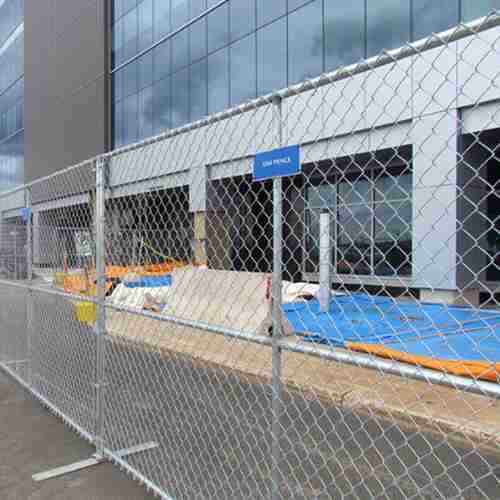
Temporary chain link fencing is a type of fencing system typically used for short-term security or crowd control purposes. It consists of interlocking metal links attached to steel posts, providing a sturdy barrier that is relatively easy to install and remove.
These fences are commonly seen at construction sites, outdoor events, concerts, and other temporary locations where controlling access or delineating boundaries is necessary.
Here are some key features and considerations regarding temporary chain link fencing:
Portability: Temporary chain link fencing is designed to be easily transportable and installable, allowing it to be set up and taken down quickly as needed.
Durability: While temporary, these fences are built to withstand outdoor conditions and provide a reliable barrier. The metal links and steel posts are sturdy enough to withstand moderate impacts.
Security: The height and strength of the fencing provide a level of security, deterring unauthorized access to restricted areas.
Versatility: Temporary chain link fencing can be adapted to various terrains and configurations, making it suitable for different types of environments.
Customization: Depending on the specific needs of the site, temporary chain link fencing can be customized with additional features such as privacy screens, barbed wire, or gates.
Cost-effective: Compared to permanent fencing solutions, temporary chain link fencing is generally more cost-effective, particularly for short-term projects or events.
Regulations: It’s important to be aware of local regulations regarding the installation of temporary fencing, including permits and safety standards.
Maintenance: While temporary, periodic inspections and maintenance may be necessary to ensure the integrity of the fence, especially in prolonged use or adverse weather conditions.
Environmental impact: Consideration should be given to the environmental impact of temporary fencing materials, including the potential for reuse or recycling after its intended use.
3.1.2 Temporary welded wire fencing
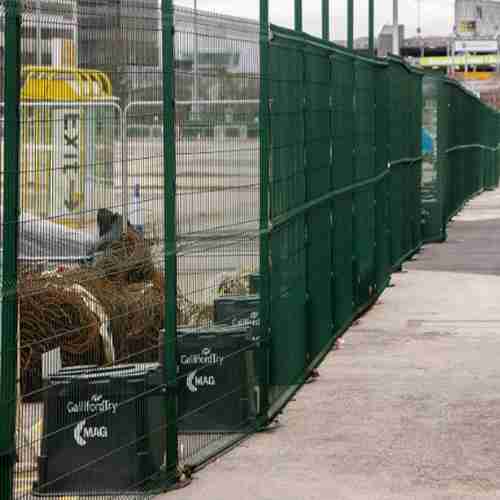
Temporary welded wire fencing is a versatile and cost-effective solution for a variety of short-term enclosure needs. These fences are made from steel wire that is welded at each intersection to form a rigid structure.
They are commonly used for construction sites, event barricades, crowd control, agricultural purposes, and temporary animal enclosures. The primary advantages of temporary welded wire fencing include:
Durability: Despite being designed for temporary use, these fences are highly durable and capable of withstanding outdoor elements, making them suitable for both urban and rural settings.
Flexibility: They can be easily installed, reconfigured, or moved to different locations as needed, making them ideal for projects or events with changing requirements.
Security: The robust construction of welded wire fencing provides a secure barrier that helps prevent unauthorized access to restricted areas.
Visibility: The open wire mesh allows for visibility, ensuring that areas are secure while not completely obstructed, which is particularly useful in public or monitored spaces.
Cost-effectiveness: Compared to permanent fencing options, temporary welded wire fencing is more affordable, especially for projects with a limited duration.
Minimal maintenance: These fences require little to no maintenance during their use, saving time and resources for other aspects of the project or event.
Temporary welded wire fences are available in various heights, mesh sizes, and wire gauges, allowing for customization based on specific needs. Some models also come with features like anti-climb designs, additional security enhancements (such as barbed wire), and gates for easy access.
3.1.3 Temporary wire mesh fencing
Temporary wire mesh fencing, often referred to as temporary construction fencing or temporary site fencing, is a type of fencing used in various construction, event management, or temporary security applications.
Temporary wire mesh fencing is used primarily for security and safety purposes. It helps to secure a construction site, event venue, or any temporary area where access control and safety are concerns.
The fencing typically consists of wire mesh panels made of galvanized steel or other durable materials. These panels are connected to each other using couplers or clips to form a continuous barrier.
Temporary wire mesh fencing is relatively easy to install and can be erected quickly. It usually involves driving metal posts into the ground at regular intervals and attaching the wire mesh panels to these posts using fasteners.
3.2 Construction sites permanent fence
Construction sites typically require various types of fencing for safety, security, and delineation purposes. When it comes to permanent fencing for construction sites, several options are commonly used.
3.2.1 Permanent chain Link fence
Permanent chain-link fence is a type of fencing made from interlocking steel wires formed into a diamond pattern. It’s called “permanent” because it’s designed to be durable and long-lasting, providing a secure barrier for various purposes. Here are some key features and considerations:
Material: Typically made of galvanized steel or coated with PVC (polyvinyl chloride) for added durability and resistance to rust and corrosion.
Strength and Security: Chain-link fences are known for their strength and security, making them suitable for a wide range of applications, including residential, commercial, industrial, and institutional settings.
Visibility: Chain-link fences provide a level of visibility, allowing you to see through them. This can be advantageous for security purposes, as it allows for surveillance, but it may not offer as much privacy as other types of fencing.
Customization: They can be customized in terms of height, gauge (thickness of the wire), and mesh size to suit specific needs and preferences.
Low Maintenance: Chain-link fences are relatively low maintenance compared to some other types of fencing. They don’t require painting or staining, and occasional cleaning with soap and water is usually sufficient to keep them looking good.
Cost-Effective: Compared to many other types of fencing, chain-link fences tend to be cost-effective, both in terms of initial installation costs and long-term maintenance expenses.
Uses: Common applications for permanent chain-link fences include securing property perimeters, creating boundaries for sports fields and playgrounds, enclosing construction sites, and providing security for industrial facilities.
Additional Features: Accessories such as gates, barbed wire, and privacy slats can be added to enhance security and privacy as needed.
Local Regulations: Before installing a permanent chain-link fence, it’s essential to check local zoning regulations and homeowners’ association rules to ensure compliance with any restrictions or requirements.
3.2.2 Permanent Wooden Fence
Permanent wooden fence is a structure typically constructed around a property or specific area using wooden materials. Wooden fences offer privacy, security, and aesthetic appeal to homes, gardens, farms, and various other properties. Here are some key aspects to consider when installing a permanent wooden fence:
Material Selection: Choose high-quality, durable wood that is resistant to rot, decay, and insect damage. Cedar, redwood, and treated pine are popular choices due to their durability.
Design and Style: Decide on the design and style of the fence based on your preferences and the overall aesthetic of your property. Common styles include picket, privacy, lattice, and split rail fences.
Post Installation: Properly set sturdy wooden posts into the ground to provide structural support for the fence. Posts should be buried at least one-third of their length into the ground and set in concrete for stability.
Fence Construction: Install horizontal rails between the posts to support the fence panels or pickets. Attach the fence panels or pickets to the rails using nails or screws, ensuring they are evenly spaced and securely fastened.
Maintenance: Regularly inspect and maintain the fence to prolong its lifespan. This may involve staining or painting the wood to protect it from the elements, as well as replacing any damaged or rotted components.
3.2.3 Permanent Concrete Barrier Walls
Permanent concrete barrier walls are structures made of reinforced concrete designed to provide long-term protection and separation in various applications. These walls are commonly used in transportation infrastructure, such as highways, roads, bridges, and tunnels, as well as in industrial facilities, commercial properties, and residential developments.
3.2.4 Permanent Electric Fence
Permanent electric fence is a type of fencing system that utilizes electric current to deter animals or individuals from crossing its boundaries. It’s commonly used in agricultural settings to contain livestock or protect crops from wildlife.
The fence typically consists of wires or tapes that are electrified to deliver a mild but memorable shock to anything that comes into contact with it.
4. Construction sites temporary fencing VS Construction sites permanent fencing

Temporary fencing and permanent fencing serve different purposes and have distinct advantages and disadvantages, especially when used in construction sites. Here’s a comparison based on several key aspects.
4.1 Purpose and Use
Temporary Fencing: As the name suggests, temporary fencing is used for short-term purposes. It is commonly used in construction sites to secure the area during the construction phase, for crowd control during events, or as emergency fencing to secure hazardous areas temporarily. Its primary purpose is to provide security and safety while allowing flexibility.
Permanent Fencing: Permanent fencing is designed for long-term use, providing a durable solution for security, privacy, and boundary demarcation. In construction sites, it might be used to secure the perimeter of a permanent facility or infrastructure within the site, such as substations, storage areas, or to demarcate the site boundaries.
4.2 Material and Durability
Temporary Fencing: Typically made from lightweight materials like steel or aluminum, temporary fencing is designed for easy installation and removal. The materials are durable enough to withstand outdoor conditions for the short term but are not intended for long-term exposure.
Permanent Fencing: Constructed from more durable materials such as reinforced steel, concrete, wood, or heavy-duty metal alloys. Permanent fences are built to last and withstand harsh weather conditions, providing a stable and secure barrier for many years.
4.3 Cost
Temporary Fencing: Generally more cost-effective in the short term because it can be rented and reused across different sites. The installation and removal process is straightforward, reducing labor costs.
Permanent Fencing: Involves a higher initial investment due to the cost of materials and the complexity of installation. However, its durability and longevity can make it more cost-effective over time, depending on the project’s requirements.
4.4 Flexibility and Adaptability
Temporary Fencing: Highly flexible and adaptable, temporary fencing can be easily reconfigured, moved, or extended as the needs of the construction site change. This makes it ideal for phases of construction that require different areas to be secured at different times.
Permanent Fencing: Once installed, permanent fencing is not meant to be moved or altered frequently. Its layout and design need to be carefully planned to ensure it meets the site’s long-term requirements.
4.5 Aesthetics
Temporary Fencing: Typically utilitarian in appearance, focusing on functionality rather than aesthetics. However, there are options to use screens or covers to improve appearance or provide privacy.
Permanent Fencing: Offers more options for customization and aesthetic appeal. Materials and designs can be chosen to complement the surrounding landscape or architectural style, enhancing the overall look of the site.
5. Choosing the right construction sites fencing

Choosing the right construction site fencing involves considering several factors to ensure safety, security, and compliance with local regulations. Here’s a guide to help you make an informed decision.
5.1 Purpose of Fencing
One of the primary purposes of construction site fencing is to ensure the safety of both workers and the general public. Construction sites can be hazardous environments with heavy machinery, materials, and potential hazards like open excavations. Fencing helps prevent unauthorized access, reducing the risk of accidents and injuries.
Construction sites often contain valuable equipment, tools, and materials that are vulnerable to theft and vandalism. Fencing acts as a deterrent to unauthorized individuals attempting to access the site for malicious purposes. It can also help in monitoring access points, enabling better security measures such as surveillance cameras and security personnel.
Erecting fencing around a construction site helps to fulfill legal and regulatory requirements related to safety and liability. In many jurisdictions, there are regulations mandating the use of fencing around construction sites to protect workers, pedestrians, and neighboring properties. Compliance with these regulations helps to mitigate the risk of legal issues and liability claims.
5.2 Material Options
Chain-Link Fencing: Economical, durable, and offers visibility into the site. It can be enhanced with privacy screens if needed.
Wooden Hoarding: Provides excellent privacy and a solid barrier but requires more maintenance and is less durable over time.
Steel or Aluminum Panels: High durability and strength, offering good security and can be reused for multiple projects.
Vinyl Fencing: Offers a clean look and is resistant to weather conditions but may not be as strong as metal options.
5.3 Regulatory Requirements
Regulatory requirements for choosing the right construction site fencing can vary by region and jurisdiction. Construction site fencing is primarily used to secure the perimeter of the site to prevent unauthorized access. The fencing must be robust enough to deter trespassers and prevent accidents.
Fencing should typically be a minimum height to deter climbing and strong enough to resist forced entry. The specific requirements for height and strength may be outlined in local building codes or regulations.
If the construction site is adjacent to pedestrian walkways or roads, fencing should be installed to protect pedestrians and vehicles from potential hazards such as falling debris or construction equipment.
5.4 Environmental Considerations
Choosing the right construction site fencing involves several environmental considerations to ensure minimal impact on the surrounding ecosystem.
Opt for fencing materials that are eco-friendly and sustainable. Avoid using materials like PVC or treated lumber, which can release harmful chemicals into the environment. Instead, consider options like recycled metal or wood, bamboo, or composite materials made from recycled plastics and wood fibers.
Choose fencing materials that are durable and can withstand harsh weather conditions to minimize the need for frequent replacements. Additionally, opt for fencing that can be easily disassembled and reused on future construction projects to reduce waste.
Evaluate the construction site’s surroundings to identify any sensitive habitats or wildlife corridors. Minimize habitat disruption by positioning fencing away from critical areas such as wetlands, nesting sites, or migration pathways. Consider using temporary fencing that can be easily moved as construction progresses.
Implement erosion control measures along the perimeter of the construction site to prevent sediment runoff into nearby water bodies. Use silt fencing or erosion control blankets to trap sediment and filter runoff water before it enters natural waterways.
Protect existing vegetation within and around the construction site by installing fencing barriers that prevent damage from heavy machinery, foot traffic, or construction materials. Consider incorporating permeable fencing designs that allow for airflow and light penetration to support plant growth.
5.5 Aesthetics
Choosing the right construction site fencing involves considerations beyond just functionality; aesthetics play a significant role in creating a positive visual impact while ensuring safety and security. Here are some aesthetic considerations when selecting construction site fencing:
Material Selection: The material of the fencing can greatly impact its aesthetic appeal. Options such as powder-coated steel, wrought iron, or even aesthetically pleasing wooden panels can elevate the look of the site while providing necessary security.
Color Palette: Selecting a color palette that complements the surroundings or the branding of the construction company can enhance the overall aesthetic. Neutral tones like black, gray, or earthy colors often blend well with various environments.
Design and Style: Choose fencing designs that align with the architectural style of the surrounding area or project. Sleek, modern designs might be appropriate for urban environments, while more rustic styles could suit suburban or rural settings.
Height and Visibility: Consider the height of the fencing in relation to its visibility. Opting for fencing that allows for visibility through mesh panels or ornamental designs can maintain security while minimizing the feeling of confinement.
Customization: Some fencing options allow for customization, such as adding company logos or decorative elements. This customization can reinforce brand identity while adding visual interest to the site.
Landscaping Integration: If possible, integrate landscaping elements around the fencing to soften its appearance. Planting shrubs, trees, or flowers along the perimeter can create a more inviting aesthetic and help blend the site into its surroundings.
Temporary vs. Permanent: For temporary construction fencing, consider options that are durable yet temporary, such as chain-link fencing with privacy screening that can be easily removed after the project is complete. This ensures that the site maintains a clean and organized appearance throughout the construction process.
5.6 Cost and Durability
The cost of purchasing or renting the fencing materials will be a primary consideration. Factors affecting this include the type of fencing (chain-link, welded wire, wood, etc.), the length and height required, as well as any additional features such as gates or barriers.
Beyond the materials themselves, you’ll need to account for installation expenses. This may include labor costs if you’re hiring a team to set up the fencing. Consider ongoing maintenance costs such as repairs, replacements, or painting if necessary. Lower-cost fencing options may require more frequent maintenance, which can add up over time.
The durability of the fencing material itself is crucial. For instance, metal fencing like chain-link or welded wire tends to be more durable and weather-resistant compared to wood or plastic options.
Consider the environment in which the fencing will be installed. Will it be exposed to harsh weather conditions like heavy rain, strong winds, or extreme temperatures? Will there be a risk of corrosion due to exposure to saltwater or chemicals? These factors can impact the longevity of the fencing material.
If security is a concern, durability becomes even more critical. Ensure that the fencing is sturdy enough to deter unauthorized access and withstand potential tampering or vandalism.
5.7 Removal
Before removing the fencing, ensure you comply with any regulations or permit requirements for dismantling or removing structures from the site. Prioritize safety during the removal process. Ensure all personnel involved are equipped with appropriate personal protective equipment (PPE) and follow safety protocols.
Before dismantling the fencing, document the existing conditions of the site and the fencing itself. This documentation may be useful for future reference or in case of any disputes.
Remove the fencing methodically, starting from one end and working systematically to the other. Use appropriate tools and equipment for the task, and be mindful of any hazards such as sharp edges or protruding nails.
Dispose of the removed fencing materials responsibly, following local waste disposal regulations. Recycle materials whenever possible to minimize environmental impact. After removing the fencing, inspect the site for any damage or disturbances caused during the removal process. Restore the site to its original condition as much as possible.
5.8 Supplier and Manufacturer Reliability
Selecting the appropriate construction site fencing involves considerations regarding both supplier and manufacturer reliability. Here are some key factors to consider:
Quality of Materials: Ensure that the supplier provides high-quality fencing materials that are durable and suitable for the construction site’s requirements. The manufacturer should use robust materials that can withstand the site’s environmental conditions and potential wear and tear.
Compliance with Regulations: Verify that the fencing meets all relevant safety and regulatory standards. The supplier should offer fencing solutions that comply with local building codes and regulations. The manufacturer should adhere to industry standards and certifications.
Customization Options: Depending on the construction site’s specific needs, flexibility in design and customization might be essential. Look for a supplier who can provide tailored fencing solutions, and ensure that the manufacturer has the capability to accommodate customization requests without compromising quality or safety.
Timely Delivery: Construction projects often have tight timelines, so it’s crucial to work with a supplier and manufacturer known for their reliability in delivering products on time. Delays in fencing delivery can disrupt the construction schedule and lead to additional costs.
Installation Services: Some suppliers may offer installation services or guidance. Consider whether the supplier can provide support with the installation process, ensuring that the fencing is properly set up for maximum effectiveness and safety.
Reputation and Reviews: Research the reputation of both the supplier and the manufacturer. Look for reviews from previous customers regarding the quality of the fencing, reliability of deliveries, and overall satisfaction with the products and services provided.
Warranty and Support: Check whether the manufacturer offers warranties on their products and what type of after-sales support they provide. A reliable manufacturer should stand behind their products and offer assistance in case of any issues or concerns.
6. Construction sites fencing gallery




7. Frequently asked question about construction sites fencing
7.1 How high does a construction sites fencing around a site needs to be?
The height of fencing around a construction site can vary depending on several factors including local building codes, safety regulations, the nature of the construction project, and potential hazards associated with the site. In many jurisdictions, there are specific regulations regarding the height of fencing around construction sites for safety and security purposes.
Typically, construction site fencing is at least 6 feet tall to prevent unauthorized access and to keep pedestrians and vehicles from entering the site accidentally. However, in some cases, especially if the construction site is located in a densely populated area or if there are particular safety concerns, the fencing may need to be taller.
7.2 How do you determine the appropriate height and strength for construction site fencing?
Determining the appropriate height and strength for construction site fencing depends on several factors, including regulatory requirements, the specific site conditions, and the level of security needed. Here are some steps to consider:
Regulatory Requirements: Check local building codes and regulations to determine if there are specific requirements for construction site fencing in your area. These regulations may dictate minimum height and strength standards that must be met.
Site Conditions: Assess the specific characteristics of the construction site, such as its size, location, and surroundings. Factors like the presence of valuable equipment or materials, nearby pedestrian or vehicular traffic, and the risk of vandalism or theft will influence the height and strength needed for the fencing.
Security Needs: Consider the level of security required for the construction site. Higher security sites may require taller and stronger fencing to deter unauthorized access and protect valuable assets.
Risk Assessment: Conduct a risk assessment to identify potential threats and vulnerabilities. Evaluate factors such as the likelihood of intrusion, the consequences of unauthorized access, and any existing security measures in place.
Consultation: Consult with security experts, fencing contractors, or other professionals with experience in construction site security. They can provide valuable insights and recommendations based on their expertise.
Material Selection: Choose fencing materials that are appropriate for the level of security needed and the site conditions. Common materials for construction site fencing include chain link, welded wire mesh, and temporary fencing panels. Consider factors such as durability, resistance to cutting or climbing, and ease of installation.
Height: The height of the fencing should be sufficient to prevent unauthorized access and deter intruders. In many cases, a minimum height of 6 feet is recommended for construction site fencing, but taller fencing may be necessary for higher security sites or to comply with local regulations.
Strength: The fencing should be sturdy enough to withstand attempts to breach or damage it. Factors such as the gauge of the wire, post spacing, and reinforcement measures (such as barbed wire or anti-climb devices) can all contribute to the strength of the fencing.
Visibility: Consider the visibility of the fencing, both from within the construction site and from the surrounding area. Highly visible fencing can act as a deterrent to potential intruders and help security personnel monitor the site more effectively.
Maintenance: Regular maintenance of the fencing is essential to ensure its effectiveness over time. Inspect the fencing regularly for damage or signs of wear and tear, and make any necessary repairs promptly.
7.3 What are the costs associated with construction site fencing?
The costs associated with construction site fencing can vary based on several factors including the type of fencing material used, the size of the construction site, the duration of the project, and any additional features or requirements. Here are some common costs associated with construction site fencing:
Fencing Material: The type of fencing material can significantly impact the cost. Common materials include chain link, welded wire mesh, temporary panels, wood, and plastic barriers. Each material has its own cost per linear foot or panel.
Installation: Installation costs can vary depending on the complexity of the installation process, site terrain, and labor rates. Some fencing materials may require specialized installation techniques which can add to the overall cost.
Permits and Regulations: Depending on local regulations, permits may be required for installing construction site fencing. Permit costs can vary widely depending on the location and the duration of the project.
Transportation and Delivery: Delivery charges may apply for transporting fencing materials to the construction site. The distance from the supplier to the site and the quantity of materials needed can impact transportation costs.
Security Features: If additional security features such as gates, locks, or surveillance systems are required, these will add to the overall cost.
Maintenance: Depending on the type of fencing material used, ongoing maintenance costs may be necessary to ensure the integrity and security of the construction site.
Duration of Use: If the fencing is needed for an extended period, rental costs or long-term ownership costs should be considered.
Customization: Customization of fencing materials or installation to fit specific site requirements may increase costs.
7.4 Are there any additional safety measures that can be incorporated into construction site fencing?
Construction site fencing is essential for keeping unauthorized individuals out and ensuring the safety of both workers and passersby. Here are some additional safety measures that can be incorporated into construction site fencing:
Warning Signs: Clear and prominent warning signs can be attached to the fencing to alert people of potential hazards and dangers within the construction site.
Barbed Wire or Razor Ribbon: Adding barbed wire or razor ribbon to the top of the fencing can deter trespassers and prevent them from attempting to climb over the fence.
Anti-Climb Fencing: Installing anti-climb fencing, which typically has small mesh or narrow gaps that make it difficult for individuals to climb, can enhance security and safety.
Lighting: Proper lighting around the perimeter of the construction site can deter trespassers and improve visibility, reducing the risk of accidents or unauthorized entry.
CCTV Surveillance: Installing closed-circuit television (CCTV) cameras on the fencing can provide continuous monitoring of the site, deterring criminal activity and assisting in identifying trespassers or intruders.
Intrusion Detection Systems: Intrusion detection systems, such as motion sensors or alarms, can be integrated into the fencing to alert security personnel of any unauthorized entry attempts.
Temporary Barricades: In addition to fencing, temporary barricades such as concrete barriers or jersey barriers can be strategically placed to further restrict access to certain areas of the construction site.
Access Control Gates: Implementing access control gates with keycard or biometric entry systems can regulate the flow of authorized personnel and vehicles in and out of the construction site.
Safety Netting: Installing safety netting on the inside of the fencing can prevent debris or equipment from falling outside the site, thereby enhancing safety for pedestrians and neighboring properties.
Regular Inspections and Maintenance: Conducting regular inspections of the fencing to ensure its integrity and promptly repairing any damage can help maintain its effectiveness in providing security and safety.
8. Conclusion
The conclusion of construction site fencing involves several key considerations and steps to ensure the safety, security, and compliance of the construction site with local laws and regulations.
Once construction activities are completed, the fencing should be thoroughly inspected to identify any damages or alterations that occurred during the construction process. This is important for ensuring that the fencing can be safely removed without causing harm to the surrounding area or individuals.
The removal of fencing should be carried out carefully and systematically to prevent accidents. This process includes dismantling any temporary barriers, gates, and signage associated with the construction site.
Environmental considerations should be taken into account during the removal of construction fencing, ensuring that the site is left in a condition that does not harm the local ecosystem. This includes proper disposal of fencing materials and any construction waste.
In summary, the conclusion of construction site fencing is a comprehensive process that requires careful planning, adherence to safety and environmental guidelines, compliance with legal requirements, and consideration of the local community and ecosystem.
Proper execution of these steps ensures that the construction site is safely transitioned to its next phase, whether it be additional construction activities, occupancy, or restoration of the area.