A Barrier Between Safety and Risk: Understanding Bridge Fencing

Table of Contents

1. Introduce bridge fencing

bridge fencing

Bridge fencing refers to the installation of protective barriers or fences on bridges to enhance safety and security for pedestrians, cyclists, and motorists. These fences are typically designed to prevent accidents such as falls from the bridge structure or collisions with oncoming traffic.

Bridge fencing can vary in design and materials depending on factors such as the bridge’s location, purpose, and aesthetic considerations.

Preventing accidents and falls from bridges, particularly for vulnerable road users like pedestrians and cyclists. Restricting unauthorized access to the bridge structure, which can help prevent vandalism, suicides, and other illicit activities.

Balancing safety and security measures with the visual appeal of the bridge and its surroundings, ensuring that the fencing complements the overall design and architectural features.

Bridge fencing can be constructed from various materials such as steel, aluminum, glass, or reinforced concrete, and can be designed to blend seamlessly with the bridge’s architecture or stand out as a distinct feature.

Additionally, the height and spacing of the fencing elements are carefully considered to provide effective protection while maintaining visibility and preserving the bridge’s aesthetic appeal.

In urban areas, bridge fencing may also incorporate features such as integrated lighting for enhanced visibility at night, decorative elements, or informational panels to provide context about the bridge’s history or significance.

2. Modern bridge fencing

Modern bridge fencing typically refers to the protective barriers installed on bridges to enhance safety for pedestrians, cyclists, and motorists. These barriers serve multiple purposes, including preventing accidents, containing vehicles within their lanes, and sometimes aesthetic enhancement.

Modern bridge fencing often utilizes durable materials such as stainless steel, aluminum, or reinforced concrete. These materials offer longevity and resistance to weathering and corrosion.

Bridge fencing designs vary widely depending on factors such as location, architectural style, and safety requirements. Some designs feature sleek and minimalist profiles, while others incorporate decorative elements or artistic motifs.

Fencing height is crucial for safety. Tall barriers are typically used on bridges to prevent falls or vehicle accidents. However, maintaining visibility for drivers and pedestrians is also important. Open designs or transparent materials like tempered glass can be used to balance safety with visibility.

Modern bridge fencing often aims to blend seamlessly with the surrounding environment. This might involve incorporating design elements that complement nearby architecture or natural features.

Some modern bridge fencing incorporates innovative technologies to enhance safety and functionality. This can include features such as integrated lighting for visibility at night, sensors for monitoring structural integrity, or even renewable energy systems for sustainability.

3. Types of bridge fencing

Bridge fencing serves to provide safety and security for vehicles and pedestrians crossing bridges. Various types of bridge fencing exist, each with its own design, materials, and suitability for different environments and purposes. Here are some common types.

3.1 Welded wire mesh fencing
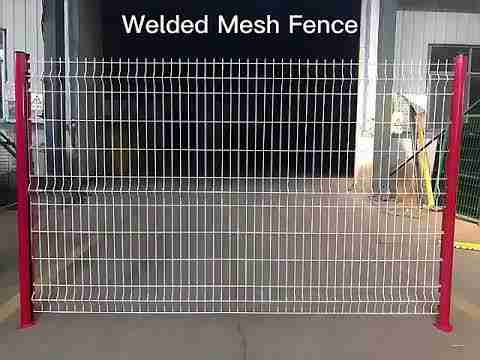
Welded Wire Mesh Fence

Welded wire mesh fencing is often utilized for bridge fencing due to its durability, strength, and versatility. Bridges are critical infrastructure that requires reliable fencing to ensure safety and security.

Welded wire mesh fencing is made by welding individual wires together to form a strong and durable mesh panel. This construction provides excellent resistance to bending, breaking, and deformation, making it capable of withstanding harsh weather conditions and potential impacts.

The tight mesh pattern of welded wire fencing makes it difficult for intruders to climb or penetrate through, enhancing security for bridges and preventing unauthorized access to restricted areas.

Welded wire mesh fencing offers good visibility through the fence, allowing for easy monitoring of the bridge and its surroundings. This visibility is essential for security personnel to detect any suspicious activities or potential hazards promptly.

Welded wire mesh fencing can be customized to fit the specific requirements of bridge fencing, including height, width, and mesh size. This flexibility ensures that the fencing can effectively meet the unique challenges posed by different bridge designs and locations.

3.2 Chain link fence

chain link construction fence

Using chain link fencing for bridge fencing is a common practice due to its durability, affordability, and effectiveness.

Chain link fencing is typically made of galvanized steel, which is highly resistant to corrosion, rust, and weathering. This makes it suitable for outdoor environments, such as bridges, where it will be exposed to the elements.

Chain link fencing offers clear visibility through the mesh, which can be important on bridges for safety reasons. Pedestrians and drivers need to be able to see through the fencing to maintain awareness of their surroundings.

While chain link fencing may not provide as much privacy as solid barriers, it still serves as a deterrent to prevent unauthorized access to the bridge. The small gaps in the mesh make it difficult for people to climb over, enhancing security.

Chain link fencing can be customized to fit the specific dimensions of a bridge and can be installed at various heights to meet safety requirements. Additionally, it can be coated with different colors or materials to improve aesthetics or provide additional protection against corrosion.

Compared to other types of fencing, such as wrought iron or solid barriers, chain link fencing is generally more affordable to purchase and install. This makes it a practical choice for projects with budget constraints.

3.3 Tubular fencing

29p6 picket tubular steel fence

Tubular fencing can indeed be used for bridge fencing, offering a combination of durability, strength, and aesthetics. Bridge fencing serves multiple purposes, including safety for pedestrians and vehicles crossing the bridge, as well as enhancing the overall appearance of the structure.

Tubular fencing is often made of materials like steel or aluminum, which are strong and can withstand various weather conditions, including high winds and heavy loads. Tubular fencing can be designed with features such as anti-climb designs or added security measures to prevent unauthorized access to the bridge.

Tubular fencing can be visually appealing, offering a modern and sleek look that complements the design of many bridges. It can be customized in terms of color, finish, and design to match the aesthetic requirements of the bridge and its surroundings.

Tubular fencing typically provides good visibility, allowing pedestrians and motorists to see through the fencing while still providing a barrier for safety.

3.4 Wrought Iron Fencing

Wrought iron fencing can be used for decorative purposes on bridges, particularly in historic or architecturally significant locations. While not as common for providing vehicle protection, they can still serve as pedestrian barriers.

Wrought iron fencing has been a popular choice for various applications, including bridge fencing, for centuries. Its durability, strength, and aesthetic appeal make it suitable for such purposes. Wrought iron is known for its durability and resistance to corrosion. This makes it an ideal material for outdoor structures like bridge fencing, which are exposed to the elements.

Wrought iron is stronger than many other fencing materials, providing reliable support and protection for bridges and their users. Wrought iron fencing is appreciated for its classic and elegant appearance. It can enhance the aesthetic appeal of bridges and complement various architectural styles.

Wrought iron can be easily customized to meet specific design requirements. This allows for the creation of intricate patterns, decorative elements, and personalized touches, making each bridge fencing unique.

3.5 Concrete Barriers

concrete security fence

These are often used on bridges undergoing construction or repair work. They are temporary barriers made of precast concrete and provide a solid barrier between traffic and construction zones.Concrete barriers are frequently used for bridge fencing due to their strength, durability, and effectiveness in providing safety and protection. Concrete barriers are exceptionally strong and durable, capable of withstanding significant impact forces. This makes them effective at containing vehicles and preventing accidents on bridges.

Concrete barriers are designed to absorb and redirect the energy of a vehicle collision, minimizing damage to the bridge structure and reducing the risk of injury to occupants. Concrete barriers are often painted in bright colors or equipped with reflective strips to enhance visibility, especially in low-light conditions or during adverse weather.

Concrete barriers are typically manufactured in modular sections, allowing for easy installation and customization to fit the specific dimensions and requirements of the bridge.

4. The main components of a bridge fence

A bridge fence typically consists of several main components designed to provide safety and support for pedestrians, cyclists, and vehicles crossing the bridge. These components may vary depending on the design, location, and purpose of the bridge, but generally include:

Posts: These are vertical members that provide support for the entire fence system. They are typically made of steel, concrete, or sometimes wood, depending on the design requirements.

Rails: Rails are the horizontal members that run between the posts. They serve as the primary barrier to prevent people or vehicles from falling off the bridge. Rails are usually made of steel or concrete and may be designed in various shapes and configurations.

Spacers: Spacers are the elements that maintain the proper spacing between the rails. They are often made of the same material as the rails and are attached to the posts or rails to ensure stability and uniformity of the fence.

Connections and fasteners: These are the various hardware components such as bolts, nuts, screws, and brackets used to connect the posts, rails, and spacers together securely. Proper connections are essential to ensure the stability and integrity of the fence.

End treatments: End treatments are special components installed at the ends of the fence to provide additional protection and to blend the fence into the surrounding environment seamlessly. These may include transition elements, terminal sections, or decorative features.

Pedestrian handrails (optional): In addition to the primary railing system, bridges may include separate handrails specifically designed for pedestrians. These handrails are typically positioned at a lower height than the main railing and provide additional support and safety for pedestrians.

Reflectors or lighting (optional): Reflectors or lighting elements may be incorporated into the bridge fence to enhance visibility, especially during low-light conditions or at night. These features improve safety by making the bridge more visible to motorists and pedestrians.

5. Top priorities of bridge fencing

Bridge fencing refers to the installation of barriers or protective structures along bridges to enhance safety and security. The top priorities of bridge fencing typically revolve around several key objectives.

5.1 Preventing Accidental Falls

When it comes to preventing accidental falls from bridges, the top priorities for bridge fencing typically revolve around safety, effectiveness, durability, and aesthetics. Here are some key considerations:

Safety Standards Compliance: Fencing should comply with relevant safety standards and regulations established by local authorities or engineering bodies. This ensures that the fencing is designed to withstand impact forces and prevent falls effectively.

Height and Gap Restrictions: Fencing should be of sufficient height to deter climbing or accidental falls. Additionally, gaps between fence elements should be narrow enough to prevent individuals or objects from passing through.

Material Strength and Durability: The fencing material should be sturdy and durable to withstand harsh weather conditions, corrosion (if near water bodies), and potential impacts. Common materials include steel, aluminum, or reinforced concrete.

Visibility and Transparency: While the primary purpose of fencing is safety, it should not obscure views unnecessarily, especially in scenic areas. Opting for transparent or open designs can maintain visibility while still providing necessary safety barriers.

Ease of Maintenance: Maintenance requirements should be considered to ensure the longevity and effectiveness of the fencing. Easy-to-maintain materials and designs can reduce the long-term cost and effort associated with upkeep.

Integration with Bridge Design: Fencing should be integrated seamlessly with the overall bridge design to maintain aesthetic appeal and architectural coherence. It should complement the bridge’s style while fulfilling its safety function.

Accessibility Considerations: Ensure that the fencing does not impede accessibility for pedestrians or maintenance workers. Access points or gates may be necessary at certain intervals for maintenance purposes.

Anti-Climbing Measures: Incorporating features such as angled or curved tops, spikes, or deterrents can discourage climbing attempts, further enhancing safety.

5.2 Safety for Pedestrians and Cyclists

Bridge fencing serves as a crucial safety measure for pedestrians and cyclists, particularly in areas where bridges cross busy roads or bodies of water. Here are some top priorities and considerations for bridge fencing to ensure the safety of pedestrians and cyclists:

Physical Barriers: Fencing should create a physical barrier between the pedestrian/cyclist pathway and vehicular traffic or hazardous areas such as rivers or railway lines. This prevents accidental falls or collisions.

Height: Fencing should be tall enough to prevent falls over the side of the bridge. The height requirement may vary depending on local regulations and the specific context of the bridge, but typically, a height of at least 42 inches (about 1.1 meters) is recommended.

Material Durability: The fencing material should be durable and able to withstand various weather conditions, including wind, rain, and snow. Common materials used for bridge fencing include steel, aluminum, and durable plastics.

Visibility: Fencing should provide adequate visibility for both pedestrians/cyclists and motorists. This may involve using materials that are not visually obstructive, such as transparent or open designs, to maintain visibility of the surrounding environment.

Anti-Climbing Design: To deter individuals from attempting to climb or scale the fencing, design features such as smooth surfaces, angled tops, or curved designs can be incorporated into the fencing.

Aesthetic Integration: Bridge fencing should be designed to complement the aesthetic of the bridge and its surroundings. This can help enhance the overall visual appeal of the structure while still prioritizing safety.

Accessibility: Ensure that the fencing does not obstruct accessibility for pedestrians and cyclists, including those with disabilities. This may involve incorporating features such as gates or ramps where necessary.

Maintenance: Regular inspection and maintenance of the fencing are essential to ensure its continued effectiveness and safety. This includes checking for signs of damage, corrosion, or wear and tear, and promptly repairing any issues that arise.

5.3 Suicide Prevention 

Suicide prevention strategies often involve a combination of interventions, including mental health support, community outreach, and environmental modifications.

Bridge fencing, particularly on bridges known for suicide attempts, is one such environmental modification aimed at reducing access to lethal means for suicide. Here are some of the top priorities and considerations regarding bridge fencing for suicide prevention:

Physical Deterrent: The primary purpose of bridge fencing is to create a physical barrier that prevents individuals from accessing the edge of the bridge easily. Fencing should be designed to be tall and sturdy enough to deter climbing or jumping over.

Accessibility: While fencing is effective at preventing impulsive suicides, it’s essential to ensure that the fencing does not impede legitimate use of the bridge by pedestrians, cyclists, or emergency responders. Gates or other mechanisms should allow for easy access in case of emergencies.

Aesthetics and Integration: Fencing should be designed in a way that integrates well with the existing architecture and surroundings of the bridge. Utilizing materials and designs that blend with the aesthetic of the bridge can help reduce objections from community members and maintain the visual appeal of the structure.

Cost-effectiveness: Implementing bridge fencing can be costly, especially for large bridges or those with complex designs. Prioritizing bridges with a history of suicide attempts or those with high pedestrian traffic can help allocate resources effectively.

Collaboration with Stakeholders: Collaboration among various stakeholders, including local governments, transportation agencies, mental health organizations, and community groups, is crucial for the successful implementation of bridge fencing projects.

5.4 Protection from Debris

Protection from debris is a critical consideration when designing bridge fencing, especially in areas prone to high winds, storms, or where there’s significant vehicular traffic. Here are some top priorities for bridge fencing to address protection from debris:

Material Selection: Choose materials that are sturdy and resilient to impact, such as steel, aluminum, or reinforced concrete. These materials can withstand debris impact better than more fragile materials like wood or PVC.

Height and Strength: The fencing should be tall enough and strong enough to prevent large debris from easily passing through or over it. A taller fence can help deflect debris away from the roadway or pedestrian areas.

Mesh Size: If using mesh fencing, select a mesh size that prevents small debris from passing through while still allowing for adequate visibility. This prevents smaller debris like rocks or gravel from being thrown onto the road or walkway.

Wind Resistance: Ensure that the fencing design accounts for wind resistance, especially in areas prone to strong gusts. A fence that can withstand high winds will be better able to prevent debris from being picked up and thrown onto the bridge or roadway.

Regular Maintenance: Regular inspections and maintenance of the fencing are essential to ensure its effectiveness in protecting against debris. Any damage should be promptly repaired to maintain the integrity of the barrier.

Integration with Bridge Design: Bridge fencing should be seamlessly integrated with the overall bridge design to ensure structural stability and aesthetic appeal while still providing effective protection from debris.

Consideration of Surrounding Environment: Take into account the specific environmental conditions surrounding the bridge, such as nearby vegetation or water bodies, which may contribute to debris accumulation or wind patterns.

5.5 Security Enhancement

Bridge fencing is crucial for preventing unauthorized access, vandalism, accidents, and potential terrorist threats. Enhancing security measures around bridges involves a multi-faceted approach, but here are some top priorities for improving bridge fencing security:

Height and Strength: Fencing should be tall enough to deter unauthorized access and strong enough to withstand attempted breaches. Tall fences make it difficult for individuals to climb over, while sturdy materials like steel or reinforced concrete can prevent forced entry.

Anti-Climbing Features: Incorporate features that make it difficult for individuals to climb the fence. This can include angled tops, barbed wire, or curved overhangs. Such features act as deterrents and create an additional barrier against unauthorized access.

Surveillance Systems: Install surveillance cameras and motion sensors along the fence line to monitor activity and detect any suspicious behavior. Video analytics software can help in identifying potential threats and alerting security personnel in real-time.

Lighting: Proper lighting around the bridge area is essential for enhancing visibility and deterring intruders, especially during nighttime. Motion-activated lights can further enhance security by illuminating the area when activity is detected.

Access Control Points: Limit access to the bridge through controlled entry points equipped with gates or turnstiles. Implement access control measures such as key cards, biometric scanners, or security personnel stationed at entry points to ensure only authorized individuals can enter the premises.

5.6 Aesthetics and Visual Appeal

Bridge fencing serves several important functions, including safety, security, and aesthetics. When considering aesthetics and visual appeal as top priorities for bridge fencing, several key aspects come into play:

Design Harmony: The fencing should blend seamlessly with the overall design and architecture of the bridge. This includes considering the materials, colors, and shapes used in both the bridge structure and the fencing to create a cohesive aesthetic.

Elegant Structure: The fencing itself should possess an elegant and visually pleasing structure. This might involve incorporating decorative elements, such as ornate patterns or artistic motifs, into the design.

Material Selection: Choosing the right materials is crucial for achieving an aesthetically pleasing look. Materials such as wrought iron, stainless steel, glass, or even wood can be used to create visually appealing fencing that complements the surrounding environment.

Transparency and Lightness: Utilizing transparent or open designs can help maintain visibility through the fencing, providing unobstructed views of the surrounding landscape. This can enhance the overall visual appeal of the bridge while still ensuring safety.

Integration with Surroundings: The fencing design should take into account the surrounding environment, including factors such as natural scenery, urban landscapes, or historical contexts. By integrating the fencing seamlessly with its surroundings, it can enhance the overall visual appeal of the area.

5.7 Compliance with Regulations

Compliance with regulations regarding bridge fencing typically involves adherence to safety standards established by relevant authorities. The top priorities for bridge fencing compliance usually revolve around ensuring the safety of pedestrians, cyclists, and motorists who utilize the bridge. Here are some key priorities:

Height Requirements: Fencing must meet specified height requirements to prevent falls or unauthorized access to dangerous areas of the bridge. These requirements often vary based on local regulations but generally aim to prevent accidental falls or deliberate trespassing.

Material Strength: Fencing materials should be durable and strong enough to withstand environmental factors such as wind, rain, and potential impact from vehicles or debris. This ensures that the fencing remains intact and effective in its protective function.

Visibility and Transparency: Fencing should be designed to maintain adequate visibility for motorists and pedestrians, especially at critical points such as intersections or sharp curves. Transparent or open-design fencing may be preferred in certain cases to maintain visibility while still providing necessary safety barriers.

Accessibility Considerations: Fencing should not impede the accessibility of the bridge for pedestrians or cyclists, particularly those with disabilities. This may involve incorporating features such as ramps, gates, or designated crossing points to ensure equitable access while maintaining safety.

Compliance with Local Codes and Standards: Fencing design and installation must comply with all relevant local codes, standards, and regulations governing bridge safety and construction. This includes adherence to building codes, zoning regulations, and any specific guidelines set forth by transportation authorities.

Regular Maintenance and Inspection: Ensuring ongoing compliance involves implementing regular maintenance schedules and conducting inspections to identify and address any potential safety hazards or structural deficiencies in the fencing.

6. Features of bridge fencing

Bridge fencing, which refers to the protective barriers installed along the sides of bridges, serves several important purposes, including enhancing safety for motorists, cyclists, and pedestrians, as well as preventing accidents and minimizing the risk of vehicles or individuals falling off the bridge.

The specific features of bridge fencing may vary depending on factors such as the design of the bridge, its location, and local safety regulations. Here are some common features of bridge fencing.

6.1 Height

Bridge fencing typically extends to a sufficient height above the bridge deck to prevent vehicles or pedestrians from accidentally falling off. The height requirement may vary based on safety standards and the type of traffic using the bridge.

The height of bridge fencing is typically determined by safety regulations and design standards. It should be tall enough to prevent accidental falls but not excessively tall to obstruct views or aesthetics.

The height may vary depending on the location, purpose, and local regulations, but it often ranges from 3 to 5 feet for pedestrian bridges and higher for bridges accommodating vehicles.

6.2 Material

Bridge fencing can be constructed from various materials, including steel, aluminum, concrete, or composite materials. The choice of material depends on factors such as durability, cost, aesthetics, and local regulations.

Bridge fencing materials vary depending on factors such as cost, aesthetics, and durability. Common materials include concrete, steel, aluminum, wood, and composite materials. Each material has its advantages and disadvantages in terms of strength, maintenance requirements, and visual appeal.

6.3 Design

The design of bridge fencing may vary widely, ranging from simple vertical barriers to more intricate patterns or decorative elements. The design considerations often include aesthetics, visibility, and structural integrity.

Bridge fencing serves several crucial functions, including safety, security, and aesthetic enhancement. Below are some features and considerations for designing bridge fencing:

Material Selection: Choose materials resistant to corrosion, weathering, and wear, such as stainless steel, aluminum, or galvanized steel. Opt for materials that complement the bridge’s design and surrounding environment. Options may include wrought iron for a classic look or glass panels for a modern aesthetic.

Consider materials that allow visibility through the fencing to maintain views of the surrounding landscape or waterways.

6.4 Visibility

Effective bridge fencing design prioritizes visibility to ensure that motorists have clear sightlines of the road ahead and surrounding scenery. This may involve using materials with appropriate transparency or spacing between elements to maintain visibility while still providing protection.

Bridge fencing refers to the protective barriers or railings installed along the sides of bridges to enhance safety for pedestrians, cyclists, and motorists. The visibility of these features is crucial for several reasons:

Safety: High visibility ensures that motorists, cyclists, and pedestrians can easily see the fencing, helping them stay within the designated lanes and avoid accidents or falls off the bridge.

Navigation: Clear visibility of bridge fencing aids navigation for drivers, especially during adverse weather conditions or low-light situations. This is particularly important for bridges with sharp curves or narrow lanes.

Aesthetics: While safety is paramount, the aesthetic appeal of bridge fencing also matters. Visibility allows designers to integrate the fencing seamlessly into the bridge’s overall design, enhancing its aesthetic appeal without compromising safety.

Compliance: Depending on local regulations and standards, there may be specific requirements regarding the visibility of bridge fencing. Ensuring high visibility helps bridge designers and authorities comply with these standards.

6.5 Durability

Bridge fencing must be durable enough to withstand environmental factors such as wind, rain, snow, and temperature fluctuations, as well as the impact of vehicle collisions. Durability is often achieved through the selection of robust materials and proper maintenance practices.

The durability of bridge fencing features depends on various factors including the materials used, environmental conditions, maintenance efforts, and the design of the fencing system. Here are some common features of bridge fencing along with considerations for their durability:

Material: The material choice greatly influences durability. Common materials for bridge fencing include steel, aluminum, stainless steel, wood, and various types of composites. Stainless steel and aluminum are often preferred for their corrosion resistance, making them more durable in humid or coastal environments.

Coatings and Finishes: If metal is used, coatings and finishes can significantly enhance durability by providing protection against corrosion, UV radiation, and other environmental factors. Powder coating, galvanization, or specialized paint finishes are commonly applied to metal fencing to extend its lifespan.

Design and Construction: The design and construction of the fencing play a crucial role in durability. Proper engineering ensures structural integrity and resistance to environmental stresses such as wind loads and seismic activity. Welded connections are typically stronger and more durable than bolted connections.

Foundations and Anchoring: The durability of bridge fencing also depends on the stability of its foundations and anchoring systems. Proper installation techniques, such as deep foundations or specialized anchoring mechanisms, can enhance resistance to movement and ensure long-term stability.

6.6 Installation

Bridge fencing is typically installed securely to the bridge structure to ensure stability and effectiveness. Installation methods may vary depending on factors such as the bridge’s design, material, and location.

6.7 Accessibility

In some cases, bridge fencing may include features to accommodate the needs of pedestrians and cyclists, such as handrails or designated pathways. Ensuring accessibility is important for promoting inclusivity and safety for all bridge users.

6.8 Regulatory Compliance

Regulatory compliance regarding bridge fencing typically falls within the jurisdiction of various safety and transportation authorities, depending on the location of the bridge. Here are some general considerations:

Federal Regulations (USA): In the United States, the Federal Highway Administration (FHWA) sets standards and regulations for bridge design and safety features, including fencing. Compliance with FHWA’s guidelines ensures that bridges meet minimum safety requirements.

State Regulations: States often have their own departments or agencies responsible for transportation and bridge safety. These entities may have additional or more stringent regulations regarding bridge fencing.

International Standards: For bridges that span international boundaries or are subject to international agreements, compliance with relevant international standards such as those set by the International Organization for Standardization (ISO) may be necessary.

Safety Standards: Bridge fencing is primarily installed to enhance safety by preventing falls or deterring unauthorized access. Compliance with safety standards, such as those established by the American Association of State Highway and Transportation Officials (AASHTO) or similar organizations in other countries, is essential.

Accessibility Standards: Bridges must also comply with accessibility standards to ensure they are usable by individuals with disabilities. These standards may include provisions for the design and placement of fencing to accommodate wheelchair users and those with mobility impairments.

Environmental Regulations: In some cases, particularly for bridges located in environmentally sensitive areas, regulations related to habitat protection and conservation may influence the design and installation of fencing.

7. Applications of bridge fencing

Bridge fencing serves several important purposes in civil engineering and transportation infrastructure. Here are some key applications of bridge fencing.

7.1 Safety

safety of bridge fencing

The primary purpose of bridge fencing is to enhance safety for pedestrians, cyclists, and motorists using the bridge. Fencing prevents vehicles from accidentally veering off the bridge and falling into the water or onto lower roads or railway tracks below. It also prevents pedestrians and cyclists from accidentally falling off the bridge.

Bridge fencing is a critical safety feature designed to prevent accidents and provide protection to pedestrians, cyclists, and vehicles traversing the bridge. Here are some important considerations for ensuring the safety of bridge fencing features:

Height and Stability: Fencing should be sufficiently high to prevent falls, especially for bridges spanning over water bodies or significant height differences. The fencing structure must also be stable and securely anchored to withstand environmental forces such as wind and vibrations from passing vehicles.

Material Selection: The choice of material for fencing is crucial for durability, maintenance, and aesthetic appeal. Common materials include steel, aluminum, stainless steel, concrete, and various types of plastics. The material should be resistant to corrosion, weathering, and other environmental factors.

Visibility and Transparency: Fencing should provide adequate visibility for drivers and pedestrians while maintaining safety. This might involve using transparent materials such as tempered glass or acrylic panels, especially in areas with scenic views or architectural significance.

Anti-Climb Design: To prevent unauthorized access and ensure safety, bridge fencing should incorporate anti-climb features such as smooth surfaces, angled tops, or additional barriers to deter climbers.

Spacing and Openings: Gaps in the fencing should be carefully designed to prevent objects from falling through while maintaining proper ventilation and drainage. The spacing between vertical elements should also be considered to prevent entrapment of small objects or limbs.

7.2 Traffic Management

 traffic management of bridge fencing

Bridge fencing helps in guiding and managing traffic flow on bridges, especially in areas with high traffic volumes or complex intersections. It can help prevent accidents by providing clear boundaries and guidance to drivers.

Bridge fencing plays a crucial role in traffic management, particularly on bridges where safety is paramount due to height, exposure to wind, and potential hazards below.

7.3 Protection of Infrastructure

protection of Infrastructure of bridge fencing

Fencing on bridges can also serve to protect the bridge infrastructure itself. It can prevent vehicles from colliding with bridge supports, railings, or other critical components, thereby reducing maintenance costs and ensuring the longevity of the bridge structure.

7.4 Noise Reduction

noise reduction of bridge fencing

In urban areas, bridge fencing may be used to mitigate noise pollution from traffic passing over the bridge. Fencing can act as a barrier, reducing the transmission of noise to nearby residential or commercial areas.

Choosing appropriate materials for the fencing can significantly impact noise reduction. Dense materials such as concrete, steel, or composite materials are effective at blocking sound transmission.

7.5 Aesthetic Enhancement

aesthetic enhancement of bridge fencing

Bridge fencing can be designed to enhance the aesthetic appeal of the bridge and its surroundings. It can incorporate architectural elements, artistic designs, or landscaping features that complement the overall design of the bridge and contribute to the visual character of the area.

7.6 Wildlife Protection

wildlife protection of bridge fencing

In regions where bridges intersect with wildlife habitats or migration routes, bridge fencing can help prevent wildlife from accessing the roadway, reducing the risk of collisions with vehicles and protecting both wildlife and motorists.

Bridge fencing should be tall enough to prevent animals from jumping over it and long enough to guide them towards the bridge crossing. Typically, fencing should extend several feet above the bridge railing to deter animals from attempting to leap over it.

Fencing materials should be durable, weather-resistant, and able to withstand impact. Common materials include steel, wire mesh, and high-density polyethylene (HDPE). The material chosen should be wildlife-friendly, meaning it doesn’t harm animals upon contact.

7.7 Weather Protection

weather protection of bridge fencing

Bridge fencing serves several important functions in providing weather protection and ensuring safety. Here are some features and considerations regarding bridge fencing in relation to weather protection:

Wind Protection: Bridge fencing acts as a barrier against strong winds, reducing their impact on pedestrians, cyclists, and vehicles crossing the bridge. Solid or partially solid fencing can effectively block wind, minimizing discomfort and improving safety, especially on exposed bridges.

Snow Drift Control: In regions with heavy snowfall, bridge fencing can help control snow drifts by providing a barrier that prevents snow from accumulating on the bridge deck. This prevents dangerous conditions such as icy patches and improves visibility for drivers.

Ice Prevention: Fencing can help prevent ice formation on bridge surfaces by reducing wind exposure, which can lower the likelihood of freezing temperatures reaching the bridge deck. This is particularly important for preventing slippery conditions and accidents during winter months.

Rain and Splash Protection: Fencing can shield pedestrians and cyclists from rain and splashes caused by passing vehicles. Solid or semi-solid fencing designs are particularly effective in blocking water spray, providing a more comfortable and safer experience for users.

Visual Barrier: Fencing can serve as a visual barrier to improve privacy and reduce distractions for drivers, enhancing safety on the bridge. Additionally, it can obscure potentially hazardous elements beneath the bridge, such as railway tracks or water bodies, reducing the risk of accidents.

Durability and Maintenance: Bridge fencing materials should be chosen for their durability and ability to withstand weathering effects such as corrosion, UV radiation, and temperature variations. Proper maintenance is crucial to ensure the fencing retains its protective qualities over time.

8. Frequently asked question about bridge fencing

8.1 How does bridge fencing withstand environmental factors such as wind, rain, and temperature variations?

Bridge fencing is designed and constructed to withstand various environmental factors such as wind, rain, and temperature variations. Here are some ways in which bridge fencing can be engineered to withstand these elements:

Material Selection: Choosing the right materials is crucial for withstanding environmental factors. Common materials for bridge fencing include steel, aluminum, and high-density plastics. These materials are selected for their durability, corrosion resistance, and ability to withstand environmental stressors.

Corrosion Resistance: Bridges are often exposed to moisture from rain and humidity, which can lead to corrosion. Fencing materials are often coated with protective finishes such as galvanization, powder coating, or paint to prevent corrosion and prolong their lifespan.

Wind Resistance: Bridge fencing must be able to withstand strong winds, especially in areas prone to high wind speeds. The design and installation of the fencing must take into account wind load calculations to ensure stability. This may involve using sturdy support structures, proper anchoring techniques, and aerodynamic designs to reduce wind resistance.

Temperature Variations: Bridge fencing should be able to withstand temperature variations without warping, cracking, or deteriorating. Materials with good thermal stability are chosen to minimize the effects of temperature fluctuations. Expansion joints may also be incorporated into the fencing design to accommodate thermal expansion and contraction without causing damage.

Maintenance: Regular maintenance is essential for ensuring the longevity of bridge fencing. This may include inspections to identify any damage or wear, cleaning to remove debris and prevent buildup, and repairs or replacement of worn components as needed.

Design Considerations: The design of bridge fencing may incorporate features such as slotted or perforated panels to allow for airflow and reduce wind resistance. Additionally, the spacing and orientation of fencing components may be optimized to minimize the accumulation of debris and water.

8.2 What are the costs associated with installing and maintaining bridge fencing?

The costs associated with installing and maintaining bridge fencing can vary depending on several factors such as the type of fencing, the length and height of the bridge, accessibility, materials used, labor costs, and ongoing maintenance requirements. Here are some of the key cost considerations:

Material Costs: This includes the cost of the fencing material itself, whether it’s chain-link, mesh, steel, glass, or another type of material. Prices can vary significantly depending on the quality and type of material chosen.

Labor Costs: Installation requires skilled labor, including engineers, construction workers, and possibly specialized contractors depending on the complexity of the project. Labor costs can vary depending on location, union requirements, and the expertise needed.

Engineering and Design Costs: Developing plans and designs for bridge fencing may require the expertise of structural engineers and architects. These professionals ensure that the fencing meets safety standards, aesthetic requirements, and any local regulations.

Permitting and Regulatory Costs: Obtaining permits from local authorities can add to the overall cost. There may be fees associated with environmental assessments, safety inspections, and compliance with zoning regulations.

Site Preparation Costs: Clearing vegetation, preparing the bridge structure, and ensuring proper foundations for the fencing can contribute to the overall expense.

Transportation and Logistics: Shipping materials to the site and transporting equipment can add to the cost, especially if the bridge location is remote or difficult to access.

Maintenance Costs: Ongoing maintenance is essential to ensure the effectiveness and safety of the bridge fencing. This may include periodic inspections, repairs, cleaning, and repainting. Budgeting for these ongoing expenses is important for the long-term sustainability of the project.

Insurance and Liability Costs: Depending on the location and local regulations, there may be insurance requirements or liability considerations associated with installing bridge fencing to mitigate risks such as falls or accidents.

Public Outreach and Community Engagement: In some cases, there may be costs associated with public outreach and community engagement efforts to inform stakeholders about the purpose and benefits of the bridge fencing project.

Contingency Funds: It’s important to budget for unexpected expenses or changes in project scope. Having contingency funds set aside can help mitigate risks and ensure that the project stays on track financially.

8.3 What are the typical heights for bridge fencing?

The height of bridge fencing can vary depending on various factors such as local regulations, the type of bridge, its location, and its purpose. However, typical heights for bridge fencing often range from 42 inches to 60 inches (about 107 cm to 152 cm).

These heights are generally designed to provide sufficient protection to prevent falls while allowing for visibility and aesthetics. In areas with higher safety concerns or specific regulations, the fencing might be taller. Ultimately, the height will be determined by safety standards and local guidelines.

9. Conclusion

In conclusion, the implementation of fencing on bridges serves as a vital measure to enhance safety and prevent accidents. Through our analysis, we have determined that bridge fencing significantly reduces the risk of suicides, accidental falls, and trespassing incidents.

Not only does it provide physical barriers, but it also acts as a deterrent against unauthorized access to potentially hazardous areas. Moreover, our research highlights the positive impact of bridge fencing on public perception, instilling a sense of security and reassurance among pedestrians and commuters.

As we move forward, continued investment in bridge fencing initiatives remains essential to safeguarding lives and promoting well-being within our communities.

Leave a Comment

Your email address will not be published. Required fields are marked *

Say Hello!

Get In Touch With Us

Office Address

Hanwang Road, Anping county, Hebei provine, China