Pleasing To The Eye: Security Planning For The Commercial & Industrial Security Fence

Table of Contents

1. Introduce of commercial & industrial security fence

industrial security fence

Commercial and industrial security fences are essential components of perimeter security systems designed to protect businesses, facilities, and sensitive areas from unauthorized access, vandalism, theft, and other security threats. These fences serve as a physical barrier, acting as the first line of defense against potential intruders.

2. The importance of commercial & industrial security fence

Commercial and industrial security fences play a crucial role in safeguarding businesses, facilities, and assets. The importance of these fences can be attributed to several factors.

2.1 Physical Security

Commercial and industrial security fences play a crucial role in enhancing physical security for businesses and industrial facilities. These fences serve as a first line of defense against unauthorized access, theft, vandalism, and other potential threats.

A well-constructed and visible security fence acts as a deterrent by making it clear that the premises are private and protected. This can discourage potential trespassers and criminals.

Security fences enable better control over who enters and exits the premises. Access points can be strategically placed and equipped with gates, turnstiles, or other access control mechanisms to manage the flow of people and vehicles.

Security fences are effective in preventing theft of valuable assets and equipment. They also deter vandalism, which can be a significant concern for industrial and commercial properties.

Fencing helps in maintaining a safe and secure environment, reducing the risk of accidents and unauthorized access. This can contribute to meeting safety compliance standards and minimizing legal liabilities.

2.2 Asset Protection

Asset protection is a critical aspect of business operations, and implementing commercial and industrial security fences plays a significant role in safeguarding valuable assets.

The importance of these fences extends beyond mere physical barriers; they contribute to overall security strategies by deterring unauthorized access, preventing theft, and enhancing the safety of employees and the surrounding community.

Industrial and commercial facilities often house expensive equipment, machinery, and valuable inventory. Security fences help prevent theft by creating a formidable obstacle for would-be thieves. Vandals are less likely to target a property that is well-protected by a robust security fence, reducing the risk of property damage.

2.3 Privacy

Commercial and industrial security fences play a crucial role in safeguarding businesses, facilities, and assets. The importance of these security measures extends beyond mere physical barriers and encompasses various aspects, with privacy being a significant concern.

In commercial and industrial settings, there may be a need to keep certain activities, processes, or data confidential. Security fences help maintain privacy by restricting visibility and access, ensuring that proprietary information remains within the designated premises.

Industrial espionage and corporate theft are persistent threats in various industries. Security fences act as a physical barrier, making it more challenging for unauthorized individuals to gather information or engage in espionage activities.

2.4 Safety and Risk Mitigation

Commercial and industrial security fences play a crucial role in enhancing safety and mitigating risks for businesses and organizations.

By securing the premises with a proper fence, businesses can mitigate the risk of accidents and injuries. It helps in keeping unwanted individuals away from potentially hazardous areas, reducing the likelihood of legal liabilities.

2.5 Customization and Integration

The importance of commercial and industrial security fences lies in their ability to provide a physical barrier that helps protect businesses, assets, and personnel from unauthorized access, theft, vandalism, and other security threats.

Customization and integration play crucial roles in optimizing the effectiveness of security fences for specific commercial and industrial needs.

Different businesses have different security requirements based on their industry, location, and specific vulnerabilities. Customization allows security fences to be tailored to meet these specific needs.

Depending on the level of security required, the height and design of the fence can be customized. High-security facilities may need taller fences with features like anti-climb mechanisms, while aesthetic considerations may be important for commercial properties.

Customization enables the selection of materials that align with the security goals and the surrounding environment. Common materials include steel, aluminum, chain link, and composite materials.

Security fences can be integrated with surveillance systems, including CCTV cameras, motion sensors, and other monitoring technologies. This integration enhances the overall security infrastructure and provides real-time monitoring and response capabilities.

Integration with access control systems allows for the management of entry points. This may involve electronic gates, biometric scanners, key card access, or other advanced access control technologies.

3. Five common options of commercial and industrial security fence

Commercial and industrial security fences play a crucial role in protecting properties, assets, and people from unauthorized access and potential security threats. Here are five common options for commercial and industrial security fences:

3.1 Chain Link Fences
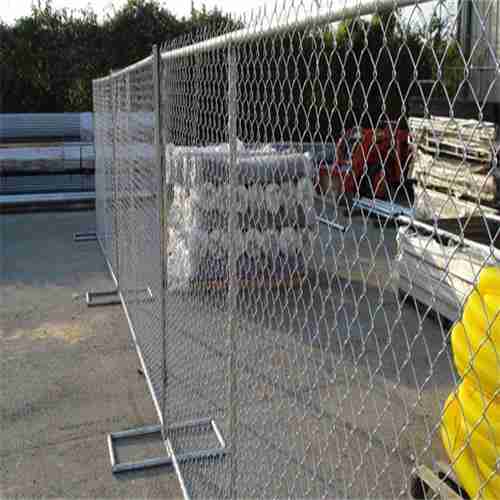
construction chain link fence panels

Commercial and industrial security chain link fences are designed to provide a high level of security for businesses, industrial facilities, and other commercial properties. These fences are commonly used to deter unauthorized access, protect valuable assets, and enhance overall security.

Chain link fences are typically made of galvanized steel for durability and resistance to corrosion. Some may also have a PVC coating to enhance aesthetics and provide additional protection.

Smaller mesh sizes increase the difficulty of climbing, making the fence more secure. Common mesh sizes for security applications range from 1 3/4 inches to 2 3/8 inches.

The height of the fence is an essential factor in determining its effectiveness. Taller fences provide better security. Heights for commercial and industrial security chain link fences often range from 6 to 12 feet or more, depending on the specific security requirements.

Adding barbed wire or razor ribbon to the top of the fence enhances security by creating a deterrent for potential intruders. A top rail adds stability and strength to the fence, making it more difficult to breach.

Gates are crucial access points that should be designed with security in mind.

Use heavy-duty gate materials and hardware. Implement access control measures such as keypads, card readers, or electronic gates for authorized personnel.

3.2 Welded wire mesh fence
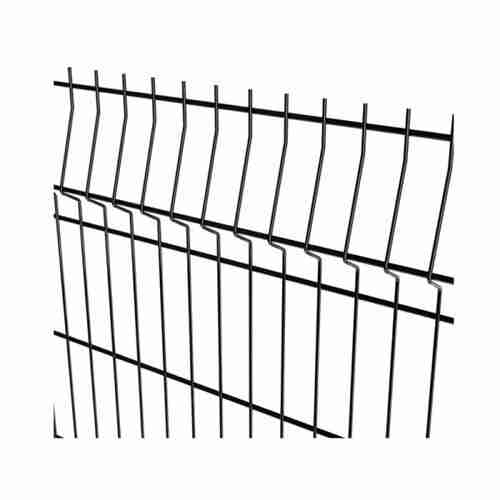
3D Welded Wire Mesh Fence

Commercial and industrial security welded wire mesh fence is a type of fencing system designed to provide high levels of security for commercial and industrial properties. These fences are constructed using welded wire mesh panels, which are made by welding individual wires together to form a strong and durable barrier.

These fences provide excellent security due to their sturdy construction and the difficulty of breaching the welded wire mesh panels. They can deter unauthorized access and intrusions effectively.

Welded wire mesh fences are highly durable and can withstand harsh weather conditions, impacts, and attempts at vandalism or forced entry. They are typically made from galvanized steel or other corrosion-resistant materials to enhance longevity.

Depending on the design and spacing of the wire mesh, these fences can offer varying degrees of visibility. This can be advantageous for surveillance purposes, allowing security personnel to monitor the premises effectively.

Once installed, these fences require minimal maintenance compared to other types of security barriers. Routine inspections and occasional cleaning are usually sufficient to keep the fence in optimal condition.

3.3 Palisade Fence
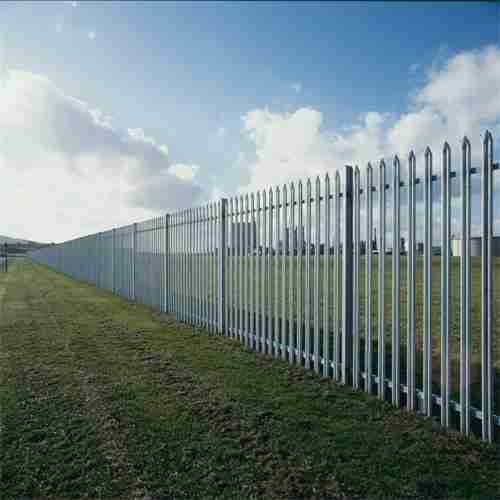
aluminium palisade fence

Palisade fence is a type of perimeter security fencing commonly used in commercial and industrial settings. It is characterized by its vertical steel or aluminum pales (also known as pickets or uprights) that are attached to horizontal rails.

These fences are typically robust and offer high levels of security due to their intimidating appearance and difficulty to breach.

The imposing appearance of a palisade fence acts as a strong deterrent to potential intruders. The height and design of the fence make it difficult to climb, discouraging unauthorized access.

Palisade fences are designed to provide high levels of security. The steel or aluminum construction makes them resistant to cutting or bending, making it challenging for intruders to breach the perimeter.

Palisade fences are highly customizable to suit specific security needs. They come in various heights, configurations, and finishes to accommodate different site requirements and aesthetic preferences.

Palisade fences are relatively quick and straightforward to install, especially when compared to more complex security systems. This can minimize disruption to commercial or industrial operations during implementation.

3.4 Tubular fence

Tubular fence

Commercial and industrial security tubular fence is a type of fencing commonly used in commercial and industrial settings to provide security and boundary demarcation. Tubular fences are typically made of steel or aluminum. These materials offer durability and strength, making them suitable for security purposes.

The fence consists of tubular steel or aluminum posts connected by horizontal rails. The design can vary, but it often includes vertical pickets or bars between the rails to enhance security and prevent climbing.

Commercial and industrial security tubular fences are typically taller than residential fences to provide greater security. Heights can vary based on specific security requirements and local regulations.

Gates are an essential component of security fencing systems. Tubular fences often include matching gates designed to provide controlled access to the enclosed area. These gates may be equipped with locks, hinges, and other security features.

Steel and aluminum tubular fences are known for their durability and resistance to corrosion, making them suitable for outdoor use in various environments.

3.5 Barbed wire Fences
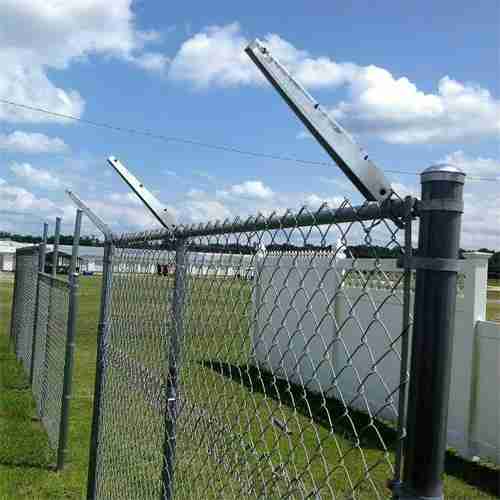
Barbed wire Fences

Commercial and industrial security barbed wire fences are essential for protecting properties from unauthorized access and intrusions. These types of fences typically consist of sturdy materials like steel or aluminum and are topped with strands of barbed wire to deter trespassers.

These fences are usually taller and stronger than residential fences, often ranging from 6 to 10 feet in height. The height and strength of the fence act as a deterrent and make it difficult for intruders to climb or breach.

The addition of barbed wire to the top of the fence adds an extra layer of security by making it challenging and hazardous for individuals to climb over. Barbed wire comes in various configurations, including single strand, double strand, or concertina wire.

The material used for these fences is typically heavy-duty, such as galvanized steel or aluminum, to withstand harsh weather conditions and potential tampering attempts.
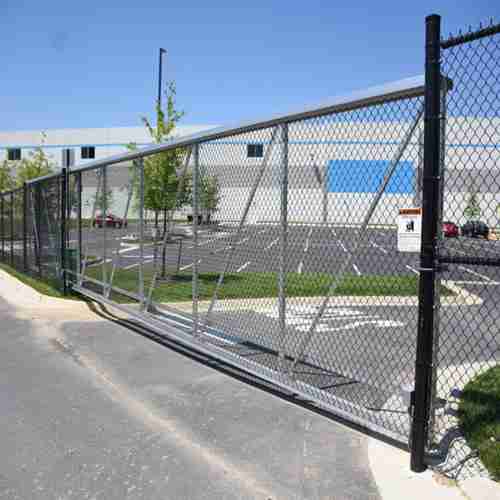
4. How to select commercial & industrial security fence?

Selecting the right commercial and industrial security fence is crucial for protecting your property, assets, and personnel. Here are some factors to consider when choosing a security fence.

4.1 Materials select

Selecting metal materials for commercial and industrial security fences requires consideration of several factors including durability, security level needed, budget, and aesthetic preferences. Here are some common metal materials used for security fences.

4.1.1 Steel

When selecting materials for commercial and industrial security fences, several factors need consideration, including durability, strength, resistance to tampering, aesthetics, and cost-effectiveness. Steel is a popular choice for such applications due to its numerous advantageous properties.

Steel is renowned for its strength, making it an excellent choice for security fencing. It can withstand considerable force, providing a robust barrier against intrusion attempts.

Properly treated steel offers excellent resistance to corrosion. This is crucial for outdoor applications where the fence is exposed to harsh weather conditions, thereby ensuring longevity and minimizing maintenance needs.

Steel is highly recyclable, making it an environmentally sustainable choice compared to other materials. This aligns with the growing emphasis on sustainability in construction and infrastructure projects.

4.1.2 Aluminum

Due to aluminum various advantageous properties, it is a popular choice for commercial and industrial security fencing.

Despite being lightweight, aluminum is remarkably strong and durable. It can withstand harsh weather conditions, including rain, snow, and UV exposure, without corroding or deteriorating. This makes it ideal for outdoor security fencing where longevity is essential.

Aluminum naturally forms a protective oxide layer when exposed to oxygen, which prevents rust and corrosion. This inherent resistance to corrosion makes aluminum fencing suitable for areas with high moisture content, such as coastal regions or industrial facilities where corrosion is a concern.

4.1.3 Wrought Iron

Selecting materials for commercial and industrial security fences, particularly considering wrought iron, involves various factors such as durability, security level required, aesthetics, and maintenance.

Wrought iron is known for its strength and durability, making it suitable for security purposes. It can withstand harsh weather conditions and physical impact, providing long-term security for commercial and industrial properties.

Evaluate the security needs of the premises. Wrought iron fences can provide a formidable barrier, especially when designed with spear-topped pickets or other anti-climb features. The spacing between pickets should be narrow enough to prevent intrusion.

Wrought iron offers an elegant and timeless look, making it a popular choice for properties where aesthetics are important. It can be customized to match the architectural style of the building or the surrounding environment.

While wrought iron is durable, it does require regular maintenance to prevent rust and corrosion. Periodic painting or coating with rust-resistant finishes can help prolong its lifespan. Consider the maintenance requirements and factor them into your decision-making process.

4.2 Design style

The design style of commercial and industrial security fences prioritizes functionality and security over aesthetics. However, there are still options available to customize the appearance to some extent.

Some fences may have decorative elements such as ornamental posts or finials to add a touch of style while maintaining security. The overall design is typically simple and utilitarian, focusing on strength, durability, and visibility.

4.2.1 Gate Systems

Gate systems are an integral part of commercial and industrial security fencing. They are designed to allow authorized access while still maintaining security. Gate systems may include features such as electronic access control, keypad entry, or security cameras for monitoring and controlling access to the property.

Gates are often constructed from the same materials as the fence itself to ensure consistency in security measures.

4.2.2 Anti-Climb Features

Anti-climb features are essential components of commercial and industrial security fences, designed to deter intruders and enhance perimeter security. Here are some design styles commonly incorporated into these fences:

Razor Wire/Barbed Wire: Adding coils of razor wire or barbed wire to the top of the fence creates a highly effective deterrent against climbing. These sharp materials make it difficult for intruders to scale the fence without sustaining injury.

Concertina Wire: Similar to razor wire, concertina wire consists of coils of barbed wire but with sharper edges and a more compact design. It is often used in high-security installations where maximum deterrence is required.

Rotating Anti-Climb Toppings: Rotating anti-climb toppings, such as rotating spikes or discs, are mounted on top of the fence. These toppings spin freely, making it nearly impossible for intruders to gain a foothold or grip on the fence, effectively thwarting climbing attempts.

Angled Topping: Installing an angled topping on the fence, such as an overhang or outward-facing spikes, makes it challenging for climbers to find a secure grip or foothold. This design style prevents intruders from easily scaling the fence.

Expanded Metal Mesh: Fences constructed with expanded metal mesh feature small diamond-shaped openings that are too narrow for hands or feet to pass through, making climbing difficult. Additionally, the rigid structure of the mesh enhances the overall strength and integrity of the fence.

Electric Fence: Electric fences deliver a non-lethal but uncomfortable electric shock to anyone attempting to climb or breach the fence. These fences act as powerful deterrents, as the shock serves as a strong disincentive for intruders.

Anti-Climb Spikes: Strategically placed anti-climb spikes along the length of the fence deter climbing attempts by making it uncomfortable or impossible for intruders to grip the fence effectively.

4.2.3 Strength and Durability

When designing a commercial or industrial security fence, strength and durability are paramount considerations to ensure the protection of the premises.

Choose materials known for their strength and durability. Common options include steel, aluminum, and wrought iron. Steel is particularly popular due to its strength and resistance to impact.

The gauge (or thickness) of the material used in the fence construction plays a significant role in its strength. Thicker materials offer greater resistance to force and impact.

The way the fence is constructed greatly affects its strength. Welded joints tend to be stronger than bolted connections. Ensure that the construction follows industry standards and is carried out by experienced professionals.

Incorporate features into the design that deter climbing, such as anti-climb spikes or curved tops. This not only enhances security but also adds to the overall strength of the fence by making it more difficult to breach.

4.2.4 Visibility

While security is paramount, it’s also essential to maintain visibility for surveillance purposes. This might entail using materials with spaced pickets or mesh panels rather than solid barriers.

4.2.5 Access Control

Integration with access control systems is common in commercial and industrial security fence designs. This can involve incorporating gates equipped with electronic locks, card readers, keypads, or biometric scanners.

4.2.6 Surveillance Integration

Consideration should be given to integrating surveillance elements such as cameras and lighting into the fence design. Strategic placement of mounting brackets or poles can facilitate optimal surveillance coverage.

4.2.7 Aesthetic Considerations

While security is the primary objective, the fence should also complement the overall aesthetics of the property. This might involve selecting finishes or coatings that enhance visual appeal or opting for decorative elements that align with the architectural style of the surroundings.

5. Application examples of metal fence in commercial & industrial

chain link fence for Industrial facilities

Metal fences are commonly used in commercial and industrial settings for various purposes. Here are some application examples.

5.1 Perimeter Security
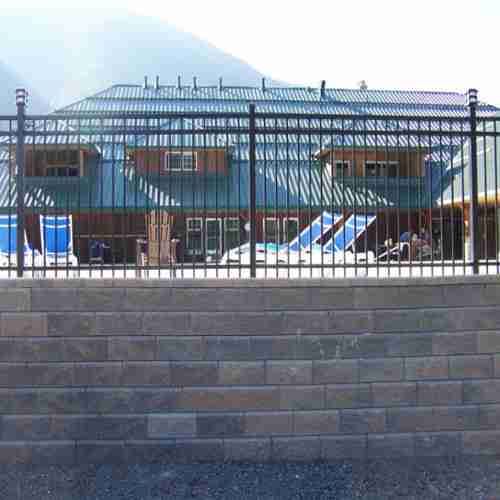
tubular fence for commercial properties

Industrial Facilities: Metal fences are widely used to secure the perimeters of industrial facilities, including manufacturing plants, warehouses, and distribution centers. They provide a physical barrier to unauthorized access and help protect valuable assets.

Commercial Properties: Shopping centers, office complexes, and other commercial properties often use metal fences to establish clear boundaries and enhance security. This helps prevent trespassing and unauthorized entry.

5.2 Access Control
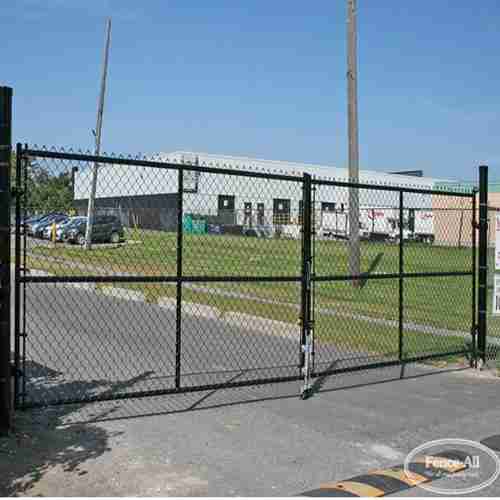
chain link fence for parking facilities

Parking Facilities: In commercial and industrial settings, metal fences are used around parking lots to control access and ensure that only authorized personnel or vehicles can enter the premises.

5.3 Critical Infrastructure Protection
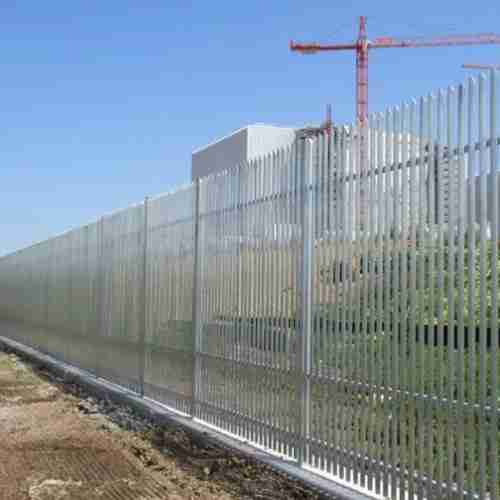
palisade fence for power plants

Power Plants: Critical infrastructure such as power plants and utility substations often use metal fences to protect against unauthorized access and potential security threats.

Water Treatment Facilities: Facilities involved in water treatment and distribution may use metal fences to secure the premises and safeguard against tampering.

5.4 Outdoor Storage and Inventory Protection
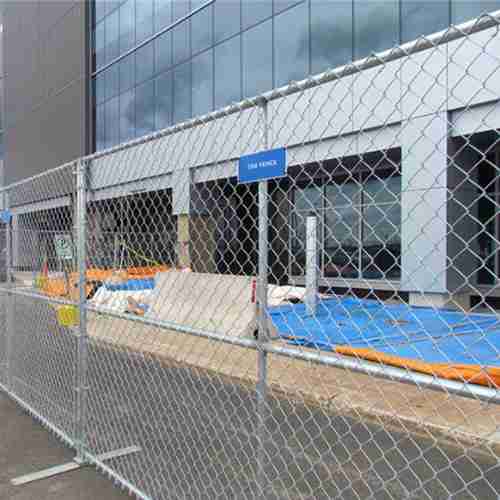
chain link fence for construction sites

Construction Sites: Metal fences are commonly deployed around construction sites to secure equipment, materials, and the overall site from theft or vandalism.

Commercial Yards: Businesses with outdoor storage yards, such as shipping and logistics companies, use metal fences to protect valuable inventory and assets.
6. Are commercial & industrial security fence rust easily?

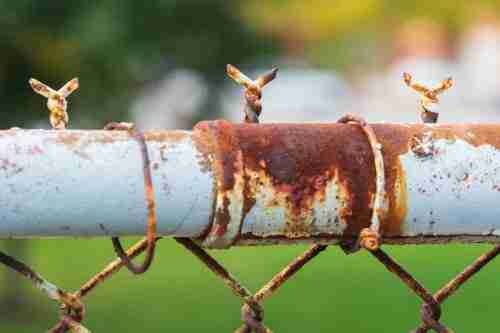
security fence rust

The susceptibility of commercial and industrial security fences to rust depends on various factors such as the materials used, environmental conditions, maintenance practices, and the quality of the manufacturing process.

Material Quality: The type of material used in the construction of the fence plays a significant role in its resistance to rust. For example, fences made of materials like galvanized steel or aluminum are more resistant to rust compared to untreated steel.

Environmental Conditions: The environment in which the fence is installed also affects its susceptibility to rust. Fences in coastal areas, where they are exposed to saltwater, may be more prone to corrosion. Similarly, areas with high levels of pollution or industrial emissions can contribute to rust formation.

Coatings and Treatments: Some security fences are treated or coated with protective substances to enhance their resistance to rust. Galvanization, for instance, involves coating steel with a layer of zinc to protect it from corrosion.

Maintenance Practices: Regular maintenance, including cleaning and repainting, can significantly extend the lifespan of a security fence and reduce the risk of rust. Neglecting maintenance can allow rust to develop and compromise the integrity of the fence.

Quality of Manufacturing: The manufacturing process and the quality of the materials used by the fence manufacturer can also impact its resistance to rust. High-quality manufacturing processes and materials can contribute to a more durable and corrosion-resistant fence.

7. How much does commercial temporary fencing cost?

The cost of commercial temporary fencing can vary based on several factors, including the type of fencing, the length and height of the fence, the material used, and the location where it is installed.

Additionally, prices can be influenced by the supplier or rental company you choose and any additional features or services included.

As of my last knowledge update in January 2022, the cost of temporary fencing could range from $1 to $10 per linear foot for basic construction site fencing. However, for more specialized or higher-quality fencing options, the cost could be higher.

8. Conclusion

The conclusion regarding commercial and industrial security fences emphasizes their crucial role in safeguarding businesses, properties, and assets. These fences serve as a physical deterrent against unauthorized access, theft, vandalism, and other security threats.

Through proper design, installation, and maintenance, they provide a reliable barrier that enhances the overall security posture of a facility.

Furthermore, the choice of materials, such as chain-link, steel, or concrete, should be carefully considered based on the specific security needs, budget constraints, and aesthetic preferences of the organization.

While security fences are an essential component of any comprehensive security strategy, they should be part of a broader security plan that includes measures such as personnel training, security patrols, alarm systems, and emergency response protocols.

Regular assessments and updates to security measures are essential to adapt to evolving threats and maintain the effectiveness of the security infrastructure over time.

Ultimately, investing in a robust commercial and industrial security fence is an investment in the safety and security of the business, its employees, customers, and assets. By implementing appropriate security measures, organizations can mitigate risks, protect valuable resources.

Contact Form

Leave a Comment

Your email address will not be published. Required fields are marked *

Say Hello!

Get In Touch With Us

Office Address

Hanwang Road, Anping county, Hebei provine, China