

When it comes to pool fencing, there are indeed many options available, each with its own advantages in terms of safety, aesthetics, and maintenance. Here are some common types of pool fencing.
2.1 Select by style
2.1.1 Glass Pool Fencing
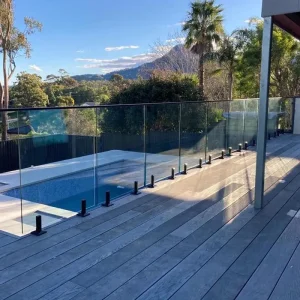
Glass pool fencing is a type of fencing used around swimming pools that utilizes toughened glass panels to provide safety and visibility. It has become increasingly popular due to its sleek and modern appearance, as well as its ability to maintain unobstructed views of the pool area.
Glass pool fencing provides a barrier to prevent unauthorized access to the pool area, reducing the risk of accidents, particularly for children and pets. The glass panels used in pool fencing are typically made from toughened or tempered glass, which is highly durable and able to withstand impact and extreme weather conditions.
Unlike traditional fencing materials such as wood or metal, glass fencing offers unobstructed views of the pool area, allowing for better supervision of swimmers and enhancing the aesthetic appeal of the space.
Glass pool fencing is relatively low maintenance compared to other types of fencing. It can be easily cleaned with soap and water, and it does not require painting or staining.
Glass pool fencing is available in a variety of styles and configurations to suit different preferences and architectural designs. It can be installed with frameless or semi-frameless systems, and the hardware used for installation can be customized to match the surrounding décor.
2.1.2 Metal Tubular Fencing

Metal tubular fencing refers to a type of fencing made from hollow metal tubes or pipes. These fences are commonly used in residential, commercial, and industrial settings due to their durability, strength, and aesthetic appeal.
Metal tubular fencing can be made from various materials such as steel, aluminum, wrought iron, or even stainless steel. Each material has its own set of characteristics in terms of strength, durability, and resistance to corrosion.
Metal tubular fencing comes in a variety of designs and styles, ranging from simple and utilitarian to ornate and decorative. The tubular shape allows for flexibility in design, including straight, curved, or angled sections, as well as the incorporation of decorative elements like finials or scrolls.
Metal tubular fencing is known for its durability and longevity. Depending on the material used, these fences can withstand harsh weather conditions, including rain, snow, and extreme temperatures, without rusting or deteriorating.
Metal tubular fencing provides a high level of security, making it suitable for applications where security is a concern. The strength of the metal tubes deters intruders and provides a barrier against unauthorized access.
2.1.3 Chain Link Pool Fence

Chain link pool fence is a type of fencing specifically designed to enclose a swimming pool area for safety and security purposes. It is typically constructed using galvanized steel wire formed into a diamond-shaped mesh pattern, creating a durable and transparent barrier around the pool perimeter.
One of the primary purposes of a pool fence is to prevent unauthorized access, particularly by children or pets, to reduce the risk of accidental drowning. Chain link fences provide a secure enclosure that is difficult for children to climb.
Chain link fences are known for their durability and longevity. They are resistant to rust, corrosion, and degradation from exposure to water and sunlight, making them suitable for outdoor use around pools.
The open mesh design of chain link fences allows for good visibility both into and out of the pool area. This can be advantageous for supervision purposes, allowing adults to keep an eye on swimmers while still providing a barrier.
Chain link pool fences can be customized to fit the specific dimensions and layout of a pool area. They are available in various heights and can be tailored to accommodate slopes or uneven terrain.
While chain link fences are relatively low-maintenance compared to some other types of fencing, occasional maintenance may be required to ensure optimal performance and appearance. This may include cleaning to remove debris and inspecting for any signs of damage or wear.
2.2 Select by materials
2.2.1 Wrought Iron Pool Fence

Wrought iron pool fence is a type of fencing typically used around swimming pools for safety and aesthetic purposes. Wrought iron is a type of iron alloy with a very low carbon content, making it highly malleable and easy to shape into decorative designs.
One of the primary purposes of a pool fence is to enhance safety by preventing unauthorized access, especially by children or pets who may be at risk of drowning.
Wrought iron is known for its durability and resistance to corrosion, making it a suitable material for outdoor applications like pool fences. Proper maintenance, such as periodic painting or coating to prevent rust, can further enhance its longevity.
Wrought iron fences are valued for their timeless elegance and decorative designs. They can enhance the overall aesthetics of a pool area and complement various architectural styles.
Wrought iron fences can be customized to fit the specific dimensions and design preferences of the pool owner. They are often available in a variety of styles, from simple and classic to intricate and ornate patterns.
Installing a wrought iron pool fence typically involves anchoring the fence posts securely into the ground and attaching the individual fence panels. Professional installation may be recommended to ensure proper alignment and stability.
2.2.2 PVC Privacy Fencing
PVC privacy fencing is a popular option for homeowners and property developers looking for a durable and low-maintenance fencing solution that offers privacy and aesthetic appeal. PVC (polyvinyl chloride) is a synthetic plastic material widely used in various applications due to its durability, versatility, and resistance to rot, decay, and insect damage.
PVC privacy fencing typically consists of solid panels without gaps, providing excellent privacy for homeowners. This makes it an ideal choice for residential properties, particularly in suburban areas or locations where privacy is desired.
PVC fencing is highly durable and can withstand harsh weather conditions, including rain, snow, and intense sunlight, without fading, warping, or cracking. Unlike wood fencing, PVC does not rot, decay, or attract pests, making it a long-lasting option for outdoor use.
One of the main advantages of PVC privacy fencing is its low maintenance requirements. Unlike wood fencing, which may require periodic staining, painting, or sealing, PVC fencing can be easily cleaned with soap and water. It does not require painting or staining and retains its color and appearance for many years.
PVC privacy fencing is available in a variety of styles, colors, and textures to suit different architectural styles and preferences. Homeowners can choose from traditional solid panels, lattice designs, or decorative patterns to enhance the appearance of their property.
While PVC privacy fencing may have a higher upfront cost compared to some other fencing materials like wood, it offers long-term savings due to its low maintenance requirements and durability. Over time, homeowners can save on maintenance and replacement costs associated with other types of fencing.
2.2.3 Steel pool fence
Steel pool fence is a type of barrier constructed around a swimming pool area primarily for safety and security purposes. It’s typically made of steel or wrought iron due to their durability and strength.
Steel pool fences are made from Steel or wrought iron, which are robust materials capable of withstanding harsh weather conditions and providing long-lasting durability.
One of the primary purposes of a pool fence is to ensure the safety of children and pets by preventing unauthorized access to the pool area. Steel fences are sturdy and difficult to climb, providing an effective barrier to keep children and pets out of the pool unsupervised.
Steel pool fences can enhance the aesthetics of the pool area, adding a touch of elegance and sophistication. They come in various designs and styles, allowing homeowners to choose a fence that complements their outdoor space.
Steel pool fences can be customized to suit individual preferences and requirements. Homeowners can choose the height, style, color, and decorative elements of the fence to match their landscaping and architectural design.
While steel pool fences are durable, they may require some maintenance to keep them in top condition. This may include occasional cleaning to remove dirt and debris, as well as periodic inspections to check for rust or damage that needs repair.
It’s essential to check local building codes and regulations regarding pool fencing requirements. These regulations often specify the height, material, spacing between bars, and other safety features necessary for pool fences to meet safety standards.
2.2.4 Vinyl pool fence
Vinyl pool fence is a type of fence specifically designed to enclose a swimming pool area. It’s made from polyvinyl chloride (PVC), a type of plastic material that is durable, low-maintenance, and resistant to rot, rust, and corrosion.
Vinyl pool fences come in various styles, including privacy fences, picket fences, and decorative fences, allowing homeowners to choose the design that best suits their aesthetic preferences.
Vinyl fences are known for their strength and durability. They are resistant to rot, rust, and pests, making them suitable for outdoor use around pools where they may be exposed to water and humidity.
Vinyl pool fences require minimal maintenance compared to other materials like wood or metal. They do not need to be painted, stained, or sealed, and they can be easily cleaned with soap and water.
Vinyl pool fences come in a wide range of styles, colors, and textures, allowing homeowners to choose a fence that complements their outdoor space and landscaping. Vinyl fences are designed to withstand the elements and typically have a long lifespan, making them a cost-effective investment for homeowners.
2.2.5 Aluminum pool fence

Aluminum pool fence is a type of fencing specifically designed to enclose swimming pools for safety and security purposes. These fences are typically made of aluminum because of its durability, resistance to corrosion, and low maintenance requirements, making it ideal for outdoor applications such as around swimming pools.
These are the vertical bars or pickets that make up the main body of the fence. They are spaced closely together to prevent small children from squeezing through or getting stuck between them.
Aluminum fences are often accompanied by gates for convenient access to the pool area. These gates are equipped with self-closing and self-latching mechanisms to ensure that they automatically close and latch securely after each use, enhancing safety.
Aluminum pool fences are usually finished with a powder coating to enhance their appearance and durability. Powder coating provides a smooth, even finish and helps protect the aluminum from corrosion, fading, and scratches.
Aluminum pool fences are available in a variety of styles, including traditional picket fences, ornamental designs, and contemporary styles. Homeowners can choose the style that best complements their outdoor decor and landscaping.
Pool fencing is an essential investment for any property with a swimming pool, offering numerous benefits in terms of safety, compliance, privacy, aesthetics, and property value.
Pool fencing offers several advantages, primarily revolving around safety, legal compliance, and aesthetic appeal.
3.1 Safety
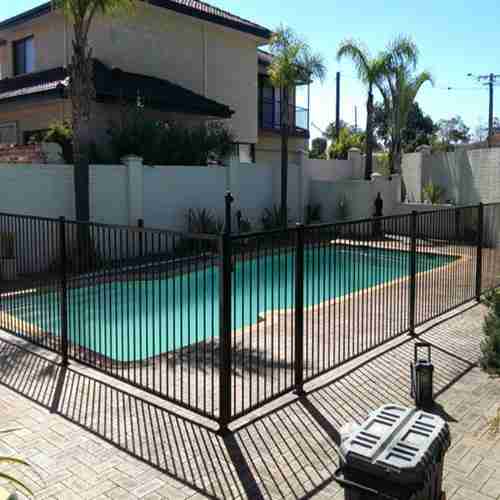
The primary purpose of pool fencing is to prevent accidents, particularly drowning incidents, especially for young children and pets. Properly installed pool fencing acts as a physical barrier, limiting access to the pool area and reducing the risk of unauthorized entry or accidental falls into the pool.
Prevents Accidental Drownings: The primary advantage of pool fencing is its role in preventing accidental drownings, which are particularly high among children aged 1 to 4 years. A fence acts as a physical barrier that limits access to the pool area.
Provides Layered Security: Pool fencing adds an extra layer of security by creating a barrier that can deter unauthorized access or intrusion into the pool area. This is especially important in neighborhoods where access to backyards might be easier.
Offers Peace of Mind: For pool owners, especially those with young children or pets, knowing that the pool area is secured can offer significant peace of mind. Even when not directly supervising the pool area, parents and pet owners can feel more relaxed about safety.
Reduces Liability Risks: Having a pool fence can reduce the liability risks associated with pool ownership. In the event of an accident, having taken the precaution of installing a pool fence can demonstrate a commitment to safety, potentially mitigating legal consequences.
Mandatory by Law in Many Areas: In many jurisdictions, pool fencing is required by law, and there are specific requirements regarding the height, material, and design of the fence. Compliance with these regulations not only ensures safety but also avoids legal penalties.
Versatile Design Options: Modern pool fencing comes in a variety of materials and designs, from glass and aluminum to mesh and wood, allowing it to enhance the aesthetic appeal of the pool area while ensuring safety.
3.2 Legal Compliance
Many regions have laws and regulations mandating the installation of pool fencing as a safety measure. By installing a pool fence that meets or exceeds these legal requirements, you ensure compliance with local codes and regulations, thereby avoiding potential fines or legal liabilities.
Many local, state, or national laws and regulations require the installation of pool fencing. These laws often specify minimum height requirements, gate locking mechanisms, and other safety features. By installing pool fencing that meets these requirements, property owners ensure they are in compliance with legal standards, avoiding potential fines and legal issues.
In the event of an accident, having a properly installed and maintained pool fence can help demonstrate that a property owner has taken reasonable precautions to prevent such incidents. This can be crucial in reducing liability in legal actions following pool accidents.
3.3 Liability Reduction
Installing a pool fence can help reduce your liability as a property owner. If an accident occurs in an unfenced pool, you may be held responsible for any resulting injuries or fatalities. By implementing proper safety measures like fencing, you demonstrate a commitment to safety and reduce the likelihood of accidents on your property.
The primary benefit of pool fencing is its role in preventing accidental drownings, especially among children under the age of five. By restricting unsupervised access to the pool, fencing acts as a physical barrier that can significantly reduce the risk of accidental drownings. This reduction in accidents directly correlates to lower liability for pool owners.
In many jurisdictions, laws and regulations require residential pools to be enclosed by fencing that meets specific standards in terms of height, gate locks, and other safety features. Compliance with these legal requirements not only enhances safety but also reduces the risk of legal action due to non-compliance.
Insurance companies often assess the risk of a property when determining premiums. Properties with adequate safety measures, including pool fencing, may be deemed lower risk. This can result in more favorable insurance premiums for the homeowner.
In the event of an accident, having a fenced pool can also influence the outcome of insurance claims and potentially protect the owner from significant financial loss.
3.4 Peace of Mind
Pool fencing provides peace of mind for homeowners, particularly those with young children or pets. Knowing that your pool area is securely enclosed can alleviate worries about potential accidents and allow you to enjoy your pool more fully without constant concern.
The primary advantage of pool fencing is the increased safety it offers. It acts as a barrier that prevents children and pets from accidentally falling into the pool when unsupervised. According to various safety organizations, a pool fence significantly reduces the risk of drowning incidents, especially in young children.
In many areas, pool fencing is not just recommended but legally required. Regulations often specify the height, material, and design of the fence to ensure effectiveness. By installing pool fencing, homeowners comply with local laws and avoid potential fines.
A pool fence can also provide privacy from neighbors and passersby. Depending on the material and design, it can shield the pool area, allowing people to swim and relax without feeling observed.
Modern pool fencing comes in various styles and materials, including glass, metal, and wood, which can enhance the overall appearance of the pool area and complement the landscaping and architectural style of the home.
A well-designed and installed pool fence can increase a property’s value. It is often seen as a desirable feature by potential buyers, particularly those with young children or pets, due to the added safety and aesthetic appeal.
Some insurance companies offer reduced premiums for properties with safety features like pool fencing. This is because the fence lowers the risk of accidents, thereby potentially reducing the likelihood of insurance claims.
3.5 Privacy
In addition to safety considerations, pool fencing can also enhance privacy by creating a barrier between your pool area and neighboring properties or public spaces. This privacy can increase the enjoyment of your pool and outdoor living space, making it a more relaxing and comfortable environment for you and your family.
Pool fencing can also provide privacy for your pool area, allowing you and your family to enjoy the pool without concern for outside observers. Depending on the material and design, a pool fence can shield your pool area from the view of neighbors or passersby, creating a more secluded and private space for relaxation and entertainment.
3.6 Aesthetic Enhancement
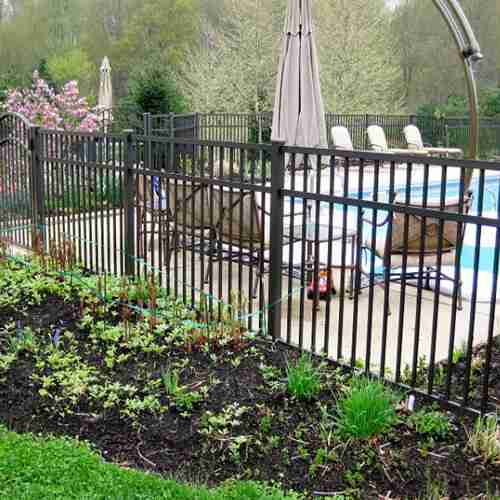
While the primary function of pool fencing is safety, it can also contribute to the overall aesthetic appeal of your property. With various materials, styles, and designs available, you can choose a fence that complements your landscaping and enhances the visual appeal of your pool area.
Modern pool fencing is designed to enhance the visual appeal of your pool area. Options like glass fencing offer a sleek, contemporary look that does not obstruct views, while ornamental metal or wood fencing can add a classic or rustic charm to your landscape.
3.7 Customization Options
Pool fencing offers a range of customization options to suit your preferences and specific requirements. From traditional wrought iron fences to modern glass panels, you can select a fencing style that aligns with your design preferences, budget, and maintenance preferences.
3.8 Increased Property Value
A well-designed and properly installed pool fence can enhance the value of your property. Potential homebuyers often view pool safety features positively, making your property more attractive to families with young children or pets and potentially increasing its resale value.
The combination of safety, compliance, aesthetics, and enhanced usability makes properties with pool fencing more attractive to potential buyers. This can lead to a faster sale process and potentially higher offers.
While the installation of pool fencing requires an upfront investment, the increase in property value and the potential for higher sale prices can result in a significant return on investment.
Swimming pool fencing costs can be influenced by a variety of factors, each contributing to the overall expense of the project. Some of the key factors include:
4.1 Material of the Fence
The material of the fence significantly affects swimming pool fencing costs due to variations in material price, durability, maintenance needs, and installation complexity. Here are some common materials used for swimming pool fencing and how they can impact the overall cost:
Aluminum: Aluminum fencing is lightweight, durable, and requires minimal maintenance. It’s resistant to rust and corrosion, making it a popular choice for pool fencing. The cost can vary widely based on the style and height of the fence but is generally considered a mid-range option in terms of price.
Wrought Iron: Wrought iron fences are known for their strength, durability, and elegant appearance. However, they require regular maintenance to prevent rust and corrosion, especially in humid or coastal areas. Wrought iron is typically more expensive than aluminum due to its material cost and the labor-intensive installation.
Vinyl (PVC): Vinyl fencing is a low-maintenance option that does not need painting or staining. It is resistant to water and humidity, making it ideal for swimming pool areas. Vinyl fencing can range from affordable to expensive, depending on the quality and design of the materials.
Wood: Wood fencing offers a natural look and can be customized easily but requires regular maintenance such as staining or sealing to protect against water damage and decay. The cost of wood fencing varies widely depending on the type of wood used, with hardwoods being more expensive than softwoods.
Glass: Glass pool fencing provides an unobstructed view and a modern look but is the most expensive option. It requires specialized installation and toughened safety glass, which significantly increases the cost. Maintenance involves regular cleaning to keep the glass clear of water spots and dirt.
Mesh: Removable mesh pool fencing is a popular choice for families needing temporary or removable solutions. It’s less expensive than permanent fencing options and offers flexibility. However, it may not be as durable or secure as more permanent materials.
4.2 Size and Perimeter of the Pool
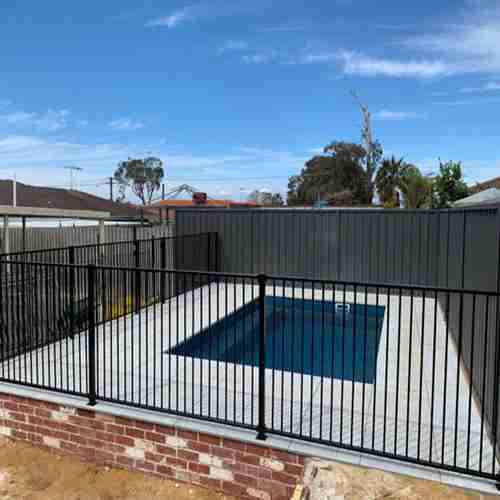
Larger pools require more fencing material to encircle them, directly increasing the cost. This includes not just the length of the fencing but also any additional supports or framing required to secure the fence.
Larger pools might have unique shapes (e.g., L-shaped, kidney, or custom designs), which can complicate the fencing layout and potentially increase the costs due to the need for custom solutions.
Fencing costs are often calculated by linear foot. The total perimeter of the pool will directly influence the amount of material needed and thus the overall cost. A simple rectangular pool will have a straightforward calculation, while irregular shapes may require more detailed measurements.
The perimeter may also determine the number of gates or access points required for safety and convenience, which can add to the cost. Gates often are more expensive per linear foot than standard fencing due to the hardware and additional security features.
4.3 Height of the Fence

Regulations often dictate the minimum height for a pool fence, usually around 4 feet, but opting for a taller fence can increase costs. Taller fences require more material and, in some cases, additional structural support.
Material Usage: Taller fences require more materials for their construction, which directly increases the cost. This includes not just the primary material (such as metal, wood, or glass) but also additional supporting materials like posts and fasteners, which may need to be more substantial to support the extra height.
Labor Costs: Installing taller fences can be more labor-intensive, often requiring special equipment or extra safety precautions. This can lead to higher labor costs compared to installing shorter fences.
Permitting and Regulations: In many areas, local building codes specify minimum and sometimes maximum heights for pool fencing to ensure safety. Opting for a fence taller than the minimum requirement may necessitate additional permits or inspections, potentially increasing the total cost.
Design and Aesthetics: Higher fences might also involve more complex designs or higher-quality materials to maintain aesthetic appeal, which can further elevate costs.
Privacy and Security: Taller fences provide increased privacy and security, which is often a desirable feature for swimming pool owners. This demand can influence the cost, as features that add value to the fencing (like enhanced privacy) can command a higher price.
4.4 Design and Aesthetic Features
Custom designs, patterns, and added aesthetic features such as decorative posts or finishes can increase the cost of the fence. Simple, standard designs are generally more affordable. Custom designs and patterns can significantly increase costs. The more intricate the design, the higher the labor and possibly material costs, as they may require specialized fabrication and installation.
The dimensions of the fence can also affect price. Taller or wider fences will use more materials and possibly require more structural support, increasing costs.
Incorporating gates, especially self-closing and self-latching gates for safety, can add to the expense. Lock mechanisms and aesthetic touches on gates can also contribute to higher costs.
4.5 Installation Complexity
The difficulty of the installation can vary based on the terrain (slope, level) and accessibility of the fence line. Difficult terrain can require additional preparation and labor, increasing costs. On-site adjustments and customization to fit specific landscapes or design features can also lead to higher installation costs.
4.6 Gates and Access Points
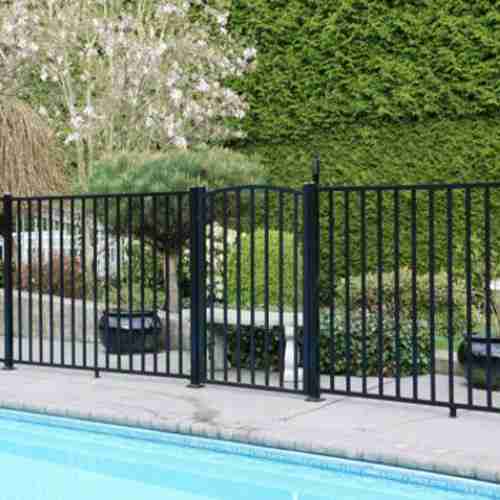
Secure, self-closing, and self-latching gates are often required for pool fences. The number of gates and the level of security features (e.g., locks, alarms) can affect the overall cost.
The type of gate chosen for the pool fence can impact the cost. Self-closing, self-latching gates are often recommended for safety purposes and can be more expensive than standard gates. The materials used for gates (aluminum, wrought iron, glass, etc.) also play a role in determining the price.
More gates or access points will increase the cost. Each gate requires additional materials and labor to install. If your pool area design requires multiple entry and exit points for convenience or safety, this will add to the fencing costs.
4.7 Local Regulations and Permits
Depending on the location, there may be specific codes and regulations that need to be followed, which can influence the type of fencing required. Additionally, permits may be necessary, and their cost can vary by municipality.
Local regulations and permits can significantly affect the costs associated with swimming pool fencing due to the variation in requirements from one municipality to another.
These variations can impact the type of materials you are allowed to use, the height of the fence, the design, and additional safety features that may be required. Here’s a breakdown of how these factors can influence costs:
Type of Materials: Local regulations may specify certain materials for pool fencing to ensure durability and safety. For example, some areas may require non-climbable materials like glass or metal instead of wood, which can significantly increase the cost.
Height of the Fence: Many localities have minimum height requirements for pool fences to prevent accidental drownings, especially of children. Higher fences may require more materials and labor to install, leading to higher costs.
Design and Aesthetic Requirements: Some regions have specific design requirements to ensure that fences are not only functional but also aesthetically pleasing. This can include restrictions on color, finish, and overall design, potentially increasing costs if more expensive options are mandated.
Safety Features: Additional safety features such as self-closing gates, locks, and alarms might be required, adding to the overall expense. These features are designed to prevent unsupervised access to the pool area, especially by children.
4.8 Installation Costs
Labor costs for installation can vary widely depending on the complexity of the job, the terrain, and the rates charged by contractors in your area. DIY installation can save on labor costs but may not be advisable for complex or regulated installations.
4.9 Maintenance Requirements
Some materials require more maintenance than others. For example, wood may need to be treated and painted regularly, while aluminum or vinyl fencing may require less upkeep. The long-term maintenance costs can add to the total cost of ownership.
4.10 Landscaping and Terrain
Uneven terrain, rocky soil, or the presence of obstacles (e.g., trees, existing structures) can make installation more challenging and expensive. Modifications to the landscape to accommodate fencing can also add to the cost.
Understanding these factors can help you estimate the cost of fencing your swimming pool more accurately and make informed decisions about the materials and design that best fit your budget and preferences.