Table of Contents
1.Introduce yard fencing
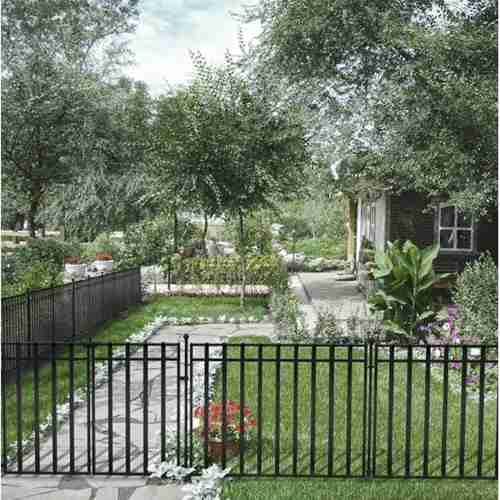
Yard fencing serves as a versatile and practical addition to any property, offering a range of benefits including privacy, security, and aesthetic enhancement. Essentially, it’s a barrier typically made of wood, metal, vinyl, or composite materials, installed around the perimeter of a yard or property.
Yard fencing serves various purposes depending on the homeowner’s needs. It can provide privacy, keeping unwanted eyes away from your property, create a safe space for children or pets to play, define property boundaries, enhance security by deterring intruders, and add to the overall aesthetic appeal of the property.
Before installing a fence, it’s essential to check local regulations, homeowner association rules, and obtain any necessary permits. These guidelines may dictate fence height, style, materials, and placement to ensure compliance with zoning laws and neighborhood aesthetics.
1.1 Front Yard Fencing
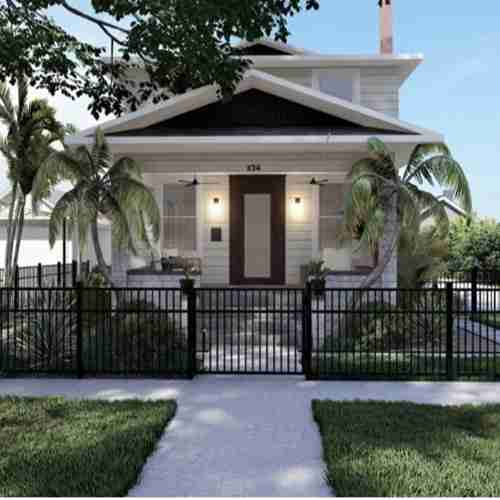
Front yard fencing serves various purposes, including security, privacy, aesthetics, and defining property boundaries. When planning a front yard fence, consider local regulations, architectural style, neighborhood norms, and your specific needs.
Check local zoning laws, homeowners’ association rules, and any necessary permits before installing a fence. Regulations may dictate height limits, materials allowed, setback requirements, and aesthetic guidelines.
Common fencing materials include wood, vinyl, metal (such as wrought iron or aluminum), chain link, and composite materials. Each material has its own advantages in terms of durability, maintenance, appearance, and cost. Choose a material that complements your home’s architecture and landscaping.
Fences come in various styles, such as picket, privacy, lattice, ranch rail, ornamental, and modern designs. Consider the style of your home and the overall aesthetic you want to achieve when selecting a fence style.
The height of your fence will depend on its purpose, local regulations, and aesthetic preferences. Privacy fences are typically taller, while decorative fences may be shorter. Be mindful of local regulations regarding fence height.
1.2 Back Yard Fencing
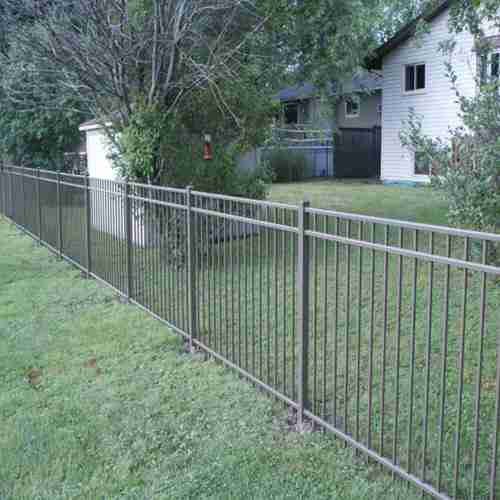
Backyard fencing can serve various purposes, including providing privacy, security, and aesthetic enhancement to your property. Determine the primary purpose of the fence.
There are several options for fencing materials, each with its own pros and cons. Common materials include wood, vinyl, metal (such as aluminum or steel), chain link, composite, and bamboo. Choose a material that suits your needs, budget, and the overall style of your home and landscaping.
Consider the design and style of the fence. This includes factors such as height, color, texture, and any decorative elements. Your fence should complement the architectural style of your home and the landscaping of your yard.
Check local zoning laws, homeowner association rules, and any necessary permits required for installing a fence. Regulations may dictate the height, location, and materials allowed for fences in your area.
2.The importance fencing for yard
Fencing plays several important roles in a yard, serving both practical and aesthetic purposes. Here are some reasons why fencing is important.
2.1 Security and Privacy
A well-built fence serves as a physical barrier that deters potential intruders from entering your property. It acts as a first line of defense against unauthorized access. Fences help keep unwanted animals out, protecting your garden, pets, and family from potentially dangerous wildlife or stray animals.
Fencing provides a safe enclosed space for children and pets to play without the risk of them wandering off into potentially hazardous areas.
Fences create a visual barrier, providing privacy from neighbors and passersby. This is particularly important in densely populated areas where houses are close together. Certain types of fencing can also act as a sound barrier, reducing the amount of noise that enters your yard from the surrounding environment. This can create a more peaceful and quiet outdoor space.
A fence clearly marks the boundaries of your property, reducing the likelihood of disputes with neighbors over where one property ends and another begins.
2.2 Safety
Fencing helps create a safe environment, particularly for families with children and pets. It provides a physical boundary that keeps children and pets contained within the yard, preventing them from wandering off into potentially dangerous areas such as streets or neighboring properties.
2.3 Property Boundary
Fencing is crucial for delineating the boundaries of a property. It clearly marks where your property starts and ends, which can prevent disputes with neighbors over territory. This clear demarcation is also essential for any legal matters that may arise regarding property lines.
2.4 Aesthetic Enhancement
Aesthetic enhancement through fencing involves choosing and installing fences that not only serve practical purposes like security and privacy but also add to the visual appeal and overall design of a yard.
Fences can significantly enhance the curb appeal of a property. The right fence design can complement the architectural style of your home, creating a cohesive look that enhances both the property’s beauty and its value. For example, a classic picket fence might lend a charming, traditional look, while sleek, horizontal wooden slats can offer a modern, sophisticated vibe.
Fencing can be used to frame your yard, acting as a backdrop that highlights your landscaping. It can create a visual boundary that makes your garden or lawn appear more defined and organized. Additionally, fences can be used to support climbing plants and vines, integrating greenery vertically and adding to the lushness of your outdoor space.
While the primary function of a security fence is to protect, it doesn’t have to be at the expense of aesthetics. Many fencing options provide both security and beauty, such as wrought iron fences with ornamental designs. These fences deter unauthorized entry and enhance the yard’s appearance with their intricate patterns and craftsmanship.
2.5 Noise Reduction
Noise reduction is a significant benefit of installing fencing around a yard, contributing to a more peaceful and private outdoor environment. Fences serve as barriers that can significantly diminish the volume of noise entering a space from outside sources.
Fences act as physical barriers that can block or significantly reduce the penetration of sound waves from traffic, neighbors, and other external noise sources into a private space.
The effectiveness of a fence in reducing noise depends largely on its material, height, and density. Materials like solid wood, concrete, and mass-loaded vinyl are particularly effective for noise reduction because they are dense and do not have gaps that allow sound waves to pass through easily.
Taller fences are more effective at blocking noise because they can intercept sound waves from a greater distance. Similarly, ensuring that the fence has no gaps and provides full coverage around the yard maximizes its noise reduction capabilities.
Specialized acoustic fences are designed specifically for noise reduction. These fences typically feature thick, dense construction and may incorporate materials specifically engineered to absorb sound, providing an even higher level of noise mitigation.
Combining fencing with landscaping elements like trees, bushes, and shrubs can enhance noise reduction. Vegetation can absorb and scatter sound waves, complementing the barrier effect of a fence.
2.6 Windbreak
Fencing around a yard serves several important purposes, from enhancing privacy and security to improving the aesthetic appeal of a property. When considering the importance of fencing, especially in the context of windbreaks, it becomes even more significant in terms of environmental protection and landscape management.
Fences, especially those designed as windbreaks, can significantly reduce the wind speed on the leeward side. This is particularly beneficial for protecting buildings, gardens, and outdoor living spaces from strong winds that can cause damage or discomfort.
By reducing wind speed, windbreak fences help create a more stable microclimate in the yard. This can lead to warmer temperatures in colder months and cooler temperatures in the summer by reducing wind chill and evaporation rates, respectively. This can be beneficial for the growth and health of plant life in the garden.
Beyond their environmental benefits, fences provide privacy by shielding the yard from the view of passersby and neighbors. They also add a layer of security by delineating property boundaries and deterring unauthorized access.
Fences, particularly solid ones, can act as sound barriers, reducing the level of noise that enters a property from the outside. This can create a more peaceful and quiet environment within the yard.
2.7 Enclosure for Pets and Livestock
Fencing provides a secure enclosure for pets, such as dogs, allowing them to roam freely within the confines of the yard without the risk of running away or getting lost. It also serves as a containment barrier for livestock, helping to keep them confined to designated areas.The importance of fencing for pets and livestock extends beyond merely delineating property boundaries. It plays a critical role in the safety, security, and well-being of the animals, as well as contributing to peace of mind for the owners.
Proper fencing helps keep pets and livestock within a designated area, preventing them from wandering off. This is crucial for their safety, as animals roaming freely can get lost, injured, or even killed.
Fencing acts as a barrier against potential predators, offering a line of defense that can save lives, especially in rural areas where wild animals might pose a threat. For pets, especially in urban or suburban areas, fencing helps prevent them from running into the street and getting hit by vehicles.
2.8 Garden Protection
Fences can help protect gardens and landscaping features from wildlife, such as deer, rabbits, and other animals that may feed on plants and flowers. They act as a physical barrier that prevents these animals from accessing and damaging your garden.
The importance of fencing for a yard, especially in the context of garden protection, cannot be overstated. Fencing serves multiple purposes, from enhancing privacy and security to protecting your garden from various external threats.
Gardens often attract animals such as deer, rabbits, and rodents that can damage plants. A fence acts as a physical barrier, deterring wildlife from entering your garden and feasting on your plants.
Besides larger animals, gardens can also attract pests that can be harmful to your plants. A properly designed fence can help to keep out smaller pests, especially if the fence extends underground to prevent burrowing animals from getting in.
Fences provide privacy from neighbors and passersby, creating a secluded space for your yard and garden. This is especially important in urban or suburban areas where houses are close together.
3.The types of yard fencing
Yard fencing comes in various types, each with its own aesthetic appeal, functionality, and level of privacy or security. Here are some common types of yard fencing.
3.1 Wooden Fencing
Wood is a popular choice for its natural look and versatility. Common styles include picket, privacy, and post-and-rail fences. Cedar, pine, and redwood are among the most popular wood choices due to their durability and resistance to rot and insects.
Wooden fencing is a popular choice for yard fencing due to its natural appearance, versatility, and ability to provide privacy, security, and aesthetic appeal to a property. Characterized by evenly spaced vertical boards (pickets), it’s ideal for decorative purposes and marking boundaries without obstructing views.
Privacy fencing usually 6 to 8 feet tall, these fences are designed to provide privacy. Boards are placed tightly together to prevent sightlines into the yard.
Split rail fencing consists of wooden posts connected by two or three horizontal rails. It’s more about marking boundaries than providing security or privacy.
Shadow box fencing offers a similar level of privacy as standard privacy fences but with a slightly more decorative look, allowing some light and air to pass through.
Board on board fencing boards overlap for complete privacy and a sturdy construction, often used for its aesthetic appeal and high privacy level.
3.2 Vinyl Fencing
Vinyl fencing is a popular choice for yard fencing due to its durability, low maintenance, and aesthetic appeal. It is made from polyvinyl chloride (PVC), combined with special ingredients that provide color, texture, and strength to the final product.
Vinyl fencing is resistant to rot, decay, insect damage, and weathering. It does not warp, crack, or splinter over time, making it a long-lasting option for your yard. It requires minimal maintenance. Unlike wood fences, it doesn’t need to be repainted or stained. Cleaning with soap and water is typically enough to keep it looking new.
Vinyl fencing comes in a wide range of styles, colors, and textures. You can choose from privacy fences, picket fences, or decorative fences to suit your yard’s aesthetic and your personal preferences.
3.3 Chain Link Fencing
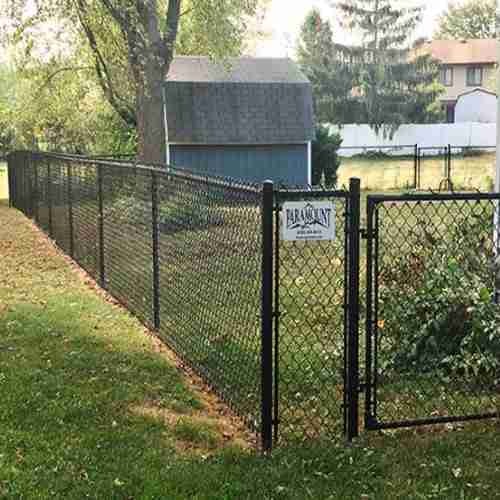
Chain link fencing is a popular type of fencing often used for both residential and commercial properties. It is known for its durability, cost-effectiveness, and ease of installation. Chain link fences are among the most affordable fencing options available, making them a popular choice for large areas that need to be enclosed.
Made from coated steel wire, these fences are designed to withstand harsh weather conditions, including rain, snow, and strong winds, without rusting or corroding.
Unlike wood or vinyl, chain link fences require minimal maintenance. They do not need to be painted or treated and can be cleaned easily with soap and water. The installation process for chain link fencing is straightforward and faster than that for many other types of fencing.
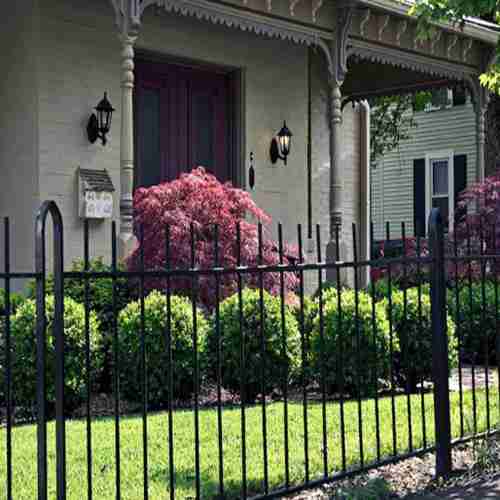
3.4 Wrought Iron Fencing
Wrought iron fencing is a popular choice for yard fencing due to its durability, strength, and classic aesthetic appeal.
Wrought iron is incredibly durable and strong, making it an excellent choice for security purposes. It can withstand harsh weather conditions and is resistant to damage from impacts or attempts to cut through it.
Wrought iron fences offer a timeless beauty that can enhance the appearance of any property. They come in a variety of designs, from simple and elegant to intricate and ornate, allowing for customization to suit personal tastes and architectural styles.
Due to its strength and the ability to create tall barriers with pointed tops, wrought iron fencing is effective at deterring intruders. It provides a high level of security without sacrificing visual appeal.
While wrought iron does require some maintenance to prevent rust and maintain its appearance, it is generally low maintenance compared to other fencing materials. Periodic painting or powder coating can protect it from the elements and extend its lifespan.
3.5 Aluminum Fencing
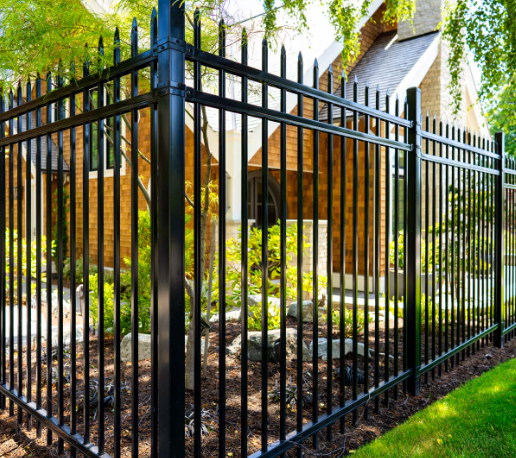
Aluminum fences are similar in appearance to wrought iron but are lighter weight and typically more affordable. They are available in a variety of styles and can be coated with different finishes for added durability.
Aluminum fencing is a popular choice for yard fencing due to its combination of durability, low maintenance, and aesthetic appeal.
Aluminum is resistant to corrosion and rust, making it an excellent choice for areas with harsh weather conditions or high moisture levels, such as coastal regions. Unlike wood or iron, aluminum fences do not require frequent painting or staining. They are also not susceptible to rotting, fading, or termite damage.
Aluminum fencing offers a sleek, modern look and can be designed to mimic the appearance of traditional wrought iron fencing without the associated maintenance. It comes in various styles and colors to complement different architectural styles and landscape designs.
Aluminum fences can provide a secure perimeter for your property. They can be designed with pickets that are difficult to climb and can include spear-top pickets for added security.
3.6 Bamboo Fencing
Bamboo fencing is an attractive and eco-friendly option for yard fencing that has grown in popularity due to its sustainability, durability, and unique aesthetic appeal. It offers a range of benefits and comes in various styles to suit different preferences and landscaping themes.
Bamboo is a highly renewable resource because it grows quickly, some species at a rate of up to 3 feet (about 1 meter) per day, making it a more sustainable option than traditional wood or metal fencing.
Bamboo provides a natural, exotic look that can complement a variety of garden styles, from tropical to contemporary. When properly treated, bamboo is resistant to pests, rot, and weather conditions, making it a durable option for outdoor fencing.
3.7Composite Fencing
Composite fencing is a popular choice for yard fencing due to its durability, aesthetic appeal, and low maintenance requirements. It is made from a mixture of wood fibers and plastic, which makes it resistant to rot, decay, and insect damage.
This type of fencing is also weather-resistant, meaning it can withstand harsh weather conditions without warping, fading, or cracking.
Composite materials are designed to last for many years, making them a cost-effective option over time. Unlike wood fences that need regular staining or painting, composite fencing requires minimal upkeep. A simple wash with soap and water is often enough to keep it looking new.
Composite fencing comes in a variety of colors and styles, including options that mimic the look of real wood, allowing homeowners to customize the appearance of their fence. Many composite materials are made from recycled plastics and wood fibers, making them an environmentally friendly fencing option.
3.8 Farm Fencing
Farm fencing is designed to contain animals, protect crops, and mark property boundaries on agricultural land. It can vary greatly depending on the type of livestock or the specific agricultural needs. Common types of farm fencing include:
Barbed Wire: Effective for containing cattle but can cause injury to animals and is not suitable for all types of livestock.
Electric Fencing: Provides a psychological barrier for animals; it’s lightweight and portable but requires maintenance and electricity.
Woven Wire: Offers a more secure barrier for animals, including smaller livestock like sheep and goats.
Stock Panels: Rigid panels that are used for cattle, pigs, and horses. They are more expensive but durable and secure.
3.9 Stone or Brick Fencing
Stone fencing offers a natural and rustic look that can complement a variety of landscape designs. It’s available in various sizes, shapes, and colors, allowing for unique and customizable appearances.
Stone is highly durable and can withstand severe weather conditions without suffering damage. It’s not prone to rotting, warping, or insect damage. Requires minimal maintenance over its lifespan. It doesn’t need to be painted or treated against rot and pests.
The initial cost can be high due to the materials and the labor-intensive installation process. However, its durability and low maintenance can make it cost-effective over the long term. Building a stone fence is labor-intensive and requires skilled craftsmanship to ensure stability and longevity.
Brick fencing offers a classic and uniform look. It can be painted to match or complement the home’s exterior and comes in various colors and textures. Brick is also very durable and can last for decades with proper care. It’s resistant to fire and pest damage.
Requires some maintenance, such as occasional cleaning and checking for mortar deterioration. Repointing (repairing the mortar) may be necessary over time to maintain structural integrity.
3.10 Living Fences

Living fences are barriers composed of plants such as shrubs, trees, or hedge plants. They offer a sustainable and eco-friendly alternative to traditional fencing materials like wood, metal, or vinyl. Living fences can provide privacy, enhance the aesthetic appeal of a landscape, act as windbreaks, and offer habitat for wildlife.
They contribute to biodiversity, help in carbon sequestration, and can improve soil health. Living fences can add to the beauty of your yard with seasonal flowers, foliage, and sometimes even fruit.
Dense living fences can offer a high degree of privacy and can also reduce noise pollution. They can act as windbreaks, protecting your property from strong winds, and help in controlling soil erosion.
4.Choosing the right yard fencing

Choosing the right yard fencing involves considering several factors such as privacy needs, security concerns, aesthetic preferences, maintenance requirements, and local regulations. Here are some steps to help you make the right choice.
4.1 Identify your needs
Choosing the right yard fencing involves considering several key factors to ensure that the fencing meets your needs, preferences, and local regulations. Here’s a list of considerations to help you identify your needs when selecting yard fencing:
Purpose: Define the primary purpose of the fence. Common reasons include privacy, security, pet containment, noise reduction, or simply decorative. Your primary need will influence the type of fence you choose.
Material: Fencing materials vary widely in terms of appearance, durability, maintenance, and cost. Popular materials include wood, vinyl, aluminum, steel, and chain link. Each has its advantages and disadvantages, so consider what best suits your requirements and climate.
Style and Aesthetics: The fence should complement your home’s architecture and the surrounding landscape. Different styles can enhance curb appeal, provide a modern or traditional look, or blend with natural surroundings.
Height and Scale: The purpose of your fence will determine its height. For example, privacy fences are typically taller than decorative ones. Local zoning laws and homeowners association (HOA) guidelines may also restrict fence height, so it’s important to check these before deciding.
Maintenance: Consider how much time and money you are willing to invest in maintenance. Wood fences require regular treatment to prevent rot and termite damage, while vinyl and aluminum offer lower maintenance options.
Cost: Budget is a significant factor. The material, size, and design complexity of the fence will impact the overall cost. Don’t forget to factor in installation costs, which can vary depending on the terrain and the difficulty of the project.
Privacy: If privacy is a primary concern, choose a fence design without spaces between the boards or pickets. Solid panels or closely spaced pickets can provide a high level of privacy.
Security: For security purposes, consider fences that are difficult to climb or breach. The height of the fence, along with features like pointed tops or security mesh, can deter intruders.
Local Regulations and Permits: Before installation, check local zoning laws, building codes, and HOA rules, if applicable, to ensure compliance with height, material, and placement regulations. You may need to obtain a permit before starting the project.
Longevity and Weather Resistance: Some materials withstand harsh weather conditions better than others. If you live in an area with extreme weather, choose a material known for its durability and resistance to the elements.
4.2 Understand local regulations
Check with your local authorities or homeowner’s association to understand any regulations or restrictions on fence height, material, and placement.
4.3 Consider materials
Fencing materials vary widely in terms of cost, maintenance, and appearance. Common options include wood, vinyl, metal (such as aluminum or wrought iron), chain link, and composite materials. Each has its pros and cons, so consider factors like durability, maintenance requirements, and aesthetics.
Wood: Offers a natural look and can be customized with various stains and paints. However, it requires regular maintenance to prevent rot and insect damage.
Vinyl: Low maintenance and durable, it can mimic the look of wood without the upkeep. It’s also resistant to weather and insects.
Metal: Aluminum, steel, and wrought iron are durable and offer high security. Metal fences can be expensive and may require maintenance to prevent rust.
Chain Link: Cost-effective and durable, it’s not the most aesthetically pleasing option but can be improved with vinyl coating or privacy slats.
Composite: Made from a mixture of wood fibers and plastic, it offers the look of wood with less maintenance. It’s also eco-friendly and resistant to rot and insects.
4.4 Assess maintenance requirements
Some materials require more maintenance than others. For example, wood fences may need periodic staining or painting, while vinyl or metal fences are generally low maintenance.
4.5 Think about privacy and security
If privacy is a concern, you’ll want a fence that provides adequate coverage. Solid materials like wood or vinyl panels offer better privacy than chain link or wrought iron fences. For security, consider fence height, gate options, and durability.
4.6 Evaluate aesthetics
Choosing the right yard fencing involves a balance of aesthetics, functionality, privacy, and security. Here are several aesthetic considerations to help you evaluate and decide on the perfect fencing for your yard:
Material Choice: The material of the fence greatly impacts its look and feel. Common materials include wood, vinyl, aluminum, and wrought iron. Each has its own aesthetic appeal:
Wood offers a classic, natural look that can be painted or stained to match your home.
Vinyl is available in various colors and styles and requires little maintenance.
Aluminum and wrought iron provide a more elegant and open look, allowing for decorative designs and ensuring durability.
Style Compatibility: The fence should complement the architectural style of your home. For instance, a picket fence might suit a cottage-style home, while a sleek, horizontal wooden fence may better match a modern home.
Color Coordination: The color of the fence should harmonize with the color scheme of your home’s exterior. You can either choose a color that matches closely or opt for a contrasting color to make the fence stand out.
Landscape Integration: Consider how the fence will integrate with your existing landscape. A fence that flows well with the garden and the natural surroundings can enhance the overall beauty of your property.
Height and Transparency: The fence’s height and the amount of visibility it allows can also affect its aesthetics. A taller fence might provide more privacy and security but could appear imposing or block views. A lower or semi-transparent fence (like lattice or chain link with climbing plants) can offer a balance between openness and privacy.
Decorative Elements: Adding decorative elements such as post caps, gates, and trellises can enhance the aesthetic appeal of your fence. These elements can provide a personal touch and make your fence more visually interesting.
4.7 Budget
Determine how much you’re willing to spend on the fence, including installation costs. Remember to consider long-term maintenance expenses when calculating your budget.
5.Yard fencing gallery
6.Maintain and care yard fencing

Maintaining and caring for yard fencing is essential to keep your property secure, enhance its appearance, and prolong the life of the fencing material. Here are some general tips for maintaining different types of yard fencing.
6.1 Regular Inspections
Perform routine checks of your fence to identify any signs of damage, such as loose boards, rust, rot, or insect infestation. Maintaining and caring for yard fencing is crucial to ensure its longevity, improve its appearance, and prevent potential problems. Regular inspections are a key part of this maintenance process.
Conduct inspections at least twice a year, ideally during spring and fall. This helps identify any damage caused by weather conditions such as heavy rain, snow, or extreme temperatures. Inspect your fence after severe weather events like storms, high winds, or heavy snowfall, as these can cause immediate damage.
Check for signs of rot, rust, or damage. Wooden posts can rot, especially at the base, while metal posts and panels can rust. Ensure all posts are firmly anchored in the ground. Any loose posts need to be stabilized as they can affect the entire structure of the fence.
Inspect gates to ensure they open and close smoothly. Check for sagging, and lubricate hinges and locks as needed. Look for any loose or damaged connectors and fasteners. Replace any that are missing or worn out.
Look for cracks, splits, or other surface damage on wooden fences, and for dents or bends in metal fences. Check for signs of pest infestation, such as termite damage in wood fences.
6.2 Clean Regularly
Depending on the material of your fence, clean it regularly to prevent dirt buildup, mold, or mildew. Use a mild detergent and water for most materials, but avoid harsh chemicals that could damage the finish.
Wooden Fences: Stain or paint wooden fences every few years to protect them from the elements. Replace any damaged or rotted boards promptly to prevent further deterioration. Apply a wood preservative to extend the life of the wood and prevent insect damage.
Vinyl Fences: Clean vinyl fences with soap and water regularly to prevent discoloration. Inspect for cracks or damage, and repair or replace affected sections promptly. Avoid leaning heavy objects against vinyl fencing, as it can cause warping or bending.
Metal Fences (Wrought Iron, Aluminum): Remove rust using a wire brush and apply a rust-inhibiting primer and paint to prevent further corrosion. Inspect welds and connections for any signs of weakness and repair as needed. Lubricate hinges and latches regularly to prevent rust and ensure smooth operation.
Chain Link Fences: Check for bent or damaged sections of chain link and replace them as necessary. Remove debris and vegetation that may accumulate along the fence line. Repair any sagging areas by tightening tension wires or adding additional support.
Stone or Brick Fences: Inspect mortar joints for signs of cracking or deterioration and repair them promptly. Pressure wash stone or brick fences to remove dirt and grime buildup. Seal porous materials to prevent water infiltration and damage during freeze-thaw cycles.
Gates: Ensure gates are properly aligned and securely latched to prevent sagging or swinging open. Lubricate hinges and moving parts regularly to prevent rust and ensure smooth operation. Check gate hardware for signs of wear and replace as needed.
6.3 Vegetation Management
Vegetation management around yard fencing is crucial for maintaining the longevity of the fence and ensuring the safety and aesthetics of your outdoor space. Here are some key tips and practices for maintaining and caring for yard fencing through effective vegetation management:
Regular Inspection and Trimming: Inspect regularly for any plants that are growing too close to the fence. Overgrown vegetation can damage fences by pushing against them or growing through them. Trim bushes, shrubs, and trees near the fence line to prevent them from becoming too large or causing damage. This also helps in preventing pests.
Weed Control: Use mulch around the base of the fence to prevent weeds from growing. Mulch acts as a barrier that limits sunlight, reducing weed germination. For stubborn weed growth, consider using a targeted weed killer. Be cautious with chemicals to avoid damage to the fence material or nearby desirable plants.
Climbing Plants Management: While climbing plants can beautify a fence, they can also cause damage over time. Choose climbing plants that are fence-friendly, such as those that grow without attaching themselves too aggressively to surfaces. Regularly prune and train climbing plants to ensure they grow in the desired direction and do not overwhelm the fence structure.
Fence Material Consideration: Different fence materials require different care approaches when it comes to vegetation management. For example, wooden fences may suffer from rot if in constant contact with damp soil or foliage, while metal fences might be prone to rust.
6.4 Winter Preparation
In cold climates, take extra precautions to protect your fence from snow and ice damage, such as clearing snow away from the base and avoiding piling it against the fence.
7.Frequently asked question of yard fencing

7.1 How long will the installation process take?
The time it takes to install a yard fence can vary significantly based on several factors, including the length of the fence, the type of materials used, the complexity of the terrain, weather conditions, and the experience level of the installers.
Wooden Fences: Depending on the length, wooden fences can take a couple of days to install, as they require setting posts in concrete, which needs time to cure before attaching the panels or pickets.
Vinyl Fences: These might be quicker to install than wood since the panels can be easier to handle and assemble, often taking a day or two less.
Chain Link Fences: Chain link fences can be relatively quick to install, potentially taking only a day or two for a standard-sized yard.
Aluminum or Steel Fences: These can vary but typically fall in the range of vinyl and wood in terms of installation time.
Size and Complexity: The length of the fence and the layout of the land (flat vs. hilly, simple rectangle vs. complex shape with lots of corners) will greatly affect the time required. A small, flat yard could be fenced in as quickly as a day or two, while a larger, more complex yard could take a week or more.
Weather Conditions: Adverse weather conditions, such as rain or extreme cold, can delay the installation process.
7.2 How many years does yard fencing last?
The lifespan of yard fencing depends significantly on the materials used, maintenance practices, and environmental conditions. Here’s a general overview of the expected lifespan of various types of fencing materials:
Wood Fencing: Typically lasts between 15 to 20 years, but well-maintained cedar can last up to 30 years. The lifespan can vary based on the type of wood, treatment, and exposure to elements like moisture, which can cause rot or termite damage.
Vinyl Fencing: Known for its durability and low maintenance, vinyl fencing can last anywhere from 20 to 30 years or more. It’s resistant to pests, decay, and weather conditions.
Aluminum or Steel Fencing: Metal fences, particularly those made from aluminum or galvanized steel, can last 20 years to a lifetime. Aluminum is rust-resistant and requires minimal upkeep, while steel offers robustness but may need rust protection treatments.
Chain Link Fencing: With proper maintenance, a chain-link fence can last about 15 to 20 years. Galvanized or coated chain links can have extended lifespans due to added resistance to rust and corrosion.
Wrought Iron Fencing: Wrought iron is extremely durable and can last over 50 years with proper care. However, it requires regular maintenance to prevent rust and corrosion.
Composite Fencing: Made from a mixture of wood fibers and plastics, composite fencing can last between 25 to 30 years. It offers the appearance of wood with the low maintenance of synthetic materials.
7.3 Can a yard fencing help with noise reduction in yard?
Yes, a yard fence can help with noise reduction in your yard, depending on its design, materials, and placement. Fences can act as sound barriers by reflecting, absorbing, or deflecting sound waves, thus reducing the level of noise that reaches you. The effectiveness of a fence in reducing noise depends on several factors:
Height: Taller fences are generally more effective at blocking noise because they can intercept sound waves over a larger area. For significant noise reduction, the fence should be at least 6-8 feet tall.
Density and Materials: Fences made from dense materials such as concrete, brick, or mass-loaded vinyl are more effective at blocking sound than those made from lighter materials. Wood fences can also reduce noise if they are solidly constructed without gaps.
Coverage: The fence should have no gaps or holes through which sound can easily travel. A solid barrier will be much more effective at blocking noise than a fence with openings, like a chain-link or picket fence.
Distance from the Noise Source: Placing the fence closer to the noise source or closer to the area you want to protect can also affect its efficiency in noise reduction.
Landscaping: Combining fencing with landscaping elements (like shrubs, trees, and hedges) can enhance sound absorption and further reduce noise levels. Vegetation can scatter sound waves and reduce their impact.
Acoustic Fences: Specialized acoustic fences are designed specifically for noise reduction. They often incorporate sound-absorbing materials and are engineered to deflect sound waves back towards the source or absorb them before they reach your living space.
7.4 How to secure the yard fence to prevent it from being damaged or breached?
Securing your yard fence to prevent it from being damaged or breached involves several strategies that focus on both the fence’s physical integrity and deterrent measures against potential breaches. Here are some comprehensive steps you can take to enhance the security and durability of your fence:
7.4.1 Choose the Right Material
Select materials known for their durability and strength. Metal (such as wrought iron or steel), solid wood, vinyl, and composite materials are good choices depending on your security needs and aesthetic preferences.
Ensure the material is suitable for your local climate conditions. For example, cedar and redwood are naturally resistant to rot and pests, while metals may need a protective coating to prevent rust.
7.4.2 Enhance Structural Integrity
Fence posts should be installed deep into the ground (at least 2 feet or about 1/3 of their height) and secured with concrete. This provides a strong foundation that resists shifting and uprooting.
Select heavy-duty screws and hinges for wooden fences or welded joints for metal fences to ensure parts are tightly secured together.
7.4.3 Increase Height
Taller Fences Deter Climbers: A taller fence (at least 6 feet high) can deter intruders from attempting to climb over. Consider local regulations on maximum fence heights before installation.
7.4.4 Add Security Features
Sharp post caps, anti-climb spikes, or roller bars can discourage attempts to scale the fence. If privacy isn’t a primary concern, opt for designs that allow visibility from both sides. This can deter potential intruders by reducing hiding spots.
7.4.5 Regular Maintenance
Regularly inspect your fence for signs of damage or weakness, such as rot, rust, or loose fasteners, and repair them promptly. Apply weatherproofing treatments like paint, stain, or sealant to wood fences, and consider rust protection for metal fences.
7.4.6 Integrate Security Systems
Install motion-activated lights or security cameras around the perimeter of your fence to deter trespassers. Some fencing systems can be integrated with alarms that trigger when the fence is tampered with.
7.4.7 Landscaping and Natural Barriers
Planting thorny bushes or dense hedges along the fence line can act as a natural barrier against intruders. Ensure there are no structures or trees close to the fence that could assist in climbing over.
8.Conclusion
In conclusion, securing your yard with a well-constructed and thoughtfully designed fence not only enhances the privacy and aesthetic appeal of your property but also significantly increases its security.
By choosing the right materials, ensuring structural integrity, increasing the fence’s height, adding security features, conducting regular maintenance, integrating security systems, and using landscaping to your advantage, you can create a formidable barrier against potential intruders and environmental damage.
Moreover, understanding and adhering to local regulations and maintaining open communication with neighbors are crucial steps in ensuring your fencing project is successful and dispute-free. The combination of these strategies results in a robust, durable, and secure fencing solution that protects your property while respecting the rights and considerations of those around you.
Ultimately, the goal of securing your yard with a fence is not just to deter unwanted access but to create a safe and serene environment for you and your loved ones. With careful planning and execution, your fence can serve as a lasting investment in the security, value, and enjoyment of your property.