Table of Contents
1. Introducing Gabion Wall

In civil engineering and landscaping, gabion wall is innovative and practical solution, it is used for erosion control, slope stabilization, and aesthetic purposes in various outdoor environments. This type of structure is essentially retaining wall manufacture from wire cages or baskets, concrete, sometimes sand and soil etc.
The versatility of gabion walls makes them suitable for wide range of applications,has some large-scale infrastructure projects from residential garden landscaping to highway construction and riverbank protection.
These walls is strength, durability, and permeability, allowing water to pass through and reducing hydrostatic pressure. This permeability aspect makes them excellent choice for areas susceptible to flooding or where water drainage is a concern.
The natural appearance of gabion walls can blend seamlessly and surrounding environment, offering aesthetically pleasing alternative to traditional retaining wall systems.
2. Types of Gabion Wall
Gabion walls have ancient design, in modern civil engineering and landscaping projects, it has gained widespread popularity for flexibility, and environmental friendliness. Gabion wall is retaining wall made of rectangular wire mesh baskets or boxes filled with rock, stone, or other materials. Here are some common types of gabion walls:
2.1 Gravity Gabion Walls
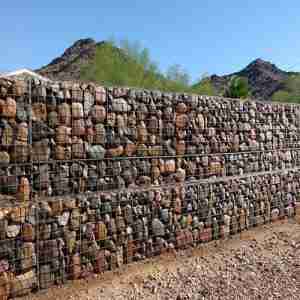
Gravity Gabion walls as innovative and increasingly popular solution, in the field of civil engineering and landscape architecture for stabilizing slopes and preventing erosion. They rely on their weight and the mechanics of gravity to retain soil and resist lateral pressures exerted by retained material, hence name “Gravity Gabion Walls.”
One of inherent advantages of gabion walls is their flexibility. Unlike rigid structures, gabion walls can tolerate differential settlement without sustaining significant damage. This makes them particularly useful in areas prone to ground movement.
Gabion walls allow free passage of water through them, effectively reducing hydrostatic pressure build-up behind wall and minimizing the risk of water-induced failures. This characteristic makes them ideal for drainage applications and in areas with high water tables.
2.2 Reinforced Gabion Walls
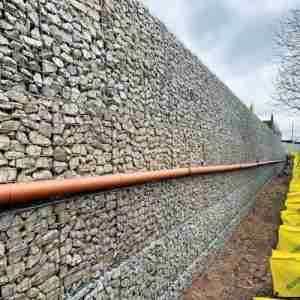
To enhance stability and strength of gabion walls, especially in taller structures, they can be reinforced with elements seem geotextiles, steel bars, or anchored tiebacks. These reinforcements help support structure against lateral pressures.
In varied construction and landscaping scenarios,reinforced gabion walls are innovative solution for soil stabilization and erosion control. To these structures,reinforcement concept introduces additional layer of strength and durability, making them more resilient against environmental stresses.
for challenging terrains and water-related issues, reinforced gabion walls offer flexible, permeable, and aesthetically pleasing solution.
2.3 Mattress Gabion Wall
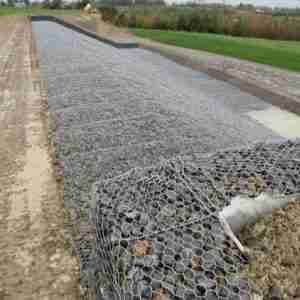
Mattress gabion wall is thinner than standard gabions, mattress gabions are generally used for erosion control along banks and slopes rather than as vertical retaining walls. They are spread out over vulnerable surfaces to protect soil from erosion.
Mattress gabion wall utilizes large, rectangular wire mesh baskets filled with stones or rocks, laid flat to cover vulnerable areas like riverbanks, slopes, or shorelines. Unlike traditional vertical gabion walls, mattress variant has significantly lower height, covers broader area, providing effective protection against erosion by dissipating the energy of flowing water or wind.
The construction of Mattress Gabion wall starts with the assembly of wire mesh baskets, these are made from durable, corrosion-resistant materials such as galvanized steel. These baskets are laid out on the prepared ground, filled with rocks or stones, because they are large enough not to fall through the mesh, but small enough to be packed tightly.
This ensures stability and longevity of the wall. The interlocking stones within the baskets create a permeable structure, allowing water to pass through while trapping sediment and reinforcing the soil. Mattress Gabion walls are not only practical for erosion control but also offer ecological benefits.
2.4 Terraced Gabion Walls

In landscapes with steep slopes, gabion walls can be constructed in terraces. This aids in erosion control and slope stabilization,and creates usable land for gardening or other purposes.
Terraced gabion walls compose of rectangular wire mesh baskets, where filled with rocks, concrete, and sometimes sand and soil, are then stacked or terraced to follow the natural contours of land. Terracing technique helps in stabilizing slope and creates usable flat areas for agriculture, gardening, or as outdoor living spaces.
Compared to traditional rigid wall systems, making them highly resistant to weathering and erosionThe inherent flexibility of terraced gabion walls allows them to adapt to natural movements of the earth.
The spaces between rocks within baskets facilitate water drainage, reducing hydrostatic pressure and minimizing the risk of wall failure.
2.5 Freestanding Gabion Walls
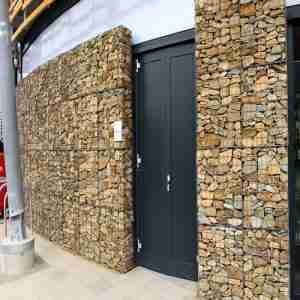
Freestanding gabion walls are structures manufacture of wire mesh cages, it is filled with rocks or other materials. These walls are freestanding, It can stand alone,are not attached to any other structure.
Gabion walls are commonly applied for landscaping, erosion control, retaining walls. They are durable, environmentally friendly, and provide a natural aesthetic to outdoor spaces.
2.6 Gabion Baskets with Vegetation
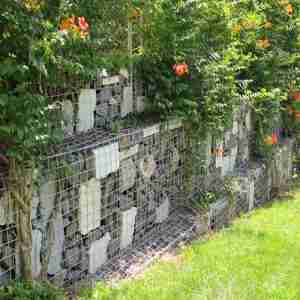
Gabion baskets combines the applications of wire mesh cages filled with rocks with the addition of plants and vegetation. Gabion baskets creating unique and visually appealing display, and provide structural support and containment for vegetation.
This method is often applied for slope stabilization, adding greenery to outdoor spaces. Plants can grow through wire mesh and eventually cover gabion baskets, creating natural and sustainable landscaping solution.
2.7 Gabion Fence Walls
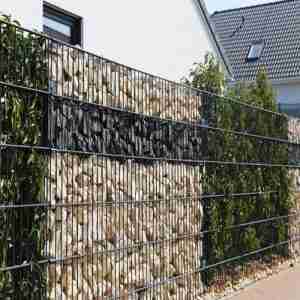
Gabion fence walls similar to freestanding walls but often of lighter construction, these serve as boundary markers or security welded wire fence panels while offering aesthetic appeal.
The construction of gabion fence wall begins with the assembly of galvanized steel wire cages, which are designed to resist weathering and corrosion, ensuring longevity. These cages are then strategically placed and filled with the chosen materials. The flexibility in material choice allows for a variety of textures or colors, enabling customization to heap any design aesthetic.
One of the key advantages of gabion walls is their permeability, allowing water to pass through without causing damage or erosion, making them ideals solution for areas prone to heavy rains or flooding. Their mass and flexibility make them highly effective at noise reduction, creating a serene outdoor environment.
3. The Hole Types of Gabion Wall
The hole types of gabion boxes include square hole and hexagonal hole structures. Square hole mesh gabions are typically Welded Gabions with a rigid shape, while the hexagonal opening mesh gabions are made of double twist wire mesh, It is most commonly used in chain link fences, to ensure integrity, strength, and uniform load distribution.
Additionally, gabion boxes can have various hole shapes such as 8×10 cm and 6×8 cm sizes, with the stability of the gabion structures increasing as the size of the gabions at the bottom becomes greater.
The gabion boxes can be coated with different materials like galfan, zinc, electro galvanized, or PVC to enhance their properties and durability.
4. The Materials of Gabion Wall
The materials typically used in gabion walls are wire mesh cages ,it is made of galvanized steel filled with various inorganic materials like stone, brick, concrete pieces, and more. These materials are used to create sturdy wall structure,it is effective for erosion control and retaining soil.
Gabion walls are affordability, eco-friendliness, permeability, longevity, and aesthetics. The fill material for Gabion walls can vary , include rocks, gravel, cement, recycled materials, or even leftover construction materials like brick and tile.
5. The 3 Common Gabion Wall Coating Types
Gabion walls use in civil engineering, road building, military applications, they are cages, baskets, or containers filled with rocks, concrete, or sand and soil , require protective coatings to extend their lifespan and enhance durability, when used in harsh environmental conditions. The three most common types of coatings for gabion walls are:
5.1 Galvanized Coating
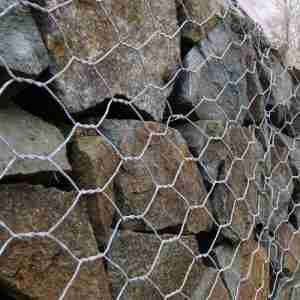
This is the most traditional form of coating used on gabion walls. The galvanization process involves coating steel wire, from which gabions are made, with a protective layer of zinc. This layer prevents rust and corrosion by acting as barrier against moisture and environmental elements.
The effectiveness of galvanized coating depends on its thickness; the thicker zinc layer, the longer protection will last. They are popular due to their durability and relatively low cost, making them practical choice for many projects.
5.2 PVC (Polyvinyl Chloride) Coating
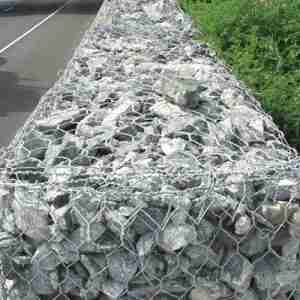
PVC coating involves covering metal wire with a layer of polyvinyl chloride, a type of plastic. This coating offers additional protection against corrosion, and UV light, thus greatly extending the lifespan of gabion structure, especially in environments with high salinity or in coastal areas, the presence of salt can speed up corrosion process.
PVC coatings are often used in conjunction with galvanized coatings, where wire is first galvanized,then covered with PVC. This combination provides robust defense against harsh weather conditions and environmental factors.
PVC-coated gabions are more expensive than their solely galvanized counterparts, but increased durability and lifespan often justify extra cost.
5.3 Galfan Coating
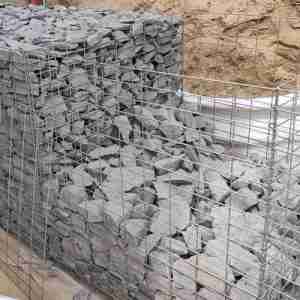
Galfan coating is an advanced type of zinc-aluminum alloy coating,it is used primarily on steel to protect it against corrosion. The typical composition of Galfan incorporates approximately 95% zinc and 5% aluminum, although this can slightly vary depending on specific application or manufacturer’s formula.
This coating is exceptional corrosion resistance, in many environments, is significantly superior to traditional galvanized (pure zinc) coatings.
The addition of aluminum to zinc in Galfan process enhances durability and lifespan of coating. This is because the presence of aluminum in alloy creates a more stable protective layer on the steel, improved resistance to both general and localized corrosion.
6. Pros and Cons of Using Gabion Wall
6.1 Pros of Using Gabion Walls
6.1.1 Durability and Strength
Gabion walls are durability and strength as erosion control structures. The durability of gabion walls stems from their resistance to atmospheric corrosion, thanks to the bonded zinc coating on wire mesh and optional PVC coating.
Gabion walls are high resistance to multifarious forces such as torrential force, flood forces, earth pressure, and ice pressure because their exceptional strength and stability. These walls is robustness, can withstand significant pressure exerted on them.
The flexibility of gabion walls allows them to settle and deform without losing efficiency, making them suitable for areas with moving water and unstable ground.This flexibility ensures gabion walls can adapt to changing conditions without compromising their structural integrity.
6.1.2 Flexibility
Gabion walls offer significant flexibility as one of their key advantages. These structures are easy to install, transport, and handle, making them convenient option for various applications. Unlike traditional walls, gabion walls do not require extensive construction knowledge or heavy equipment for installation.
Their flexibility allows them to settle and deform without losing efficiency, making them fit for areas with moving water and unstable ground.
This flexibility is crucial in ensuring the longevity and stability of gabion walls, as they can’t cracking or fracturing like traditional brick or stone wallscan ,they can adapt to environmental stresses.
Gabion walls are malleable wire basket structures, it is contribute to their resilience and ability to withstand various pressures and forces.
6.1.3 Environmentally Friendly
Gabion walls offer several environmentally friendly benefits. They are made from natural materials and can be filled with recycled materials, making them eco-friendly landscaping option.gabion walls promote proper drainage, that helps maintain healthy soil conditions and prevent erosion.
The wire baskets used in gabion walls can reducing the risk of flooding and erosion, allow water to flow freely through the wall. Gabion walls allowing vegetation to grow on and around them, further improving their environmental impact.
6.1.4 Cost-Effective
Gabion walls are cost-effective solution for various reasons. They are inexpensive to build, with materials like wire mesh and fill matter being affordable. gabion walls are good for drainage due to their porous nature, making them well-suited for retaining soil or terrain that requires drainage.
The cost of gabion walls can range from $5 to $40 per square foot installed, making them one of the cheapest retaining wall options available. Despite being cost-effective, gabion walls offer benefits such as durability, ease of installation, and aesthetic appeal.
6.1.5 Aesthetically Pleasing
The pros of gabion walls include their aesthetic appeal due to their clean, modern lines and the ability to enhance the overall look of a space with a sleek metal cage design. They offer a visually appealing contrast when filled with rustic stone or can be used to showcase beautiful regional materials.
Gabion walls can be customized by choosing different fill materials, making them versatile for various design styles and landscaping needs
6.1.6 Easy to Install
Gabion walls are known for being easy to install, making them a popular choice for various landscaping projects. The process of assembling gabion baskets is straightforward and can be achieved without extensive expertise or specialized equipment. Typically, gabion baskets are sold in flat packs that are lightweight and easy to put together.
To install gabions, you simply need to prepare the ground, fasten the baskets together, and fill them with your chosen material. This ease of installation contributes to the appeal of gabion walls as a cost-effective and efficient solution for erosion control and landscaping needs.
6.2 Cons of Using Gabion Walls
6.2.1 Structural Limitations
Structural Limitations about gabion walls can be crucial considerations when planning projects involving these structures. Gabion walls, which are wire mesh boxes filled with rocks, have specific limitations that need to be taken into account:
Height Restrictions: Gabion walls are best suited for projects with a height of up to 3 meters (10 feet) . For taller structures, exceeding 3 feet may require additional engineering solutions and involvement of a professional engineer to ensure safety.
Weight Considerations: The weight of gabions, especially when filled with rocks, must be carefully considered as it can impact the design and engineering of the project, including the need for proper foundations.
Maintenance: Over time, the mesh can corrode, especially in salty or acidic environments, leading to a need for maintenance or replacement. Vegetation might grow through the wall if not maintained, which some may find unappealing.
These limitations highlight the importance of understanding the structural constraints of gabion walls to ensure their effectiveness and safety in landscaping and erosion control projects.
6.2.2 Aesthetics
The disadvantages of gabion walls in terms of aesthetics include their industrial look, which may not suit everyone’s preferences, especially for those seeking a more natural appearance in their landscapes. Additionally, gabion walls can appear bulky in smaller spaces, potentially overwhelming the area visually.
Another aesthetic concern is that gabion walls can collect debris and soil in their crevices, which some may find undesirable. To mitigate these aesthetic drawbacks, using attractive facing materials or carefully selecting the fill material can enhance the overall look of gabion walls
6.2.3 Wildlife Disruption
Gabion walls, while beneficial in many ways, can disrupt wildlife due to their impermeable nature and lack of natural habitat features. These walls, often made of wire containers filled with stone, can hinder the movement of small streams of groundwater and disrupt the natural ecosystem by diverting flows, leading to irreversible impacts on wildlife.
Unlike gabions, non-ecological concrete retaining walls and fences do not impede the flow of water and allow for plant growth that contributes to stability and reduces carbon emissions from car exhaust.
Additionally, gabions may lack the biodiversity-rich chaotic structure vital for wildlife that post-industrial sites naturally develop, impacting the habitat diversity essential for various species. The impermeability of gabion walls can hinder wildlife movement and reduce the availability of suitable habitats for different species, affecting biodiversity negatively.
7. The Function of Gabion Wall

Mesh filled with rocks, concrete, or sometimes sand and soil, these structures serve a variety of functions across different areas. Here’s an overview of the versatility of gabion walls and why they are favored in many projects:
7.1 Erosion Control
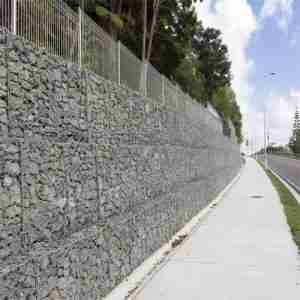
One of the primary uses of gabion walls is to prevent soil erosion in areas vulnerable to runoff and water flow, such as riverbanks and shorelines. Their permeability allows water to seep through the structure, reducing water velocity and thus the potential for erosion.
Erosion control using gabion walls is a practical and effective method for stabilizing slopes, preventing soil erosion, protecting shorelines, and managing water flow in various environments. Gabion walls are made from wire mesh containers filled with rock, concrete, or sometimes sand and soil.
7.2 Retaining Walls
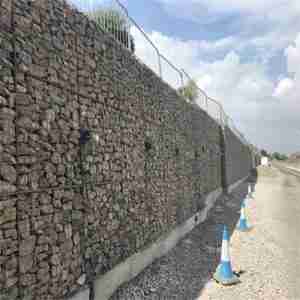
Gabion walls provide excellent support for retaining soil in sloped terrains. They are used to stabilize embankments and prevent landslides or soil collapse. Their flexibility allows them to adapt to ground movement without losing integrity, unlike rigid structures that may crack under pressure.
7.3 Landscaping
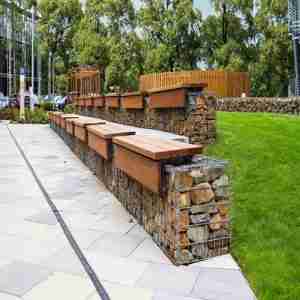
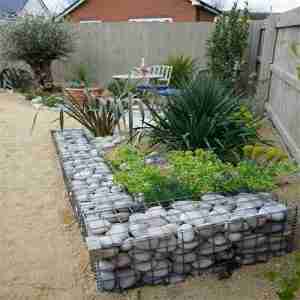
The aesthetic appeal of gabion walls is leveraged in landscaping and garden design. They can be used to create attractive borders, benches, or even planters. The choice of fill material can complement surrounding environment or create contrast to enhance visual appeal.
7.4 Architectural Features
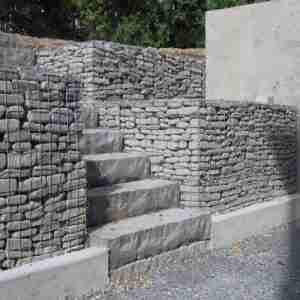
Innovative architects incorporate gabion walls into building facades, interior walls, and other architectural features. They offer a blend of modern and rustic charm, and their acoustic properties can also help in sound insulation.
7.5 Flood Control

Gabion walls play a significant role in flood management. They can be used to construct barriers against rising waters or to channel water flow in a controlled manner, protecting populated areas from flood damage.
7.6 Pathways and Bridges

Small-scale gabion structures are effectively used in creating pathways and supports for footbridges in parks and recreational areas. They are both functional and enhance the natural landscape.
7.7 Noise Barriers
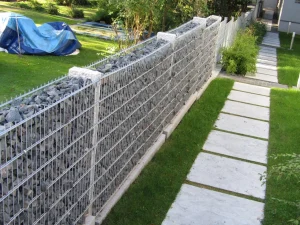
The mass of gabion walls, filled with dense materials, makes them excellent at absorbing sound. As a result, they are frequently utilized along highways or around properties to mitigate noise pollution.
7.8 Cost-Effectiveness
Gabion walls are often more cost-effective than traditional walls, especially in areas where the filling material is readily available. Their construction requires minimal specialized labor and heavy machinery, which further reduces costs.
7.9 Environmental Compatibility
Using natural stones or recycled materials makes gabion walls an environmentally friendly option. They blend into natural settings better than man-made materials and can even promote vegetation growth, which further integrates them into the environment.
7.10 Durability
Gabion walls are highly durable. The galvanized or PVC-coated wire resist corrosion, and the overall structure can withstand harsh weather conditions, including floods, for many years with little to no maintenance.
In conclusion, the versatility of gabion walls, coupled with their environmental benefits, aesthetic flexibility, and cost-effectiveness, makes them a preferred choice in a wide range of construction and landscaping projects. Their application continues to evolve, further cementing their role in modern design and engineering practices.
8. Maintain Gabion Wall
Maintaining a gabion wall is crucial to ensure its longevity and effectiveness in serving its purpose, whether that’s for erosion control, landscaping, or as a retaining structure. Here are some key steps and considerations for maintaining a gabion wall:
8.1 Regular Inspection
Periodically inspect the gabion wall for any signs of damage or wear, such as bulging sections, corrosion of the wire mesh, or displacement of stones. Always check the wall after heavy rain, floods, or seismic events, as these can cause immediate and significant damage or undermining.
8.2 Prevent and Control Vegetation
While some level of vegetation can actually benefit the wall by providing additional cohesion, excessive growth can cause displacement of the stones and corrosion of the wire mesh. Regularly remove unwanted vegetation, especially trees or shrubs whose roots can cause significant damage.
If re-filling gaps or repairing sections, consider using a geotextile fabric behind the gabion to prevent soil from washing through while still allowing for water drainage.
8.3 Erosion Control
Ensure the areas around the gabion wall, especially at the base, are well-drained and not subject to erosion. You may need to add additional rock or use erosion control mats in vulnerable areas. Proper water management is essential to prevent undermining or increased pressure on the wall. Ensure that drainage paths are clear and water can flow freely without pooling near the wall.
8.4 Repair and Reinforce
If you notice any damages, such as holes in the mesh or displaced stones, address these issues promptly to prevent further deterioration. This might involve patching the mesh or refilling with stones.
For sections that are bulging or showing signs of weakness, additional reinforcement may be needed. This can include adding more gabion baskets in front of the affected area or using anchors and tie-backs for added stability.
8.5 Cleaning and Protection
If the wire mesh shows signs of corrosion, consider applying a protective coating suitable for the mesh material. Ensure the coating is environmentally friendly, especially in sensitive areas. Keep the gabion and its immediate surroundings free from debris that could obstruct water flow or add unnecessary weight to the structure.
8.6 Professional Assessment
If you’re unsure about the condition of your gabion wall or how to address specific issues, don’t hesitate to seek advice from a professional engineer or specialist in gabion structures. They can provide detailed assessments and recommend appropriate maintenance or repair strategies.
Maintaining a gabion wall is mostly about vigilance and prompt action. Regular checks and timely interventions can prevent minor issues from becoming major problems, ensuring the structure remains functional and effective for many years.
9. Gabion Wall Frequently Asked Questions
9.1 Are gabion wall cost effective?
Gabion walls, which are essentially retaining walls made from wire mesh filled with stones or other materials, are considered cost-effective for several reasons, especially in certain contexts and applications. Here are some of the factors that contribute to their cost-effectiveness:
Material Costs: The primary materials for gabion walls – wire mesh and stones – are often locally available and relatively inexpensive, especially when compared to the cost of manufactured retaining wall blocks or poured concrete.
Transportation and Handling: The materials required for gabion walls are generally less expensive to transport and handle than many alternative solutions. The wire mesh is lightweight and compact before being filled, and the fill material can often be sourced locally.
Labor Costs: Installing gabion walls does not necessarily require highly skilled labor. The process is straightforward: setting up the wire mesh cages and filling them with stones. This can lead to lower labor costs compared to more complex construction methods.
Environmental Impact: The use of natural materials and the ability to incorporate local fill materials can reduce the environmental impact associated with manufacturing, transportation, and installation. This aspect, while not directly a financial benefit, can lead to cost savings in terms of environmental mitigation or compliance with local regulations.
Flexibility: Gabion walls can be easily modified, extended, or relocated compared to more permanent structures like poured concrete walls. This flexibility can save costs in projects where future modifications are anticipated.
In conclusion, gabion walls can be a cost-effective solution for many projects, particularly those where the conditions favor their unique advantages. However, it’s always essential to conduct a thorough cost-benefit analysis specific to the project at hand to determine the most economically viable option.
9.2 Gabion wall mesh wire diameter
Gabion walls are structures made from wire mesh filled with stones, rocks, or other materials, and are often used for erosion control, retaining walls, and landscaping. The wire mesh serves as a container for the fill material, providing structural stability and strength.
The mesh wire diameter for gabion walls can vary depending on the specific application, the size of the gabion units, and the expected loads or pressures on the wall. Common wire diameters used in gabion construction range from 2.0 mm to 4.0 mm.
Heavier applications, such as large retaining walls that need to withstand significant pressure, may use wire diameters towards the upper end of this range or even slightly thicker.
9.3 Does gabion wall require planning permission?
The requirement for planning permission for a gabion wall, like for many other structures, largely depends on its location, intended use, size, and the specific regulations and zoning laws of the local authority or governing body. Gabion walls are structures made by placing rocks, concrete, or sometimes sand and soil, inside large galvanized steel wire baskets or cages.
In general, smaller structures and those used for landscaping purposes within the boundaries of a private residence may not require planning permission. However, larger structures, especially those that could impact the surrounding environment, public infrastructure, or have implications for neighbors, might need planning consent.
9.4 How to assemble the metal gabion?
Welded Gabion Basket:
Lay out all welded mesh panels on the ground, ensuring proper arrangement. Connect the mesh panels around the bottom using spring wire to create the foundation. Stand up the mesh panels around the sides, front, and back, connecting them with spring wire to form walls.
Fill the structure with stones or materials for stability. Attach the top lid using spring wire to complete the assembly.
Hexagonal Gabion Basket:
Unfold the gabion basket and make it flat. Lift up the bottom mesh panels and tie them together with tying wire. Fill the mesh with stones and use binding wire to secure the top of each side
Additional Tips:
For larger projects like riverbed installations, consider using reno mattresses for faster installation. Ensure a firm and level base for your gabion wall by removing topsoil or adding gravel if needed.
Use internal support columns for structural integrity in narrow width gabion walls.
9.5 How to build a gabion retaining wall
Building a gabion retaining wall can be a practical and aesthetically pleasing way to manage soil erosion, create landscape features, or provide structural support to sloped terrains. Gabions are cages, cylinders, or boxes filled with rocks, concrete, or sometimes sand and soil, used in civil engineering, road building, and military applications.
Here’s a step-by-step guide to building a simple gabion retaining wall for landscape or garden use:
Planning and Design
Determine the location and purpose of your gabion retaining wall. Consider factors like soil type, drainage, and the height of the wall. Decide on the dimensions of your wall, including height, width, and length. The design will influence the size and number of gabions you’ll need. Check local building codes and regulations to see if you need a permit to build your retaining wall.
Materials and Tools
They come in various sizes and are made from galvanized or PVC-coated steel wire for durability.
You’ll need rocks, stones, or other materials to fill the baskets. The size and type of fill will depend on the appearance and structural requirements of your wall. Prepare tools such as gloves, safety glasses, wire cutters, and possibly a shovel and wheelbarrow for moving materials.
Preparing the Site
Remove any vegetation, debris, or obstructions from the site. Ensure the base where you’ll place the gabions is level. This might involve some digging and compacting of the ground. Depending on the scale of your project, you may need a foundation, such as a gravel base, to ensure stability.
Assembling the Gabions
Follow the manufacturer’s instructions to assemble the gabion baskets. This usually involves unfolding them and securing the sides with spiral binders or ties. Place the assembled baskets in their designated positions. If your wall is more than one basket high, stack them with care to ensure stability.
Filling the Gabions
Begin filling the gabions with your chosen material. Use larger stones on the exterior for a more attractive finish and smaller stones or fill material on the interior. Ensure the fill material is packed tightly to prevent shifting. This may require manually placing stones and using a rod or stick to eliminate gaps. Once filled, close the lids of the gabions and securely fasten them with ties or spirals.
Finishing Touches
After all gabions are filled and secured, check for any gaps in the fill material and add more if necessary. You can now landscape around your new gabion retaining wall. Planting vegetation around or even on top of the wall can help with drainage and aesthetics.
10. Conclusion
The conclusion of a gabion wall project encapsulates its effectiveness, utility, and impact. Gabion walls, constructed from wire mesh containers filled with stone, rock, or other materials, serve various purposes in civil engineering, landscaping, and environmental management.
Gabion walls are highly versatile, capable of being used for erosion control, slope stabilization, retaining structures, and even aesthetic enhancements in landscape design. Their adaptability to different terrains and conditions makes them a preferred choice for a wide range of applications.
Gabion walls offer significant environmental benefits. They are permeable, allowing for the natural filtration of water and helping to manage runoff and groundwater recharge. The use of local stones or recycled materials can reduce the environmental impact associated with construction.
In conclusion, gabion walls represent an effective, sustainable, and aesthetically pleasing solution for a variety of engineering and environmental challenges. Their continued adaptation and improvement are testament to their value in contemporary and future projects across the globe.