
Table of Contents
1.What is bronze?

Bronze is a metal alloy that primarily consists of copper, with the addition of other elements, typically tin. The proportion of tin in bronze can vary, but it is generally in the range of 5% to 25%.
The addition of tin to copper enhances the metal’s strength, durability, and corrosion resistance, making bronze a popular material for various applications.
Bronze has been used for thousands of years and played a crucial role in the development of early human civilizations. It has been utilized for making tools, weapons, sculptures, coins, and other artifacts.
The Bronze Age, a period in human history characterized by the widespread use of bronze tools and weapons, marked a significant advancement in technology and cultural development.
2.History of bronze
The history of bronze spans several millennia and is closely tied to the development of human civilization. Bronze is an alloy consisting primarily of copper, with the addition of tin or other metals, which enhances its strength and durability. Here is a brief overview of the history of bronze.
2.1 Early Bronze Age (3300–2100 BCE)
The advent of bronze is considered a significant technological advancement in human history. The earliest evidence of bronze production dates back to around 3300 BCE in the Middle East, particularly in the regions of Mesopotamia (modern-day Iraq) and the Indus Valley (modern-day Pakistan and northwest India).
Initially, bronze was created by alloying copper with arsenic. However, the discovery that tin could be used instead of arsenic led to the production of a more reliable and superior alloy.
2.2 Spread of Bronze Technology
The knowledge of bronze metallurgy gradually spread across different regions, influencing cultures in Europe, Asia, and Africa. Each region developed its own methods and preferences for bronze production.
2.3 Bronze in Ancient China (2000–700 BCE)
China independently developed bronze technology during the Shang Dynasty (circa 1600–1046 BCE). Bronze artifacts from this period include ritual vessels, weapons, and tools. The use of bronze was closely linked to social and religious practices.
2.4 Minoan and Mycenaean Civilizations (2000–1100 BCE)
The Minoans on the island of Crete and the Mycenaeans in mainland Greece made extensive use of bronze for weapons, tools, and ceremonial objects. The Bronze Age collapse around 1200 BCE marked the decline of these civilizations, leading to a period of disruption and transition.
2.5 Bronze in Ancient Rome (8th century BCE – 5th century CE)
The Roman Empire became a major center for bronze production, using it extensively for statues, coins, weapons, and various everyday items. The Romans also mastered the art of casting large bronze sculptures.
2.6 Decline of Bronze with the Iron Age
The Iron Age, which followed the Bronze Age, saw the widespread adoption of iron for tools and weapons due to its abundance and lower production costs. This marked the decline of bronze as the primary metal for utilitarian objects.
3.Types of bronze
Bronze is an alloy primarily composed of copper, with tin being the most common alloying element. However, there are various types of bronze alloys, each with its own specific composition and properties. Some of the notable types of bronze include.
3.1 Aluminum Bronze
Aluminum bronze is a type of bronze alloy that contains aluminum as a primary alloying element along with copper. The addition of aluminum to bronze imparts several desirable properties, making it suitable for various applications.
The most common aluminum bronze alloys contain between 6% and 12% aluminum, though compositions can vary.
Aluminum bronze exhibits excellent corrosion resistance, particularly in seawater and other harsh environments. This property makes it suitable for marine applications and components exposed to corrosive conditions.
Aluminum bronze alloys are known for their high strength and toughness. They can withstand heavy loads and are often used in applications where strength and durability are crucial.
3.2 Silicon Bronze
Silicon bronze contains silicon as a significant alloying element, which improves the alloy’s fluidity during casting. This type of bronze is often used in art and sculpture casting, as well as for architectural applications.
Silicon bronze is a type of bronze alloy that contains copper, tin, and silicon as its main components. The exact composition can vary, but typically silicon bronze consists of around 95-98% copper, 1-3% silicon, and small amounts of other elements such as tin, zinc, and lead.
The addition of silicon to the alloy provides several desirable properties, making silicon bronze suitable for various applications.
Silicon bronze is known for its excellent resistance to corrosion, making it suitable for use in marine environments and other applications where exposure to moisture is a concern.
3.3 Manganese Bronze
Manganese bronze includes manganese as an alloying element, which enhances its strength and corrosion resistance. It is used in marine applications and for making high-strength components.
Manganese bronze refers to a type of bronze alloy that contains manganese as one of its primary alloying elements. Bronze is a copper alloy, and the addition of manganese can enhance certain properties of the material.
Manganese bronze typically contains copper as the base metal, along with varying amounts of manganese, tin, and other elements.
The addition of manganese to bronze alloys can improve their strength, corrosion resistance, and wear resistance. Manganese bronze is often used in applications where these properties are important, such as in the manufacturing of bearings, gears, valves, and other components that require durability and resistance to wear.
3.4 Beryllium Bronze
Beryllium bronze contains beryllium as an alloying element, contributing to improved strength, hardness, and electrical conductivity. This type of bronze is often used in electrical connectors, switches, and various precision instruments.
Beryllium bronze is a type of bronze alloy that contains beryllium as one of its main alloying elements. Bronze is a copper alloy, and the addition of other elements like tin, aluminum, and beryllium can enhance its properties. Beryllium bronze typically consists of copper as the primary component and a small percentage of beryllium.
Beryllium bronze is known for its high strength and hardness. The addition of beryllium improves the mechanical properties of the alloy, making it suitable for applications requiring strength and wear resistance.
3.5 Leaded Bronze
Leaded bronze is a type of bronze alloy that contains a small percentage of lead. Bronze is a metal alloy primarily composed of copper, with the addition of other elements such as tin, zinc, and, in the case of leaded bronze, lead.
The inclusion of lead in the alloy can enhance certain properties of the bronze for specific applications.
The addition of lead to bronze can improve machinability, making it easier to cut, shape, and machine. Leaded bronze is known for its excellent friction and wear resistance, making it suitable for applications such as bearings, bushings, and other components in machinery.
3.6 Nickel Aluminum Bronze
This alloy includes nickel and aluminum as alloying elements. It offers high strength, corrosion resistance, and excellent seawater corrosion resistance. Nickel aluminum bronze is commonly used in marine and aerospace applications.
Nickel Aluminum Bronze (NAB) is a type of bronze alloy that contains nickel (Ni), aluminum (Al), iron (Fe), and other elements. It is known for its excellent corrosion resistance, high strength, and good weldability.
The composition of Nickel Aluminum Bronze can vary, but typical compositions include about 9-11% aluminum, 4-6% nickel, 4-6% iron, and the remainder being copper (Cu) along with small amounts of other elements.
4.The characteristics of bronze
Bronze is an alloy composed primarily of copper, with tin as the main additive. The addition of tin to copper gives bronze its distinct characteristics, making it a widely used material throughout history for various applications. Here are some key characteristics of bronze.
4.1 Color
Bronze has a warm, reddish-brown color, which can vary depending on the specific alloy and its composition. Over time, bronze can develop a patina, a greenish or brownish film on its surface due to oxidation.
Bronze is a metallic alloy typically composed of copper and tin, although other elements may also be included. The color of bronze can vary depending on its composition and any surface treatments it may have undergone.
Generally, bronze has a warm, reddish-brown or golden-brown hue. The specific shade may range from a deep brown to a more yellowish or reddish tint, and it can develop a patina over time, further altering its appearance.
4.2 Hardness
Bronze is harder than pure copper, making it suitable for various applications where durability and resistance to wear are important. The hardness of bronze can be further adjusted by varying the tin content in the alloy.
The hardness of bronze can vary depending on the specific alloy and heat treatment it undergoes. Bronze is a copper alloy, usually composed of copper and tin, though other elements may be added to achieve different properties.
As a general guideline, the hardness of bronze typically ranges from 60 to 100 HB on the Brinell scale. However, specific alloys and heat treatment processes can result in variations. The addition of other elements such as aluminum, phosphorus, or silicon can also influence the hardness and other mechanical properties of bronze.
4.3 Strength
Bronze exhibits good strength, making it suitable for the production of tools, weapons, and other items that require a combination of toughness and durability.
Bronze is an alloy primarily composed of copper and tin, though other elements such as aluminum, manganese, or phosphorus may be added to enhance specific properties. The strength of bronze can vary depending on its composition and heat treatment.
Bronze generally has a good tensile strength, which is the resistance of a material to a force pulling it apart. The tensile strength of bronze can range from 30,000 to 90,000 pounds per square inch (psi) depending on the specific alloy.
This is the amount of stress at which a material begins to deform plastically. The yield strength of bronze is typically lower than its ultimate tensile strength. It may range from 10,000 to 80,000 psi.
4.4 Corrosion Resistance
Bronze is generally resistant to corrosion, particularly in comparison to iron or steel. This corrosion resistance is due to the protective oxide layer that forms on the surface of the bronze, preventing further oxidation.
Bronze is a metal alloy composed primarily of copper, typically with tin as the main additive, although other elements such as aluminum, manganese, nickel, or zinc may also be included. Bronze generally exhibits good corrosion resistance, making it suitable for various applications.
Copper itself is known for its corrosion resistance. The high copper content in bronze contributes to its ability to resist corrosion.
When exposed to air and moisture, bronze undergoes a natural oxidation process that forms a protective layer known as a patina. This patina acts as a barrier, preventing further corrosion and protecting the underlying metal.
4.5 Malleability and Ductility
Malleability refers to the ability of a material to deform under compressive stress, such as when hammered or rolled, without breaking or cracking. Bronze is generally considered to be more malleable than pure copper, making it easier to shape into various forms.
The malleability of bronze can be influenced by the alloy’s composition; a higher tin content can increase malleability.
Ductility is the ability of a material to undergo significant plastic deformation before rupture or fracture. Bronze is ductile, meaning it can be stretched or drawn into thin wires without breaking.
The ductility of bronze is influenced by its composition; certain alloying elements and specific ratios of copper to tin can affect ductility.
4.6 Melting Point
The melting point of bronze is lower than that of steel, making it easier to cast and work with in various applications.
The melting point of bronze can vary depending on the specific alloy composition, as bronze is a metal alloy typically made from copper and tin, with the addition of other elements in some cases.
Generally, bronze has a melting point in the range of 850 to 1,000 degrees Celsius (1,562 to 1,832 degrees Fahrenheit). The specific melting point can be influenced by the proportions of copper and tin, as well as any additional alloying elements.
4.7 Conductivity
While not as conductive as pure copper, bronze still retains good electrical conductivity. This property makes it suitable for certain electrical applications.
The electrical conductivity of bronze, like any other material, depends on its composition. Bronze is an alloy primarily made of copper and tin, although other elements such as aluminum, manganese, nickel, or zinc may also be included in varying amounts.
The electrical conductivity of bronze is generally lower than that of pure copper, as the alloying elements can introduce scattering mechanisms that impede the flow of electrons.
As a reference point, pure copper has a high electrical conductivity of approximately 58 × 10^6 Siemens per meter (S/m) at room temperature. Bronze, being an alloy, typically has a lower electrical conductivity, often in the range of 10 to 28 × 10^6 S/m depending on its specific composition.
5.Cast Bronze
Casting bronze is a traditional and widely used method for creating sculptures, statues, decorative items, and various other objects.
Bronze, an alloy of copper and tin (though other elements may be added for specific properties), has been employed for casting for thousands of years due to its durability, malleability, and attractive appearance.
5.1 The bronze casting process
The bronze casting process is a traditional method of creating sculptures, decorative pieces, and various other objects using bronze, an alloy of copper and tin. Bronze casting has been employed for centuries and involves several steps. Here’s a general overview of the process.
5.1.1 Creating the Original Model
An artist or sculptor creates a model of the desired object using clay, wax, or another suitable material. This original model is known as the “master” or “pattern.”
5.1.2 Mold Making
A mold is made around the original model to capture its shape and details. There are different types of molds, such as plaster molds or rubber molds, depending on the complexity of the original model.
5.1.3 Mold Removal
Once the mold material has set or cured, the mold is carefully removed from the original model. This leaves a negative impression of the model in the mold.
5.1.4 Wax Casting
The mold is then coated with a layer of melted wax to create a wax replica of the original model. This wax replica is referred to as the “wax pattern” or “investment.”
5.1.5 Assembly (Optional)
In some cases, multiple wax patterns are assembled to create a larger, more complex piece. The patterns are attached to a central wax rod known as a “sprue.”
5.1.6 Investment (Casting Shell)
The wax patterns or assembly are coated with a ceramic shell through a process known as “investment.” This involves repeatedly dipping the patterns in a ceramic slurry and coating them with a refractory material. This creates a strong and heat-resistant shell.
5.1.7 Dewaxing (Lost Wax Method)
The ceramic shell is heated to remove the wax, leaving behind a cavity in the shape of the original model. This step is why the process is often called the “lost wax” method.
5.1.8 Bronze Casting
The hollow ceramic shell is preheated, and molten bronze is poured into the cavity. The bronze fills the space left by the wax pattern.
5.1.9 Cooling and Breaking the Mold
Once the bronze has solidified, the ceramic shell is broken away, revealing the cast bronze object. The sprue and any imperfections are removed, and the surface is cleaned and finished.
5.1.10 Finishing
The bronze casting may undergo additional processes such as polishing, patination (applying chemicals to create a desired surface color), or other finishing techniques to achieve the desired appearance.
5.1.11 Mounting (if applicable)
The finished bronze cast may be mounted on a base or incorporated into a larger structure, depending on the artistic or functional intent.
5.2 The methods of cast bronze
The process of casting bronze involves several steps and techniques. Bronze is an alloy primarily composed of copper and tin, with other elements such as aluminum, manganese, or zinc added for specific properties. Here is an overview of the methods used to cast bronze.
5.2.1 Cold Cast Bronze
Cold casting bronze refers to a process of creating a bronze-like finish on a surface without using traditional hot metal casting methods. Instead, it involves using a mixture of metal powders and a resin or polymer material. This process is popular in the creation of sculptures, figurines, and other decorative items.
Here’s a basic overview of the cold casting bronze process:
Materials: You start with a resin or polymer material as the base. Common choices include polyurethane, epoxy, or polyester resins. Metal powders, often bronze or brass, are mixed into the resin.
Molding: The mixture is then poured into a mold, which can be made from materials like silicone or latex. The mold is typically created from an original sculpture or model.
Curing: The resin is allowed to cure or harden, taking the shape of the mold. This creates a solid object with the appearance of bronze.
Finishing: Once the resin has cured, the piece can be sanded, polished, and finished to achieve the desired look. The metal powders in the resin create a surface that resembles bronze.
5.2.2 Hot cast bronze
Hot cast bronze refers to the process of creating bronze sculptures or objects through the technique of bronze casting. Bronze is an alloy composed primarily of copper, with tin as the main additive.
The hot casting process involves heating the bronze to a molten state before pouring it into a mold to create a specific shape. Here is an overview of the hot cast bronze process:
Creation of the Original Model: An artist first creates a model of the desired sculpture using various materials such as clay, wax, or other sculpting materials.
Mold Making: A mold is then created around the original model. This mold captures all the details and contours of the sculpture.
Wax Reproduction: The mold is used to create a wax replica of the original sculpture. This wax replica is often coated in a ceramic shell to create a durable and heat-resistant mold.
Investment Casting: The wax-coated mold is heated to melt and remove the wax, leaving behind a hollow cavity in the shape of the original sculpture. This process is known as “lost wax casting” or “investment casting.”
Bronze Pouring: Molten bronze is then poured into the hollow cavity created by the removal of the wax. The bronze fills the space and takes on the shape of the original sculpture.
Cooling and Removal: The bronze is allowed to cool and solidify within the mold. Once cooled, the ceramic shell is broken away, revealing the bronze sculpture.
Finishing Touches: The rough cast bronze is then cleaned, polished, and patinated to achieve the desired finish. Patination involves the application of chemicals to create various colors and surface effects on the bronze.
5.3 Why is hot cast bronze so much more expensive than cold cast bronze?
Hot cast bronze and cold cast bronze are two different methods of creating bronze sculptures, and the cost difference between them arises from the distinct processes involved.
5.3.1 Materials
Hot Cast Bronze: Also known as traditional or lost-wax casting, this method involves creating a mold from the original sculpture and then pouring molten bronze into the mold. This requires a significant amount of bronze, which is an expensive material.
Cold Cast Bronze: In this method, a mixture of bronze powder and resin is used to create the sculpture. While it contains some actual bronze, it is not solid metal throughout, as hot cast bronze is.
5.3.2 Labor and Expertise
Hot Cast Bronze: Traditional bronze casting involves skilled craftsmanship, including creating the original sculpture, making the mold, and performing the casting process. It requires a high level of expertise and precision.
Cold Cast Bronze: This process is generally less labor-intensive. The mixture of bronze powder and resin is poured into a mold, and it may not require the same level of artisanal skill.
5.3.3 Equipment and Energy Costs
Hot Cast Bronze: The process involves the use of foundries and furnaces to melt and pour the molten bronze. This requires specialized equipment and consumes a significant amount of energy.
Cold Cast Bronze: The process usually involves less energy-intensive methods, as there is no need for the extreme heat used in hot casting.
5.3.4 Detail and Finish
Hot Cast Bronze: Because the molten metal fills every detail of the mold, hot cast bronze sculptures often have a smoother and more detailed finish.
Cold Cast Bronze: While it can capture some detail, the resin mixture may not replicate the fine details as accurately as hot cast bronze.
5.4 Differences between bronze and cast bronze
Bronze is an alloy primarily composed of copper and tin, and it has been used for various purposes for thousands of years. When we refer to “cast bronze,” we typically mean bronze that has been cast or molded into a specific shape through a casting process. Let’s explore the differences between bronze and cast bronze.
5.4.1 Composition
Bronze: Bronze is an alloy made primarily of copper and tin, although other elements like aluminum, manganese, or zinc may be added in varying amounts to achieve specific properties.
Cast Bronze: This term refers to bronze that has undergone a casting process, transforming it into a specific shape. The composition of cast bronze is essentially the same as regular bronze.
5.4.2 Manufacturing Process
Bronze: Bronze is produced by melting copper and adding tin and other alloying elements to achieve the desired composition. The resulting alloy can be used in various forms, including casting, forging, or machining.
Cast Bronze: This refers to bronze that has undergone the casting process. In casting, molten metal is poured into a mold and allowed to cool and solidify, taking the shape of the mold.
5.4.3 Applications
Bronze: Bronze, in its general sense, can be used in various applications, including sculpture, coins, musical instruments, bearings, and electrical connectors.
Cast Bronze: The term is more specific and pertains to items that have been created through casting, such as statues, decorative elements, and components for machinery or art.
5.4.4 Properties
Bronze: Depending on the specific composition, bronze can exhibit a range of properties, including corrosion resistance, strength, durability, and a distinctive golden-brown color.
Cast Bronze: The casting process may influence the microstructure of the bronze, but the overall properties are still determined by the alloy’s composition.
5.4.5 Appearance
Bronze: Bronze has a characteristic warm, golden-brown color, which can darken or develop a patina over time due to exposure to the environment.
Cast Bronze: The appearance of cast bronze will depend on the specific finishing processes applied after casting. It can have a smooth, polished surface or various textures, depending on the desired aesthetic.
6.Bronze recycling
Bronze recycling is the process of collecting and reusing bronze materials to reduce waste, conserve resources, and minimize the environmental impact associated with the production of new bronze. Bronze is an alloy composed primarily of copper and tin, and sometimes other elements such as aluminum, manganese, or nickel.
6.1 How to recycle bronze?
Recycling bronze involves collecting bronze items and processing them to extract the metal for reuse. Bronze is an alloy composed mainly of copper and tin, and sometimes other elements like aluminum, manganese, or nickel. Here are general steps to recycle bronze.
6.1.1 Collection
Gather bronze items for recycling. Common sources include old statues, sculptures, plumbing fixtures, electrical components, and industrial machinery. Separate bronze items from other materials. Bronze is often identified by its distinctive reddish-brown color.
6.1.2 Sorting
Sort the collected items to ensure that only bronze items are included in the recycling process. Remove any non-metallic components, such as plastic or rubber.
6.1.3 Cleaning
Clean the bronze items to remove any contaminants, dirt, or coatings. This may involve scrubbing, sanding, or using solvents to ensure the purity of the metal.
6.1.4 Melting
Heat the cleaned bronze items in a furnace to melt the metal. Bronze has a lower melting point than some other metals like steel, which makes the recycling process more energy-efficient.
6.1.5 Separation of Alloy Components
Bronze is an alloy, and the recycling process may involve separating its components (copper and tin) if necessary. This separation can be done through chemical or mechanical methods.
6.1.6 Refining
Refine the melted bronze to remove impurities. This can be done through processes like fluxing or using refining agents.
6.1.7 Casting
Pour the refined molten bronze into molds to create new bronze products. The casting process can be adjusted to produce various shapes and forms according to the desired end products.
6.1.8 Cooling and Solidification
Allow the molten bronze to cool and solidify in the molds. This will result in the formation of new bronze objects.
6.1.9 Finishing
Perform any additional finishing processes, such as polishing or coating, to enhance the appearance and properties of the recycled bronze items.
6.1.10 Reuse
Distribute the recycled bronze for use in various applications, such as manufacturing new products or creating art and sculptures.
6.2 What are the benefits of bronze recycling?
Recycling bronze offers several environmental, economic, and energy-related benefits. Here are some advantages of bronze recycling.
Resource Conservation: Recycling bronze reduces the demand for new raw materials. Bronze is primarily composed of copper and tin, both of which are finite resources. By recycling bronze, we can extend the lifespan of these resources and reduce the need for mining and extraction.
Energy Savings: The production of metals from raw materials often requires significant amounts of energy. Recycling bronze generally requires less energy compared to the extraction and processing of virgin metals. This leads to a reduction in greenhouse gas emissions and helps conserve energy resources.
Reduction in Environmental Impact: Mining and refining metals can have substantial environmental impacts, including deforestation, habitat destruction, and water pollution. Bronze recycling helps minimize these adverse effects by decreasing the demand for new metal production.
Waste Reduction: Recycling bronze helps divert metal waste from landfills. Metal items, such as bronze products, can take a long time to break down in landfills, and recycling helps reduce the overall volume of waste and its environmental impact.
Economic Benefits: Recycling industries contribute to job creation and economic growth. The recycling process involves various stages, from collection to processing, creating employment opportunities in these sectors.
Conservation of Land and Habitat: Mining activities can lead to the destruction of natural habitats and landscapes. By recycling bronze, the need for new mining operations is reduced, contributing to the preservation of ecosystems and biodiversity.
Global Metal Supply Security: Recycling contributes to a more stable and secure metal supply by decreasing reliance on external sources and reducing the vulnerability associated with fluctuations in global metal markets.
Community Engagement: Recycling initiatives often involve community participation and awareness programs. This engagement can lead to a better understanding of environmental issues and promote sustainable practices within communities.
6.3 What are the risks of not bronze recycling?
Not recycling bronze can have several environmental, economic, and social risks. Bronze is an alloy primarily composed of copper and tin, and it has been used for centuries in various applications, including sculptures, tools, and decorative items. Here are some risks associated with not recycling bronze.
6.3.1 Resource Depletion
Bronze production relies on finite natural resources such as copper and tin. Not recycling bronze contributes to the depletion of these non-renewable resources.
6.3.2 Energy Consumption
Extracting and refining metals like copper and tin requires significant energy. By recycling bronze, the need for extracting and processing raw materials is reduced, leading to energy conservation and a lower carbon footprint.
6.3.3 Environmental Impact
The mining and extraction of metals, such as copper and tin, can have detrimental effects on the environment. This includes habitat destruction, soil erosion, water pollution, and deforestation. Recycling bronze helps mitigate these environmental impacts.
6.3.4 Greenhouse Gas Emissions
The production of metals is energy-intensive and often results in the emission of greenhouse gases. Recycling bronze reduces the need for primary metal production, thereby lowering overall carbon emissions associated with the manufacturing process.
6.3.5 Waste Management Issues
If bronze items are not recycled, they may end up in landfills, contributing to the growing waste management problem. Recycling helps divert waste from landfills, extending the life of disposal sites and reducing the environmental impact of waste.
6.3.6 Economic Loss
Recycling bronze is a cost-effective alternative to mining and refining new metals. Without recycling, the industry would rely more on primary production, which can be economically inefficient and volatile due to fluctuating metal prices.
6.3.7 Conservation of Cultural Artifacts
Many historical artifacts and cultural treasures are made from bronze. Recycling allows for the preservation of these valuable items and helps maintain a connection to our cultural heritage.
6.3.8 Job Creation
The recycling industry generates jobs in collection, sorting, processing, and manufacturing. Not recycling bronze could result in a missed opportunity for job creation and economic development in the recycling sector.
7.The applications of bronze
Bronze, an alloy primarily composed of copper and tin, has been used for various applications throughout human history due to its desirable properties. Some of the key applications of bronze include:
7.1 Art and Sculpture
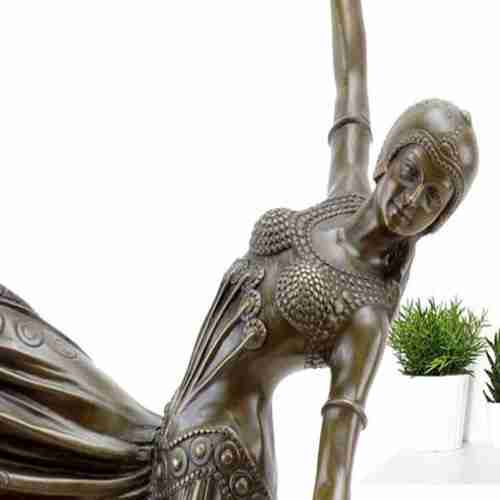
Bronze has been a popular material for creating sculptures and artworks due to its malleability and ability to hold intricate details. Famous examples include sculptures like the Statue of Liberty.
7.2 Tools and Weapons
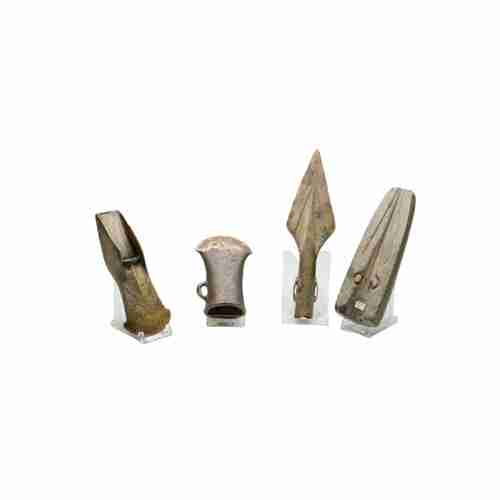
In ancient times, bronze was a crucial material for making tools, weapons, and armor. Bronze tools were an advancement over earlier stone tools, offering better durability and sharpness.
7.3 Architecture
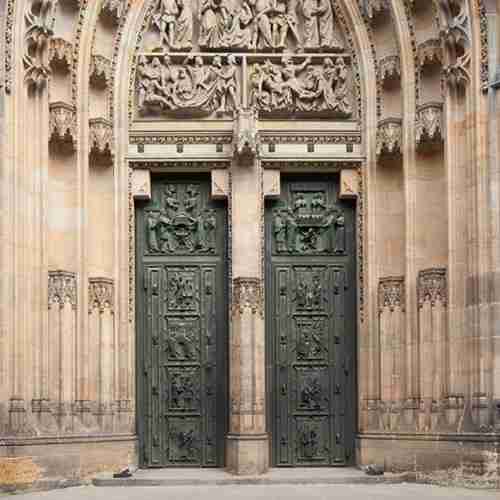
Bronze has been employed in architecture for various purposes, such as decorative elements, door fittings, and structural components. Its aesthetic appeal and corrosion resistance make it suitable for both interior and exterior applications.
7.4 Musical Instruments

Bronze is commonly used in the manufacturing of musical instruments, including cymbals, bells, and gongs. Its resonant qualities contribute to the unique sound characteristics of these instruments.
7.5 Marine Applications
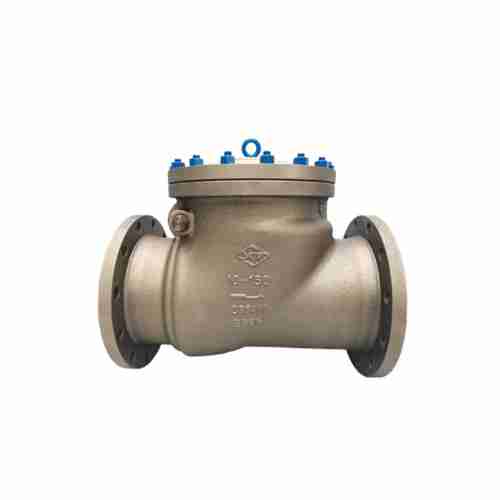
Due to its resistance to corrosion in seawater, bronze has been historically used for ship fittings, propellers, and other marine components. It helps prevent deterioration from exposure to saltwater.
7.6 Bearings and Bushings
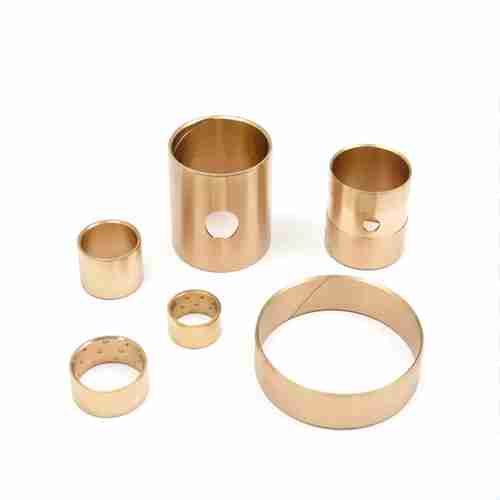
Bronze alloys, such as phosphor bronze, are often used for bearings and bushings in machinery and engines. These alloys provide low friction and wear resistance.
7.7 Plumbing and Pipe Fittings
Bronze’s corrosion resistance and durability make it suitable for plumbing applications. Bronze valves, fittings, and connectors are commonly used in the construction of plumbing systems.
8.Conclusion
In terms of a conclusion, achieving a bronze medal represents a significant accomplishment in any competitive endeavor. It signifies dedication, skill, and resilience. While it may not be the highest accolade, it’s a testament to the athlete’s hard work and determination.
Moreover, a bronze medal often symbolizes overcoming obstacles and pushing through challenges to reach the podium. It serves as a source of pride for the athlete, their supporters, and their country.
Beyond the medal itself, the journey to bronze can inspire others to pursue their goals relentlessly, reminding us all that success comes in many forms and requires perseverance.