Galvanization Research: Paving the Way for Better Corrosion Control

Table of Contents

1.The history and basic concepts of galvanization

Galvanization

Galvanization is a process used to protect steel and iron from corrosion by applying a protective zinc coating to the surface of the metal. This technique has been widely used for over a century and is still a popular method for preventing rust and corrosion in various applications.

1.1 History of Galvanization

The process of galvanization is named after Luigi Galvani, an Italian scientist who discovered the effects of electric current on animal tissue in the 18th century. However, the actual development of galvanization for metal protection is credited to Sir Humphry Davy, an English chemist, who observed the protective properties of zinc on iron in the early 19th century.

The commercial application of galvanization began in the 1830s, primarily driven by the work of French chemist Stanislas Sorel and others who recognized the protective properties of zinc coatings against corrosion.

The most common method of galvanization is hot-dip galvanization, which involves immersing the metal article in molten zinc. This process creates a metallurgical bond between the zinc and the underlying steel or iron, providing robust corrosion protection.

1.2 Basic Concepts of Galvanization

The primary principle behind galvanization is the use of zinc as a sacrificial anode. Zinc has a higher affinity for oxidation than steel or iron. When the galvanized metal is exposed to the environment, the zinc coating corrodes preferentially, sacrificing itself to protect the underlying steel or iron.

As the zinc coating corrodes, it forms zinc oxide on the surface. This zinc oxide layer acts as a barrier, preventing further corrosion and protecting the metal beneath.

2.The science behind galvanization

principle of galvanization

Galvanization is a process used to protect metal from corrosion by applying a protective zinc coating. This process is commonly applied to steel or iron to prevent rusting. The science behind galvanization involves electrochemical principles and the use of sacrificial protection.

2.1 Corrosion and Rust

Metals, especially iron and steel, are prone to corrosion when exposed to moisture and oxygen in the air. Corrosion leads to the formation of iron oxide, commonly known as rust, which weakens the metal structure.

Corrosion is a natural process that occurs when metals react with their environment and undergo deterioration. Rust, specifically, is a form of corrosion that occurs on iron and its alloys, such as steel, when they come into contact with oxygen and water.

Galvanization is a protective process that helps prevent corrosion, particularly rust, by applying a layer of zinc to the surface of the metal.

2.2 Electrochemical Cell

Galvanization relies on the principles of electrochemistry. When metals are in contact with an electrolyte (such as moisture), they can form an electrochemical cell. An electrochemical cell consists of an anode, a cathode, and an electrolyte.

A galvanic or electrochemical cell is used to create a controlled environment for the corrosion process, ensuring that zinc corrodes instead of iron. In the galvanization process, the iron or steel object to be protected is immersed in a bath of molten zinc or coated with a zinc-containing solution.

This creates a galvanic cell where zinc acts as the anode (where oxidation occurs) and iron or steel acts as the cathode (where reduction occurs).

2.3 Sacrificial Protection

In the galvanization process, zinc is used as the sacrificial anode. Zinc has a higher tendency to undergo corrosion compared to iron or steel. When zinc-coated metal is exposed to the environment, the zinc sacrificially corrodes instead of the iron or steel, protecting the underlying metal.

Zinc has a higher electronegativity than iron, making it more prone to corrosion. This characteristic is exploited in galvanization for sacrificial protection. 

When the galvanized steel is exposed to the environment and begins to corrode, the zinc coating sacrificially corrodes first. This sacrificial corrosion protects the underlying steel or iron from rusting.

2.4 Galvanic Series

The Galvanic Series is a list that ranks metals and alloys based on their tendency to corrode in a specific environment. Zinc is more reactive (lower on the Galvanic Series) than iron or steel, making it an effective sacrificial coating.

The galvanic series is a list of metals and alloys arranged in order of their electrochemical potential. This series helps predict the behavior of metals when they come into contact with each other in various environments, such as in electrolytes or when exposed to corrosion.

The science behind galvanization involves the principles of electrochemistry and corrosion. Galvanization is a process that applies a protective zinc coating to steel or iron to prevent corrosion. The use of zinc is based on its position in the galvanic series, where it has a lower electrochemical potential than steel or iron.

2.5 Formation of Zinc Oxide

As the zinc coating corrodes, it forms zinc oxide. Zinc oxide acts as a protective layer that inhibits further corrosion. This layer is often visible as a white or gray film on the surface.

The zinc on the surface of the galvanized steel reacts with oxygen (O2) in the air to form zinc oxide (ZnO). The chemical reaction is as follows:

2Zn+O2​→2ZnO

Zinc oxide forms a protective layer on the surface of the galvanized steel. This layer acts as a barrier, preventing further oxygen and moisture from reaching the underlying steel substrate.

If the zinc coating is damaged or scratched, the zinc in the surrounding area reacts with oxygen to form more zinc oxide. This self-healing property helps maintain the integrity of the protective layer over time.

3.The galvanization process

The galvanization process is a method used to protect steel and iron from corrosion by applying a protective zinc coating to the surface. This process is widely employed in various industries, including construction, automotive, and manufacturing, to enhance the durability and longevity of metal products. There are several ways to galvanize.

3.1 The hot-dip galvanizing process
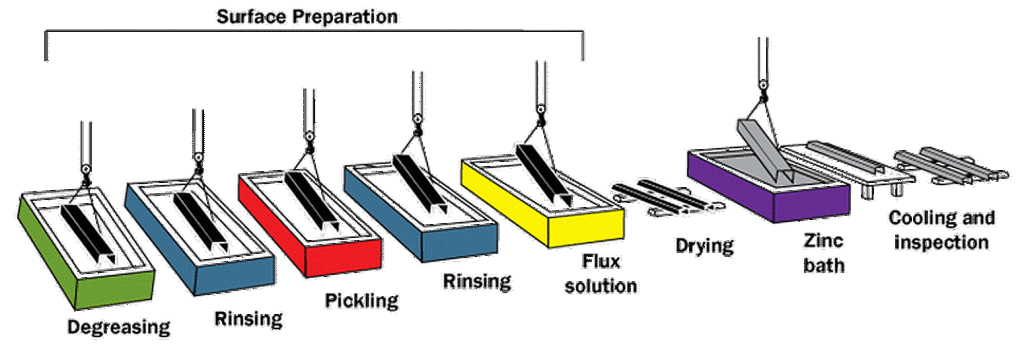
HDG Process

The hot-dip galvanizing process is a method of coating steel or iron with a protective layer of zinc to prevent rust and corrosion. This process involves several stages and is widely used in various industries, particularly in construction, automotive, and infrastructure. Here’s a general overview of the hot-dip galvanizing process:

3.1.1 Surface Preparation

Surface preparation is a critical step in the hot-dip galvanizing process, which involves coating steel or iron with a layer of zinc to protect it from corrosion. Proper surface preparation ensures the effectiveness and durability of the galvanized coating.

Remove any grease, oil, or other contaminants from the surface of the metal. This can be done using solvents or alkaline cleaners. Submerge the material in an acid solution, usually hydrochloric acid, to remove oxides and mill scale. This step is crucial for achieving a chemically clean surface.

3.1.2 Fluxing

After pickling, the steel is fluxed to further clean the surface and enhance the bond between the steel and the zinc coating. Fluxing involves applying a layer of flux (usually a mixture of zinc ammonium chloride and other compounds) to the steel surface.

The flux helps prevent the reformation of oxides on the steel and promotes the formation of a uniform and smooth zinc coating during the galvanizing step.

3.1.3 Galvanizing Bath

The cleaned and fluxed articles are then immersed into a bath of molten zinc, usually maintained at a temperature of around 450°C (850°F). The zinc bath is a combination of zinc and additives to control the thickness and appearance of the coating.

3.1.4 Immersion and Alloying

Immersion: The immersion aspect of hot-dip galvanizing refers to the complete submersion of the steel or iron articles into a bath of molten zinc. This bath is typically maintained at a temperature around 450°C (850°F).

Before the immersion step, the metal articles undergo a thorough cleaning process to remove any contaminants such as rust, grease, or scale. This ensures a clean surface for the zinc to bond with during immersion.

The immersion process allows the molten zinc to cover the entire surface of the metal, providing a uniform and durable protective coating.

Alloying: Alloying in hot-dip galvanizing occurs as a result of the metallurgical reaction between the zinc and the iron or steel substrate. This reaction forms a series of zinc-iron alloy layers, creating a tightly bonded coating.

The outermost layer of the coating is pure zinc, which provides excellent corrosion resistance. Beneath this layer, a series of zinc-iron alloy layers form. The formation of these alloy layers is crucial for the durability and adhesion of the coating to the substrate.

The alloy layers enhance the overall performance of the galvanized coating, making it more resistant to mechanical damage and providing cathodic protection to the underlying steel or iron.

3.1.5 Withdrawal and Cooling

Withdrawal: After the steel or iron articles are immersed in the molten zinc bath, they need to be slowly withdrawn. The withdrawal rate is crucial to ensure proper coating thickness and uniformity.

Too rapid withdrawal can result in uneven coating, excess zinc accumulation, or air entrapment, leading to a rough or non-uniform surface.

Cooling: Once withdrawn from the zinc bath, the coated articles need to be cooled.

Controlled cooling is essential to allow the zinc to solidify and adhere properly to the steel or iron surface. Rapid cooling may result in stresses within the coating, reducing its effectiveness and durability.

Slow cooling allows for a more uniform structure, reducing the risk of cracks or other defects in the coating.

3.1.6 Finishing

Once the articles have cooled, they may undergo additional processes to improve the appearance or functionality of the coating. This can include inspection, quenching, and passivation.

The hot-dip galvanizing process provides an excellent level of corrosion protection for steel and iron products. The resulting zinc coating is durable, abrasion-resistant, and provides both cathodic and barrier protection to the underlying steel.

This makes hot-dip galvanizing a popular choice for a wide range of applications where long-term protection against corrosion is essential.

3.2 The electro galvanizing process

electro galvanizing process

electro galvanizing is a process used to apply a thin layer of zinc onto the surface of a metal substrate through electrolysis. This process is commonly employed to provide corrosion resistance to steel or other metal objects. The zinc coating acts as a sacrificial layer, protecting the underlying metal from oxidation and corrosion.

3.2.1 Surface Preparation

Before the electro galvanizing process begins, the metal substrate undergoes thorough cleaning to remove any contaminants, such as oils, grease, dirt, and oxides. This step is crucial to ensure proper adhesion of the zinc coating.

3.2.2 Pickling

Pickling is a pre-treatment process used in metal manufacturing to remove impurities, scales, and oxides from the surface of metals, particularly steel. The most common method involves immersing the metal in an acid solution, typically hydrochloric acid or sulfuric acid.

This acid bath dissolves the oxides and other contaminants from the metal surface, leaving it clean and ready for subsequent processes like galvanizing or plating.

3.2.3 Electroplating Bath

The metal object is then immersed in an electrolyte solution, which typically contains zinc ions. The electrolyte is an aqueous solution of a zinc salt, such as zinc sulfate or zinc chloride. The metal object serves as the cathode in the electrochemical cell.

The cleaned and pretreated metal substrate is immersed into an electrolyte solution containing dissolved zinc ions. The substrate acts as the cathode in an electrolytic cell, while a zinc anode is also present in the electrolyte bath.

When an electric current is passed through the cell, zinc ions are attracted to the surface of the metal substrate and deposit onto it, forming a thin layer of zinc coating.

3.2.4 Electric Current

An electric current is passed through the electrolyte solution, and as a result, zinc ions are reduced at the metal surface, forming a thin layer of zinc metal on the substrate. The metal object gains a negative charge and attracts positively charged zinc ions from the electrolyte.

A direct current (DC) is applied to the circuit, causing zinc ions from the electrolyte solution to migrate towards the metal substrate. At the cathode (metal substrate), these zinc ions are reduced to form zinc metal, which deposits onto the surface of the substrate.

The sacrificial zinc anode replenishes the zinc ions in the electrolyte bath as they are consumed during the process.

3.2.5 Zinc Coating Formation

As the zinc ions are reduced, they deposit on the surface of the metal object, forming a continuous and uniform zinc coating. The thickness of the coating can be controlled by adjusting the parameters of the electroplating process, such as the current density and plating time.

As the zinc ions come into contact with the steel or iron substrate, they undergo a reduction reaction, where they gain electrons and form zinc metal. This zinc metal then forms a thin, uniform coating on the surface of the substrate.

The thickness of the zinc coating can be controlled by adjusting factors such as the duration of the electric current, the concentration of zinc ions in the electrolyte solution, and the temperature of the solution.

Thicker coatings provide greater corrosion protection but may also affect the appearance and formability of the coated material.

3.2.6 Post-Treatment

After the electro galvanizing process is complete, the coated metal object may undergo additional post-treatment steps to improve the quality and durability of the coating. This may include rinsing, drying, and applying passivation coatings to enhance corrosion resistance.

3.3 The sherardizing process

Sherardizing is a process used for the corrosion protection and surface treatment of metals, especially steel and iron. It involves the diffusion of zinc into the surface of the metal, creating a zinc-iron alloy layer that provides enhanced corrosion resistance. Here is an overview of the sherardizing process.

3.3.1 Surface Preparation

Surface preparation is crucial in the sherardizing process to ensure proper adhesion of the zinc coating and to achieve desired results. Here are the key steps involved in surface preparation for sherardizing:

Cleaning: The metal parts must be thoroughly cleaned to remove any dirt, oil, grease, rust, or other contaminants from the surface. This can be achieved through various methods such as solvent cleaning, alkaline cleaning, degreasing, or mechanical cleaning.

Degreasing: If the metal surfaces are oily or greasy, a degreasing step is necessary to remove these contaminants. This can be done using solvent-based degreasers, alkaline cleaners, or hot water cleaning methods.

Surface Activation: Activation of the metal surface is essential to promote the diffusion of zinc into the substrate during the sherardizing process. This is typically achieved by a pre-treatment involving acid pickling or alkaline cleaning.

Acid pickling removes any oxides or scale from the surface, while alkaline cleaning helps to activate the surface and improve the adhesion of the zinc coating.

Surface Roughening: Creating a roughened surface can enhance the adhesion of the zinc coating. This can be achieved through mechanical methods such as sandblasting, shot blasting, or abrasive blasting. Chemical methods like acid etching can also be used to roughen the surface.

Drying: After cleaning and surface preparation, the metal parts should be thoroughly dried to remove any moisture. Moisture on the surface can interfere with the sherardizing process and lead to poor coating adhesion.

Preheating: In some cases, preheating the metal parts before sherardizing can help to improve the uniformity of the zinc coating and reduce the risk of distortion or warping during the process.

3.3.2 Enclosure

The cleaned metal articles are placed inside a sealed container along with zinc dust or zinc powder. This container is often referred to as a “sherardizing drum” or “sherardizing pot.”

3.3.3 Heating

The sealed container is then heated to a temperature typically ranging from 380°C to 450°C (716°F to 842°F). The exact temperature depends on the specific requirements of the process and the type of metal being treated.

The sealed container containing the metal parts and zinc is then heated to a temperature typically between 300°C to 450°C (570°F to 840°F). This temperature is below the melting point of zinc but high enough to allow for its vaporization and subsequent diffusion into the metal surface.

3.3.4 Diffusion

At elevated temperatures, the zinc powder in the container vaporizes, and the zinc vapor diffuses into the metal surface. This diffusion process creates a zinc-iron alloy layer on the surface of the metal, improving its corrosion resistance.

At the elevated temperature within the chamber, the zinc atoms vaporize and diffuse into the surface of the metal substrate. This diffusion process forms a zinc-iron alloy layer on the surface of the metal.

3.3.5 Cooling

After a sufficient period, the treated metal is allowed to cool down. The cooling process is carefully controlled to ensure that the zinc-iron alloy layer forms a strong bond with the metal substrate.

3.3.6 Finishing

Once the metal has cooled, it is removed from the sherardizing drum. The treated surface may have a dull gray appearance due to the zinc-iron alloy layer.

3.4 The mechanical galvanizing process

Mechanical galvanizing is a coating process used to provide corrosion protection to metal surfaces, primarily steel and iron.

Unlike traditional hot-dip galvanizing, which involves dipping the metal into molten zinc, mechanical galvanizing is a cold process that uses mechanical means to apply a zinc coating. This process is also known as “mechanical plating” or “peen plating.” Here’s an overview of the mechanical galvanizing process.

3.4.1 Surface Preparation

The metal parts to be coated are first cleaned thoroughly to remove any dirt, rust, oil, or other contaminants. This is typically done through processes such as shot blasting or abrasive cleaning.

3.4.2 Barrel or Drum Coating

The cleaned metal parts are placed in a rotating barrel or drum along with zinc dust, glass beads, and other proprietary dry powder mixtures that may include a combination of zinc, aluminum, and other alloying elements.

3.4.3 Application of Zinc Particles

As the barrel rotates, the metal parts collide with each other and the mixture of zinc dust and beads. This mechanical action causes the zinc particles to be mechanically bonded to the metal surfaces through a combination of mechanical and electrochemical processes.

3.4.4 Heat Treatment (Optional)

In some cases, the coated parts may undergo a heat treatment process to enhance the adhesion and durability of the zinc coating.

3.4.5 Sealing (Optional)

After the mechanical galvanizing process, some applications may involve sealing the coated parts with a post-treatment to further improve corrosion resistance.

3.4.6 Final Inspection

The coated parts undergo a final inspection to ensure that the zinc coating adheres uniformly to the metal surfaces and meets the specified thickness and quality standards.

3.5 The zinc painting process

The zinc painting process typically refers to the application of a protective coating, often a zinc-based coating, to prevent corrosion on metal surfaces. Zinc coatings are commonly used for this purpose because zinc is a sacrificial anode.

This means that it corrodes preferentially to the base metal, providing a protective barrier and extending the life of the coated metal. Here is a general overview of the zinc painting process.

3.5.1 Surface Preparation

The first step is to prepare the metal surface by cleaning it thoroughly. This involves removing any rust, mill scale, dirt, or other contaminants that may interfere with the adhesion of the coating.

3.5.2 Abrasive Blasting (optional)

In some cases, abrasive blasting may be employed to further clean and roughen the surface. This helps enhance the adhesion of the coating.

3.5.3 Primer Application

A primer is applied to the metal surface to promote adhesion and provide an additional layer of protection. The primer may contain zinc-rich pigments to contribute to the overall corrosion resistance.

3.5.4 Zinc Coating Application

The zinc coating is applied over the primer. This can be done using various methods, including spray application, dip coating, or electroplating, depending on the specific requirements of the project.

3.5.5 Curing/ Drying

The coated metal is allowed to cure or dry thoroughly. This step is crucial for the coating to develop its protective properties.

3.5.6 Topcoat Application (optional)

In some cases, a topcoat may be applied over the zinc coating for additional protection and aesthetic purposes. The topcoat can be selected based on the specific environmental conditions the metal will be exposed to.

3.5.7 Quality Control

Various quality control measures, such as thickness measurements, adhesion tests, and visual inspections, may be performed to ensure that the coating meets specified standards.

4.Materials that can be galvanized

Galvanization is a process of applying a protective zinc coating to steel or iron to prevent rusting and corrosion. Various materials can be galvanized through this process.

The most common material that undergoes galvanization is steel, but other metals can also be galvanized to some extent. Here are some materials that can be galvanized.

4.1 Steel

Steel is the most common material subjected to galvanization. Both carbon steel and alloy steel can be galvanized to improve their durability and longevity, especially in outdoor or corrosive environments.The following are a few galvanized steel related issues.

4.1.1 Does galvanized steel rust?

Galvanized steel is less prone to rusting compared to regular steel because it has a protective zinc coating. The process of galvanization involves coating steel with a layer of zinc through a hot-dip or electroplating process.

Zinc is more reactive than iron, so it corrodes preferentially, forming a protective barrier that helps prevent the underlying steel from rusting.

While galvanized steel is highly resistant to rust, it is not completely immune. Over time, the zinc coating can degrade, especially in harsh environmental conditions or if the coating is damaged. If the zinc layer is compromised, the underlying steel may become susceptible to rust.

4.1.2 Can you paint galvanized steel?

Yes, you can paint galvanized steel, but it requires proper preparation to ensure good adhesion and longevity of the paint job. Galvanized steel is coated with a layer of zinc to protect it from corrosion, and this coating can make it challenging for paint to adhere directly. Here’s a general guide on how to paint galvanized steel:

Clean the Surface: Before painting, it’s crucial to clean the galvanized steel surface thoroughly. Use a mild detergent or degreaser to remove any dirt, grease, or oil. Rinse the surface with water and allow it to dry completely.

Acid Etching: To promote paint adhesion, you can etch the galvanized surface with an acid solution. A mixture of white vinegar or diluted muriatic acid (hydrochloric acid) can be used for this purpose. Follow safety precautions and instructions for handling acids. Rinse the surface thoroughly with water after etching.

Use a Primer: Applying a special primer designed for galvanized surfaces is essential. Look for a high-quality primer that is specifically formulated for galvanized steel. This primer helps create a better bond between the steel and the paint.

Choose the Right Paint: Select a paint suitable for use on galvanized steel. Acrylic or oil-based paints are often recommended. Make sure the paint you choose is compatible with the primer you’ve applied.

Apply the Paint: Once the primer has dried completely, apply the paint following the manufacturer’s instructions. Use a high-quality brush, roller, or spray equipment for an even and smooth finish.

Multiple Coats: Depending on the type of paint used, you may need to apply multiple coats to achieve the desired coverage and durability. Allow each coat to dry thoroughly before applying the next.

Maintenance: Regular maintenance can help prolong the life of the painted surface. Keep an eye out for any signs of peeling or damage, and touch up as needed.

4.1.3 Can you weld galvanized to steel?

Welding galvanized steel is a dangerous task, because the galvanized layer on the metal becomes highly toxic when heated. Take proper safety precautions and wear a welding mask, good welding breathing apparatus, gloves and an apron.

Use a smoke extractor or a set of multiple fans to create a ventilation system and do your best to wear off as much zinc coating as possible before working.

You will also need to use an arc welder, as MIG welders cannot properly join galvanized steel together. When welding, work back and forth over the seam or opening and cover each area twice in order to properly join the two surfaces together.

4.2 Iron

Iron, particularly cast iron, can also be galvanized. Galvanizing iron helps prevent rust and extends the lifespan of iron-based products, such as pipes, fences, and structural components.

There are two main techniques that can be used to make galvanized iron. The most common is hot-dip galvanizing, in which iron is passed through an extremely hot bath of molten zinc, which may be mixed with a small amount of lead, depending on the situation.

When the iron comes out of the bath, the zinc binds to it, forming a layer of zinc on the surface of the iron. Sometimes, the metal can be smoothed and coated evenly. Another technique that can be used is electrodeposition, also known as electroplating, although this technique is rare.

Once galvanized, the iron is covered with a layer of zinc, which may be shiny or dark gray. Zinc can be painted or left unpainted if desired. When iron must be matched with other building materials, or when people want to make it less obvious, it is often painted.

4.3 Aluminum

Though less common than steel, aluminum can also be galvanized. The process, known as aluminum galvanizing, involves coating aluminum with a layer of zinc to protect it from corrosion. This is often done for specialized applications where aluminum’s lightweight properties are desired alongside enhanced corrosion resistance.

Galvanized aluminum inherits the light weight, ductility and good thermal and electrical conductivity of aluminum. The added zinc coating provides excellent corrosion protection and extends the material’s service life in harsh environments.

5.Advantages and applications of galvanized materials

Galvanization is a process of applying a protective zinc coating to steel or iron to prevent rusting and corrosion. This process offers several advantages and finds diverse applications in various industries. Here are some of the key advantages and applications of galvanized materials.

5.1 Advantages of Galvanized Materials

Corrosion Resistance: Galvanized coatings provide a durable and effective barrier against corrosion. The zinc layer acts as a sacrificial anode, corroding before the base metal and protecting it from rust and other forms of corrosion.

Longevity: Galvanized materials have a longer lifespan compared to untreated steel or iron. The corrosion resistance of the zinc coating helps extend the life of the underlying metal, making it suitable for outdoor and harsh environments.

Low Maintenance: Galvanized materials require minimal maintenance. The protective zinc coating reduces the need for frequent inspections and repairs, resulting in cost savings over time.

Ease of Inspection: Galvanized coatings are visually inspectable, making it easy to assess the condition of the protective layer. Any signs of damage or wear can be detected early, allowing for timely maintenance.

Aesthetic Appeal: Galvanized materials often have a shiny and attractive appearance, which can be beneficial in architectural and decorative applications.

Uniform Coating: The galvanization process ensures a uniform coating of zinc on the entire surface of the metal, providing consistent protection across the material.

Versatility: Galvanized materials can be used in a wide range of applications, from construction and infrastructure to automotive and industrial manufacturing.

5.2 Applications of Galvanized Materials

Construction Industry: Galvanized steel is commonly used in construction for various applications, including roofing, framing, fencing, and structural components. It provides strength and corrosion resistance, making it suitable for both interior and exterior use.

Automotive Industry: Galvanized components are utilized in the automotive industry for manufacturing parts like chassis, exhaust systems, and body panels. The corrosion resistance of galvanized steel helps enhance the durability of automotive parts.

Infrastructure and Utilities: Galvanized materials are widely used in infrastructure projects such as bridges, highways, and utility poles. The corrosion resistance makes them suitable for outdoor applications, where exposure to the elements can lead to rust and deterioration.

Agriculture: Galvanized materials are used in agricultural applications, including fencing, water tanks, and equipment. The corrosion resistance is especially valuable in agricultural settings where exposure to moisture and chemicals is common.

Electrical and Telecommunication Towers: Galvanized steel is often used for the construction of electrical and telecommunication towers due to its strength and corrosion resistance.

Transportation: Galvanized components are employed in the manufacturing of trailers, containers, and other transportation equipment. The corrosion resistance helps maintain the structural integrity of these components over time.

Outdoor Furniture and Structures: Galvanized materials are used in the fabrication of outdoor furniture, playground equipment, and various structures like lamp posts and flagpoles, where resistance to weathering is crucial.

Oil and Gas Industry: Galvanized materials are utilized in the oil and gas industry for applications such as pipelines and storage tanks, providing protection against corrosive elements in these environments.

6.Drawbacks and dangers of galvanized materials

Galvanization is a process of applying a protective zinc coating to steel or iron to prevent rusting and corrosion. While galvanized materials offer several advantages, there are also drawbacks and potential dangers associated with their use. Here are some of the key drawbacks and dangers.

6.1 Limited lifespan

Galvanized coatings do not last indefinitely. Over time, the protective zinc layer can corrode, especially in harsh environments or when exposed to certain chemicals. This can lead to the eventual corrosion of the underlying steel or iron.

6.2 Zinc toxicity

In certain applications, there may be concerns about zinc toxicity. If the zinc coating is damaged or if galvanized materials come into contact with acidic or alkaline substances, zinc can be released into the environment. High levels of zinc exposure can be harmful to humans and animals.

6.3 Galvanic corrosion

Galvanized materials can experience galvanic corrosion when in contact with certain metals. This occurs when two dissimilar metals are in electrical contact in the presence of an electrolyte, leading to accelerated corrosion of one of the metals.

Proper insulation and separation of different metals are important to prevent galvanic corrosion.

6.4 Aesthetic concerns

The appearance of galvanized materials may not be suitable for all applications. The characteristic silver-gray color of galvanized steel may not be desirable in certain architectural or decorative contexts.

6.5 Environmental impact

The process of galvanization involves the use of zinc, which is a finite resource. The extraction, processing, and disposal of zinc can have environmental impacts. Additionally, the production of galvanized materials may involve energy-intensive processes.

6.6 Maintenance challenges

While galvanized coatings provide effective corrosion protection, they are not maintenance-free. Over time, the coating may require inspection and maintenance to address any damage or deterioration. Repairs typically involve recoating with zinc-based materials.

6.7 Cost considerations

Galvanized materials can be more expensive initially compared to some other corrosion protection methods. The cost may be a limiting factor for certain projects, especially when alternatives that meet specific requirements are available.

7.Comparing galvanization with other metal treatment techniques

Galvanization is a metal treatment technique that involves applying a protective zinc coating to steel or iron to prevent rusting and corrosion.

There are several other metal treatment techniques, each with its own advantages and applications. Here’s a brief comparison between galvanization and some other common metal treatment methods.

7.1 Galvanization

Galvanization refers to the process of applying a protective zinc coating to steel or iron to prevent rusting.

The galvanization process involves immersing the metal, typically steel or iron, in a bath of molten zinc or applying a zinc coating through electroplating. This forms a protective layer of zinc on the surface of the metal, creating a barrier that helps prevent the underlying steel or iron from corroding when exposed to the elements.

Galvanized steel is commonly used in construction, automotive manufacturing, and other industries where corrosion resistance is essential. It is often used for products such as pipes, fencing, roofing, and structural components.

7.2 Powder coated

Powder coated refers to a finishing process used on various materials, most commonly metal, to provide a durable and decorative coating. This process involves applying a dry powder to a substrate, such as metal, and then heating it to fuse the powder into a smooth and durable finish.

The powder coating is typically made of a mixture of finely ground particles of pigment and resin.

Powder coating has several advantages over traditional liquid coatings, such as being more environmentally friendly, providing a thicker and more durable finish, and offering a wide range of colors and textures.

It is commonly used in various industries, including automotive, architecture, furniture, appliances, and outdoor equipment, due to its durability and aesthetic appeal.

7.3 Ceramic coatings

Ceramic coatings refer to a type of protective coating that is applied to various surfaces, such as automotive paint, glass, metal, or even certain textiles. These coatings are composed of nanoparticles, typically made of silicon dioxide (SiO2) or titanium dioxide (TiO2), suspended in a liquid carrier.

When applied to a surface, the liquid carrier evaporates, leaving behind a thin, hard, and transparent layer of ceramic material.

Ceramic coatings are known for their excellent protective properties. They create a hydrophobic surface, repelling water and preventing contaminants like dirt, bird droppings, and tree sap from adhering to the treated surface. This helps in maintaining the cleanliness of the surface and protects it from environmental damage.

While ceramic coatings are commonly used in the automotive industry for protecting car paint, they can also be applied to a variety of other surfaces, including glass, plastic, metals, and even certain textiles.

7.4 Vinyl coating

Vinyl coating refers to the application of a layer of vinyl material onto a surface for various purposes. Vinyl is a type of plastic that is known for its durability, flexibility, and resistance to moisture. The coating process involves applying a thin layer of vinyl onto a substrate, which could be metal, wood, fabric, or other materials.

Vinyl coating is often used as a protective layer to shield surfaces from environmental factors such as moisture, chemicals, and abrasion. It helps to extend the lifespan of the underlying material.

Vinyl coatings are inherently water-resistant, making them suitable for waterproofing applications. This is useful in products such as raincoats, outdoor furniture, and certain types of electronic devices.

8.Environmental impact and sustainability of galvanization

Galvanization is a process that involves coating steel or iron with a layer of zinc to protect it from corrosion. This process is widely used in various industries, including construction, automotive, and infrastructure.

While galvanization provides effective corrosion protection, it does have environmental impacts, and its sustainability depends on several factors.

8.1 Environmental Impact

Zinc Resource Depletion: The primary environmental concern with galvanization is the use of zinc, which is a finite resource. Mining and extracting zinc can lead to habitat disruption, soil erosion, and water pollution. However, zinc is relatively abundant compared to some other metals.

Energy Consumption: The galvanization process involves the application of zinc coatings through either hot-dip galvanization or electroplating. Both methods require energy, and the source of this energy can contribute to environmental impact depending on whether it comes from renewable or non-renewable sources.

Air Emissions: The heating of zinc during the galvanization process can release zinc oxide fumes, which can contribute to air pollution. Proper ventilation and emission control systems can help mitigate this impact.

Wastewater Discharge: Galvanization can generate wastewater containing zinc and other contaminants. If not properly treated, this discharge can harm aquatic ecosystems. Adequate wastewater treatment measures are essential to minimize environmental impact.

8.2 Sustainability Measures

Recycling: Zinc is a highly recyclable material, and recycling can significantly reduce the demand for new zinc extraction. Encouraging the recycling of zinc-coated steel can enhance the sustainability of galvanization.

Energy Efficiency: Improving the energy efficiency of galvanization processes can reduce the overall environmental impact. Using renewable energy sources for the process can further enhance sustainability.

Alternative Coating Technologies: Research and development in alternative coating technologies that are more environmentally friendly and resource-efficient can contribute to the sustainability of corrosion protection methods.

Waste Management: Proper management of waste generated during the galvanization process is crucial. Recycling waste materials and implementing efficient waste disposal practices can minimize environmental impact.

Life Cycle Assessment (LCA): Conducting life cycle assessments of galvanized products can provide a comprehensive understanding of their environmental impact. This includes evaluating the impact of raw material extraction, manufacturing, transportation, use, and end-of-life disposal or recycling.

9. Latest developments in galvanization technology

There is a growing emphasis on developing galvanization processes that are more environmentally friendly. This includes reducing the use of hazardous substances and finding alternative methods that have a lower impact on the environment.

Automation and digitalization trends continue to impact various industries, including metal coating and galvanization. Integration with Industry 4.0 technologies may lead to more efficient and precise galvanization processes.

Researchers are likely exploring new types of zinc coatings or alloy coatings that provide enhanced corrosion resistance or have specific properties tailored for certain applications. These could include coatings with improved adhesion, hardness, or other performance characteristics.

As demand for high-strength steels increases in various industries, there may be developments in galvanizing AHSS to enhance their corrosion resistance while maintaining their mechanical properties.

10. Case studies of galvanization

Galvanization is a process of applying a protective zinc coating to steel or iron to prevent rusting and corrosion. This method is widely used in various industries to enhance the durability and longevity of metal structures. Here are a few case studies showcasing the application of galvanization.

10.1 Bridge Construction
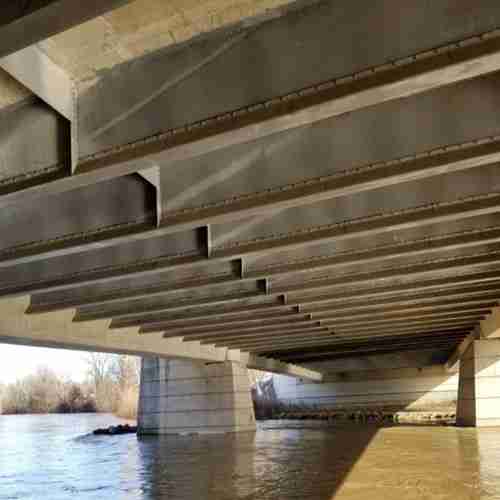
galvanized for bridge construction

Problem: A city planned to construct a bridge over a river to improve transportation infrastructure.

Solution: The structural components of the bridge, such as beams and support structures, were galvanized to protect against corrosion from exposure to water and atmospheric conditions. This ensured a longer lifespan for the bridge and reduced maintenance costs.

10.2 Telecommunication Towers
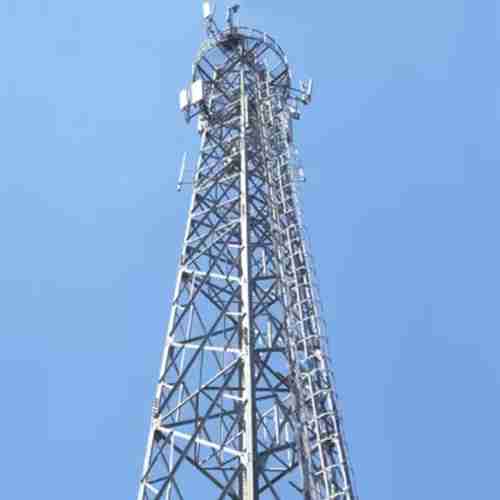
galvanized for telecommunication towers

Problem: A telecommunication company needed to install communication towers in various locations, including coastal and humid areas.

Solution: All the steel components of the communication towers were galvanized to prevent corrosion caused by saltwater and high humidity. This helped in maintaining the structural integrity of the towers, even in harsh environmental conditions.

10.3 Oil and Gas Industry

galvanized for oil and gas industry

Problem: An oil and gas exploration company required durable equipment for offshore drilling platforms and pipelines.

Solution: Various components of the drilling rigs and pipelines, such as pipes, brackets, and support structures, were galvanized to protect against the corrosive effects of saltwater and harsh weather conditions. This increased the lifespan of the equipment and minimized the need for frequent maintenance.

10.4 Fencing and Guardrails
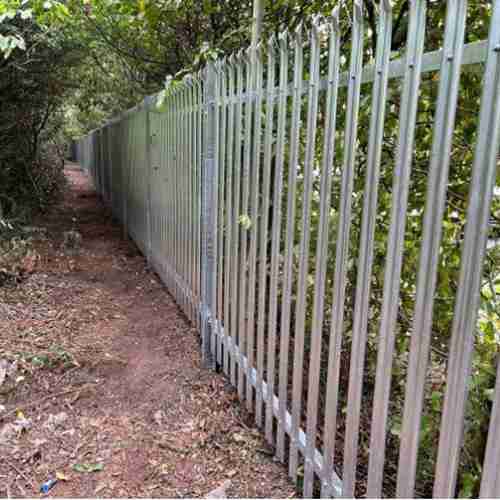
galvanized for fencing and guardrails

Problem: A local government aimed to install durable fencing and guardrails along highways and public spaces.

Solution: Galvanized steel was used for manufacturing fencing and guardrail components to provide long-lasting protection against corrosion, especially in areas with exposure to road salts, moisture, and other environmental factors. This reduced the need for frequent replacements and maintenance.

10.5 Water Treatment Plants
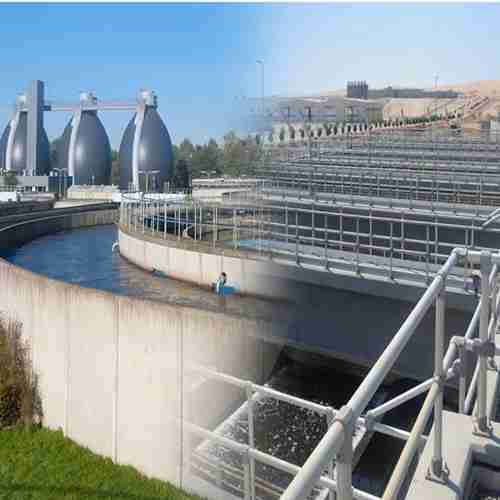
galvanized for water treatment plants

Problem: Municipalities required corrosion-resistant structures for water treatment plants.

Solution: Structural components such as walkways, support beams, and piping systems in water treatment plants were galvanized to protect against the corrosive effects of chemicals used in water treatment processes. This ensured the longevity of the infrastructure and maintained the efficiency of the water treatment facilities.

10.6 Agricultural Applications
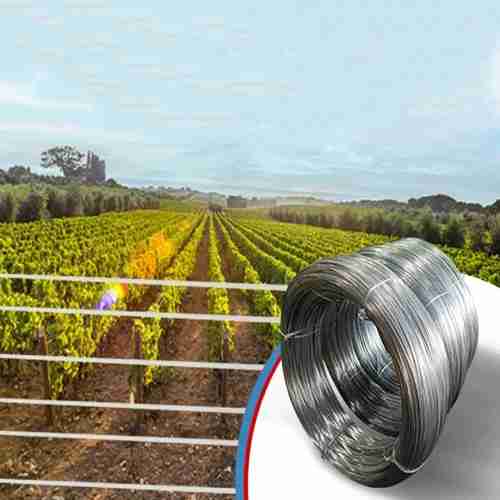
galvanized for agricultural applications

Problem: Farmers needed durable structures for agricultural buildings and equipment.

Solution: Galvanization was employed for components like barn frames, silos, and agricultural machinery to protect against rust and corrosion caused by exposure to weather conditions and chemicals used in farming operations. This extended the life of the equipment and reduced maintenance costs.
11.Conclusion: Future Trends in Galvanization

There is a growing global emphasis on sustainable and environmentally friendly practices. Future trends in galvanization may involve the development of more eco-friendly processes or the adoption of alternative materials that offer corrosion resistance without the environmental impact associated with traditional galvanization methods.

Research and development efforts in materials science could lead to the creation of more advanced coating technologies. Innovations may include coatings that are more durable, offer enhanced corrosion protection, or have additional functional properties, catering to specific industry needs.

As industries continue to demand tailored solutions, future trends in galvanization may involve the development of customizable coatings for specific applications. This could include coatings designed to withstand extreme environmental conditions, chemical exposures, or unique industrial processes.

It’s essential to note that the future trends in galvanization will be influenced by ongoing research, technological advancements, environmental considerations, and industry-specific needs.


Contact Form

Leave a Comment

Your email address will not be published. Required fields are marked *

Say Hello!

Get In Touch With Us

Office Address

Hanwang Road, Anping county, Hebei provine, China