

Zoo fencing plays a crucial role in the operation and management of zoos, offering several advantages for the welfare of the animals, the safety of visitors, and the overall functionality of the zoo. Here are some key advantages.
2.1 Animal Safety and Welfare
Animal safety and welfare in zoos are critical concerns that encompass various aspects, including the design and implementation of zoo fencing. The primary goals of zoo fencing are to ensure the safety of both the animals and the visitors, prevent escapes, and provide a habitat that supports the physical and psychological well-being of the animals.
Different animals have different needs and capabilities, meaning that zoos must tailor the type of fencing or barriers to each species. For example, primates may require tall, secure enclosures with overhangs to prevent climbing, whereas aquatic animals need enclosures that can retain water without risk of leakage or escape.
The materials used for zoo fences must be durable and safe for the animals. They should not be able to injure themselves on the fencing material. Additionally, the materials must withstand environmental conditions, such as weather and the potential for wear and tear from the animals themselves.
2.2 Visitor Safety

Visitor safety at zoos is a critical concern, and fencing plays a significant role in ensuring both the safety of visitors and the well-being of the animals. Zoo fencing must be designed to prevent accidents and unauthorized access to animal enclosures, while also allowing for an enjoyable and educational experience for visitors.
2.3 Habitat Control and Management
Fencing enables zookeepers to manage and control the habitats of various species effectively. It allows for the separation of different animal species that may not coexist peacefully, and it can help in maintaining the cleanliness and hygiene of animal enclosures by restricting the movement of animals within designated areas.
Safety is paramount in zoo habitat design, both for the animals and the visitors. Fencing must prevent animals from escaping and coming into contact with visitors. It should also protect animals from potential external threats. The materials and design used need to be strong enough to contain the animal, taking into account its size, strength, and abilities.
2.4 Conservation and Education
Zoos play a significant role in the conservation of endangered species and educational outreach. Fences help in creating controlled environments where breeding programs for endangered species can be implemented safely. They also facilitate educational programs by allowing controlled and safe interactions between animals and visitors.
The primary function of zoo fencing is to ensure the safety of both the animals and the visitors. Fences must be designed to prevent animals from escaping and to protect them from potential harm. This includes considering the specific needs and behaviors of different species to ensure that fences do not cause them stress or harm.
Zoo fencing should allow for meaningful engagement between visitors and animals. This involves designing barriers that are secure yet do not significantly obstruct views. Transparent or semi-transparent barriers, such as glass panels, can facilitate close-up interactions without physical contact.
This proximity allows for educational signage and interactive displays to be placed near the enclosures, enhancing the educational experience.
2.5 Controlled Access and Security
Zoo fencing is crucial for controlling access to various parts of the zoo, ensuring that visitors follow designated paths and do not enter restricted areas. This helps in maintaining order within the zoo and prevents potential harm to both visitors and animals.
Additionally, secure fencing can protect the zoo from external threats, such as predators or poachers, ensuring the safety of the animals.
Ensures animals are kept within their designated areas, preventing them from entering unauthorized areas or escaping into the local environment, which could pose risks to the animals themselves, zoo visitors, and the surrounding community.
2.6 Aesthetic Appeal
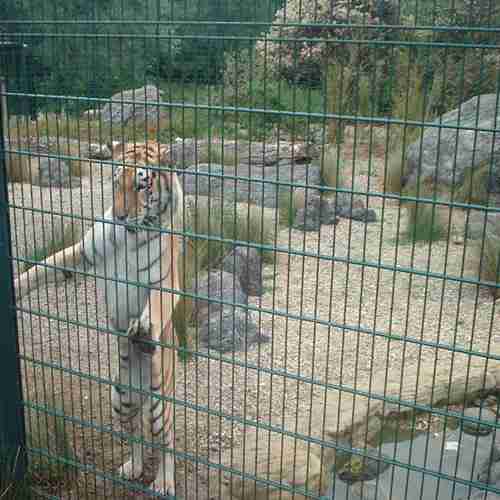
Modern zoo fencing is designed to be as unobtrusive as possible while still being effective. This means that visitors can have unobstructed views of the animals, which enhances the visitor experience.
Fences can also be designed to blend in with the natural environment or themed areas of the zoo, contributing to the overall aesthetic appeal.
The aesthetic appeal of zoo fencing is a critical aspect that contributes to the overall visitor experience and the visual integration of the zoo within its environment. Effective zoo fencing not only ensures the safety and containment of animals but also enhances the beauty and thematic coherence of the zoo.
The choice of materials and design plays a significant role in the aesthetic appeal of zoo fencing. Natural materials like wood or bamboo can blend seamlessly with zoo environments, creating a more immersive and natural experience.
Conversely, modern materials like tempered glass or metal alloys offer sleekness and visibility, which can enhance the viewing experience without compromising the visual connection with the animals.
2.7 Regulatory Compliance
Zoos must comply with various local, national, and international regulations regarding animal welfare and public safety. Proper fencing is often a requirement of these regulations, ensuring that zoos operate legally and ethically.
Regulatory compliance for zoo fencing involves a complex array of standards and guidelines that ensure the safety of both the animals contained within and the visitors to the zoo. These regulations are designed to prevent escapes, protect visitors from potential harm, and ensure the welfare of the animals.
Compliance can vary significantly depending on the jurisdiction, as different countries, states, and even local governments may have their own specific requirements.
When discussing the difference between wildlife zoo fencing and traditional zoo fencing, we’re essentially contrasting two types of barriers designed for very different settings and purposes within the broader context of animal care and observation. Here are the key differences.
3.1 Wildlife Zoo Fencing

Purpose and Setting: Wildlife zoo fencing is typically used in safari parks or open-range zoos where the goal is to mimic the animals’ natural habitats as closely as possible. These areas cover larger expanses of land, allowing animals more freedom to roam.
Design: The fencing is designed to be minimally invasive, blending into the natural environment to not detract from the immersive experience. It often covers larger areas and may incorporate natural barriers like rivers or rugged terrains, alongside man-made fences.
Materials: The materials used must be durable against both the elements and the possibility of animals trying to breach the perimeter. They might include high-tensile wire, electric fencing, or even reinforced mesh, depending on the species housed.
Safety and Security: The primary focus is on keeping the animals within their designated areas while preventing the entry of predators or poachers, especially in the case of endangered species. The safety of visitors is ensured through controlled access points and safe viewing distances.
3.2 Zoo Fencing

Purpose and Setting: Traditional zoo fencing is found in more conventional zoos, where animals are kept in enclosures that are relatively small compared to their natural habitats. These zoos are often located in urban or suburban areas.
Design: The design of zoo fencing focuses on visibility and safety. Enclosures are made to allow visitors to view the animals up close without risking safety. The aesthetic appeal can also be a consideration to enhance the overall experience of the zoo.
Materials: Materials may vary widely, from glass panels for aquatic and small animals to strong metal bars or mesh for larger, more powerful species. The choice of material balances the need for visibility, security, and the well-being of the animals.
Safety and Security: In traditional zoos, the safety of both the animals and the visitors is paramount. Fences are designed to prevent animals from escaping and to protect visitors from entering enclosures. This includes considerations for the height and depth of barriers to prevent climbing or digging.
Zoo fencing serves various critical roles, including ensuring the safety of both visitors and animals, maintaining the aesthetics of the zoo, and sometimes even mimicking the natural habitats of the animals contained within.
The types of fencing used can vary widely depending on the specific needs and considerations for each enclosure. Here are some of the most common types of zoo fencing.
5.1 Chain Link Fencing

Chain link fencing is commonly used for zoo fencing due to its durability, cost-effectiveness, and versatility. This type of fencing provides several benefits which make it suitable for enclosing zoo habitats and ensuring the safety of both the animals and the visitors.
Chain link fence offers high visibility, allowing visitors to see the animals clearly without significant obstruction. This transparency ensures an engaging and educational experience for zoo-goers while keeping a secure barrier between them and the animals.
Made from steel wires woven together, chain link fences are highly durable and can withstand the physical stress exerted by large and powerful animals. This strength is crucial for containing animals safely within their designated areas.
Chain link fencing can be installed in various terrains and can be adapted to different heights and specifications depending on the needs of each animal enclosure. This flexibility allows zoos to create tailored habitats that meet the specific security and environmental requirements of different animal species.
Compared to other fencing materials, chain link is relatively inexpensive. This cost-effectiveness is an important consideration for zoos, which often operate within tight budget constraints.
5.2 Plexiglass or Acrylic Panels
For aquatic and some small terrestrial animals, transparent barriers like plexiglass or acrylic panels are used. These materials allow clear visibility while safely containing the animals. They are particularly popular for aquarium sections, reptile houses, and small mammal enclosures.
Plexiglass or acrylic panels are increasingly popular materials used for zoo fencing and enclosures due to their numerous advantages over traditional materials like metal bars or glass.
One of the most significant advantages of plexiglass (a trademark name for a type of acrylic) panels is their transparency. They provide clear visibility, allowing visitors to see animals without obstructions. This feature enhances the visitor experience, making it feel like there’s almost no barrier between them and the animals.
Despite being lightweight, acrylic panels are incredibly strong and resistant to impact. They can withstand considerable force, making them safe for use in enclosures for large and powerful animals. They’re also more durable than glass, which can shatter under impact.
Acrylic panels are resistant to weathering and can withstand exposure to the sun, rain, and temperature variations without losing clarity or strength. This makes them ideal for outdoor enclosures in a variety of climates.
5.3 Welded Wire Mesh Fence

Similar to chain link but offering more rigidity and often a more pleasing aesthetic, welded wire mesh can be used for a variety of enclosures, including those for birds, small mammals, and primates. The mesh size can be adjusted based on the species housed.
Welded wire mesh is made from steel wires welded at every intersection, creating a strong and rigid structure. This ensures that it can withstand the physical stress from larger animals without bending or breaking.
It’s often galvanized or coated with PVC to protect against rust and corrosion. This is particularly important in outdoor environments where the fence is exposed to rain and humidity. Welded wire mesh can be installed on various terrains, including slopes and uneven landscapes, making it suitable for the diverse environments found in zoos.
The mesh design allows visitors to clearly see the animals, enhancing the viewing experience. It’s less obtrusive than solid barriers, making it ideal for educational and observational purposes. Some zoos use this type of fencing to facilitate safe interactions between visitors and animals or to provide enrichment activities through the fence.
5.4 Electric Fencing
Used either as a primary barrier or more commonly as a secondary measure, electric fencing can deter animals from attempting to escape or breach the primary enclosure barrier. It’s often used in conjunction with other fencing types for large mammals and predators.
Electric fencing is widely used in zoos and wildlife parks to safely contain animals within their designated areas, while also preventing unauthorized access by people and protecting the animals from potential external threats.
The design of electric fences in zoos is tailored to the specific needs and behaviors of different animal species. For example, fencing for elephants will be significantly stronger and taller than that for smaller animals like monkeys.
Electric fences act as a psychological barrier for animals. Once an animal experiences a shock from the fence, it is likely to avoid the fence in the future, thus serving as an effective containment method.
5.5 Wooden Fencing
Wooden fencing used for zoo enclosures serves multiple purposes, including ensuring the safety of both animals and visitors, providing a natural and aesthetically pleasing environment, and facilitating the management and maintenance of animal habitats.
The type of animals housed can significantly influence the choice of fencing. For instance, robust, tall fences may be necessary for larger animals like elephants, while smaller, more visually permeable fences could suffice for smaller animals.
Wooden fences must be strong enough to withstand the force that animals might exert on them. Additionally, they should be durable enough to handle weathering, decay, and potential pest infestations. Treated woods or hardwoods known for their durability are often preferred.
The design should prevent animals from escaping and protect them from any harm that might come from interacting with the fence. Similarly, it should safeguard visitors from accidental contact with the animals.
Zoo fencing serves several critical applications, each aimed at ensuring the safety, security, and well-being of both the animals within the zoo and the visitors. Here are some of the primary applications of zoo fencing.
6.1 Animal Containment and Habitat Simulation

Fencing is essential for containing animals within their designated areas, preventing them from wandering into unauthorized areas that could be dangerous for them or visitors. Moreover, modern zoos strive to create enclosures that simulate natural habitats as closely as possible.
Fencing can be designed to blend with these habitats, minimizing stress on the animals by making the barriers less obtrusive.
6.2 Visitor Safety

Visitor safety is a critical aspect of zoo management, ensuring that both the public and the animals are protected. Zoo fencing plays a pivotal role in this regard, serving multiple functions from demarcation to direct safety measures. Here are some of the key applications of zoo fencing related to visitor safety:
Separation and Protection: The primary function of zoo fencing is to maintain a safe and secure barrier between animals and visitors. This is essential for preventing potential harm to both parties, especially with large or potentially dangerous animals. Fences are designed to be tall and strong enough to contain animals while providing visitors with viewing opportunities.
Guided Pathways: Fences are used to create pathways for visitors, guiding them through the zoo in a safe and organized manner. This helps in managing crowd flow, reducing the risk of accidents, and ensuring that visitors do not enter restricted or unsafe areas.
Enclosure Security: Fencing around animal enclosures is crucial for preventing escapes, which could pose significant risks to both the escaping animals and the visitors. Modern zoos use a combination of physical barriers, such as fences, and sometimes invisible barriers, like moats, to secure animal enclosures effectively.
Interactive Areas: In areas where close interaction with animals is allowed under supervision, fencing is designed to safely facilitate these interactions. This may include petting zoos or feeding stations, where fences are low enough for interaction but still provide a barrier for control.
6.3 Controlled Access

Controlled access, particularly in the context of zoo fencing, refers to the measures and techniques used to manage the movement of animals, visitors, and staff within a zoo.
This is crucial for ensuring the safety of both the animals and the humans, maintaining the integrity of the habitats, and providing a pleasant visitor experience. Here are some key applications of controlled access in zoo fencing:
Animal Enclosure and Safety: The primary function of zoo fencing is to securely contain animals within their designated habitats. This prevents animals from escaping into unauthorized areas, which could lead to potential harm to the animals themselves, zoo visitors, and staff. Each species may require different types of fencing based on its size, climbing ability, or digging habits.
Visitor Safety and Experience: Controlled access helps in managing the flow of visitors, ensuring they can view the animals safely without direct contact. It also helps in creating immersive experiences without compromising safety, using barriers that are secure yet minimally intrusive to the view.
Habitat Control and Environmental Management: Fencing is used to control environmental conditions within habitats, such as the containment of water for aquatic species or the separation of different climatic zones. It can also help in managing the introduction of plants and other natural elements specific to the animal’s natural habitat.
Restricted Access for Staff and Maintenance Areas: Controlled access is crucial for managing access to staff-only areas, quarantine zones, and maintenance or service areas within the zoo. This ensures that only authorized personnel can enter these areas, which is important for both security and safety.
Emergency Management: In cases of emergencies, such as animal escapes or natural disasters, controlled access and fencing systems are critical for quickly and effectively managing the situation. They can aid in the evacuation of visitors, the containment or recapture of animals, and the protection of vulnerable areas within the zoo.
6.4 Security and Protection

Security and protection in the context of zoo fencing are crucial for ensuring the safety of both the animals housed within the enclosures and the visitors who come to see them. The primary applications of zoo fencing include:
Containment: Zoo fencing is designed to securely contain animals within their designated areas, preventing them from escaping into visitor spaces or beyond the zoo’s boundaries. This is essential for the safety of both the animals and the public.
Protection: Fencing protects the animals from potential harm that could come from human interaction or from other animals. It also serves to protect visitors from the dangers of close contact with wild animals.
6.5 Quarantine and Veterinary Care

Specific fencing designs are used in quarantine areas and veterinary care facilities within the zoo. These areas require restricted access and the ability to isolate animals for treatment or to prevent the spread of diseases.
6.5.1 Quarantine
Isolation of New Arrivals: Newly arrived animals are placed in quarantine to prevent the spread of diseases to the resident animal population. Zoo fencing is used to create secure, isolated enclosures where these animals can be monitored for any signs of illness before being introduced to their permanent habitats.
Disease Control: In the event of an outbreak of contagious diseases, affected animals are isolated in specially designed quarantine zones. These areas are often surrounded by high-specification fencing to prevent any contact with other animals and to control the spread of the disease.
Separate Feeding and Care Areas: Fencing is used to create separate areas within quarantine zones for feeding, care, and veterinary examination, minimizing the risk of cross-contamination between different groups of animals.
6.5.2 Veterinary Care
Medical Treatment Enclosures: Enclosures with specialized fencing are used for animals that require medical treatment or observation. These fences are designed to allow veterinary staff to safely interact with the animals for feeding, medication administration, and treatment without causing stress or discomfort to the animals.
Recovery Areas: After surgery or during the recovery from illness, animals may need to be kept in a calm and controlled environment. Fenced recovery areas provide a secure space where animals can recuperate without the risk of injury or interference from other animals.
Restricted Movement Areas: For animals recovering from injury, fencing can be used to create smaller, manageable spaces that restrict movement, preventing further injury and promoting healing.
Specialized Fencing for Different Species: The design and material of zoo fencing vary according to the needs of different species. For example, aviaries require mesh fencing to prevent birds from escaping, while enclosures for larger mammals might need stronger, taller fences to contain them safely.
Visitor Safety: Fencing also protects visitors from entering areas designated for quarantine and veterinary care, ensuring that the necessary biosecurity measures are maintained.
6.6 Research and Conservation
Some zoo enclosures are designed specifically for research and conservation purposes, where fencing plays a role in creating controlled environments for breeding programs, studying animal behavior, and conserving endangered species.
6.7 Aesthetic and Educational Purposes
6.7.1 Aesthetic Purposes
Blending with Natural Environments: Fencing is designed to blend seamlessly with the zoo’s natural environments, enhancing the visual appeal and creating immersive experiences for visitors. Materials and designs are chosen to mimic habitats, making enclosures look less like cages and more like natural landscapes.
Thematic Design: Many zoos adopt thematic designs for different sections (e.g., African savannah, tropical rainforest) with fencing that complements these themes. This not only beautifies the space but also helps in educating visitors about the diversity of ecosystems.
Visual Accessibility: Modern zoo fencing prioritizes unobstructed views of animals. Glass panels, moats, and low-profile barriers ensure that visitors can clearly see and photograph animals without the distraction of intrusive fencing.
Artistic Features: Some zoos incorporate artistic elements into their fencing, such as sculptural designs or cultural motifs related to the animals’ origins. This adds to the overall aesthetic appeal and can enhance storytelling and educational messaging.
6.7.2 Educational Purposes
Habitat Education: By mimicking natural habitats, fences and barriers play a role in educating visitors about the types of environments animals live in. Informational signage alongside these enclosures can provide additional context about conservation status, habitat threats, and the zoo’s role in species preservation.
Behavioral Observation: Fencing designed for optimal visibility allows visitors to observe natural animal behaviors, fostering a deeper understanding and appreciation of wildlife. Educational programs can use these observation opportunities to teach about animal behavior, social structures, and survival strategies.
Conservation Messaging: Fences often incorporate educational signage and displays that inform visitors about conservation issues and what they can do to help protect wildlife. This turns passive visits into interactive learning experiences, promoting environmental stewardship.
Interactive Elements: Some zoos integrate interactive elements into or near fencing, such as QR codes that visitors can scan with their smartphones to access more information about the animals, conservation projects, and how they can contribute to conservation efforts.
Encouraging Respect for Wildlife: Educational messaging around enclosures can help instill a sense of respect and empathy for wildlife, highlighting the importance of preserving natural habitats and the challenges animals face in the wild.
6.8 Noise Reduction
Noise reduction for zoo fencing is a critical application that serves multiple purposes, such as enhancing visitor experiences, protecting the well-being of animals, and minimizing the impact on surrounding neighborhoods.