
Table of Contents
1. What is prison fencing?
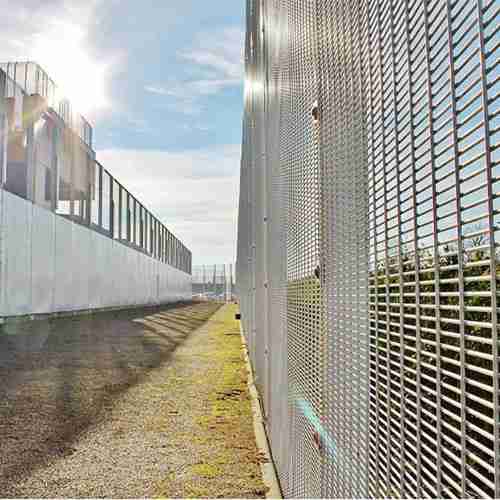
Prison fencing refers to specialized fencing used in and around correctional facilities, such as prisons and detention centers. The primary purpose of prison fencing is to create a secure and controlled boundary to prevent unauthorized access and escape.
These fences are designed to be highly secure and often incorporate features to deter or impede escape attempts. Prison fences are typically tall to make climbing difficult. The height may vary, but it is generally designed to deter inmates from attempting to scale the fence.
The material used for prison fencing is chosen for its durability and strength. Common materials include chain-link, steel, or reinforced mesh. Many prison fences have strands of barbed wire or razor wire along the top to deter climbing or scaling. This provides an additional layer of security.
Some prison fences have additional barriers at ground level, such as a concrete base or an underground mesh, to prevent tunneling. Fences may be designed with features that make it difficult for individuals to climb, such as curved or angled tops.
The design and features of prison fencing may vary based on the specific security needs and requirements of the correctional facility.
2. Specification of prison fencing
Material | Low carbon steel wire, galvanized wire, aluminum wire, stainless steel wire, PVC wire |
Height | 5 ft, 6 ft, 7 ft, 8 ft, 10 ft, 12 ft (height vary based on need) |
Gauge | 9 gauge, 11 gauge |
Length | Vary based on actually need |
Surface treatment | Galvanized, powder coating, PVC coating |
Accessories | Razor wire, barb wire arm, barbed wire. |
3. Types of prison fencing

Prison fencing is designed to provide security and prevent unauthorized access to correctional facilities. Different types of prison fencing are employed based on security needs, budget considerations, and the level of deterrence required. Some common types of prison fencing include.
3.1 Prison Chain Link Fencing
Prison chain link fencing is a type of fencing commonly used in correctional facilities, detention centers, and prisons to secure the perimeter and control access. It is designed to be a strong and durable barrier to prevent unauthorized entry and escape.
The fencing is typically made of galvanized steel, which provides durability and resistance to corrosion. This ensures that the fencing remains effective and secure over time.
The chain-link mesh is woven with small diamond-shaped openings, making it difficult for individuals to climb or cut through. The openings are usually small enough to prevent the passage of hands or objects.
Prison chain-link fencing is often installed at a considerable height to deter climbing or scaling attempts. The height can vary based on the security requirements of the facility.
3.2 Prison Welded Wire Mesh Fencing
Prison welded wire mesh fencing is a type of security fencing designed to enhance the security of prisons and other high-security facilities. It is a robust and durable fencing solution that combines welded wire panels to create a secure barrier.
The mesh panels are typically made of high-quality steel, and the wires are welded at the intersections to provide strength and rigidity. Galvanized steel or coated with anti-corrosive materials to enhance durability and resist rust and corrosion.
The mesh design usually consists of small square or rectangular openings, making it difficult for individuals to climb or cut through the fencing. The tight mesh pattern enhances security by minimizing potential escape points and preventing unauthorized access.
Prison fencing is often designed to be taller and more robust compared to standard fencing. This is to deter any attempts to climb over or breach the barrier. The thickness of the wire used in the mesh panels contributes to the overall strength and resistance of the fencing.
3.3 Prison Anti Climb Fencing
Prison anti climb fencing is a type of security barrier designed to prevent unauthorized access, escape, or climbing over the perimeter of a prison or other secure facility. The goal is to create a formidable barrier that deters escape attempts and enhances overall security.
The fence is typically tall enough to discourage climbing. Heights can vary, but they are often designed to be significantly challenging to scale.
The fencing is constructed in a way that makes it difficult for individuals to climb over. This may include features like curved or angled tops, making it harder for someone to get a grip.
Many prison fences are topped with barbed wire or razor wire to further deter climbing. This adds an additional layer of security and acts as a physical barrier.
The materials used in the construction of anti-climb fencing are chosen for their strength and durability. Common materials include steel, mesh, or other robust materials that resist tampering.
3.4 Prison Concrete Perimeter Walls
Prison concrete perimeter walls are structures built around the exterior of a prison facility to enhance security and prevent unauthorized access. These walls play a crucial role in maintaining the safety and integrity of the prison by deterring escape attempts and unauthorized entry.
The walls are typically tall and thick to discourage climbing and prevent attempts at breaching. Height can vary depending on the specific security requirements of the prison, but it is often designed to make scaling difficult.
Concrete is a common material for prison walls due to its durability and strength. Reinforced concrete is often used to enhance structural integrity. Some walls may include additional features, such as embedded steel bars or mesh, to further reinforce the structure and make it more resistant to tampering.
3.5 Prison Electrified Fencing
The use of electrified fencing in prisons is a security measure designed to enhance perimeter security and deter escape attempts. Electrified fencing typically consists of a barrier that is electrified with a mild electric current.
The goal is to create a deterrent effect rather than to cause harm. The electric shock is meant to discourage individuals from attempting to breach the fence. Electrified fencing serves as a visual and physical deterrent to potential escapees. The presence of electrified fencing signals the high level of security in the area.
The electric current used in prison electrified fencing is generally low and designed to cause discomfort without causing serious harm. The goal is to provide a strong deterrent without posing a significant risk to life.
Electrified fencing is often accompanied by warning signs to alert individuals of the electrified nature of the barrier. These signs may use symbols or text to convey the potential danger.
3.6 Prison Razor Wire Fencing
Prison razor wire fencing is a type of security fencing commonly used in prison facilities and other high-security areas. It is designed to deter and prevent unauthorized access, escape attempts, and intrusions.
Razor wire consists of sharp blades or spikes attached to a high-tensile wire. The sharp blades can be either flat or coiled, forming a barrier that is difficult to breach.
The coils of razor wire are typically installed in a concertina configuration, allowing them to expand and contract. This makes it harder for individuals to manipulate or climb over the fence.
Prison razor wire fencing is installed along the top of existing fences or walls to enhance security measures. The installation is usually done at varying heights and configurations, depending on the specific security needs of the facility.
4. Features of prison fencing

Prison fencing is designed to provide security and control within correctional facilities. The features of prison fencing are aimed at preventing escapes, unauthorized access, and ensuring the safety of both inmates and staff. The following are the characteristics of each type of prison fence.
4.1 Features of prison chain link fencing
Prison chain link fencing is designed to provide a secure perimeter for correctional facilities. The features of chain link fence prison are tailored to meet the unique security requirements of prisons and detention centers. Here are some common features:
Height and Gauge: Prison chain-link fencing is typically taller and of a heavier gauge compared to standard fencing. The increased height helps deter climbing, and the thicker gauge enhances the overall strength and durability of the fence.
Anti-Climb Design: The design of prison chain-link fencing often includes features to prevent climbing. This may include the use of closely spaced wires at the top, barbed wire, or additional deterrents to make scaling difficult.
Razor or Barbed Wire: Many prison fences are equipped with razor wire or barbed wire along the top to discourage any attempts to breach the perimeter. This adds an extra layer of security to the fencing.
Tamper-Proof Fasteners: The fasteners used in prison chain-link fencing are often tamper-proof or resistant to unauthorized removal. This helps prevent attempts to dismantle or compromise the integrity of the fence.
4.2 Features of prison welded wire mesh fencing
Prison welded wire mesh fencing is specifically designed to provide high-security perimeter protection for correctional facilities and other sensitive areas. Here are some key features of prison welded wire mesh fencing:
Rigid Construction: The mesh panels are constructed with high-strength welded wires, creating a rigid and durable structure. This makes it difficult for individuals to breach or manipulate the fence.
Anti-Climb Design: The mesh pattern is designed to prevent climbing, making it challenging for intruders to scale the fence. The small mesh openings and lack of footholds deter attempts to climb over.
Height Options: Prison welded wire mesh fencing is available in various height options to meet specific security requirements. Taller fences are often preferred for enhanced security measures.
Robust Posts and Framing: The fence is supported by sturdy posts and framing, providing additional strength and stability to the overall structure. This makes it more resistant to external forces and tampering.
Anti-Cut Design: The wire mesh is often made from high-strength steel that is resistant to cutting tools. This feature adds an extra layer of security, making it difficult for intruders to create openings in the fence.
4.3 Features of prison anti climb fencing
Prison anti climb fencing is designed to enhance security by preventing unauthorized access and minimizing the risk of escape. The features of such fencing typically include:
Height: Anti climb fences are usually tall to deter individuals from attempting to climb over. Heights can vary, but they are often designed to be difficult to scale.
Top Design: The top of the fence is designed to discourage climbing. Common features include rolled tops, anti-climb spikes, or barbed wire. These elements make it challenging and dangerous for anyone attempting to breach the fence.
Material Strength: The fencing material is typically strong and resistant to cutting or tampering. Common materials include galvanized steel, welded wire mesh, or other sturdy materials that can withstand attempts to damage or cut through.
Mesh Design: The mesh structure of the fence is designed to make it difficult to get a foothold or handhold, reducing the likelihood of climbing. The mesh is often small and tightly spaced.
Anti-Climb Spikes: Anti climb spikes or deterrents may be integrated into the design. These protruding elements make it uncomfortable or dangerous for individuals to attempt to climb over the fence.
Ground Security: The fencing system may have additional features at ground level to prevent digging or tunneling beneath the fence. This can include buried mesh, concrete footings, or other ground reinforcement methods.
4.4 Features of prison concrete perimeter walls
Prison concrete perimeter walls are designed to provide security, deter escape attempts, and ensure the containment of inmates within the facility.
These walls typically have specific features that contribute to their effectiveness in maintaining a secure prison environment. Some common features of prison concrete perimeter walls include:
Thickness: The thickness of the walls is a crucial factor in their strength and resistance to breakouts or breaches. Thicker walls are more difficult to penetrate or damage.
Reinforcement: Steel reinforcement, such as rebar, is often added to the concrete to enhance its structural integrity and resistance to external forces.
Anti-climbing Measures: The design of the walls may include features to prevent climbing, such as smooth surfaces, curved tops, or anti-climb barriers like razor wire or security fencing along the upper edges.
4.5 Features of prison electrified fencing
Electrified fencing used in prisons typically incorporates advanced features to enhance security and deter potential escape attempts. While specific features may vary based on the manufacturer and the type of electrified fencing system, here are some common features found in prison electrified fencing:
Electric Shock Capability: Prison electrified fencing is designed to deliver a powerful electric shock to anyone attempting to climb or breach the fence. The electric shock is often delivered in short pulses, making it more effective at deterring intruders while minimizing the risk of injury.
Zoning and Customization: The fence can be divided into different zones, allowing for selective activation and monitoring based on specific security needs. Some systems allow for the customization of voltage levels in different sections of the fence.
Backup Power Systems: To ensure continuous operation even during power outages, electrified fencing may have battery backup systems. Some systems may have multiple power sources to further enhance reliability.
Anti-Climb Features: Electrified fences may have various configurations at the top, such as angled spikes, to deter climbing. Additional physical barriers may be integrated to make climbing the fence more difficult.
4.6 Features of prison razor wire fencing
Prison razor wire fencing is a type of security fencing commonly used in correctional facilities and high-security areas to prevent unauthorized access and enhance perimeter security. The features of prison razor wire fencing include:
Razor Blades: The fence is equipped with sharp, pointed razor blades or barbs, which act as a deterrent and provide a high level of security. These blades are designed to cause injury to anyone attempting to climb or breach the fence.
High Tensile Strength: Razor wire is typically made from high-tensile steel, which enhances its strength and durability. This ensures that the fence is difficult to cut or tamper with using conventional tools.
Concertina Configuration: The razor wire is often arranged in a concertina or spiral configuration, allowing it to expand and contract. This design makes it more challenging for intruders to navigate through or over the fence without sustaining injuries.
Multiple Barbs: Razor wire fencing features multiple sharp barbs along its length, making it even more formidable for those attempting to climb or breach the barrier.
Galvanized or Stainless Steel Construction: To resist corrosion and ensure a long lifespan, prison razor wire is often constructed from galvanized or stainless steel. This helps maintain the integrity of the fence in various weather conditions.
Installation on Various Surfaces: Razor wire can be installed on various surfaces, including chain-link fences, walls, and other structures. This flexibility allows it to be adapted to different security needs and configurations.
5. Is prison fencing electrified?
Prison security measures can vary widely, and not all prison fencing is electrified. The use of electrified fences is one security option that some prisons may employ to deter and prevent escapes.
These fences typically have a low-level electric current running through them to discourage individuals from attempting to climb or cut through the fence.
6. Does the prison fencing break easily?
The durability of prison fencing depends on various factors, including the materials used, construction quality, and maintenance. Generally, prison fences are designed to be sturdy and difficult to break through. They are often made of materials like steel or other strong alloys to deter escape attempts.
Modern prison wire fences may incorporate additional features such as razor wire, sensors, and electronic surveillance systems to enhance security. The goal is to create a barrier that is not easily breached and to deter individuals from attempting to escape.
While no fence is completely impervious, prison authorities take measures to minimize the risk of breakage or tampering. Routine maintenance and inspections are typically carried out to identify and address any weaknesses or vulnerabilities in the fence structure.
7. Applications of prison fencing

Prison fencing serves a crucial role in the design and construction of correctional facilities. The primary purpose of prison fencing is to enhance security and control by preventing unauthorized entry and escape. Here are some key applications of prison fencing:
7.1 Perimeter Security
The presence of a secure prison fence acts as a deterrent, dissuading potential escapees or unauthorized individuals from attempting to breach the facility’s perimeter. Fencing helps in controlling and restricting access to the correctional facility, ensuring that only authorized personnel enter the premises.
7.2 Inmate Containment
The primary function of prison fence is to prevent inmates from escaping the facility. Fences are often designed to be difficult to climb or breach, making it challenging for inmates to escape.
Fence also helps in maintaining the safety of inmates by preventing unauthorized individuals from entering their living areas.
7.3 Contraband Control
The barbed wire prison fence system contributes to controlling access points, making it more difficult for individuals to pass contraband items, such as weapons or drugs, into or out of the facility.
Fences may be equipped with surveillance technologies like cameras and sensors to monitor and detect any suspicious activities along the perimeter.
7.4 Facility Segregation
Prison fencing can be used to divide the correctional facility into different zones with varying levels of security clearance. This helps in managing and segregating inmates based on their security classification.
7.5 Security Enhancements
Modern prison fencing often integrates electronic monitoring systems, such as motion detectors, alarms, and CCTV cameras, to provide real-time information about potential security breaches.
Fences are designed with features like anti-climb barriers, razor wire, or electrification to discourage and prevent attempts to breach the perimeter.
7.6 Regulatory Compliance
Prison fencing must comply with relevant regulations and standards to ensure the facility meets the required security levels and safety measures.
8. Conclusion
The conclusion regarding prison fencing involves recognizing both its advantages and potential drawbacks.
It acts as a physical barrier to prevent unauthorized access, escape attempts, and the smuggling of contraband. Additionally, it helps in maintaining order and safety within the prison environment by deterring potential intruders.
In conclusion, the effectiveness of prison fencing largely depends on finding a balance between security needs and maintaining humane and rehabilitative environment. Integrating modern technologies and considering alternative approaches may contribute to more comprehensive and nuanced prison security strategy.
