1.Introducing Municipal Fencing

Municipal Fencing serve various purposes in urban areas. These fences are commonly applied for security, aesthetic reasons. They can delineate property boundaries, enhance the appearance of public spaces, provide safety by restricting access to certain areas.
Fencing are manufactured from materials like wood, metal, or vinyl,their design can vary based on the intended function and surrounding environment. Municipal fencing offers security, privacy, contributing to the overall aesthetics of city or town.
Table of Contents
2.The Types of Municipal Fencing
The types of municipal fencing can vary based on regulations and requirements set by local authorities. Municipal fencing often includes regulations on materials, height, location, and maintenance. These regulations aim to ensure safety, property aesthetics, neighborhood harmony.
Municipal fencing can come in a variety of styles, materials, sizes depending on the specific needs of community. Some of the most common types of municipal fencing include.
2.1 Chain Link Fences
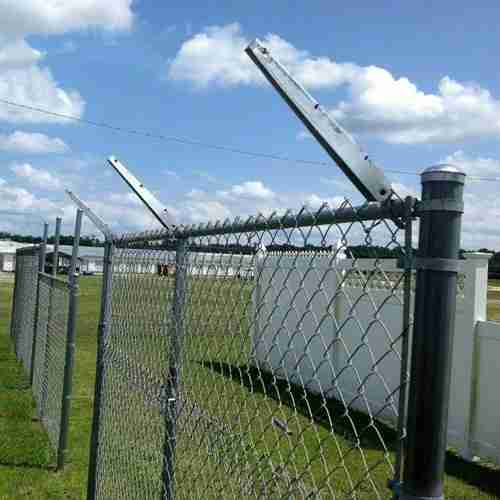
Chain fencing is popular choice for municipal applications, because its affordability and low maintenance requirements. They are composed of galvanized steel wire, and woven into diamond pattern,they have high level of safety and visibility.
Chain link fences has some features include durable, resistant to weather, making them ideal for outdoor applications. Chain fencing is cheaper than other fences, making it cost-effective option for municipal applications.
Chain fences don’t need to be painted or dyed, it can use a hose to clean, so they require little maintenance.
2.2 Vinyl Fences
Vinyl fences are a popular alternative to wood or chain link fences for municipal applications. They are made of polyvinyl chloride (PVC),they have a variety of styles, including privacy and semi-privacy.
Vinyl fences have some advantages,include resistant to weathering, fading, pests. Vinyl fences can last for decades with installation and maintenance. Vinyl fences have traditional picket fences and modern privacy fences, DEZE can custom the fence to match the surrounding architecture.
While vinyl fences have a variety of styles, but they select a range of color is limited. In very cold temperatures, vinyl fences can become brittle and crack.
2.3 Wood Fences
Due to their natural beauty and versatility, wood fences are traditional choice for municipal applications, . They can be made from a variety of wood, including cedar, pine, redwood, It can use picket fences to privacy fences.
Because their natural beauty and ability to blend in with the surrounding landscape, usually select wood fences. To match the surrounding architecture, can custom wood fences. Wood fences are less expensive than other types of fencing, making them a cost-effective option for some municipal applications.
2.4 Ornamental Iron Fences
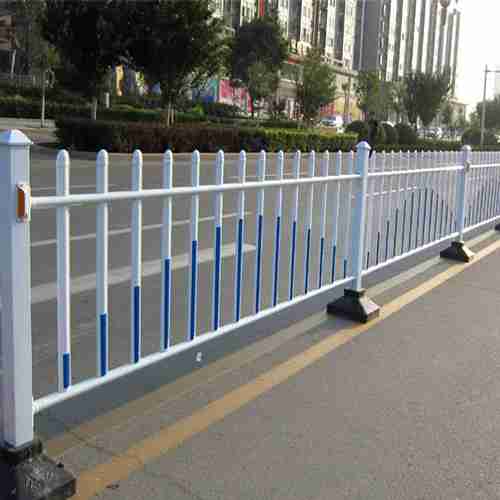
Ornamental iron fences are elegant and decorative option for municipal applications, it provide security and durability. They are made of wrought iron or aluminum, have many styles like traditional and modern.
Select ornamental iron fences often due to their decorative value, as they can add a sophisticated and elegant look to a property. Fences are durable, if proper installation and maintenance, it can last for decades with.
Ornamental iron fences require very little maintenance, they are resistant to weathering, fading, and pests.
2.5 Concrete Fences
Concrete fences are a durable and long-lasting option for municipal applications that provide privacy and security. They are manufactured of reinforced concrete, have some styles like decorative options, it can mimic the look of wood or stone.
Concrete fences are very strong and resistant to weathering, rot, and pests, it is ideal for outdoor applications. Concrete fences provide a high level of security, they are difficult to climb and break through. Concrete fences can cleaned with hose easily , so require very little maintenance.
Each type of municipal fencing has unique advantages and disadvantages. It’s important to consider factors like cost, durability, maintenance, and aesthetic appeal when choosing a fence for a municipal setting.
3.The Surface Treatment of Municipal Fencing
The surface treatment of municipal fencing is different, common options include PVC coating and powder coating. PVC coating is a cost-effective solution that is fire-retardant, highly resistant to corrosion, suitable for various metal features like wire mesh and grilles.
Powder coating provides thick and durable protection layer for metal surfaces, offering triple resistance protection and customization in finishes. Powder coating is more environmentally friendly than PVC coating, it can be recycled.
In durability and appearance, The surface treatment of Municipal Fencing is important. The most common surface treatments for Municipal Fencing include.
3.1 Galvanizing
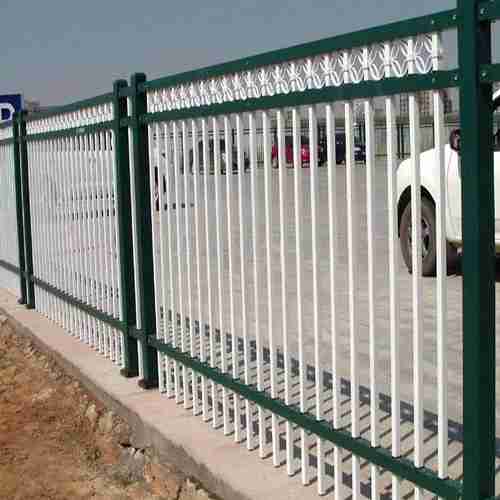
Galvanizing is applying a protective zinc coating to steel or iron, Thus preventing the rusting. Hot-dip galvanizing is the most common method, The process involves immersing the parts in a hot bath of molten zinc. This process creates a thick, robust zinc iron alloys layer on the surface of steel item, providing long-lasting corrosion protection.
Galvanized steel is widely used in various applications like construction, transport, and power transmission due to its excellent corrosion resistance and durability.
3.2 Powder Coating
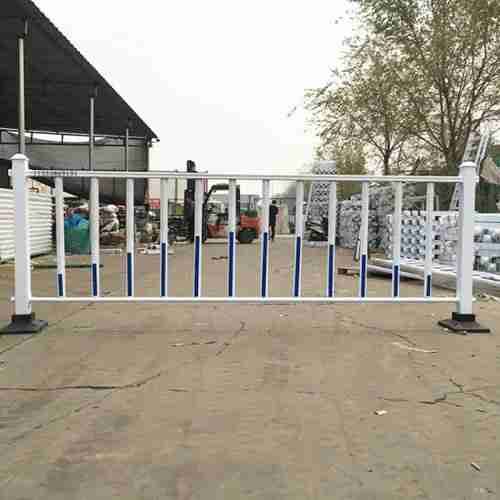
This is a dry powder applied to the surface of the fence, then heated to create a hard, durable coating. Powder-coated fences have a variety of colors and are highly resistant to corrosion.
Powder coating is a dry powder fuses to the surface of metal through an electric charge and is then cured in an oven to create durable finish, it’s a dry finishing process. This method does not involve a liquid carrier, allowing for thicker coatings without running or sagging.
It is commonly used to achieve specific color matches on various substrates like steel, copper, and aluminum, providing tough architectural finish suitable for both internal and external applications. Powder coating offers advantages like durability and minimal appearance differences between horizontally and vertically coated surfaces.
3.3 Painting
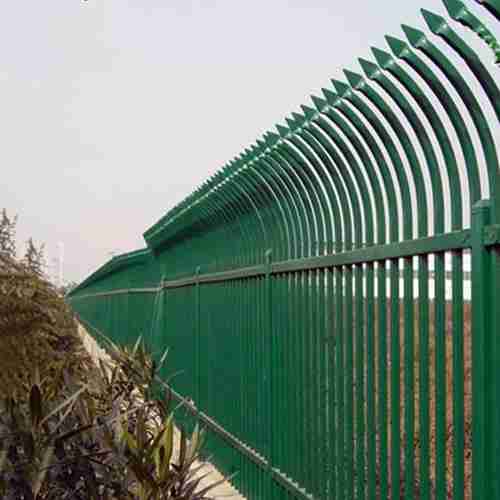
Wooden fences common surface treatment method is painting. Before being painted with a high-quality exterior paint, the wood is sanded and primed. This helps to protect wood from the elements, make it lifespan prolong.
3.4 Anodizing
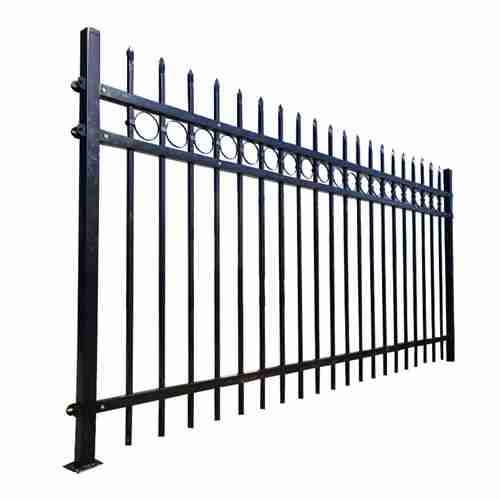
The process of anodizing is the thickening of the natural oxide layer on the surface of metal parts into an anodized oxide film. The process involves immersing the metal in an electrolyte, then protective layer of alumina is built over the surface of the part.
Anodizing aluminum and other metals offers benefits like enhanced durability, aesthetics, health and safety, and cost-effectiveness.
There are different types of anodizing, incorporating Type I, Type II, and Type III (hard anodizing), each with specific characteristics and applications. Anodized metals are used in various industries like construction, aerospace, consumer goods due to their corrosion resistance, wear resistance, aesthetic appeal.
4.The Role and Influence of Municipal Fencing
Municipal fencing plays a crucial role in various aspects of urban planning and community welfare. Fences are used for property delineation, serve important functions related to safety, aesthetics,privacy within neighborhoods.
To ensure fence align with community standards and safety considerations, Municipal regulations often govern height, materials, and design of fences.
These regulations aim to balance the rights of property owners with the public interest, promoting harmonious neighborhood interactions, addressing concerns seem vision clearance at intersections and potential hazards to drivers and pedestrians.
Municipal fencing have a significant influence on the surrounding environment. Some of key roles and influences of municipal fencing include:
Safety: Municipal fencing can help to create safe environments by separating pedestrians and vehicles from potential hazards, seem busy roads or construction sites. Fences can be applied to secure public spaces and prevent unauthorized access.
Security: Fences can provide a level of security, keeping people and property safe from theft, vandalism, other criminal activity. This is particularly important in high crime areas or in places where valuable equipment or materials are stored.
Aesthetics: Municipal fencing’s design can enhance the aesthetic appeal of public spaces. They can create attractive boundaries around parks, gardens, and other public areas. To match the surrounding environment, it can be painted or decorated.
Noise Reduction: Certain types of municipal fencing like concrete or vinyl, can be effective at reducing noise pollution. It is important in urban areas with heavy traffic or other sources of noise.
Property Value: For what property values in the surrounding area, well-designed and maintained municipal fencing can have a positive influence. They can create attractive boundaries between properties, provide a sense of privacy for residents.
Municipal fencing is important in creating safe, secure, and aesthetically pleasing environments in communities. They can have a significant influence on the surrounding environment.
5.The Design of Municipal Fencing

The design of municipal fencing is regulated by specific standards and guidelines. These regulations cover aspects such as materials, height, maintenance, and aesthetic considerations.
For example, in Pinole, California, fencing along public frontages of non-residential, multi-family projects should be open view unless solid fencing is required for noise attenuation. Materials like masonry, wood, tubular steel, or stone are recommended, while certain materials like sheet steel or corrugated iron are prohibited.
The design of municipal fencing can vary depending on the specific needs of community. Here are some factors to consider when designing municipal fencing:
Purpose: The purpose of municipal fencing design is multifaceted, aiming to balance individual property rights with community interests. Municipal fencing regulations are established to ensure safety, aesthetics,harmony within neighborhoods.
To prevent hazards, maintain neighborhood cohesion, and uphold property values, These regulations setting the type, height, placement of fences. Considering the impact on neighbors and the community at large, municipal fencing design serves to address various needs like privacy, security, property delineation, .
Material: The material of the fence will play a role in its design. Common materials for municipal fencings include wood, vinyl, chain link, wrought iron. The design should in consideration of account durability, maintenance requirements,aesthetic appeal of each material.
Permitted fence materials include wood, metal, polyvinyl chloride (PVC), and masonry. Fences cannot be constructed of barbed wire, razor wire, woven wire mesh, rope, cable, railroad ties, landscape timbers or utility poles. Fences may not be electrified. All wood fences must be painted or stained, except for decay-resistant species like redwood or cedar.
For residential fencing, a variety of modern materials are available beyond just wood, incorporate vinyl, composite, and aluminum. These can be combined in unique designs to create a customized look. Hardwoods like Teak, Mangaris, and Ipe are options for high-end fencing, though they require more structural support.
Height: The height of municipal fencing design can vary based on specific regulations and local codes. municipal facilities like parks and pools may have fences ranging from 4 to 6 feet high for safety purposes, aiming to keep children safe and prevent trespassers. The exact height can be subject to local codes and regulations.
Style: The style of the fence can influence its design. Municipal fencing can be designed to match architectural style of surrounding buildings or to create a unique aesthetic statement. The style of Municipal Fencing design can vary depending on the specific needs and aesthetics of the area.
Some popular styles include modern black horizontal slats, slatted wood fences, solid concrete walls, vertical timber fences, brick and metal interchange, etched metal fence doors, bamboo privacy fences etc. Each style offers a unique look and functionality to enhance the overall design of municipal fencing.
Color: The important design consideration is the color of fence. To match the surrounding environment or to create a distinctive look, they can be painted or stained .
Gate Design: The design of fence’s gates should be considered.design it can match the style of the fence, provide easy access for pedestrians and vehicles.
The design of municipal fencing should in view of account its purpose, material, height, style, color, and gate design.By considering these factors, well-designed municipal fencing can enhance the safety, security, and aesthetic appeal of public spaces in community.
6.The Typical Applications of Municipal Fencing
The typical applications of municipal fencing include securing the perimeter of sports fields, parks, buildings, equipment, vehicles, other property,can protect against theft, damage, and vandalism.
Municipal fencing establishes clear boundaries for parks and sports facilities, serving as the initial line of defense against intrusion, threats, trespassing. These fences are crucial for enhancing aesthetics, functionality, and security of parks and recreational facilities, and municipal and government installations.
Municipal fencing have a wide range of applications in communities and can be used for various purposes. Some of the most common applications of Municipal Fencing include:
Parks and Recreational Areas: Municipal fencing can be used to enclose parks, playgrounds, and other recreational areas to ensure the safety of children and prevent unauthorized access.
Schools: Fences around schools can help to keep students safe and secure by preventing unauthorized and providing a physical barrier between students and busy roads.
School fencing serves as deterrent to unauthorized access, helps prevent incidents like trespassing and vandalism, and contributes to emergency preparedness by aiding in evacuation procedures. It plays a role in creating a secure learning environment and can impact psychological well-being of students, staff, and parents.
Public Buildings: Municipal fencing can be used to secure public buildings like city halls, libraries, and community centers from unauthorized access or vandalism.
The regulations for fencing around public buildings in various municipalities like Chicago, Moline, and Rockford have specific requirements to ensure safety, aesthetics, and compliance with local ordinances.
In Chicago, a building permit is generally not required for fences that meet certain criteria, such as being no more than 5 feet above the ground and conforming to zoning ordinances. Moline, IL, allows fences up to 6 feet tall without a permit but with specific height limitations for different areas of the property and materials that must be durable and weather-resistant.
Rockford, IL, mandates that all fences require a permit from the Construction and Development Division, with detailed plans needed for approval and specific guidelines on materials and height restrictions. These regulations aim to maintain the visual appeal of neighborhoods, ensure safety, and adhere to zoning laws.
Sports Venues: Fences around sports venues like baseball fields, soccer fields, and tennis courts can help to keep players and spectators safe and prevent unauthorized access.
Different types of fencing, such as chain link, mesh panel, palisade, steel, aluminum, wooden, and masonry/brick fences, are commonly used to secure these areas. Fencing not only defines boundaries but also enhances security, protects against theft/vandalism, and contributes to the overall aesthetics of parks, recreation areas, and sports fields.
In sports venues like football stadiums, tennis courts, and baseball fields, fencing serves various purposes including crowd control, defining playing areas, ensuring player and spectator safety, and providing security measures.
For instance, in baseball fields, the outfield fence is typically 6 feet high with colored tubing to help players judge fly balls accurately. Tennis court fences are around 10 feet tall with smaller mesh to contain balls. The choice of fencing type and features depends on specific sport requirements and safety considerations.
Highways and Roads: Fences along highways and roads can help to prevent accidents by separating pedestrians and vehicles.
Fencing is required between frontage roads and adjacent parking or pedestrian areas (such as rest areas and bus stops) and highway lanes or ramps, unless other barriers are used to discourage access violations.
On new highway alignments, fencing is not typically provided between the frontage road and abutting private property, unless the property was enclosed prior to highway construction.
Fencing is mandatory on highways with full and partial limited access control, unless it has been established that fencing can be deferred.
Fencing is not required for managed access highways, but the cost of replacing fences destroyed by highway construction may be included in right-of-way payments. Fencing may be required at special sites like pits, stockpiles, and stormwater detention facilities, especially if there are safety concerns like the presence of children or steep slopes.
Construction Sites: Fences around construction sites can help to prevent accidents by keeping pedestrians and vehicles away from the construction area.
Construction sites are required to have fencing to protect the public and workers, meeting specific regulations. The NYC Construction Code mandates temporary construction fences to enclose sites of new buildings, demolition areas, or open excavations.
OSHA regulations emphasize using fencing to ensure safety, provide means of egress, and separate the public from construction areas. Local ordinances often require barriers between construction sites and the public, with specific height and material requirements based on the project type.
Municipalities like Newport Beach enforce construction site fencing to safeguard adjacent properties, restrict public access, and maintain neighborhood aesthetics.
Parking Lots: Fences around parking lots can help to prevent theft and vandalism by providing a physical barrier between vehicles and potential thieves.
Municipal fencing are used to enhance safety, security, and privacy in public spaces. They can be designed to meet the specific needs of communities and can play an important role in creating attractive, functional, and safe environments for residents.
7.Install Process of Municipal Fencing
The installation process of municipal fencing is similar to other types of fences, but it may involve additional steps depending on the specific needs of the community. Here are the typical steps involved in installing a municipal fencing:
Planning: The first step in installing a municipal fencing is to plan the project. This includes determining the purpose of the fence, the materials to be used, the height and length of the fence, and any necessary permits or approvals.
Site Preparation: The site where the fence will be installed needs to be cleared of any obstructions, such as trees or bushes. The ground may also need to be leveled or graded to ensure that the fence is installed correctly.
Marking the Fence Line: The fence line should be marked using stakes and string to ensure that the fence is installed in a straight line. The location of gates and other features should also be marked.
Installing Posts: The posts are usually installed first, and they should be set in concrete footings to ensure stability. The posts are spaced according to the design specifications, and they are typically set in place using a post hole digger.
Installing Rails: The rails are attached to the posts using brackets or other hardware. The rails provide support for the fence panels.
Installing Fence Panels: The fence panels are installed between the rails and attached using screws or other hardware. The panels should be level and evenly spaced.
Installing Gates: Gates are installed last and should be designed to match the style of the fence. The gate posts are installed in the same manner as the fence posts, and the gate is attached using hinges and latches.
Clean-up: Once the fence is installed, any debris or excess materials should be removed from the site, and the area should be cleaned up. Overall, the installation process for a Municipal Fencing requires careful planning and attention to detail.
By following these steps, a well-designed and functional fence can be installed to enhance the safety, security, and aesthetic appeal of public spaces in a community.
8.Factors to Consider Before Installing Municipal Fencing
There are several factors to consider before installing a Municipal Fencing to ensure that the project is successful and meets the community’s needs. Here are some key factors to consider:
Purpose: The first factor to consider is the purpose of the fence. It will be used for safety, security, or aesthetic purposes. Determining the purpose of the fence will help to guide the design and installation process.
Material: The material of the fence will also be an important consideration. Different materials have different levels of durability, maintenance requirements, and aesthetic appeal. Common materials for municipal fencing include wood, vinyl, chain link, and wrought iron.
Design: The design of the fence should be carefully considered to ensure that it meets the needs of the community. The fence should be designed to match the surrounding environment and to provide the necessary level of safety or security.
Height: The height of the fence should be appropriate for its purpose. A fence used for safety or security may need to be taller than one used for aesthetic purposes. The height may also be regulated by local building codes.
Permits and Approvals: Depending on the location and purpose of the fence, permits and approvals may be required from local authorities. It’s important to obtain these permits and approvals before beginning the installation process.
Budget: The budget for the fence should be carefully considered to ensure that the project is feasible. The cost of the fence will depend on factors such as the material, design, and size.
Maintenance: The maintenance requirements of the fence should also be considered. Some materials require more maintenance than others, and regular maintenance will be necessary to ensure that the fence remains in good condition.
By considering these factors before installing a municipal fencing, the project can be planned and executed successfully to meet the needs of the community.
9.Maintain Municipal Fencing

Maintaining a municipal fencing is essential to ensure its longevity and effectiveness in providing safety, security, and aesthetic appeal to a community. Here are some tips for maintaining a municipal fencing:
Regular Cleaning: Regular cleaning is important for removing dirt, debris, and other materials that can accumulate on the fence over time. This can be done using a garden hose or pressure washer.
Regular cleaning of municipal fencing involves keeping the fences in good order and repair, ensuring they are free from discoloration, staining, or peeling. The surfaces of the fence should be cleaned or repainted if a certain percentage of the surface is stained, discolored, or if paint is peeling off.
Additionally, any broken or damaged parts of the fence should be promptly replaced to maintain its structural integrity.
Moreover, when cleaning municipal fencing, it’s crucial to use appropriate pressure levels to avoid damage. For wood fencing, it’s recommended not to use pressure higher than 1500-2000 PSI and to clean stains promptly to prevent them from becoming more challenging to remove.
By following these maintenance tips and promptly addressing any repairs or cleaning needs, municipal fencing can be kept in optimal condition, enhancing the overall appearance and longevity of the fences.
Inspection: Regular inspections of the fence should be conducted to identify any damage or wear and tear. Any issues should be addressed promptly to prevent further damage.
Municipal fencing inspections vary based on location and regulations. In Georgetown, Texas, a Fence Permit is required for new fences, with specific materials allowed and height restrictions based on zoning.
Flower Mound, Texas, mandates inspections for fences exceeding certain heights in different zones, with visibility requirements for intersections. Beverly, Massachusetts, requires a building permit for fences over 7 feet and recommends neighbor approval for fences over 6 feet.
Philadelphia, Pennsylvania, enforces permits for fences taller than 6 feet and provides detailed fee structures for different types of fencing permits.
Long Beach, California, stipulates that fences over 6 feet 6 inches or walls over 4 feet require engineered drawings and line surveys for commercial properties. Each municipality has its own specific rules and inspection processes for municipal fencing.
Repairs: Repairs should be made as soon as possible to prevent further damage to the fence. This may include replacing damaged panels, repairing broken hardware, or fixing bent posts.
When it comes to repairing a fence on a property line, responsibility is typically determined by where the fence is located. If the fence is on your side of the property line, you own it; if it’s on your neighbor’s side, they own it.
To prevent fencing issues with neighbors, communication is key. Discussing updates or repairs with your neighbor beforehand can help avoid disputes. In some cases, local ordinances may require a permit for fence repairs, especially if more than 8 linear feet of fencing is involved.
Painting or Staining: If the fence is made of wood, it may need to be painted or stained periodically to protect it from the elements. This can help to prevent rot, decay, and other damage.
When deciding between painting or staining municipal fencing, both options have their pros and cons to consider. Painting a fence provides more longevity by shielding the wood from outdoor elements, covering imperfections, and offering customization options.
On the other hand, staining a fence can preserve or enhance its natural looks, allowing the wood grain to show through and providing a rustic appearance. Stain works to slow the aging process, offers various tones and opacities, and is generally long-lasting.
Ultimately, the choice between painting and staining municipal fencing depends on factors like desired aesthetics, maintenance preferences, and the specific characteristics of the wood used in the fence. Each option has its benefits and drawbacks that should be carefully considered before making a decision.
Lubrication: If the fence has hinges or other moving parts, they may need to be lubricated periodically to ensure smooth operation and prevent rust.
Weed Control: Weeds and other vegetation can grow around the fence, which can cause damage over time. Regular weed control can help to prevent this.
Snow and Ice Removal: In areas with heavy snow and ice, it’s important to remove them from the fence to prevent damage from the weight.
By following these tips, a Municipal Fencing can be properly maintained to ensure its longevity and effectiveness in providing safety, security, and aesthetic appeal to a community.
10.Frequently Asked Question About Municipal Fencing
10.1 What is the best material for a municipal fencing?
The best material for a municipal fencing will depend on the specific needs of the community. Some of the most common materials for municipal fencing include:
Chain Link: Chain link fences are made of steel wires woven together in a diamond pattern. They are durable, easy to install, and offer a high level of security.
Vinyl: Vinyl fences are made of PVC material and come in a variety of colors. They are low maintenance, durable, and attractive.
Wood: Wood fences are a classic choice for municipal fencing. They can be made from various types of wood and can be stained or painted to match the surrounding environment.
Ornamental Iron: Ornamental iron fences are made of wrought iron or aluminum and are often used in historic districts or areas with a more upscale look.
They provide a high level of security and durability. The best material for a Municipal Fencing will depend on factors such as the purpose, budget, and aesthetic appeal. It’s important to consider the advantages and disadvantages of each material before making a decision.
10.2 How tall should a municipal fencing be?
The height of a municipal fencing can vary depending on the specific regulations of the municipality in question. In some areas, there may be no specific height requirements, while in others, the height may be limited to a certain number of feet or meters.
10.3 How long does a municipal fencing last?
The lifespan of a municipal fencing depends on several factors, including the materials used in its construction, the level of maintenance performed on the fence, and the local climate. For example, a fence made of durable materials such as metal or vinyl and maintained regularly can last for several decades.
A fence made of wood may last around 15-20 years with proper maintenance, but could deteriorate more quickly in areas with high humidity, heavy rainfall, or extreme temperature fluctuations. It’s important to consult with a fencing professional who can advise you on the best materials and maintenance practices for a long-lasting municipal fencing.
10.4 Do I need a permit to install a municipal fencing?
In most cases, yes, you will need a permit to install a municipal fencing. The specific requirements for obtaining a permit can vary depending on the regulations of your local government. Generally, the permit application process will involve submitting detailed plans for the fence, including its height, location, and materials, and paying a fee.
Some municipalities may require a survey of the property, notification of neighbors, and inspection of the fence after it is installed. It’s best to check with your local government or zoning board to determine the specific permit requirements for a Municipal Fencing in your area.
10.5 How often should a municipal fencing be inspected?
The frequency of municipal fencing inspections can vary depending on several factors, such as the materials used in the fence’s construction, the age of the fence, and local regulations. In general, it’s a good idea to inspect your Municipal Fencing at least once a year to check for any signs of damage or wear and tear.
If your area experiences severe weather conditions such as high winds or heavy snowfall, it’s a good idea to inspect the fence after the event to ensure that it is still secure and in good condition. If you notice any damage during an inspection, it’s important to have it repaired as soon as possible to prevent further damage and maintain the safety of the fence.
10.6 How much does it cost to install a municipal fencing?
The cost of installing a municipal fencing can vary widely depending on several factors, such as the materials used, the size and length of the fence, and the complexity of the installation process. For example, a fence made of wood may cost less than a fence made of vinyl or metal, but require more maintenance over time.
The cost may be affected by factors such as the terrain, the need for excavation or removal of existing fencing, and the amount of labor required to complete the installation. It’s best to consult with a professional fencing contractor who can provide an estimate based on your specific needs and requirements.
11.Conclusion
In conclusion, a municipal fencing can be an important investment for ensuring the safety, security, and privacy of public spaces. The specific regulations and requirements for installing and maintaining a Municipal Fencing can vary depending on the local government and zoning board.
It’s important to consult with professionals who can advise on the best materials, installation methods, and maintenance practices to ensure that the fence is long-lasting, safe, and attractive.
While the cost of installing a Municipal Fencing can vary depending on several factors, it can provide many benefits to the community, including improved safety and security, increased privacy, and enhanced aesthetics.