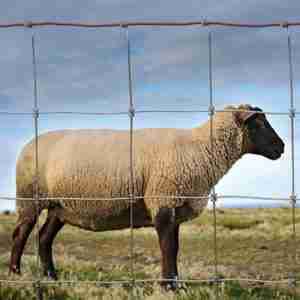
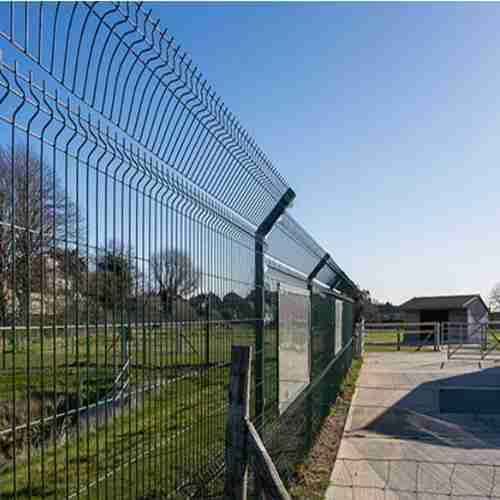
Simple and Natural:The Sense of Freedom of Farm & Agricultural Fencing

Table of Contents

1. Introduce for farm & agricultural fencing

farm & agricultural fencing

Farm and agricultural fencing plays a crucial role in securing and managing rural landscapes, serving multiple purposes that contribute to the overall success of farming operations. This type of fencing is designed to meet the unique needs of agricultural settings, providing a range of benefits for farmers and landowners.

Farm fencing serves as a primary line of defense, protecting crops, livestock, and property from external threats. It helps prevent unauthorized access, theft, and vandalism, safeguarding valuable assets and ensuring the security of the agricultural environment.

Fencing can support various agricultural infrastructure needs, such as creating pens, chutes, or enclosures for handling and loading livestock. It also assists in organizing farm layouts and facilitating efficient workflows.

2. Types of farm & agricultural fencing

Farm and agricultural fencing serves various purposes, including protecting crops and livestock, delineating property boundaries, and enhancing overall security.

The choice of fencing depends on factors such as the type of livestock, the size of the farm, and specific requirements. Here are some common types of farm and agricultural fencing.

2.1 Field Fencing

25p11 heavy gauge field fence

Field fencing is an essential component of farm and agricultural infrastructure, serving various purposes such as containing livestock, protecting crops, and delineating property boundaries.

The choice of field fencing depends on the specific needs of the farm, the type of livestock, and the local climate. Here are some common types of field fencing used in agriculture.

2.1.1 Hinge Knot Fences

Hinged knot fences may refer to fences that use a hinged knot design for increased flexibility and durability. The hinged knots allow the fence to absorb impact and pressure without breaking easily. These types of fences are commonly used in agricultural settings to contain livestock.

Wire hinge knot fences typically involve the use of a specific type of knot, often called the hinge joint or hinge knot, to join the vertical and horizontal wires in the fence. This design provides flexibility, allowing the fence to withstand movement and pressure without compromising its integrity.

2.1.2 Fixed Knot Fences

6 ft fixed knot fence

Fixed knot fences are a type of fencing commonly used for agricultural and rural applications. These fences are designed to be strong, durable, and provide effective containment for livestock while also preventing wildlife, especially deer, from entering or damaging crops.

The fixed knot design is a type of woven knot that securely holds the horizontal and vertical wires together, providing a strong and stable structure. This design allows the fence to maintain its integrity even if one or more wires are broken.

Fixed knot fences are often made with high-tensile wire, which is stronger than traditional low-carbon wire. This increased tensile strength enhances the overall durability and longevity of the fence.

2.2 Welded Wire Fencing

welded wire fencing panels

Welded wire fencing is a popular choice for farm and agricultural fencing due to its durability, strength, and versatility. It is made by welding individual wires together to create a sturdy mesh pattern.

This type of fencing is commonly used for various purposes on farms, including livestock containment, crop protection, and property demarcation.

Welded wire fencing is typically made from galvanized steel, which provides corrosion resistance and ensures a long lifespan. Galvanized steel is suitable for outdoor use and can withstand exposure to the elements.

The mesh size of the welded wire fence should be chosen based on the specific requirements of your farm. Smaller mesh sizes are suitable for containing smaller animals, while larger mesh sizes may be used for larger livestock or for general perimeter fencing.

2.3 Chain Link Fencing

galvanized iron chain link fencing


Chain link fencing is a popular choice for farm and agricultural fencing due to its durability, versatility, and cost-effectiveness. It provides a secure barrier for various purposes on farms, ranches, and agricultural properties.

Chain link fencing is known for its durability and can withstand harsh weather conditions, making it suitable for agricultural environments. It is resistant to rust and corrosion, especially if it is galvanized or coated with a protective layer.

Chain link fencing is versatile and can be used for various applications on the farm, including securing livestock, marking boundaries, and protecting crops. It can be installed in different heights and configurations to suit specific needs.

Chain-link fencing is generally more cost-effective compared to some other types of fencing materials. This makes it a practical choice for large agricultural areas where extensive fencing is needed.

2.4 Barbed Wire Fencing
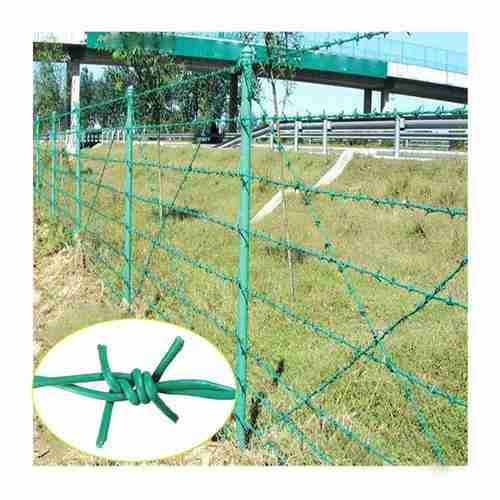
green barbed wire fencing

Barbed wire fencing is a type of fencing that includes sharp, pointed barbs along the strands of wire. It is commonly used for various purposes, including perimeter security, livestock containment, and boundary demarcation.

The barbs on the wire are designed to deter and prevent unauthorized entry or climbing over the fence. Barbed wire fences typically consist of multiple strands of wire stretched between posts. The wire is twisted to form barbs at regular intervals along its length.

Barbed wire fences are commonly used for security purposes, deterring intruders from attempting to breach a property. The sharp barbs can cause injury to anyone trying to climb or crawl through the fence.

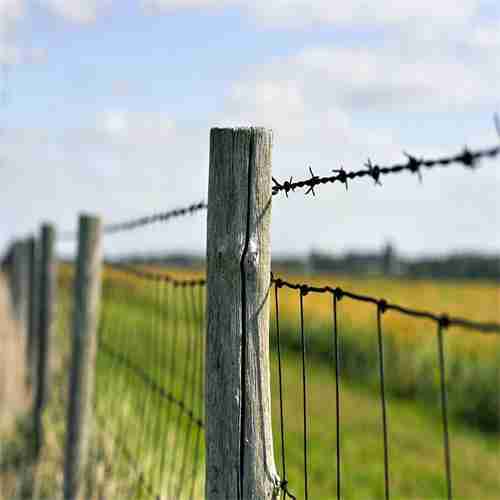
3. The importance of fencing for farm & agricultural fencing

barbed wire agricultural fencing

Fencing plays a crucial role in farm and agricultural settings, providing various benefits that contribute to the overall success and sustainability of farming operations. Here are some key reasons highlighting the importance of fencing in agriculture.

3.1 Security and Protection

Fencing helps to secure the perimeter of the farm or agricultural land, deterring trespassers, thieves, and predators from entering the premises. It helps to protect valuable assets such as livestock, crops, equipment, and machinery.

Fencing is essential for managing livestock by creating designated grazing areas, separating different animal species, and controlling their movement. Proper fencing prevents livestock from wandering onto roads, neighboring properties, or into areas where they could cause damage or harm.

Fencing safeguards crops from wildlife, such as deer, rabbits, and other pests, that may otherwise feed on or trample the plants. It can also protect crops from domestic animals like cattle or horses that might inadvertently damage them.

3.2 Biosecurity

Biosecurity measures are critical for maintaining the health and safety of farm animals, crops, and the surrounding environment. Fencing plays a crucial role in implementing biosecurity protocols on farms and in agricultural settings.

Fencing provides a physical barrier that helps contain farm animals within designated areas. This containment reduces the risk of animals coming into contact with potentially harmful substances or pathogens from outside sources.

Fencing helps prevent the entry of wild animals, pests, and unauthorized individuals onto the farm premises. This reduces the risk of introducing diseases, parasites, or contaminants that could harm livestock, crops, or humans.

In agricultural settings, fencing can safeguard crops from wildlife damage, such as browsing, trampling, or contamination from feces. This protection is vital for maintaining the quality and yield of crops, which contributes to overall farm productivity and profitability.

3.3 Property Boundaries

Property boundaries are essential for delineating ownership and ensuring the efficient management of land, especially in farm and agricultural settings.

Fencing provides a physical barrier that helps to keep unwanted intruders, such as trespassers, animals, or thieves, out of the property. This is particularly important in agricultural areas where valuable crops, livestock, or equipment are present.

3.4 Wildlife Management

Fencing helps control wildlife access to crops, minimizing damage caused by deer, rabbits, and other animals. This is especially important in areas where wildlife can pose a threat to agricultural production.

Use wildlife-friendly fencing designs that allow smaller animals to pass through, such as wildlife crossings or gaps at the bottom. Install smooth wire or offset wires on the fence to make it easier for animals to climb over without getting injured. Avoid using barbed wire or other sharp materials that can injure or entangle wildlife.

3.5 Soil Conservation

Soil conservation is crucial in farm and agricultural settings, and fencing can play a significant role in this process.

Fencing can act as a barrier to prevent soil erosion caused by wind or water. By strategically placing fences along vulnerable areas such as slopes or near water bodies, farmers can reduce the impact of erosion on their land.

3.6 Security Against Theft

Fencing acts as a deterrent against theft of crops, equipment, and livestock. It helps protect valuable assets and ensures that the farm remains a secure and controlled environment.

3.7 Water Management

Water management is crucial for farms and agricultural fencing systems to ensure efficient use of water resources, prevent soil erosion, and maintain the overall health of crops and livestock.

Before installing fencing or implementing water management systems, conduct a thorough site assessment to understand the topography, soil type, water sources, and drainage patterns.

3.8 Infrastructure Protection

Fencing protects farm infrastructure such as buildings, irrigation systems, and equipment from vandalism, unauthorized access, and potential damage.

3.9 Compliance with Regulations

Compliance with regulations for farm and agricultural fencing typically depends on several factors including the location of the farm, the type of fencing being used, and specific regulations set forth by local, state, or national authorities.

Different regions may have specific regulations regarding fencing. These can include setback requirements from property lines, height restrictions, materials allowed, and permits needed. It’s crucial to check with local zoning authorities or agricultural extension offices to understand these regulations.

3.10 Economic Considerations

While there are costs associated with installing and maintaining fences, the long-term benefits often outweigh the initial investment. Improved livestock management, reduced crop losses, and enhanced overall farm security contribute to increased economic viability.

4. Choosing the right farm & agricultural fencing

barbed wire farm fence

Choosing the right farm and agricultural fencing involves considering various factors, including the type of animals you’re keeping, the specific purpose of the fence, and your budget. Here are some key considerations to help you make an informed decision.

4.1 According to materials

Selecting the right metal for farm and agricultural fencing depends on various factors including durability, cost, and specific requirements of the area where the fencing will be installed. Here are some common options:

Steel: Steel is a popular choice due to its strength and durability. It’s relatively affordable and can withstand harsh weather conditions. However, it may rust over time, especially if not properly treated or coated.

Galvanized Steel: This type of steel is coated with a layer of zinc to prevent rusting. Galvanized steel fencing is highly durable and suitable for areas with high moisture or corrosive environments.

Wood: Classic and traditional, wood fencing can be effective for various livestock. However, it requires maintenance and may not be as durable as some other materials.

Vinyl: Low-maintenance and durable, vinyl fencing is resistant to weathering and doesn’t require painting. It can be more expensive upfront but might save on maintenance costs over time.

Aluminum: Aluminum fencing is lightweight, durable, and resistant to rust and corrosion. It’s an excellent choice for coastal areas or regions with high humidity. While it’s more expensive than steel, it requires minimal maintenance.

Wrought Iron: Wrought iron fencing is known for its decorative appeal and durability. It’s often chosen for aesthetic purposes in addition to security. However, wrought iron can be costly and may require regular maintenance to prevent rust.

4.2 According to type of animals
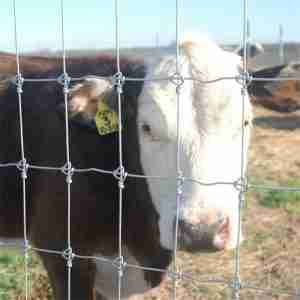
high tensile fixed knot wire fencing for cattleno climb sheep fence

Large Livestock (Cattle, Horses): For large and powerful animals, sturdy fencing materials such as wooden or metal posts with high-tensile wire or mesh fencing are often recommended.

Small Livestock (Sheep, Goats): Consider woven wire or mesh fencing with smaller gaps to prevent animals from getting through. Electric fencing can also be effective for smaller animals.

4.3 According to purpose of the fence

If the primary goal is to keep animals contained, a solid and tall fence is essential. Woven wire, chain-link, or wooden fences are common choices.

If protection against predators is a concern, choose a fence that is designed to deter digging, climbing, or squeezing through. Electric fencing with specialized designs can be effective.

4.4 According to terrain and location

Flat or Hilly Terrain: Consider the landscape where the fence will be installed. For hilly terrain, flexible fencing may be more suitable, while flat terrain may accommodate a wider range of options.

Climate: Choose materials that can withstand the local climate conditions, whether it’s extreme heat, cold, or high winds.

4.5 According to budget

Initial Cost vs. Long-Term Maintenance: While some fencing materials may have a higher initial cost, they might require less maintenance over time. Consider your budget not only for installation but also for long-term upkeep.

4.6 According to visibility

Visibility for Livestock: Some animals may be more prone to run into fences if they can’t see them well. Adding visibility elements like flags or using materials with good visibility can reduce accidents.

4.7 According to regulations and zoning

Choosing the right public space fence and barriers involves considerations of safety, aesthetics, regulations, and zoning requirements.

Ensure compliance with local safety regulations, which may dictate the height, material, and spacing requirements for fences and barriers in public spaces.

Consider factors such as visibility, especially at intersections or areas with high pedestrian traffic, to prevent accidents.

Ensure that the chosen fence and barriers comply with accessibility standards, such as the Americans with Disabilities Act (ADA), to accommodate individuals with disabilities.

5. Visual showcase of farm & agricultural fencing

Farm and agricultural fences play a vital role in managing and protecting agricultural land, livestock and crops. The type of fence chosen depends on the specific needs of the farm, including the type of livestock being raised, the size of the property, and the topography of the land. Below is a picture of the farm & agricultural fencing.

6. Installation of farm & agricultural fencing

Installing farm and agricultural fencing is a crucial aspect of managing and protecting agricultural land. The type of fencing you choose depends on the specific needs of your farm, including the type of livestock you have, the terrain, and the level of security required. Here is a general guide for installing farm and agricultural fencing:

6.1 Planning

Determine the purpose of your fence, whether it’s for containing livestock, protecting crops, or marking boundaries. Select the appropriate type of fencing based on your needs (e.g., woven wire, electric, high-tensile, barbed wire, wood, vinyl).

Verify local regulations and zoning requirements regarding fence height, materials, and placement.

6.2 Gather Materials

Purchase the necessary fencing materials, including posts, wire, gates, and any additional components required for the chosen type of fence. Gather tools such as post hole diggers, a fence stretcher, wire tensioning tools, pliers, and a saw.

6.3 Prepare the Area

Clear the fence line of any vegetation or obstacles that may interfere with the installation process. Mark the corners and locations for gates. Use stakes and string to create a straight and even line.

6.4 Install Corner and Gate Posts

Dig holes for corner and gate posts using a post hole digger. Ensure the holes are deep enough and wide enough to provide stability. Set corner and gate posts in the holes, ensuring they are plumb and properly aligned. Add concrete for stability if necessary.

6.5 Install Line Posts

Determine the spacing for line posts based on the type of fence and the terrain. Typically, posts are spaced 8 to 12 feet apart. Dig holes for line posts and set them securely in place, checking for alignment and height.

6.6 Attach Fencing Material

Begin attaching the fencing material at one corner or gate post. Use a fence stretcher or tensioning tools to stretch and tension the wire or other fencing material as you go. Secure the fencing material to each post using appropriate fasteners.

6.7 Finishing Touches

Trim any excess fencing material, especially if using wire fencing. Secure loose ends and make sure the fence is properly tensioned.

7. Maintenance farm & agricultural fencing

farm barbed wire fencing

Maintaining farm and agricultural fencing is essential for ensuring the security of your property, containing livestock, and protecting crops. Proper maintenance helps prolong the life of the fence and ensures it functions effectively. Here are some general tips for maintaining farm and agricultural fencing:

7.1 Regular Inspections

Conduct regular visual inspections of the entire fence line. Look for any signs of damage, wear, or weakness. Check for loose or missing components such as wires, posts, and fasteners.

Walk along the fence line and inspect for any signs of damage such as broken posts, bent wires, or holes in the fence fabric. Pay close attention to areas where the fence may have been weakened by weather, wildlife, or machinery.

Check the tension of the fence wires or fabric. Tautness is essential for keeping the fence sturdy and secure. Tighten any loose wires or adjust tensioning mechanisms as needed.

Examine the condition of the fence posts. Ensure they are firmly anchored in the ground and not leaning or showing signs of decay. Replace any damaged or rotted posts promptly to maintain the integrity of the fence line.

7.2 Repair Damage Promptly

Address any damage promptly to prevent it from spreading or becoming more severe. Replace broken or damaged posts, rails, or wires as needed.

7.3 Clear Vegetation

Trim and clear vegetation along the fence line regularly. Overgrown vegetation can cause damage and weaken the fence. Remove vines, bushes, and other plants that could potentially damage the fence or create hiding spots for pests.

7.4 Control Weeds

Controlling weeds around maintenance of public space fences and barriers is essential to ensure the aesthetic appeal, safety, and longevity of the infrastructure.

Schedule regular inspections of the fence and barrier areas to identify any signs of weed growth. Check for gaps or damage in the fence that may allow weeds to penetrate.

Remove weeds as soon as they appear to prevent them from establishing a strong root system. Use hand tools or a weed trimmer for small-scale maintenance, ensuring you remove the entire plant, including roots.

7.5 Prevent Rust

Preventing rust on maintenance of public space fences and barriers involves a combination of proactive measures, regular inspections, and timely repairs. Rust can compromise the structural integrity and aesthetics of these structures.

Select materials that are inherently resistant to rust. Stainless steel and aluminum are commonly used in outdoor structures because of their corrosion-resistant properties.

If using steel, consider galvanizing the material. Galvanization involves coating the steel with a layer of zinc, which provides a protective barrier against rust.

Apply a high-quality paint or powder coating to the surfaces of the fences and barriers. This creates a protective layer that shields the metal from moisture and environmental elements.

7.6 Winter Preparations

Winter preparations for maintaining public space fences and barriers are crucial to ensure their longevity and effectiveness during the colder months.

Before winter sets in, conduct a thorough inspection of all fences and barriers in public spaces. Look for any signs of damage, rust, or wear and tear. Address any existing issues before winter arrives to prevent further deterioration.

Clean the fences and barriers to remove dirt, debris, and any corrosive substances. This can help prevent rust and other damage during the winter months. Use a mild detergent and a soft brush or pressure washer for cleaning.

7.7 Anti-Corrosion Treatment

Apply a rust-resistant coating or paint to metal fences to protect against corrosion caused by winter weather and road salt. For wooden fences, consider applying a sealant or weatherproofing treatment to protect against moisture and freezing.

7.8 Snow Removal Plans

Develop a snow removal plan to prevent accumulation around fences and barriers. Heavy snow loads can damage structures and compromise their effectiveness.

Use snow removal equipment, such as snow plows or blowers, to keep pathways and access points clear.

8. Factors affecting the cost of farm & agricultural fencing

agricultural hinge knot fences

The cost of farm and agricultural fencing can be influenced by various factors. The specific requirements of each fencing project, as well as regional and material-related considerations, can contribute to the overall cost. Here are some key factors that can affect the cost of farm and agricultural fencing.

8.1 Fence Type

The type of fence you choose for a farm or agricultural setting can significantly affect the overall cost. Different fence types have varying materials, installation requirements, and maintenance needs. Here are some common types of farm and agricultural fencing and how they may impact costs:

High-Tensile Wire: This type of fencing is durable and cost-effective. It typically consists of multiple strands of high-tensile wire. The initial cost is relatively low, and maintenance is minimal. However, installation may require specialized equipment.

Traditional Barbed Wire: This is a cost-effective option commonly used for livestock containment. It’s relatively inexpensive, but it may not be suitable for all types of animals, especially those with woolly coats.

Post and Rail Fencing: Offers a traditional and aesthetically pleasing look. However, wood can be more expensive than wire options, and maintenance is required to prevent rot and decay.

Vinyl Rail Fencing: Resistant to weather and insects, vinyl fencing requires minimal maintenance. However, the upfront cost can be higher than some other options.

8.2 Materials Used

The cost of farm and agricultural fencing can be influenced by various factors, including the materials used. Different materials have distinct characteristics, durability, and costs. Here are some common materials used in farm and agricultural fencing, along with how they may affect the overall cost:

Wood: Wood is a traditional and aesthetically pleasing option. It can be relatively inexpensive compared to some alternatives. Wooden fences may require regular maintenance, such as painting or staining. They can also be susceptible to decay, insects, and weathering.

Vinyl/PVC: Vinyl fencing is durable, low-maintenance, and resistant to weathering, insects, and rot. It can have a longer lifespan than wood. Vinyl fencing is generally more expensive upfront compared to wood, but it may offset this cost over time due to reduced maintenance requirements.

Metal (Steel or Aluminum): Metal fences are durable, strong, and often have a longer lifespan. They can provide excellent security. Metal fencing can be more expensive upfront, and certain types may require periodic maintenance to prevent rust.

Composite Materials: Composite materials, made from a combination of wood fibers and plastic, can offer the benefits of both wood and plastic. They are durable and low-maintenance. Composite fencing may have a higher upfront cost compared to traditional wood, but it can provide a longer lifespan and reduced maintenance costs.

8.3 Fence Height

Taller fences require more materials, including posts, rails, and pickets or wire. As the height increases, you may need longer posts and more materials to cover the additional vertical space.

Installing a taller fence generally requires more labor. Workers may need specialized equipment or additional time to install taller posts and secure taller fencing materials. This can lead to higher installation costs.

Taller fences may require additional engineering considerations, especially in areas with specific regulations or challenging terrain. This can result in higher design costs to ensure the fence is structurally sound and compliant with local regulations.

In some locations, taller fences may require special permits or approvals from local authorities. Acquiring these permits can involve additional fees and paperwork, contributing to the overall cost of the project.

8.4 Terrain and Ground Conditions

The topography of the land and the condition of the soil can affect the ease of installation. Rocky or uneven terrain may require more effort and specialized equipment, potentially increasing labor costs.

Fencing on flat terrain is generally less expensive than on sloped or uneven ground. Installing fencing on hills or slopes may require more labor and materials to accommodate the changes in elevation.

Areas with rocky soil can increase the difficulty of digging post holes and may require specialized equipment. This can lead to higher labor costs. Soil that is hard to dig through may require additional equipment or labor, potentially increasing installation costs.

8.5 Labor Costs

Labor costs play a significant role in determining the overall cost of farm and agricultural fencing. Several factors contribute to the impact of labor costs on the total expenses associated with installing and maintaining fencing on a farm.

Skilled labor is often required for the proper installation of fencing, especially for complex designs or in challenging terrains. Skilled workers may demand higher wages, affecting overall labor costs.

8.6 Maintenance and Repairs

Ongoing maintenance, such as repairing damaged sections, replacing posts, or fixing sagging wires, requires additional labor. The frequency and complexity of maintenance tasks can impact long-term labor costs.

The ease of access to fencing materials affects the efficiency of maintenance tasks. Difficult-to-reach areas may increase labor requirements.

8.7 Maintenance Costs

Consideration should be given to long-term maintenance costs. Some materials may require more frequent maintenance, and the overall cost of ownership over time should be factored into the decision-making process.

9. Factors affecting the durability of farm & agricultural fencing

Farm welded wire fence

The durability of farm and agricultural fencing is influenced by various factors, and selecting the right type of fencing material and design can significantly impact its lifespan. Here are some key factors that affect the durability of farm and agricultural fencing.

9.1 Material Selection

Wood: Wooden fences are susceptible to rot, decay, and insect infestation. Treating the wood with preservatives can enhance its durability.

Metal: Common metals used for fencing include steel and aluminum. Steel is durable but can rust, while aluminum is resistant to rust but may not be as strong as steel.

Vinyl/Plastic: These materials are resistant to rot, insects, and weathering. They require minimal maintenance but may not be as strong as metal or wood in certain situations.

9.2 Coating and Treatment

Hot-Dip Galvanization: This involves immersing the steel in molten zinc. It creates a thick, durable layer that provides excellent corrosion resistance.

Electro-Galvanization: This process involves applying a zinc coating through electrolysis. While it offers good protection, the coating may be thinner than hot-dip galvanization.

Powder Coating: This provides an extra layer of protection against corrosion and enhances the fence’s appearance. It is commonly used for both steel and aluminum fences.

Regular Painting: Some fences may benefit from regular paint applications for aesthetic reasons and additional protection against rust. However, painted surfaces may require more maintenance than coated ones.

Vinyl Coating: Vinyl-Coated Fencing: Some metal fences have a vinyl coating, which provides an additional layer of protection against corrosion and enhances the fence’s aesthetics.

9.3 Weather Conditions

Prolonged exposure to sunlight can cause fading, degradation, and brittleness in certain materials. Frequent rain and high humidity can accelerate decay in wood and contribute to rust in metal fencing. Extreme temperature variations can lead to expansion and contraction, affecting the integrity of materials.

9.4 Installation Quality

The installation quality of farm and agricultural fencing can significantly impact its durability and effectiveness. Proper installation ensures that the fence functions as intended, providing effective containment and protection for livestock or crops.

Properly set posts are crucial for fence stability. Posts should be set at an appropriate depth, considering factors such as soil type and climate conditions. In general, deeper post installations provide better stability.

9.5 Wildlife and Livestock Interaction

Wildlife and livestock interaction can have significant effects on the durability of farm and agricultural fencing. The impact of these interactions varies depending on the type of wildlife, the species of livestock, and the materials used in the fencing.

Wild animals such as deer, rabbits, or rodents may chew on or scratch against fencing, causing physical damage. This can lead to weakened structures and compromised fencing integrity.

Domesticated animals like cattle, horses, or goats may lean, rub, or scratch against the fence. Over time, this can result in wear and tear, causing structural damage and reducing the lifespan of the fence.

9.6 Pest Control

Some pest control methods involve the use of chemicals, such as pesticides or herbicides. If these chemicals come into contact with the fencing materials, they may cause degradation or corrosion. This can be particularly problematic for metal fences, as certain chemicals can accelerate rusting.

Certain pests, like rodents or insects, may burrow into the ground around the fence posts. Over time, this can undermine the stability of the fence, leading to leaning or collapsing. Proper pest control measures need to be implemented to prevent these pests from causing damage to the fence foundation.

Wooden fences are susceptible to decay caused by fungi, termites, and other wood-boring insects. Pest control measures, especially those involving the use of wood preservatives, can help protect wooden fences from these destructive pests and enhance their durability.

10. Service life of the farm & agricultural fencing

The service life of farm and agricultural fencing can vary widely depending on several factors, including the type of material used, environmental conditions, maintenance practices, and the specific demands of the farming operation. Here are some factors to consider.

10.1 Service life of the Field fencing for farm & agricultural

The service life of field fencing for farms and agricultural purposes can vary depending on several factors, including the type of fencing material, environmental conditions, maintenance practices, and the specific demands of the agricultural activities. Here are some general guidelines for different types of fencing materials:

Wooden Fencing: Typically, wooden fences have a service life of 10 to 20 years, but this can vary based on the type of wood used and local climate conditions.

Wire Fencing: Barbed wire fences may last 20 to 30 years, depending on factors such as the thickness of the wire and exposure to the elements.

Vinyl Fencing: Vinyl fences are durable and can have a service life of 20 to 30 years or more. They require minimal maintenance, usually just occasional cleaning.

Metal Fencing (Steel or Aluminum): Metal fences, especially those made of galvanized steel or aluminum, can last 20 to 50 years or more, depending on the coating and environmental conditions.

Composite Fencing: Composite materials, combining wood and plastic, can offer a service life of 20 to 25 years.

10.2 Service life of the welded wire fencing for farm & agricultural

The lifespan of welded wire fencing can vary depending on several factors, including the quality of the materials used, environmental conditions, and maintenance. In general, welded wire fencing made from durable materials such as galvanized steel or coated with corrosion-resistant finishes tends to have a longer lifespan.

In general, a well-maintained welded wire fence made from quality materials can last anywhere from 10 to 20 years or more.

10.3 Service life of the chain link fencing for farm & agricultural

The service life of chain-link fencing for farm and agricultural purposes can vary based on several factors, including the quality of materials, installation practices, environmental conditions, and maintenance efforts.

The type and quality of the materials used in the chain-link fencing will significantly influence its longevity. High-quality galvanized steel or vinyl-coated chain-link fences tend to be more resistant to rust and corrosion, extending their service life.

A well-maintained and properly installed chain-link fence can have a service life of 15 to 20 years or more. However, environmental factors and the specific conditions of use will influence the actual lifespan. Regular inspections and maintenance are key to maximizing the longevity of the fencing.

10.4 Service life of the barbed wire fencing for farm & agricultural

High-quality materials tend to last longer. Galvanized steel or other corrosion-resistant materials are commonly used for barbed wire fencing because they can withstand exposure to the elements.

Proper installation is crucial for the longevity of the fence. If the fence is installed correctly with proper tension and spacing, it is likely to last longer.

The climate and environmental factors play a significant role in the lifespan of a fence. Harsh weather conditions, exposure to sunlight, and contact with corrosive elements can accelerate wear and tear.

Considering these factors, a well-maintained and properly installed barbed wire fence can last anywhere from 10 to 20 years or more.

11. Conclusion

The conclusion of farm and agricultural fencing revolves around recognizing the vital role that fencing plays in ensuring the overall success and sustainability of agricultural operations.

Fencing serves various purposes, ranging from securing livestock and crops to protecting against wildlife, preventing soil erosion, and delineating property boundaries.

Fencing is crucial for effective livestock management, providing a secure environment for animals to graze and preventing them from wandering into unwanted areas. Well-designed fencing systems contribute to healthier livestock and more efficient farming practices.

Fencing acts as a barrier against wildlife, pests, and unauthorized access, safeguarding crops from potential damage. This protection is particularly significant in areas with a high prevalence of wildlife that may pose a threat to agricultural yields.

In conclusion, farm and agricultural fencing is a fundamental component of modern farming practices, contributing to the overall efficiency, productivity, and sustainability of agricultural operations.

Careful consideration of the specific needs of the farm, the surrounding environment, and the type of livestock or crops being managed is essential in choosing the most appropriate fencing solutions.

Contact Form

Leave a Comment

Your email address will not be published. Required fields are marked *

Say Hello!

Get In Touch With Us

Office Address

Hanwang Road, Anping county, Hebei provine, China