
Table of Contents
1. The purposes of installing demarcation wall?
Demarcation wall is typically installed for various reasons, often related to the separation or distinction of spaces. Here are some common purposes for installing demarcation walls.
1.1 Property Boundaries
In real estate or land management, demarcation walls are used to establish and signify the boundaries between different properties or plots of land. They help prevent disputes regarding property lines and ownership.
1.2 Privacy
Demarcation walls can provide privacy by dividing spaces between different units in apartments, offices, or shared accommodations. They create a distinct separation between areas, ensuring privacy for the occupants.
1.3 Structural Support
In construction, demarcation walls might be installed to provide structural support or to segment a larger space into smaller sections, distributing loads and reinforcing the building’s integrity.
1.4 Aesthetic Purposes
Demarcation walls are also used for aesthetic reasons, defining different zones within a larger area or enhancing the visual appeal of a space by creating architectural interest or focal points.
1.5 Functional Division
Demarcation walls can be used to divide spaces functionally, separating areas for specific purposes such as storage, utilities, or specific activities without the need for a full enclosure.
1.6 Legal and Regulatory Compliance
In some cases, demarcation walls may be necessary to comply with local building codes, zoning regulations, or legal requirements for dividing or designating specific areas.
2. Materials of demarcation wall
Demarcation walls are typically constructed using various materials based on the purpose, location, and structural requirements. These walls are used to mark boundaries, create divisions, or separate different spaces. Common materials used for demarcation walls include.
2.1 Bricks
Traditional and durable, bricks are commonly used for constructing demarcation walls due to their strength and longevity.
Bricks can be made from various materials such as clay, concrete, or even recycled materials. The choice of material depends on factors like cost, availability, and the desired aesthetic.
The design and pattern of the brick arrangement can vary. Common patterns include running bond, stack bond, herringbone, and more. The choice of pattern can affect the strength and appearance of the wall.
2.2 Concrete
Concrete blocks or poured concrete are used to build sturdy demarcation walls. They offer strength and can be finished in various textures or colors. Concrete is a popular material for constructing such walls due to its durability, strength, and versatility.
Consider the design and height of the demarcation wall. The wall’s purpose (e.g., privacy, security, or aesthetic appeal) will influence its design.
Depending on the height and structural requirements, you may need to incorporate reinforcement such as rebar (reinforcing bar) within the concrete to enhance its strength and resistance to cracking.
2.3 Wood
Timber is often used for demarcation walls, particularly in residential areas or to create more natural-looking barriers. It might include treated lumber, cedar, or other hardwoods.
2.4 Metal
Steel or other metal sheets, panels, or meshes can be used for demarcation, especially in industrial or modern architectural settings.
2.5 Stone
Natural stones or stone veneers are utilized for aesthetic purposes and durability, giving demarcation walls a rustic or elegant appearance.
2.6 Composite Materials
Various composite materials that combine different elements like wood fibers, plastics, and resins can also be used for demarcation walls, offering a blend of durability and aesthetic appeal.

Demarcation walls serve various purposes, from delineating property lines to separating different functional areas within a building or outdoor space. They come in different types based on their construction material, design, and purpose. Some common types of demarcation walls include:
3.1 Brick Walls
These are sturdy demarcation walls built using bricks and mortar. They are durable and provide excellent demarcation for properties, gardens, or different areas within a building.
3.2 Concrete Walls
Often used in construction, concrete walls are strong and long-lasting. Demarcation walls can be poured on-site or precast and used for demarcating boundaries or creating divisions.
3.3 Stone Walls
Constructed using various types of stones, demarcation walls can be built with mortared joints or dry-stacked. They offer a natural and aesthetically pleasing demarcation.
3.4 Wooden Walls/Fences
Wooden walls or fences are commonly used for property demarcation, privacy, or aesthetic purposes. They come in various designs, such as picket fences, privacy fences, or split rail fences.
3.5 Demarcation fence
Demarcation fences can be made from various materials, including wood, metal, vinyl, or even masonry like bricks or concrete. The choice of material often depends on factors such as the desired level of security, aesthetics, and local regulations.
These fences may have different styles and heights based on their intended purpose.
For example, a residential demarcation fence might be lower and more decorative, while a commercial or industrial demarcation fence could be taller and focused on security.
4. Maintenance of demarcation walls
Maintaining demarcation walls, which are used to separate different areas or properties, involves several steps to ensure their longevity and effectiveness. Here are some maintenance tips:
4.1 Regular Inspection
Conduct routine inspections to identify any signs of damage, cracks, or wear and tear. Check for loose bricks, crumbling mortar, or any structural issues.
Regular inspection of demarcation walls is crucial to ensure their stability, integrity, and compliance with relevant standards. Demarcation walls are often used to define boundaries, separate spaces, or provide structural support.
4.2 Cleaning
Remove dirt, moss, or other debris that accumulates on the walls. Pressure washing or using a mild detergent with a brush can help clean the surface without causing damage.
4.3 Repairing Damage
Promptly repair any cracks or loose bricks to prevent further deterioration. Use suitable mortar or materials recommended for the type of wall to fill gaps or replace damaged sections.
4.4 Repointing
Over time, the mortar between bricks can degrade. Repointing, or replacing the mortar, helps maintain the stability and integrity of the wall. Remove deteriorated mortar and apply fresh mortar in its place.
4.5 Regular Maintenance Schedule
Create a maintenance schedule to ensure regular checks and upkeep of the demarcation walls. This can help catch minor issues before they become larger problems.
5. How do demarcation walls differ from boundary fences?
Demarcation walls and boundary fences serve similar purposes in delineating property lines or separating spaces, but they differ in their construction, materials, and appearance.
5.1 Structure and Materials
Demarcation Walls: These are usually solid structures made of bricks, stones, concrete, or similar materials. They are often built to a certain height and can completely block the view between properties.
Boundary Fences: Fences are typically made of wood, metal, vinyl, or other materials and can vary in height and style. They may have gaps or openings that allow some visibility through the fence.
5.2 Visibility and Privacy
Demarcation Walls: Walls are generally solid, providing more privacy and completely obstructing the view between properties.
Boundary Fences: Fences can offer varying degrees of privacy depending on their design. Some fences may allow a partial view through them.
5.3 Durability and Maintenance
Demarcation Walls: Walls tend to be more durable and require less maintenance compared to fences. They can withstand weather conditions better and usually have a longer lifespan.
Boundary Fences: Fences may require more maintenance, such as painting, repairs, or replacement of sections over time due to exposure to weather elements.
5.4 Cost and Construction
Demarcation Walls: Building walls can often be more expensive and labor-intensive compared to erecting fences, especially if using high-quality materials or intricate designs.
Boundary Fences: Fences can be more cost-effective and easier to install compared to walls, especially if using prefabricated sections or less expensive materials.
5.5 Legal Regulations and Permits
Demarcation Walls: Constructing walls might involve additional regulations, permits, or permissions from local authorities or homeowner associations, depending on the area and the wall’s height or design.
Boundary Fences: Regulations regarding fences may also exist in certain areas, specifying the maximum height, materials allowed, or design restrictions.
5.6 Aesthetics
Demarcation Walls: Walls can sometimes add a more substantial and imposing appearance to a property and can be designed to complement the overall architecture.
Boundary Fences: Fences offer more design versatility and can range from simple to ornate, allowing property owners to choose a style that fits their preferences.
6. Can demarcation fence be temporary or easily removable, or are they typically permanent structures?
Demarcation fences can be either temporary or permanent, depending on their intended purpose and design. The key factor influencing the decision between temporary and permanent demarcation is the specific needs of the situation or location. Here are some considerations.
6.1 Temporary Demarcation Fences
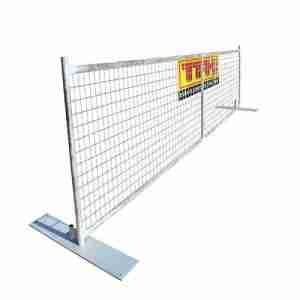
In construction projects, temporary fences are often used to define the boundaries of the construction site. These fences are typically easy to install and remove as the project progresses.
Temporary fences are commonly used at events, fairs, or festivals to guide crowds, control access, and designate specific areas. These fences are designed for easy setup and removal.
6.2 Permanent Demarcation Fences

Fences used to mark property boundaries are often more permanent in nature. These fences are designed to withstand long-term exposure to the elements and provide a lasting demarcation between properties.
Fences used for security purposes, such as those around government facilities, airports, or industrial sites, are typically more robust and designed to be permanent to provide a high level of deterrence.
Some fences serve both a decorative and demarcation function, such as those around residential properties. In such cases, the fence may be intended to stay in place for an extended period.
6.3 Flexible or Modular Systems
Some demarcation fences are designed with modularity in mind, allowing for both temporary and permanent applications. Modular fencing systems often provide flexibility in terms of installation and removal.
7. Features of demarcation fence
Demarcation fence serves various purposes, primarily to mark boundaries and provide security or privacy. The features of a demarcation fence can vary depending on its intended use, location, and materials used, but here are some common characteristics.
7.1 Height and Size
Demarcation fences can vary in height based on their purpose. Residential fences might typically range from 3 to 6 feet high, while commercial or industrial fences might be higher for added security.
7.2 Design and Style
Fences come in different designs and styles, including picket, privacy, lattice, ranch rail, chain-link, ornamental, etc. The style chosen often depends on the desired function and aesthetics.Designing and styling a demarcation fence involves considering both functional and aesthetic elements. The fence should serve its primary purpose of clearly marking boundaries while also complementing the overall design of the surrounding environment.
Classic picket fences or wrought iron designs can contribute to a timeless and elegant appearance. Clean lines and minimalistic designs often characterize modern fences. Horizontal slats or geometric patterns can create a contemporary feel.
7.3 Gates and Entry Points
Demarcation fences usually include gates or entry points to allow access. These gates can be single or double doors, automated or manual, and can be designed to match the fence style.
Demarcation fence serves the purpose of delineating and securing a specific area or property. The gates and entry points in such a fence are crucial components for controlled access. Here are some common types of gates and entry points associated with demarcation fences:
Swing Gates:These gates open and close like a standard door, swinging either inward or outward. They are common in both residential and commercial settings.
Sliding Gates:Sliding gates move horizontally along a track to open and close. They are often used in areas with limited space for swing gates.
Cantilever Gates:Similar to sliding gates, cantilever gates are designed to span an opening without requiring a track on the ground. They are suitable for uneven terrain or where a track is impractical.
Rolling Gates:Rolling gates typically consist of a series of connected panels that roll or fold as the gate is opened or closed. They are commonly used for larger openings and industrial applications.
Double Gates:Double gates consist of two gate panels that open from the center, providing a wider entry point. They are often used for driveways or larger access points.
7.4 Security Features
For security purposes, some demarcation fences might include features like spikes or anti-climb elements, electronic access control systems, surveillance cameras, or motion sensors.
Demarcation fence, often referred to as a boundary or perimeter fence, serves as a physical barrier to define and secure a specific area. The security features of a demarcation fence can vary based on its design, materials used, and additional technologies integrated.
Tall fences act as a deterrent and make it more difficult for unauthorized individuals to climb over. Materials such as steel, aluminum, or high-strength alloys enhance the overall strength and durability of the fence.
Design elements like anti-climb spikes, rotating toppers, or curved overhangs can discourage attempts to climb over the fence.
7.5 Maintenance Requirements
Different materials require different levels of maintenance. For instance, wood fences might need staining or painting periodically, while metal or vinyl fences might require less maintenance.
7.6 Cost
The cost of a demarcation fence varies depending on the materials used, design complexity, size, and additional features. Wood fences may be cheaper initially but might require more maintenance, while metal or vinyl fences might have a higher initial cost but lower maintenance expenses over time.
The cost of a demarcation fence can vary widely depending on several factors. These factors include the type of fence, materials used, length of the fence, local labor costs, and any additional features or specifications required.
Different types of fences have varying costs. For example, a basic chain-link fence is generally less expensive than a wooden or vinyl fence. The choice of materials significantly affects the cost. Common materials for fences include wood, vinyl, metal (such as aluminum or steel), chain-link, and composite materials.
8. Conclusion
Demarcation wall typically refers to a barrier, physical or otherwise, that separates or marks a boundary between two areas or entities. Such walls can serve various purposes, ranging from territorial delineation to social, political, or even symbolic divisions.
In conclusion, demarcation walls represent more than mere physical barriers; they often encapsulate deeper implications related to boundaries, separation, and distinctions between spaces or ideas.
Their significance lies not just in their physical presence but also in the socio-political, cultural, and psychological aspects they represent or enforce. Understanding the context and purpose behind demarcation walls is crucial in assessing their impact and relevance in different settings.
