
Table of Contents
1. Description of fixed knot solid lock
The fixed knot solid lock is a type of high-tensile wire fencing known for its durability and strength, commonly used in agricultural, livestock, and perimeter fencing applications.
This type of fencing is made from high-tensile steel wire that is heavily galvanized for enhanced durability and resistance against corrosion. The wires are interwoven using a fixed knot design, which creates a strong, rigid structure.
The fixed knot construction refers to a specific method of securely tying the vertical and horizontal wires together at predetermined intervals. This knotting technique results in a fence that is highly resistant to animal pressure, impacts, and stretching.
Fixed Knot solid lock fencing is designed to withstand significant pressure from animals, weather conditions, and external forces without losing its structural integrity. It’s known for its ability to maintain its shape and strength over long distances and rough terrains.
This type of fencing is versatile and can be adapted to various terrains and applications, including containing livestock such as cattle, horses, sheep, and goats, as well as serving as a perimeter barrier for properties and agricultural areas.
Due to its galvanized steel construction, Fixed Knot solid lock fencing is highly durable and has a longer lifespan compared to traditional fencing options. It requires minimal maintenance and can withstand harsh environmental conditions.
2. Types of fixed knot solid lock
Fixed knot solid lock is a type of high-tensile fence that is known for its strength, durability, and ability to withstand pressure from livestock or wildlife.
There are several variations or types within the solid lock line of fencing, each designed for specific purposes or to accommodate different types of animals. Some of the common types of fixed knot solid lock include.
2.1 Hinge Joint type

Hinge joint is a type of synovial joint that allows movement primarily in one plane, similar to the hinge of a door. This joint facilitates flexion and extension movements along a single axis.
The bones forming a hinge joint have a convex surface that fits into the concave surface of another bone, allowing movement like the opening and closing of a door.
One of the most common examples of a hinge joint is the elbow joint. The elbow consists of the humerus bone of the upper arm and the ulna and radius bones of the forearm. The hinge joint at the elbow primarily allows movement in one plane, enabling flexion (bending) and extension (straightening) of the arm.
Hinge joints are essential for various movements in the body and are found in other areas such as the knee, fingers, and toes, allowing controlled motion along a single axis.
2.2 Solid Lock Knot

The solid lock knot is known for its strength and reliability. It is often used in high-tensile wire fences and is designed to resist pressure and impact.
2.3 S-Knot

The S-knot is a variation of the Fixed Knot that features a unique design, enhancing the fence’s strength and resistance to stretching. It is commonly used in deer and wildlife fences.
2.4 Square Deal Knot
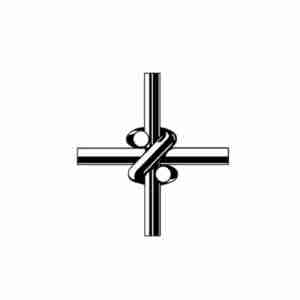
The square deal knot is designed to prevent the horizontal and vertical wires from slipping, providing a sturdy and secure fencing solution. It is often used for deer and game fences.
2.5 Hinged Knot
The hinged knot allows the fence to flex, making it suitable for areas with variable terrain or where there may be some movement or pressure on the fence.
2.6 Stiff Stay Knot
The stiff stay knot is designed to maintain the vertical stay wires in a fixed position, preventing them from sliding. This type of knot is often used in fences where strength and stability are crucial.
2.7 Max-Tight Knot
The max-tight knot is engineered for maximum tightness and strength. It is commonly used in high-tensile fences, providing a secure barrier for containing livestock.
2.8 Titan Knot
The titan knot is another variation of the fixed knot that is designed for heavy-duty applications. It offers increased strength and durability, making it suitable for large animals and high-pressure situations.
Fixed knot solid lock is a type of woven wire fencing designed with high-tensile wire and fixed-knot technology, providing strength, durability, and security. This fencing type finds various applications across different industries due to its robust nature. Here are some common uses.
3.1 Livestock Fencing
Fixed knot solid lock fencing is widely used for enclosing pastures, ranches, and farms to contain livestock such as cattle, horses, sheep, goats, and other animals. Its sturdy construction helps prevent animals from pushing through or damaging the fence.
Fixed knot solid lock is a type of high-tensile fencing that is commonly used in livestock management. It’s a robust and durable fencing option designed to contain animals effectively and withstand harsh environmental conditions.
Fixed knot solid lock fencing is made of high-tensile wire with a fixed knot design. The fixed knots are precisely formed during manufacturing, ensuring greater strength and stability.
This type of fencing is known for its durability and ability to withstand impact from animals, weather conditions, and other external forces. It’s less prone to stretching or sagging compared to some other types of fencing.
3.2 Wildlife Enclosures
In wildlife management areas or nature reserves, this fencing is employed to create enclosures for wildlife, protecting certain areas and maintaining boundaries for animal habitats.
Fixed knot solid lock is a type of fencing specifically designed to withstand pressure and stress, making it a popular choice for wildlife enclosures, particularly for larger animals or areas where additional security is necessary.
These enclosures are often used in wildlife conservation parks, reserves, and areas where wildlife needs to be contained or protected.
Fixed knot solid lock fences are known for their robustness and ability to withstand heavy pressure. This makes them suitable for containing larger wildlife species that may exert force against the fence.
These enclosures provide a high level of security due to the tightly woven fixed knot design, which prevents animals from pushing through or breaking the fence easily.
3.3 Deer and Game Fencing
Often used in deer farms or hunting reserves, the fencing helps in creating designated areas for game or deer, preventing them from escaping and reducing the risk of outside threats.
Fixed knot solid lock fencing is a type of woven wire fencing designed specifically for high-pressure animal containment, especially deer and other game. It’s a robust fencing option that offers durability and strength against the pressure exerted by animals.
Fixed knot solid lock fencing is known for its sturdy construction. The fixed-knot design ensures that the fence stays tight and secure, even under pressure from large animals like deer. It resists sagging and maintains its shape, making it effective for containing game animals.
This type of fencing is available in various heights, mesh sizes, and configurations, allowing it to cater to different types of game animals and specific containment needs. It can be installed in various terrains and landscapes.
This type of fencing also provides a level of security against predators, as it creates a strong barrier that is difficult for animals to breach.
3.4 Perimeter Security
Fixed knot solid lock is a type of high-tensile wire fencing used in agricultural, livestock, and wildlife management applications.
Fixed knot solid lock fences are constructed using high-tensile steel wire, making them incredibly strong and resilient. The knots used in these fences are tightly wrapped, enhancing overall stability and preventing the fence from being easily compromised.
The height of the fence is a crucial factor in its security capability. Taller fences are harder to breach. The design of the Fixed Knot solid lock fencing, with its closely spaced vertical and horizontal wires joined by fixed knots, reinforces the fence’s rigidity and ability to withstand external forces.
Proper installation is essential for any security fence to be effective. Ensuring that the posts are securely anchored, the wires are correctly tensioned, and the fence is installed without any weak points or gaps is vital for maximizing security.
3.5 High-Traffic Areas
Fixed knot solid lock fencing is also employed along highways, railways, and other high-traffic areas to prevent accidental entry and to ensure safety by creating barriers between people and potentially hazardous zones.
Fixed knot solid lock refers to a type of high-tensile fencing primarily used for livestock, including cattle, horses, and other large animals. These fences are incredibly durable and suitable for high-traffic areas due to their robust construction.
Fixed knot solid lock fencing is extensively used in agricultural settings to contain livestock, create pasture boundaries, and separate different animals or grazing areas. These fences are often utilized for securing the perimeter of properties due to their strength and ability to withstand pressure from animals or external forces.
3.6 Garden Protection
In rural and suburban areas, this fencing is used to protect gardens, orchards, and vineyards from wildlife and domestic animals. Fixed Knot solid lock is a type of fencing commonly used for agricultural purposes to protect gardens, livestock, and property.
Ensure the height of the fence is appropriate for the type of garden and the potential threats. For instance, if deer are a concern, a taller fence (usually around 8 feet or more) might be necessary.
Correctly install the Fixed Knot solid lock fencing by following the manufacturer’s guidelines. This includes ensuring proper tension and sturdiness to prevent animals from pushing through or digging underneath the fence.
3.7 Erosion Control
In certain environmental conservation scenarios, this fencing is utilized to control erosion by creating barriers in sensitive areas prone to soil degradation. Fixed Knot solid lock is a type of woven wire fence designed to provide robust security and strength, typically used in agricultural and rural settings.
Ensure the fixed knot solid lock fence is installed correctly according to manufacturer guidelines. This includes proper anchoring and placement to minimize disturbance to the soil.
Planting grass, shrubs, or ground cover around the fence can help prevent erosion. Vegetation’s roots bind the soil together, reducing the chances of it being washed away by rain or wind.
Applying mulch around the fence can aid in moisture retention, prevent soil erosion, and reduce weed growth. Mulch acts as a protective barrier for the soil.
3.8 Windbreaks
Due to its strength and durability, solid lock fencing can serve as a windbreak in agricultural settings, protecting crops and livestock from strong winds that could potentially cause damage.
Fixed knot solid lock is a type of high-tensile wire fencing commonly used for agricultural purposes, including windbreaks. Windbreaks are barriers designed to reduce wind speed and protect crops, livestock, or structures from the damaging effects of strong winds.
Fixed knot solid lock fencing is specifically engineered to provide durability and strength in harsh weather conditions, making it suitable for creating effective windbreaks.
Fixed knot solid lock fencing is made of high-tensile steel wires, which are tightly woven together using a fixed knot design. This construction provides excellent strength and durability, allowing the fence to withstand strong winds without sagging or breaking.
When installed properly, Fixed Knot solid lock fencing can serve as an effective windbreak by reducing wind speed and turbulence. This helps in minimizing wind damage to crops, soil erosion, and protects livestock from harsh wind conditions.
4. 5' anti-corrosion high tensile galvanized tight lock knot deer fence
5′ anti-corrosion high tensile galvanized tight lock knot deer fence is a type of fencing designed specifically to prevent deer and other wildlife from entering or exiting a particular area. Let’s break down the key components:
Height: 5′: This refers to the height of the fence, which is 5 feet tall. This height is chosen to prevent deer from jumping over the fence easily, as they can typically jump around 6-8 feet high.
Anti-corrosion: The fence is treated or made with materials that resist corrosion. Galvanization is a common method where the fence material is coated with a protective layer of zinc to prevent rust and corrosion, ensuring longevity even in outdoor environments exposed to moisture.
High Tensile: This refers to the strength and durability of the fence. High-tensile fences are made from high-strength materials, such as steel wires, and are designed to withstand tension without stretching or breaking easily. This property is important for keeping the fence upright and effective against wildlife.
Tight Lock Knot: The tight lock knot is a type of knot used in fencing that enhances the stability and strength of the fence. It prevents the fence wires from sliding, staying firmly in place and maintaining the fence’s integrity.
Deer Fence: This type of fence is specifically designed to keep deer out of certain areas, such as gardens, agricultural fields, or protected areas. Deer fences are usually tall enough to discourage deer from jumping over and have designs that prevent deer from easily crawling underneath.
5. Features of fixed knot fence
Fixed knot fence is a robust and durable fencing option commonly used in agricultural, livestock, and wildlife management applications. Here are some of its prominent features.
5.1 High Tensile Strength
Fixed knot fences are constructed using high-tensile steel wire, making them extremely strong and resistant to impact from animals and external forces.
Fixed knot fence is a type of high-tensile fencing that is known for its durability and strength. The high tensile strength of fixed knot fence primarily comes from the materials used in its construction, as well as its design.
Fixed knot fences are typically made with high-tensile wire, which is significantly stronger than traditional low-carbon wire. This wire is usually made of high-quality steel that undergoes a specific manufacturing process to increase its tensile strength.
The steel used in high-tensile wire is often stronger and more resilient to stretching and breaking compared to standard wire.
5.2 Unique Knot Design
The unique knot design in a Fixed Knot fence plays a crucial role in its strength and stability. This type of fence features a specialized knot at the intersections of the horizontal and vertical wires. The knot tightly secures the wires together, providing robustness to the overall structure.
5.3 Rigid Construction
The knots used in Fixed Knot fences create a rigid structure, ensuring the fence maintains its shape and integrity over time. This rigidity helps prevent sagging and maintains the fence’s effectiveness in containing livestock.
5.4 Durability
Fixed knot fences are typically made from high-tensile wire, which is known for its strength and resistance to stretching. The gauge and quality of the wire used can significantly impact the durability of the fence.
Many fixed knot fences are galvanized to resist rust and corrosion. Galvanization involves coating the wire with a protective layer of zinc, enhancing its durability and longevity, especially in outdoor or harsh weather conditions.
Proper installation is crucial for the durability of any fence. Ensuring correct tensioning, post placement, and securely attaching the wire to the posts can greatly affect the longevity of a fixed knot fence.
5.5 Multiple Heights and Configurations
Available in various heights and configurations, Fixed Knot fences can be tailored to meet specific needs, whether it’s for enclosing pastures, protecting crops, or controlling wildlife.
Fixed knot fence is a type of woven wire fence that is commonly used for agricultural and livestock purposes. It is known for its strength and durability, making it suitable for containing large animals and providing security.
Fixed Knot fences come in various heights and configurations to meet specific needs. The heights of these fences can range from around 4 feet to over 8 feet or more, depending on the intended purpose.
The choice of height often depends on the type of animals you are trying to contain and the level of security required. For example, a taller fence may be necessary for containing deer or other large wildlife, while a shorter fence may be sufficient for keeping in smaller livestock.
Configurations of Fixed Knot fences may vary based on the spacing and arrangement of the wires. The fixed knot design ensures that the fence remains strong and rigid, even under pressure. The fence typically consists of vertical stay wires that are tightly wrapped around horizontal line wires, creating a secure and durable mesh.
5.6 Cost-Effective in the Long Run
While the initial installation cost might be higher compared to some other fencing types, the durability and longevity of Fixed Knot fences make them cost-effective in the long run due to minimal maintenance and longer replacement intervals.
Fixed Knot fence is a type of agricultural fencing that features a solid knot structure, providing strength and durability. When considering the cost-effectiveness of a Fixed Knot fence in the long run, several factors come into play:
Fixed Knot fences are known for their durability and ability to withstand harsh weather conditions and pressure from animals. The solid knot structure makes them less prone to sagging and damage, which can reduce the need for frequent repairs or replacements.
Due to their sturdy construction, Fixed Knot fences generally require less maintenance compared to some other types of fences. This can result in lower ongoing costs over the life of the fence. Routine inspections and repairs may still be necessary, but they are typically less frequent.
6. How far apart should posts be for fixed knot fence?
The spacing between posts for a fixed knot fence can vary based on several factors such as the type of animals it will contain, the terrain, and the specific requirements of the fence itself. However, a general guideline for fixed knot fences, particularly for livestock containment, is to space the posts approximately 8 to 12 feet apart.
7. Conclusion
The fixed knot solid lock is a robust fencing structure renowned for its durability, strength, and ability to withstand pressure from large livestock and wildlife. Its distinct feature lies in the tightly wrapped solid vertical stay wires, firmly interlocked with the horizontal line wires using a fixed knot design.
This design ensures superior structural integrity and resilience against impact, making it an ideal choice for containing animals while maintaining the integrity of the fence line.
In conclusion, the Fixed Knot solid lock fencing system offers unparalleled reliability, longevity, and security for agricultural, ranching, and wildlife management purposes.
Its innovative design and sturdy construction make it a highly effective solution for protecting property and managing livestock, providing peace of mind to landowners and farmers.
