

Modern steels encompass a wide range of alloy compositions and properties, designed to meet specific performance requirements for various applications. Here are some of the common types of modern steels.
3.1 Carbon Steels

Carbon steels are a category of steels that primarily consist of iron and carbon as the main alloying element. These steels may also contain small amounts of other elements, such as manganese, silicon, sulfur, and phosphorus.
Carbon is the most significant alloying element in these steels, and its content typically ranges from 0.05% to 2.0%.
The carbon content plays a crucial role in determining the properties of carbon steels. Based on carbon content, carbon steels are often classified into three main categories.
3.1.1 Low Carbon Steel
Low carbon steel is a type of carbon steel that contains a relatively low amount of carbon, typically in the range of 0.05% to 0.25%. Carbon steel is an alloy of iron and carbon, and the carbon content plays a crucial role in determining the material’s properties.
3.1.1.1 Properties of low carbon steel
Low carbon steel is a type of steel that contains a small percentage of carbon (typically between 0.05% and 0.25%). The low carbon content makes it malleable and easy to form, weld, and machine. Here are some key properties of low carbon steel:
Ductility: Low carbon steel is highly ductile, meaning it can be easily drawn out into thin wires or stretched without breaking.
Malleability: It is also malleable, allowing it to be easily shaped and formed into various structures.
Weldability: Low carbon steel is easily weldable using common welding methods such as arc welding, MIG welding, and TIG welding.
Machinability: The low carbon content makes it easier to machine, making it suitable for various manufacturing processes.
Strength: While low carbon steel is not as strong as higher carbon steels or alloy steels, it still provides sufficient strength for many applications.
Toughness: Low carbon steel exhibits good toughness, meaning it can withstand impact and resist fracture under stress.
Cost-Effective: Due to its abundance and ease of production, low carbon steel is generally more cost-effective compared to higher carbon or alloy steels.
Corrosion Resistance: While it is not highly resistant to corrosion, low carbon steel can be protected from rusting through methods such as painting, galvanizing, or applying other protective coatings.
3.1.1.2 Applications of low carbon steel
Low carbon steel is a type of carbon steel that contains a relatively low percentage of carbon (usually around 0.05-0.25%). This type of steel is characterized by its versatility, cost-effectiveness, and ease of fabrication.
It finds numerous applications across various industries due to its favorable properties. Here are some common applications of low carbon steel.
Construction and Building Structures: Mild steel is widely used in the construction industry for the fabrication of structural components such as beams, columns, and girders. Its strength and ductility make it suitable for supporting heavy loads.
Automotive Industry: Low carbon steel is commonly used in the automotive sector for the manufacture of vehicle components, including body panels, chassis, and various structural parts. It strikes a balance between strength and formability.
Pipelines and Infrastructure: Mild steel pipes are used for the transportation of liquids and gases in various industries. Its durability and resistance to corrosion make it suitable for constructing pipelines and other infrastructure projects.
Machinery and Equipment: Many machinery and equipment components are made from low carbon steel due to its excellent machinability and weldability. Shafts, gears, bolts, and other machine parts often use mild steel.
Household Appliances: Low carbon steel is used in the manufacturing of household appliances such as refrigerators, washing machines, and stoves. Its formability allows for the production of complex shapes, while its strength ensures durability.
3.1.2 Medium Carbon Steel
Medium carbon steel is a type of steel that contains a higher percentage of carbon than low carbon steel but less than high carbon steel. The carbon content in medium carbon steel typically ranges from 0.30% to 0.60%.
This increased carbon content provides medium carbon steel with enhanced strength, hardness, and wear resistance compared to low carbon steel.
3.1.3 High Carbon Steel
High carbon steel is a type of carbon steel that contains a higher amount of carbon than low or medium carbon steels. The carbon content in high carbon steel typically ranges from 0.60% to 1.0%, making it harder and more brittle compared to steels with lower carbon content.
The increased carbon content contributes to the steel’s ability to hold a sharp edge and its suitability for applications where hardness and strength are crucial.
3.1.3.1 High carbon steel wire
High carbon steel wire is a type of steel wire that contains a higher percentage of carbon than low or medium carbon steels. Carbon content in steel is typically measured as a percentage of its weight. High carbon steels generally have a carbon content ranging from 0.60% to 1.00% or even higher.
The higher carbon content contributes to increased tensile strength, making high carbon steel wire suitable for applications that require a material with high resistance to deformation under stress.
One of the common uses of high carbon steel wire is in the manufacturing of springs. The material’s ability to withstand repeated bending and stretching makes it ideal for this purpose.
3.1.3.2 Applications of high carbon steel wire
High carbon steel wire, typically defined as steel with a carbon content greater than 0.6%, finds numerous applications due to its strength, hardness, and wear resistance. Here are some common applications of high carbon steel wire.
Springs: High carbon steel wire is widely used in the manufacturing of springs, including coil springs, torsion springs, and flat springs. Its excellent tensile strength and resistance to deformation make it ideal for this application.
Fencing and Wire Ropes: High carbon steel wire is used in the production of fencing and wire ropes. The strength and durability of the material make it suitable for providing structural support and containment in various applications, such as agriculture, construction, and security.
Concrete Reinforcement: In construction, high carbon steel wire is employed as reinforcement in concrete structures. It helps enhance the tensile strength of concrete, making the structures more robust and resistant to cracking.
Automotive Industry: High carbon steel wire is utilized in the automotive industry for various applications, including tire reinforcement, seat springs, and suspension systems. Its ability to withstand high stress and fatigue makes it suitable for these demanding applications.
3.2 Alloy Steels
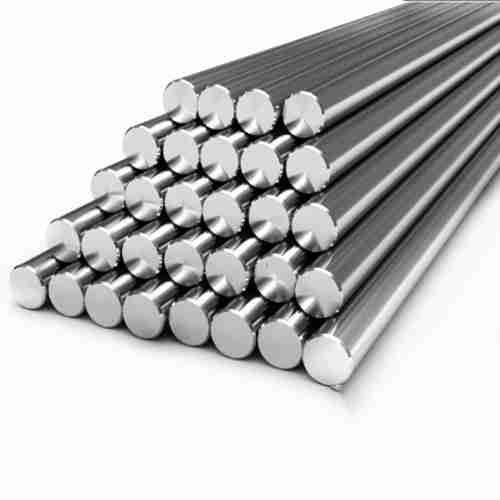
Alloy steels are a type of steel that contains specific amounts of alloying elements (other than carbon) to enhance certain properties of the material, such as strength, hardness, toughness, and wear resistance.
Alloying elements can include elements like chromium, nickel, molybdenum, vanadium, silicon, manganese, and others. The addition of these elements modifies the microstructure and mechanical properties of the steel.
3.2.1 Low Alloy Steels
Low alloy steels are a type of steel that contains a small percentage of alloying elements, typically less than 5%. Alloying elements are added to improve specific properties of the steel, such as strength, toughness, and corrosion resistance, without significantly increasing the cost.
Low alloy steels exhibit improved strength compared to carbon steels due to the presence of alloying elements. They are commonly used in structural applications where higher strength is required.
3.2.1.1 Low alloy steels are defined
Low alloy steels are a type of steel that contains a small percentage of alloying elements other than carbon and iron. While carbon steel is composed mainly of iron and carbon, low alloy steels have additional elements such as manganese, silicon, nickel, chromium, molybdenum, vanadium, and others in varying amounts.
3.2.1.2 Low alloy steel fabrication and welding
Low alloy steels are a type of steel that contains a small percentage of alloying elements, typically less than 5%. These alloying elements are added to improve the mechanical properties of the steel, such as strength, toughness, and wear resistance.
Common alloying elements in low alloy steels include chromium, molybdenum, nickel, vanadium, and manganese.
Preheat and Interpass Temperature
Low alloy steels are often sensitive to heat input during welding. Preheating the base metal before welding and maintaining interpass temperatures can help reduce the risk of cracking and improve weld quality.
Welding Processes
Common welding processes used for low alloy steel fabrication include Shielded Metal Arc Welding (SMAW), Gas Tungsten Arc Welding (GTAW/TIG), Gas Metal Arc Welding (GMAW/MIG), and Flux-Cored Arc Welding (FCAW). The choice of welding process depends on the specific requirements of the application.
Filler Metals
Selecting the appropriate filler metal is crucial. Matching or compatible filler metals with the base metal composition should be chosen to achieve the desired mechanical properties in the weld joint. The American Welding Society (AWS) and other standards provide guidelines for selecting suitable filler metals.
Post-Weld Heat Treatment (PWHT)
Some low alloy steels may require post-weld heat treatment to relieve residual stresses and improve the overall properties of the welded joint.
Weld Joint Design
Proper joint design is essential for achieving strong and durable welds. The joint configuration, such as butt joints, fillet welds, and groove welds, should be selected based on the specific application and loading conditions.
Quality Control and Inspection
Regular inspection and testing, including visual inspection, radiographic testing, and ultrasonic testing, should be conducted to ensure the quality of the welds and compliance with applicable codes and standards.
3.2.1.3 Advantages of low alloy steel
Low alloy steels offer several advantages compared to carbon steels, primarily due to the addition of alloying elements that enhance specific properties. Here are some of the advantages of low alloy steel:
Improved Strength: The addition of alloying elements such as manganese, nickel, chromium, and molybdenum increases the strength of low alloy steels, making them suitable for applications requiring higher tensile and yield strengths.
Better Toughness: Low alloy steels generally exhibit better toughness and impact resistance compared to carbon steels. This makes them suitable for applications in which the material needs to withstand sudden shocks or impacts.
Enhanced Wear Resistance: Alloying elements like chromium and nickel can improve the wear resistance of low alloy steels. This is particularly beneficial in applications where the material is subjected to abrasive wear, such as mining equipment or cutting tools.
Improved Corrosion Resistance: Some alloying elements, such as chromium, provide low alloy steels with enhanced corrosion resistance. This is especially important in environments where exposure to corrosive substances, such as saltwater or acidic solutions, is a concern.
Higher Temperature Resistance: Certain low alloy steels can withstand higher temperatures without losing their mechanical properties. This makes them suitable for applications in elevated temperature environments, such as power plants and exhaust systems.
3.2.1.4 Low Alloy Steel Applications
Low alloy steels are a category of steels that contain a small percentage of alloying elements, usually less than 5%. These alloying elements are added to enhance specific properties of the steel, such as strength, toughness, and corrosion resistance.
Low alloy steels find a wide range of applications in various industries due to their favorable combination of properties. Here are some common applications.
Automotive Industry: Low alloy steels are used in the manufacturing of various structural components in vehicles, such as chassis, frames, and suspension systems, where a balance of strength and toughness is crucial.
Some low alloy steels are used in engine components like crankshafts and connecting rods to provide the necessary strength and wear resistance.
Construction and Infrastructure: Low alloy steels are employed in the construction of bridges, buildings, and other infrastructure projects due to their strength and durability, especially in applications where higher tensile strength is required.
Oil and Gas Industry: Low alloy steels are commonly used in the construction of pipelines for transporting oil and gas. The alloys provide resistance to corrosion and high-strength properties, making them suitable for harsh environmental conditions.
Aerospace Industry: Certain low alloy steels are utilized in the aerospace industry for manufacturing critical components like landing gear, engine parts, and structural elements due to their high strength-to-weight ratio.
3.2.2 High Alloy Steels
High alloy steels are a type of steel that contains a significant amount of alloying elements beyond the typical carbon and iron composition found in carbon steels.
Alloying elements are added to enhance specific properties or characteristics of the steel, such as strength, corrosion resistance, hardness, and heat resistance. The alloying elements can include metals like chromium, nickel, molybdenum, vanadium, tungsten, and others.
3.2.2.1 Advantages of low alloy steel
Low alloy steels have several advantages due to their composition, which includes a combination of iron, carbon, and other alloying elements in varying proportions. Here are some of the advantages of low alloy steel:
Improved Strength: Low alloy steels exhibit higher strength compared to carbon steels. The addition of alloying elements such as manganese, chromium, molybdenum, and nickel enhances the strength and toughness of the steel.
Better Toughness and Ductility: The presence of alloying elements contributes to improved toughness and ductility, making low alloy steels suitable for applications where impact resistance and deformation without fracture are essential.
Enhanced Wear Resistance: Alloying elements like chromium and molybdenum can improve the wear resistance of low alloy steels. This makes them suitable for applications involving abrasive wear, such as mining equipment and cutting tools.
High Temperature Strength: Some low alloy steels are designed to maintain their strength and integrity at elevated temperatures. This makes them suitable for use in high-temperature environments, such as in boilers, pipelines, and power generation.
Corrosion Resistance: Certain alloying elements, such as chromium and nickel, contribute to the corrosion resistance of low alloy steels. This is particularly important in applications where the material is exposed to harsh environmental conditions or corrosive substances.
Cost-Effectiveness: Low alloy steels can provide a good balance between performance and cost. While they may be more expensive than carbon steels, they often offer superior properties at a lower cost compared to high alloy steels.
3.2.2.2 What to consider when welding high alloy steels?
Welding high alloy steels requires careful consideration of several factors to ensure a successful and reliable weld.
High alloy steels often contain elements such as chromium, nickel, molybdenum, and others to enhance their mechanical properties, corrosion resistance, and other characteristics. Here are some key considerations when welding high alloy steels.
Preheat and Interpass Temperature: High alloy steels are susceptible to cracking, especially during cooling. Preheating the base metal and maintaining appropriate interpass temperatures can help prevent cracking by reducing thermal stresses.
Welding Process: The choice of welding process depends on the specific alloy and its intended application. Common welding processes for high alloy steels include gas tungsten arc welding (GTAW or TIG), gas metal arc welding (GMAW or MIG), and shielded metal arc welding (SMAW or stick welding).
Filler Metal Selection: Choose a filler metal that matches or closely approximates the composition of the base metal. Some high alloy steels may require specific filler metals designed for their unique properties. Ensure that the filler metal provides the desired mechanical and corrosion-resistant properties.
Shielding Gas: For processes like GMAW, the choice of shielding gas is crucial. Inert gases like argon or a mixture of argon and helium are commonly used for shielding to prevent oxidation and ensure a clean weld.
Post-Weld Heat Treatment (PWHT): Certain high alloy steels may require post-weld heat treatment to relieve residual stresses and improve the material’s mechanical properties. Follow the recommended PWHT procedures specified by the material manufacturer or welding code.
Joint Design and Fit-Up: Proper joint design, fit-up, and preparation are essential. Ensure that the joint is clean and free from contaminants, and use appropriate bevel angles for groove welds. Proper fit-up helps in achieving good penetration and reduces the risk of defects.
Welding Technique: Use the appropriate welding technique for the specific joint configuration. Control the heat input to prevent overheating and maintain the proper travel speed. Techniques like back purging may be necessary to protect the weld from oxidation.
3.3 stainless steel
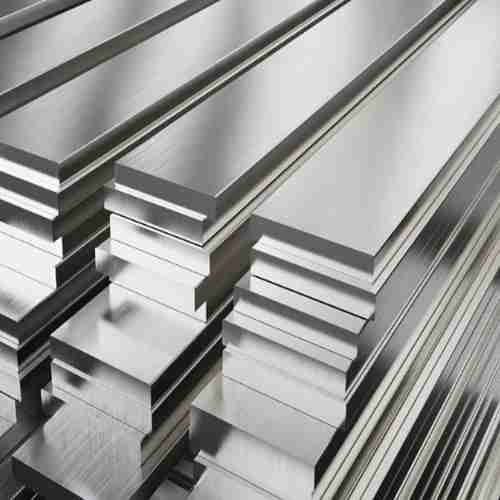
Stainless steel is a type of steel alloy that contains at least 10.5% chromium, which provides its corrosion resistance properties. The chromium in stainless steel forms a passive oxide layer on the surface, which prevents rust and corrosion, making it highly durable and resistant to staining.
Stainless steel also typically contains other elements such as nickel, molybdenum, manganese, and sometimes nitrogen, which contribute to its strength, formability, and other properties.
3.3.1 History of stainless steel
The history of stainless steel dates back to the early 20th century. The development of stainless steel is attributed to several researchers and engineers, and it evolved as a result of the need for corrosion-resistant materials in various industries.
The discovery of stainless steel can be traced back to the early 20th century when researchers began to understand the role of chromium in enhancing the corrosion resistance of steel.
In 1912, English metallurgist Harry Brearley is often credited with the discovery of stainless steel. He was conducting experiments to develop erosion-resistant gun barrels and noticed that steel containing around 12% chromium did not corrode.
In 1913, Brearley filed a patent for what he called “rustless steel.” Around the same time, American engineer Elwood Haynes also filed a similar patent. The commercial production of stainless steel began in the 1920s. The first stainless steel product was a cutlery set produced by the German company Krupp in 1923.
Throughout the 1920s and 1930s, researchers and engineers continued to work on improving and developing different grades of stainless steel with varying compositions of alloying elements. The addition of nickel to the alloy further enhanced the corrosion resistance of stainless steel.
3.3.2 Modern Applications and Advancements
Over the years, advancements in metallurgy and manufacturing processes have led to the development of more specialized grades of stainless steel, such as duplex and super duplex stainless steels.
Stainless steel has become a versatile material used in a wide range of applications, including kitchen appliances, architectural structures, medical equipment, and more.
3.3.3 The types of stainless steel
Stainless steel is a versatile and widely used material in various industries due to its corrosion resistance, strength, and durability. There are several types of stainless steel, each with its own unique properties and applications.
The classification of stainless steel is typically based on its microstructure, which is determined by the alloying elements present. Here are some common types of stainless steel:
Austenitic Stainless Steel: Austenitic stainless steels are the most common type, characterized by their austenitic microstructure, which is a face-centered cubic crystal structure. They are non-magnetic and have excellent corrosion resistance, high ductility, and good formability. Grades like 304 and 316 fall into this category.
Ferritic Stainless Steel: Ferritic stainless steels have a body-centered cubic crystal structure and contain chromium, but with lower carbon content compared to austenitic grades. They are magnetic and offer good corrosion resistance, especially in mildly corrosive environments.
Martensitic Stainless Steel: Martensitic stainless steels are heat-treatable and have a body-centered tetragonal crystal structure. They are magnetic and offer good hardness and wear resistance properties.
While they have lower corrosion resistance compared to austenitic and ferritic grades, they find applications in areas where high strength and hardness are required, such as cutlery and surgical instruments. Common grades include 410 and 420.
Duplex Stainless Steel: Duplex stainless steels have a mixed microstructure of austenite and ferrite, offering a balance of properties from both types. They have higher strength and better corrosion resistance than ferritic and martensitic grades, while also maintaining good weldability and formability.
These steels are used in applications where high corrosion resistance and strength are required, such as in chemical processing equipment and marine environments. Common grades include 2205 and 2507.
Precipitation Hardening (PH) Stainless Steel: PH stainless steels can be strengthened by precipitation hardening heat treatment, which allows for the formation of precipitates that increase strength and hardness.
They offer a combination of high strength, corrosion resistance, and toughness, making them suitable for aerospace, nuclear, and other high-performance applications. Common grades include 17-4 PH and 15-5 PH.
3.3.4 Properties of stainless steel
Stainless steel is a versatile and widely used material known for its corrosion resistance, durability, and attractive appearance. Here are some key properties of stainless steel:
Corrosion Resistance: Stainless steel contains chromium, which forms a passive oxide layer on its surface, protecting it from corrosion. This oxide layer reforms quickly when damaged, providing ongoing protection against rust and corrosion in various environments, including moisture, acids, and chloride solutions.
Strength: Stainless steel offers high strength-to-weight ratio, making it suitable for a wide range of structural applications. Different grades of stainless steel offer varying levels of strength, with some designed for specific industrial or structural purposes.
Durability: Stainless steel is highly durable and resistant to wear and tear, making it suitable for long-term use in various applications. It maintains its strength and appearance even under harsh conditions, contributing to its longevity.
Temperature Resistance: Stainless steel can withstand high and low temperatures, making it suitable for applications involving extreme heat or cold. Certain grades of stainless steel can maintain their mechanical properties at elevated temperatures, making them suitable for use in furnaces, exhaust systems, and other high-temperature environments.
Hygiene and Cleanability: Stainless steel is non-porous and easy to clean, making it ideal for applications where hygiene is critical, such as food processing, medical equipment, and sanitary installations. Its smooth surface inhibits bacterial growth and allows for easy sterilization.
Aesthetic Appeal: Stainless steel offers a sleek, modern appearance that complements various architectural and design styles. Its smooth, shiny surface can be polished to a mirror-like finish or brushed for a matte look, providing aesthetic versatility.
3.3.5 Differences between stainless steel and high alloy steel
Stainless steel and high alloy steel are both types of steel that contain additional alloying elements to enhance their properties. However, there are some key differences between the two.
3.3.5.1 Composition
Stainless Steel: Stainless steel is a type of steel that contains at least 10.5% chromium, which forms a thin, protective oxide layer on the surface of the steel, preventing corrosion. Other alloying elements such as nickel, molybdenum, and titanium may also be added to improve corrosion resistance and other properties.
High Alloy Steel: High alloy steel refers to steel that contains a high percentage of alloying elements beyond the typical amounts found in carbon steel. These alloying elements can include chromium, nickel, molybdenum, vanadium, tungsten, and others. The specific composition depends on the desired properties of the steel.
3.3.5.2 Corrosion Resistance
Stainless Steel: The primary characteristic of stainless steel is its excellent corrosion resistance, particularly against rust and staining. The chromium content in stainless steel forms a passive layer that protects the underlying steel from corrosion.
High Alloy Steel: While high alloy steels may have good corrosion resistance, it can vary depending on the specific alloying elements used. Some high alloy steels are designed to resist corrosion in harsh environments, but others may not be as corrosion-resistant as stainless steel.
3.3.5.3 Applications
Stainless Steel: Stainless steel is widely used in various applications where corrosion resistance is crucial, such as kitchen appliances, cutlery, medical devices, construction, and chemical processing.
High Alloy Steel: High alloy steels are often chosen for applications that require specific properties, such as high strength, hardness, wear resistance, or heat resistance. They are commonly used in industries such as aerospace, oil and gas, chemical processing, and tool manufacturing.
3.3.5.4 Magnetic Properties
Stainless Steel: Most stainless steels are not magnetic in their annealed (softened) state. However, some may become magnetic after cold working.
High Alloy Steel: Magnetic properties can vary depending on the specific alloying elements used. Some high alloy steels may exhibit magnetic properties, while others may not.
3.3.5.5 Cost:
Stainless Steel: Generally, stainless steel is more cost-effective than high alloy steels. It is widely produced and used in various industries, making it more economical.
High Alloy Steel: High alloy steels, especially those with specialized alloying elements, can be more expensive to produce and process due to the cost of these alloying elements.
3.4 Tool steel

Tool steel is a type of carbon and alloy steel that is specifically designed for the production of tools, dies, and machine parts. These steels are chosen for their hardness, resistance to abrasion, toughness, and ability to retain a sharp cutting edge at elevated temperatures.
Tool steel is a crucial material in the manufacturing and metalworking industries, where tools and dies are subjected to high levels of stress, wear, and impact.
3.4.1 What forms is tool steel available at piping mart?
Tool steel can come in various forms, including bars, sheets, plates, tubes, and more. The specific forms offered by Piping Mart would depend on their product inventory and the specifications of the tool steel they provide. You may find tool steel in forms such as:
Tool Steel Bars: Round bars, square bars, flat bars.
Tool Steel Sheets and Plates: Flat sheets and plates of different thicknesses.
Tool Steel Tubes: Round or square tubes.
Tool Steel Rods: Solid cylindrical rods.
3.4.2 Tool steel composition
Tool steels are a group of high-quality steels designed to have specific properties for use in cutting, shaping, and forming materials. The composition of tool steels can vary, but they generally contain elements that contribute to hardness, wear resistance, toughness, and heat resistance.
The following is a typical composition for tool steel, but keep in mind that there are different grades of tool steels with varying compositions to suit specific applications:
Carbon (C): Tool steels typically have a higher carbon content than other types of steels, often ranging from 0.5% to 2.5%. The higher carbon content contributes to hardness.
Chromium (Cr): Chromium is commonly added to improve hardenability, wear resistance, and corrosion resistance. The chromium content can range from 4% to 20% or more in some high-chromium tool steels.
Vanadium (V): Vanadium is often added to enhance hardenability, wear resistance, and toughness. It is a common alloying element in high-speed tool steels.
Tungsten (W): Tungsten is another element that improves the hardness and wear resistance of tool steels. It is commonly found in high-speed steels.
Molybdenum (Mo): Molybdenum contributes to the strength and hardenability of tool steels. It is often added in amounts ranging from 1% to 10%.
Manganese (Mn): Manganese is added to improve the hardenability and toughness of tool steels.
Silicon (Si): Silicon is often present in tool steels to enhance strength and hardness.
3.4.3 Tool steel properties
Tool steel is a type of carbon and alloy steel that is well-suited for making tools. It is characterized by its hardness, resistance to abrasion, wear resistance, and ability to withstand high pressures. Tool steels are used in the manufacture of cutting tools, drills, dies, and other tools used in machining and forming materials.
The properties of tool steel can vary depending on the specific alloy and heat treatment used, but some general properties include:
Hardness: Tool steels are known for their high hardness, which is essential for their ability to cut and shape materials. The hardness is achieved through heat treatment processes like quenching and tempering.
Wear Resistance: Tool steels exhibit excellent wear resistance, making them suitable for applications where tools are subjected to constant abrasion and friction.
Toughness: While tool steels are very hard, they also need to be tough to withstand the impact forces they may encounter during use. Proper heat treatment can balance hardness and toughness.
High Temperature Resistance: Some tool steels are designed to maintain their hardness and strength at elevated temperatures, which is crucial for applications involving high-speed cutting or forming.
Dimensional Stability: Tool steels often exhibit good dimensional stability during heat treatment, ensuring that the final tool retains its shape and size.
Corrosion Resistance: While not as corrosion-resistant as stainless steels, some tool steels have a level of resistance to corrosion, particularly when compared to simple carbon steels.
Machinability: The machinability of tool steel can vary, but in general, it is considered to be machinable. However, some high-alloy tool steels may pose challenges in machining.
Weldability: Tool steels can be welded, but the process may be more challenging compared to welding simpler steels. Proper preheating and post-weld heat treatment are often required to maintain the desired properties.
Grindability: Tool steels are often ground to achieve the desired shapes and dimensions. The grindability of a tool steel depends on its composition and hardness.
3.4.4 Tool steel machining
Machining tool steel requires specific techniques and tools due to the hardness and abrasiveness of the material. Tool steels are commonly used for manufacturing cutting tools, molds, and dies. Here are some general guidelines for machining tool steel:
Selecting the Right Tool Inserts: Choose carbide or ceramic tool inserts as they are better suited for cutting hard materials. Consider using coated inserts, such as TiN (Titanium Nitride) or TiAlN (Titanium Aluminum Nitride), for improved wear resistance.
Cutting Speeds and Feeds: Tool steel is typically machined at lower cutting speeds than softer materials. The cutting speed will depend on the specific grade of tool steel. Use slower feed rates to avoid excessive tool wear.
Coolant and Lubrication: Coolant is essential to dissipate heat generated during machining and to prolong tool life.Water-soluble or synthetic coolants are commonly used. Some applications may benefit from using cutting oils.
Rigidity of Machine Setup: Tool steel is hard and can induce vibrations during machining. Ensure the machine setup is rigid to minimize vibrations and maintain dimensional accuracy.
Tool Geometry: Choose appropriate tool geometry based on the cutting operation (turning, milling, drilling, etc.). Consider using tools with a positive rake angle for improved cutting performance.
Hardness of Workpiece: Different grades of tool steel have varying hardness levels. Adjust cutting parameters accordingly to account for the hardness of the workpiece.
Surface Speeds: Maintain consistent surface speeds to achieve a quality finish. Variations in speed may lead to uneven surface finishes.
Cutting Techniques: Consider using climb milling for milling operations to reduce tool deflection and improve surface finish. Use sharp cutting tools to minimize cutting forces.
Tool Wear Monitoring: Regularly inspect the cutting tools for signs of wear. Replace tools as needed to maintain quality and efficiency.
Post-Processing: Heat treatment may be required after machining to achieve the desired hardness and properties in the final tool.
Steel is one of the most versatile and widely used materials in the world, with a vast array of applications across numerous industries. Some of the key uses of steel include.
8.1 Historical uses
The earliest known production of steel dates back to ancient times. The process of carburization, where iron was heated with charcoal to produce steel, was employed in regions such as India and the Middle East as early as 300 BCE.
During the medieval and Renaissance periods in Europe, blacksmiths used various techniques to produce steel, improving its quality compared to iron. This led to the development of stronger and more durable tools and weapons.
The Industrial Revolution, starting in the late 18th century, marked a significant turning point for steel. The invention of the Bessemer process in the mid-19th century and later the open-hearth process revolutionized steel production, making it more efficient and affordable.
In the 19th century, the expansion of railroads and the construction of large bridges became possible with the use of steel. The strength and durability of steel allowed for the creation of longer and more robust railway tracks and the construction of iconic bridges like the Brooklyn Bridge.
8.2 Modern Uses
Steel, one of the most versatile and widely used materials in the world, finds itself in countless modern applications across various industries due to its exceptional properties such as strength, durability, and versatility. Some of the modern uses of steel include:
8.2.1 Construction
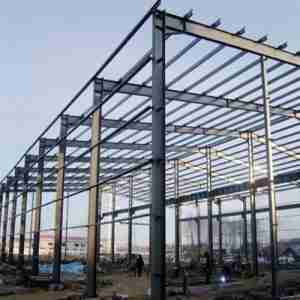
Steel is extensively used in construction for buildings, bridges, and infrastructure. It offers structural integrity, allowing for the construction of tall buildings and long-span bridges. Additionally, steel’s flexibility makes it ideal for seismic-resistant structures.
8.2.2 Automotive Industry
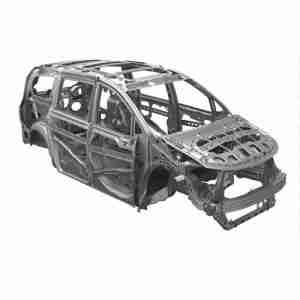
Steel is a crucial component in the automotive industry, used in the manufacturing of vehicle bodies, chassis, and engine parts. High-strength steel varieties are employed to enhance safety and reduce weight, contributing to improved fuel efficiency and performance.
8.2.3 Transportation

Beyond automobiles, steel plays a vital role in various modes of transportation. It’s used in the construction of ships, railroad tracks, and cargo containers due to its durability and resistance to corrosion.
8.2.4 Energy Infrastructure

Steel is essential for the production, transmission, and distribution of energy. It’s used in the construction of pipelines for oil, gas, and water transport, as well as in the fabrication of wind turbine towers and solar panel support structures.
8.2.5 Aerospace Industry

In aerospace, steel is utilized in the construction of aircraft components, including landing gear, engine parts, and structural frames. High-strength steel alloys are employed to withstand extreme conditions encountered during flight.
8.2.6 Machinery and Equipment
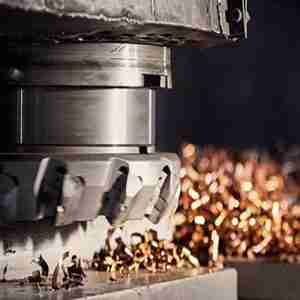
Steel is a primary material in the manufacturing of machinery and equipment across various industries, including agricultural, mining, and manufacturing sectors. Its durability and machinability make it suitable for a wide range of applications.