Table of Contents
1. What is 358 perimeter fencing
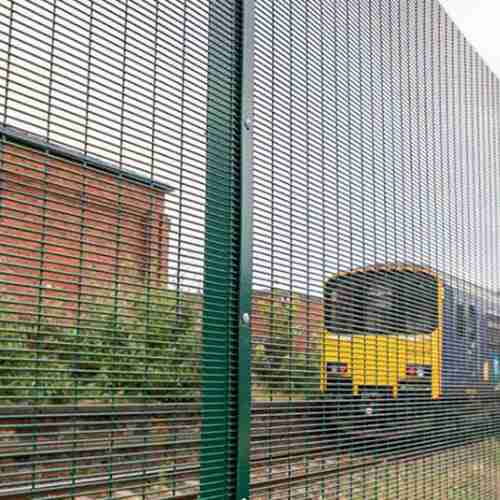
“358 perimeter fencing” refers to a specific type of security or perimeter fencing commonly used in high-security areas like prisons, military installations, and sensitive infrastructure.
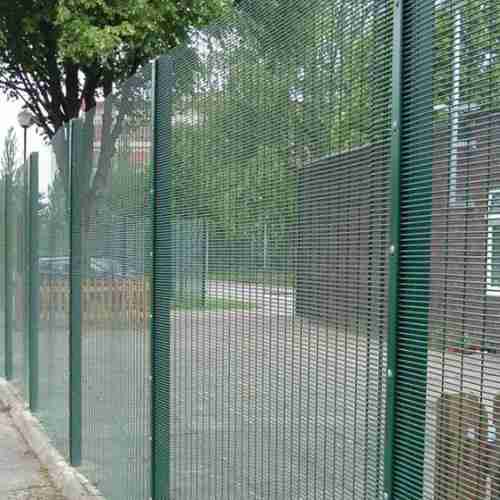
The name “358” comes from its specifications: it typically consists of closely spaced vertical and horizontal wires, with a mesh configuration of 3 inches by 0.5 inches by 8 gauge (3″x0.5″x8G), hence the name “358.”
The fencing is often made of steel and is welded at each intersection, providing a rigid and secure barrier. Additionally, the design allows for clear visibility through the fence, making it suitable for areas where surveillance is important.
2. The characteristics of a 358 perimeter fencing
While 358 perimeter fencing is highly effective in enhancing security, no security measure is entirely impenetrable. Proper installation, regular maintenance, and complementing security systems are essential to maximize the effectiveness of these fences in securing a perimeter. Here are the key characteristics of a 358 perimeter fencing:
2.1 Mesh Size
358 perimeter fencing features a tight mesh configuration with small apertures, making it difficult for intruders to climb or cut through the fence easily. the mesh size of a 358 perimeter fencing is approximately 3 inches by 0.5 inches.
2.2 High Security
358 perimeter fencing is designed to provide high levels of security due to its robust construction and narrow openings, making it difficult to breach or penetrate. This configuration creates a tight mesh pattern that makes it difficult for intruders to climb or cut through the fence.
2.3 Anti-Climb Design
The small mesh size makes it hard for individuals to gain footholds or handholds, discouraging climbing. This design makes it difficult to climb and provides a high level of security. The anti-climb feature of the 358 perimeter fencing is particularly important in preventing unauthorized access.
The 358 perimeter fencing is typically made from high-strength steel, which makes it resistant to cutting and bending. This durability enhances the overall security of the fence and discourages tampering.
The smooth surface of the fence makes it harder for individuals to climb. There are no horizontal bars or protrusions that can be easily grasped or used as leverage.
The height of the fence is an important factor in deterring climbing attempts. Additionally, some 358 perimeter fencings may have anti-climb toppings, such as barbed wire or razor wire, to further discourage any attempts to climb over.
2.4 Durability
In terms of durability, 358 perimeter fencing is known for their strength and resistance to cutting and climbing. The small mesh size makes it challenging for intruders to get a foothold or use tools to cut through the fence easily.
Additionally, these fences are often made of high-quality materials, such as galvanized steel, to resist corrosion and withstand harsh weather conditions.
2.5 Rigidity
The rigidity of 358 perimeter fencing is generally high due to the tight mesh pattern and the use of heavy-gauge steel wires. This design provides strength and resistance to bending or deformation, enhancing the overall security of the fence.
The combination of small mesh size and strong materials makes the fence resistant to climbing, cutting, and vandalism.
2.6 Low Visibility
The narrow mesh design makes it challenging to see through the 358 perimeter fencing from a distance, adding an element of privacy and security. The mesh size of the fence can affect visibility. Smaller mesh sizes can reduce visibility through the fence, making it more difficult to see what’s on the other side.
Some 358 perimeter fencing come with a coating, such as an anti-corrosion or anti-climb coating. Depending on the type of coating, it may affect visibility.
The height of the fence can also impact visibility. Taller fences can be more challenging to see through, especially if they have additional security features like razor wire or anti-climb spikes.
2.7 Customizable Height and Coating
Available in various heights, and coatings such as polyester powder coating can be applied for additional protection and aesthetics.
Provides a layer of zinc coating to protect the fence from corrosion. Adds an additional layer of protection and allows for customization in terms of color. Powder coating is available in various colors to match your aesthetic preferences.
2.8 Minimal Maintenance
Maintaining 358 perimeter fencing in a minimal and effective manner involves a few key steps. The specific maintenance requirements may vary based on the type of metal used (such as iron, steel, aluminum, etc.) and the environmental conditions in your area.
Clean the fence regularly to prevent the buildup of dirt, dust, and other debris. Use a mild detergent or soapy water and a soft brush to scrub the metal surface. Avoid abrasive cleaners that could damage the finish.
If your metal fence is susceptible to rust (common with iron or steel fences), apply a rust-resistant coating or paint to protect it. Ensure that the metal is dry and clean before applying any protective coating.
Regularly inspect the fence for signs of damage, such as loose bolts, chipped paint, or bent sections. Repair or replace any damaged components promptly to prevent further issues.
“358 perimeter fencing” refers to a specific type of security fencing commonly used in high-security environments due to its robustness and effectiveness. Here are some applications where a fence is often used:
3.1 Prisons and Correctional Facilities
This type of 358 perimeter fencing is widely used in prisons due to its anti-climb and anti-cut features, making it difficult for inmates to escape or for unauthorized individuals to gain access.
3.2 Military Installations
Military bases and sensitive government facilities often utilize 358 perimeter fencing for perimeter security. Its durability and resistance to cutting tools make it suitable for protecting these high-security areas. Fencing can vary in design and materials based on the security requirements of the installation.
For the most accurate and up-to-date information, I recommend checking with official military sources or contacting relevant authorities who have jurisdiction over the specific installation in question.
3.3 Border Security
Border security, in general, involves a combination of physical barriers, surveillance technology, personnel, and other measures to secure a country’s borders. Fences like the 358 security fencing can be a component of a comprehensive border security strategy.
These fences are known for their durability, resistance to cutting or climbing, and providing a clear line of sight for surveillance.
3.4 Critical Infrastructure Protection
Facilities such as power plants, water treatment plants, and communication centers utilize 358 perimeter fencing to safeguard critical infrastructure from intruders and potential threats.
3.5 Data Centers and Industrial Facilities
Data centers are critical infrastructure that house and manage a large amount of digital information. Security measures for data centers typically include physical and digital safeguards. 358 perimeter fencing is an essential physical security component.
Secure perimeter fence is essential to control access. The choice of fencing material and design depends on factors such as the level of security required, local regulations, and aesthetic considerations.
3.6 Utilities and Energy Sites
Energy facilities, including substations and other utilities, often utilize this type of 358 perimeter fencing to protect critical infrastructure from unauthorized access or sabotage.
Utilities and energy sites typically refer to facilities related to electricity generation, transmission, or distribution, such as power plants, substations, wind farms, solar installations, etc.
3.7 Wildlife Parks and Zoos
In some cases, 358 perimeter fencing is used in wildlife parks and zoos to prevent animals from escaping and to protect them from potential threats outside their enclosures.
It seems like you’re asking about wildlife parks or zoos that have 358 perimeter fencing or use this particular type of fencing. As of my last knowledge update in January 2022, I don’t have specific information about a wildlife park or zoo with a fence specifically identified as “358.”
This type of fencing is known for its robustness, durability, and ability to provide high levels of security due to its small mesh size, making it difficult to climb or penetrate.
Many zoos and wildlife parks use different types of fencing or barriers based on the animals they house and their specific enclosure needs. For instance, some might use chain-link fences, electrified fencing, glass walls, natural barriers like moats to ensure both their safety and the safety of visitors.
4. Composition of 358 anti-climb perimeter fence
An 358 anti-climb perimeter fence is typically designed to deter climbing and intrusion. The composition of a specific anti-climb fence like the one you mentioned generally consists of the following components:
4.1 Mesh Panels
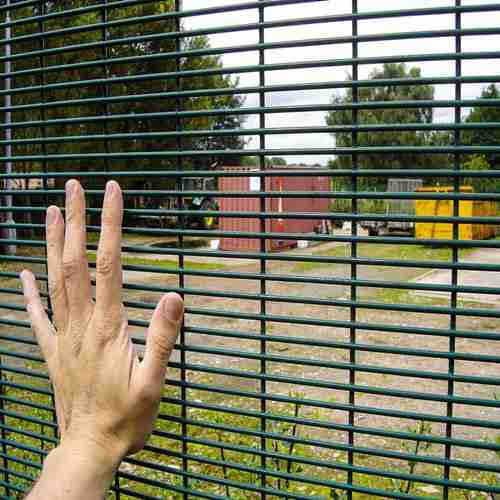
358 perimeter fencing signifies a mesh pattern with 3-inch by 0.5-inch apertures (76.2mm x 12.7mm) made from heavy gauge wire, usually steel or another durable metal. The smaller openings make it difficult for intruders to get a foothold or handhold to climb the fence.
4.2 High-Quality Steel or Metal
The 358 anti-climb perimeter fence is a high-security fencing system made from high-quality steel or metal materials.
The material used for this type of fence is usually a robust steel alloy, such as stainless steel or galvanized steel. These materials offer durability, strength, and corrosion resistance, making them suitable for high-security applications where intrusion prevention and long-term reliability are essential.
Stainless steel is known for its resistance to corrosion and rust, making it an excellent choice for outdoor installations where exposure to weather elements is a concern. Galvanized steel, on the other hand, is coated with a layer of zinc to protect against rust and corrosion, providing longevity and durability.
4.3 Height and Topping
The height of the 358 perimeter fencing can vary, but it’s typically tall enough to discourage climbing attempts. Some designs might also have additional toppings such as barbed wire, rotating spikes, or anti-climb paint to further discourage scaling.
The height and topping of an anti-climb fence can vary based on specific requirements, but these fences are typically designed to be difficult to scale or penetrate. The choice of height and topping depends on the level of security needed and the site’s vulnerabilities.
Anti-climb fences are usually taller than standard fences to deter climbing. They can range anywhere from 6 feet (1.8 meters) to 10 feet (3 meters) or higher. Taller fences are harder to climb and can provide better security.
4.4 Posts and Framework
Sturdy posts and a strong framework support the mesh panels, ensuring the 358 perimeter fencing remains stable and secure.
The fence panels are securely attached to posts and a robust framework to ensure stability and strength. The posts can be made of steel and are usually set into the ground at regular intervals to support the panels. These posts are often concreted or anchored securely to ensure the fence’s integrity.
4.5 Coating or Finish
Some 358 anti-climb perimeter fences come with a protective coating or finish, such as galvanization or powder coating, to enhance durability and resistance to corrosion. The primary coating or finish used for this type of fence is usually a hot-dipped galvanized coating or an additional layer of polyester powder coating.
This is a common method used to protect steel from corrosion. The fence panels are immersed in a bath of molten zinc, creating a protective layer on the steel, which helps prevent rust and corrosion. It provides good durability and resistance to various weather conditions.
In some cases, the hot-dipped galvanized finish might be further enhanced with a polyester powder coating. This additional layer not only adds to the aesthetics of the fence by providing color options but also increases its resistance to scratches, chemicals, and harsh environmental elements.
4.6 Gate and Access Control
For access points, anti-climb gates with secure locking mechanisms are often included in the design. Access control systems like card readers or keypads may also be integrated into the 358 perimeter fencing design for controlled entry.
Choose a gate specifically designed to complement the 358 anti-climb perimeter fence. These gates are typically constructed using the same materials and security measures to maintain the integrity of the perimeter.
Implement robust access control systems that may include keypad entry, keycard access, biometric scanners, or proximity card readers. Integration with security systems like CCTV cameras, alarms, and monitoring stations can enhance overall security.
5. How does 358 perimeter fencing help keep farms safe?
Perimeter fencing system using 358 mesh design provides robust security features, durability, visibility, and control over access, contributing significantly to keeping farms safe from potential threats, intruders, and safeguarding valuable assets like livestock and crops. This type of fencing contributes to farm security:
5.1 Durability
358 perimeter fencing is made from high-quality materials, making it strong and resistant to cutting or climbing attempts by intruders. Its robust construction can withstand various weather conditions and physical impacts.
5.2 Height and Design
The height of the fence and the mesh design make it difficult for intruders to climb over. The small mesh size prevents footholds, making it challenging for individuals to gain leverage for climbing.
5.3 Visibility
This 358 perimeter fencing type allows clear visibility through the mesh, enabling farm owners or security personnel to monitor activities on both sides of the fence easily. This visibility can be crucial for farm surveillance and detecting potential threats.
5.4 Security Enhancement
By creating a defined perimeter, 358 perimeter fencing helps control access to the farm. It acts as a deterrent to trespassers, animals, and unauthorized vehicles, reducing the risk of theft, vandalism, or intrusion.
5.5 Protection of Livestock and Crops
Proper 358 perimeter fencing helps keep livestock within designated areas and prevents wild animals from entering and damaging crops. It also minimizes the risk of theft or attacks on farm animals.
5.6 Customization and Integration
The design of 358 perimeter fencing allows for customization and integration of additional security measures such as surveillance cameras, alarms, or barbed wire extensions, further enhancing the security of the farm.
6. How to Make 358 perimeter fencing More Secure and Safe
Improving the security and safety of a 358 perimeter fencing (often known as anti-climb or prison mesh fencing) involves a combination of physical measures, surveillance, and access control. Here are some suggestions.
6.1 Heighten the Fence
One of the most straightforward ways to enhance security is to increase the height of the fence. Ensure that the height complies with local regulations and doesn’t violate any zoning laws. Taller fences are more challenging to climb, making it harder for unauthorized individuals to gain access.
6.2 Anti-Climb Features
The 358 mesh fencing, also known as anti-climb fencing or prison mesh, is already designed to be difficult to climb due to its small mesh size and lack of hand or footholds. However, you can enhance its security further by incorporating additional anti-climb features.
Install anti-climb features at the top of the fence, such as razor wire, rotating spikes, or angled extensions. These make it more difficult for individuals to climb over.
6.3 Reinforce the Base
Ensure that the fence is securely anchored to the ground. This prevents individuals from digging underneath or attempting to lift the fence from the bottom.
6.4 Surveillance Cameras
Install surveillance cameras along the perimeter. Strategically place cameras to cover vulnerable areas, entrances, and blind spots. High-resolution cameras with night vision capabilities are recommended.
7. Three benefits of 358 powder-sprayed perimeter fencing
Always consider that specific products might offer unique features or benefits depending on their manufacturing process, quality, and intended use.
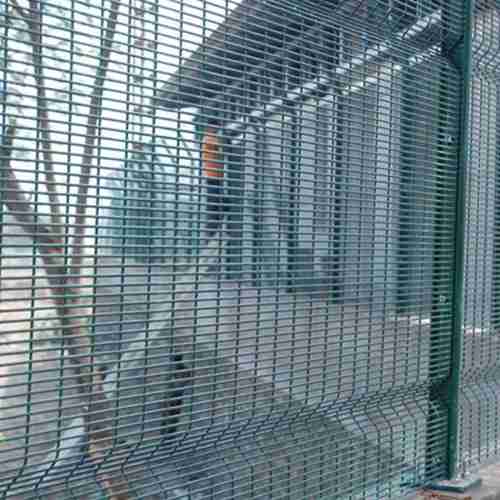
However, can provide general benefits of using powder-coated perimeter fencing, especially in conjunction with a secure design like 358 mesh fencing, which is a type of high-security mesh fencing commonly used in prisons, military areas, and critical infrastructure installations. Here are three potential benefits:
7.1 Enhanced Durability and Weather Resistance
Powder coating involves applying a durable finish to the fencing material, creating a protective layer that can withstand harsh weather conditions, resist corrosion, and prevent rusting. This makes the 358 perimeter fencing more durable and extends its lifespan, reducing maintenance needs and costs over time.
7.2 Increased Security and Safety
The 358 mesh configuration typically has small openings, making it difficult for intruders to climb or penetrate. When combined with a powder-coated finish, the fencing becomes even more resistant to cutting, climbing, and vandalism.
This makes it an excellent choice for high-security areas, providing a strong physical barrier that deters unauthorized access.
7.3 Aesthetic Appeal and Customization
Powder coating allows for a variety of color options and finishes, providing aesthetic appeal and customization to match different environments or architectural designs. This makes the 358 fencing not only functional but also visually appealing, enhancing its overall look and blending it into its surroundings more seamlessly.
8. 3.0m High 358 Prison Mesh perimeter Fencing Kit
The 3.0-meter-tall, 358 prison mesh perimeter system consists of 4mm thick horizontal and vertical wires, a large number that makes it difficult for any potential intruders to break through.
The opening of the grid is 76.2 mm wide and 12.7 mm high, which means you can easily see what is happening on the other side of the perimeter, making it compatible with CCTV systems. The openings in the net are small enough that most people can’t get their fingers through them, making it extremely difficult to climb the net.
This type of fence has two different types of posts, either dug in or bolted. Digging posts is fairly common, requiring holes to be dug and filled with a post mixture to support the posts.
Bolted columns are designed with a bottom plate that can be secured to solid ground, such as concrete, using anchor bolts to securely hold the column. This type of bolt is ideal when it is not possible to dig a hole for a post (for example in a parking lot).
Can be fixed with clamps or clips. Clamp bar fasteners are available as excavation options only. Clamping rods add some extra security, as they prevent attempts to pry open the connection between the panel and the post.
9. Conclusion
358 perimeter fencing is known for their durability, height, and design that make them difficult to climb or penetrate. Their effectiveness in providing security often depends on proper installation, maintenance, and integration with other security measures like surveillance cameras, alarms, and security personnel.
While these fences offer high security, they can be costly compared to other types of fencing. The conclusion regarding cost-effectiveness involves evaluating the initial installation costs, maintenance expenses, and the level of security provided relative to the investment.
Environmental factors, geographic location, and local regulations can impact the performance and longevity of the fence. For example, extreme weather conditions or corrosive environments might affect the durability of the fence over time.
In conclusion, the effectiveness of a 358 perimeter fencing depends on various factors including its security capabilities, cost-effectiveness, suitability for the intended purpose, and its ability to withstand local conditions.