
Table of Contents
1. What is baseball barrier?
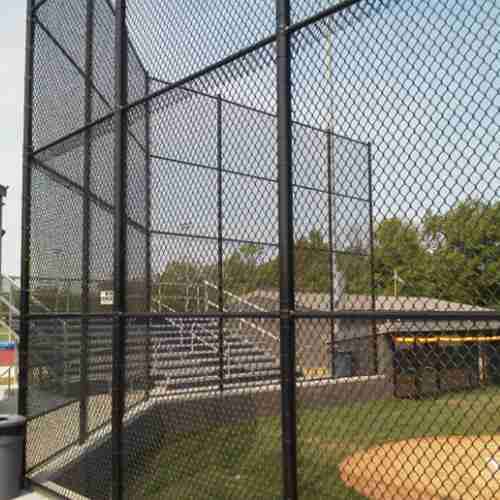
The baseball barrier is a boundary in a baseball field that separates the playing field from the spectators and marks the outer limit of the field of play. The barrier’s purpose is to define the boundary for fair play and to designate areas where hitting a baseball over it results in different outcomes.
Baseball fences can vary in height, material, and distance from home plate depending on the ballpark or league regulations. The distance from home plate to the outfield fence can differ between baseball stadiums, influencing the difficulty for players to hit a home run.
Some fields have high walls or fences that make it more challenging for batters to hit the ball out of the park, while others have shorter fences, allowing more home runs.
In professional baseball, the outfield fence might have different heights or dimensions in different parts of the outfield, creating irregularities that add to the strategic and challenging aspects of the game.
2. The materials of baseball barrier?
Baseball barriers are typically constructed using a variety of materials to ensure durability, safety, and visibility. The specific materials used can vary depending on the level of play, budget considerations, and the preferences of the facility management. Here are some common materials used in the construction of baseball barriers.
2.1 Chain Link Fence
Baseball chain link fences are commonly used as barriers in various settings, including baseball fields. These fences are typically made of galvanized steel or coated with a layer of zinc to protect against corrosion.
The main body of the chain link fence is composed of a mesh of interwoven steel wires. The mesh size can vary depending on the specific requirements of the application.
The framework of the chain link fence is supported by posts, which are also made of galvanized steel. These posts are set into the ground and provide stability to the overall structure.
Horizontal rails are used to connect the posts and provide additional support to the fence. Bracing, which consists of diagonal supports, may be added to enhance the stability of the fence, especially for taller structures.
Tension wire may be added to the bottom of the chain link fence to help prevent sagging and maintain the integrity of the structure.
Wooden barriers are often used in combination with other materials. They can be solid wood or comprised of wooden panels. Wood provides a classic and natural look. It is also customizable and can be stained or painted.
Vinyl is a type of plastic made from polyvinyl chloride (PVC) resin. It is often mixed with other additives to enhance its properties.
Vinyl is known for its durability, flexibility, and resistance to moisture. It can withstand various weather conditions, making it suitable for outdoor use. Vinyl is also resistant to corrosion and does not require painting.
Vinyl is commonly used in the production of banners, signs, and sports barriers. It can be coated or laminated for added strength and protection. Vinyl barriers may be used as windscreens or fencing around baseball fields.
PVC is a versatile plastic polymer composed of vinyl chloride monomers. It can be rigid or flexible, depending on its formulation and additives. PVC is known for its strength, chemical resistance, and versatility. It can be rigid (uPVC) or flexible (soft PVC) based on the additives used during manufacturing.
Concrete barriers are sturdy and often used in professional stadiums. They may be combined with other materials for aesthetic purposes. Concrete provides a solid and secure barrier. It is durable and requires minimal maintenance.
Mesh netting is often used to extend the height of existing baseball barriers to prevent balls from leaving the field. Mesh netting is lightweight, provides good visibility, and can be added to existing structures.
Nylon is a popular choice for baseball netting due to its strength, durability, and resistance to UV rays. It has high tensile strength, which means it can withstand the force of impact from baseballs without tearing easily. Nylon netting is also known for its weather resistance, making it suitable for outdoor use.
Polyethylene is another common material used in baseball barrier netting. It is a versatile plastic with good strength and durability. Polyethylene netting is resistant to moisture, making it suitable for outdoor applications. It is also known for its UV resistance, ensuring a longer lifespan when exposed to sunlight.
Polyester netting is chosen for its high abrasion resistance and durability. It is also resistant to UV rays, making it suitable for outdoor use. Polyester netting tends to have good dimensional stability, meaning it maintains its shape well over time.
The dimensions of baseball barrier, including barriers like the outfield fence, vary between different leagues and levels of play. The following are the standard dimensions for Major League Baseball (MLB) stadiums:
Outfield Fence Distance: The distance from home plate to the outfield fence varies, but the typical range is between 325 feet (99.1 meters) and 375 feet (114.3 meters) down the foul lines and 400 feet (121.9 meters) to 440 feet (134.1 meters) to center field.
Fence Height: The height of the outfield fence can also vary, but it is generally around 8 to 12 feet (2.44 to 3.66 meters). Some ballparks may have different fence heights in different sections of the outfield.
4. How are damages or wear and tear on baseball barrier typically addressed?
The management of damages or wear and tear on baseball barriers typically involves regular inspection, maintenance, and, if necessary, repairs or replacements. Baseball barriers, such as outfield walls, fences, and netting, are crucial components of the playing field, providing safety for players and spectators.
4.1 Regular Inspection
Periodic inspections are conducted to assess the condition of the baseball barriers. This can be done before the start of the season, between games, or as needed.
Inspections may include checking for structural integrity, stability, and any signs of damage or wear.
Conduct routine inspections of the barriers before and after each game or practice session. Look for signs of damage, wear, rust, loose bolts, bent sections, or any structural issues.
4.2 Maintenance
Routine maintenance tasks are performed to prevent minor issues from escalating into more significant problems. Tasks may include cleaning, painting, lubricating hinges and joints, and tightening bolts or screws.
Damages or wear and tear on baseball barriers, such as outfield walls or fencing, are common due to the nature of the sport. Addressing these issues usually involves regular maintenance and occasional repairs.
4.3 Repairing Holes or Tears
Small holes or tears in the fencing or baseball barriers can be patched up using appropriate materials. Mesh patches or repair kits specifically designed for sports barriers can be used to mend these damages.
If sections of the barrier are severely damaged or beyond repair, they might need to be replaced entirely. This could involve replacing sections of the fence, boards, or padding.
Sometimes, wear and tear might affect the appearance of the barrier. Repainting or refinishing the barriers can help to not only maintain their appearance but also protect them from further damage caused by exposure to the elements.
4.4 Immediate Repairs
If any damage or wear about baseball barriers is detected during inspections, immediate repairs are carried out. This could involve patching holes, replacing damaged sections, or reinforcing weak points.
Quick response to issues helps maintain the barrier’s effectiveness and ensures the safety of players and spectators.
Damages or wear and tear on a baseball barrier, such as a fence or netting, are common due to the nature of the sport. These damages might occur due to balls hitting the barrier repeatedly, exposure to weather elements, or general wear over time.
4.5 Preventive Measures
Adding padding or cushioning to areas frequently hit by balls can reduce the impact and minimize damage. Implementing weather-resistant coatings or treatments can help protect the baseball barriers from sun, rain, wind, and other environmental factors that contribute to wear and tear.
4.6 Replacement
Over time, baseball barriers may experience wear that cannot be effectively repaired. In such cases, it might be necessary to replace the damaged sections or the entire barrier.
Replacement could involve using the same materials or upgrading to newer, more durable materials. Small damages are promptly addressed to prevent further deterioration. These repairs might involve patching, sealing, or reinforcing the affected areas.
If specific components of the barrier, such as netting or fencing, are severely damaged beyond repair, they are often replaced with new materials to ensure the barrier’s integrity.
Barrier surfaces might require regular cleaning and repainting to protect against corrosion, weathering, or other environmental factors that could contribute to wear and tear.
4.7 Upgrades
In some instances, teams or facilities may choose to upgrade their baseball barriers for improved safety, visibility, or aesthetics. This could involve installing higher or stronger fences, adding additional netting, or implementing modern technologies to enhance barrier performance.
In baseball, damages or wear and tear on barriers, such as outfield walls or fencing, are common due to the nature of the sport. These damages can occur from balls hitting the barriers, weather conditions, or general wear over time.
5. How do wind conditions and other environmental factors affect the impact of baseball against the barrier?
Wind conditions and other environmental factors can significantly influence the flight of baseball and its impact against baseball barriers. Here are some ways in which these factors can come into play.
5.1 Wind Direction and Speed
A headwind (blowing towards the batter) can slow down the ball, potentially reducing its distance and impact against baseball barriers. Conversely, a tailwind (blowing away from the batter) can help carry the ball farther, increasing its impact against a barrier.
Higher wind speeds can alter the trajectory of a baseball hit towards a barrier. Headwinds (blowing against the direction of the ball’s flight) can slow down the ball, causing it to drop more quickly than usual.
Tailwinds (blowing in the same direction as the ball’s flight) can give the ball extra carry, allowing it to travel farther before hitting the barrier.
Crosswinds blowing across the path of the ball can create lateral forces, making the ball curve or slice in the air. This can affect the angle at which the ball hits the barrier, potentially changing the rebound direction after impact.
5.2 Wind Swirls and Eddies
Local wind patterns around the baseball field can create swirls and eddies that affect the trajectory of the ball. These unpredictable air movements can cause the ball to deviate from its expected path and impact the baseball barriers differently.
5.3 Temperature and Air Density
Warmer temperatures generally result in lower air density, which can reduce air resistance on the baseball. This may allow the ball to travel farther and impact the baseball barriers with more force.
Colder temperatures increase air density, potentially causing more air resistance and reducing the distance the ball can travel.
Warmer temperatures typically lead to less air density. As the air gets warmer, its molecules tend to move faster and spread out, reducing air density. In baseball, this can result in the baseball encountering less resistance as it travels through the air.
With lower air density, there’s less drag acting on the baseball, allowing it to travel farther. This reduced air resistance might result in a baseball having a higher velocity when it hits a barrier.
Air density refers to the mass of air molecules within a given volume of space. Higher air density means more molecules in a given space, leading to increased air resistance. When the air is denser, such as in cooler temperatures or at higher elevations, a baseball moving through it will experience more resistance.
5.4 Humidity
High humidity can affect the density of the air. Generally, moist air is less dense than dry air, which might influence the flight of the baseball and its impact on baseball barriers.
Humidity can potentially affect the flight and impact of a baseball against a barrier, but its influence is not as significant as factors like air density, temperature, wind, and altitude.
5.5 Altitude
Ballparks at higher altitudes have lower air density, which can lead to less air resistance. This means that baseballs may travel farther at higher altitudes, impacting the baseball barriers.
Altitude can affect the flight of a baseball due to differences in air density. At higher altitudes, where the air is thinner, there is less air resistance. This can cause the baseball to travel farther compared to lower altitudes where the air is denser, resulting in more air resistance.
When it comes to impacting a barrier, the altitude may have a subtle effect on the baseball’s behavior upon collision. At higher altitudes, the reduced air resistance could potentially cause the baseball to maintain more of its initial velocity when it hits a barrier.
5.6 Barometric Pressure
Changes in barometric pressure can affect the flight of the baseball. High-pressure systems are associated with denser air, potentially resulting in shorter ball travel, while low-pressure systems may allow the ball to travel farther.
Barometric pressure impacts air density, which indirectly affects the flight of the baseball. When the barometric pressure is high (indicating denser air), there’s slightly more resistance against the ball’s movement through the air. Conversely, when the barometric pressure is low (indicating thinner air), there’s less air resistance.
For hitting a barrier, the impact might be subtle because the flight of the ball over short distances is less affected by air density changes due to barometric pressure. The velocity and angle at which the ball hits the barrier are typically the more significant factors determining the impact force.
5.7 Sun and Visibility
Sun glare can affect a fielder’s ability to track the ball, potentially influencing the impact against the baseball barriers.
Absolutely, the sun and visibility can significantly affect how a baseball player perceives and reacts to a ball heading towards a barrier (such as a wall or fence) during a game.
Poor visibility due to weather conditions like fog, rain, or even the time of day (night games) can also impact a player’s ability to track the ball. Reduced visibility can make it harder for players to gauge the distance to the barrier, affecting their timing and positioning to make a play.
Outfielders rely on their spatial awareness and judgment of the barrier’s distance to time their jumps or stops when attempting to catch or field a ball. When visibility is compromised, accurately judging this distance becomes more challenging, increasing the likelihood of collisions with the barrier or mistiming attempts to catch the ball.
6. How often are baseball fences inspected and renovated?
The frequency of baseball fence inspections and renovations can vary depending on several factors, including the level of play, the type of facility, and local regulations. Here are some general considerations.
6.1 Professional and Major College Facilities
These facilities typically undergo regular inspections and maintenance to meet high standards. Renovations may occur as needed based on wear and tear or changes in safety regulations. Upgrades and improvements may be made during the off-season.
6.2 Local and Community Fields
Inspection and renovation frequencies can vary widely and may depend on available resources. Fields used for youth leagues may have different standards and inspection schedules compared to higher-level facilities.
6.3 Regulatory Requirements
Some jurisdictions have regulations or guidelines for the maintenance and safety of sports facilities, including baseball fields. Compliance with these regulations can influence inspection and renovation schedules.
6.4 Condition of the Fence
If the baseball fence shows signs of wear, damage, or safety issues, it should prompt more frequent inspections and, if necessary, renovations.
6.5 Budget Constraints
The availability of funds can significantly impact the frequency of renovations. Facilities with limited budgets may need to prioritize projects based on urgency and importance.
7. The load-bearing capacity of baseball chain link fence
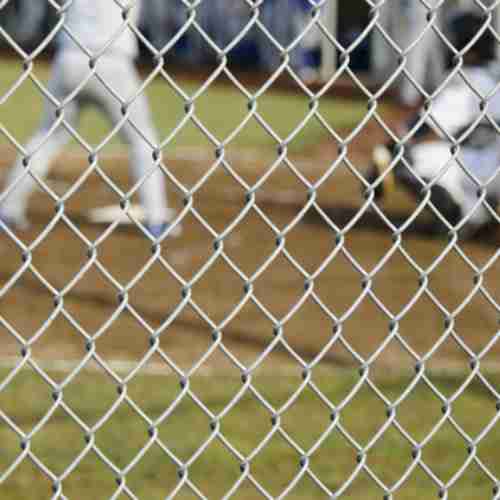
The load-bearing capacity of baseball chain link fence can vary based on several factors, including the gauge (thickness) of the wire used, the height of the fence, the size of the mesh, the quality of installation, and the specific design of the fence posts and support structures.
In general, chain link fences are designed to provide containment and security rather than significant load-bearing capacity. They are not typically engineered to support heavy loads or weight against them. The primary function of a baseball chain link fence is to demarcate the playing area and prevent balls from leaving the field.
For a standard baseball field, the chain link fence is designed to withstand the impact of baseballs and the pressure from players leaning or pushing against it. However, it may not be engineered to support heavy loads or significant force.
8. Conclusion
In conclusion, the design and load-bearing capacity of a baseball barrier, particularly a chain-link fence, are crucial considerations for ensuring the safety of players, spectators, and property.
The effectiveness of a baseball barrier is influenced by factors such as material strength, post installation, mesh size, height, tension wire, and gate design.
A well-constructed baseball barrier should not only contain baseballs within the playing area but also withstand impact forces without compromising its structural integrity.
For specific information about the load-bearing capacity of a particular baseball chain-link fence, consulting with fencing professionals, manufacturers, or relevant authorities is recommended.
These sources can provide details on design specifications, intended use, and any specific load ratings, ensuring that the baseball barrier meets the necessary standards for safety and performance.
