Comprehensive introducing of chicken wire barrier

Table of Contents

1. What is chicken wire barrier?

welded chicken wire fence

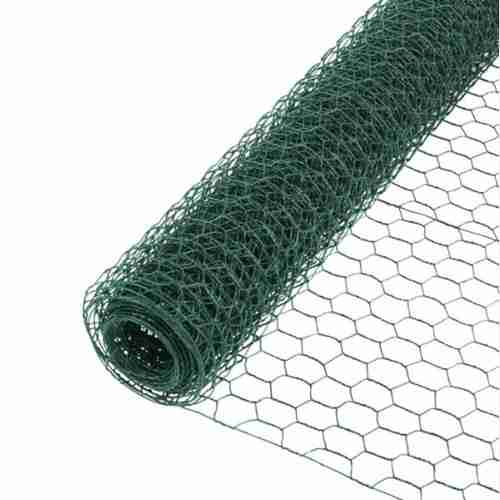
Chicken wire barrier refers to a fencing material made from thin, flexible galvanized steel wire twisted and woven into a hexagonal pattern. Chicken wire is frequently used to create enclosures for poultry, such as chickens, ducks, and other small animals.

It provides a barrier to keep them contained while allowing airflow and visibility. Chicken wire is employed in gardens to create protective barriers around plants, gardens, and flowerbeds.

This wire mesh is used in construction and home improvement projects. It can be used as a lightweight fencing material to section off areas or to create temporary barriers.

When installing a chicken wire barrier, it’s essential to consider the gauge (thickness) of the wire, the size of the hexagonal holes, and the overall strength needed for the intended purpose.

2. The application of chicken wire barrier

Chicken wire is a versatile material commonly used in various applications due to its flexibility, durability, and cost-effectiveness. Here are some common applications of chicken wire barriers.

2.1 Garden Protection

It’s often used to create barriers around gardens to prevent small animals like rabbits, squirrels, and rodents from damaging plants and crops. The wire can be formed into fences or cages to keep these pests out.

2.2 Poultry Enclosures

Poultry enclosures are essential structures designed to house and protect chickens. Chicken wire is a commonly used material for constructing barriers or fencing for these enclosures due to its affordability and effectiveness in keeping chickens safe from predators while allowing adequate ventilation.

Chicken wire comes in various gauges and sizes. Ensure you choose wire with small enough gaps to prevent predators from entering (such as raccoons, foxes, or birds of prey). A standard size is typically one-inch mesh, but smaller mesh sizes offer increased protection.

When building an enclosure using chicken wire, you’ll need sturdy posts to support the wire fencing. Wooden or metal posts can be used, and the wire should be securely attached to these posts.

2.3 Compost Bins

Chicken wire can be used to create bins for composting organic waste. It allows proper aeration and keeps compost materials contained while they decompose.

2.4 Protection from Predators

Chicken wire can be a useful barrier to protect chickens from various predators. However, depending on the type of predators you’re dealing with, additional measures might be necessary to ensure your chickens’ safety.

Predators like foxes and raccoons may try to dig under the chicken wire to access your coop. Burying the wire about 12-18 inches deep around the perimeter can prevent this.

2.5 Decorative Purposes

Chicken wire is a versatile mesh material made of thin, flexible galvanized wire, typically used to contain poultry and small animals. However, beyond its primary function in agriculture, chicken wire has found various decorative purposes due to its flexibility, affordability, and rustic aesthetic.

Chicken wire can be used as a decorative fence in gardens. It’s often employed to create boundaries for flower beds or vegetable patches, providing a barrier against pests while adding a rustic charm to the garden.

It can serve as a support structure for climbing plants like vines, peas, or certain flowers. When attached to a frame or wall, chicken wire allows these plants to climb and spread, creating a green wall or a visually appealing vertical garden.

Artists often use chicken wire as a material for sculptures and art installations due to its malleability. It can be shaped and molded into various forms, providing a sturdy base for creative artworks.

2.6 Erosion Control

Chicken wire is a versatile material that can be used for erosion control in various ways. Here are some methods to use chicken wire as a barrier for erosion control:

Install chicken wire along slopes prone to erosion. Secure it by anchoring the wire to the ground using stakes or pins. This helps prevent soil erosion by holding the soil in place and allowing vegetation to grow through it.

If you’re creating terraces to control erosion on a slope, use chicken wire as a support barrier. Shape the terraces and secure the chicken wire to prevent soil from sliding down while allowing plants to establish their roots.

Use chicken wire as a component of silt fencing. This is often employed in construction sites or areas where soil runoff needs to be controlled. Combine the wire with other erosion control materials like geotextiles to create an effective barrier against sediment movement.

When seeding an area with erosion issues, lay chicken wire over the soil to protect the seeds from being washed away by rain. The wire can also prevent birds from disturbing the seeds until they have a chance to germinate.

2.7 Safety Barriers

Chicken wire is a versatile material used for various purposes, including creating enclosures for poultry, gardening, or as a barrier. However, when considering safety barriers, especially for certain applications, it’s important to note that chicken wire might not be the most effective or sturdy option due to its limitations.

Chicken wire is typically made of thin, flexible wire, which means it might not offer adequate strength or durability for certain safety barriers. It can be easily bent or broken, especially when subjected to pressure or force.

When used as a safety barrier, especially for containing larger animals or preventing access to hazardous areas, chicken wire might not provide sufficient resistance or protection.

Over time, chicken wire can rust or corrode, reducing its effectiveness as a safety barrier. This can compromise its structural integrity, making it less reliable.

Chicken wire is a versatile fencing material commonly used to create barriers for various purposes, including protecting gardens, enclosing poultry, and defining property boundaries. When it comes to creating barriers using chicken wire, there are several welding methods that can be employed.

3.1 Spot Welding
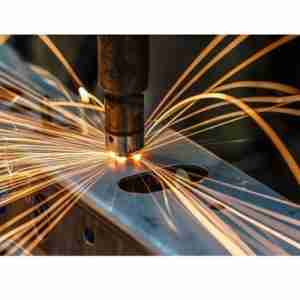
Spot Welding

Spot welding can be used to join chicken wire barriers effectively. However, it’s important to note that chicken wire is typically made of galvanized steel, which can be thin and easily melted if excessive heat is applied during welding.

Therefore, when spot welding chicken wire, it’s crucial to use the appropriate settings on the welding equipment to avoid damaging the material. Here are some steps to spot weld a chicken wire barrier:

Safety Gear: Ensure you’re wearing appropriate safety gear, including gloves and a welding mask, to protect yourself from sparks and UV radiation emitted during welding.

Select the Welding Equipment: Use a spot welding machine suitable for thin materials. Adjust the settings on the machine according to the thickness of the chicken wire to avoid overheating and damaging the wire.

Prepare the Wire: Clean the areas where you intend to weld to remove any dirt, oil, or debris that could interfere with the welding process. Make sure the wires are properly aligned and positioned for welding.

Spot Welding Process:

Position the chicken wire pieces together as needed for the joint.

Use the spot welding machine to apply short bursts of current to specific points where you want to join the wires. This process will create weld spots, effectively bonding the wires together at those points.

Ensure the welding spots are adequately strong and securely fused without causing excessive heat that could damage the wire.

Cooling and Inspection: Allow the welded spots to cool down. After cooling, inspect the welds to ensure they are secure and hold the wires firmly together. If needed, reinforce any weak spots with additional spot welds.

Finish: Once you’ve completed the welding process and ensured the joints are secure, you can install or use the chicken wire barrier as intended.

3.2 Resistance Welding
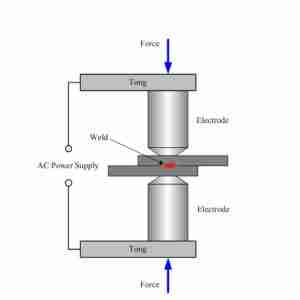
Resistance Welding

Resistance welding is a type of welding process that joins two materials by applying pressure and passing an electric current through them, causing them to melt and fuse together at the point of contact.

Chicken wire is often used as a barrier or fencing material due to its lightweight and flexible nature. When attempting to weld chicken wire using resistance welding, the heat generated from the electric current might burn or damage the wire due to its thin gauge.

Additionally, the mesh structure might not provide enough contact area for effective welding, leading to weak or inconsistent welds.

Alternative methods such as using fasteners, clips, or tying the wires together might be more suitable for joining or securing chicken wire barriers. These methods allow for a secure connection without damaging the material.

3.3 Electric Fusion Welding
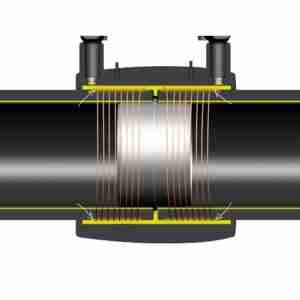
Electric Fusion Welding

Electric fusion welding isn’t typically used for joining chicken wire barriers. Chicken wire, also known as poultry netting, is a lightweight wire mesh often used in fencing or containment applications for small animals.

When it comes to joining or repairing chicken wire, welding might not be the most practical method due to the thin gauge of the wire. Using additional pieces of wire to tie together sections of chicken wire at the points where they meet. 

Metal clips or staples specifically designed for fencing can be used to secure sections of chicken wire together. Twisting the wire ends together to create a secure connection.

3.4 MIG Welding (Metal Inert Gas)
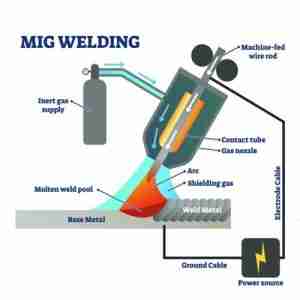
MIG Welding

MIG welding can be used to join chicken wire or mesh barriers made of materials like galvanized steel or other metals.

Ensure you have a clear and safe workspace. Remove any flammable materials or obstacles that could interfere with your welding.

Safety Gear: Put on your welding helmet and gloves to protect yourself from sparks and UV radiation while welding.

Preparation of Chicken Wire:

If the chicken wire has any coatings, use a wire brush or grinder to clean the areas to be welded. Remove rust, paint, or any other debris that could affect the welding quality.

Position the welding gun at a slight angle (about 10-15 degrees) toward the direction of the weld. Start the weld by positioning the tip of the welding gun at the joint of the wire and pull the trigger to start the arc.

Move the welding gun in a steady motion along the joint, ensuring that the weld penetrates both sides of the wire to create a strong bond. Use a consistent speed and maintain a steady distance between the gun and the wire for even penetration.

Practice good weld bead placement to ensure proper fusion between the wires.

Allow the welded area to cool down naturally. Once cooled, inspect the welds for any defects or areas that may require additional welding.
4. The characteristics of chicken wire barrier

Wire drawing involves several key techniques to transform a wire rod into a desired diameter a

Chicken wire is a type of mesh wire fence commonly used in various applications, primarily in protecting poultry or small animals and as a barrier for gardens or landscaping. Here are some of its characteristics:

4.1 Material

Typically made of galvanized steel wire, providing durability and resistance to rust and corrosion. It can also come in other materials like plastic or vinyl-coated wire for added protection against weathering.

4.2 Mesh Size

Available in various mesh sizes, commonly ranging from 1/2 inch to 2 inches. The size of the mesh affects its functionality for different purposes, such as smaller mesh sizes for keeping out smaller animals and larger mesh sizes for enclosing areas.

4.3 Gauge of Wire

The gauge refers to the thickness of the wire used in the mesh. It comes in different gauges depending on the intended application. Thicker gauges offer more strength and durability.

4.4 Flexibility and Ease of Installation

Chicken wire is relatively lightweight and flexible, making it easy to install and shape around irregular surfaces. It can be cut to size using wire cutters and attached to posts, stakes, or existing structures.

4.5 Protection and Containment

Primarily used as a barrier to keep poultry, small animals, or birds enclosed within a specific area. It can also serve as a deterrent to prevent predators from accessing or harming enclosed animals.

4.6 Temporary or Permanent Applications

Chicken wire can serve both temporary and permanent needs. It’s frequently used in temporary situations due to its ease of installation and affordability, but it can also be used in more permanent fixtures with proper installation and maintenance.

4.7 Versatility

Beyond its primary uses in agriculture and animal husbandry, chicken wire finds applications in various DIY projects, arts and crafts, and even in construction for specific purposes like plaster reinforcement or insulation support.

nd improve its properties. Tension is applied to the wire during drawing, typically using capstans or other drawing machinery.

Cooling and lubrication play crucial roles in preventing overheating and reducing friction. Intermediate annealing may be employed to relieve stress and enhance ductility. The following are specific explanations of some of the key techniques involved in the wire drawing process.

5. Surface treatment of chicken wire barrier

Surface treatment of a chicken wire barrier can serve multiple purposes such as increasing durability, preventing corrosion, and enhancing its appearance. Here are a few common surface treatment options for chicken wire barriers:

5.1 Galvanization

Galvanization is a process that involves coating a metal, usually steel or iron, with a protective layer of zinc to prevent corrosion. Chicken wire, which is commonly used for fencing or barriers in various applications, can be galvanized to enhance its durability and resistance to rust and corrosion.

The galvanization process involves immersing the chicken wire in a bath of molten zinc or applying a zinc coating through electroplating. This forms a protective layer that acts as a barrier between the metal wire and environmental elements like moisture, oxygen, and chemicals that can cause corrosion.

5.2 Vinyl Coating

Applying a vinyl coating to the chicken wire can provide additional protection against rust and corrosion, while also offering some aesthetic appeal. The vinyl coating can come in various colors and helps prevent the wire from scratching or harming people or animals that come into contact with it.

5.3 Powder Coating

Powder coating is a durable and effective method for coating various metal surfaces, including chicken wire barriers.

The surface must be thoroughly cleaned and free from any oils, dirt, or rust. Chicken wire can accumulate debris, so cleaning it properly is essential. Use a degreaser or appropriate cleaning solution, followed by rinsing and drying completely.

Chicken wire can be delicate, so ensure it’s supported properly during the coating process. Hanging it securely on a rack or frame that allows for even application and curing is essential.

Using an electrostatic spray gun, apply the powder coating evenly across the surface of the chicken wire. Ensure you cover all areas thoroughly without overapplying, which could lead to drips or uneven coating.

Once the coating is applied, the chicken wire needs to go through a curing process. This involves baking it in an oven at the specified temperature and duration according to the powder coat manufacturer’s instructions. This process helps the powder melt and form a durable, smooth finish.

5.4 Painting

Painting the chicken wire barrier with rust-resistant paint can be an option for surface treatment. However, this might not provide as long-lasting protection as some other methods and may require occasional maintenance or repainting over time.

6. Production process of chicken wire barrier

Chicken wire barriers, also known as poultry netting or chicken wire fencing, are versatile and commonly used for various purposes beyond just confining chickens. Here is an overview of the production process for chicken wire:

6.1 Material Selection

Chicken wire is typically made from galvanized steel wire, which is corrosion-resistant. The steel wire comes in rolls or coils and is the primary material for manufacturing chicken wire.

6.2 Wire Drawing

Wire drawing is a manufacturing process used to reduce the diameter of wire by pulling it through a series of dies or plates to achieve the desired diameter. Chicken wire is a type of wire mesh commonly used for fencing or creating barriers for poultry and small animals.

The wire drawing process for chicken wire typically involves the following steps:

Raw material selection: High-quality galvanized steel wire is commonly used for making chicken wire due to its durability and resistance to rust and corrosion.

Wire preparation: The selected steel wire is cleaned and annealed (heat-treated) to soften it, making it more ductile and easier to draw.

Drawing process: The prepared wire is fed through a series of drawing dies or plates. Each successive die reduces the wire’s diameter incrementally until it reaches the desired thickness for the chicken wire.

Shaping and weaving: Once the wire reaches the desired diameter, it’s then fed into a machine that shapes it into a hexagonal pattern. This process involves weaving or twisting the wire strands together to form the characteristic hexagonal mesh pattern.

Cutting and finishing: After the wire mesh has been formed, it is cut to the required length and width. The edges may be trimmed and finished to ensure a smooth and uniform appearance.

Galvanization or coating (optional): To enhance durability and resistance to corrosion, the chicken wire may undergo a galvanization process where it’s coated with a layer of zinc to protect it from rust and weathering.

6.3 Galvanization

Galvanization refers to the process of applying a protective zinc coating to steel or iron to prevent rusting. Galvanized chicken wire barriers are often used in various applications, including fencing, gardening, and construction, due to their corrosion resistance and durability.

To galvanize a chicken wire barrier, the wire mesh is typically immersed in a bath of molten zinc or electroplated with a zinc coating. This process creates a layer of zinc that acts as a barrier between the underlying steel and the surrounding environment, protecting it from corrosion caused by moisture, oxidation, and other elements.

6.4 Mesh Weaving

Weaving a chicken wire barrier involves a relatively straightforward process. Hold the chicken wire upright, ensuring it’s aligned properly between the starting and ending points.

Begin weaving the wire through the posts or supports if you have them. If not, start by weaving the wire in an under-over pattern from one end to the other, ensuring it’s taut.

Once you’ve woven the chicken wire to the end or the last post, secure it properly. You can fold the wire over itself to prevent any sharp edges from sticking out. Alternatively, use zip ties or wire to secure the ends to the posts or around the last row of wire.

6.5 Cutting and Rolling

Cutting and rolling chicken wire can be a straightforward process with the right tools and technique.

Put on gloves for protection, if using. Using wire cutters, carefully cut the wire along the measured length. Cut slowly and steadily to ensure a clean cut without leaving sharp edges. If you’re cutting a large piece, consider having someone hold the wire steady while you cut to prevent it from moving around.

Start rolling from one end to the other, depending on how you want the final shape of the barrier to be. Rolling helps in easy transportation and installation.

Begin by rolling the edge of the wire tightly. You can use your hands to guide and shape the roll as you proceed. Keep the roll tight and compact to prevent it from unraveling. You might use clamps or ties to secure the roll temporarily.

6.6 Quality Control

Throughout the production process, quality control measures are implemented to ensure that the chicken wire meets specified standards regarding dimensions, mesh size, galvanized coating thickness, and overall durability.

6.7 Packaging

After quality checks, the finished chicken wire rolls are packaged for distribution and sale. They may be wrapped in protective materials and bundled into appropriate sizes for shipping to retailers or consumers.

This production process results in a flexible, lightweight, and durable wire mesh that finds various applications, such as fencing for poultry, garden protection, creating enclosures, or even as a support structure in crafts and DIY projects.

7. The hole shape of chicken wire fence

Chicken wire typically comes in rolls and is made of thin, flexible, interwoven wire. It’s most commonly manufactured in a hexagonal pattern and square pattern, forming a mesh.

7.1 Hexagonal chicken wire fence

The hexagonal mesh of chicken wire is formed by weaving wires into a repeated pattern of six-sided shapes, resembling honeycomb structures. Each cell in the mesh has six sides meeting at six corners, creating a pattern that allows flexibility while providing strength and stability.

The wire is usually rolled out with the hexagonal mesh pattern, allowing users to cut and shape it according to their specific needs. This flexibility in shaping and cutting makes chicken wire versatile for various applications, including fencing, protecting gardens, crafting, and more.

7.2 Square hole chicken wire fence

square hole chicken wire fence refers to a type of fencing made from a mesh material known as chicken wire, which has square-shaped openings or holes. Chicken wire is typically made from thin, flexible, and galvanized wire twisted together to form a mesh pattern.

This type of fencing is commonly used to create enclosures for poultry, such as chickens, to protect them from predators or to section off areas in a garden or yard. It can also serve various other purposes, such as protecting plants from small animals or creating a barrier to define boundaries.

The square-shaped openings in the chicken wire allow for visibility through the fence while still providing a barrier to prevent animals from passing through.

8. Conclusion

The chicken wire barrier has proven to be an effective and versatile solution for various purposes. Its lightweight yet durable construction makes it suitable for a range of applications, including fencing, gardening, poultry enclosures, and protection against small animals.

In conclusion, the chicken wire barrier serves as an affordable and easily installable option that provides adequate security while allowing visibility and airflow. Its flexibility and adaptability make it a popular choice for both residential and agricultural use.

However, while it serves well for keeping out smaller animals, it might not be sufficient for larger predators or heavier security needs. Regular maintenance and occasional repairs might also be necessary to ensure its long-term effectiveness.

Overall, the chicken wire barrier stands as a practical and efficient solution for various containment and protection needs.

2p1 stainless steel chicken wire mesh fencing
Chicken Wire
Contact Form

Leave a Comment

Your email address will not be published. Required fields are marked *

Say Hello!

Get In Touch With Us

Office Address

Hanwang Road, Anping county, Hebei provine, China