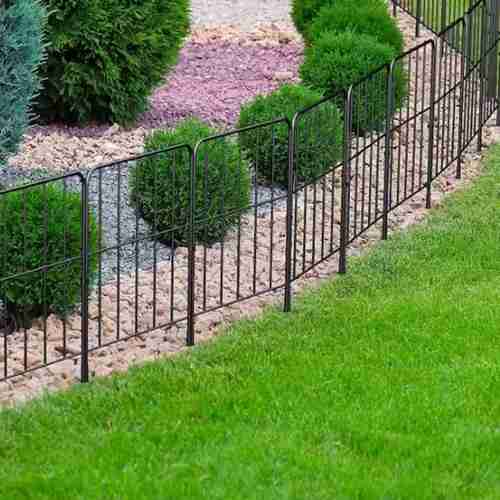
Fencing plays a crucial role in garden design and maintenance, offering a range of benefits that enhance both the aesthetic appeal and functionality of outdoor spaces. Here are several key reasons why fencing is important for gardens.
2.1 Security
Fences provide a physical barrier that deters unauthorized entry, helping to protect the garden from potential intruders, vandals, or stray animals that might damage plants or garden features.
The importance of fencing for garden security encompasses several key aspects that contribute to both the aesthetic appeal and the safety of the outdoor space. Here’s a comprehensive overview:
Prevention of Unauthorized Access: Fencing serves as a physical barrier to deter unauthorized entry into your garden. This is crucial for preventing potential theft of garden equipment, outdoor furniture, or valuable plants. It also helps in keeping out animals that might damage your garden.
Privacy Protection: Fencing provides privacy for homeowners, allowing them to enjoy their garden without the intrusion of neighbors’ eyes or passersby. Privacy fences are especially important in densely populated areas where houses are close to one another.
Safety for Children and Pets: A well-constructed fence offers a safe enclosed space for children and pets to play in, without the risk of them wandering off into dangerous areas like roads or unfenced water bodies.
Boundary Definition: Fencing clearly delineates the boundaries of your property, avoiding disputes with neighbors over property lines. It also helps in organizing the garden space more effectively, allowing for distinct areas for different uses.
Enhancement of Aesthetic Appeal: Fences can significantly enhance the aesthetic appeal of a garden. With a variety of materials and designs available, fencing can complement the landscape and architecture of a home, increasing its overall value.
Wind and Noise Barrier: Fencing can act as a windbreak, protecting delicate plants and reducing soil erosion. Additionally, certain types of fences can reduce noise pollution from the surrounding environment, creating a more peaceful garden space.
Support for Garden Plants: Some fences can serve dual purposes by acting as support structures for climbing plants or as a frame for hanging garden decorations, further integrating functionality with aesthetics.
Increase in Property Value: A well-maintained fence can increase the property value by improving curb appeal. Potential buyers often see a secure, private garden as a major plus, which can make the property more desirable in the real estate market.
Wildlife Control: Fencing can be designed to keep wildlife that might be harmful to the garden out while possibly allowing smaller, beneficial creatures to enter. This is important for maintaining the ecological balance in the garden while protecting plants from being eaten or destroyed.
Legal Compliance: In some areas, fencing might be required by local laws, especially around swimming pools to prevent accidental drownings. Ensuring your fencing complies with local regulations is important for legal compliance and community safety.
2.2 Boundary Definition

Fences clearly delineate the boundaries of your property, helping to avoid disputes with neighbors over land ownership. They also define different areas within the garden itself, such as separating a vegetable garden from a recreational area.
2.3 Wind Protection
Tall fences can act as windbreaks, protecting delicate plants from being damaged by strong winds. This is especially important in exposed or coastal areas where wind can be a significant issue. Fencing plays a critical role in protecting gardens, especially in areas prone to strong winds. Here are some key points highlighting the importance of fencing for garden wind protection:
Windbreaks: Fences act as windbreaks, reducing the speed of wind flowing over the garden. This is particularly crucial in protecting young, fragile plants that can be damaged or desiccated by strong winds. By buffering the wind’s force, fences can help to maintain a more stable environment for plant growth.
Microclimate Creation: By mitigating wind impact, fences help in creating a microclimate within the garden. This can lead to higher humidity levels and warmer temperatures, which are beneficial for the growth of many plants. The microclimate can also extend the growing season for certain crops by protecting them from early frosts.
Soil Protection: Wind can cause soil erosion, removing topsoil rich in nutrients and organic matter. This erosion can be detrimental to plant health and garden sustainability. Fences help in retaining soil by blocking or slowing down the wind, thus protecting the soil from being blown away.
Pollination and Plant Stability: In windy conditions, plants can be stressed, leading to issues with pollination and fruit set. Wind can also physically damage plants, causing them to bend or break. Fencing provides stability and reduces wind stress, allowing for better pollination and healthier plant growth.
Pest Control: While not their primary function, fences can also act as a barrier to some pests, offering an additional layer of protection for the garden. For example, a solid fence can prevent the entry of larger animals that might eat or trample plants.
Aesthetic and Functional Design: Beyond protection, fences can also enhance the aesthetic appeal of a garden. They can be used to create distinct areas within a garden, support climbing plants, and serve as a backdrop that highlights specific plants or garden features.
2.4 Support for Climbing Plants
Fences can serve as a support structure for climbing plants and vines. This not only helps the plants to thrive but also adds a living element to the fence, enhancing the garden’s aesthetic appeal.
Support for climbing plants is a crucial aspect of garden design and maintenance that offers numerous benefits, especially when integrated with fencing.
Climbing plants, such as ivy, clematis, and roses, require support to grow upwards and flourish. Fencing provides a sturdy structure for these plants to latch onto and climb. This support is essential for the healthy development of the plants, as it allows them to receive more sunlight, which is crucial for photosynthesis.
Gardens with limited ground space can benefit significantly from vertical gardening. By using fences as support, gardeners can cultivate climbing plants upwards, maximizing the use of vertical space. This is particularly useful in urban gardens where ground space is at a premium.
Fences covered with climbing plants can enhance the aesthetic appeal of a garden. Climbing plants can add color, texture, and fragrance to fences, transforming them into living walls. This can create a more inviting and visually appealing outdoor space.
2.5 Noise Reduction
The importance of fencing for a garden goes beyond the simple demarcation of property boundaries. Fencing serves several critical roles that enhance the functionality, security, and aesthetic appeal of a garden.
Fencing is crucial in keeping out unwanted animals and pests that can damage plants and vegetables. A well-constructed fence can deter deer, rabbits, and other wildlife from entering your garden and eating your plants.
A sturdy fence provides a layer of security, deterring unauthorized entry into your property. It can help in keeping out intruders and protecting garden equipment and outdoor furniture from theft.
Fencing offers privacy from neighbors and passersby, creating a secluded haven for you and your family. It allows you to enjoy your garden without worrying about prying eyes, making it a perfect place for relaxation and leisure activities.
In areas susceptible to strong winds, a fence can act as a windbreak, protecting plants from being damaged by wind. It can also help in reducing soil erosion and creating a more stable environment for plants to thrive.
2.6 Wildlife Control
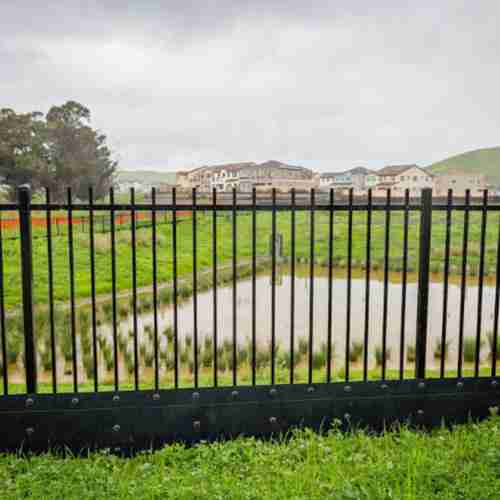
Fencing plays a crucial role in wildlife control within garden settings, ensuring both the protection of your garden and the safety of local wildlife. Here’s why fencing is important for garden wildlife control:
Prevents Wildlife Damage: Fences serve as physical barriers, deterring animals such as deer, rabbits, and rodents from entering your garden and causing damage to plants, vegetables, and flowers. Without a fence, your garden can become an easy target for these animals, leading to significant loss of your hard work and investment.
Protects Wildlife: Proper fencing can also protect wildlife by preventing them from accessing areas where they could potentially harm themselves or become trapped. For example, a fence can keep animals away from hazardous garden tools or toxic plants.
Reduces Human-Wildlife Conflicts: Fencing minimizes encounters between humans and wildlife, reducing the potential for conflicts. This is especially important in areas where there might be dangerous animals or in urban settings where wildlife might not have many natural habitats left.
Encourages Biodiversity: By selectively controlling which types of wildlife can enter your garden, you can encourage a more balanced ecosystem. For instance, fences with small openings can allow beneficial insects to enter while keeping out larger, more destructive animals.
Sustainable Gardening Practice: Using fencing as a method of wildlife control is a sustainable and humane alternative to chemical repellents or lethal control methods. It provides a long-term solution that respects the well-being of both the garden and the local wildlife population.
Customization for Specific Wildlife: Fencing can be customized to deter specific types of wildlife. For example, taller fences are effective against deer, while buried fences or solid wood fences can prevent burrowing animals like rabbits and groundhogs from entering.
2.7 Aesthetic Appeal
Fences contribute to the overall look and feel of the garden. With a variety of materials and styles available, they can complement the garden’s design theme, whether traditional, contemporary, or rustic.
The importance of fencing for a garden extends beyond mere functionality; it plays a significant role in enhancing the aesthetic appeal of an outdoor space. Fencing can be considered not just a boundary or a means of security, but also an integral part of the garden’s design and aesthetic.
A well-chosen fence adds visual interest to a garden. Whether it’s a traditional wooden picket fence, a modern metal design, or a living fence made of hedges, the texture, color, and style of the fence can complement the beauty of the plants and landscaping. This variety allows for creative expression and can make a garden feel more welcoming and vibrant.
Fencing helps in defining the garden space, creating rooms within the garden. This segmentation can make the space more intriguing, as different areas can be designed with their own unique themes or purposes, such as a vegetable patch, a flower garden, or a relaxation area. The visual demarcation enhances the garden’s structure, making it more appealing and organized.
2.8 Safety
For families with young children or pets, fences can provide a safe enclosed area where they can play without the risk of wandering off.
The importance of fencing for garden safety encompasses several key areas that contribute to both the protection and enhancement of your garden. Here are some of the primary reasons why fencing is crucial for garden safety:
Protection from Animals: A fence serves as a physical barrier to keep out animals that might damage your plants. This includes both small critters like rabbits and squirrels, and larger ones like deer, which can wreak havoc on a garden in no time.
Security Against Trespassers: A sturdy fence can deter human intruders from entering your garden area, protecting your plants and garden equipment from theft or vandalism.
Safety for Children and Pets: Fencing can create a safe, enclosed space where children and pets can play without the risk of them wandering off or getting into areas of the garden that might be unsafe (e.g., water features, tool sheds).
Windbreak: A fence can act as a windbreak, protecting plants from strong winds that can cause damage. This is particularly beneficial for young, fragile plants or tall plants that are easily snapped or uprooted by wind.
Support for Plants: Some types of fencing can also serve as a support structure for climbing plants or for hanging planters, thus adding to the aesthetic value of your garden while maximizing space.
Marking Boundaries: Fences clearly delineate your property boundaries, helping to avoid disputes with neighbors over where one property ends and another begins.
2.9 Increased Property Value
Well-designed and maintained fencing can enhance the curb appeal of your property, potentially increasing its market value.
Incorporating fencing into a garden requires careful consideration of the material, style, and placement to ensure it meets your needs and complements your garden’s design. Whether you’re looking for privacy, protection, or aesthetic enhancement, the right fence can significantly contribute to the enjoyment and functionality of your outdoor space.
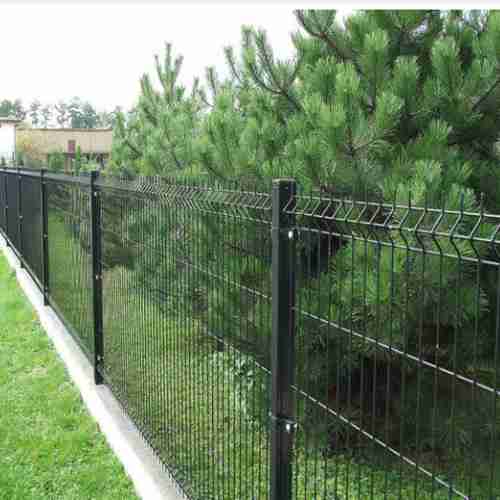
Slat garden fencing is a type of fencing that consists of horizontal slats. It’s a popular choice for modern garden designs due to its sleek appearance and the privacy it offers, while still allowing light and air to pass through.
This fencing style can be made from various materials, including wood, metal, and composite materials, each offering different levels of durability, maintenance, and aesthetic appeal.
Wooden Slat Fencing: Wood is a classic choice, known for its natural beauty and versatility. However, it requires regular maintenance such as staining or painting to protect it from the elements and to prevent rot or pest damage.
Metal Slat Fencing: Metal slats, often made from aluminum or steel, offer a more durable and low-maintenance option. They can be powder-coated in various colors to match your garden’s design. Metal is also more resisGarden fencing serves both practical and aesthetic purposes, ranging from enhancing privacy and security to defining boundaries and adding to the overall beauty of a garden. Here are some common types of garden fencing, each offering unique characteristics and benefits:
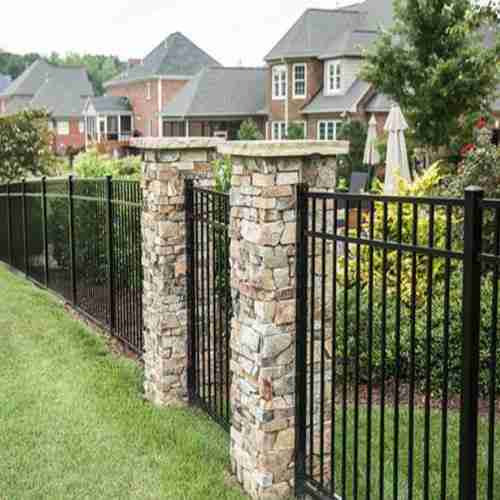
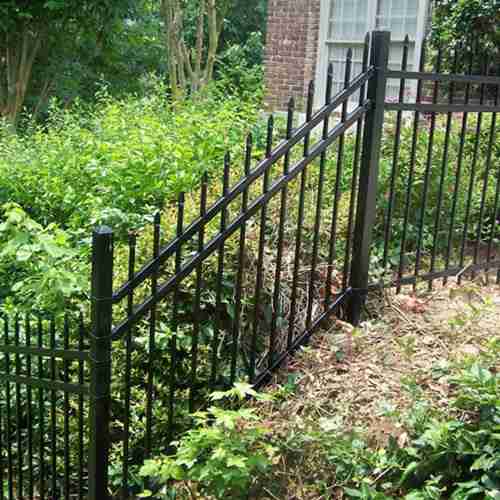
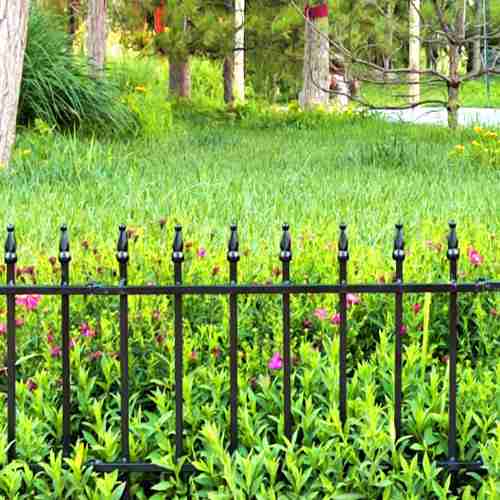
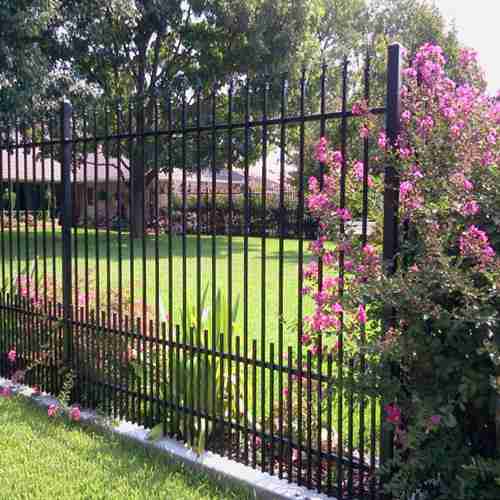
3.1 Aluminium & Steel Garden Fencing
Aluminum and steel are popular choices for garden fencing due to their durability, strength, and low maintenance requirements. Here’s a comparison of both materials to help you decide which might be the best fit for your garden:
3.1.1 Aluminum Fencing
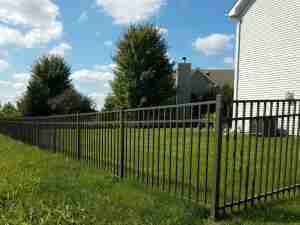
Aluminum is lightweight yet durable, making it easier to install and handle than heavier materials. It naturally resists corrosion and rust, which is especially beneficial in humid or coastal environments.
Requires very little maintenance. A rinse with water is often enough to clean it. Offers a sleek, modern look and is available in a variety of styles and colors. It can be designed to mimic the look of wrought iron without the weight and maintenance. Generally more affordable than steel, making it a good option for larger areas or for those on a budget.
3.1.2 Steel Fencing

Steel is stronger than aluminum, making it a better choice for high-security areas or where the fence will undergo significant wear and tear. Can last for decades with proper care, though it may require more maintenance than aluminum to prevent rust and corrosion.
Steel fences often need to be treated with a rust-inhibitor and regularly painted or sealed. Offers a classic, robust look. Like aluminum, steel fences can be designed in various styles, including those that mimic traditional wrought iron. Typically more expensive than aluminum due to its strength and the manufacturing process.
3.2 Top Garden Fencing
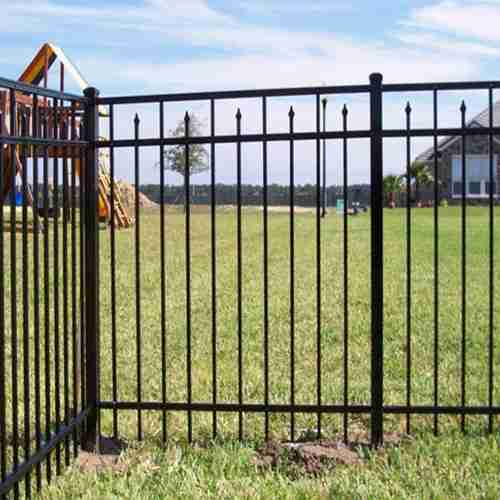
Flat top garden fencing is a style of fence characterized by a straight, even top line that runs parallel to the ground. This type of fencing is popular for its clean, simple look that can complement a variety of landscape and architectural styles.
Flat top fences can be made from various materials, including wood, vinyl, aluminum, and steel, each offering different aesthetic and functional benefits.
Here are some key features and considerations for flat top garden fencing:
Aesthetics: Flat top fences have a minimalist and unobtrusive design, making them suitable for both modern and traditional homes. They can provide a neat, tidy appearance to your garden or yard without overwhelming the landscape.
Privacy and Security: While flat top fences can be designed for privacy by using closely spaced pickets or panels, they are more commonly used for boundary definition and decorative purposes rather than for high privacy. However, taller versions can still offer a reasonable level of security and deter unauthorized entry.
3.3 Slat Garden Fencing
Composite Slat Fencing: Composite materials, a blend of wood fibers and plastic, are becoming increasingly popular due to their durability and minimal maintenance needs. They resist rot, pests, and fading from the sun.
3.4 Heritage Woven Fencing
Heritage Woven Fencing, often appreciated for its ornate and traditional aesthetics, is a fencing option that can significantly enhance the appearance of a property, particularly those with a historical or heritage-inspired design.
This type of fencing is characterized by its intricate patterns and durable construction, often made from materials such as galvanized wire or even natural options like hazel or bamboo.
Heritage woven wire fences can be made from a variety of materials, including galvanized wire, hazel, and bamboo. Galvanized wire is a popular choice due to its durability and resistance to rust, making it suitable for outdoor use in various climates.
Hazel and bamboo offer a more natural and rustic appearance, which can blend seamlessly with garden landscapes and heritage property styles..
These fences are available in different heights and lengths to accommodate various needs and property sizes. For example, rolls of woven wire fencing can be up to 100 feet long and are available in heights of 3 feet and 4 feet. The design of heritage woven fencing is flexible, allowing it to suit a wide range of property layouts and aesthetic preferences.
Heritage woven fencing is not just about aesthetics; it also offers practical benefits. It is sturdy and can serve as an effective boundary or security feature while adding value and charm to a property. This type of fencing is particularly well-suited to federation style homes, gardens, and lands, providing a touch of elegance and a nod to historical design.
Heritage Woven Fencing stands out for its combination of beauty, durability, and versatility, making it a cherished choice for property owners looking to add a historical or ornate touch to their outdoor spaces.
3.5 Wooden Fencing
Wooden fencing is a popular and versatile option for creating boundaries, ensuring privacy, and enhancing the aesthetic appeal of outdoor spaces. There are several types of wooden fencing, each serving different purposes and offering unique styles.

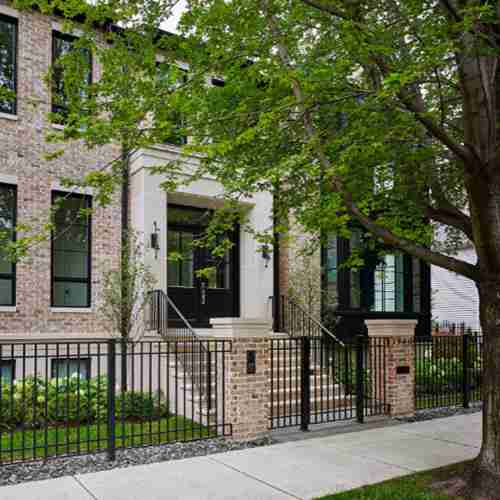
Choosing the right garden fencing involves considering several factors to ensure you select the option that best meets your needs and complements your garden. Here’s a comprehensive guide to help you make an informed decision.
5.1 Purpose of Fencing
Choosing the right garden fencing is essential for several reasons, reflecting both practical and aesthetic considerations. Here’s a breakdown of the key purposes and factors to consider when selecting garden fencing:
Privacy: One of the primary reasons for garden fencing is to provide privacy from neighbors and passersby. The right type of fencing can create a private outdoor space for you and your family to enjoy, away from the prying eyes of the outside world.
Security: Fencing serves as a deterrent to intruders, both human and animal. A sturdy fence can prevent unauthorized access to your property and protect your garden and home from potential theft or damage. It can also keep out unwanted animals that might otherwise damage your plants or garden beds.
Safety: For those with children and pets, garden fencing is crucial for safety. It can provide a secure boundary to keep children and pets within the confines of your garden, preventing them from wandering off and ensuring they’re safe from any external hazards.
Aesthetic Appeal: Garden fencing can significantly enhance the visual appeal of your outdoor space. The style, material, and design of the fence can complement your garden’s theme and the overall look of your home, contributing to curb appeal and potentially increasing your property’s value.
Boundary Definition: Fencing clearly marks the boundaries of your property, which can be important for avoiding disputes with neighbors over property lines. It also helps in organizing the garden space more efficiently by dividing different areas for specific uses, such as vegetable patches, flower beds, or play areas.
Wind and Noise Reduction: Certain types of fencing can act as windbreaks, protecting your garden from strong winds that could damage plants or furniture. Additionally, fencing can provide a buffer against outside noise, creating a more peaceful and quiet outdoor environment.
5.2 Material Options

Choosing the right garden fencing involves considering a variety of materials, each offering different aesthetics, durability, maintenance levels, and costs. Here are some popular garden fencing materials along with their benefits and drawbacks:
Wood: Wood is a classic choice for garden fencing, offering a natural look that can blend well with garden environments. It’s versatile and can be cut into various styles and sizes. However, wood requires regular maintenance, including staining or painting, and can be susceptible to rot, insects, and weather damage over time.
Vinyl: Vinyl fencing is a low-maintenance alternative to wood, resistant to rot, insects, and weathering. It comes in various colors and styles, mimicking the look of wood without the need for regular upkeep. However, it can be more expensive upfront and may become brittle and crack in extremely cold temperatures.
Metal: Options like aluminum, steel, and wrought iron provide durable and strong fencing choices. Metal fencing can range from ornate designs to simple, modern looks. While often more expensive than wood or vinyl, metal fencing is low maintenance and long-lasting. Iron may require treatment to prevent rust, while aluminum offers a rust-free alternative.
Bamboo: Bamboo fencing is an eco-friendly and attractive option, suitable for creating a natural or tropical look in your garden. It’s fast-growing, making it a sustainable choice. However, bamboo may not be as durable as other materials and can require maintenance to prevent rot and weather damage.
Composite: Composite fencing, made from a mixture of wood fibers and plastics, offers the look of wood with the durability of synthetic materials. It’s resistant to rot, insects, and weathering. Composite fencing is low maintenance but can be more expensive than pure wood fencing.
Chain Link: While not the most aesthetically pleasing option, chain link is durable, cost-effective, and provides security. It can be a good choice for functional areas of your garden or as a temporary solution. Privacy slats or climbing plants can be added to improve appearance.
Stone, Brick, or Concrete: These materials offer a high-end, durable fencing option that can last for decades with little to no maintenance. They provide excellent privacy and security but are among the most expensive fencing options and require professional installation.
5.3 Design Considerations
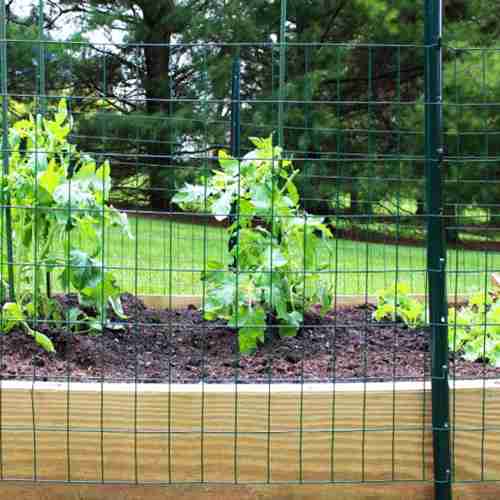
Determine the height based on the purpose of your fence (privacy, decoration, security).
Color and Finish: Choose colors and finishes that complement your home and garden. Consider the placement and design of gates for easy access and security. Check local zoning laws and homeowners association rules for height restrictions and style guidelines.
5.4 Installation and Maintenance
Assess your skills and time availability. Some materials and designs are more DIY-friendly than others. Consider the maintenance required for different materials. Wood may need regular staining or painting, while metal might need rust treatment, and vinyl is largely maintenance-free.
5.5 Cost Considerations
Choosing the right garden fencing involves considering various cost factors to ensure you get the best value for your investment while meeting your needs for privacy, security, aesthetics, and durability. Here’s a breakdown of the key cost considerations:
Material Costs: The choice of material significantly impacts the overall cost. Common fencing materials include wood, vinyl, aluminum, steel, and chain link, with wood typically being the most cost-effective and aluminum or vinyl being more expensive due to their durability and low maintenance requirements.
Size and Height: The larger and taller your fence, the more materials you’ll need, which increases the cost. If your primary goal is privacy, a taller fence will be necessary, leading to higher expenses.
Design Complexity: Custom designs, patterns, or the inclusion of decorative elements can add to the cost. Simple, straightforward designs are usually more affordable.
Labor Costs: The cost of installation can vary widely depending on the complexity of the project, the terrain of your garden (flat or sloped), and local labor rates. DIY installation can save money but requires time, tools, and a certain level of skill.
Preparation Work: Preparing the site for fence installation, such as clearing vegetation, removing old fencing, or leveling the ground, can add to the cost. This is especially true if you need to hire professionals to do the prep work.
Maintenance Costs: Consider the long-term maintenance costs of different materials. Wood may require regular treatment or painting to prevent rot and maintain its appearance, whereas materials like vinyl or aluminum are more maintenance-free but have a higher initial cost.
Durability and Lifespan: Investing in a more durable material can be more cost-effective over the long term, even if the initial outlay is higher. Materials like vinyl or metal may have higher upfront costs but are less likely to need replacement or repairs compared to wood.
5.6 Environmental Impact
Choosing the right garden fencing involves considering various factors, including the environmental impact. Selecting environmentally friendly garden fencing can significantly benefit your garden’s ecosystem and the broader environment. Here are key points to consider.
5.7 Material Choice
Wood: Opt for sustainably sourced or reclaimed wood to ensure your fencing does not contribute to deforestation. Look for certifications like FSC (Forest Stewardship Council) to guarantee the wood has been harvested responsibly.
Bamboo: A highly renewable resource, bamboo grows quickly and can be a more sustainable option than traditional woods. It’s also sturdy and has a unique aesthetic.
Recycled Plastic and Composite: Fencing made from recycled plastics or a composite of recycled plastic and wood waste reduces landfill waste and offers a long-lasting, maintenance-free option.
Metal: Although metal production can be energy-intensive, metals like aluminum and steel are durable and recyclable, making them a more sustainable choice over the long term if sourced responsibly.
5.8 Production and Transportation
Consider the energy used in the production of the fencing material and the environmental impact of transporting it. Locally sourced materials typically have a lower carbon footprint due to shorter transportation distances.
5.9 Durability and Maintenance
Choosing a durable material that requires little maintenance over its lifetime can be more sustainable, as it reduces the need for replacements or chemical treatments. For example, naturally rot-resistant woods (like cedar or redwood) or corrosion-resistant metals can be good choices.