Table of Contents
1. Introduce sports fields fencing

Introducing fencing around sports fields can serve several important purposes, contributing to both the functionality and safety of the sports facilities. The decision to install fencing around a sports field involves considering various factors such as the type of sport being played, the location of the field, and the level of security needed.
Fencing can provide a safe and secure environment for both players and spectators. It helps in preventing balls or other equipment from escaping the playing area, which can be particularly important in densely populated areas where stray equipment could cause damage or injuries.
During events or games, fencing can be used to manage crowd movement and maintain order. It can help in segregating different areas, such as the playing field, spectator zones, and concession stands, ensuring that the event runs smoothly.
Fencing can also enhance the appearance of a sports field, contributing to its overall ambiance. Different materials and designs can be chosen to complement the surroundings or to reflect the identity of the home team or community. Privacy fences are particularly useful for high-profile training sessions or exclusive events, providing a shield from public view.
Fencing clearly defines the boundaries of the playing area, which is essential for the accurate judgement of play in many sports. It ensures that there is a distinct line between in-play areas and out-of-bounds, which can assist referees and players alike.
2. Importance of security fencing for sports fields

Security fencing plays a crucial role in protecting sports fields, ensuring they are safe and secure environments for both athletes and spectators. The importance of security fencing for sports fields can be discussed in several key aspects.
2.1 Protection Against Unauthorized Access
Security fencing serves as a physical barrier to prevent unauthorized access to the sports field. This is especially important to deter trespassers, vandals, and potential thieves from entering the premises. By restricting access, it helps in maintaining the integrity and safety of the sports facilities and equipment.
2.2 Safety for Participants and Spectators
Fencing around sports fields also plays a significant role in ensuring the safety of participants and spectators. It can help in preventing balls or other equipment from straying outside the playing area, thereby reducing the risk of injury to people outside the field. Additionally, it can serve as a crowd control measure, keeping spectators at a safe distance from the action.
2.3 Delineation of Playing Areas
Security fencing helps in clearly demarcating the playing areas, which is essential for the smooth conduct of sports events. It ensures that the sports activities are contained within a designated space, making it easier for officials to manage the games and for players to understand the boundaries of their playing field.
2.4 Maintenance of Property and Equipment
Sports fields often contain valuable equipment and well-maintained turf, which can be expensive to repair or replace if damaged. Security fencing helps protect these assets from vandalism, theft, and unwanted use, thereby reducing maintenance costs and ensuring the longevity of the sports facilities.
2.5 Privacy and Focus
For athletes, fencing can provide a sense of privacy and reduce distractions, allowing them to focus better on their training or competition. This is particularly important in high-stakes games or when athletes require concentration to perform at their best.
2.6 Aesthetic and Community Value
Well-designed security fencing can enhance the aesthetic appeal of sports facilities, contributing positively to the community’s perception of the sports field. It can also signify investment in community sports, encouraging local engagement and participation.
2.7 Compliance with Regulatory Requirements
In some cases, installing security fencing around sports fields may be a requirement to comply with local regulations or sports governing bodies’ standards, especially concerning safety and security measures.
3. Types of sports fields fencing
Fencing around sports fields plays a crucial role in ensuring safety, security, and the proper demarcation of play areas. The types of fencing used can vary significantly depending on the sport, the level of play, and the specific needs of the facility. Here are some common types of sports fields fencing.
3.1 Double Wire Fence
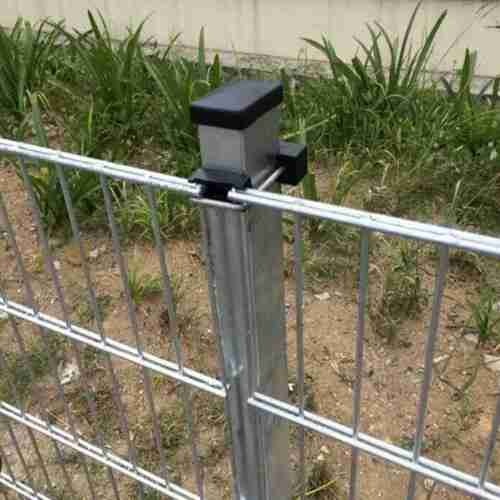
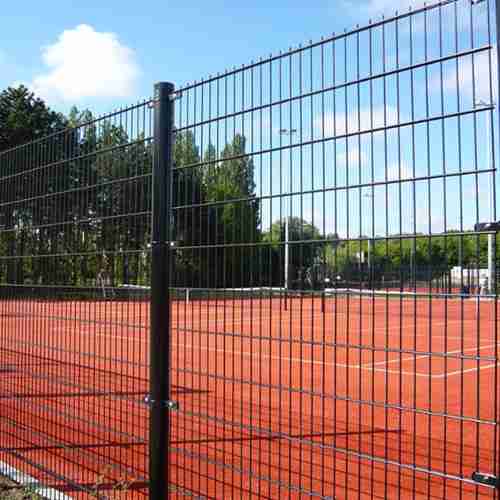
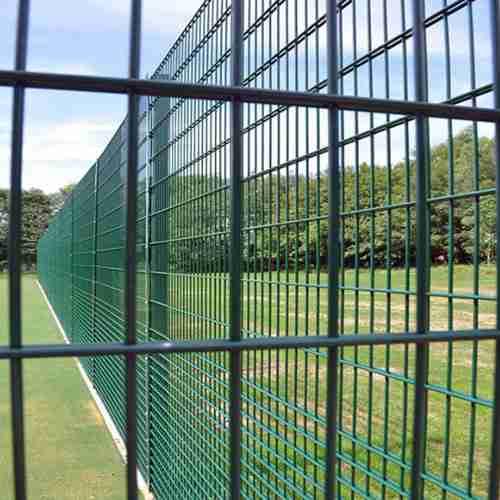
Double wire fence is a robust and durable fencing option designed to provide high security and safety. This type of fencing consists of horizontal wires that hold two parallel vertical wires together, creating a strong mesh that is difficult to cut through or climb.
The double wire configuration adds extra strength and durability to the fence, making it ideal for high-impact sports areas where the fence may be hit by balls or come into contact with players.
The tight mesh pattern of a double wire fence makes it difficult for intruders to climb, enhancing the security of the sports facility. Additionally, the robust nature of the fence deters vandalism and unauthorized entry.
Despite its strength and security features, double wire fencing typically does not obstruct visibility. This is important for sports fields, where spectators want to watch the game without obstructions.
Double wire fences can be used around various types of sports fields, including soccer fields, tennis courts, basketball courts, and more. They can also be customized in terms of height, color, and finish to match the facility’s aesthetics.
3.2 Curvy Welded Fence
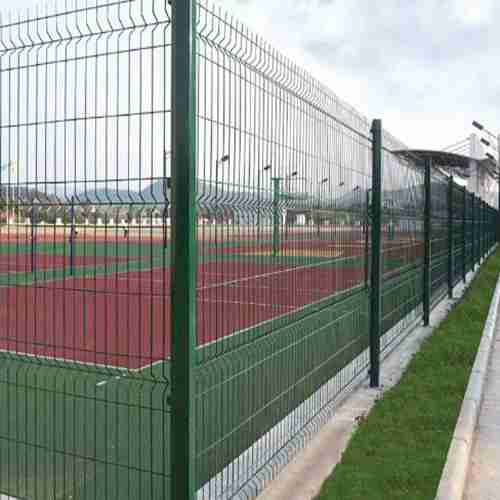
The curvy, welded design of curvy welded fence not only offers safety benefits but also adds an aesthetic appeal to the fencing, making it more visually pleasing than standard straight-edged fencing. It’s commonly used around playgrounds, schools, sports fields, and public parks.
These fences are typically made from steel or aluminum, materials chosen for their durability and resistance to weather conditions. The welding process ensures that the fence panels are securely attached to each other and to the supporting posts, providing a strong barrier that can withstand significant force without bending or breaking.
The design can vary, with some fences featuring a single curve at the top and others incorporating multiple curves or waves along the entire height of the fence for additional decorative appeal.
The installation of such fencing involves setting posts into the ground at regular intervals and attaching the welded panels to these posts. The posts themselves may be anchored in concrete to provide additional stability, especially in areas exposed to high winds or where the fence is expected to endure heavy use.
3.3 Chain Link Fence
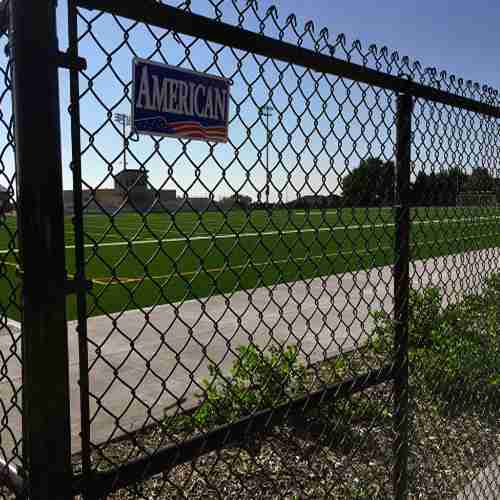
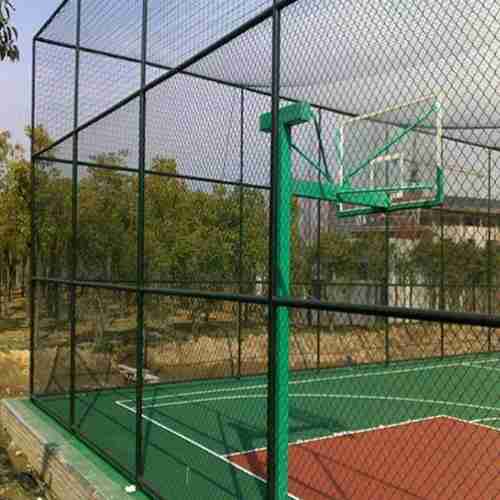
Chain link fences are widely used because they are economical, durable, and easy to install. They are often used for both residential and commercial properties to provide a secure barrier without obstructing the view beyond the fence.
These fences can be used for a variety of purposes, including securing property boundaries, enclosing sports fields, securing industrial areas, and providing safety around swimming pools.
The height and gauge (thickness) of the wire can vary depending on the application, with higher fences and thicker gauges offering more security. Additional features like slats can be inserted into the fence to provide privacy, and barbed wire or razor wire can be added to the top of the fence to deter unauthorized entry.
4. Choosing the right sports fields fencing

Choosing the right sports field fencing involves considering various factors such as the type of sports played, security requirements, budget constraints, and local regulations. Here are some key factors to consider when selecting sports field fencing:
4.1 Purpose of the Fencing
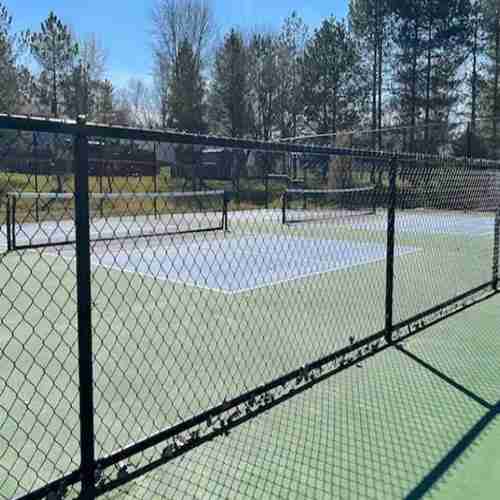
The purpose of fencing for sports fields can vary depending on the specific needs and requirements of the sport being played. Here are some common purposes for sports fields fencing:
Safety and Security: One of the primary purposes of fencing is to ensure the safety and security of players, officials, and spectators. Fencing helps to define the boundaries of the sports field, preventing unauthorized access and reducing the risk of accidents or injuries.
Containment of Play Area: Fencing serves to contain the play area, ensuring that the game is confined to the designated field or court. This helps maintain the integrity of the sport and prevents interference from external factors.
Ball Containment: In sports such as soccer, football, or lacrosse, where the game involves a ball, fencing helps to contain the ball within the playing area. This prevents delays in the game and enhances the overall playing experience.
Spectator Safety: Fencing helps to create a barrier between the playing area and spectators, protecting them from potential accidents and stray balls. This is particularly important in sports with high-velocity balls or equipment.
Privacy and Exclusivity: Fencing can be used to provide privacy to sports facilities and create an exclusive environment. This is common in private sports clubs or high-profile events where restricted access is necessary.
Visual Appeal: Fencing can contribute to the visual appeal of a sports facility. Well-designed and aesthetically pleasing fencing can enhance the overall look of the sports field.
Regulation Compliance: Certain sports have specific regulations regarding the dimensions and layout of the playing area. Fencing helps ensure that the sports field meets these regulatory requirements, maintaining the integrity of the game.
Controlled Access: Fencing allows for controlled access to the sports field, enabling organizers to manage entry points and ticketing efficiently. This is crucial for events with admission fees or specific seating arrangements.
4.2 Sports Type
Choosing the right type of fencing for sports fields depends on several factors, including the type of sport, specific requirements of the sport, safety considerations, and budget constraints. Here are some considerations for different sports:
Football (Soccer) and Rugby: Chain-link or welded wire mesh fences are commonly used for soccer and rugby fields. They provide visibility, durability, and containment. Fencing should be at least 8 to 12 feet high to prevent balls from easily going out of the field.
Baseball and Softball: Outfield fences are typically made of chain-link or mesh. Backstop netting is also important to protect spectators and players. Outfield fences should be tall enough to prevent home runs, often ranging from 6 to 12 feet.
Tennis and Pickleball: Chain-link or mesh fencing is common for tennis and pickleball courts. It allows good visibility of the game. Fencing is usually 10 feet high or higher to contain balls effectively.
Basketball and Volleyball: Chain-link or mesh fencing around the court is common. Padding on posts may be necessary for player safety. Fencing should be tall enough to prevent balls from easily going out of bounds.
Hockey (Field and Ice): For field hockey, mesh fencing is often used. Ice hockey rinks may have boards or Plexiglas barriers. Depends on the specific requirements of the sport.
Track and Field: Fencing is often used for safety around tracks and field event areas. Chain-link or mesh is common. Depends on the specific requirements of the event.
Multi-Use Fields: For fields that host multiple sports, consider versatile fencing options. Chain-link with gates and removable sections may be suitable.
Safety Considerations: Consider adding padding to posts and top rails to enhance player safety.
Gates: Install sturdy gates for easy access and emergency situations.
4.3 Height and Dimensions
When choosing sports field fencing based on height and dimensions, several factors come into play to ensure the fencing meets the specific requirements of the sport and provides a safe and secure environment.
Baseball/Softball: Fencing for baseball and softball fields typically ranges from 4 to 16 feet in height. The specific height depends on the level of play (youth, high school, college, professional) and whether it is an outfield fence or backstop.
Soccer: Soccer field fencing is usually 8 to 12 feet in height. Higher fencing is often needed for facilities with multiple fields to prevent balls from one field interfering with play on adjacent fields.
Football: Football field fencing is not a standard requirement, but if used for crowd control or other purposes, it should be tall enough to prevent unauthorized access and ensure spectator safety.
The mesh size of the fencing is crucial, especially for sports like soccer and baseball where balls can easily pass through. Choose a mesh size that prevents balls from escaping while allowing good visibility for spectators.
4.4 Material
Choosing the appropriate fencing material for sports fields involves considering several factors such as the type of sport, budget constraints, safety requirements, and durability. Here are some common materials used for sports field fencing:
Chain Link Fencing: Chain link fencing is cost-effective, durable, and provides good visibility. It is suitable for a variety of sports, including soccer, baseball, and softball. It may not provide as much aesthetic appeal as other materials, and balls can sometimes pass through the chain links.
Vinyl Fencing: Vinyl fencing is low-maintenance, durable, and comes in various colors. It offers a clean and polished look, making it suitable for tennis courts, baseball fields, and other sports facilities. It can be more expensive than chain link fencing, and repair/replacement may require specialized knowledge.
Wrought Iron Fencing: Wrought iron fencing is sturdy, durable, and provides a classic and elegant appearance. It is commonly used in upscale facilities or for decorative purposes. It tends to be more expensive, and it may not be suitable for sports where ball impact is frequent.
Mesh Fencing: Mesh fencing, made of materials like nylon or polypropylene, is commonly used for sports like tennis and soccer. It provides good visibility and ball containment. It may not be as sturdy as other materials, and regular inspection and maintenance are necessary to address wear and tear.
Composite Fencing: Composite materials, often made from a combination of wood and plastic, offer durability with low maintenance. They can mimic the appearance of wood without the susceptibility to decay. Cost may be higher than some other options, and the range of styles and colors can be limited.
4.5 Durability and Maintenance
The choice of material greatly affects the durability of the fence. Chain-link fences, made of steel, are popular for their durability and ability to withstand high-impact sports.
Vinyl fencing is also durable and resistant to weathering, but may not withstand impacts as well as metal options. Aluminum and wrought iron are durable and offer a more aesthetic appeal but might require more maintenance.
Look for fences that are coated or treated to resist corrosion, UV damage, and wear. Galvanized and powder-coated fences offer extra protection against rust and degradation, making them more durable over time.
The design of the fence also contributes to its durability. For example, fences with smaller mesh or tighter patterns can better withstand impacts from balls or athletes. The thickness of the material and the structure’s overall design (e.g., the use of support posts and cross-bracing) also play a role in its durability.
Choose materials that require minimal maintenance. Vinyl fencing is low-maintenance since it does not need painting and is resistant to rot and pests. Metal fences may require occasional rust removal and repainting, especially if scratches or damages occur.
A simpler fence design can be easier to maintain. Complex designs with intricate details may collect debris and require more effort to clean and maintain. Ensure that the fence design allows for easy access for maintenance tasks, such as cleaning, painting, or repairing damaged sections.
4.6 Visibility
When choosing fencing for sports fields, visibility is an essential factor to consider for several reasons. Fencing serves multiple purposes: it defines the perimeter, keeps balls and equipment within the play area, provides security, and can protect spectators.
The type of sport being played influences the fencing choice. For example, sports like tennis require a tighter mesh to prevent balls from going through, while sports like soccer may use larger mesh or even open fencing for better visibility.
Fencing should allow spectators to watch the game without obstruction. Chain link fences with a smaller gauge (thickness of the wire) and larger mesh size can provide decent visibility while maintaining strength. However, for sports where spectator visibility is paramount, consider using netting or transparent materials like polycarbonate panels.
4.7 Budget
The safety of players and spectators is crucial. The fencing material should not have sharp edges, and for sports like baseball or golf, the fencing should be high enough to protect spectators from stray balls. Consider the weather conditions and potential wear and tear. Durable materials may cost more upfront but save money in the long term due to lower maintenance costs.
This is the most cost-effective option and is commonly used for many sports fields. It’s durable, requires minimal maintenance, and can be easily repaired. A bit more expensive than chain link, vinyl fencing offers a more aesthetic look and is available in various colors. It’s also durable and requires minimal maintenance but can be more costly to repair.
While offering a traditional and aesthetic appeal, wooden fencing requires more maintenance and is susceptible to weather damage. It might be more suitable for areas where appearance is a priority, but it’s generally not the first choice for sports fields due to its higher maintenance and repair costs.
Wrought Iron or Aluminum: These materials are more expensive but offer high durability and a premium look. They are often used for more decorative purposes rather than practical sports field fencing.
Consider the long-term maintenance costs of your chosen fencing material. A cheaper option upfront might end up being more expensive in the long run if it requires frequent repairs or replacements.
5. Maintenance and care sports fields fencing

Maintaining and caring for sports field fencing involves a series of steps to ensure the fencing remains in good condition, safe, and functional for its intended use. Here are some general guidelines for the maintenance and care of sports field fencing.
5.1 Regular Inspections
Regular inspections of sports fields fencing are crucial to ensure the safety and security of the facilities. These inspections can help identify potential problems before they become serious, ensuring the fencing is always in good condition and meets any required safety standards. Here’s an overview of what such inspections might involve:
Visual Inspection: Check for rust, corrosion, or damage to metal fencing, and signs of rot or insect damage in wooden fencing. Ensure that posts and panels are secure and not leaning or unstable. Look for any missing, loose, or damaged components. Inspect gates to ensure they open and close properly and that locks or latches are functioning correctly.
Safety Checks: Look for any sharp edges or points that could cause injury to players, spectators, or anyone who comes into contact with the fence. Verify that the fencing is of appropriate height and depth as per the sports standards and regulations to prevent balls from escaping the field and to ensure it serves its purpose effectively.
Surrounding Area: Check that there is adequate clearance around the fence, and it’s free from debris, vegetation, or any obstructions that could affect its integrity or cause injuries. Ensure there’s proper drainage around the fence to prevent water buildup, which could lead to damage over time.
Compliance and Regulations: Verify that the fencing meets local building codes and specific sports regulations, including height, material, and design requirements.
Maintenance Needs: Identify areas needing repair or replacement and prioritize them based on safety and structural integrity. Schedule regular cleaning to maintain the appearance and prolong the life of the fencing material.
5.2 Cleaning
Keep the fencing clean to prevent buildup of dirt, debris, and other materials that can cause damage over time. Metal fences can be washed with soap and water, while wood fences may require special cleaning solutions to prevent rot and maintain their finish.
5.3 Repair Damage Promptly
Repairing damage to sports fields fencing is crucial for several reasons, including safety, aesthetics, and functionality. Here are some key points and steps to consider when addressing damage to sports fields fencing:
Safety First: Damaged fencing can pose safety risks to athletes, spectators, and passersby. Sharp edges, loose parts, or unstable sections can lead to injuries. It’s important to address any damage as soon as it’s noticed to prevent accidents.
Assess the Damage: Evaluate the extent of the damage to the fencing. This could range from minor issues, such as small holes or loose fittings, to major concerns, like structural damage from severe weather or vandalism. Understanding the scope of the damage will help in planning the repair process effectively.
Gather Necessary Tools and Materials: Depending on the type of fence (chain link, wood, vinyl, etc.) and the extent of damage, you will need different tools and materials for repairs. Commonly required items include fence posts, mesh or panels, ties, nails/screws, and tools like hammers, wrenches, or post-hole diggers.
Temporary Measures: If immediate repair is not possible, consider temporary measures to ensure safety and security. This might include using warning signs, barricades, or temporary fencing to keep people away from the damaged area.
Professional Repair: Evaluate whether the repair is something that can be handled in-house or if professional assistance is needed. Simple repairs like fixing loose panels or patching small holes in a chain link fence might be manageable without outside help. However, significant damage or repairs requiring specialized tools might necessitate hiring a professional fencing contractor.
Prevent Future Damage: Once repairs are made, consider steps to prevent future damage. This could involve improving security to deter vandalism, installing barriers to protect the fence from vehicle damage, or applying weatherproofing treatments to reduce wear from the elements.
5.4 Rust Prevention and Treatment
Opt for corrosion-resistant materials when installing new fencing. Galvanized steel, stainless steel, or coated metals offer better resistance against rust. Apply protective coatings, such as powder coating or paint, to the fencing. These coatings act as a barrier against moisture and other rust-promoting elements.
Conduct regular inspections and maintenance of the fencing. This includes cleaning off any dirt, grime, or debris that can trap moisture against the metal surface. Apply a thin layer of oil or a silicone-based spray to movable parts of the fence, such as gates or hinges, to prevent rust.
Ensure proper drainage around the fence area to avoid water accumulation. Standing water is a major contributor to rust formation.
5.5 Rust Treatment
At the first sign of rust, take action to prevent it from spreading. Small rust spots can be treated easily if caught early. Use a wire brush, sandpaper, or a specialized rust remover to scrub away the rust. For significant rust, a power tool with a brush attachment might be necessary.
After removing the rust, apply a rust converter. This chemical solution turns rust into a black, inert substance that serves as a protective barrier. Once the rust is treated and the area is prepared, apply a primer and repaint the affected area. If the fence was originally powder-coated, consider professional recoating for the best results.
Finally, apply a sealant or rust inhibitor to the treated areas to protect against future rust formation.
5.6 Vegetation Control
Keep grass and other vegetation trimmed around the base of the fence to prevent damage and decay. Vegetation can trap moisture against the fence and promote rust in metal fences or rot in wood fences.
Vegetation control around sports field fencing is an important aspect of maintenance and care to ensure the longevity of the fence, the safety of the players, and the overall aesthetics of the sports facility. Here are some key considerations and practices for effective vegetation control:
Regular Inspections: Regularly inspect the perimeter and the area around the sports field fencing to identify any unwanted vegetation or potential problems. Early detection can prevent more extensive maintenance issues later on.
Mechanical Removal: For immediate areas around the fence, mechanical removal of weeds and other vegetation can be effective. This might involve hand-pulling, mowing, or using a string trimmer. Be careful not to damage the fence with the equipment.
Chemical Control: Herbicides can be used to control vegetation growth around fences. However, it’s important to choose the right chemicals that won’t harm the fence material (especially if it’s metal, as some chemicals can promote rust) or the surrounding grass and soil health. Always follow the manufacturer’s instructions and consider environmental and safety guidelines.
Mulching: Applying a layer of mulch around the base of the fence can help suppress weed growth, retain soil moisture, and add to the aesthetics of the sports field. Ensure the mulch is not piled up against the fence to avoid moisture retention that could damage the fence.
Barrier Installation: Installing a physical barrier, like landscape fabric, can help prevent weeds from growing up through the ground around the fence. This can be placed under mulch or gravel. However, over time, soil can accumulate on top of the fabric, providing a medium for weeds to grow, so maintenance is still required.
Trimming and Pruning: If there are bushes, hedges, or trees near the fencing, regular trimming and pruning are necessary to prevent them from damaging the fence or becoming a hiding spot for pests.
Drainage Control: Ensure that the area around the fence has proper drainage to prevent water from pooling. Standing water can promote the growth of unwanted vegetation and can also lead to fence damage, especially if the fence is made of materials susceptible to rust or rot.
6. What innovations or advancements have been made in sports field fencing in recent years?

Recent advancements and innovations in sports field fencing have been aimed at enhancing safety, security, durability, and aesthetic appeal. Here’s a summary of notable innovations from various sources.
Fencing solutions now incorporate materials and designs that offer superior durability and lower maintenance requirements. For example, Guard-R Fencing highlights the use of picket field fencing, which combines the classic look of wooden picket fences with the durability and low maintenance of tubular steel.
This design not only enhances the aesthetic appeal of sports fields but also ensures long-term reliability and security.
Sports field fencing suppliers have recognized the unique needs of different sports venues and offer customizable fencing solutions. This flexibility allows for sports field fencing to be tailored to specific requirements, ensuring optimal functionality and integration with the venue’s overall design.
Guard-R Fencing, for instance, provides sports fencing that can be adapted for various applications, from cricket ovals to general field fencing, emphasizing the importance of customization in meeting the needs of sports clubs and venues.
Safety and Visibility: Innovations in fencing focus on maintaining safety for players and spectators while ensuring visibility. Chainwire Fencing Specialist outlines the use of different fencing types, such as chainwire and soft netting, to cater to various sports activities.
These options allow for clear viewing of games by spectators while providing a secure barrier to prevent balls from straying and causing potential accidents.
Sportsfield Specialties introduces advanced netting systems, such as the Ultra Cross® Knotless Netting, offering solutions for various sports including football, lacrosse, and tennis. These systems are designed to enhance safety and functionality, providing durable and reliable barriers that cater to the specific needs of each sport.
The focus on using premium materials that offer resistance to rust and corrosion, as seen in Guard-R Fencing’s approach, indicates a trend towards creating sports fencing that withstands environmental challenges over time. This ensures that sports facilities can maintain high standards of safety and aesthetics with minimal upkeep.
These innovations reflect a comprehensive approach to sports field fencing, emphasizing safety, functionality, customization, and aesthetic appeal. They cater to the evolving needs of sports facilities, aiming to enhance the experience for players, spectators, and venue operators alike.
7. Frequently asked questions of sports fields fencing

7.1 What is the most cost effective sports fields fencing?
The most cost-effective sports field fencing option depends on various factors such as the specific requirements of the sports field, the level of security needed, local regulations, and the available budget. Here are some commonly used and cost-effective sports field fencing options.
7.1.1 Chain Link Fencing
Chain link fencing is a popular and cost-effective choice for sports fields. It is durable, requires minimal maintenance, and provides good visibility. It comes in various heights and gauges, allowing you to choose the appropriate level of security for your needs.
7.1.2 Welded Wire Mesh Fencing
Welded wire mesh fencing is another economical option. It is sturdy and provides a clear barrier for different types of sports fields. Like chain link fencing, it comes in various heights and gauges to suit different requirements.
Farm and Ranch Fencing: Certain types of farm and ranch fencing, such as horse fencing or wire mesh configurations, can be adapted for sports fields. These options are often cost-effective and provide a functional barrier.
Vinyl Coated Chain Link: Vinyl-coated chain link fencing offers the benefits of traditional chain link fencing with added durability and a more aesthetically pleasing appearance. While it may be slightly more expensive than standard chain link, it can be a cost-effective choice in the long run due to reduced maintenance needs.
Tension Wire Systems: Tension wire systems are often used for baseball and softball fields. These systems consist of a combination of netting and tensioned wires and are designed to stop balls from leaving the field.
7.2 How long the sports fields fencing will last?
The lifespan of sports field fencing can vary based on several factors, including the type of material used, environmental conditions, maintenance practices, and the level of usage. Here are some general estimates for the lifespan of common sports field fencing materials:
Chain-link Fencing: Chain-link fencing is a popular choice for sports fields due to its durability and affordability. With proper maintenance, a well-constructed chain-link fence can last 15-20 years or more. Factors such as coating type (galvanized or vinyl-coated), gauge (thickness of the wire), and exposure to harsh weather can impact its longevity.
Vinyl-Coated Chain-link Fencing: The vinyl coating on chain-link fencing helps protect against rust and corrosion, extending its lifespan. Vinyl-coated chain-link fencing can last 20-25 years or more, depending on maintenance and environmental conditions.
Wrought Iron Fencing: Wrought iron fencing is known for its strength and aesthetic appeal. With regular maintenance, including repainting to prevent rust, wrought iron fencing can last 20-30 years or longer.
Wooden Fencing: Wooden fencing, such as split rail or picket fences, is aesthetically pleasing but requires more maintenance. Properly treated and well-maintained wooden fencing can last 10-20 years. Regular staining or painting and sealing can help extend its lifespan.
Mesh Fencing: Mesh fencing, often used for sports like soccer or tennis, is typically made of synthetic materials like polypropylene or polyester. The lifespan of mesh fencing can vary but is generally around 5-15 years, depending on the quality of the material and exposure to weather conditions.
7.3 How is the durability of sports field fencing ensured?
The durability of sports field fencing is crucial to ensure the safety of players and spectators, as well as to maintain the integrity of the facility. Several factors contribute to ensuring the durability of sports field fencing:
Material Selection: Choosing the right materials is essential for durability. Common materials for sports field fencing include galvanized steel, aluminum, and vinyl-coated chain link. These materials are known for their resistance to corrosion and weathering, providing long-term durability.
Galvanization: Galvanizing steel is a process where a protective layer of zinc is applied to the metal surface to prevent corrosion. Galvanized steel is commonly used in sports field fencing because it can withstand exposure to the elements, including rain and humidity.
Powder Coating: Some fencing materials, such as aluminum, can be powder-coated to enhance durability. Powder coating creates a protective layer that helps prevent scratches, fading, and corrosion. It also adds an extra layer of defense against the elements.
Proper Installation: The installation of sports field fencing is critical to its durability. The fencing should be installed according to manufacturer specifications and industry standards. Proper installation includes ensuring a strong foundation, securely attaching components, and providing adequate tension to the fencing material.
Regular Maintenance: Regular maintenance is essential to identify and address any issues promptly. This may include inspecting for signs of corrosion, loose bolts, or damaged sections. Quick repairs can prevent small problems from escalating and help extend the life of the fencing.
Weather Resistance: Sports field fencing should be designed to withstand various weather conditions, such as wind, rain, and extreme temperatures. Factors like wind load calculations and proper anchoring can help prevent damage during storms.
Impact Resistance: Depending on the sport being played, the fencing may need to withstand impacts from balls, equipment, or players. Ensuring that the fencing system is designed to absorb and distribute impact forces can contribute to its durability.
7.4 Are there specific safety standards for sports field fencing?
Yes, safety standards for sports field fencing may vary depending on the type of sport, the level of play, and the governing bodies involved. Different sports organizations and countries may have their own specific requirements and guidelines for sports field fencing. Here are some general considerations that are often taken into account:
Height and Dimensions: The height of the fence is typically specified to ensure that it provides adequate containment for the specific sport being played. The dimensions of the fencing may also be regulated.
Material: The type of material used for the fencing is important for safety. It should be durable and designed to withstand impact from balls or players. Common materials include chain link, mesh, or other impact-resistant materials.
Visibility: Fencing should provide clear visibility for spectators, officials, and players. This might involve considerations such as mesh size and color to minimize visual obstruction.
Padding: In some cases, additional padding may be required on the fencing, particularly in areas where collisions are likely, such as near player benches or high-impact zones.
Anchoring and Support: The fencing structure should be securely anchored to the ground to prevent collapse or movement during play or adverse weather conditions.
Maintenance: Regular inspection and maintenance of the fencing are crucial to ensure that it remains in good condition and continues to meet safety standards.
8. Conclusion
The conclusion regarding sports fields fencing depends on various factors such as the specific requirements of the sports facility, budget constraints, safety considerations, and local regulations. However, generally speaking, sports fields fencing offers several benefits that contribute to the overall success and functionality of a sports facility.
Fencing provides a physical barrier that helps keep unauthorized individuals out of the sports field. This enhances the security of the facility, reducing the risk of vandalism and theft. Additionally, it helps prevent accidents by keeping spectators, pets, or stray objects away from the playing area.
Fencing clearly defines the boundaries of the sports field, preventing disputes over the playing area and ensuring fair play. This is particularly crucial in sports where precise measurements and adherence to specific field dimensions are essential.
Fencing helps protect players from external interference, ensuring their safety during games and practices. It also provides a protective barrier for spectators, preventing them from accidentally entering the playing area and enhancing overall crowd management.
Fencing helps protect sports equipment, such as goalposts and nets, from theft or damage. This is essential for maintaining the longevity and functionality of the sports facility.
In conclusion, sports fields fencing is a vital component of a well-designed and functional sports facility. It provides security, safety, and boundary definition while offering customization options to suit the specific needs of the facility. Careful consideration of factors such as material, design, and local regulations is essential to make informed decisions about sports field fencing.