
Table of Contents
1. Introduce railway fencing

Railway fencing refers to the installation of barriers or protective structures along the railway tracks to enhance safety, security, and efficiency of railway operations.
Railway fencing helps prevent unauthorized access to the tracks, reducing the risk of accidents involving pedestrians, vehicles, or animals wandering onto the tracks. It also discourages individuals from engaging in unsafe activities near the railway lines.
Fencing acts as a deterrent to trespassing, vandalism, and theft along the railway corridor. It helps protect railway infrastructure, equipment, and cargo from unauthorized access or tampering.
Fencing can also serve to mitigate wildlife collisions on railway tracks, particularly in areas where animals are prone to crossing. Specialized fencing designs can include features such as wildlife crossings or tunnels to allow animals to safely traverse the railway corridor without endangering themselves or disrupting train operations.
Railway fencing can help delineate the railway right-of-way, preventing encroachment by adjacent landowners and safeguarding the integrity of railway property boundaries.
Railway fencing materials and designs vary depending on factors such as terrain, environmental conditions, and specific requirements of the railway operator. Common materials include chain-link fencing, welded wire mesh, and various types of metal or composite panels.
2. Modern railway fencing VS traditional railway fencing
Modern railway fencing and traditional railway fencing serve the same primary purpose: to ensure safety by preventing unauthorized access to railway tracks. However, they differ significantly in materials, design, technology, and application. Let’s explore the key distinctions.
2.1 Modern Railway Fencing
Materials and Technology: Modern railway fencing often uses high-strength, durable materials like steel, aluminum, or composites. These materials resist weathering, corrosion, and physical damage better than traditional materials.
Some modern fences incorporate smart technologies, such as intrusion detection systems, which alert railway operators to breaches or attempts to climb or cut the fence.
Design: Contemporary designs focus on minimizing maintenance, enhancing durability, and improving aesthetics without compromising security. The design may include anti-climb features, such as tight mesh patterns and curved tops, making it difficult for individuals to gain footholds or use tools to cut through.
Integration with Surveillance Systems: Modern fencing systems are frequently integrated with surveillance cameras, motion detectors, and other monitoring technologies to enhance security measures around critical infrastructure.
Environmental Considerations: Modern designs may also consider environmental impacts, such as allowing the passage of small wildlife while keeping larger animals and humans away from dangerous areas.
2.2 Traditional Railway Fencing
Materials: Traditional railway fencing primarily used simpler, readily available materials such as wood, chain link, or simple wire. While effective for demarcation and basic security, these materials generally offer less resistance to determined intruders and have a shorter lifespan due to susceptibility to weathering and corrosion.
Design: Traditional designs were simpler, focusing on functionality with less emphasis on anti-climb features or aesthetic considerations. The designs were straightforward, often featuring posts with horizontal bars or standard chain-link patterns.
Lack of Technological Integration: Traditional fences did not incorporate technology for intrusion detection or surveillance, relying instead on physical barriers alone to deter trespassers.
Environmental Impact: Older fencing designs paid little attention to environmental impacts or animal movement, potentially leading to ecological disruptions or creating hazards for wildlife.
3. Importance of railroad fencing

Railroad fencing serves several crucial purposes in ensuring the safety and security of rail transportation systems, as well as protecting the public and environment around railway lines. Here are some of the key reasons why railroad fencing is important.
3.1 Preventing Unauthorized Access
Fencing around railroads is critical for keeping unauthorized persons and vehicles away from the tracks. This helps in reducing the risk of accidents and fatalities. Trespassing on railway property is a leading cause of rail-related deaths in many countries, and proper fencing acts as a deterrent.
Railroad fencing serves as a critical component in preventing unauthorized access to railway tracks and facilities. Its importance cannot be overstated, as it plays a vital role in ensuring the safety of both the public and railway operations. Here are several key reasons why railroad fencing is essential in preventing unauthorized access:
Safety: Unauthorized access to railway tracks poses significant safety hazards. Individuals who trespass onto railway property risk injury or even death from moving trains, electrocution from overhead power lines, or accidents involving railway equipment. Fencing acts as a physical barrier to deter people from entering restricted areas, reducing the likelihood of such incidents.
Liability Reduction: Rail companies can be held liable for accidents and injuries that occur on their property. By implementing adequate fencing and signage to clearly demarcate restricted areas, railroads can mitigate the risk of unauthorized access and trespass-related incidents, thus reducing potential legal liabilities.
Protection of Infrastructure: Railway infrastructure, such as tracks, signals, bridges, and electrical systems, is critical to the safe and efficient operation of trains. Unauthorized access can lead to vandalism, theft, or sabotage, resulting in costly damage, service disruptions, and safety risks.
Regulatory Compliance: Government regulations and industry standards often mandate the implementation of security measures, including fencing, to ensure the safety and security of railway operations. Rail companies must adhere to these regulations to maintain compliance and avoid potential fines or penalties for inadequate security measures.
3.2 Enhancing Safety
Enhancing safety through the installation of railroad fencing is paramount for numerous reasons, all of which contribute to safeguarding lives, properties, and the environment.
Railroad tracks are inherently dangerous areas, and unauthorized individuals entering these spaces pose significant safety risks. Fencing acts as a physical barrier, discouraging trespassing and reducing the likelihood of accidents caused by individuals wandering onto the tracks.
Fencing serves as a vital safety measure to prevent accidents involving pedestrians, vehicles, or wildlife straying onto the tracks. By restricting access to designated crossing points, fencing minimizes the chances of collisions, derailments, and other potentially catastrophic incidents.
Railroad fencing helps protect railway infrastructure, including tracks, signals, and communication systems, from vandalism, theft, and unauthorized access. By securing these assets, fencing contributes to the overall reliability and operational efficiency of the rail network.
Intrusions onto railway tracks can disrupt train schedules, leading to delays, cancellations, and congestion. By maintaining secure perimeters, fencing supports uninterrupted train operations, enhancing reliability and service quality for passengers and freight alike.
3.3 Protecting Wildlife
In certain areas, especially those that traverse through natural habitats, fencing can be used to prevent wildlife from accessing the tracks, thus reducing the risk of harm to animals and preventing potential train derailments caused by larger animals.
Railroad fencing plays a crucial role in protecting wildlife by preventing animals from accessing railway tracks, thereby reducing the number of wildlife-train collisions. These collisions not only harm or kill animals but can also cause significant damage to trains, disrupt rail services, and pose safety risks to passengers and railway staff.
Railroads often cut through natural habitats, leading to fragmentation. Fencing can help mitigate this by guiding animals to designated crossing points, such as wildlife overpasses or underpasses, facilitating safe passage across the railway line without directly encountering the tracks.
Protecting various species from train collisions helps maintain biodiversity. Healthy ecosystems rely on a wide range of species, each playing a specific role in their environments. By ensuring the safety of wildlife near railway areas, fencing contributes to the preservation of these ecosystems.
3.4 Reducing Environmental Impact
Railroad fencing plays a crucial role in both ensuring safety and reducing the environmental impact of railway operations. By effectively managing access to railway lines, fencing contributes to minimizing disturbances to wildlife, reducing litter and pollution in sensitive areas, and promoting biodiversity along railway corridors.
Fences along railway lines can prevent wildlife from accessing the tracks, thereby reducing the risk of accidents that can be harmful to both animals and train operations. This is particularly important in areas where railways traverse through natural habitats or protected areas.
By controlling human and animal access to certain areas, fencing can help in preserving natural habitats and sensitive ecosystems. It can prevent the trampling of vegetation and disturbance of wildlife by humans or domestic animals.
Fencing can act as a physical barrier to prevent the dumping of waste and littering along railway lines, which can have detrimental effects on the local environment and water quality. This is crucial in urban areas and near water bodies.
While primarily not designed for this purpose, fencing can contribute to reducing noise pollution from trains to some extent, especially if combined with noise barriers. This can help in minimizing the impact on nearby wildlife and human communities.
3.5 Property and Asset Protection
Fencing delineates the boundary of the railway property, helping in protecting railway assets against theft, vandalism, and encroachment. This is particularly important in urban areas where there might be a higher temptation or opportunity for such activities.
One of the primary reasons for railway fencing is safety. Fencing prevents unauthorized access to railway tracks, reducing the risk of accidents involving pedestrians or vehicles. It also helps to keep people away from potentially hazardous areas, such as electrified rails or areas with moving trains.
Railway fencing acts as a deterrent to trespassers who might attempt to access the tracks for various reasons. Trespassing on railway property is not only illegal but also extremely dangerous. Fencing helps to clearly delineate the boundaries of the railway right-of-way, making it more difficult for individuals to enter unauthorized areas.
Fencing can help deter acts of vandalism, theft, and sabotage on railway property. By creating a physical barrier, it makes it harder for vandals or thieves to access trains, tracks, signaling equipment, or other assets. This protection is especially important for valuable railway infrastructure and equipment.
3.6 Noise Reduction
Railway systems are integral to modern transportation networks, facilitating the movement of goods and people across vast distances. However, along with the benefits they bring, railways can also generate various environmental challenges, one of the prominent ones being noise pollution.
Noise pollution from railways not only affects nearby residents but also wildlife and ecosystems. In addressing this issue, railway fencing emerges as a crucial solution with multifaceted benefits, notably in noise reduction.
Railway fencing acts as a physical barrier that helps contain the noise generated by passing trains within a designated area. By restricting the spread of noise, especially in densely populated areas or near sensitive environments, railway fencing significantly reduces the overall impact of railway-related noise pollution on communities.
Prolonged exposure to high levels of noise pollution has been linked to various health issues, including stress, hearing impairment, and cardiovascular problems. Implementing effective railway fencing measures can create quieter environments for residents living near railway tracks, thereby safeguarding their health and enhancing overall well-being.
Wildlife habitats often intersect with railway corridors, and noise pollution can disrupt natural behaviors, migration patterns, and communication among species. Railway fencing serves as a protective barrier, minimizing disturbances caused by noise pollution and helping preserve the ecological balance in surrounding areas.
3.7 Legal and Liability Reasons
Legal and liability reasons often pertain to the obligations and responsibilities that individuals, organizations, or entities have to abide by laws, regulations, and standards to avoid legal consequences and potential financial damages. Here are some common legal and liability reasons across various contexts:
Compliance with Laws and Regulations: Businesses and individuals must comply with local, state, federal, and international laws and regulations relevant to their operations. This includes laws related to taxation, employment, data protection, environmental protection, and more.
Contractual Obligations: Parties entering into contracts must fulfill their obligations as outlined in the contract terms. Failure to do so can lead to breach of contract claims and legal disputes.
Duty of Care: Individuals and organizations have a duty of care to others to prevent harm or injury. This duty may vary depending on the context but generally requires taking reasonable precautions to avoid foreseeable risks.
Product Liability: Manufacturers, distributors, and sellers can be held liable for injuries or damages caused by defective products. They must ensure their products meet safety standards and provide adequate warnings about potential risks.
Professional Liability: Professionals such as doctors, lawyers, accountants, and architects have a duty to provide services with a certain standard of care. They can be held liable for negligence or errors that result in harm to their clients or third parties.
Intellectual Property Rights: Individuals and businesses must respect the intellectual property rights of others to avoid copyright infringement, trademark infringement, or misappropriation of trade secrets.
4. The types of railway fencing
Railway fencing serves the crucial purposes of ensuring safety for both the trains operating on the railway lines and the people and animals living in nearby areas. The types of railway fencing can vary based on the specific requirements of the location, the level of security needed, and the budget available. Here are some common types of railway fencing.
4.1 Chain link fence

Chain link fence is a type of woven fence usually made from galvanized or LLDPE-coated steel wire. The wires run vertically and are bent into a zigzag pattern so that each “zig” hooks with the wire immediately on one side and each “zag” with the wire immediately on the other. This forms the characteristic diamond pattern seen in this type of fence.
Chain-link fences are widely used for a variety of applications because they are durable, economical, and easy to install. They offer a balance of visibility while still providing security, making them a popular choice for residential properties, commercial properties, sports fields, playgrounds, and industrial areas.
The most common materials are galvanized steel, which is zinc-coated to prevent rust and corrosion, and polyvinyl chloride (PVC) coated steel, which offers additional durability and can come in various colors.
Chain-link fences can vary in height, mesh size, and gauge (thickness of the wire). The specific dimensions and specifications can be chosen based on the intended use of the fence, such as for high-security areas, residential backyards, or commercial boundaries.
Installing a chain-link fence involves setting posts in the ground and attaching the chain-link mesh to these posts with fencing ties. Terminal posts (end, corner, and gate posts) must be set in concrete footing to ensure stability.
4.2 Curvy wire mesh fence

Curvy wire mesh fence is a type of fencing structure made from wire mesh that features a curved or wavy design instead of a straight, linear one. These fences are typically used for decorative purposes or to add a unique aesthetic to a property while still providing security and containment.
The curvy design can vary in complexity, with some fences featuring gentle undulations along the top edge, while others may have more pronounced curves or even intricate patterns. These fences can be made from various materials such as galvanized steel, wrought iron, or aluminum, depending on the desired strength, durability, and appearance.
In addition to their aesthetic appeal, curvy wire fences can offer practical benefits such as increased visibility through the fence and improved wind resistance compared to solid barriers. They are commonly used in residential, commercial, and industrial settings to delineate boundaries, provide security, or enhance landscaping designs.
4.3 358 high security fence

The “358” part of the term refers to the mesh configuration of the fence. It indicates that the fence is constructed using a specific mesh pattern where the apertures (openings) are 3 inches (76.2 mm) wide and 0.5 inches (12.7 mm) tall. This mesh size makes it difficult for intruders to climb or cut through the 358 fence.
The term “high security” indicates that the fence is designed to provide robust security measures. The design of the 358 mesh makes it very difficult to climb, cut, or breach, providing an effective barrier against unauthorized access.
Typically, these fences are made from high-quality materials such as galvanized or stainless steel, providing durability and resistance to corrosion. They are usually constructed with close attention to detail to ensure structural integrity and security.
The small mesh size and lack of footholds make it extremely difficult for intruders to climb the fence. Additionally, the height of the fence is often substantial, further deterring climbing attempts.
4.4 Palisade fencing

Palisade fencing is a type of fencing made up of vertical steel, wooden, or concrete posts connected by horizontal rails. It’s characterized by its pointed or spiked tops, providing a formidable deterrent to potential intruders.
Palisade fence is commonly used for security purposes, particularly in industrial and commercial settings, as well as around governmental and military installations. Its design makes it difficult to climb, and the pointed tops act as a deterrent to discourage attempts to breach the barrier.
Palisade fencing is known for its durability, strength, and resistance to tampering, making it a popular choice for high-security applications.
5. Benefits of mesh fencing for railways

Mesh fencing offers several benefits for railways, making it a popular choice for securing railway infrastructure. Here are some of the key benefits.
5.1 Security
Mesh fencing provides a robust barrier that helps deter unauthorized access to railway tracks, stations, and other critical infrastructure. It prevents trespassing, vandalism, theft, and other security threats, enhancing overall safety and security along the railway line.
Mesh fencing is commonly used for railway security due to its effectiveness in controlling access, restricting trespassing, and enhancing safety.
Mesh fencing acts as a physical barrier, making it difficult for unauthorized individuals to gain access to railway tracks and infrastructure. The tightly woven mesh panels discourage climbing or cutting through the fence.
Mesh fencing is typically installed at a sufficient height to deter trespassers from attempting to climb over it. Additionally, the design of the mesh, with small gaps between wires or panels, makes it challenging for individuals to breach the fence.
High-quality mesh fencing is constructed from durable materials such as steel or aluminum, making it resistant to tampering, vandalism, and harsh weather conditions. This durability ensures the long-term effectiveness of the fencing in securing railway assets.
Mesh fencing allows for visibility through the fence, enabling railway personnel to monitor activities along the tracks and identify potential security threats or trespassers more easily.
Mesh fencing can be equipped with gates, locks, or other access control measures to allow authorized personnel entry while preventing unauthorized access. This enhances security by controlling who can enter the railway premises.
5.2 Safety
Mesh fencing helps to keep pedestrians, vehicles, and wildlife away from the railway tracks, reducing the risk of accidents and collisions. By creating a clear boundary, it promotes safety for both railway operations and the general public.
Mesh fencing can be an effective safety measure for railways, but its effectiveness depends on various factors such as the quality of the materials, installation techniques, and maintenance practices.
Mesh fencing can deter unauthorized access to railway tracks, which can reduce the risk of accidents, vandalism, and other security concerns.
Mesh fencing can help prevent people from trespassing onto railway tracks, which is a significant safety hazard. Trespassing incidents can lead to injuries or fatalities for individuals and can also disrupt train operations.
Mesh fencing can also help in preventing wildlife from accessing the railway tracks, reducing the risk of collisions between trains and animals, which can cause derailments or other accidents.
Proper maintenance of mesh fencing is essential to ensure its effectiveness over time. This includes regular inspections for damage, repairing any holes or breaches promptly, and keeping vegetation cleared to prevent obstruction of the fencing.
5.3 Visibility
The mesh design of the fencing allows for visibility through the barrier, enabling railway personnel to monitor the tracks and surrounding areas effectively. This visibility is crucial for early detection of any potential hazards or obstructions.
Mesh fencing for railways is primarily designed to enhance safety and security by preventing unauthorized access to the tracks and adjacent areas. The visibility of mesh fencing depends on various factors, including the design of the mesh, its height, the spacing between the mesh wires, and the surroundings.
The design of the mesh, including the size and spacing of the wires, can impact visibility. Mesh with smaller gaps between wires may obstruct the view less than mesh with larger gaps. Taller fencing may obstruct the view more than shorter fencing. However, taller fencing may be necessary in certain areas to prevent unauthorized entry.
Some mesh fencing designs are more transparent than others, allowing for better visibility through the fence. This can be achieved through the use of thinner wires or larger mesh openings.
The visibility of mesh fencing can also be influenced by the surroundings. Foliage, buildings, or other structures near the fence may obstruct the view regardless of the design of the mesh.
5.4 Durability
Mesh fencing is typically made from strong and durable materials such as steel or aluminum, providing long-lasting protection against weather elements, corrosion, and wear and tear. This durability ensures that the fencing remains effective and reliable for years to come, minimizing the need for frequent maintenance or replacement.
Mesh fencing for railways can vary in durability depending on factors such as the material used, installation quality, maintenance, and environmental conditions.
The material of the mesh fencing plays a significant role in its durability. Common materials include galvanized steel, stainless steel, and vinyl-coated steel. Galvanized steel is typically durable and resistant to corrosion, making it suitable for outdoor applications like railway fencing.
If the mesh fencing is coated, such as with PVC or vinyl, it can enhance its durability by providing an additional layer of protection against corrosion, UV rays, and other environmental factors.
Proper installation is crucial for the durability of mesh fencing. It should be securely anchored to sturdy posts and properly tensioned to withstand external forces such as wind, debris, or accidental impacts.
Regular maintenance can significantly extend the lifespan of mesh fencing. This includes inspecting for any damage, repairing any areas of concern promptly, and keeping the fencing clean to prevent the buildup of debris or corrosive substances.
5.5 Customization
Mesh fencing can be customized to suit the specific requirements of railway infrastructure, including varying heights, widths, and configurations. It can be tailored to fit different terrain types and accommodate specific security needs, such as anti-climb features or integration with surveillance systems.
Customizing mesh fencing for railways involves designing and implementing fencing solutions that meet the specific requirements of railway infrastructure.
Understand and comply with regulations and standards regarding railway fencing. This may include safety standards, height requirements, material specifications, and any local ordinances or railway authority guidelines.
Ensure that the mesh fencing maintains visibility for train operators and pedestrians near railway crossings. This may involve selecting mesh with appropriate transparency or adding reflective elements for nighttime visibility.
Consider customization options to meet specific railway requirements. This could include variations in mesh size, height adjustments, color options for visibility or aesthetics, and additional features such as anti-climb barriers or sensor integration for security monitoring.
5.6 Cost-effectiveness
Compared to other types of fencing or security measures, mesh fencing often offers a cost-effective solution for securing railway assets. Its relatively simple installation process and low maintenance requirements contribute to its cost-effectiveness over the long term.
Mesh fencing typically requires less material and labor for installation compared to traditional fencing options like chain-link or wooden fences. This can result in lower initial costs. Additionally, mesh fencing often requires minimal maintenance over its lifespan, reducing ongoing expenses.
Mesh fencing is often made from materials such as galvanized steel or vinyl-coated wire, which are durable and resistant to corrosion, rust, and wear. This durability can lead to long-term cost savings as it reduces the need for frequent repairs or replacements.
Mesh fencing provides a secure barrier along railway lines, helping to prevent unauthorized access to the tracks. This can reduce the risk of accidents, vandalism, and trespassing, which can result in costly damage, legal liabilities, and service disruptions.
Mesh fencing can be customized to various heights and configurations to suit specific railway requirements, such as different track layouts or terrain variations. This versatility can optimize the effectiveness of the fencing while minimizing material wastage and installation complexity.
Some mesh fencing designs offer a more visually appealing option compared to traditional chain-link or barbed wire fencing. This can be beneficial in areas where aesthetics are a consideration, such as urban environments or locations near residential areas, potentially reducing the need for additional screening or landscaping to mitigate visual impact.
5.7 Aesthetics
Mesh fencing can be designed to blend in with the surrounding environment, minimizing visual impact while still providing effective security. This aesthetic appeal is particularly important in urban or scenic areas where maintaining the visual integrity of the landscape is desirable.
The aesthetics of mesh fencing for railways can greatly impact the overall visual appeal of the railway infrastructure while serving practical purposes such as safety and security.
Choose high-quality materials that are durable and visually appealing. Stainless steel or powder-coated aluminum mesh can provide a sleek and modern look while offering longevity and resistance to corrosion.
Opt for mesh designs that are visually pleasing and complement the surrounding environment. Consider patterns that are open enough to allow visibility but still provide security. Geometric patterns or decorative motifs can add interest to the fencing.
Select colors that blend harmoniously with the surroundings. Neutral tones such as black, gray, or white often work well and can be easily integrated into various landscapes. Alternatively, coordinating the color of the mesh with the railway infrastructure or surrounding architecture can create a cohesive aesthetic.
Balance the need for security with the desire for openness. Choosing a mesh fencing height that provides adequate security without obstructing views can contribute to a more inviting and visually appealing environment. Transparent or semi-transparent mesh can also create a sense of openness while maintaining safety.
6. Choosing the right railway fencing

Choosing the right railway fencing involves considering several factors such as safety, security, durability, maintenance requirements, aesthetics, and regulatory compliance. Here are some key considerations to help you choose the appropriate railway fencing.
6.1 Safety and Security
The primary purpose of railway fencing is to prevent unauthorized access to the tracks, ensuring the safety of both pedestrians and motorists. Look for fencing options that provide effective barriers to deter trespassing and vandalism.
Make sure that the fencing you choose complies with relevant safety regulations and standards set by railway authorities or government bodies. These standards often dictate the height, material, and design requirements for railway fencing.
6.2 Durability
Railway fencing is exposed to various weather conditions and potential impacts. Choose materials that are sturdy and long-lasting, such as steel, aluminum, or vinyl. These materials are resistant to rust, corrosion, and degradation over time.
6.3 Height and Design
The height and design of the fencing should be sufficient to deter trespassers and prevent them from climbing over or through the fence. Consider options like mesh or chain-link fencing with added security features like barbed wire or spikes at the top.
The height of railway fencing is crucial for safety and security purposes. It should be tall enough to prevent unauthorized access to the railway tracks, as well as to deter vandalism and trespassing.
The exact height requirements may vary depending on local regulations and the specific needs of the railway company. Generally, railway fencing should be at least 6 feet tall to deter trespassers effectively.
The design of railway fencing should balance functionality with aesthetics. It should be sturdy and durable to withstand environmental factors such as weather and potential impacts. Common materials used for railway fencing include steel, aluminum, and chain-link.
The design should also consider visibility requirements to ensure that train operators and pedestrians have clear lines of sight along the tracks. Additionally, the design may incorporate features such as anti-climb measures to further enhance security.
6.4 Visibility
Railway fencing should not obstruct the visibility of the tracks for train operators, maintenance personnel, or pedestrians crossing nearby. Choose fencing materials that allow visibility while still providing a barrier.
Choosing the right railway fencing is crucial for ensuring safety, security, and efficiency in railway operations. Here are some factors to consider to enhance visibility:
Material Selection: Choose materials that offer high visibility. For instance, chain-link fencing with bright colors such as yellow or orange can enhance visibility, especially in low-light conditions.
Height: Opt for fencing that is tall enough to provide a clear barrier without obstructing visibility. The height should be sufficient to deter unauthorized access but not so high that it hinders sightlines for drivers or railway personnel.
Mesh Size: If using mesh fencing, consider the size of the mesh. Smaller mesh sizes can provide better visibility while still offering security.
Reflective Elements: Incorporate reflective elements into the fencing design. Reflective strips or panels can improve visibility, especially during nighttime or adverse weather conditions.
Spacing: Ensure that the spacing between fence posts or panels allows for unobstructed views of the railway tracks and surrounding areas.
Maintenance: Regular maintenance is essential to preserve visibility. Keep the fencing clean and free from obstructions such as overgrown vegetation, debris, or graffiti that could obscure visibility.
Signage: Install clear signage indicating the presence of railway fencing to alert pedestrians and motorists. Use reflective or illuminated signs for better visibility at night.
Consideration of Surrounding Environment: Take into account the surrounding environment when selecting fencing materials and colors. Choose options that contrast with the background to improve visibility.
6.5 Regulatory Compliance
Ensure that the chosen fencing meets the relevant safety standards and regulations set by railway authorities and local governing bodies. Compliance with regulations such as height restrictions and material specifications is essential.
Choosing the right railway fencing involves adherence to various regulatory compliance standards to ensure safety, security, and functionality. These regulations may vary depending on the country or region, but they generally include the following considerations:
Fencing materials and designs must comply with safety standards to prevent accidents and injuries, especially in areas accessible to the public. Safety standards may specify requirements such as height, spacing between rails or wires, and structural integrity to withstand impact forces.
Railway fencing often serves to enhance security by restricting unauthorized access to railway tracks and infrastructure. Therefore, it’s essential to comply with security regulations that dictate fencing features like anti-climb measures, tamper resistance, and durability to prevent intrusion and vandalism.
6.6 Cost-effectiveness
Consider the initial cost of installation as well as long-term maintenance expenses when choosing railway fencing. While cheaper options may seem appealing upfront, investing in high-quality materials can result in lower overall costs over the fence’s lifespan.
Compare the initial costs of different types of railway fencing options. This includes the cost of materials, installation, and any additional infrastructure required. For example, chain-link fencing might have a lower initial cost compared to welded mesh or concrete fencing.
Consider the ongoing maintenance costs associated with each type of fencing. Some fencing materials require more frequent maintenance, such as painting or repairs, which can add up over time. Look for fencing options that are durable and require minimal upkeep to reduce long-term expenses.
Evaluate the durability and expected lifespan of the fencing materials. While some options may have a higher upfront cost, they could last longer and require fewer replacements or repairs, making them more cost-effective in the long run.
6.7 Aesthetics
Depending on the location and surrounding environment, you may want to consider the visual appeal of the fencing. Some fencing materials offer aesthetic options such as various colors or decorative elements to blend in with the surroundings.
Choosing the right railway fencing involves considering various factors, including safety, functionality, aesthetics, and environmental impact. Here’s a breakdown of aesthetic considerations when selecting railway fencing:
Material Selection: The choice of material greatly impacts the aesthetic appeal of railway fencing. Common materials include steel, wrought iron, aluminum, wood, and vinyl. Each material has its unique visual characteristics, ranging from the traditional appeal of wood to the modern sleekness of aluminum.
Design and Style: Railway fencing comes in a variety of designs and styles, from simple wire mesh to ornate wrought iron. The design should complement the surrounding environment and architectural style while also meeting safety and security requirements.
Color: The color of the fencing should harmonize with its surroundings. For example, black wrought iron fencing might provide a classic look, while white vinyl fencing could offer a clean and modern appearance. Some railways opt for colors that contrast with the landscape for better visibility, especially in areas with dense vegetation.
Height and Visibility: The height of the fencing should balance safety with aesthetics. Taller fences might be necessary for areas with higher safety risks, but they can sometimes obstruct views and create a sense of enclosure. Consider fences with openings or designs that maintain visibility while ensuring safety.
Maintenance Requirements: The aesthetic appeal of railway fencing can diminish if it’s not properly maintained. Choose fencing materials and finishes that are durable and require minimal upkeep to preserve their appearance over time.
Integration with Surroundings: Railway fencing should blend seamlessly with its surroundings to minimize visual impact. This might involve selecting fencing materials and designs that complement nearby structures, landscaping, or natural features.
6.8 Environmental Impact
Evaluate the environmental impact of the fencing materials, particularly concerning sustainability and recyclability. Choose materials that have minimal environmental footprint and can be recycled at the end of their life cycle.Choosing the right railway fencing can have significant environmental impacts, especially considering factors such as habitat fragmentation, wildlife movement, and the conservation of sensitive ecosystems. Here are some key points to consider:
Wildlife Protection: Railway fencing should be designed and installed in a way that minimizes the risk of wildlife collisions with trains. The fencing should guide animals towards safe crossing points such as underpasses or overpasses, thereby reducing mortality rates and preserving biodiversity.
Habitat Connectivity: Fencing should not impede the movement of wildlife between habitats. It’s essential to ensure that fencing designs incorporate wildlife corridors or bridges, allowing animals to move freely across the railway without disrupting their natural behavior patterns or migration routes.
Avoidance of Sensitive Areas: When installing railway fencing, it’s crucial to avoid environmentally sensitive areas such as wetlands, riparian zones, or habitats of endangered species. Fencing in these areas can disrupt fragile ecosystems and threaten the survival of vulnerable plant and animal species.
Material Selection: The choice of materials for railway fencing can impact the environment. Opting for eco-friendly materials such as recycled plastic, sustainable wood, or metal sourced from responsible suppliers can help minimize the environmental footprint of the fencing project.
Long-Term Maintenance: Regular maintenance of railway fencing is essential to ensure its effectiveness and longevity. Using environmentally friendly maintenance practices, such as minimizing the use of herbicides or pesticides, can help reduce the ecological impact of upkeep activities.
Community Engagement: Involving local communities and environmental organizations in the decision-making process regarding railway fencing can provide valuable insights into the potential environmental impacts and help identify mitigation measures to minimize harm to the ecosystem.
Mitigation Measures: In cases where railway fencing unavoidably impacts sensitive habitats or wildlife populations, mitigation measures should be implemented. This may include habitat restoration efforts, the creation of wildlife crossings, or the installation of specialized fencing designs to minimize ecological disturbances.
7. Railway fencing gallery


8. Maintain railway fencing
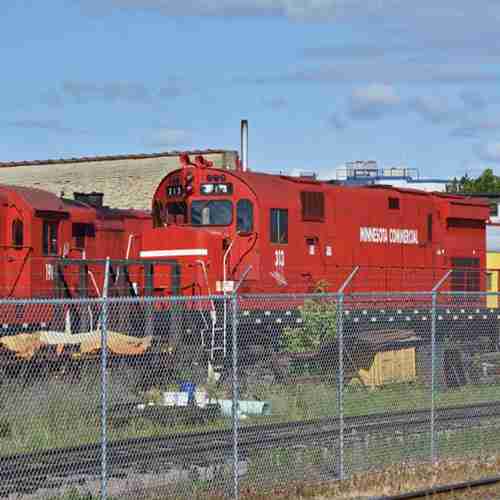
Maintaining railway fencing is crucial for ensuring the safety and security of both the railway infrastructure and the surrounding areas. Here are some steps typically involved in maintaining railway fencing.
8.1 Regular Inspection
Regular inspection and maintenance of railway fencing are crucial to ensure the safety and security of railway tracks, surrounding areas, and passengers. Here’s a guideline for conducting regular inspections and maintaining railway fencing:
Establish Inspection Schedule: Set up a regular schedule for inspecting railway fencing. This could be weekly, monthly, or quarterly, depending on the specific requirements of the railway infrastructure and the environmental conditions.
Check for Damage: Inspect the fencing thoroughly for any signs of damage such as rust, corrosion, bent or broken sections, loose bolts, or missing components. Pay special attention to areas prone to wear and tear such as joints, corners, and areas near crossings.
Assess Stability: Ensure that the fencing is stable and securely anchored to the ground. Check for any signs of leaning or instability, especially in areas with uneven terrain or where the fencing is exposed to high winds or other environmental factors.
Inspect Gates and Access Points: Check gates, access points, and any other openings in the fencing to ensure that they are functioning correctly and securely. Make sure that gates can be opened and closed easily and that locks and latches are in good working condition.
Clear Vegetation: Remove any vegetation such as bushes, trees, or overgrown grass that may be encroaching on the fencing or obstructing visibility. Vegetation can not only damage the fencing but also create hiding spots for unauthorized individuals.
Repair and Replace: Repair any damage found during the inspection promptly. Replace any sections of fencing that are beyond repair or no longer meet safety standards. Use high-quality materials and follow recommended installation procedures to ensure durability and effectiveness.
Inspect for Security: Assess the fencing for security vulnerabilities such as gaps or weak points that could allow unauthorized access to the railway tracks or adjacent areas. Take steps to reinforce security where necessary, such as adding additional barriers or installing security cameras.
Document Findings: Keep detailed records of each inspection, including any issues identified and actions taken to address them. This documentation can help track maintenance activities over time and identify recurring problems or areas in need of improvement.
8.2 Repair Damaged Sections
Railway fencing is a crucial component of railway infrastructure, providing safety and security for both the railway operations and the surrounding areas. Over time, fencing can undergo wear and tear due to various factors such as weather conditions, accidents, and vandalism.
Repairing damaged sections promptly is essential to ensure the continued safety and efficiency of railway operations. Here are steps to repair damaged sections of railway fencing:
8.2.1 Assessment of Damage
Begin by conducting a thorough assessment of the damaged sections of the railway fencing. Identify the extent of the damage, including any broken or bent posts, damaged rails, or missing panels. Additionally, assess the cause of the damage to prevent future occurrences if possible.
8.2.2 Procurement of Materials
Once the assessment is complete, procure the necessary materials for the repair work. This may include replacement posts, rails, panels, fasteners, and any specialized tools required for the job. Ensure that the materials meet the required standards for railway fencing.
8.2.3 Safety Precautions
Before initiating any repair work, ensure that appropriate safety precautions are in place. This includes wearing personal protective equipment (PPE) such as gloves, safety glasses, and helmets. If the repair work involves working near railway tracks, coordinate with railway authorities to implement necessary safety measures, including track closures if required.
8.2.4 Removal of Damaged Components
Carefully remove the damaged components of the fencing using appropriate tools. This may involve cutting through damaged rails or panels, loosening fasteners, and extracting broken posts from the ground. Exercise caution to avoid causing further damage to adjacent sections of the fencing.
8.2.5 Installation of Replacement Parts
Install the replacement parts following the manufacturer’s guidelines and industry best practices. Ensure that posts are securely anchored into the ground, rails are aligned properly, and panels are securely attached to the posts. Use appropriate fasteners and techniques to maintain the structural integrity of the fencing.
8.2.6 Alignment and Adjustment
Once the replacement parts are installed, ensure that the fencing is properly aligned and adjusted. This includes checking for straightness, proper height, and adequate tension in the fencing materials. Make any necessary adjustments to ensure that the fencing provides effective containment and protection along the railway corridor.
8.2.7 Finishing Touches
Complete the repair work by adding any finishing touches such as painting, applying anti-corrosion coatings, or installing warning signs as needed. These additional measures help enhance the durability and visibility of the railway fencing, contributing to its long-term effectiveness.
8.3 Clear Vegetation
Keep vegetation such as bushes, trees, and vines trimmed back from the fencing. Overgrown vegetation can not only damage the fencing but also obstruct visibility for train operators and maintenance crews.
Clearing vegetation around railway fencing is a common practice aimed at ensuring safety and maintaining operational efficiency. Here are some steps and considerations for effectively managing vegetation around railway fencing:
Before starting any vegetation clearing activities, conduct a safety assessment of the area. Identify potential hazards such as overhanging branches, unstable trees, or hidden obstacles.
Ensure compliance with local regulations and guidelines regarding vegetation management near railways. Some areas may have specific rules regarding the type and extent of vegetation that can be cleared.
Identify critical areas where vegetation clearance is essential for maintaining visibility of the tracks, ensuring proper drainage, and preventing vegetation from interfering with railway infrastructure.
8.4 Prevent Unauthorized Access
Ensure that the fencing effectively prevents unauthorized access to the railway tracks. This may involve securing gates, repairing any breaches, and periodically checking for signs of attempted unauthorized entry.
8.5 Maintain Security Features
If the fencing is equipped with security features such as alarms or surveillance cameras, ensure that these are regularly maintained and functioning properly.
Maintaining security features related to railway fencing is crucial for ensuring the safety of passengers, preventing accidents, and safeguarding railway infrastructure. Here are some key measures to maintain security features in railway fencing:
Regular Inspections: Conduct routine inspections of the fencing along railway tracks to identify any damage, weak points, or breaches. Inspections should be carried out by trained personnel who can recognize potential security risks.
Prompt Repairs: Address any damage or breaches in the fencing promptly. Repair or replace damaged sections to ensure that the perimeter remains secure. Quick action is essential to prevent unauthorized access to railway tracks.
Height and Strength: Ensure that the fencing is of adequate height and strength to deter trespassers and prevent accidental falls onto the tracks. Fencing should meet safety standards and be capable of withstanding external forces.
Anti-Trespassing Measures: Implement additional security measures such as barbed wire, anti-climb features, or intrusion detection systems to deter trespassers from accessing the railway tracks.
Surveillance: Install surveillance cameras along the fencing to monitor activity and detect any unauthorized access or suspicious behavior. Surveillance footage can provide valuable evidence in case of security incidents.
Collaboration with Authorities: Work closely with local law enforcement agencies and railway security personnel to address security concerns and coordinate responses to security incidents or breaches.
8.6 Address Corrosion
If the fencing is made of metal, regularly inspect it for signs of corrosion or rust. Address any corrosion promptly to prevent weakening of the fencing structure.Addressing corrosion in railway fencing is crucial for maintaining the structural integrity and longevity of the infrastructure. Here’s a comprehensive approach to dealing with corrosion in railway fencing:
Material Selection: Opt for corrosion-resistant materials when installing or replacing fencing. Stainless steel, aluminum, or galvanized steel are commonly used due to their resistance to corrosion.
Galvanization: If using steel fencing, ensure it is hot-dip galvanized. Galvanization creates a protective layer on the steel, preventing corrosion. Regular inspection should be conducted to identify any damages to the galvanized coating.
Coating/Painting: Apply anti-corrosion coatings or paint specifically designed for outdoor use. This adds an additional layer of protection against environmental elements.
Regular Inspections: Implement a regular inspection schedule to detect any signs of corrosion early on. Inspect fencing for rust, deterioration, or damage caused by environmental factors.
Maintenance Practices: Develop a maintenance plan that includes cleaning, lubrication of moving parts (if any), and repair of any damaged areas promptly. Remove any debris or vegetation that might trap moisture against the fencing, accelerating corrosion.
Corrosion Inhibitors: Consider using corrosion inhibitors or rust converters as part of maintenance routines. These products can help prevent further corrosion or convert existing rust into a stable compound.
Electrochemical Protection: Employ methods such as sacrificial anode systems or impressed current cathodic protection, especially in areas prone to severe corrosion. These methods help to prevent corrosion by providing an electrical current that counteracts the corrosion process.
8.7 Monitor Wildlife Interference
In some areas, wildlife may pose a risk to railway fencing, such as burrowing animals that undermine fence posts. Implement measures to deter wildlife interference and promptly repair any damage caused by animals.
Monitoring wildlife interference to maintain railway fencing involves several steps to ensure the safety of both animals and humans while also preserving railway infrastructure. Here’s a guide on how to manage this:
Initial Assessment: Start by assessing the existing railway fencing. Determine the condition of the fences, identifying any areas where they may be damaged or compromised. Also, assess the surrounding wildlife habitats to understand the potential interference points.
Select Monitoring Methods: Choose appropriate methods for monitoring wildlife interference. This can include physical inspections, camera traps, drones, or even satellite imagery, depending on the scale and budget of the project.
Establish Monitoring Schedule: Develop a schedule for regular monitoring activities. This could be daily, weekly, or monthly checks depending on the level of wildlife activity and the vulnerability of the railway fencing.
Train Personnel: Ensure that personnel involved in monitoring are adequately trained to identify signs of wildlife interference. This may include recognizing tracks, droppings, damage to fencing, or other indicators of animal presence.
8.8 Coordinate with Authorities
Work closely with relevant railway authorities, local government agencies, and community stakeholders to ensure compliance with regulations and address any concerns related to railway fencing maintenance.
8.9 Emergency Response Planning
Have a plan in place for responding to emergencies such as severe weather events or accidents that may damage railway fencing. Promptly assess and address any damage following such incidents.
9. Frequently asked question about railway fencing
9.1 What is the height of railway fencing
The height of railway fencing can vary depending on several factors, including local regulations, safety requirements, and the specific purpose of the fencing. In many places, railway fencing is typically around 1.8 to 2.4 meters (6 to 8 feet) tall.
This height helps prevent unauthorized access to the railway tracks and provides a barrier to deter trespassing, which can be dangerous and illegal.
9.2 How long does a railway fencing last?
The lifespan of railway fencing can vary significantly depending on several factors such as the material used, environmental conditions, maintenance practices, and the level of wear and tear from external factors like vandalism or accidents.
Typically, well-maintained railway fencing made from durable materials such as steel or treated wood can last for several decades. However, factors like corrosion, rust, damage from impacts, or exposure to extreme weather conditions can shorten the lifespan.
9.3 Is railway fencing secure?
Railway fencing can vary greatly in terms of its security depending on various factors such as design, materials used, maintenance, and the specific location it’s installed in. Here are some considerations regarding the security of railway fencing:
Design: The design of the fencing plays a crucial role in its security. Fencing should be tall and robust enough to deter unauthorized access. Additionally, features such as anti-climb measures (e.g., spikes or curved tops) can enhance security.
Materials: The materials used in the fencing can significantly impact its security and durability. High-quality materials such as steel or reinforced concrete are more secure than cheaper alternatives like chain-link fencing.
Maintenance: Regular maintenance is essential to ensure the continued effectiveness of railway fencing. Damage or breaches should be promptly repaired to prevent unauthorized access.
Surveillance: While fencing provides a physical barrier, it should ideally be complemented by surveillance measures such as CCTV cameras or patrols to monitor for any breaches or suspicious activity.
Accessibility: Access points such as gates should be secured with locks or other mechanisms to control who can enter the fenced area. Additionally, access points should be limited and strategically located to minimize vulnerabilities.
Location: The location of the railway fencing can impact its security requirements. Fencing in high-crime areas or areas prone to vandalism may require additional security features.
Regulations: Railway fencing may be subject to specific regulations and standards depending on the jurisdiction and the type of railway infrastructure it protects. Compliance with these regulations can ensure a certain level of security.
10. Conclusion on railway fencing
The conclusion on railway fencing depends on various factors such as safety, cost-effectiveness, environmental impact, and the specific needs of the railway system in question.
Railway fencing is essential for preventing unauthorized access to railway tracks, which can reduce the risk of accidents, trespassing incidents, and vandalism. Therefore, it can be concluded that proper fencing significantly enhances railway safety.
Railway fencing may have environmental implications, such as habitat fragmentation and disruption of wildlife movement patterns. Therefore, careful planning and implementation are necessary to minimize these negative impacts. Using eco-friendly materials and considering wildlife corridors can mitigate environmental concerns associated with railway fencing.
In conclusion, railway fencing plays a crucial role in enhancing safety, security, and legal compliance within railway systems. However, it requires careful consideration of various factors to ensure its effectiveness while minimizing negative impacts on the environment and public perception.