Table of Contents
1.Introduce for public space fencing & barriers

Public space fencing and barriers play a crucial role in shaping and safeguarding our shared environments. These structures serve multiple purposes, ranging from enhancing security and controlling access to providing aesthetic appeal and defining spatial boundaries.
Whether in urban areas, parks, transportation hubs, or commercial spaces, public space fencing and barriers contribute to the overall functionality, safety, and aesthetics of the surroundings.
They act as a deterrent to unauthorized access, preventing unwanted entry and potential security breaches. This is especially important in crowded public spaces where ensuring the safety of people is of utmost importance.
Fences and barriers help manage the flow of people and vehicles, directing them through designated entry points. This aids in crowd control during events, prevents trespassing in restricted areas, and ensures organized movement within a space.
Fences and barriers contribute to the visual appeal of public spaces by serving as design elements. They come in various styles, materials, and colors, allowing for customization to complement the architectural and landscape aesthetics of the surroundings.
Thoughtfully designed barriers can enhance the overall atmosphere of a space and contribute to a positive user experience.
2.The importance of fencing for public space fencing & barriers
Fencing and barriers play a crucial role in public spaces for various reasons, contributing to the overall safety, security, and functionality of these areas. Here are some key aspects highlighting the importance of fencing for public spaces.
2.1 Security

Concertina wire fencing acts as a deterrent to potential criminals, restricting unauthorized access and reducing the likelihood of theft, vandalism, or other criminal activities. Fencing helps manage crowds during events or gatherings, preventing overcrowding and maintaining order.
Securing public spaces with fences and barriers is a crucial aspect of overall security measures. These structures are designed to deter and prevent unauthorized access, protect people and property, and help manage crowd control.
Choose robust and durable materials for fences and barriers. Materials like steel, concrete, and high-strength alloys are often preferred due to their strength and resistance to tampering.
Determine the appropriate height based on the specific security requirements of the area. Taller barriers can be more effective at preventing unauthorized entry. Additionally, consider anti-climb features and designs that discourage scaling.
2.2 Safety

Crowd control barriers can prevent accidental falls or entry into restricted areas, minimizing the risk of injuries to pedestrians and ensuring the safety of individuals within the space.
Fencing helps guide pedestrian and vehicular traffic, preventing accidents and ensuring a smooth flow within the public space.
Fences and barriers help manage and control the flow of people in public spaces, preventing overcrowding and ensuring orderly movement. This is essential in areas such as stadiums, concert venues, and public events where large crowds gather.
Fences and barriers act as a physical deterrent to unauthorized access and can help prevent trespassing, vandalism, or other criminal activities. They provide a visible and tangible boundary that helps define the limits of a space.
Public spaces often house critical infrastructure, such as transportation facilities, utility installations, and government buildings. Fences and barriers help safeguard these assets from unauthorized access, potential sabotage, or accidental damage.
2.3 Boundary Definition

Welded wire fencing clearly defines the boundaries of a public space, preventing encroachment and disputes over land use. It helps establish a sense of ownership and responsibility for the designated area.
2.4 Privacy
Fencing provides a level of privacy for individuals within a public space, shielding them from the gaze of passersby and creating a more comfortable environment.
Public spaces, such as parks, streets, and communal areas, are essential for community interaction and engagement. Individuals have a reasonable expectation of privacy even in public spaces, as certain personal activities or information should not be subjected to unwarranted intrusion.
Privacy is a fundamental human right that contributes to personal autonomy, dignity, and freedom. Protecting privacy fosters trust in society, as individuals feel more comfortable participating in public life when they know their personal information is respected.
2.5 Aesthetics and Design
Well designed fencing can contribute to the overall aesthetics of a public space, enhancing its visual appeal and blending with the surrounding architecture or landscape.
The aesthetics and design of public space fencing and barriers play a crucial role in shaping the overall atmosphere and functionality of urban areas.
While the primary purpose of these elements is often to provide safety, security, and boundary demarcation, their visual appeal and integration with the surrounding environment should not be overlooked.
Well-designed fences and barriers can enhance the overall aesthetics of urban spaces by seamlessly blending with the surrounding architecture and landscape.
Incorporating artistic elements, such as decorative patterns, colors, or public art installations, can transform these functional structures into visually appealing features that contribute to the identity of the area.
2.6 Asset Protection
Public space fencing helps protect public property, installations, and amenities from potential damage caused by vandalism, trespassing, or other unauthorized activities.
Fencing can be essential for ensuring that public spaces adhere to safety and accessibility regulations. This is particularly important for spaces frequented by diverse groups of people.
2.7 Event Management
Temporary public space fencing is often used during events to control access, create designated areas, and maintain order. This is crucial for the safety and enjoyment of participants.
2.8 Wildlife Management
In natural or green public spaces, fencing may be used to protect local flora and fauna from human interference, helping maintain ecological balance. public space fencing and barriers play a crucial role in wildlife management, primarily by creating boundaries that help protect both wildlife and human interests.
Public space fencing and barriers can prevent animals from wandering into areas where they may encounter dangers such as busy roads, urban development, or hazardous industrial sites.
By confining wildlife to specific habitats or protected areas, these barriers reduce the risk of collisions with vehicles, human-wildlife conflicts, and other forms of harm.
3.Choosing the right public space fencing & barriers
Choosing the right public space fencing and barriers involves considering various factors such as the purpose of the barrier, the level of security required, aesthetics, local regulations, and budget constraints. Here are some key considerations to help you make an informed decision.
3.1 Security Level
Determine the level of security needed for the specific public space. High-security areas may require anti-climb fences, crash-rated barriers, or other specialized solutions. Consider factors like access control, surveillance, and lighting in conjunction with the physical barriers.
3.2 Function and Purpose
Identify the primary function of the barrier. Is it for crowd control, perimeter security, traffic management, or decorative purposes. Choose barriers that align with the intended purpose and provide the necessary functionality.
3.3 Material and Durability
Select materials that are durable and suitable for the environment. For example, stainless steel and aluminum are corrosion-resistant and often used in outdoor settings.
Consider weather conditions, such as exposure to extreme temperatures, rain, and sunlight, and choose materials that can withstand these elements.
3.4 Material Selection
Steel is a popular choice due to its strength and durability. It can withstand harsh weather conditions and offers high security.
Aluminum is lightweight, corrosion-resistant, and requires minimal maintenance. It’s suitable for areas where aesthetics are important.
Wood can provide a natural look and blend well with the surroundings. However, it requires regular maintenance to prevent rot and decay.
Vinyl or PVC fences are low-maintenance and resistant to rot, rust, and pests. They are available in various styles and colors.
Wrought iron fences offer a classic and elegant appearance. They are durable but may require periodic maintenance to prevent rust.
3.5 Durability
Consider the environmental conditions of the location where the fence will be installed. Factors such as exposure to sunlight, moisture, salt, or extreme temperatures can affect the durability of the material.
Ensure that the selected material is resistant to corrosion, rust, and degradation over time. Evaluate the manufacturer’s warranty and quality standards to gauge the expected lifespan of the fence or barrier.
Factor in potential impacts such as vandalism, vehicle collisions, or heavy usage in high-traffic areas. Choose materials and designs capable of withstanding such stresses.
3.6 Aesthetics and Design
Balancing functionality with aesthetics is crucial, especially in public spaces. Choose barriers that complement the overall design and visual appeal of the area.
Some options include ornamental fences, bollards with decorative covers, or landscaping features that also serve as barriers.
The public space fence and barriers should complement the overall design and architecture of the public space. Consider factors such as color, texture, and design elements to ensure visual harmony with the surroundings.
For instance, in historical areas, traditional materials and designs might be more appropriate, while modern spaces could benefit from sleek and minimalist designs.
3.7 Compliance with Regulations
Familiarize yourself with local regulations and building codes that govern the installation of fences and barriers. Ensure that your chosen solution complies with these regulations.
Ensuring compliance with regulations when choosing public space fencing and barriers is crucial for the safety and security of the public. Regulations may vary depending on factors such as the location, purpose of the space, local building codes, and accessibility requirements.
Familiarize yourself with local building codes and regulations governing the installation of fences and barriers in public spaces. These codes often specify requirements related to height, materials, durability, and safety standards.
3.8 Maintenance Requirements
Consider the long-term maintenance needs of the chosen barriers. Some materials may require regular upkeep, while others are low-maintenance. Factor in maintenance costs and requirements when making your decision.
3.9 Visibility and Transparency
Depending on the setting, you may want barriers that provide visibility. Mesh or transparent materials can be suitable for maintaining sightlines while still providing a level of security.
3.10 Cost
Establish a budget for the project and consider the costs associated with the initial installation, ongoing maintenance, and any additional features like access control systems.
3.11 Accessibility
Ensure that the chosen barriers are accessible to all individuals, including those with disabilities. Consider the installation of gates, ramps, or other accessibility features.
3.12 Local Climate and Environment
Evaluate the local climate and environmental conditions to choose materials and designs that can withstand specific challenges, such as heavy snow loads or high winds.
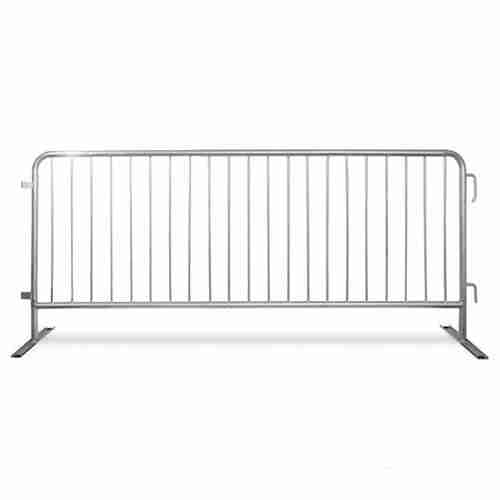
4.Visual showcase of public space fencing & barriers
5.Maintenance public space fencing & barriers
Maintaining public space fencing and barriers is crucial for ensuring the safety and functionality of these areas. Here are some general guidelines for maintaining public space fencing and barriers.
5.1 Regular Inspections
Conduct regular inspections of fences and barriers to identify any signs of damage, wear, or corrosion. Check for loose bolts, damaged posts, or sections that may need repair.
Set up a regular schedule for inspections based on the type and location of the fences and barriers. Frequency may vary depending on factors such as weather conditions, wear and tear, and the level of foot or vehicle traffic in the area. Typically, inspections may be done monthly, quarterly, or semi-annually.
Examine the overall structure of the fences and barriers. Look for signs of damage, corrosion, or wear such as cracks, rust, loose bolts, or bent components. Ensure that the fences are stable and securely anchored to the ground.
Look for any evidence of deliberate damage or vandalism such as graffiti, broken panels, or cut wires. Promptly repair or replace damaged sections to maintain the integrity of the barrier and prevent unauthorized access.
Ensure that the fences and barriers are still effectively restricting access to designated areas. Check for any gaps, openings, or compromised sections that could allow people or animals to enter restricted zones. Verify that gates and locks are functioning correctly.
5.2 Cleaning
Keep public space fences and barriers clean from dirt, debris, and vegetation. Regular cleaning helps prevent deterioration and extends the lifespan of the materials.
Power wash or scrub surfaces to remove dirt and stains.
Remove debris, leaves, and trash from the fence or barrier using a broom or leaf blower. Power wash the surfaces to remove dirt, grime, and stains. Adjust the pressure to avoid causing damage.
For metal fences, consider using a mild detergent or specialized cleaner to remove oxidation and rust. Use appropriate cleaning agents for different materials, such as stainless steel, aluminum, vinyl, or wood.
5.3 Painting and Coating
Repaint or recoat public space fences as needed to protect against corrosion and enhance aesthetics. Use weather-resistant paints and coatings to withstand outdoor elements.
Select a high-quality paint suitable for outdoor use. Consider weather-resistant, anti-corrosive, and UV-resistant paints to ensure longevity. Apply a primer to create a smooth and even surface for the paint. This helps the paint adhere better and provides extra protection against rust.
Use a brush, roller, or spray gun depending on the size and design of the fence. Ensure even coverage, and apply multiple thin coats rather than one thick coat.
Consider using contrasting colors for aesthetic appeal and increased visibility, especially in areas with heavy foot traffic.
5.4 Drying Time
Allow sufficient drying time between coats as per the paint manufacturer’s recommendations. Avoid exposure to rain or extreme weather conditions during this period.
Apply a clear protective coating or sealant after the paint has fully dried. This adds an extra layer of protection against UV rays, moisture, and other environmental factors. In areas prone to graffiti, consider applying an anti-graffiti coating. This makes it easier to clean off any unwanted markings without damaging the underlying paint.
5.5 Rust Prevention
Treat any signs of rust promptly by removing the rusted areas and applying rust-resistant coatings. Consider using galvanized or stainless steel materials for increased durability and corrosion resistance.
Preventing rust on public space fencing and barriers is crucial for maintaining their structural integrity, aesthetic appeal, and overall longevity. Rust can compromise the strength of metal structures and lead to safety concerns.
Select materials that are inherently resistant to corrosion. Stainless steel, aluminum, and galvanized steel are popular choices due to their ability to withstand rust.
Establish a routine cleaning schedule to remove dirt, salt, and other corrosive elements. Use a mild detergent, water, and a soft brush or cloth to clean the surfaces thoroughly. Pay attention to crevices and joints where moisture can accumulate.
Consider applying protective coatings to create a barrier between the metal and the elements. Rust-resistant paints, clear sealants, or specialized coatings can help prevent oxidation. Ensure that the coating is suitable for outdoor use and reapply it as needed.
Regularly inspect the fence and barriers for any signs of damage, including scratches, dents, or chipped coatings. Address any issues promptly by repairing damaged areas and reapplying protective coatings.
5.6 Vegetation Management
Trim and remove vegetation around fences and barriers to prevent them from causing damage or hiding potential security threats. Regularly inspect for plants that may be pushing against or growing through the structures.
Vegetation management around public space fencing and barriers is crucial for maintaining the safety, functionality, and aesthetic appeal of these areas. Proper vegetation management helps prevent issues such as overgrowth, damage to structures, and potential security concerns.
Conduct regular inspections of the perimeter fence and barriers to identify any signs of vegetation encroachment or damage. Check for overgrown plants, vines, or trees that may pose a threat to the integrity of the fence or obstruct visibility.
Choose low-maintenance and non-invasive plant species for landscaping around fences and barriers. Avoid planting species with aggressive root systems that may damage the structure over time.
Establish clearance zones around the fence and barriers to ensure that vegetation does not impede access or compromise security. Maintain a specific distance between plants and the structure to prevent overgrowth.
5.7 Repairing Damages
Promptly repair any damages, such as bent or broken sections, to maintain the integrity of the barriers. Replace damaged parts or sections with suitable materials.
Repairing damages to public space fencing and barriers is essential for ensuring the safety and security of the community. Here is a step-by-step guide on how to go about the maintenance and repair of public space fencing and barriers:
Assessment: Begin by conducting a thorough assessment of the damaged areas. Identify all the sections of the fence or barrier that need repair. Take note of any structural damage, loose components, rust, or other issues.
Safety Precautions: Before starting any repairs, ensure that the area is safe for work.
If the damaged fence poses an immediate threat to public safety, consider temporarily barricading the area or putting up warning signs.
Gather Necessary Tools and Materials: Collect the tools and materials needed for the repair, including welding equipment, replacement parts, paint, and safety gear.
Structural Repairs: For structural damages, such as bent or broken posts, use appropriate tools to straighten or replace them. Welding may be necessary for metal fences. Ensure that repairs are conducted by a qualified professional if needed.
Replace Damaged Components: Replace any damaged or missing components, such as pickets, rails, or mesh panels. Ensure that the replacements match the existing design and materials for uniformity.
Rust Removal and Prevention: If the fence is metal and has rust, remove the rust using a wire brush or sandpaper. Apply a rust converter or primer to prevent further rusting, and finish with a protective coat of paint.
Secure Loose Fasteners: Check for loose nuts, bolts, or screws and tighten them to ensure the stability of the fence.
5.8 Security Enhancements
Evaluate the security features of the fences and barriers periodically and consider upgrades if necessary. Implement additional security measures, such as anti-climb devices or sensors, based on the specific needs of the public space.
5.9 Accessibility
Ensure that public space fences and barriers comply with accessibility standards, providing ramps or gates for individuals with disabilities as needed. Ensuring the accessibility of maintenance activities for public space fencing and barriers is crucial to create an inclusive and safe environment for all individuals.
Ensure that the initial design of fences and barriers complies with accessibility standards, such as the Americans with Disabilities Act (ADA) in the United States or similar regulations in other countries. Use tactile warning surfaces, contrasting colors, and clear signage to provide information to individuals with visual impairments.
Maintain clear and unobstructed paths of travel for pedestrians, including those using mobility aids like wheelchairs or walkers. Ensure that maintenance activities do not impede accessible routes, and if necessary, provide alternative paths during maintenance.
If maintenance activities require the temporary installation of barriers, ensure that they are accessible. Use portable ramps or provide alternative routes for individuals with mobility challenges. Clearly communicate temporary changes in the environment with accessible signage to guide pedestrians safely.
Use multiple forms of communication to inform the public about upcoming maintenance activities, such as social media, websites, and local news outlets.
Make sure the information is available in various formats, including large print, Braille, and digital formats for those with different communication needs.
5.10 Collaboration with Authorities
Work closely with local authorities or relevant organizations to address any security concerns or regulations related to public spaces. Collaborating with authorities on the maintenance of public space fencing and barriers is essential for ensuring the safety and security of the community.
Familiarize yourself with local regulations and standards regarding public space fencing and barriers. This will help ensure that any maintenance activities comply with legal requirements.
Identify and establish communication channels with relevant authorities responsible for public space maintenance. This may include local government offices, public works departments, or community safety organizations.
Conduct regular inspections of the existing fences and barriers to identify any issues or maintenance needs. Document your findings and share them with the appropriate authorities.
Promptly report any maintenance needs or repairs to the relevant authorities. Provide detailed information about the issue, including its location and severity, to facilitate a quick response.
5.11 Community Engagement
Engage with the community to gather feedback on the condition of public space fencing and barriers. Encourage the community to report any damages or concerns promptly.
Engaging the community in discussions about the maintenance of public space fencing and barriers is essential for creating a sense of shared responsibility and ensuring that the needs and preferences of the community are taken into account.
Clearly outline the objectives of the community engagement. Whether it’s about repairing existing fences, installing new barriers, or enhancing the aesthetics of public spaces, having a clear goal will help guide the conversation.
Identify key stakeholders in the community who are directly or indirectly affected by the maintenance of public space fencing and barriers. This could include residents, local businesses, community organizations, and government representatives.
Utilize various communication channels to reach a diverse audience. This could involve social media, community newsletters, local newspapers, and community bulletin boards. Ensure that information is accessible to all members of the community.
5.12 Emergency Preparedness
Develop and regularly update an emergency response plan for addressing any damages or breaches of public space barriers.
Emergency preparedness for the maintenance of public space fencing and barriers involves proactive measures to ensure their functionality, structural integrity, and overall effectiveness. Properly maintained fences and barriers contribute to public safety by controlling access, providing security, and preventing unauthorized entry.
6.Factors affecting the cost of public space fencing & barriers
The cost of public space fencing and barriers can vary significantly depending on several factors. Here are some key considerations that influence their cost.
6.1 Material
The material used in constructing the public space fence or barrier is one of the most significant cost factors. Common materials include wood, chain-link, wrought iron, aluminum, vinyl, concrete, and steel. Each material has its own cost associated with procurement, installation, and maintenance.
Metal: Fences and barriers can be made from materials such as steel, aluminum, or iron. The cost varies based on the type of metal used. Steel is often more expensive than aluminum, for example.
Wood: Wooden fences are a popular choice and can vary in cost based on the type of wood used. Hardwoods tend to be more expensive than softwoods.
Concrete: For barriers, concrete is a common material. The cost will depend on the type and quality of the concrete.
The type of coating or finish applied to the material can impact both the aesthetic appeal and durability of the fence or barrier. Powder coating, for example, may add to the overall cost but provides a longer-lasting and more attractive finish.
6.2 Design and Style
The complexity and design of the public space fence or barrier can impact its cost. Intricate designs, decorative elements, or customizations may increase the overall cost due to additional labor and materials required for fabrication and installation.
The design and style of public space fencing and barriers can significantly impact their cost. Several factors come into play when considering design and style, influencing both material and labor expenses.
6.3 Material Selection
If the design calls for high-end or visually appealing materials such as wrought iron, stainless steel, or architectural elements, the cost will be higher compared to basic materials like chain-link or wood.
Intricate designs, patterns, or custom shapes can increase the cost as they require specialized fabrication.
6.4 Installation Complexity
Modular designs are generally easier and quicker to install, reducing labor costs. Complex and intricate designs may require skilled labor and more time, driving up expenses.
Special foundation needs, such as deep excavation or specific materials for stability, can contribute to higher costs.
6.5 Finishes and Coatings
High-quality paints, powder coatings, or specialized finishes that enhance durability or aesthetics can increase costs.
If the location demands protection against corrosion, coatings like galvanization or specialized anti-corrosive treatments may be necessary, adding to the overall cost.
6.6 Height and Length
The height and length of the fence or barrier directly affect the amount of material needed and the labor required for installation. Taller and longer fences generally require more materials and labor, resulting in higher costs.
The cost of public space fencing and barriers can be influenced by various factors, including height and length.
The height and length of a fence or barrier directly affect the amount of material required. Taller and longer structures will demand more materials, such as metal, wood, or concrete, leading to higher costs.
The installation of taller or longer fences typically requires more labor hours. Factors like the complexity of the design, terrain, and ground conditions can also impact the labor required for installation, contributing to increased costs.
Taller and longer fences may require deeper or more substantial foundations to ensure stability and security. The type and depth of the foundation can impact costs significantly.
6.7 Accessibility and Terrain
The accessibility of the installation site and the terrain conditions can influence the cost. Difficult terrain, such as rocky or uneven ground, may require additional preparation work, equipment, and labor, increasing overall expenses.
Accessibility and terrain are important concepts in various fields, including urban planning, transportation, outdoor recreation, and disaster management.
6.8 Accessibility
Accessibility refers to the ease with which people can reach and use different facilities, services, or destinations. It is not only about physical proximity but also takes into account the availability of suitable infrastructure and transportation options.
The presence of well-connected roads, public transportation, and pedestrian pathways. The availability of ramps, elevators, and other features that cater to people with disabilities. The strategic placement of residential, commercial, and recreational areas to reduce travel distances.
6.9 Terrain
Terrain refers to the physical characteristics of an area, including its elevation, slope, land cover, and natural features. It plays a crucial role in various activities and planning processes.
Level ground with minimal changes in elevation. Areas characterized by significant changes in elevation, often presenting challenges for transportation and development. Areas near the ocean or other bodies of water, influencing factors like erosion and flooding.
6.10 Location and Permitting
Local regulations, zoning requirements, and permits can affect the cost of installing public space fencing and barriers. Compliance with codes and obtaining necessary permits may add administrative expenses and affect the overall project timeline.
6.11 Foundation and Installation Method
The type of foundation required and the installation method chosen can impact costs. For example, fences installed with deep concrete foundations or specialized anchoring systems may cost more than surface-mounted options.
6.12 Security Features
If the fence or barrier includes security features such as anti-climb measures, barbed wire, electronic access controls, or surveillance systems, the cost will be higher due to the additional equipment and installation requirements.
6.13 Maintenance Requirements
Consideration of long-term maintenance costs is essential. Some materials require more frequent maintenance, such as painting, sealing, or repairs, which can add to the overall lifecycle cost of the fence or barrier.
6.14 Contractor or Supplier Pricing
The rates charged by contractors or suppliers for materials, labor, and overhead can vary based on market conditions, location, and the reputation of the vendor. It’s advisable to obtain multiple quotes and compare prices before making a decision.
6.15 Economic Factors
Economic conditions, such as material availability, inflation, and labor costs, can influence overall project costs. Fluctuations in the market may impact material prices and contractor rates, affecting the final cost of the project.
7.Whether the public space fencing & barriers is prone to rust?
Yes, public space fencing and barriers are susceptible to rust, especially if they are made of metal and exposed to environmental elements like moisture and air. Rust occurs when metal surfaces oxidize due to prolonged exposure to water and oxygen.
Factors such as humidity, salt in the air (near coastal areas), pollution, and lack of maintenance can accelerate the rusting process. To mitigate rusting, regular inspection, cleaning, and applying protective coatings can help prolong the life of the fences and barriers.
Additionally, using materials resistant to rust, such as stainless steel or galvanized steel, can also reduce the risk of rust formation.
8.Whether the public space fencing & barriers can be moved in rainy weather?
Moving public space fencing and barriers in rainy weather depends on various factors such as the type of barriers, the ground conditions, the equipment available, and safety considerations.
Type of Barriers: Some barriers may be easily movable, such as lightweight plastic barriers or temporary fencing, while others like concrete barriers may require specialized equipment for movement.
Ground Conditions: Rainy weather can make the ground soft and muddy, which may affect the stability of barriers. Moving barriers in such conditions could potentially cause damage to the ground or result in the barriers sinking.
Equipment: Specialized equipment like forklifts, cranes, or trucks may be needed to move heavy barriers. Rainy conditions could affect the operation of this equipment, posing safety risks.
Safety Considerations: Rainy weather can decrease visibility and make surfaces slippery, increasing the risk of accidents during barrier movement. Safety protocols should be followed strictly, and workers should be adequately trained for such conditions.
In general, it’s possible to move public space fencing and barriers in rainy weather, but it requires careful assessment of risks and appropriate precautions. It may be advisable to delay movement if conditions pose significant safety concerns or if the ground conditions make it impractical or potentially damaging to move the barriers.
9.Conclusion
The conclusion regarding the implementation of public space fencing and barriers depends on various factors, including the context, purpose, and effectiveness of such measures.
Fences and barriers can enhance security by controlling access to public spaces, deterring unwanted behavior such as vandalism or illegal activities, and protecting sensitive areas from unauthorized entry. In areas prone to security threats or terrorist attacks, well-designed barriers can mitigate risks effectively.
The design of fences and barriers is crucial. They should be aesthetically pleasing, culturally sensitive, and designed with input from the community to minimize any negative psychological effects. Moreover, they should not impede the flow of pedestrian or vehicular traffic unnecessarily.
There’s often a delicate balance between security measures and maintaining the open, welcoming nature of public spaces. Finding this balance requires thoughtful consideration of the specific needs of each location, weighing security concerns against the desire for accessibility and freedom of movement.
In conclusion, while fences and barriers can play a role in enhancing security in public spaces, their implementation should be approached with careful consideration of their social, cultural, and practical implications.
Balancing security requirements with the preservation of public accessibility and community cohesion is key to creating safe and welcoming urban environments.