Table of Contents
1. What is heavy gauge welded wire fencing?

Heavy gauge welded wire fencing refers to a type of fencing constructed using thick, durable wires that are welded together at intersecting points. This type of fencing is designed to provide strength, security, and durability for various applications, including residential, commercial, agricultural, and industrial purposes.
Heavy gauge wires, typically ranging from 10 to 6 gauge, are used in this type of fencing to ensure greater strength and resistance to bending or breaking.
The wires are welded together at their crossing points, forming a grid-like pattern, creating a sturdy and rigid structure. The welded connections provide additional stability, making the fencing more secure and less prone to sagging or deforming over time.
Heavy gauge welded wire fencing comes in various heights, mesh sizes, and coatings (such as galvanized or vinyl-coated) to suit different purposes and environments.
2. Feature of heavy gauge welded wire fencing
Heavy gauge welded wire fencing refers to fencing made from thick, strong wires that have been welded together at their intersections. This type of fencing offers several features and benefits.
2.1 Strength and Durability
Heavy gauge wires are thicker and stronger, providing increased resistance to bending, breaking, and cutting. This makes the fencing more durable and long-lasting, capable of withstanding impacts and external forces.
Heavy gauge wire fence is made from high-quality steel wires, often galvanized or coated with corrosion-resistant materials like zinc, PVC, or polyester. This enhances its resistance to rust, corrosion, and weathering, ensuring long-term durability.
Thicker wires are less prone to bending or breaking under pressure, making the fence more robust and resistant to impact.
The wires are welded at their intersections, creating a strong bond between them. Proper welding techniques ensure a sturdy structure that can withstand external forces and prevent individual wires from separating easily.
2.2 Security
The sturdy construction of heavy gauge welded wire fencing provides enhanced security, making it difficult for intruders to breach. It’s commonly used in high-security areas, such as prisons, airports, and military installations.
The heavy gauge wire used in this fencing is thicker and stronger, making it more resistant to bending, cutting, or breaking. It provides a robust barrier that is difficult to breach.
Welded wire fencing is firmly welded at the intersections, creating a rigid and stable structure that is difficult to manipulate or force apart. Often available in taller heights, it serves as an effective deterrent against climbing, preventing unauthorized access.
2.3 Versatility
These heavy gauge welded wire fencing come in various heights, mesh sizes, and configurations, allowing versatility in their applications. They can be customized to suit specific needs, whether it’s enclosing a large area or creating partitions within a space.
2.4 Rigidity
Heavy gauge welded wire fencing is constructed using thicker and stronger wire materials, such as galvanized steel or stainless steel. This enhances its ability to withstand external pressures, impacts, and attempts at breaching.
The wires are welded at their intersections, creating a rigid grid-like structure that enhances the overall stability and prevents individual wires from moving independently. This welding process adds strength and prevents sagging or buckling under pressure.
The spacing between the welded wires is designed to offer both security and visibility. The mesh size can vary, but smaller mesh sizes generally provide greater rigidity due to more contact points and reduced flexibility.
2.5 Weather Resistance
Heavy gauge welded wire fencing is often galvanized or coated with materials like PVC to improve its resistance to rust, corrosion, and weathering. This increases its lifespan and reduces maintenance requirements.
Heavy gauge welded wire fencing typically offers excellent weather resistance due to its construction and materials.
Most heavy gauge welded wire fencing is made from galvanized steel, which is coated with a protective layer of zinc to prevent corrosion. This galvanization process significantly enhances the fencing’s ability to withstand various weather conditions.
Heavy gauge wire is thicker and more robust, providing increased strength and durability against harsh weather elements like wind, rain, snow, and extreme temperatures. This durability helps the fencing maintain its structural integrity over time.
2.6 Customization
Heavy gauge welded wire fencing can be manufactured in various heights, mesh sizes, and configurations to suit specific needs, offering flexibility in design and functionality.
Heavy gauge welded wire fencing comes in various thicknesses (gauges) and mesh sizes. Thicker gauges offer greater strength and durability, while different mesh sizes cater to specific applications, such as security, animal containment, or landscaping.
It’s often made from galvanized steel, which provides rust and corrosion resistance. For enhanced durability, options like vinyl-coated or powder-coated finishes are available in different colors to complement surroundings or provide better visibility.
Fencing can be customized in terms of height and length to suit specific requirements. Taller fences offer more security, while shorter ones might be suitable for landscaping or residential applications.
2.7 Ease of Installation
Heavy gauge welded wire fencing typically offers a more robust and durable solution compared to lighter gauge options.
Heavy gauge wire fencing tends to be more rigid and stable, which can make it easier to handle during installation. Its sturdiness often allows for easier positioning and alignment of panels or rolls.
Installing heavy gauge welded wire fencing may require specific tools such as wire cutters, fencing pliers, a post-hole digger, and possibly a tensioning tool for securing the fence properly. These tools might differ from those needed for lighter gauge fences due to the increased thickness and strength of the wire.
Heavy gauge fencing often needs a more robust support structure. This could mean sturdier posts and deeper post holes for proper anchoring. While this might require more effort initially, it can enhance the overall stability and longevity of the fence.
2.8 Aesthetics
The heavy gauge welded wire fencing of heavy gauge fencing often offer clean, straight lines, creating a sleek and modern appearance that can complement various architectural styles.
The consistent spacing and sizing of the wires provide a sense of uniformity, offering a visually pleasing and organized look to the fencing structure.
These fences can come in various patterns, such as square or rectangular grids, offering design versatility that can be adapted to different preferences and surroundings.
The simplicity of the welded wire design often aligns with minimalist aesthetics, providing an understated yet elegant look to the property.
Heavy gauge welded wire fencing can be available in various colors or finishes, allowing property owners to choose options that blend harmoniously with their landscape or property design.
3. Heavy gauge welded wire fencing wire welded method
Heavy gauge welded wire fencing wires are arranged in a grid pattern, with perpendicular wires welded together at their intersection points. This welding process can be performed using different methods such as spot welding or arc welding.
3.1 Spot Welding
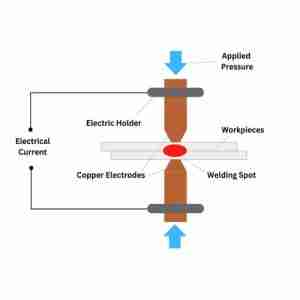
In spot welding, an electrical current is applied to the points where the wires intersect. This generates heat, melting the wires at those points and causing them to fuse together. This method is efficient and commonly used in automated production of heavy gauge welded wire fencing.
3.2 Arc Welding
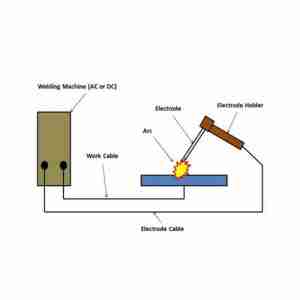
Arc welding involves the use of an electrical arc to heat and melt the wires at their intersection points. This method requires more precision and is often used in manual or smaller-scale production.
4. Specification of heavy gauge welded wire fencing
Surface Treatment | PVC Coated |
Type | Welded Mesh |
Wire Mesh Material | Low Carbon Steel Wire/ Stainless Steel Wire |
Galvanized Type | Cold(Electro/Hot-Dipped) Galvanzied |
Mesh Hole Shape | Square or Rectangle |
Width | 0.5m – 2m |
Diameter | 0.15 – 1.5 mm |
Opening Size | 1/4′′ 1/2′′ 3/8′′ 3/4′′ 2′′ 4′′or Customized |
5. Materials of heavy gauge welded wire fencing
Heavy gauge welded wire fencing is typically made from various materials, each offering unique properties in terms of durability, strength, and resistance to environmental factors. Some common materials used in heavy gauge welded wire fencing include.
5.1 Steel
This is one of the most commonly used materials for heavy gauge welded wire fencing due to its strength and durability. Steel wire fencing is available in various gauges and coatings, such as galvanized steel (coated with zinc for corrosion resistance) or stainless steel (highly resistant to rust and corrosion).
5.2 Galvanized Steel
Galvanized steel heavy gauge welded wire fencing refers to a type of fencing made from steel wires that are welded together at their intersections to form a sturdy mesh-like structure.
This galvanization process involves immersing the steel in molten zinc or applying a zinc coating through other methods, creating a barrier that helps prevent rust and extends the lifespan of the fencing, especially when exposed to outdoor elements and moisture.
5.3 Stainless Steel
Stainless steel heavy gauge welded wire fencing is a durable and sturdy fencing option made from stainless steel wires that are welded together at intersections to create a strong mesh pattern.
Stainless steel is known for its corrosion resistance, making it ideal for outdoor applications. It’s less likely to rust or degrade over time, even in harsh weather conditions.
Heavy gauge wire fencing made from stainless steel offers high tensile strength, providing excellent security and protection. Stainless steel requires minimal maintenance compared to other materials. It doesn’t need to be painted or coated for protection against corrosion.
Stainless steel fencing has a sleek and modern appearance, making it a visually appealing choice for many applications.
5.4 Vinyl-Coated Wire
Vinyl-coated wire refers to wire that has been covered or coated with a layer of vinyl material. This coating serves multiple purposes, such as protection against corrosion, increased durability, and aesthetics.
This material consists of heavy-gauge wires welded together to form a strong mesh, which is then coated with a layer of vinyl. This combination provides enhanced durability, weather resistance, and an attractive appearance.
5.5 Aluminum
Heavy gauge welded wire fencing made of aluminum is a durable and corrosion-resistant option for various fencing needs. Aluminum, known for its lightweight and rust-resistant properties, makes it suitable for outdoor applications.
Aluminum is a strong material, especially when used in heavy-gauge wire fencing. It can withstand impacts and pressure without easily bending or breaking.
One of the significant advantages of aluminum is its resistance to corrosion. It doesn’t rust like iron or steel, making it an excellent choice for outdoor fencing, particularly in regions with high humidity or coastal areas.
Due to its resistance to rust and corrosion, aluminum fencing requires minimal maintenance. Regular cleaning with mild soap and water is usually sufficient to keep it in good condition.
6. Color of heavy duty wire fence panels
Heavy duty wire fence panels typically come in various colors, although the most common colors are black, green, and silver/galvanized. These colors are often used because they blend well with different environments and provide a neutral or natural appearance.
7. Applications of heavy duty wire fence panels
Heavy duty wire fence panels have numerous applications across various industries and settings due to their durability, strength, and versatility. Some of the common applications include.
7.1 Security Fencing
Heavy duty wire fence panels are often used for high-security purposes in prisons, military installations, government facilities, and sensitive areas. Their robust construction provides a formidable barrier against unauthorized access.
Heavy duty wire fence panels are extensively used for securing the perimeters of commercial, industrial, and residential properties. They provide a strong physical barrier against unauthorized access and deter trespassing.
They are employed to protect critical infrastructure such as power plants, water treatment facilities, and communication centers from unauthorized entry and potential threats.
7.2 Perimeter Fencing
Heavy duty wire fence panels have a wide range of applications due to their durability, strength, and versatility
Heavy duty wire fence panels are extensively used for security purposes in industrial facilities, warehouses, prisons, military bases, and high-security areas. Their robust construction provides a formidable barrier against unauthorized access.
These panels are employed in construction sites to demarcate boundaries, ensuring safety by preventing unauthorized entry and securing expensive equipment and materials.
7.3 Animal Enclosures
Heavy duty wire fence panels find numerous applications in animal enclosures due to their durability, strength, and versatility. These panels are typically made of sturdy materials like welded steel or heavy-gauge wire mesh, offering reliable containment and protection for various animals.
Heavy duty wire panels are frequently used in farming and ranching to create enclosures for cattle, horses, sheep, goats, and other livestock. They provide a secure barrier, helping to contain animals within designated areas and protect them from predators.
For chickens, ducks, turkeys, and other poultry, wire panels can be configured to create secure pens. These panels can prevent predators from entering while allowing proper ventilation and sunlight for the birds.
Animal shelters and rescue facilities often utilize heavy-duty wire panels to create secure enclosures for various animals, including dogs, cats, rabbits, and other small animals. These panels can be customized to create different sections based on the size and type of animals being housed.
7.4 Public Spaces
These panels are often used in public parks, playgrounds, and recreational areas to create boundaries, prevent unauthorized access to certain sections, and ensure safety.
Wire fence panels are employed in sports fields, stadiums, and arenas to enclose the playing area, providing a clear barrier while allowing visibility for spectators. Heavy-duty wire fence panels are used in zoos and wildlife parks to create enclosures for animals, ensuring their safety and preventing contact with visitors.
7.5 Temporary Fencing
Heavy duty wire fence panels are versatile and find applications in various settings where temporary fencing is needed. These panels are robust and durable, designed to offer security, safety, and enclosure. Here are some common applications:
Heavy-duty wire fence panels are frequently used in construction sites to secure the perimeter, preventing unauthorized access, and ensuring safety by keeping out intruders and controlling the movement of people within the site.
Temporary fencing is often employed during events, concerts, festivals, or sports gatherings to manage crowds, create designated areas, and ensure the safety of participants and spectators.
7.6 Privacy Fencing
Heavy duty wire fence panels are versatile and find applications in various settings due to their durability and security features.
These panels are often used in high-security areas such as prisons, military installations, and government facilities due to their robustness and ability to deter unauthorized access.
They are used to secure the perimeters of properties, commercial areas, and industrial sites, providing a strong boundary that helps prevent trespassing and theft.
7.7 Boundary Marking
Heavy duty wire fence panels find application in various settings due to their durability, strength, and versatility. Here are some common applications and contexts where these panels are frequently used:
Heavy-duty wire fence panels are often employed in securing perimeters for various facilities such as industrial sites, military installations, prisons, and airports. Their robustness and height act as deterrents against unauthorized entry.
Zoos, wildlife reserves, farms, and ranches utilize heavy-duty wire fence panels to create enclosures for animals. These panels ensure safety and containment while withstanding the force that animals might exert on them.
They are used to create temporary barriers around construction zones for safety and security purposes. Heavy-duty wire panels can withstand the rigors of construction activities and prevent unauthorized access.
7.8 Sports Facilities
Heavy duty wire fence panels have various applications in sports facilities due to their durability, versatility, and ability to provide security.
Sports facilities often use heavy-duty wire fence panels to secure the perimeter. These fences are sturdy and difficult to breach, providing protection against unauthorized access, vandalism, and theft of equipment.
They are used to enclose playing fields, whether it’s a soccer field, baseball diamond, or tennis court. These fences help keep balls within the designated area and prevent interference from outsiders during games or practices.
7.9 Garden and Landscaping
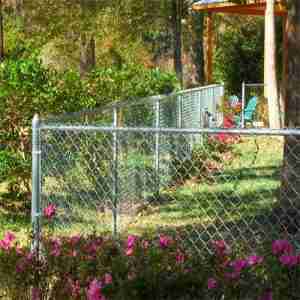
Heavy duty wire fence panels have numerous applications in garden and landscaping due to their durability, strength, and versatility.
Heavy duty wire fence panels are excellent for creating secure boundaries around gardens, properties, or landscaping areas. They deter unauthorized entry and help keep animals or intruders out.
They are used to create secure enclosures for pets, creating designated areas within the garden or yard where animals can roam freely without escaping. Wire fence panels act as trellises for climbing plants such as vines, ivy, or climbing roses, providing structural support and guiding their growth.
8. Conclusion
Heavy gauge welded wire fencing is a durable and robust option for various security and containment needs.
The heavy gauge wire used in this fencing provides significant strength, making it resilient against impact and pressure. It can withstand weather elements and potential attempts to breach or damage it.
It offers high-security features, making it suitable for areas requiring stringent perimeter control. The welded nature of the wires creates a solid barrier, discouraging intruders or animals from accessing restricted areas.
This type of fencing is versatile and adaptable for different purposes, including enclosing residential properties, securing commercial sites, animal containment, and agricultural use.
In conclusion, heavy gauge welded wire fencing stands out as a durable, secure, and versatile option for various applications where strength and longevity are essential. Its reliability, low maintenance requirements, and potential aesthetic appeal make it a popular choice in numerous settings, providing both security and peace of mind.
