
Table of Contents
1. What are standard temporary construction fencing?
Standard temporary construction fencing is typically made of materials like chain link, welded wire mesh, or plastic. These fences are used at construction sites for various purposes, including safety, security, and crowd control.
This type of fencing is made of interlocking steel wires forming a diamond pattern. It’s durable and provides security while allowing visibility. It’s commonly used in construction sites due to its sturdiness.
This fencing is made by welding steel wires together in a grid pattern. It’s strong and provides a good barrier. The mesh size can vary depending on the level of security needed.
Sometimes, instead of traditional fencing, construction sites use barricades made of heavy-duty plastic or metal. These are often used for traffic control, delineating specific areas, or protecting workers and equipment.
2. How to brace temporary construction fencing?
Bracing temporary construction fencing is essential to ensure stability, safety, and effectiveness in its intended purpose. Here’s a general guide on how to brace temporary construction fencing.
2.1 Select Suitable Bracing Materials
When it comes to bracing temporary construction fencing, it’s important to choose materials that provide stability, security, and durability. The bracing materials will largely depend on the type of fencing used and the environment in which it will be installed.
Using steel or metal posts for bracing can offer robust support. These posts should be anchored firmly into the ground and placed strategically at corners and intervals along the fencing line.
Wooden braces can also be used for temporary fencing. These could be in the form of sturdy wooden stakes or beams placed diagonally against the fencing to prevent it from leaning or collapsing.
For added stability, especially in windy areas, concrete blocks or ballasts can be placed at the base of the fencing. These will help prevent the fencing from being easily moved or toppled.
2.2 Determine Bracing Points
Identify where you need to place braces along the temporary construction fencing line. Usually, these points will be at corners, ends, and significant intervals along the length of the fence.
2.3 Dig Holes for Bracing Posts
Using appropriate tools, dig holes at the identified bracing points. The depth and width of the temporary construction fencing holes will depend on the type of posts and the soil condition. Typically, holes should be deep enough to ensure stability, usually around one-third of the post’s total length or more.
2.4 Install Bracing Posts
Determine the layout of your temporary construction fencing and mark where the bracing posts will be placed. Ensure the corners and ends of the fencing line have bracing posts for stability.
Use a post hole digger or an auger to dig holes for the bracing posts. The depth and diameter of the holes should be appropriate for the size of your bracing posts. As a general rule, holes should be around one-third to one-half the length of the post and wider than the post diameter.
Place the bracing posts in the holes. Ensure they’re standing upright and aligned properly with the fencing line. Use a level to check for straightness.
If using concrete, pour dry concrete mix into the hole around the post and add water according to the manufacturer’s instructions.Alternatively, you can use gravel to fill around the post for stability.
Once the posts are set and stabilized (if using concrete), pack the soil or gravel around the post firmly to hold it in place.
2.5 Attach Bracing Materials
Attach the bracing material to the temporary construction fencing posts. This can include horizontal braces between posts, diagonal braces from the top of the post to the base, or tension bands/cables. Ensure these attachments are firmly secured to the posts and provide adequate support.
2.6 Tensioning
If using tension bands or cables, carefully tension them to add stability to the temporary construction fencing. Use appropriate tensioning tools to achieve the desired level of tautness without overstraining the materials.
2.7 Regular Inspections
Regular inspections of temporary construction fencing are crucial to ensure its effectiveness and safety. Establish a regular inspection schedule. Depending on the location, weather conditions, and potential risks, inspections could be weekly, bi-weekly, or monthly.
Inspect the entire perimeter of the fencing. Look for any signs of damage, such as bent poles, broken wires, loose connections, or compromised sections. Any damage could weaken the fence’s ability to provide security.
Check the stability of the fencing. Ensure that the fence is securely anchored to the ground. If it’s not firmly in place, re-anchor it as needed. Use additional supports like sandbags or concrete blocks if the area experiences strong winds or if the fence is prone to movement.
3. Types of temporary construction fencing
Temporary construction fencing comes in various types, each serving specific purposes based on the level of security required, the duration of use, and the environment. Here are some common types of temporary construction fencing.
3.1 Round Top temporary construction fencing
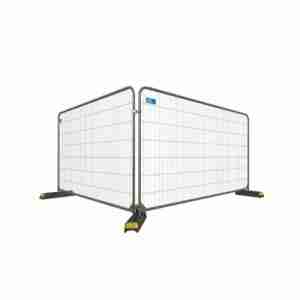
The round top temporary construction fencing refers to a type of fencing used for temporary security purposes. This fencing typically has rounded or domed tops rather than sharp or pointed edges, which enhances safety by reducing the risk of injury or accidents caused by sharp protrusions.
The rounded tops not only provide a level of safety but also add a visual deterrent against climbing or breaching the fence. They come in various heights and designs, providing flexibility in their application based on the security needs of the specific location or event.
3.2 Standard or Square Top temporary construction fencing
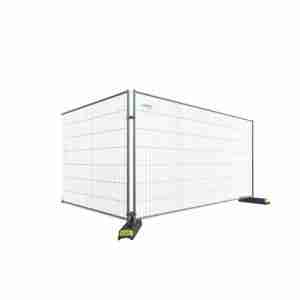
Both standard and square-top temporary construction fencing have their own advantages and applications. The choice between the two often depends on specific needs, preferences, and the intended purpose of the fencing.
3.2.1 Standard temporary construction fencing
Standard temporary construction fencing usually consists of panels made of welded wire mesh or chain link and is commonly used in construction sites, outdoor events, crowd control, and securing perimeters.
It’s relatively easy to install and dismantle, making it suitable for temporary needs. Panels are often connected with clamps or feet that stabilize the fence. The open-top design allows easy visibility and ventilation. Standard fencing is generally more cost-effective compared to some specialized designs.
3.2.2 Square Top temporary construction fencing
Square top fencing usually features a deterrent design with pointed or square tops to prevent individuals from climbing over it. It provides an added level of security and discourages trespassing.
Depending on the design, square-top fencing can offer a more formidable appearance and may be preferred in scenarios where aesthetics play a role. It’s particularly useful in areas where additional security measures are required, such as critical infrastructure, sensitive areas, or events where security is a primary concern.
Square-top fencing might be more difficult and time-consuming to install due to the additional elements in the design. It might also be more expensive compared to standard fencing.
4. Types of temporary construction fencing mesh
Temporary construction fencing meshes come in various types, each designed to cater to specific needs based on the level of security required, the duration of use, and the environment. Some common types include.
4.1 Chain Link Mesh
Temporary construction fencing often involves the use of chain link mesh due to its durability, versatility, and security features. Chain link fencing is commonly utilized in various temporary settings such as construction sites, event perimeters, crowd control areas, and temporary security zones.
Chain link fencing is made of galvanized steel wire, making it strong and able to withstand outdoor conditions, including adverse weather.
This type of fencing can be easily assembled and disassembled, allowing for quick installation and removal. Panels can be interconnected using posts and brackets, enabling customization based on the area’s dimensions.
The mesh design provides visibility while ensuring a level of security by restricting unauthorized access. It can also be enhanced with additional security features like barbed wire or privacy slats.
4.2 Welded Wire Mesh
Temporary construction fencing using welded wire mesh is a common solution for various temporary security needs, such as construction sites, events, crowd control, or securing restricted areas. Welded wire mesh panels are often used due to their durability, ease of installation, and effectiveness in creating barriers.
Welded wire mesh panels are typically made from steel wire, offering strength and durability. They can withstand harsh weather conditions and provide a sturdy barrier against unauthorized access.
The panels are created by welding individual steel wires together at their intersections, forming a mesh pattern. The design can vary in mesh size, gauge (thickness of the wire), and panel dimensions based on the specific security requirements.
Temporary fencing using welded wire mesh panels is relatively easy to install. Panels often come with connectors or clamps that allow for quick assembly and disassembly without the need for specialized tools. They can be attached to posts or support structures to create a stable perimeter.
4.3 Expanded Metal Mesh
temporary construction fencing made from expanded metal mesh can be an effective solution for various applications where temporary barrier or security measures are needed. Expanded metal mesh is a type of material made by cutting and stretching a sheet of metal, creating a pattern of diamond-shaped openings.
Expanded metal mesh is known for its durability and strength, making it suitable for security purposes. It can withstand impact and external forces, providing a robust barrier.
The mesh design provides visibility while maintaining security by preventing unauthorized access. The small diamond-shaped openings discourage climbing and offer a deterrent against intrusion.
It can be customized in terms of size, mesh pattern, and materials to suit specific security needs. Different metal types like steel, aluminum, or stainless steel can be used based on the required strength and corrosion resistance.
4.4 Barbed Wire
Temporary construction fencing with barbed wire is a common solution used to create barriers and enhance security in various settings. This type of fencing is often employed in construction sites, events, industrial areas, or locations requiring temporary demarcation or heightened security measures.
The fencing material should be sturdy and durable, often made of metal such as steel or aluminum. The design might include panels or chain-link fencing to create a robust barrier.
Positioned at the top of the fence, barbed wire adds an additional layer of security by acting as a deterrent against unauthorized access. It’s important to install it carefully to prevent accidents or injuries.
5. Reasons to Install temporary construction fencing
Temporary construction fencing serves various purposes and is commonly installed in numerous situations due to its versatility and benefits. Here are some reasons why one might consider installing temporary construction fencing.
5.1 Construction Sites
Construction sites often have heavy machinery, hazardous materials, and dangerous equipment. temporary construction fencing acts as a barrier to prevent unauthorized access, reducing the risk of accidents, injuries, or theft.
By restricting access to the construction site through temporary fencing, the liability for any accidents or injuries that might occur within the premises can be minimized. It helps in keeping the public away from potentially dangerous areas, reducing the risk of lawsuits due to unauthorized access.
Construction sites are vulnerable to theft and vandalism, which can lead to significant financial losses and project delays. Installing temporary construction fencing acts as a deterrent to trespassers and vandals, protecting equipment, materials, and the overall site integrity.
5.2 Events and Crowd Control
There are various reasons why installing temporary construction fencing is essential, especially in events and crowd control scenarios.
Temporary fencing helps control the flow of crowds, preventing overcrowding in specific areas and ensuring people move in an organized manner. It also helps in creating separate zones for different activities or sections, reducing the risk of accidents or conflicts.
Events often involve valuable equipment, merchandise, or infrastructure. Temporary fencing acts as a deterrent to unauthorized access, reducing the risk of theft or vandalism.
It helps in managing vehicular and pedestrian traffic by creating designated entry and exit points, preventing congestion, and ensuring a smoother flow of vehicles and people.
By securing the perimeter, event organizers reduce the risk of accidents or injuries occurring due to unauthorized access or crowd mismanagement. This can help mitigate liability issues.
5.3 Property Protection
Protecting vacant properties or land from trespassers, squatters, and potential criminal activities like theft or illegal dumping.
5.4 Safety Compliance
Temporary construction fencing helps prevent unauthorized access to construction sites, industrial facilities, or events. This is crucial for ensuring the safety of people and property on the premises.
Fencing serves as a barrier to keep pedestrians away from potentially hazardous areas, such as construction sites or events with heavy equipment and machinery.
Temporary fencing can be used to manage vehicular and pedestrian traffic, ensuring a smooth and safe flow of people and vehicles.
Fencing helps mitigate the risk of accidents by keeping unauthorized individuals away from potentially dangerous zones, reducing the likelihood of injuries and liabilities.
5.5 Temporary Enclosures
Temporary construction fencing is essential for various reasons, providing a versatile solution to address a range of concerns in different situations.
Construction sites pose numerous hazards. Temporary fencing helps in keeping unauthorized personnel away, reducing the risk of accidents and injuries. Construction sites often have valuable equipment and materials. Fencing acts as a deterrent to potential thieves and vandals.
For large events, festivals, or concerts, temporary fencing helps manage crowds, preventing overcrowding and ensuring a smooth flow of people. Fencing serves as a barrier to prevent unauthorized access, ensuring that only ticketed individuals can enter the event space.
5.6 Emergency Situations
Temporary construction fencing can be essential in various emergency situations to address specific needs and challenges.
In the aftermath of natural disasters, securing affected areas becomes crucial to prevent looting, unauthorized entry, and to maintain order. Temporary fencing can help establish perimeters quickly.
During large-scale events, protests, or public gatherings, temporary construction fencing can help control the flow of crowds, prevent unauthorized access to restricted areas, and maintain public safety.
In situations where infrastructure failures lead to water or sewage issues, temporary fencing can help cordon off contaminated areas to prevent public exposure and potential health hazards.
In the event of accidents, collapses, or other emergencies at construction sites or roadwork zones, temporary fencing can be quickly deployed to secure the area and protect the public from potential hazards.
6. Different surface treatment of temporary construction chain link fence
The use of temporary construction fencing is crucial for numerous reasons in construction projects. Its primary purpose is to ensure safety, security, and organization within the construction site.
It creates a barrier between the construction site and the public, preventing unauthorized access and reducing the risk of accidents or injuries to bystanders. Temporary fencing helps safeguard construction materials, equipment, and tools from theft or vandalism, reducing potential losses and project delays.
It helps construction sites comply with local regulations and safety standards by defining boundaries and keeping the site secure. Fencing delineates specific areas within the construction site, aiding in efficient workflow and allowing contractors to manage and control access to different zones.
In conclusion, temporary construction fencing is an indispensable element in construction site management. Its implementation significantly contributes to a safer, more secure, and organized work environment, ultimately supporting project efficiency.
7. Seven temporary welded fence maintenance tips
Maintaining temporary construction welded fences is crucial to ensure their longevity and optimal functionality. Here are seven maintenance tips to help you keep them in good condition.
7.1 Regular Inspections
Regular inspections and maintenance are crucial for ensuring the safety and effectiveness of temporary welded fences. Here are some tips for maintaining temporary welded fences:
Regularly inspect the entire fence perimeter for any signs of damage or wear.
Look for loose or missing bolts, nuts, and fasteners. Check for any bent or damaged sections of the fence.
Examine welded joints for signs of cracking or weakness. Repair any damaged welds promptly to maintain the structural integrity of the fence. Inspect the fence for any signs of rust, especially at welded joints. Treat rusted areas by cleaning them and applying a rust-inhibiting primer and paint.
7.2 Clean the Fence
Remove dirt, debris, and any vegetation that might have accumulated around or on the fence. Use a brush, pressure washer, or a simple hose to clean the welded panels and posts.
7.3 Rust Prevention
Remove dirt, debris, and any organic material from the temporary welded fences regularly. Use a stiff brush or pressure washer for effective cleaning. Pay attention to areas where moisture can accumulate, such as corners and joints.
If you notice any signs of rust, address it promptly. Use a wire brush, sandpaper, or a rust remover to clean the affected area. After removing rust, apply a rust converter or inhibitor to prevent further corrosion.
Apply a rust-resistant primer before painting the fence. This acts as a barrier between the metal and the environment. Use high-quality rust-inhibiting paint specifically designed for outdoor use. Apply at least two coats for better protection.
7.4 Tighten Connections
Conduct routine inspections to identify any loose or damaged connections. Inspect the entire temporary welded fences perimeter, paying close attention to corners, posts, and the welding points.
Use appropriate tools to tighten any loose nuts and bolts that connect fence panels and support posts. Regular vibrations or environmental factors may cause these connections to loosen over time.
7.5 Repair Damage Promptly
Repairing damage promptly is crucial to maintaining the integrity and effectiveness of a temporary welded fence. Schedule regular inspections to identify any damage or wear. Check for loose or missing components such as nuts, bolts, and clamps.
Welded fences are susceptible to rust, especially in outdoor environments. Remove rust promptly using a wire brush or sandpaper. Apply a rust-resistant primer and paint to protect the fence from further corrosion.
If you notice any holes or tears in the fence fabric, repair them promptly using a patch kit or by welding if possible. Small holes can be patched with zip ties or metal wire.
Ensure that the fence is stable and straight. If you notice any leaning or instability, address it immediately by adjusting support posts and reinforcing the structure.
7.6 Gate Maintenance
If the temporary construction welded fences includes gates, pay special attention to their hinges, locks, and latches. Lubricate moving parts regularly and ensure they are functioning correctly to prevent issues with access control.
7.7 Store Properly When Not in Use
If you anticipate not needing the temporary welded fences for an extended period, store it properly. Clean, dry, and store the panels in a dry location to prevent rust and damage during storage.
Additionally, following the manufacturer’s guidelines for maintenance and care specific to the type of welded fence you have can be beneficial in ensuring its longevity and performance.
8. Conclusion
Temporary security fencing serves as a crucial measure for controlling access, enhancing safety, and protecting properties, events, or construction sites. The conclusion drawn regarding temporary security fencing highlights its indispensable role in various settings.
Its flexibility, ease of installation, and effectiveness in deterring unauthorized access make it an essential asset for temporary security needs. Additionally, its temporary nature allows for adaptability to changing requirements and easy removal once its purpose is fulfilled.
Despite its temporary status, this type of fencing provides a robust and reliable solution for safeguarding spaces, ensuring safety, and maintaining security standards.
