
Table of Contents
1. What is concertina fencing wire?
Concertina fencing wire is a type of barbed wire that is designed with sharp edges and coiled in a spiral or accordion-like shape. It’s used as a security measure to create barriers or fencing systems in high-security areas like prisons, military installations, border areas, and other sensitive locations.
The distinctive feature of concertina wire is its coiled shape, which allows it to be expanded or stretched out easily, making it more difficult for individuals to breach or pass through. It’s often installed on the top of walls, fences, or barriers to deter unauthorized access or to create a formidable obstacle for intruders.
The sharp barbs or spikes on the wire serve as a deterrent and can cause injury to anyone attempting to climb over or pass through the barrier, making it an effective security measure.
2. The purpose of concertina fencing wire?
Concertina fencing wire serves multiple purposes related to security and perimeter control. Its design consists of sharp-edged blades or barbs arranged at intervals along high-tensile wire, which is then coiled in a concertina or spiral shape. This type of fencing wire is primarily used for.
2.1 Security
Concertina fencing wire is a type of security fencing designed to enhance perimeter security. Its primary purpose is to deter and prevent unauthorized access to a restricted area.
The distinctive feature of concertina wire is the presence of sharp, blade-like barbs or spikes, which are closely spaced and attached to the wire at regular intervals. The intimidating appearance of the sharp barbs serves as a visual deterrent, dissuading potential intruders from attempting to breach the perimeter.
The sharp blades of concertina wire create a physical barrier that is difficult to climb over or cut through without specialized tools. This makes it an effective obstacle for trespassers.
In the event of an attempted breach, the wire can slow down intruders, giving security personnel more time to respond. Additionally, any attempt to cut or manipulate the wire may create noise, providing an additional layer of detection.
2.2 Perimeter Protection
Concertina fencing wire is a type of security fencing that is designed to provide perimeter protection by creating a formidable physical barrier. It consists of coiled razor wire or barbed wire, which is stretched out in a concertina or spiral shape.
The purpose of concertina fencing wire is to deter and prevent unauthorized access to a property or restricted area.
The presence of razor or barbed wire in a concertina configuration acts as a visual deterrent, signaling that the area is off-limits. The sharp and intimidating nature of the fencing can discourage intruders from attempting to breach the perimeter.
Concertina fencing wire is difficult to climb or cut due to its sharp edges and coiled structure. This physical barrier makes it challenging for trespassers to gain access, providing an additional layer of security.
2.3 Border Control
The primary purpose of concertina fencing is to act as a deterrent, discouraging unauthorized individuals from attempting to cross the border or enter restricted areas. The intimidating appearance of the razor-sharp, coiled wire serves as a physical barrier and psychological deterrent.
Concertina wire is a formidable physical barrier due to its design. The coiled configuration, combined with the sharp blades or barbs, makes it difficult for individuals to climb over or pass through without causing injury to themselves.
The tangled and sharp nature of concertina wire can slow down individuals attempting to breach a perimeter. Additionally, any attempt to cut or manipulate the wire is likely to be noisy, providing a means of detection for security personnel.
2.4 Crowd Control
Concertina fencing wire is often used for security and perimeter control rather than crowd control in the context of events or gatherings. Concertina wire is a type of barbed wire that is formed into coils with sharp spikes or barbs, creating a formidable barrier.
While concertina wire can be effective for restricting movement and preventing intrusions, it is not specifically designed for managing crowds within an event or controlling the flow of people.
In crowd control scenarios, barriers, barricades, and other structures designed for directing and managing the movement of people are typically used. Concertina wire is commonly employed in military installations, prisons, and high-security areas to create an intimidating and difficult-to-breach barrier.
2.5 Animal Control
Concertina fencing wire is a type of razor wire that consists of sharp blades or barbs arranged at intervals along a wire. Its purpose is to deter and prevent unauthorized access by creating a formidable barrier.
Concertina wire is often used in military installations, prisons, high-security facilities, and other areas where enhanced security is required. It is designed to be difficult to climb or breach, and its sharp edges can cause injury to anyone attempting to cross it.
While it can certainly prevent human intrusion, it may not be suitable for animal control purposes due to the potential harm it can cause to animals.
Installing concertina fencing wire requires careful planning, appropriate safety measures, and adherence to local regulations. Here are the general steps involved in installing concertina fencing wire.
3.1 Gather Necessary Materials
Acquire the concertina fencing wire, fence posts, brackets, bolts, nuts, washers, wire tensioners, wire cutters, gloves, goggles, and any other required tools or safety equipment.
3.2 Plan and Mark the Area
Determine the perimeter where you want to install the fencing. Mark the spots for fence posts, ensuring they are evenly spaced and firmly anchored to the ground.
3.3 Prepare the Fence Posts
Dig holes for the fence posts according to your planned layout. The depth and diameter of these holes should correspond to the type and size of the posts you’re using. Install the posts securely, making sure they’re level and aligned correctly.
Begin for conduct a thorough site assessment to identify the perimeter that needs to be secured. Take note of any obstacles, terrain variations, or potential security vulnerabilities.
Check local regulations and zoning requirements to ensure compliance with any restrictions on fence height, materials, or installation procedures.
Choose high-quality concertina fencing wire that is appropriate for the level of security required. Consider factors such as the diameter of the wire, coil length, and whether it is galvanized for corrosion resistance.
3.4 Attach Brackets for the Wire
Decide where you want to install the concertina fencing wire. Measure and mark the locations for the brackets on the supporting structure or posts.
Determine the appropriate spacing between brackets based on the type and specifications of the concertina wire. Follow the manufacturer’s recommendations for the optimal distance between brackets.
Place the brackets at the marked locations on the structure or posts. Ensure they are level and aligned properly. Mark the holes for screws or bolts on the structure through the bracket holes. Use a pencil or marker to make clear marks.
Slide the ends of the concertina fencing wire into the brackets. Some brackets may have clips or mechanisms to secure the wire in place. Ensure that the wire is securely attached to each bracket.
Tighten any screws or bolts that may have loosened during the wire attachment process. Check the alignment and tension of the wire, making adjustments as necessary.
Give the installed concertina fencing wire a gentle tug to ensure it is securely attached. Inspect the entire installation for any loose components or areas that may need reinforcement.
3.5 Install the Wire
Carefully uncoil the concertina fencing wire, ensuring it doesn’t become entangled. Thread the wire through the brackets on the fence posts, making sure it’s taut and secure. Use wire tensioners to tighten the wire properly.
3.6 Secure the Wire
Securing a concertina fencing wire involves careful planning, proper installation techniques, and adherence to safety guidelines. Concertina wire is a type of barbed wire that features sharp blades or spikes arranged at intervals along the wire.
It is commonly used for security purposes, such as perimeter fencing for military installations, prisons, and other high-security areas. Here’s a step-by-step guide on how to install concertina fencing wire securely:
Conduct a thorough assessment of the area where the concertina wire will be installed, considering the terrain, potential security threats, and legal regulations.
Develop a detailed plan that includes the perimeter length, the height of the fence, and the type and quantity of concertina wire needed.
Acquire the necessary materials, including the concertina wire, fence posts, tension wires, clips, and other hardware. Ensure that you have the appropriate tools for the installation, such as wire cutters, pliers, a tensioning tool, and safety equipment.
Dig holes for the fence posts at regular intervals along the perimeter.
Insert the posts into the holes, ensuring they are securely anchored and aligned correctly. Fill the holes with concrete to provide stability.
3.7 Safety Measures
Installing concertina fencing wire involves working with materials that can pose safety risks if not handled properly. Here are some safety measures you should consider when installing concertina fencing wire:
Personal Protective Equipment (PPE): Wear appropriate PPE, including gloves, safety glasses or goggles, and sturdy footwear. This will protect you from potential cuts, abrasions, and eye injuries.
Training and Experience: Ensure that the individuals involved in the installation are trained and experienced in working with fencing materials. Knowledge of proper installation techniques is crucial for safety.
Tools and Equipment: Use the right tools and equipment for the job. This may include wire cutters, pliers, and other specialized tools. Make sure they are in good working condition.
Inspect Materials: Before installation, inspect the concertina fencing wire for any defects or damage. Do not use damaged materials, as they may compromise the effectiveness of the fence and pose safety hazards.
Working with Tensioned Wire: Exercise caution when working with tensioned wire. Follow the manufacturer’s guidelines for tensioning the wire, and use appropriate tools for the task.
3.8 Check Local Regulations
Before installing the concertina fencing wire, check local laws and regulations governing the use of such security measures. Some areas may have specific restrictions or requirements regarding the installation of barbed or razor wire.
4. Advantages of concertina fencing wire
Concertina fencing wire offers several advantages in various security applications due to its unique features. Some of these advantages include:
4.1 High Security
Concertina fencing wire is known for its high-security capabilities due to its design and construction. It consists of sharp-edged blades or barbs arranged at regular intervals along high-tensile wire, forming coils or spirals.
The primary feature of concertina wire is its sharp barbs or blades. These barbs are designed to deter and injure potential intruders, making it difficult to climb over or through the fence.
The wire used in concertina fencing is made of high-tensile material, providing strength and durability to the structure. This makes it resistant to attempts to cut or break through.
The structure of concertina wire makes it challenging to manipulate or bend without specialized tools, deterring unauthorized access.
4.2 Versatility
Concertina fencing wire is a type of security fencing material made up of sharp-edged, intertwined metal strips. Its versatility lies in its effectiveness as a security measure due to its design, which consists of sharp blades or spikes that are difficult to breach without specialized tools or equipment.
The primary use of concertina fencing wire is in security applications. It’s commonly installed atop walls, fences, or barriers to deter intruders or unauthorized entry. Its razor-sharp edges and intimidating appearance act as a strong deterrent against climbing or crossing barriers.
Concertina wire can be configured in different ways to suit specific security needs. It comes in single coils or in more complex arrangements such as double or triple coils, crossed concertina, or flat wrap. These configurations offer varying levels of security and difficulty to breach.
Its flexibility allows for installation on various surfaces including chain-link fences, walls, gates, or standalone barriers. It can be easily installed in conjunction with existing fencing or as an added layer of security.
4.3 Cost-Effective
The cost-effectiveness of concertina fencing wire can vary based on several factors including the quality, material, quantity needed, installation expenses, and ongoing maintenance.
Concertina wire, known for its razor-sharp edges and effectiveness as a security measure, is commonly used in high-security areas like prisons, military installations, and some residential or commercial properties seeking enhanced security.
Concertina wire comes in various materials and qualities. Stainless steel or galvanized steel tends to be more durable but might be costlier than other materials. The amount of wire required to cover the perimeter or specific area significantly impacts the cost. The larger the area, the higher the overall cost.
Professional installation may add to the overall expense, especially if the terrain is difficult or if specific equipment is necessary.
4.4 Low Maintenance
Concertina fencing wire is known for its effectiveness in security applications due to its sharp-edged coils and is relatively low maintenance compared to some other security measures.
4.5 Visual Deterrent
Concertina fencing wire, a type of razor wire, is primarily used for security purposes to deter unauthorized access to a property or area. Its design, with sharp blades and coils, serves as a visual deterrent to discourage people from attempting to breach the perimeter.
Placing visible warning signs along the perimeter can serve as a clear indication that the area is protected by razor wire. These signs can alert individuals to the presence of dangerous fencing and discourage any attempt to trespass.
Adequate lighting along the perimeter enhances visibility and makes the presence of concertina fencing wire more apparent, especially during nighttime. Illuminating the fencing adds to the overall deterrent effect.
Planting thorny bushes or shrubs around the perimeter in conjunction with the fencing can create an additional physical barrier, making access more difficult and dissuading potential intruders.
4.6 Customizable Security Levels
Concertina fencing wire can be customized in various ways to suit different security needs and environments. The customization options generally revolve around the wire’s material, size, shape, and deployment.
The material used in the wire greatly influences its strength and durability. Higher gauge steel wires are more robust and offer better security. Stainless steel or galvanized steel wires are commonly used due to their corrosion resistance and strength, providing different levels of security.
Concertina wire comes in different coil diameters and densities. Tighter coils with smaller gaps between the wire loops offer increased security, making it harder to breach or manipulate.
Some concertina wires incorporate razor blades or barbs on the wire loops, enhancing their security levels. The size and shape of these blades or barbs can vary, affecting the wire’s effectiveness as a deterrent.
4.7 Temporary or Permanent Use
Concertina fencing wire is primarily used for security purposes due to its effectiveness in deterring intruders. Its deployment can be either temporary or permanent based on specific needs.
Concertina wire might be deployed temporarily during events, protests, or gatherings to control crowds and prevent unauthorized access to certain areas. It can be used temporarily to secure construction sites from trespassers and theft until permanent fencing is installed.
During emergencies or natural disasters, it might be used temporarily to secure perimeters or specific areas. Concertina wire is often used as a permanent fixture for enhancing perimeter security in correctional facilities.
5. Concertina Wire VS Barbed Wire
Concertina wire and barbed wire are two types of security fencing materials used for different purposes. They both have sharp, pointed edges intended to deter and prevent unauthorized access, but they have distinct characteristics and applications.
Barbed Wire:
Design: Consists of twisted strands of wire with intermittent sharp barbs protruding along its length.
Purpose: Primarily used for fencing agricultural areas, livestock enclosures, and as a deterrent for intruders. It’s not designed to be easily stretched or expanded.
Features: Barbed wire is relatively simple in design and cost-effective. It can effectively deter or slow down trespassers or animals but is not as formidable a barrier as concertina wire.
Concertina Wire:
Design: Typically consists of multiple razor-sharp blades or barbs coiled in a concertina (spiral) manner around high-tensile wire.
Purpose: Mainly used for high-security purposes, military installations, prisons, and border barriers due to its highly effective deterrent capabilities.
Features: Concertina wire is designed to be expanded and deployed rapidly, creating a formidable barrier. Its sharp, coiled configuration makes it difficult to breach without specialized tools and poses a more significant physical threat to those attempting to cross it compared to traditional barbed wire.
6. Common concertina wire blade types
Concertina wire, a type of razor wire, is widely used for security purposes, especially for fencing in high-security areas. There are several common types of concertina wire blades designed for specific security needs and applications. Some of these include:
6.1 Single Coil

The simplest form, a single coil of concertina wire, consists of razor wire loops forming a helical pattern. It’s relatively easy to install and is commonly used for temporary barriers or as an additional layer of security on fences or walls.
6.2 Double Coil
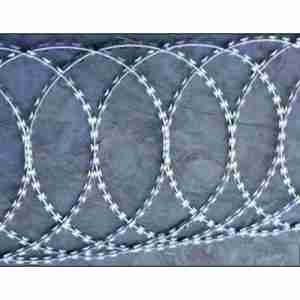
This type consists of two adjacent coils of razor wire attached together, forming a more formidable barrier. The double coil design enhances security by making it harder to breach the barrier and is commonly used in high-security areas.
6.3 Flat Wrap
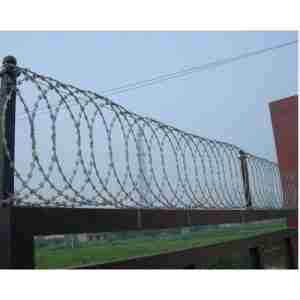
Flat wrap is a variation where the razor wire is arranged flat against the fence or wall surface, providing a more discreet appearance. It’s often used in locations where aesthetics are a concern or where a low-profile security measure is needed.
6.4 Mobile Razor Wire Barrier
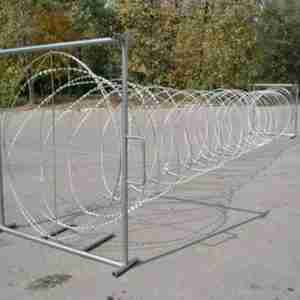
These are pre-assembled units that can be deployed rapidly for temporary security needs, often in situations such as crowd control or emergency scenarios. They typically consist of interconnected panels with concertina wire blades attached.
6.5 Rapid Deployment Barrier
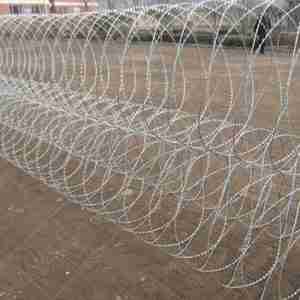
Similar to mobile razor wire barriers, these are designed for quick deployment and are often used by law enforcement or military forces for perimeter security in emergency situations.
6.6 Concertina Wire with Barb Arms

Some concertina wire designs feature barb arms that extend from the coils at regular intervals. These barb arms enhance the barrier’s effectiveness by increasing the difficulty of breaching or scaling the fence.
7. The number of loops per concertina fencing wire
The number of loops per concertina fencing wire can vary based on the design, purpose, and manufacturer specifications. However, a common configuration for standard concertina wire often includes around 55 to 60 loops per coil.
These coils are typically structured in a way that allows for easy deployment and provide a formidable barrier due to their sharp barbs and tangled configuration. Variations in the number of loops may exist depending on the specific requirements or variations in manufacturing.
8. Conclusion
Concertina fencing wire serves as an effective security measure for various applications due to its formidable deterrent properties. Its design, with sharp-edged coils, makes it challenging to breach, providing enhanced perimeter security.
In conclusion, concertina fencing wire offers a robust solution for securing sensitive areas, borders, prisons, military installations, and other high-security locations. Its installation requires expertise to ensure effectiveness and safety.
When deployed correctly, it acts as a strong deterrent against intrusion, enhancing overall security measures.
