Table of Contents
1. What is hesco gabion barriers?

Hesco gabion barriers are a type of gabion barrier commonly used in military and civil engineering applications for creating protective walls, barriers, and fortifications.
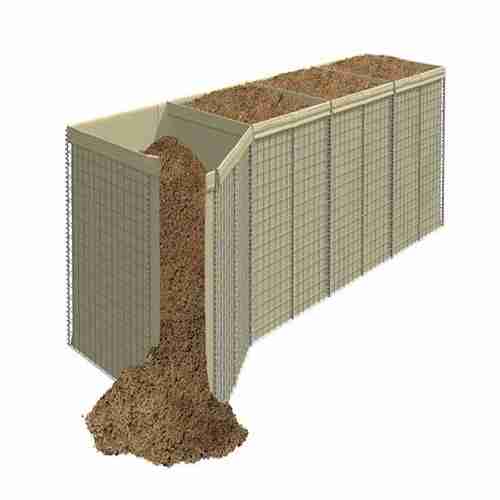
Hesco barriers consist of a collapsible wire mesh container filled with a combination of soil, sand, gravel, or other locally available materials. The containers are typically made of heavy-duty, galvanized steel wire mesh, and they come in various sizes and shapes.
The primary purpose of hesco barriers is to provide rapid and effective protection against blast, projectiles, and other threats. They are often used as protective barriers around military bases, checkpoints, and other critical infrastructure.
The design of hesco barriers allows for easy transportation and quick assembly. Their collapsible nature makes them convenient for storage and deployment in emergency situations.
2. How are hesco gabion barriers assembled?
Hesco bastion barriers are modular, collapsible containers used for creating protective barriers, such as walls or fortifications. These barriers are often filled with sand, soil, gravel, or other locally available materials.
Assembling hesco barriers involves a straightforward process, and the specific steps may vary slightly depending on the design and type of hesco barrier. Here is a general guide to assembling hesco gabion barriers.
2.1 Unpack the Components
When you receive the hesco barrier units, unpack them carefully. Lay out all the components, including the collapsible mesh containers, corner connectors, and any additional accessories.
2.2 Lay Out the Barrier Configuration
Plan the layout and configuration of the barrier according to the desired shape and size. Position the hesco barriers in the intended location.
2.3 Connect the Units
Connect the hesco barrier units together by using the provided corner connectors. These connectors are typically designed to secure adjacent units at their corners. Ensure that the connectors are securely fastened to create a stable structure.
2.4 Fill the Barrier
Once the units are connected, start filling them with the appropriate material (sand, soil, gravel, etc.). Fill each compartment evenly to maintain stability. Compact the filling material periodically to ensure a dense and solid barrier.
2.5 Secure the Top
Close the top of the hesco barrier units securely. Some designs may have flaps or other mechanisms to seal the top of the barriers. Ensure that the top closure is tight to prevent the filling material from spilling.
2.6 Stabilize the Barrier
For added stability, anchor the hesco barriers to the ground using stakes or other anchoring systems. If the barrier needs to resist water, ensure proper drainage by creating openings or using permeable materials.
2.7 Connect Multiple Layers (Optional)
Depending on the desired level of protection, you may stack multiple layers of hesco barriers. Connect the additional layers using corner connectors and repeat the filling process.
2.8 Inspect and Maintain
Regularly inspect the hesco barriers for any damage or shifting. Perform maintenance as needed, such as re-filling sections that may have settled or repairing any damage.
3. Surface treatment of hesco gabion barriers
Hesco gabion barriers are typically used as protective barriers in various applications, such as military fortifications, flood control, and perimeter security. Surface treatment is essential to enhance the durability, corrosion resistance, and overall performance of these barriers.
The treatment can vary based on the specific requirements of the application and the environmental conditions. Here are some common surface treatment options for hesco gabion barriers.
3.1 Galvanization
Galvanization is a common process used to protect steel structures, including hesco gabion barriers, from corrosion. hesco gabion barriers are wire mesh containers filled with stones, sand, or soil, and they are commonly used for various purposes such as military fortifications, flood control, and erosion prevention.
Here are the steps involved in the galvanization of hesco gabion barriers:
Surface Preparation: Before galvanizing, the hesco gabion barriers must be thoroughly cleaned to remove any dirt, grease, or other contaminants from the surface. This is typically done through a chemical cleaning process or abrasive blasting.
Pickling: The cleaned barriers are then immersed in a pickling solution, usually an acid bath, to remove any oxides and mill scale from the surface. This step ensures a clean and reactive surface for the galvanizing process.
Fluxing: After pickling, the barriers are dipped in a flux solution to prevent oxidation of the cleaned surface before galvanizing. The flux also helps in the formation of a smooth and even coating during the galvanization process.
Galvanizing: The prepared hesco gabion barriers are immersed in a molten zinc bath. This bath contains zinc at a temperature of around 450°C (850°F). The barriers are completely coated with a layer of zinc, which bonds metallurgically with the steel surface. The thickness of the zinc coating can be controlled based on the time the steel is immersed in the zinc bath.
Quenching: After galvanizing, the barriers are often quenched to cool them rapidly. This step helps in the solidification of the zinc coating and produces a more durable and uniform surface.
3.2 Polymer Coating
Polymer coating of hesco gabion barriers can provide several benefits, enhancing their performance and durability. hesco barriers are typically made of a wire mesh frame filled with stones, sand, or other locally available materials.
Polymer coatings, such as epoxy or polyurethane, can protect the metal components of hesco barriers from corrosion caused by exposure to moisture, chemicals, and environmental elements. This extends the lifespan of the barriers.
The polymer coating acts as a protective layer, increasing the resistance of the hesco barriers to wear and tear. This is particularly important in harsh environments or areas with extreme weather conditions.
3.3 Painting
Powder coating or paint application can be used to protect the hesco barriers from corrosion. This involves applying a layer of dry powder or liquid paint to the surface, which is then cured to form a durable finish. Proper surface preparation is essential for the effectiveness of the paint coating.
3.4 Aluminizing
Hesco barriers are typically used for military fortifications, flood control, and other applications where rapid deployment and effectiveness are crucial. Aluminizing these barriers can offer additional benefits, such as corrosion resistance and increased durability. Aluminizing typically refers to the process of applying a layer of aluminum to the surface of a material.
Aluminum is known for its corrosion resistance, which can be particularly important in environments where the barriers may be exposed to harsh weather conditions. The addition of an aluminum layer can enhance the overall durability of the barriers, making them more resistant to wear and tear.
3.5 Anodizing (for aluminum barriers)
Anodizing is a process commonly used to enhance the corrosion resistance and durability of aluminum surfaces. However, applying anodizing to hesco gabion barriers, which are typically made of steel mesh and coated with a heavy-duty fabric, might not be a practical or effective solution.
Anodizing is primarily used for aluminum surfaces. Steel, the primary component of hesco barriers, does not undergo the same anodizing process as aluminum. Anodizing involves creating an oxide layer on the surface of aluminum through an electrolytic process. This process is not suitable for steel.
Hesco gabion barriers typically come with a coating to protect against corrosion. Adding an additional layer of anodizing might not be necessary or effective, as the existing coatings are specifically designed for the material and purpose of the barriers.
Hesco gabion barriers often have a fabric or geotextile component for added strength and protection. Anodizing is not applicable to these materials.
3.6 Corrosion Inhibitors
Hesco gabion barriers are typically made of galvanized steel wire mesh filled with stones or other aggregate materials. Galvanized steel provides some level of corrosion resistance, but in harsh environments or over extended periods, corrosion can still occur.
Corrosion inhibitors are chemicals or compounds that can be applied to the surface of the steel or incorporated into the coating to slow down or prevent corrosion.
Many hesco barriers are already made with galvanized steel, which involves coating the steel with a layer of zinc. Zinc acts as a sacrificial anode, corroding in place of the steel and providing protection.
Chromate compounds can be applied as a coating or incorporated into the galvanizing process. They create a protective barrier on the surface of the steel, inhibiting corrosion.
4. Advantages of hesco gabion barriers
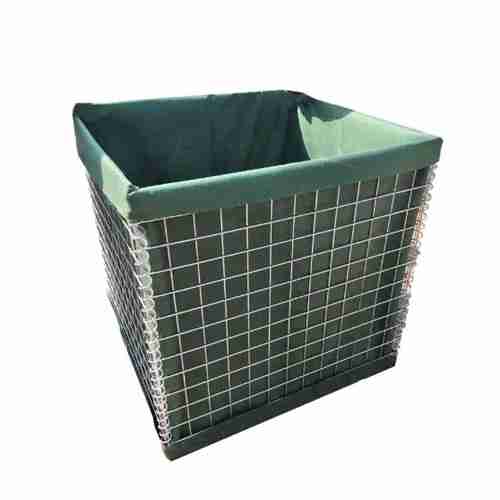
Hesco gabion barriers are modular, collapsible wire mesh containers filled with a variety of materials, such as soil, sand, gravel, or rocks. These barriers have been widely used in military, security, and civil engineering applications. Here are some advantages of hesco Gabion barriers.
4.1 Versatility
Hesco gabion barriers are versatile and widely used in various applications due to their effectiveness in providing quick and reliable protection.
Hesco barriers are extensively used in military operations for force protection, perimeter security, and as blast walls. They can be quickly deployed and filled with various materials, such as soil, sand, or gravel, to create protective barriers against explosions and gunfire.
Hesco barriers are effective in constructing temporary levees and flood barriers during emergency situations. The barriers can be rapidly deployed to contain rising water levels and prevent flooding in vulnerable areas.
Hesco barriers can be employed to protect critical infrastructure, such as bridges, power plants, and communication facilities, from both natural disasters and potential security threats.
4.2 Modularity
Hesco gabion barriers, or hesco bastions, are a type of modern gabion used for military and civil engineering applications.
They are essentially large containers made of a collapsible wire mesh and heavy-duty fabric, filled with soil, sand, gravel, or other locally available materials. These barriers provide protection against explosions, gunfire, and other threats.
Hesco barriers are designed to interlock with each other easily. This allows for the quick and efficient assembly of protective barriers in various configurations and sizes. The interlocking design ensures stability and strength when multiple units are connected.
Hesco gabion barriers come in different sizes and configurations to suit specific needs. The modularity allows for the creation of barriers with varying heights, lengths, and thicknesses. This adaptability makes them suitable for a wide range of applications, including perimeter security, flood control, and military fortifications.
4.3 Effectiveness
Hesco gabion barriers are wire mesh containers filled with a variety of materials, such as sand, gravel, or soil, to create a defensive barrier. These barriers are widely used in military, security, and flood protection applications.
Hesco barriers are versatile and can be used in various settings, including military operations, border security, and flood protection. Their adaptability makes them effective in different scenarios.
4.4 Earth-Friendly
Hesco gabion barriers are wire mesh containers filled with a variety of materials such as soil, sand, gravel, or other locally available materials. They are often used for flood control, military fortifications, and environmental protection.
The use of locally available materials for filling the gabion baskets reduces the need for transportation and minimizes the environmental impact associated with the extraction and transportation of materials over long distances.
Hesco gabion barriers are designed to be reusable. Once the need for the barrier diminishes, the contents can be removed, and the barriers can be disassembled and stored for future use. This reduces waste and promotes sustainability.
Hesco gabion barriers, when filled with soil and vegetation, can create a habitat for plants and wildlife. This can contribute to the restoration of local ecosystems and promote biodiversity, especially in areas affected by erosion or disturbance.
4.5 Adaptability
Hesco gabion barriers are modular, collapsible wire mesh containers filled with various materials such as soil, sand, gravel, or rock. These barriers have proven to be highly adaptable and versatile in various applications due to their design and construction.
Hesco gabion barriers are widely used in military operations for blast protection and to create defensive barriers. They can withstand the impact of explosions and provide protection for troops and equipment. hesco barriers are used to establish quickly deployable perimeter defenses, such as checkpoints and secure areas.
4.6 Cost-Effective
The cost-effectiveness of hesco gabion barriers can vary based on several factors, including the specific application, location, and the overall requirements of the project.
The primary components of hesco barriers are the wire mesh and the fill material. The cost of these materials can vary depending on the quality, size, and quantity needed for the project.
5. Applications for hesco gabion barriers
Hesco gabion barriers are modular, collapsible wire mesh containers typically filled with soil, sand, or other locally available materials. These barriers find applications in various fields due to their versatility and effectiveness in providing protection and support. Some common applications for hesco gabion barriers include.
5.1 Military Defense
Hesco gabion barriers are widely used in military defense applications due to their versatility, effectiveness, and ease of deployment. These barriers consist of collapsible wire mesh containers filled with various materials, such as sand, gravel, or earth.
Hesco gabion barriers are often employed to create protective walls and barriers around military installations, forward operating bases (FOBs), and checkpoints. These barriers provide a physical deterrent against unauthorized access and protect personnel and assets from small arms fire and fragmentation.
5.2 Flood Control
Hesco gabion barriers are commonly used for flood control and protection against water-related disasters. These barriers consist of collapsible wire mesh containers filled with various materials, such as soil, sand, or gravel. They can be quickly deployed to create temporary or semi-permanent structures for flood prevention.
Hesco gabion barriers are often used as emergency flood protection measures during heavy rainfall or impending floods. They can be rapidly deployed to create barriers, walls, or embankments to redirect or contain floodwaters.
Hesco gabion barriers can be employed along riverbanks to prevent erosion during periods of high water flow. They provide a stable and erosion-resistant structure that helps protect riverbanks from being washed away.
5.3 Border Security
Hesco gabion barriers are a type of protective barrier commonly used in border security and military applications.
These barriers are made of collapsible wire mesh containers filled with a variety of materials, such as soil, sand, gravel, or rocks. They are employed for various purposes, including perimeter defense, force protection, and flood control.
Hesco barriers are often used to create a physical barrier along the border to prevent unauthorized entry. These barriers can be quickly deployed and are highly effective in restricting movement.
5.4 Infrastructure Protection
Hesco gabion barriers are a type of gabion barrier widely used for various purposes, including infrastructure protection. These barriers are typically employed in military operations, flood control, and critical infrastructure protection.
Hesco barriers can be employed to create a secure perimeter around critical infrastructure such as power plants, water treatment facilities, or communication centers. The barriers act as a protective barrier against unauthorized access and potential threats.
In areas prone to flooding, hesco barriers can be quickly deployed to create temporary flood defenses. These barriers can help divert water flow, prevent erosion, and protect critical infrastructure from the damaging effects of floods.
Military bases and installations use hesco barriers for force protection. These barriers provide a quick and effective means of creating defensive perimeters, blast walls, and bunkers to enhance the security of military facilities.
Hesco barriers can be strategically placed around critical infrastructure, such as bridges, transportation hubs, and key buildings, to protect against potential threats like vehicular attacks or unauthorized access.
5.5 Temporary Structures
Hesco gabion barriers are modular, collapsible wire mesh containers filled with locally available material such as sand, earth, or gravel. These structures serve various purposes, including military fortifications, flood control, and environmental protection.
When used in temporary applications, hesco gabion barriers offer versatility, rapid deployment, and easy installation.
Hesco gabion barriers are frequently employed as temporary flood barriers to protect against rising water levels during heavy rainfall or storm surges. They can be quickly deployed in vulnerable areas to create an effective barrier against floodwaters.
Hesco gabion barriers are extensively used in military operations as protective barriers, blast walls, and checkpoints. They provide rapid and reliable protection in conflict zones, offering a quick means of fortification.
6. Can hesco gabion barriers be reused?
Hesco gabion barriers are typically designed for one-time use in military, security, or flood protection applications. The barriers are made of wire mesh and filled with materials such as sand, gravel, or soil.
Once they have been deployed and filled, disassembling and reusing them can be challenging and may compromise their structural integrity.
However, in some cases, partial disassembly and reuse may be possible, especially if the barriers have not been damaged or if the filling material can be easily removed. It’s essential to carefully inspect the barriers for any signs of damage or wear before attempting to reuse them.
Damaged barriers may not provide the same level of protection as new ones and could be unreliable.
7. Maintenance of hesco gabion
Hesco gabion is wire mesh containers filled with stones or other materials used for various applications such as retaining walls, flood control, and military fortifications. Proper maintenance is crucial to ensure their long-term effectiveness. Here are some general guidelines for the maintenance of hesco gabion.
7.1 Regular Inspection
Hesco gabion is wire mesh containers filled with stones or other materials and are commonly used in various applications such as retaining walls, flood protection, and military fortifications. Regular inspection and maintenance are essential to ensure the effectiveness and longevity of hesco gabion structures.
Regularly inspect the entire hesco gabion structure for any signs of damage, wear, or deformation. Check for rust or corrosion on the wire mesh, especially in coastal or corrosive environments.
Remove any vegetation that may be growing within or around the gabion structure, as plant roots can cause damage over time. Trim overhanging branches or plants that could fall onto the gabion.
7.2 Vegetation Control
When landscaping around hesco gabions, it’s essential to choose plants that are not aggressive in terms of root growth. Opt for low-maintenance, non-invasive species that won’t compromise the structural integrity of the gabions.
Perform regular inspections of the hesco gabions to identify any signs of vegetation growth or damage. This can help in addressing issues promptly before they become more significant problems.
Implement weed control measures to prevent the growth of unwanted vegetation. This can include using herbicides or manually removing weeds that may take root in and around the gabions.
Ensure that the gabions have proper drainage to prevent water accumulation. Excess moisture can promote the growth of vegetation, so maintaining adequate drainage is crucial.
7.3 Repair Damaged Sections
For small holes or tears in the mesh, repair can be done using wire ties or lacing.
Use a similar gauge of wire to the original construction and weave it through the damaged area to secure the mesh.
If the damage is extensive, it might be necessary to replace the damaged section entirely. Carefully remove the damaged mesh and replace it with a new section, securing it in place with wire ties.
7.4 Erosion Prevention
Conduct regular inspections of the gabion structures to identify any signs of damage or erosion. Check for wear and tear on the wire mesh, and ensure that there are no holes or gaps.
Remove any vegetation that may grow on or around the gabions. Plant roots can weaken the structure and compromise its integrity. Regularly trim grass, weeds, or other plants to prevent them from taking root in the gabion walls.
Remove debris such as leaves, branches, and sediment that may accumulate on top of or around the gabion. Clean the gabion walls if they become covered in silt or other materials that could hinder proper drainage.
Promptly repair any damage, such as tears or holes in the wire mesh, to prevent further erosion. Use appropriate materials to patch or replace damaged sections of the gabion.
8. Conclusion
In conclusion, hesco Gabion Barriers have proven to be valuable tools in various applications, providing a flexible and efficient solution for protection and fortification needs. Their rapid deployment, versatility, and effectiveness in withstanding blasts make them a popular choice in military and civilian contexts alike.
However, like any technology, their application should be considered in the context of specific needs and environmental considerations.