
Honeycomb Fence
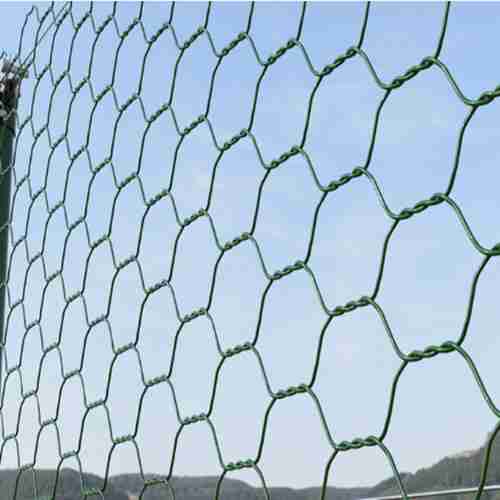
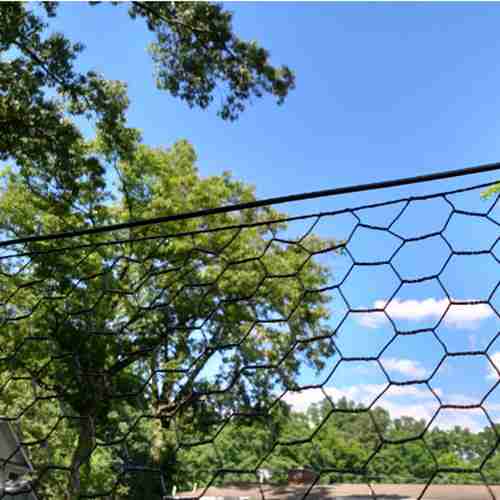
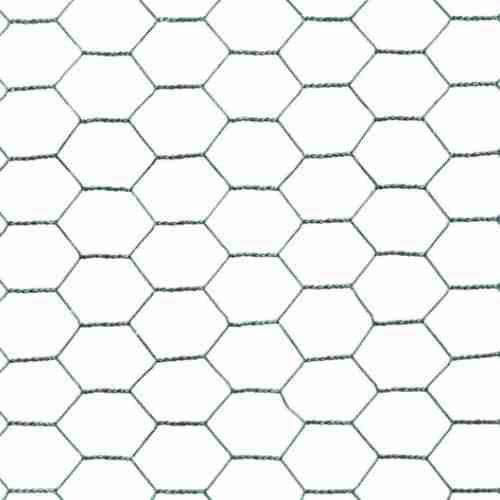
Honeycomb fences are constructed from high-quality metals such as steel or aluminum, making them highly durable and resistant to environmental factors.
These fences provide a high level of security for your property. The hexagonal openings in the fence panels are small enough to deter unauthorized access and keep intruders at bay.
Their sturdy construction and corrosion-resistant materials mean they do not need regular repainting or staining. Occasional cleaning with a simple hose-down or pressure washer is usually sufficient to keep them looking pristine.
The hexagonal pattern of a metal honeycomb fence adds a touch of elegance and uniqueness to any property. It can serve as a focal point of landscaping, blending seamlessly with natural surroundings or architectural elements.If you need honeycomb fence products, please contact DEZE.

ProductS

Honeycomb Expanded Fence
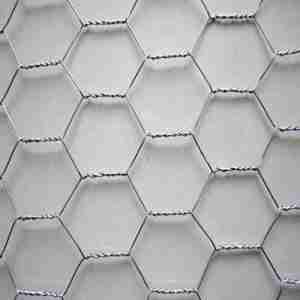
Honeycomb expanded fence design is characterized by its honeycomb pattern, which not only adds a touch of elegance to any space but also offers several practical advantages.
The fundamental characteristic of this fence is its honeycomb pattern, which consists of a series of hexagonal cells. These cells are created by expanding a metal sheet, typically made of materials like aluminum, steel, or stainless steel.
The expansion process involves cutting and stretching the metal sheet, resulting in a lightweight yet durable structure.
The use of high-quality metals ensures that the fence can withstand harsh weather conditions, corrosion, and wear and tear, making it suitable for both indoor and outdoor installations.
Galvanized Steel Honeycomb Fence
Galvanized steel honeycomb fence is constructed using galvanized steel, a material known for its excellent corrosion resistance and strength.
With its distinctive honeycomb pattern, it adds a unique and modern touch to any property while serving various practical purposes.
The hexagonal openings create a visually striking pattern that adds a contemporary and elegant look to any outdoor space. This design choice also provides an excellent balance between privacy and visibility.
Galvanization involves coating the steel with a layer of zinc, which acts as a barrier against corrosion, making it highly resistant to rust and weathering.
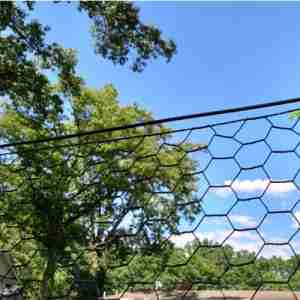
Vinyl Coated Honeycomb Fence
Vinyl coated honeycomb fence is a stylish and functional fencing solution that combines the durability of metal with the aesthetic appeal of vinyl coating.
The primary feature of a vinyl-coated honeycomb fence is its unique design, which consists of a metal framework in a honeycomb pattern, covered with a layer of vinyl coating. The metal framework is typically made from steel or aluminum, ensuring long-lasting durability and resistance to the elements.
Installation of a vinyl-coated honeycomb fence is typically straightforward, especially when performed by a professional fencing contractor. The fence can be installed in various configurations, such as panels, posts, and gates, depending on the intended use and layout of the area.
Periodic cleaning with mild detergent and water is usually sufficient to keep the fence looking pristine.

Hexagonal Honeycomb Fence
The primary characteristic of a metal hexagonal honeycomb fence is its hexagonal pattern, which mimics the natural geometry of honeycombs found in beehives.
This pattern consists of interconnected hexagonal cells, creating a visually appealing and symmetrical appearance.
Hexagonal honeycomb fences are available in a wide range of sizes, designs, and metal types, making them suitable for various applications. These fences are typically made from materials like steel, aluminum, or wrought iron, which are known for their strength and longevity.
The tightly interconnected hexagonal cells create a formidable barrier that is difficult to breach, making them an excellent choice for security purposes.
Techniques
1. What are the dimensions of the individual hexagonal cells or sections in the honeycomb wire mesh fence?

A typical honeycomb wire mesh fence consists of hexagonal cells with sides that can range from a few centimeters to several inches in length. The most common sizes for these cells are around 1 inch (2.54 cm) to 2 inches (5.08 cm) in length, but they can be smaller or larger as needed.
The wire diameter used in constructing the mesh also varies, but it is usually relatively thin, typically around 1.2 to 3 millimeters. The spacing between adjacent cells can range from around 1 inch to a few inches, allowing for visibility and airflow while providing security and containment.
2. What design options are available for the honey comb mesh fencing?

Honey comb mesh fencing offers a unique and visually appealing design while providing security and containment. Here are some design options and considerations for honeycomb mesh fencing:
Material: Honeycomb mesh fencing is often made from metals like steel, aluminum, or even copper. The choice of material can impact the fence’s appearance, durability, and maintenance requirements.
Mesh size: The size of the hexagonal mesh can vary, and smaller or larger hexagons can create different visual effects. Smaller mesh sizes may provide more privacy, while larger ones offer better visibility and aesthetics.
Color: Mesh fencing can be powder-coated or painted in various colors to match your aesthetic preferences or the surrounding environment. Popular colors include black, green, white, and brown.
Height: The fence’s height is an important factor, as it can impact both security and aesthetics. Taller fences provide more security and privacy but may be less visually appealing.
Top finish: Consider adding decorative elements or finials to the top of the fence for added style. This could include twisted or scrolled metalwork.
3. How are metal chicken honeycomb fence woven?

Chicken honeycomb fence are woven using a specialized technique that combines aesthetics with functionality. To create these unique structures, metal strips or wires, typically made of materials like steel, aluminum, or even copper, are interwoven to form a pattern resembling a honeycomb.
The weaving process involves alternating vertical and horizontal strands, creating a grid of hexagonal shapes. Metal strips are bent and manipulated to create uniform cells or hexagons, which are then interconnected to form the fence panel.
4. What is the recommended height of the mild steel galvanized honeycomb fencing?
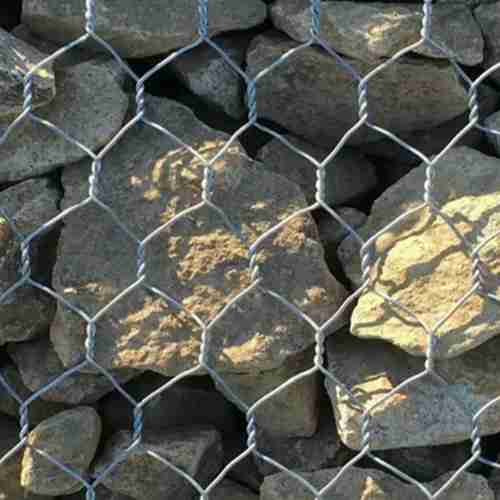
The recommended height of mild steel galvanized honeycomb fencing can vary depending on its intended use and location. In general, these fences are available in various heights, typically ranging from 3 feet (about 0.9 meters) to 8 feet (about 2.4 meters) or even taller.
5. What does the "honeycomb" pattern of honeycomb fence refer to?
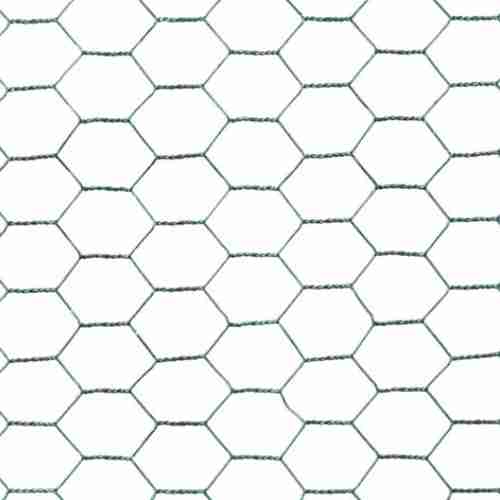
The term “honeycomb” pattern in the context of a honeycomb fence typically refers to the geometric design of the fence, which resembles the pattern found in a honeycomb structure. Honeycombs are made by honeybees to store honey and pollen, and they consist of hexagonal cells arranged closely together.
These hexagonal cells create a repeating, hexagonal pattern that is strong, efficient, and aesthetically pleasing.
FAQ
Most frequent questions and answers
Honeycomb fences offer several advantages for a variety of applications. Here are some of the benefits of using fences:
Strength and durability: Honeycomb fences are made from sturdy materials like galvanized steel wire or other corrosion-resistant materials.
Aesthetic appeal: The hexagonal design of fences can be visually appealing, especially when filled with decorative stones or natural vegetation.
Erosion control: Honeycomb fences are often used in landscaping to prevent soil erosion. The open structure allows water to flow through while holding the soil in place, making them useful in preventing landslides and maintaining the stability of slopes.
Cost-effective: Fences can be a cost-effective option for various applications compared to traditional brick or concrete walls.
Easy installation: Installing fences is relatively straightforward, and they can be constructed by DIY enthusiasts or professionals.
Environmental benefits: Using natural materials to fill the honeycomb structure, such as rocks or gravel, can have environmental benefits.
Sound barrier: Filled fences can act as sound barriers, helping to reduce noise from nearby roads or other sources. The mass and shape of the filled cells can absorb and reflect sound, providing acoustic benefits.
Low maintenance: Once installed, fences generally require minimal maintenance. Occasional inspections and repairs may be needed, but they do not demand the same level of upkeep as some other types of fencing.
Honeycomb fencing is a type of wire mesh fencing that features a hexagonal pattern. While it has several advantages, such as cost-effectiveness, durability, and versatility, it also has some disadvantages and limitations:
Limited security: Honeycomb fencing may not provide as high a level of security as other fencing options, such as chain-link fencing. The open design of the hexagonal pattern allows for better visibility and airflow but can make it easier for intruders to climb or cut through.
Not suitable for privacy: Honeycomb fencing does not offer privacy due to its open design.
Limited strength: The strength of honeycomb fencing can be lower compared to other fence types, making it less suitable for applications where high security and durability are essential.
Installation challenges: Installing honeycomb fencing can be more challenging compared to other types of fencing.
Inconsistent appearance: The appearance of honeycomb fencing may vary depending on the manufacturer and the materials used. This can lead to inconsistencies in color, wire thickness, and overall quality, making it less aesthetically pleasing for some applications.
Limited height options: Honeycomb fencing typically comes in standard heights, and customizing it to a specific height may be challenging.
Environmental concerns: Some types of honeycomb fencing may not be environmentally friendly if they are made from materials that are not recyclable or sustainable.
Limited sound insulation: Honeycomb fencing does not provide significant sound insulation. If you require a fence to reduce noise from nearby roads or neighbors, you may need to consider other options.
Maintaining honeycomb garden border fence involves regular care and attention to keep it looking attractive and functioning effectively. Here are some steps you can follow to maintain your fence:
Regular Cleaning: Start by removing dirt, dust, and debris from the fence. You can use a broom, brush, or a leaf blower to clean the surface of the fence.
Weed Control: Check for weeds or overgrown plants that might be growing through the honeycomb openings. Remove any weeds and trim back plants as needed.
Repairs: Inspect the fence for any signs of damage, such as cracked or broken honeycomb cells, loose connectors, or bent sections. Repair any damaged areas promptly to prevent further deterioration.
Repainting or Staining: If your honeycomb garden border fence is made of wood or metal and has a finish, you may need to repaint or reapply a protective stain or sealant to maintain its appearance and protect it from the elements.
Rust Prevention: If your fence is made of metal, regularly inspect it for signs of rust. If you find any rust spots, remove them with a wire brush and apply a rust-resistant primer and paint to prevent further corrosion.
Inspection: Periodically inspect the overall condition of the fence, including its stability and alignment. Make sure it is securely anchored in the ground or to supporting posts. Tighten any loose connectors and fix any leaning sections.
Cleaning hexagon honeycomb pattern wire mesh fence can help maintain its appearance and prevent the build-up of dirt, debris, and rust. Here’s a step-by-step guide on how to clean it:
1.Prepare the area: Ensure that the area around the fence is clear of any obstructions, and move any plants or objects away from the fence to provide easy access.
2.Rinse the fence: Begin by rinsing the fence with a water hose or a pressure washer on a low setting to remove loose dirt, dust, and debris. Start from the top and work your way down.
3.Prepare a cleaning solution: Fill a bucket with warm water and add a mild detergent or dish soap. You can also use a specialized fence cleaner if available.
4.Scrub the fence: Dip a scrub brush or sponge into the soapy water and scrub the wire mesh fence, paying extra attention to areas with visible stains or grime. Use a bristle brush or toothbrush to clean intricate areas and corners. Be thorough in your scrubbing, working section by section.
5.Rinse off the soap: After scrubbing, thoroughly rinse the fence with clean water to remove all the soap residue. Make sure all detergent is washed away, as it can leave streaks or residue behind.
6.Check for rust: Inspect the fence for any signs of rust. If you find rust spots, you can use a rust remover according to the manufacturer’s instructions to treat the affected areas. After treating the rust, rinse the fence again to remove any residual chemicals.
7.Dry the fence: Use a soft cloth or rags to dry the fence thoroughly to prevent water spots and minimize the chance of future rust.
On average, the cost can range from $5 to $15 per linear foot of honeycomb mesh fencing, but this can go higher for premium materials and complex installations. For a typical residential installation, you might expect to pay between $1,500 and $4,500 for materials and labor for a 300-foot-long fence.
Compared to traditional fences, metal honeycomb fences have several advantages. Firstly, their unique design provides an elegant and contemporary aesthetic that can enhance the overall appeal of a property.
The geometric pattern allows for transparency, allowing light and air to pass through, which can be especially useful in preserving views or creating an open feel while maintaining privacy and security.
The robust metal construction ensures durability and resistance to weathering, reducing maintenance needs. It’s worth noting that these fences may be more expensive to install initially compared to traditional options and might not offer the same level of privacy.
Honeycomb mesh fencing, while visually appealing and innovative in design, may not be the best choice for privacy or security. These fences consist of interconnected hexagonal cells, often made from metal or wood, resembling a honeycomb pattern.
While they do provide a degree of visual obstruction, they are not particularly effective at ensuring privacy or security.
Hexagonal honeycomb agriculture fences can be suitable for various climates and environments, but their effectiveness may depend on specific factors and local conditions. Here are some considerations for their suitability:
Temperate climates: Fences can work well in temperate climates with moderate weather conditions. They offer good support for climbing plants and can serve as windbreaks, making them valuable in regions with seasonal temperature variations.
Mild coastal environments: Coastal areas with relatively mild weather can benefit from fences as decorative or functional additions to agriculture. Their unique design can complement the coastal aesthetic.
Orchard settings: Hexagonal fences can be used in orchards to provide structural support for fruit trees and vines. They can also enhance the visual appeal of the orchard while allowing sunlight to reach the plants.
Controlled environments: For controlled or greenhouse farming, fences can be incorporated to create partitioned areas or trellises. This can help optimize space and light distribution.
Installing black metal honeycomb mesh in areas with uneven terrain requires some specific considerations to ensure a proper installation and effective functionality. Here are some key points to keep in mind:
Site assessment: Before installation, conduct a thorough site assessment to identify the terrain’s irregularities. Take note of any slopes, ditches, or elevation changes. This assessment will help you plan the installation and determine the required materials and adjustments.
Preparation: Clear the area of any debris, rocks, or vegetation that could hinder the installation or cause damage to the mesh. Make sure the ground is as level as possible.
Anchoring: The uneven terrain may require additional anchoring points to secure the mesh in place. Use appropriate anchors, such as stakes or screws, to ensure that the mesh remains taut and in position.
Customization: Depending on the terrain’s irregularities, you may need to cut and shape the honeycomb mesh to fit the specific contours. This customization will help maintain a consistent and secure installation.
Support structures: In areas with significant slopes or irregular terrain, consider adding support structures like posts or frames to maintain the mesh’s shape and function. These supports can help prevent the mesh from sagging or buckling.
Overlapping sections: If the terrain varies significantly, consider overlapping sections of the mesh to create a continuous barrier. This will help to maintain the structural integrity of the installation.
Quality materials: Use high-quality black metal honeycomb mesh that is designed to withstand the environmental conditions of the area. This will ensure the longevity and effectiveness of the installation.
Honeycomb fence manufacturer will provide exemplary customer service by following a structured approach to handle inquiries and support.
They will have a dedicated customer service team in place, well-versed in the company’s products and services. When customers reach out, the manufacturer will aim to respond promptly, within a reasonable timeframe, through various channels, such as phone, email, and social media.
To address inquiries effectively, they will listen attentively to customer needs and provide detailed information about their honeycomb fence products, including specifications, pricing, and customization options. They will offer expert guidance and recommendations, helping customers make informed decisions.