
Hexagon fence
Hexagon fence typically refers to a fence with a hexagonal shape, resembling the geometry of a hexagon. This type of fencing can be made from various materials, including metal, or vinyl.
The hexagon shape adds a distinctive aesthetic to the fence and can be a unique alternative to traditional square or rectangular fences. The choice of materials allows for customization based on durability and style preferences.
The hexagonal shape can also contribute to a more open and inviting feel compared to straight-line fences. Hexagon fences are often used for decorative purposes in gardens, parks, or residential settings.
DEZE FENCE is one of the hexagon fence manufacturer. We have advanced process technology, strong manufacturing equipment and a professional team. DEZE uses high-quality raw materials to ensure product quality.


ProductS
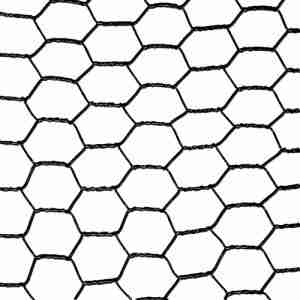
PVC Hexagon Fence
PVC Hexagon Fence is a type of fence that is made from PVC (polyvinyl chloride) materials and has a hexagonal shape.
This type of fence is commonly used for various purposes. PVC Hexagon Fence is known for its durability, low maintenance requirements, and resistance to rot, rust, and corrosion.
It is also lightweight, easy to install, and available in different colors and styles to suit different needs and preferences.
The hexagonal shape of the fence provides stability and strength, making it ideal for containing animals or creating boundaries in outdoor spaces.
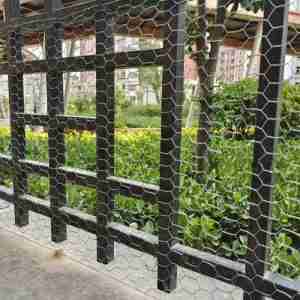
Galvanized Steel Hexagonal Wire Fence
Galvanized steel hexagonal wire fence is a type of fence made from galvanized steel wire.
It features a hexagonal mesh pattern and is commonly used in various applications.
The galvanization process involves coating the steel wire with a layer of zinc, which provides corrosion resistance and extends the lifespan of the fence. This makes the fence suitable for outdoor use, as it can withstand exposure to the elements without rusting or deteriorating.
The hexagonal mesh design of the fence provides structural stability and flexibility, making it easy to shape and install around different areas. Galvanized steel hexagonal wire fence is a popular choice due to its durability, affordability, and versatility in various applications.

Heavy Duty Hexagonal Fence
Heavy-duty hexagonal fences are typically made from thicker and stronger materials such as heavy-gauge galvanized steel or welded wire mesh.
This makes them more resistant to impacts, bending, and damage from external forces.
The hexagonal mesh pattern in heavy-duty hexagonal fences provides excellent strength and stability. The fencing panels are often reinforced with additional horizontal and vertical wires to enhance the overall structural integrity of the fence.
These types of fences are commonly used for applications such as animal enclosures, perimeter security, protecting high-value assets, and construction site barriers. They can also be used in agricultural settings to contain livestock or as deer fencing.
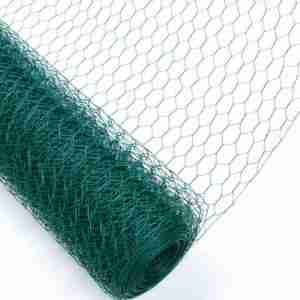
Decorative Hexagonal Fencing
Decorative hexagonal fencing is a type of fence that combines the functionality of a fence with an aesthetically pleasing design. The hexagonal mesh pattern adds a unique and visually interesting element to the fence, creating a decorative and attractive feature.
Decorative hexagonal fencing is available in various materials, including metal and vinyl. Each material brings its own distinct look and style to the fence.
Additionally, decorative accents such as finials, scrolls, or ornamental patterns can be added to further enhance the visual appeal of the fence.
The primary function of decorative hexagonal fencing is to provide a boundary or enclosure, but it also serves as a decorative element that can complement the overall design of a space.

Hexagon Link Fencing
Hexagon link fencing is a type of fence that is characterized by its hexagon-shaped wire mesh pattern. The hexagonal mesh pattern of this type of fencing consists of interconnected wire strands that form a series of hexagonal openings.
It features a hexagonal mesh pattern and is commonly used in various applications.
The galvanization process involves coating the steel wire with a layer of zinc, which provides corrosion resistance and extends the lifespan of the fence. This makes the fence suitable for outdoor use, as it can withstand exposure to the elements without rusting or deteriorating.
The hexagonal mesh design of the fence provides structural stability and flexibility, making it easy to shape and install around different areas. Galvanized steel hexagonal wire fence is a popular choice due to its durability, affordability, and versatility in various applications.
Techniques
What are the sizes of hexagon fence?

Mesh openings | 1/2″, 3/4″, 1″, 2″, … |
Wire gauge | 19 gauge (1.04 mm) to 14 gauge (2.03 mm) or even thicker |
Fence height | 3 feet (0.91 m) to 6 feet (1.83 m) or taller |
How is it constructed from hexagonal wire mesh?
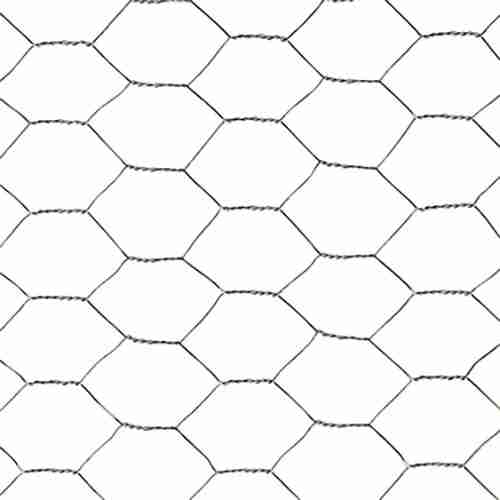
The appropriate wire material is selected based on the desired strength, durability, and corrosion resistance.
The selected wire is then woven using a specialized machine to create the hexagonal wire mesh. The weaving process involves intertwining the wire strands in an alternating pattern to form the hexagonal openings.
The wires are tightly secured at the intersections to ensure stability and strength.
What are the maintenance requirements for hexagonal fence?

Some basic maintenance practices can help extend the lifespan and appearance of the fence:
Regular inspection: Periodically inspect the fence for any signs of damage, such as broken or loose wires, bent mesh, or rust.
Cleaning: Use a soft brush or cloth to gently scrub the mesh and remove any buildup. Avoid using harsh chemicals that could damage the fence or its coating.
Rust prevention: If any rust spots are found, remove them by gently scrubbing with a wire brush or sanding with sandpaper. Then, apply a rust-resistant primer and paint to the affected areas to prevent further rusting.
Repair and replacement: If any sections of the hexagon fence are damaged beyond repair, they should be promptly replaced to ensure the integrity and security of the fence.
In what ways is deer-proof hexagonal fencing reinforced to withstand the pressure and impact from deer and other wildlife?

Some basic maintenance practices can help extend the lifespan and appearance of the fence:
Regular inspection: Periodically inspect the fence for any signs of damage, such as broken or loose wires, bent mesh, or rust.
Cleaning: Use a soft brush or cloth to gently scrub the mesh and remove any buildup. Avoid using harsh chemicals that could damage the fence or its coating.
Rust prevention: If any rust spots are found, remove them by gently scrubbing with a wire brush or sanding with sandpaper. Then, apply a rust-resistant primer and paint to the affected areas to prevent further rusting.
Repair and replacement: If any sections of the hexagon fence are damaged beyond repair, they should be promptly replaced to ensure the integrity and security of the fence.
FAQ
Most frequent questions and answers
Some common applications for hexagonal fence include:
- Garden fencing: Hexagon fence is commonly used to enclose gardens and protect plants from animals.
- Small animal enclosures: It is used to create enclosures for small animals like rabbits, chickens, or ducks.
- Poultry or livestock fencing: Hexagonal fencing is often used in agricultural settings to keep poultry or livestock contained and protected.
- Erosion control: This type of fence can be used to prevent soil erosion in areas where runoff is an issue.
- Tree protection:Hexagon fence can be used to create protective barriers around trees to prevent damage from animals or pests.
- Construction site barriers:It can be used to create temporary barriers or enclosures on construction sites for safety and security.
- Landscape edging: Hexagon fence can be used as a decorative element in landscaping to create borders or edging around flower beds or pathways.
Galvanized steel: Galvanized steel is a popular material for hex fencing. It is durable, resistant to rust and corrosion, and provides long-lasting strength.
PVC-coated steel: Steel wire mesh can be coated with PVC (polyvinyl chloride) to enhance its durability, weather resistance, and aesthetic appeal. PVC coating also helps prevent rust and corrosion.
Stainless steel: Stainless steel is known for its excellent corrosion resistance and durability. It is often used in applications where high strength and resistance to harsh environments are required.
Vinyl: Vinyl hexagonal fencing is lightweight, low-maintenance, and resistant to fading, cracking, or peeling. It is a popular choice for decorative purposes and in areas where rust is a concern.
Aluminum: Aluminum hex fencing is lightweight, durable, and resistant to rust or corrosion. It is often chosen for its aesthetic appeal and ease of installation.
Galvanizing is important for hex wire fencing because it provides protection against corrosion and extends the lifespan of the fencing material.
The process of galvanization involves coating the hex wire with a layer of zinc, which creates a barrier against moisture, oxidation, and other environmental factors that can lead to rust and corrosion.
This protective zinc coating helps the hex wire fencing withstand exposure to the elements, making it suitable for outdoor use in various weather conditions.
The determination of the right height for hexagonal wire mesh fencing depends on several factors.
Firstly, consider the primary purpose of the fence, whether it’s for security, containment, or defining boundaries. This will influence the required height based on the intended functionality.
Additionally, local regulations and codes must be reviewed to ensure compliance with any minimum height requirements. The surrounding landscape and visual impact should also be taken into account.
Sloped terrain may require height adjustments, and the fence’s appearance and visibility in relation to the surrounding landscape should be considered.
By evaluating these factors, the appropriate height for the hexagonal wire mesh fencing can be determined.
Small mesh size: The hexagonal wire mesh has small openings which effectively contain small poultry such as chickens while allowing airflow and visibility.
Lightweight and flexible: The lightweight nature of the fence makes it easy to install and move as needed, allowing for flexibility in enclosing poultry in different areas.
Predominantly secure: The sturdy and firm structure of the hexagon chicken fence provides a secure containment for the poultry, preventing them from escaping and offering protection from potential predators.
Smaller openings are suitable for containing small animals, while larger openings may offer improved visibility and versatility in certain applications.
The main difference between decorative hexagonal fencing and standard ones lies in their design and aesthetic appeal.
Decorative hexagonal fencing is specifically crafted to enhance visual appeal, often featuring ornamental elements, intricate patterns, or unique finishes.
In contrast, standard hexagonal fencing primarily prioritizes functionality and practicality, focusing on containment, security, and durability without emphasizing decorative features.
The wire gauge plays a significant role in influencing the strength and durability of a hexagon wire netting fence.
A lower gauge number indicates thicker wire, which generally results in increased strength and resistance to bending or deformation.
Thicker wire gauge contributes to the overall structural integrity of the fence, making it more robust and capable of withstanding pressure, impacts, or stresses.
Some common colors for hexagon link fencing include black, green, silver/galvanized, brown, and white.
Appearance: Hexagon picket fences are characterized by their wooden pickets arranged in a hexagonal pattern, offering a classic and traditional look. Chain-link fences are made of interwoven steel wires, providing a more industrial and utilitarian appearance.
Use: Hexagon picket fences are commonly used for decorative purposes, creating boundaries around residential properties, gardens, or parks, and adding a charming aesthetic. Chain-link fences are often chosen for their durability and security, commonly used in commercial, industrial, or recreational settings to provide effective containment and delineation.
The use of galvanized screen hexagon fence offers several benefits:
Corrosion resistance: The galvanized coating provides protection against rust and corrosion, enhancing the fence’s longevity, especially in outdoor or humid environments.
Durability: Galvanized steel wire offers increased strength and durability, resulting in a sturdy fence that can withstand impacts and environmental stressors.
Low maintenance: Galvanized screen hexagon fences require minimal maintenance due to their resistance to corrosion, reducing the need for frequent upkeep and repair.
Cost-effectiveness: The long lifespan and reduced maintenance needs make galvanized screen hexagon fencing a cost-effective option over time, minimizing the need for frequent replacements or repairs.
The durability of a hexagonal mesh fence is influenced by several factors, including the materials used, the gauge of the wire, and any additional protective coatings.
If made from durable materials such as galvanized steel, stainless steel, or PVC-coated wire, the fence can exhibit high resistance to rust, corrosion, and environmental degradation.
A thicker wire gauge can enhance the fence’s strength and ability to withstand impacts and pressure. Additionally, protective coatings, such as galvanization or PVC, can further increase durability by offering resistance to weathering and physical wear.
In general, cleaning hexagon fences may involve using mild detergents, a soft brush, or cloth, and rinsing with water to remove dirt or debris. Avoid harsh chemicals or abrasive cleaning tools that could damage the fence’s coating or finish.
The cost of hexagonal wire fencing can vary based on several factors, including the type of material used, the gauge and thickness of the wire, the coating or finish, the height and length of the fence, and the supplier or manufacturer.