
steel security fencing
Steel security fencing is made from galvanized or powder-coated steel, it is highly resistant to corrosion, ensuring that the fence remains in top condition even in harsh weather conditions.
Its height and imposing structure make it difficult for unauthorized individuals to breach, providing a clear message that the property is secure and protected.
Steel security fencing is versatile and can be customized to meet specific security needs. Whether you require ornamental steel fencing for an elegant look or industrial-grade fencing for maximum security, there are various design options available.
Steel security fencing is not only about keeping intruders out but also about ensuring the safety of those within the enclosed area. The strength and durability of steel fencing protect against accidental breaches, and it can also be used to create safe zones in industrial settings.
Unlike wood or other materials that may require frequent repairs and replacements, steel fencing can withstand the elements and continue to provide protection without extensive upkeep. If you need steel security fencing products, please contact DEZE.


ProductS
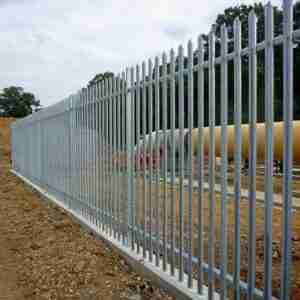
Galvanized Steel Security Fencing
Galvanized steel security fencing combines the strength of steel with the protective properties of galvanization, creating a robust barrier that offers unparalleled security and longevity.
It starts with high-quality steel that is manufactured to be strong and resilient. The galvanization process further enhances its durability. Galvanization involves coating the steel with a layer of zinc to prevent rust and corrosion.
This process not only adds a layer of defense against the elements but also provides a self-healing mechanism, ensuring the fence remains intact and corrosion-free for years.
Its robust construction acts as a strong deterrent to potential intruders. The height and design of the fence can be customized to meet specific security needs, providing an effective physical barrier against unauthorized access.
Galvanized steel security fencing can be employed in a wide range of applications, including commercial and industrial properties, government facilities, military installations, and critical infrastructure protection.

Expanded Steel Security Fencing
Expanded steel security fencing is made from high-quality steel sheets that are subjected to a unique manufacturing process. During this process, the steel sheets are cut and stretched, creating diamond-shaped openings.
This expanded pattern not only enhances the strength of the expanded steel security fencing but also allows for improved visibility and airflow.
It is resistant to corrosion, extreme weather conditions, and wear and tear. The galvanized or powder-coated finish ensures that the fencing can withstand the test of time, making it a cost-effective investment in the long run.
The small diamond-shaped openings create an effective deterrent for potential intruders, preventing them from climbing or cutting through the fence. Some variants of expanded steel fencing also feature anti-climb spikes or deterrents to further enhance security.
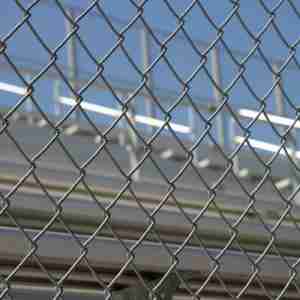
Steel Chain Link Security Fencing
Steel chain link security fencing combines durability, visibility, and affordability, making it an excellent option for security and boundary delineation. With its distinctive chain-link pattern formed by interwoven steel wires, this fencing style provides a range of benefits.
Constructed from high-quality steel, it is designed to withstand the test of time and harsh weather conditions. This resilience ensures that your property remains protected, even in the face of attempts at intrusion or vandalism.
The open weave pattern of this fencing allows for clear sightlines both inside and outside the property, making it an excellent choice for surveillance and monitoring purposes. This feature can be particularly advantageous in settings where security personnel need to maintain a constant watch over the premises.
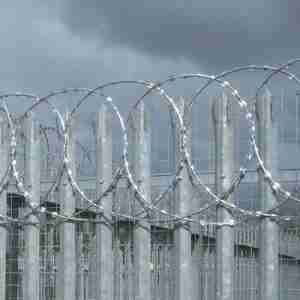
Steel Barbed Wire Security Fencing
Steel barbed wire security fencing consists of steel wires that are twisted together, and sharp barbs are evenly spaced along the wire at regular intervals. The combination of high-quality steel and sharp barbs makes it an intimidating barrier for potential intruders.
The sharp barbs act as a powerful deterrent by causing injury to anyone attempting to climb or breach the fence. This not only discourages trespassers but also reduces the likelihood of vandalism and theft.
It can be installed at various heights, with taller fences providing a higher level of security. Additionally, various configurations, such as single-strand, double-strand, or triple-strand barbed wire, can be used depending on the level of security required.
This type of fencing is not only a deterrent but also serves as an effective means of access control. Controlled entry and exit points can be integrated into the fence design, allowing authorized personnel to pass through while maintaining security for the rest of the perimeter.
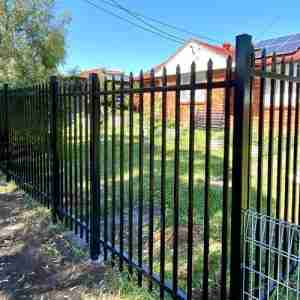
Steel Picket Security Fencing
Steel picket security fencing is comprising vertical steel pickets or posts, these fences are characterized by their durability, strength, and resistance to intrusion. With their closely spaced pickets, these fences effectively deter unauthorized access.
The closely set vertical steel pickets create a formidable barrier that is challenging for intruders to breach. The strength and durability of steel make it a reliable choice for safeguarding valuable assets, deterring trespassers, and ensuring privacy.
When equipped with pointed or spear-topped pickets, these fences serve as an effective deterrent against climbing, further enhancing security.
Steel, inherently robust and resilient, is ideal for fencing that must withstand the test of time and endure a variety of environmental conditions. It is resistant to rust and corrosion, particularly when galvanized or coated with protective finishes.
Unlike other fencing materials that may demand regular painting or staining, steel typically needs only occasional cleaning to remove dirt and debris.

Tri Point Steel Security Fencing
Tri point steel security fencing is constructed using high-quality steel materials, making it a formidable barrier against unauthorized access, vandalism, and trespassing. The unique design of this fencing system features three-pointed spikes or pickets at the top, which act as a strong deterrent to potential intruders.
Made from corrosion-resistant steel, it can withstand harsh weather conditions and remain operational for years without extensive maintenance.
Tri point steel security fencing is not only a formidable physical barrier but also serves as a psychological deterrent. The presence of the sharp spikes sends a clear message to potential intruders that attempting to breach the fence is both dangerous and ill-advised.
Its modular design allows for efficient installation, reducing the overall project timeline and costs.
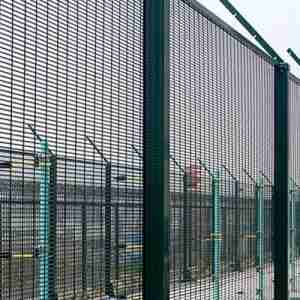
Maximum Security Steel Fence
Maximum security steel fence is built with the utmost attention to strength and durability. The materials used, such as high-quality steel or wrought iron, are carefully chosen for their resistance to corrosion, impact, and tampering.
These fences are typically tall, often reaching heights of 8 to 12 feet or more, which acts as a significant deterrent to would-be intruders. The fence design features no easily scalable components, ensuring that it is nearly impossible to breach.
The spacing between the vertical bars or panels is carefully configured to prevent the insertion of tools or objects that could facilitate climbing or cutting.
Maximum security steel fences are equipped with features designed to prevent climbing and cutting attempts. These may include anti-climb spikes or extensions at the top of the fence and heavy-duty bars or mesh that are resistant to cutting tools, discouraging any breach attempts.
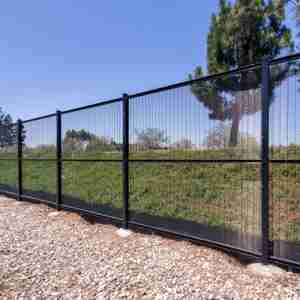
Steel Anti Cimb Security Fencing
Steel anti climb security fencing is constructed from steel, such as galvanized steel or powder-coated steel, making it highly resistant to corrosion and wear. This ensures that the fencing remains effective and visually appealing for an extended period.
The design of the fence features closely spaced vertical bars and horizontal crossbars that provide minimal footholds and handholds. This discourages any attempts at climbing, making it an excellent choice for deterring trespassers.
Its robust construction and anti-climb design act as a strong deterrent to potential intruders, enhancing the overall security of a property.
Steel anti-climb security fencing can be customized to fit the unique needs of each site. It can be painted or coated in different colors to match the surrounding environment or improve aesthetics.
Techniques
1. What are the dimensions of security steel fences?

Thickness | 1.2-3.0mm |
Wire diameter | 2.5-4.0mm(Customized) |
Fence Height & Width | Height: 1.8m-3.0m Width: 2.75m or as your requirement |
Horizontal Rail | 30mm*30mm, 40mm*40mm, 45mm*4 mm, 2rails, 3rails or 4rails |
Vertical Pipe Spacing | 100 mm, 110 mm, 120 mm |
Post | 50mm*50mm, 60mm*60mm, 80mm*80mm, 100mm*100mm |
2. What type of steel is typically used for steel security fences?

Steel security fences are typically made from high-strength and durable steel materials to provide security and protection. The specific type of steel used can vary, but some common choices include:
Galvanized steel: Galvanized steel is coated with a layer of zinc to protect it from corrosion. This type of steel is popular for outdoor applications because it resists rust and maintains its strength over time.
Alloy steel: Certain alloy steels can offer enhanced strength and durability. For security fences, steel alloys like stainless steel or weathering steel may be used, depending on the specific requirements.
Powder-coated steel: This involves applying a dry powder paint to the steel surface, which is then baked on to create a durable and attractive finish. It not only enhances the appearance but also provides some level of corrosion resistance.
High-strength steel: In situations where extreme security is needed, high-strength steel with a high tensile strength may be used. This type of steel can resist cutting and bending more effectively.
Stainless steel: Stainless steel is a corrosion-resistant steel alloy that is often chosen for its durability and resistance to rust and staining. While it can be more expensive than other options, it is a good choice for areas with high humidity or exposure to corrosive substances.
Carbon steel: Carbon steel is a popular choice for security fences due to its strength and durability. It can be further categorized into mild steel and high-strength low-alloy (HSLA) steel.
3. How are the steel security mesh fencing typically connected or fastened together?

Steel security mesh fencing is typically connected or fastened together using various methods and components, depending on the specific design and requirements of the fence. Here are some common ways to connect or fasten fencing:
Welding: Welding is one of the most secure and durable methods for connecting steel mesh panels. Welded joints create a strong bond between the panels and posts, making it difficult for intruders to breach the fence. This method is often used in industrial and high-security applications.
Clips or brackets: Steel mesh panels can be connected to posts using specialized clips or brackets. These clips are typically designed to secure the mesh to the posts and provide stability. They are a more flexible option compared to welding and allow for easier removal and replacement of panels if needed.
Bolts and nuts: Some steel mesh fencing systems use bolts and nuts to connect panels to posts. These fasteners are passed through pre-drilled holes in the panels and posts and secured with nuts.
Ties or wire: In some cases, steel mesh panels can be fastened to posts using ties or wire. This is a simpler and more cost-effective method, often used in temporary or less secure fencing applications. Wire or ties can be easily cut or removed, so it is not as secure as welding or bolts.
Hinges and latches: For steel mesh gates within the fence, hinges and latches are used to connect the gate to the adjacent fence section. This allows the gate to swing open and closed. Hinges and latches are essential for access control and security.
Clamps: Clamps are used to connect the mesh panels to the posts. They typically wrap around the posts and secure the panels in place. Clamps come in various designs and materials to accommodate different types of fencing systems.
4. How are anti-climbing measures integrated into the steel security fencing systems?

Anti-climbing measures are an important component of steel security fencing systems to deter intruders from attempting to breach the barrier. There are several ways in which anti-climbing features can be integrated into these fencing systems:
Anti-climb toppings: These are physical deterrents added to the top of the fence to make it difficult or dangerous for individuals to climb over. Some common anti-climb toppings include:
Razor wire: Coiled razor wire or concertina wire is a sharp, pointed wire that is added to the top of the fence. It can cause injuries to anyone attempting to climb over.
Barbed wire: Similar to razor wire, barbed wire has sharp barbs and is often used as an anti-climbing topping.
Anti-climb spikes: These are metal spikes or studs that can be added to the top of the fence. They make it uncomfortable and difficult for someone to gain a foothold.
Rotating anti-climb devices: Some fences have rotating elements at the top that prevent individuals from gripping the fence to climb over.
Mesh or panel design: The design of the fence itself can deter climbing. Fences with small mesh or narrow picket spacing make it harder for someone to get a foothold or handhold to climb. This design makes scaling the fence more difficult.
Height: A taller fence is generally more challenging to climb. Depending on the security requirements, taller fencing may be used to deter climbers.
Deterrent coatings: Some expanded steel security fencing are coated with non-slip or anti-graffiti coatings to make climbing more difficult. These coatings can be slippery or provide poor grip.
5. What coating or finishes are security steel palisade fencing commonly used?

To enhance the durability and effectiveness of security steel palisade fencing, it is often coated or finished with materials that offer protection against corrosion and provide additional security features. Common coatings and finishes used for fencing include:
Galvanization: Galvanization involves coating the steel with a layer of zinc to protect it from corrosion. Galvanized steel palisade fencing is highly durable and can withstand exposure to the elements, making it a popular choice for outdoor applications.
Powder coating: Powder coating is a method in which a dry powder is applied to the steel surface electrostatically and then cured under heat. It provides a durable, smooth, and aesthetically pleasing finish while also offering protection against corrosion.
Polyester coating: Polyester coating is a type of paint finish applied to steel palisade fencing. It offers good weather resistance and is available in a range of colors, allowing for customization to match the surrounding environment.
Epoxy coating: Epoxy coatings provide a high level of corrosion resistance and are often used in industrial or marine environments. They create a strong bond with the steel surface and can withstand harsh conditions.
Hot-dip galvanization: Similar to regular galvanization, hot-dip galvanization involves immersing the steel in molten zinc to create a thicker, more protective layer of zinc. This process provides excellent corrosion resistance and is suitable for highly corrosive environments.
Anti-climb coatings: Some security steel palisade fences are equipped with specialized coatings or finishes designed to deter climbing. These coatings may include sharp or spiked features that make it difficult for intruders to climb over the fence.
Anti-ram coatings: In high-security installations, anti-ram coatings or features may be added to steel palisade fencing to resist vehicular impact. These coatings or modifications reinforce the fence to prevent vehicles from breaching it.
6. What are some common design options for stainless steel security fencing?

When designing stainless steel security fencing, several options and features can be considered to meet specific security and aesthetic requirements. Here are some common design options for fencing:
Fence height: The height of the fence is a crucial consideration for security. Taller fences provide better security but may also impact visibility and aesthetics. The height should be chosen based on the security needs of the site.
Mesh or panel style: Stainless steel security fencing can come in various styles, including mesh panels or solid panels. Mesh styles offer better visibility, while solid panels provide more privacy and security.
Bar spacing: The spacing between vertical bars or mesh apertures should be chosen carefully to prevent unauthorized access. Smaller spacings make it harder for intruders to breach the fence.
Topping options: You can add different types of toppings to enhance security, such as barbed wire, razor wire, or anti-climb extensions. These act as deterrents and make it more difficult for trespassers to scale the fence.
Gates and access control: Integrated gates and access control systems are essential for allowing authorized personnel to enter and exit the secured area. These can include swing gates, sliding gates, turnstiles, or electronic access control systems.
Finish and coating: Stainless steel can have various finishes, such as brushed, polished, or powder-coated. The choice of finish can impact the fence’s appearance and resistance to corrosion.
Material grade: Stainless steel comes in different grades, such as 304 and 316, with varying levels of corrosion resistance. The grade chosen should depend on the environmental conditions and maintenance requirements.
Anti-corrosion measures: In harsh environments, consider additional anti-corrosion measures like galvanizing or applying anti-corrosion coatings to prolong the fence’s lifespan.
Aesthetics: The design should align with the overall aesthetics of the property or site. stainless steel security fencing can be sleek and modern or designed to blend with the surroundings.
FAQ
Most frequent questions and answers
Steel security fencing is a robust perimeter barrier constructed from high-quality steel materials, designed to provide enhanced security and protection for various applications. It typically consists of steel posts and horizontal steel bars or mesh panels, engineered for durability and resistance against intrusion or damage.
Mild steel high security fencing offers several advantages for various applications, especially when security and durability are important considerations. Some of the key advantages of using fencing include:
Strength and durability: Mild steel is known for its high tensile strength and durability. It can withstand significant force and impact, making it difficult for intruders to breach the fence.
Security: High-security fencing is designed to deter and prevent unauthorized access. Mild steel fences are often used in critical infrastructure, prisons, military installations, and other high-security areas to provide a robust barrier against intrusion.
Resistance to cutting and climbing: Mild steel fences can be designed with features that make them difficult to cut or climb. This includes features like anti-climb designs, anti-cut properties, and high-strength materials that resist cutting tools.
Longevity: Mild steel is resistant to corrosion, which helps extend the lifespan of the fence. Proper maintenance can further increase the longevity of the fencing system.
Customization: Mild steel high-security fencing can be customized to meet specific security requirements. It can be designed with various heights, finishes, and add-ons, such as barbed wire, spikes, or additional security features.
Deterrent value: The formidable appearance of mild steel high-security fencing can act as a visual deterrent to potential intruders, discouraging them from attempting to breach the perimeter.
Cost-effective: Mild steel fencing is often more cost-effective than alternative high-security fencing materials, such as stainless steel or wrought iron.
Easy installation: Mild steel fences can be relatively easy to install, especially when compared to more complex security measures like walls or electronic security systems.
Typically, high quality steel palisade security fencing can last for several decades, often exceeding 25 years or more. This longevity is primarily attributed to the inherent durability of steel, which is resistant to corrosion and can withstand harsh weather conditions.
Security grade steel palisade fencing is a robust and effective option for securing properties. To ensure its continued effectiveness and longevity, regular maintenance is necessary. Here are some maintenance requirements for fencing:
Inspect regularly: Perform routine inspections of the fencing to check for signs of damage, rust, or any other issues. Look for loose bolts or damaged sections that may compromise security.
Clean the fencing: Remove dirt, debris, and vegetation that can accumulate on or around the fencing. Keeping the fencing clean can prevent rust and make it easier to spot potential issues during inspections.
Rust prevention: Steel can be prone to rust, especially in outdoor environments. Consider applying a rust-resistant coating or paint to protect the steel from corrosion. Regularly inspect and touch up areas where the coating has worn off.
Tighten fasteners: Over time, nuts and bolts may become loose due to weather conditions or physical stress. Periodically check and tighten all fasteners to ensure the fence remains structurally sound.
Lubricate moving parts: If your security grade steel palisade fencing includes gates or other moving parts, lubricate hinges, locks, and other components to ensure smooth operation.
Repair damage promptly: If you notice any damage, such as bent or broken sections, repair it promptly to maintain the integrity of the fence. Waiting too long can lead to more extensive damage and increased repair costs.
Security enhancements: Periodically assess your security needs and consider whether any additional security measures, such as adding barbed wire or anti-climb devices, are required to enhance the fence’s effectiveness.
When choosing steel spear top security fence panel, there are several key features and considerations to keep in mind to ensure you select a product that meets your security needs and aesthetic preferences. Here are some important factors to consider:
Material and durability: Steel is a strong and durable material, making it an excellent choice for security fences. Ensure that the steel used is of high quality and resistant to rust and corrosion. Galvanized or powder-coated steel is often preferred for its longevity.
Spear top design: The spear top design consists of pointed or decorative finials on the top of the fence panels. This not only adds a decorative element but also serves as a deterrent to climbing or scaling the fence.
Height: The height of the fence panels is crucial for security. Taller fences provide greater security but may be subject to local zoning regulations. Consider the specific security needs of your property and ensure compliance with local regulations.
Panel width: The width of the fence panels can affect the overall security and aesthetics of the installation. Choose panel widths that suit your property and security requirements.
Spacing between vertical bars: The spacing between vertical bars or pickets should be narrow enough to prevent unauthorized entry or access, but wide enough to allow for proper visibility and airflow. The spacing should align with your security needs.
Installation method: Consider how the fence panels will be installed. Some panels come with integrated posts, while others require separate posts and mounting hardware. The installation method can impact the overall strength and security of the fence.
Local regulations: Check local building codes and regulations to ensure that your chosen fence design and height comply with local requirements.
Budget: Determine your budget for the security fence. High-quality steel spear top security fences can vary in price, so be sure to select a product that balances your security needs with your budget.
On average, you can expect to pay anywhere from $30 to $100 per linear foot for a basic steel security fence panels installation. This price range accounts for variations in steel quality, with thicker and more durable steel costing more.
For a standard-sized yard, the total cost may range from $2,000 to $6,000 or more. Additional expenses can arise if you require specialized designs, decorative elements, or complex installation requirements.
Steel security wire mesh fencing is a versatile and durable option commonly used for various applications where security and perimeter protection are essential. Some typical applications for fencing include:
Correctional facilities: Prisons and correctional facilities use steel wire mesh fencing to maintain secure boundaries and prevent escapes or breaches of security.
Airports and transportation hubs: Airports and transportation facilities use this type of fencing to ensure the security of their perimeters and to prevent unauthorized access to runways and other restricted areas.
Schools and educational institutions: Some schools and universities employ steel security wire mesh fencing to enhance security and control access to their campuses.
Public utilities: Water treatment plants, electrical substations, and other public utility facilities use steel security wire mesh fencing to protect critical infrastructure and ensure uninterrupted services.
Sports facilities: Stadiums and sports arenas use this type of fencing to secure the venue and control access during events.
Residential properties: Some homeowners install steel security wire mesh fencing to enhance the security of their homes and properties, particularly in areas with higher crime rates.
Animal enclosures: Zoos, wildlife reserves, and animal sanctuaries may use steel wire mesh fencing to create enclosures for animals, ensuring their safety and containment.
Public parks and recreation areas: Parks and recreational facilities may use steel wire mesh fencing to control access and secure certain areas, such as playgrounds, swimming pools, or sports fields.
Border control: In some cases, steel security wire mesh fencing is used as part of border control and security measures between countries.
High security steel palisade fences are an excellent choice for protecting properties against vandalism and tampering. These fences are designed to provide a robust and formidable deterrent to unauthorized access and malicious activities.
They are constructed from high-quality steel, which makes them exceptionally resistant to physical damage.
The key features that make high-security steel palisade fences effective against vandalism and tampering include their sturdy construction, sharp-topped design, and often anti-climb features.
The sharp spikes or points at the top of the fence act as a powerful deterrent to potential intruders, discouraging any attempts to scale or breach the barrier. These fences can be customized with various security enhancements.
Steel security mesh fencing can be installed on uneven or sloped terrain, but the process may require some additional considerations and expertise. Uneven or sloped terrain poses challenges for ensuring the fence’s stability and effectiveness.
To address this, adjustable fence posts and brackets can be used to accommodate changes in elevation and maintain the fence’s integrity.
Installation on uneven terrain typically involves the use of stepped or terraced panels to follow the contour of the land. These panels can be customized to fit the specific slope of the terrain, maintaining security while conforming to the landscape.
Stainless steel security fencing is exceptionally durable and resistant to environmental factors like weather and corrosion due to its unique composition. Stainless steel contains a high proportion of chromium, which forms a protective oxide layer on the surface when exposed to the atmosphere.
This oxide layer acts as a barrier, preventing moisture and oxygen from reaching the underlying metal, thus inhibiting corrosion.
Stainless steel security fencing is highly resistant to rust, making it suitable for various outdoor applications. It can withstand extreme temperatures, heavy rainfall, and prolonged exposure to UV radiation without deteriorating.
Steel palisade security fencing is primarily designed for security and deterrence rather than privacy. It typically consists of vertical steel pickets with sharp or pointed tops, which make it difficult for intruders to climb over.
While it can provide some visual obstruction, it is not an ideal choice for privacy because the gaps between the pickets allow for visibility both in and out of the enclosed area.
You can buy steel palisade security fencing from various sources, including local suppliers, online retailers, and specialized fencing companies. Here are some common options for purchasing fencing:
Local suppliers: Visit local hardware stores, construction supply stores, or fencing suppliers in your area. They may have steel palisade fencing options available for purchase.
Fencing companies: Contact local fencing companies or contractors who specialize in security fencing. They can provide you with a range of options and may also offer installation services.
Online retailers: Many online retailers and marketplaces, such as Amazon, eBay, and specialized fencing websites, offer a wide selection of steel palisade security fencing. You can browse and order products online, but be sure to consider shipping costs and delivery times.
Manufacturers: Reach out to manufacturers of steel palisade fencing directly. They can provide information on their products, pricing, and possibly connect you with local distributors.
Construction and industrial supply stores: Stores catering to the construction and industrial sectors may have steel palisade security fencing available. These stores typically carry a variety of construction materials, including fencing options.
Local classifieds: Check local classified ads, such as Craigslist or other online platforms, where individuals or businesses may offer steel palisade fencing for sale.
Warranty and post-sale support for steel security fencing can vary among manufacturers. Typically, reputable manufacturers ,such as DEZE fence, offer warranties that cover defects in materials and workmanship.
Post-sale support often includes technical assistance, installation guidance, and maintenance recommendations. Steel security fencing manufacturers may provide resources such as installation manuals, customer service hotlines, or online support.
Some companies offer extended support packages for an additional fee, which can include on-site inspections and repairs.