Table of Contents
1.Introducing Outdoor Equipment Fencing

At outdoor equipment fencing, we comprehend outdoor spaces’s particular challenges. Whether you’re securing construction site, sports facility, recreational area, or any other outdoor sports ground, fencing solutions are engineered to bear the elements, at the same time,it can offer unparalleled durability and security.
Our fencing materials are charily selected, it can withstand nasty weather states, containing rain, snow, UV rays, and ultra temperatures, the performance can be maintained throughout the year.
When building the fence, we use high quality materials and professional construction. The main purpose is to withstand impact or resist tampering, thus furnishing reliable protection against intruders and unauthorized access.
We can offer a wide range of fence styles, heights,configurations to suit your explicit needs and preferences.
Whether you’re vindicating ponderable equipment, commanding access to restricted areas, or enhancing the security of your outdoor environment, outdoor equipment fencing has you covered. Contact us today to learn more about our fencing solutions and take the first step towards a safer, more secure outdoor space!
2.The types of Outdoor Equipment Fencing
Outdoor equipment fencing Various types of barriers or enclosures used in outdoor environments for various purposes such as security, privacy, containment, and more. Here are some common types of outdoor equipment fencing:

Chain Link Fencing: Because of its affordability, timeproof and versatility, chain link fencing is a grateful option for outdoor spaces. It composes of interlocking steel wires in diamond pattern. general applied in residential, commercial, industrial environments.
Wooden Fencing: Wooden fencing is esthetic pleasing and offers privacy and security. It comes in a variety of styles seem picket, privacy, and split rail. Diverse types of wood for example, cedar, pine, or redwood, can be used based on preferences and budget.
Vinyl Fencing: Vinyl fencing is wood’s low-maintenance succedaneum. It’s durable, resistant to weathering and pests, have various manners. On account of Vinyl fencing’s long life and easy upkeep, it is often chosen.
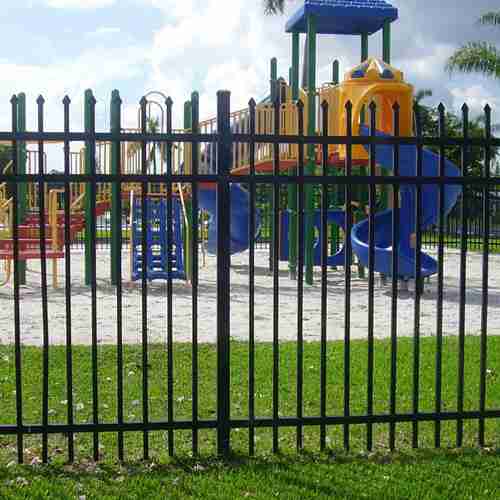
Wrought Iron Fencing: Wrought iron fencing offers classic and elegant look appropriate for both residential characters. It’s serviceable and can be customized with ornamental designs. It requires termly preserve to prevent rusting.
Aluminum Fencing: Aluminum fencing combines durability with low maintenance. It’s lightweight, anti-corrosion, available in a variety of styles. Aluminum fencing is chosen for its illuminative attraction and long lifespan frequently.
Electric Fencing: Electric fencing employs electric impacts to deter animals or intruders from crossing the boundary. It’s usually used in georgic settings to contain livestock and can also be applied for security purposes in residential properties.
Bamboo Fencing: Bamboo fencing is very light and tropical. It provides a natural and environmentally friendly option for outdoor attachments. And because bamboo fences have good durability and weathering resistance, they are often chosen.
Wire Mesh Fence: Wire mesh fence constitutes of woven or welded wires forming a mesh pattern. It’s used for sundry applications seem garden fencing, animal enclosures, security perimeters.
Farm Fencing: Farm fencing incorporates various types seem barbed wire, woven wire, electric fencing, designed to contain livestock and protect crops. These fences are sturdy and constructed to withstand abominable outdoor conditions.
Temporary Fencing: Temporary fencing is applied for short-term needs like construction sites, events, or crowd control. It’s simple to install and remove and comes in all kinds of materials, such as chain link, plastic, and metal panels.
These are just a few examples of outdoor equipment fencing options available, each with benefits and feasibility for different applications and environments. The selection of fencing depends on factors like budget, aesthetics, security requirements, and maintenance preferences.
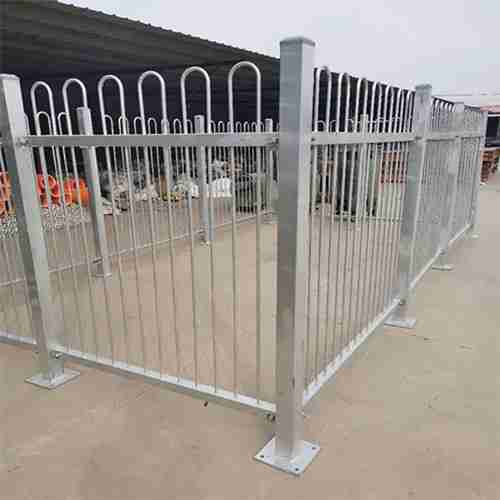
3.Materials Used to Make Outdoor Equipment Fencing

Outdoor equipment fencing needs to be durable, weather-resistant, and able to bear outdoor elements. The materials frequently used for making outdoor equipment fencing include.
3.1 Steel
Due to steel is durability, strength, and resistance to corrosion,it is used in the manufacturing of outdoor equipment fencing. Outdoor equipment fencing needs to support all kinds of environmental conditions for instance rain, snow, wind,sunlight, making steel an ideal material choice.
Steel fencing can be constructed using different types of steel, including:
Galvanized Steel: This type of steel is coated with a layer of zinc to safeguard it from rust and corrosion. Because it offers praiseworthy resistance to wicked weather conditions, fencing is very popular for outdoor use.
Stainless Steel: Stainless steel contains chromium, it can form a tutelar oxide layer on its surface, so it can prevent anti-corrosion and rust goodly. In aesthetic and other applications, the choice of stainless steel fence is very important.
Powder-Coated Steel: Powder coating covers applying dry powder to steel surface, it is then heated to form a durable and protective layer. Powder-coated steel fencing comes in multifarious colors, making it suitable for improving the beauty-appreciation appeal of outdoor spaces.
Cor-Ten Steel: Cor-Ten evolutions rust-like appearance when exposed to the elements, forming protective layer prevents further corrosion. This makes it a popular select for outdoor equipment fencing, as it improves durability and unique aesthetic.
Steel fencing can be compiled into various designs and configurations to suit diverse outdoor applications, covering playgrounds, sports facilities, parks, industrial sites,residential properties.
3.2 Aluminum
Aluminum unaffectedly forms a protective oxide layer when unprotected to air, making it highly resistant to corrosion. This property is salutary for outdoor applications, the material may be subjected to moisture and varying weather conditions.
Although its lightweight nature, aluminum is remarkably strong. This strength permits it to withstand external forces and impacts, making it suitable for fencing, it needs to endure harsh outdoor conditions.
Aluminum can be easily molded and fabricated into diversified shapes and designs, offering versatility in design options for outdoor equipment and fencing. This elasticity allows for customization to meet specific project requirements.
Aluminum requires minimal maintenance compared to other materials like steel or wood. It does not rust or corrode easily, requires occasional cleaning to maintain its appearance.
3.3 Vinyl
Vinyl is applied in outdoor applications, incorporating fencing, due to its durability and low maintenance requirements. Vinyl fencing offers several advantages over traditional materials like wood or metal:
Durability: Vinyl is resistant to rot, decay,weathering, making it suitable for outdoor use in disparate climates. It doesn’t warp, crack, or splinter like wood and can withstand nasty weather conditions seem rain, snow, and UV exposure.
Low Maintenance: Vinyl fencing needs minimal preserve compared to wood or metal fencing. It doesn’t need to be painted, stained, treated with chemicals to maintain its guise and construction integrality. Regular cleaning with soap and water is usually adequate to keep it looking new.
Longevity: Vinyl fences have a long lifespan, often lasting periods without needing exchange. They are not susceptible to rust or corrosion seem metal fences and aren’t prone to insect damage or rot.
Variety of Styles: Vinyl fencing is useable in a wide range of styles, colors, textures, allowing homeowners to select a design, it complements their outdoor space. Whether you prefer orthodox picket fence, privacy fence, decorative fence.
Easy Installation: Vinyl fencing is comparatively simple to install compared to other materials. It comes in pre-assembled panels or as self-contained components, it can be easily connected, reducing the time and effort required for installation.
Environmentally Friendly: Vinyl fencing is often made from recycled materials, it is absolutely recyclable at the end of its lifespan, making it an environmentally neighborly choice for outdoor fencing.
3.4 Wood
Because their endorance and resistibility to weathering,When it comes to outdoor fencing, there are several types of wood commonly used. Some popular options include:
Cedar: Cedar is a loved by a lot of people choice for outdoor fencing, because its natural oils act as formaldehyde, making it resistant to decay and insect damage. It has pleasant aroma, attractive appearance.
Redwood: Redwood is another highly durable and rot-resistant wood, making it suitable for outdoor use. It has a unaffected resistance to decay and can sustain nasty weather conditions.
Pressure-Treated Pine: Pressure-treated pine is dispose with chemicals to augment its immunity to decay, fungi, insects. It’s more affordable option contrast to cedar and redwood, it can be stained to match desired aesthetic.
Ipe: Ipe is a dense and durable tropical hardwood known for its resistance to rot, decay, insects, even fire. it’s more costly than other wood choice, it’s incredible long-lasting and requires minimal vindicate.
Tropical Hardwoods: Other tropical hardwoods like teak, mahogany, cumaru are also used for outdoor fencing because their durability and resistance to decay and insects.
3.5 Composite
Composite materials are continuous used in outdoor equipment and fencing, because their durability, low maintenance requests, stand up to weathering. Composite materials consist of wood fibers or particles, plastic, sometimes other additives.
Here are some common composite materials used in outdoor equipment and fencing:
Wood-plastic composites (WPC): These composites combine wood fibers or flour with thermoplastics. They offer the natural guise of wood with the added benefits of hydration resistance, minimal maintenance.
Fiber-reinforced polymer (FRP) composites: These composites use fibers like fiberglass or carbon fiber implanted in a polymer matrix. FRP composites are aware of their high strength-to-weight ratio, anti-corrosion, durability, making them suitable for outdoor applications.
Recycled plastic composites: These composites are made from recycled plastics, often come from post-consumer or post-industrial waste. By using recycled materials, these composites offer environmental benefits while providing properties semblable to conventional wood-plastic composites.
Composite fencing panels: These panels are made from a incorporation of wood fibers or particles and plastic, molded or extruded into all kinds of designs for fencing applications. They come in multifarious styles and colors, simulating the look of wood, it offer major durability and weather resistance.
Composite railing systems: Similar to composite fencing panels, railing systems for decks, balconies, stairs are often manufactured from composite materials for their longevity and low maintenance requirements.
4.The Advantages of Outdoor Equipment Fencing

Outdoor equipment fencing provides multitudinous advantages, particularly in settings,there are concrete safety, security, or organizational needs. Here are some benefits of outdoor equipment fencing:
4.1 Safety
Fencing outdoor equipment affords several safety purposes, making it very vital consideration for various settings like playgrounds, sports facilities, construction sites, outdoor sportful areas.
Fencing helps restrict access to inevitable areas, guard against unauthorized individuals from enter into underlying risk zones. This is particularly important in construction sites or areas with dangerous equipment.
Fencing can provide a barrier, it guards individuals from falling objects or debris, especially in construction sites or areas where maintenance work is ongoing.
In playgrounds or recreational areas, fencing helps keep children safe by preventing them from wandering into roads, bodies of water, or other latent dangerous areas. It also helps contain children within the play area, reducing the risk of accidents.
Boundary Identification: Fencing clearly marks the boundaries of given area, helping people comprehend where it is safe to play, walk, or work. This can hold back accidental trespassing into risky areas.
Traffic Management: In outdoor facilities like sports fields or event venues, fencing helps manage pedestrian and vehicle traffic flow, reducing the risk of accidents or collides.
Security: Fencing can deter theft or damage public property of outdoor equipment or property by creating a physical barrier that is untoward to breach.
Animal Control: In certain outdoor settings, seem parks or campgrounds, fencing can help control the movement of wildlife or domestic animals, reducing the risk of come across that could lead to injury.
Safety Compliance: Fencing may be required by local regulations or safety standards for specific outdoor installations or facilities. Installing appropriate fencing ensures compliance with these regulations, reducing liability risks.
Emergency Access: While fencing astricts regular access, it can be designed with gates or access points to allow emergency personnel to enter if needed, ensuring that safety measures do not impede emergency response.
Visual Deterrent: The presence of fencing itself can act as a visual deterrent, reminding people to exercise caution and stay away from restricted areas.
4.2 Security
Outdoor equipment, like sports gear, playground equipment, gardening tools, is niche targeting by thieves or vandals. Fencing provides a physical barrier, it deters unauthorized individuals from accessing the equipment, reducing the risk of theft and vandalism.
Fencing helps create designated areas for equipment storage, keeping it organized and reducing the risk of accidents caused by decentralized equipment. It guard againsts unauthorized individuals, especially children, from accessing latent hazardous equipment or areas, thus enhancing overall safety.
Exposure to harsh weather conditions, like rain, snow, and extreme sunlight, can damage outdoor equipment over time. Fencing can provide some protection from these elements by acting as a shield, prolonging the lifespan of the equipment and reducing maintenance costs.
4.3 Protection from the elements
Depending on the type of fencing used, it can protect from wind, rain, snow, and other weather conditions. This can help extend the lifespan of outdoor equipment by reducing exposure to harsh elements.
4.4 Privacy
Fencing can provide privacy for outdoor spaces, shielding equipment or activities from public view. This is particularly useful for facilities or businesses, it handles sensitive information or operations that require confidentiality.
4.5 Compliance
In certain industries, there may be regulations or requirements mandating fencing applications around outdoor equipment or facilities. Installing equal fencing ensures compliance with these regulations and helps refrain from potential fines or legal issues.
4.6 Aesthetic appeal
Fencing can increase the overall appearance of outdoor spaces by providing a neat and organized look. With all kinds of materials and designs available, fencing can be custom-made to replenish the surrounding environment and contribute to the area’s aesthetic appeal.
4.7 Customization options
Outdoor equipment fencing comes in multifarious materials, styles, and heights, allowing customization to fit specific needs and preferences. Whether it’s a chain fence for durability and attention-grabbing or a decorative fence for something more decorative, options are available to meet disparate requirements.
5.The Applications of Outdoor Equipment Fencing
Outdoor equipment fencing is versatile solution with a wide range of applications across various industries. Here are some of the common applications:
5.1 Animal Control
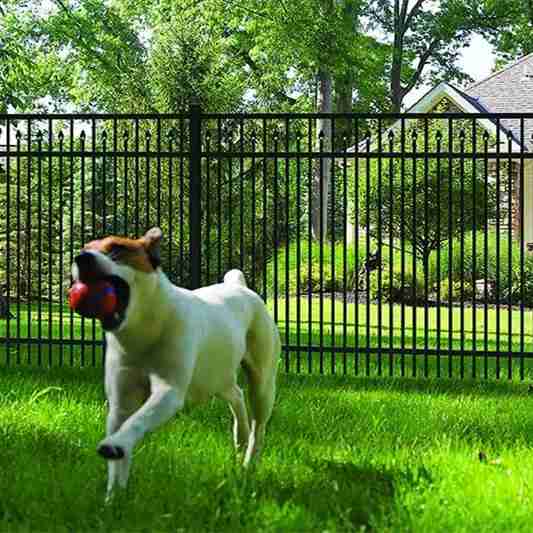
Animal control often utilizes outdoor equipment fencing for a variety of purposes related to managing and containing animals in specific areas. Here are some applications of outdoor equipment fencing in animal control:
Animal Enclosures: Fencing is applied to create enclosures for animals in shelters, zoos, wildlife rehabilitation centers. These accessorys help furnish safe and controlled environment for animals, allowing them to be cared for properly, in the meantime, decreasing the risk of escape or interaction with humans.
Livestock Management: Fencing is crucial adjective for managing livestock on farms or ranches. It assists to keep within limits animals, it can hold backs them from departuring onto roads, neighboring properties, guards crops from being harmed by wandering livestock.
Predator Control: Fencing can be used to create predator-proof enclosures to safeguard flimsy animals, like fowl or small livestock, from predation by foxes, coyotes, or other peoples. This type of fencing is often designed with little mesh sizes or supernumerary barriers to prevent them from excavating below or climbing over.
Wildlife Conservation: Fencing is employed in wildlife conservation efforts to create barriers, it hold back animals from accessing roads, cropland, other areas where they may encounter risk or conflict with humans. Wildlife corridors may also be fenced to guide animals safely across roads or through urban areas.
5.2 Boundary Marking
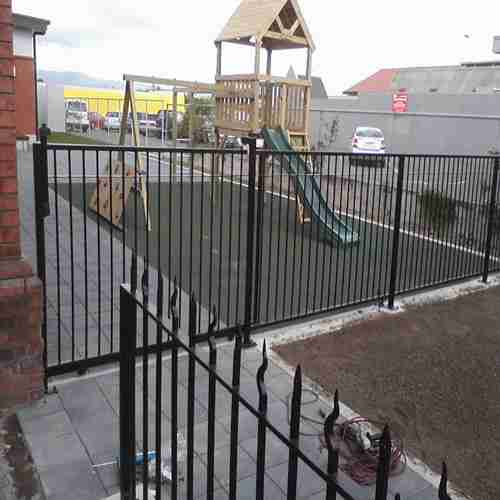
Outdoor equipment fencing is commonly used to mark the boundaries of residential, commercial, or industrial properties. It helps to describe where one property ends and another begins, preventing disputes from being violated and providing clear demarcation for landowners and tenants.
Fencing provides a physical barrier, it enhances security by controlling access to a property. It can deter trespassing, vandalism, theft, and other unauthorized activities. Fencing can also enhance safety by preventing accidental entry in certain contexts, such as around construction sites or hazardous areas.
5.3 Aesthetic Enhancement
Enhancing the aesthetic appeal of outdoor equipment fencing, it can observably contribute to the overall ambiance and optesthesia appeal of a space. At the same time, it still servicing its primary functional purpose.
Incorporate landscaping elements like climbing plants, shrubs, or small trees along the fencing line. This softens the harshness of the fence and creates more natural, visually pleasing environment.
Install decorative panels or screens along the fencing line. These panels can be made of various materials like metal, wood, or recycled materials, it can feature daedal designs or patterns that complement the surroundings.
Incorporate lighting elements such as LED strips or spotlights along the fencing to illuminate it at night. This not only enhances eyeball character and security but also adds dramatic effect, casting interesting shadows and highlighting architectural features.
5.4 Noise Reduction
Noise reduction in outdoor equipment fencing relates to employing all kinds of tactics and materials to mitigate the transmission of sound from industrial equipment, machinery, or other sources to the surrounding environment.
This is particularly important in settings, the noise pollution can be subversive or harmful to nearby residents, workers, or wildlife. Here are some key applications of outdoor equipment fencing for noise reduction:
Industrial Sites: Industrial facilities often have machinery and equipment, it cause prominent noise levels. Outdoor equipment fencing can be installed around such machinery to contain and decrease noise emitted, ensuring compliance with noise regulations and minimizing interference to neighboring communities.
Construction Sites: Construction events can generate loud noises from equipment like generators, compressors, power tools. Fencing around construction sites can assist contain the noise within the site, reducing the influence on nearby residential or commercial areas.
Transportation Infrastructure: Highways, railways, and airports can generate substantial noise from vehicles, trains, and aircraft. Fencing along traffic corridor can act as barrier to reduce the spread of noise to surrounding residential areas, improving the quality of life for nearby residents.
Utility Installations: Infrastructure like power substations, water treatment plants, telecommunications facilities can come into being unwanted noise. Fencing around these installations can help mitigate noise pollution, maintaining a quieter environment for nearby residents and wildlife.
5.5 Windbreaks
Outdoor equipment fencing, combined with windbreaks, shields worthy machinery, tools, other equipment from damage caused by high winds. By minimizing wind force, these structures help prevent items from being blown away or toppled over, reducing the risk of damage or loss.
Windbreaks created by outdoor equipment fencing contribute to a safer environment by reducing the risk of accidents. In areas prone to strong winds, loose equipment or debris can pose hazards to workers or visitors. Implementing windbreaks helps mitigate these risks by stabilizing the environment and minimizing the potential for accidents.
5.6 Perimeter Security
Perimeter security is a critical aspect of protecting outdoor spaces, facilities, it assets from unauthorized access, intrusion, theft, vandalism, other security threats. Outdoor equipment fencing is versatile solution commonly employed to enhance perimeter security in various environments.
Outdoor equipment fencing is widely used in industrial areas to secure machinery, equipment, storage areas. It helps hold back unauthorized interview to subtle equipment and materials, reducing the risk of theft, tampering, industrial accidents.
Many commercial properties, like warehouses, distribution centers, retail stores, utilize outdoor equipment fencing to protect valuable assets, inventory, outdoor storage areas. Fencing can deter burglars and vandals and furnish a distinct barrier to unauthorized individuals.
6. Maintaining Outdoor Equipment Fencing
Maintaining outdoor equipment fencing is crucial for ensuring the safety, security, and functionality of your property. Here are some tips for availably maintaining outdoor equipment fencing.
6.1 Regular Inspections
Conduct routine fencing inspections to identify any signs of damage, wear, or deterioration. Check for loose or broken components like posts, rails, wires. Regular inspections of outdoor equipment fencing are allimportant for ensuring safety, security, longevity. Here’s a comprehensive guide on conducting these inspections:
Establish Inspection Schedule: Create a regular schedule for inspecting outdoor equipment fencing. The frequency of inspections may vary depending on factors seem weather conditions, usage intensity, the material of the fencing. Typically, quarterly inspections are recommended, but high-traffic areas may require more frequent checks.
Visual Inspection: Start by visually inspecting the entire length of the fencing. Look for any signs of damage, wear, or deterioration. Common problems to observe for contain rust, corrosion, loose or missing bolts, bent or broken posts, damaged mesh or wires, and signs of vandalism.
Check Stability: Test the stability of the fencing by gently pushing or shaking it. Secure fencing should not wobble or lean excessively. If there’s any movement, investigate the cause immediately as it could compromise safety and security.
Inspect Gates and Latches: Pay special attention to gates and latches, as they are prone to wear and tear due to frequent use. Ensure the gates open and close placidly without sticking or jamming. Check the condition of hinges, locks, the latches to confirm they are functioning exactly and securely.
Inspect Grounding: If the fencing is electrified for security purposes, check the grounding system. Ensure that ground rods are securely in place and that electrical connections are intact. Test electric current to verify that the system is operational.
6.2 Repair Damage Promptly
Address any damage or wear as soon as possible to prevent it from worsening. Replace or repair broken or damaged parts fleetingly to maintain the integrality of the fence. Repairing damage to outdoor fencing promptly is necessary to preserving the integrity and function of the structure. Here are some steps you can take to mend fencing injure punctually:
Assess the Damage: Begin by examining the fence to confirm the extent of damage. Look for broken or loose boards, breakdowned posts, bent hardware, or any other issues that need attention.
Gather Materials: Depending on the type of damage, gather the needful materials and tools for the repair. This might include replacement boards, nails or screws, a hammer or screwdriver, any other supplies required.
Secure Loose Components: If there are any loose boards or hardware, secure them momentarily to prevent further damage while you gather materials for a more permanent repair.
Replace Damaged Components: Remove any severely damaged or broken components like boards or posts, displace them with new ones. Make sure the replacements match existing fence in terms of material, size, style.
Reinforce Weak Areas: Strengthen weak areas of the fence by adding additional support like braces or intensify hardware. This will help prevent future injured and prolong the life of the fence.
Repair Hardware: Replace any damaged hardware seem hinges, latches, or screws to ensure the fence functions properly and securely.
Paint or Stain: If necessary, touch up the repaired areas with paint or stain to match the rest of fence and afford protection against the elements.
Regular Maintenance: Once the damage is fixed, set up a termly maintenance routine to inspect the fence for any signs of wear or damage and address them promptly. This will help hold back costly repairs in future and prolong the lifespan of fence.
6.3 Clear Vegetation
Keep vegetation such as grass, weeds, bushes trimmed around the fencing to hold back them from causing damage or obstructing fence. Overgrown vegetation can also afford cover for pests or intruders.
6.4 Paint or Stain
If your fence is manufactured of wood, take into account painting or staining it to guard it from elements and prolong its lifespan. Choose a high-quality outdoor paint or stain, it is suitable for the type of wood used in your fence.
6.5 Rust Prevention
For metal fencing, adhibition rust-proofing coating or paint to protect it from corrosion. Regularly examine metal fencing for signs of rust and address any areas of concern promptly.
6.6 Tighten Fasteners
Termly check and tighten any fasteners like screws, bolts, or nails to ensure the fence remains securely attached and stable.
6.7 Gate Maintenance
If your fencing includes gates, regularly lubricate hinges and latches to ensure smooth operation. Inspect gates for any signs of damage or misalignment and make adjustments as needed.
6.8 Snow and Ice Removal
In areas prone to snow and ice, regularly remove snow and ice buildup from fencing to prevent damage caused by the weight of the snow or ice.
6.9 Security Measures
Consider adding security measures like locks, alarms, or security cameras to deter trespassers and protect your equipment and property.
By following these tips, you can ensure your outdoor equipment fencing remains in good condition and continues, it can serve its purpose effectively. Regular maintenance will help to prolong the lifespan of fencing and minimize the need for costly repairs or replacements.
7.Future Development of Outdoor Equipment Fencing
The future development of outdoor equipment fencing could be driven by several factors, containing technological advancements, environmental concerns, safety demands, user preferences. Here are some fundamental direction in which outdoor equipment fencing could evolve:
Smart Fencing: Integration of sensors and IoT (Internet of Things) technology into fencing systems could supply real-time monitoring and management functions. This include sensors for detecting intrusions, monitoring environmental conditions,even self-repairing functions through automated systems.
Sustainable Materials: With increasing emphasis on sustainability, future outdoor equipment fencing may take advantage of eco-friendly materials like recycled plastics, composite materials manufactured from reproducible resources, or even living materials seem bamboo or fast-growing plants.
Sustainable fencing options could help reduce environmental impact while maintaining functionality and durability.
Modular Design: Modular fencing systems can be easily assembled, disassembled, reconfigured will likely become more popular. This would allow for elasticity in adapting fencing layouts to disparate outdoor spaces, as well as predigest installation and maintenance processes.
Aesthetic Integration: Fencing designs blend harmoniously with the surrounding environment, including natural landscapes and architectural features, may gain traction. This could involve using materials, colors, and textures that complement outdoor setting, enhancing visual appeal while still providing necessary functionality.
Safety and Security Enhancements: Future fencing solutions may incorporate advanced security features such as biometric access control, facial recognition technology, or AI-driven surveillance systems. Safety enhancements could also include features like soft impact surfaces to reduce injury risk in case of requisite collisions.
The future development of outdoor equipment fencing is likely to be driven by combination of technological innovation, sustainability concerns, user demands, and evolving environmental factors. By prioritizing functionality, aesthetics, and sustainability, future fencing solutions can contribute to creating safer, more inclusive, and aesthetically pleasing outdoor spaces.
8.Frequently Asked Question About Outdoor Equipment Fencing
8.1 Can outdoor equipment fencing contribute to wildlife conservation efforts?
Yes, outdoor equipment fencing can indeed contribute to wildlife conservation efforts in several ways:
Guard against of Human-Wildlife Conflict: Fencing can be strategically placed to create barriers, it prevent wildlife from accessing areas, they may come into clash with humans, like agricultural lands or fill areas. This decreases instances of wildlife conflict, it often lead to negative outcomes for both humans and animals.
Protection of Critical Habitats: Fencing can be used to enclose and protect critical habitats like nesting sites, propagate grounds, or removal corridors. By astricting human access to these areas, fencing helps minimize disturbance to wildlife populations and conserves their habitats.
Mitigation of Habitat Fragmentation: Fragmentation of habitat due to human activities like infrastructure development , it can destroy wildlife movements and lead to population descends. Fencing can help alleviate this broken by creating wildlife corridors or by guiding wildlife towards safe crossing points seem underpasses or overpasses on roads and railways.
Conservation Grazing Management: In some cases, fencing can be used to manage grazing events in natural areas. By controlling the movement of livestock, fencing can prevent overgrazing and habitat degeneration, thus maintaining healthy ecosystems support diverse wildlife populations.
Protection from Invasive Species: Fencing can be employed to eliminate invasive species from acceptant habitats, helping to preserve native biodiversity. For example, fencing can prevent the movement of diffusible predators threaten native wildlife populations.
Support for Endangered Species Recovery: In safeguard efforts targeting endangered species, fencing can play a crucial role in protecting populations from threats like poaching, predation, habitat destruction. Fencing can create secure enclosures or reserves, it can breed and thrive without the risk of external threats.
8.2 What are some common challenges faced when installing outdoor equipment fencing?

Installing outdoor fencing can come with some challenges, hinge on a variety of factors like terrain, climate, local regulations, the type of fencing material being used. Some common challenges include:
Terrain: Uneven or sloping terrain can make it difficult to install fencing evenly and securely. Steep slants may require special techniques or additional materials to ensure stability.
Ground Conditions: Different soil types can impact the stability of fence posts. Rocky or hard soil may require extra effort or tools to dig post holes, at the same time, sandy soil may not furnish sufficient support without proper reinforcement.
Weather: Adverse weather conditions like rain, wind, or extreme temperatures can hinder the installation process and may effect the integrity of fence. Working in extreme heat or cold can be unwell and potentially dangerous.
Local Regulations: Zoning laws,estate lines, homeowner association rules may stipulate height, style, placement of fencing. Failure to observe with these regulations could consequence in fines or the need to remove and reinstallation the fence.
Utility Lines: Before digging post holes, it’s needful to check for the exist of underground utility lines like gas, water, or electrical lines. Unexpectedly damaging these lines can be harmful and costly to fix.
Material Selection: Choosing the right fencing material for the specific application and environment is important. Factors to consider contain durability, maintenance requirements, aesthetic appeal, and cost.
Wildlife and Pest Concerns: In some areas, wildlife or pests may pose a menace to the integrity of the fence. For example, deer might try to jump over a fence, or rodents might burrow beneath it. Selecting proper fencing designs or overawes can help relieve risks.
Addressing these challenges requires careful planning, proper equipment, and sometimes professional expertise to ensure the outdoor fencing installation is successful and meets the desired requirements.
8.3 How does the choice of outdoor equipment fencing material impact durability and maintenance requirements?
The choice of outdoor equipment fencing material significantly impacts both durability and maintenance requirements. Here’s how different materials compare:
8.3.1 Wood
Durability: Wood fencing can be durable if aright treated and maintained. Cedar and redwood are naturally resistant to rot and decay, making them good selects for outdoor fencing. Other types of wood may require termly maintenance to hold back rotting and warping.
Maintenance: Wood fencing requires regular maintenance like staining, painting, or sealing to safeguard it from the elements. Wood may be impressionable to insect damage, so dispose to prevent pests may also be necessary.
8.3.2 Vinyl/PVC
Durability: Vinyl or PVC fencing is highly durable and rotproofness, decay, insect damage. It can withstand nasty weather conditions without deteriorating.
Maintenance: Vinyl fencing is low-maintenance and only requires unmeant cleaning with soap and water to divert dirt and debris. It does not need painting or staining like wood, making it convenient option for outdoor fencing.
8.3.3 Metal (Steel/Aluminum)
Durability: Metal fencing, particularly steel and aluminum, is extremely durable and long-lasting. It can withstand wicked weather conditions, including high winds and heavy rain, without corroding or getting worse.
Maintenance: Metal fencing requires minimal maintenance. It may need to be examined for rust or corrosion, especially in areas with high humidity or salt exposed. Rust can be removed with a wire brush and repainted to protect the metal.
8.3.4 Chain Link
Durability: Fencing is durable and can withstand multifarious weather conditions. It is manufactured from galvanized steel, it is resistant to rust and corrosion.
Maintenance: Chain link fencing is low maintenance and requires unmeant cleaning to remove dirt and debris. Rust may develop over time, especially in humid environments, but it can often be guard against with proper galvanization and occasional maintenance.
8.3.5 Composite
Durability: Composite fencing is composed from a combination of wood fibers and recycled plastic, making it resistant to rot, decay, insect damage. It is highly durable, it can withstand nasty weather conditions.
Maintenance: Composite fencing is low-maintenance and requires occasional cleaning with soap and water. It does not need painting or staining like wood, making it a expedient option for outdoor fencing.
8.4 What are some factors to consider when selecting outdoor equipment fencing hardware, such as gates, hinges, and latches?
When selecting outdoor equipment fencing hardware like gates, hinges, and latches, several factors should be thought about to ensure durability, functionality, and security. Here are some key considerations:
Material: Choose hardware made from durable materials like stainless steel, aluminum, and galvanized steel. These materials resist rust, corrosion, and weathering, ensuring longevity and reliability.
Strength and Weight Capacity: Consider the weight and size of the gate when selecting hinges and latches. Ensure the hardware can sustain the weight of the gate and any additional stress it may encounter.
Weather Resistance: Outdoor equipment is exposed to various weather conditions, containing rain, snow, sunlight, and extreme temperatures. Choose hardware with weather-resistant coatings or materials, it can withstand these elements without increasingly deteriorating over time.
Security: Opt for latches and locks, it provide adequate security for your needs. Depending on the level of security required, you may choose simple padlocks, key-operated locks, or even electronic access control systems.
Ease of Installation and Maintenance: Select hardware is easy to install and maintain. Look for products with common installation commands and minimal maintenance demands to save time and strive in the long run.
Compatibility: Ensure the hinges, latches, other hardware components are compatible with the type and style of fence or gate you have. Consider factors seem gate size, material, mounting configuration to ensure proper fit.
Aesthetic Appeal: While functionality and durability are essential, consider the aesthetic appeal of hardware to ensure it supplements the overall design of your outdoor space.
Budget: Evaluate the cost of the hardware and confirm it fits within your budget constraints. it’s vital to invest in quality hardware, consider the long-term savings come with durable, reliable products require less often replacement or maintenance.
By considering these factors, you can select outdoor equipment fencing hardware that meets your specific requirements for durability, functionality, security, and aesthetics.
8.5 How do you estimate the cost of outdoor equipment fencing projects, including materials, labor, and additional expenses?
Estimating the cost of outdoor equipment fencing projects relates to several steps and considerations. Here’s a general outline of the process:
Define the Scope: Understand the concrete requirements of the fencing project. This contains the length of fencing needed, the type of materials required, any additional features (e.g., gates, security measures), and the site’s terrain.
Material Costs: Research the cost of materials needed for the project. This includes fencing material itself (e.g., wood, vinyl, chain-link, metal), posts, concrete for footings, hardware, any additional accessories (gate latches, locks).
Labor Costs: Estimate the labor required for an unabridged project. Labor costs can vary based on factors like the complexity of the installation, local labor rates, the experience level of the contractors. Obtain quotes from contractors or use industry standards to estimate labor hours required for installation.
Additional Expenses: Consider any additional expenses that may arise during the project. This could include permits or permissions required from local authorities, equipment rental, transportation costs for materials, and disposal fees for any waste generated during construction.
Contingency: It’s wise to include a contingency factor in your cost estimate to account for uncontemplated expenses or changes in project scope. A common contingency percentage is around 10% to 20% of the total project cost.
Calculate Total Cost: Once you have gathered all the indispensable cost components, add them to compute the total estimated cost of the project.
Review and Adjust: Review the estimate to ensure all costs have been accounted for accurately. Adjust as necessary based on any new information or changes to the project scope.
Documentation and Proposal: Document the cost estimate and create a detailed proposal outlining the scope of work, materials to be used, labor costs, timeline, and any terms and conditions. This will serve as a reference point for both you and the contractor.
Comparison and Negotiation: If obtaining multiple quotes from contractors, compare them carefully to ensure they offer similar scopes of work and quality of materials. Negotiate with contractors if necessary to reach a fair price within your budget.
Finalize Budget: Once you have selected a contractor and finalized the project details, establish a final budget that both parties agree upon before commencing work.
9.Conclusion
In conclusion, the inspection of outdoor equipment fencing has shed light on its multifaceted significance in various contexts. Through the investigation of its design, materials, functionality, environmental impact, several key insights have emerged.
The selection of appropriate fencing materials and designs is crucial for achieving both functionality and aesthetics. Our analysis revealed durable materials like steel and aluminum offer longevity and strength, while customizable designs can enhance the visual appeal and integration with surrounding environments.
The function of outdoor equipment fencing extends beyond mere boundary demarcation. Resultful fencing solutions contribute to safety, security, and organization within outdoor spaces, facilitating sportful activities, crowd management, and equipment protection.
the exploration of outdoor equipment fencing underscores its significance as a multifunctional asset that plays a pivotal role in enhancing safety, security, and environmental sustainability within outdoor environments.