
Table of Contents
1. The introduce of aluminum

Aluminum is a lightweight, silvery-white metal with the chemical symbol Al and atomic number 13. It is the third most abundant element in the Earth’s crust, making up approximately 8% by weight. The discovery and development of aluminum have a fascinating history.
Aluminum has been known to humanity for a long time, but it was difficult to extract in pure form due to its strong affinity for oxygen. The ancient Greeks and Romans used alum, a compound containing aluminum, in various applications. However, pure aluminum was only discovered in the early 19th century.
Sir Humphry Davy, the English chemist, tried to isolate aluminum in the early 19th century but was unsuccessful. It wasn’t until 1825 that Danish scientist Hans Christian Ørsted successfully isolated aluminum using a chemical process involving potassium amalgam.
2. The production of aluminum
The production of aluminum involves several stages, from the extraction of raw materials to the final manufacturing of aluminum products. Here is an overview of the aluminum production process.
2.1 Bauxite Mining
Bauxite mining is the primary method for extracting aluminum ore. Bauxite, a reddish-brown rock composed of aluminum oxide compounds, is the principal source of aluminum worldwide.
Geologists identify areas with significant bauxite deposits through exploration techniques like aerial surveys, ground surveys, and drilling. Bauxite deposits are commonly found in tropical and subtropical regions.
Once a viable deposit is identified, the mining process begins. The typical method involves open-pit mining, where large areas of land are excavated to extract the bauxite ore. In some cases, underground mining methods may be used, particularly if the bauxite deposits are deep beneath the surface.
2.2 Alumina Refining
Once mined, bauxite undergoes refining to extract alumina through a process called the Bayer process, named after its inventor, Karl Bayer. The Bayer process involves the following steps:
Crushing and Grinding: Bauxite ore is crushed and ground into fine particles to increase its surface area, facilitating the extraction of alumina.
Digestion: The finely ground bauxite is mixed with a hot solution of caustic soda (sodium hydroxide) under high pressure and temperature. This chemical reaction dissolves the alumina in the bauxite, leaving behind impurities such as iron oxides and silica.
Clarification: The resulting slurry is passed through settling tanks or clarifiers to separate the dissolved alumina from the insoluble impurities. The clarified liquor contains dissolved alumina, while the residue, known as red mud, contains iron oxides, silica, and other impurities.
Precipitation: The alumina is precipitated from the clarified liquor by cooling and seeding with fine alumina crystals. This process forms aluminum hydroxide, which is then filtered and washed to remove remaining impurities.
Calcination: The aluminum hydroxide is heated at high temperatures (typically around 1000°C) to drive off water molecules, resulting in the formation of pure alumina, also known as alumina trihydrate (Al(OH)₃).
2.3 Aluminum Smelting
Alumina is then subjected to electrolysis in a Hall-Héroult cell to produce aluminum.
In the Hall-Héroult process, alumina is dissolved in molten cryolite (a mineral containing aluminum and sodium aluminum fluoride) at high temperatures.
An electric current is passed through the molten solution, causing aluminum ions to be reduced at the cathode and deposited as molten aluminum at the bottom of the cell. Carbon anodes are consumed during this process, releasing carbon dioxide.
2.4 Casting
Once the aluminum is produced, it can be cast into various shapes and forms depending on the desired end product. This can involve processes such as die casting, where molten aluminum is injected into a mold under high pressure, or sand casting, where a mold is created in sand and molten aluminum is poured into it.
2.5 Fabrication
Aluminum production is a highly secretive process involving advanced technology and top-secret facilities due to its strategic importance in aerospace and defense industries.
The process begins with the extraction of bauxite ore, which is then transported to clandestine facilities hidden deep within remote mountains. Inside these heavily guarded compounds, advanced chemical processes are employed to refine the bauxite into pure aluminum.
2.6 Finishing and Surface Treatment
Aluminum products may undergo finishing processes like anodizing or coating to improve corrosion resistance, enhance appearance, or provide additional functionality.
Finishing and surface treatment play a crucial role in the production of aluminum products, enhancing their appearance, durability, and functionality. Here are some common finishing and surface treatment methods used in the aluminum industry:
Anodizing: Anodizing is an electrochemical process that forms a protective oxide layer on the surface of aluminum. This layer improves corrosion resistance, durability, and provides a base for color dyes to be absorbed, allowing for a wide range of aesthetic options.
Anodized aluminum is commonly used in architectural, automotive, and consumer electronics industries.
Powder Coating: Powder coating involves applying a dry powder to the aluminum surface, which is then heated to form a protective layer. This process provides excellent corrosion resistance, weatherability, and allows for a wide variety of colors and finishes.
Powder coating is frequently used in architectural, automotive, and outdoor furniture applications.
Painting: Aluminum can be painted using various methods such as spray painting or coil coating. Painting provides both aesthetic appeal and protection against corrosion and weathering.
It allows for customization in terms of color and finish, making it suitable for a wide range of applications including automotive parts, appliances, and building materials.
Chemical Conversion Coating: Chemical conversion coatings, such as chromate conversion coating or phosphating, are applied to aluminum surfaces to improve corrosion resistance and enhance paint adhesion.
These coatings also provide a base for primers and paints, making them particularly useful in aerospace, automotive, and marine industries.
Polishing and Brushing: Polishing and brushing processes are used to achieve a smooth and reflective surface finish on aluminum products. These processes are often applied to architectural elements, decorative pieces, and consumer goods where aesthetics are important.
Laminating: Laminating involves bonding a protective film or layer onto the aluminum surface to enhance its appearance, durability, and resistance to scratches and abrasion.
Laminates can be applied in various patterns and textures, providing design flexibility and protection for applications such as signage, automotive trim, and electronic devices.
Mechanical Finishing: Mechanical finishing techniques such as sandblasting, brushing, or buffing are used to achieve specific surface textures or finishes on aluminum products. These techniques can be applied to improve adhesion, remove surface defects, or create decorative effects depending on the desired outcome.
3. Aluminum alloy

Aluminum alloys are materials made by combining aluminum with other elements to enhance its properties, such as strength, hardness, and corrosion resistance. Aluminum itself is a lightweight and corrosion-resistant metal, making it a popular choice for a wide range of applications.
Common alloying elements used in aluminum alloys include copper, zinc, magnesium, manganese, and silicon. Each element imparts specific characteristics to the alloy, allowing engineers and manufacturers to tailor the material for specific purposes.
3.1 The history of aluminum alloy
Aluminum is the third most abundant element in the Earth’s crust but was difficult to isolate in its metallic form due to its strong affinity for oxygen.
In 1825, Hans Christian Ørsted, a Danish scientist, produced small amounts of aluminum by reducing aluminum chloride with potassium amalgam. In 1827, German chemist Friedrich Wöhler improved the process using sodium.
The breakthrough in aluminum production came in 1886 when Charles Martin Hall, an American, and Paul Héroult, a Frenchman, independently discovered the same electrolytic process to extract aluminum from alumina.
This Hall-Héroult process involves passing an electric current through a molten mixture of alumina (aluminum oxide) and cryolite, leading to the reduction of aluminum at the cathode.
In the early 20th century, aluminum started being used in various applications due to its lightweight and corrosion-resistant properties. The development of aluminum alloys began as engineers sought to improve the mechanical properties of pure aluminum.
Duralumin, an early aluminum alloy, was introduced in the early 20th century and became popular in aviation. It is a strong, lightweight alloy consisting of aluminum, copper, and small amounts of other elements like manganese and magnesium.
World War II led to increased demand for lightweight materials with high strength for aircraft construction. Aluminum alloys played a crucial role during this period, with the development of new alloys and manufacturing techniques.
Today, aluminum alloys are widely used in aerospace, automotive, construction, and various other industries. Modern alloys often include a combination of aluminum with elements like copper, magnesium, zinc, and others to achieve specific performance characteristics.
3.2 What Is aluminum alloy made of?
Aluminum alloys are materials that consist primarily of aluminum as the base metal and other elements added to enhance specific properties. The alloying elements can include a variety of metals such as copper, magnesium, silicon, zinc, manganese, and others.
The combination of these elements in varying proportions gives rise to a wide range of aluminum alloy compositions, each designed for specific applications and desired characteristics.
The most common aluminum alloy series include the 1xxx, 2xxx, 3xxx, 4xxx, 5xxx, 6xxx, 7xxx, and 8xxx series. Each series has its own unique combination of alloying elements and properties.
3.3 Aluminum alloy numbering system
Aluminum alloys are composed primarily of aluminum, with various other elements added to achieve specific properties such as strength, hardness, corrosion resistance, and machinability. There are numerous types of aluminum alloys, each designed for different applications. Here are some common series of aluminum alloys.
3.3.1 1xxx Series
The 1xxx series typically refers to aluminum alloys where the major alloying element is pure aluminum (99% or higher). These alloys are often referred to as “commercially pure” aluminum alloys and are primarily used for their excellent corrosion resistance, high electrical conductivity, and good thermal conductivity.
Here’s a breakdown of some common alloys in the 1xxx series:
1050: This is one of the most commonly used aluminum alloys in the 1xxx series. It is known for its high electrical conductivity and good formability. It’s often used in electrical applications such as transformers, switchgear, and capacitors, as well as in general fabrication where corrosion resistance is important.
1100: Another popular alloy in the 1xxx series, 1100 aluminum is known for its high corrosion resistance, as well as its good formability and weldability. It’s used in a variety of applications including chemical equipment, food processing equipment, and heat exchangers.
These alloys are relatively soft and have low strength compared to other aluminum alloys, so they are not typically used in structural applications where high strength is required. However, their excellent corrosion resistance and other properties make them valuable in a wide range of applications.
3.3.2 2xxx Series
The 2xxx series of aluminum alloys are characterized by the inclusion of copper as the primary alloying element. These alloys are known for their high strength, excellent machinability, and good corrosion resistance.
They are also heat-treatable, meaning their mechanical properties can be significantly enhanced through heat treatment processes such as precipitation hardening.
Some common alloys within the 2xxx series include:
2024: This alloy is perhaps the most well-known in the series. It offers excellent strength-to-weight ratio and is extensively used in aerospace applications, including aircraft structures and components.
2014: Similar to 2024, 2014 offers high strength and excellent machinability. It finds applications in aerospace and structural components requiring high strength and good corrosion resistance.
2026: This alloy contains a higher copper content than 2024, resulting in improved strength and fatigue resistance. It’s used in aerospace and high-performance applications.
2036: Another variant with higher copper content, offering enhanced strength and other mechanical properties. It’s suitable for aerospace and structural applications.
2090: A newer alloy in the series, developed for aerospace applications. It offers improved damage tolerance and corrosion resistance compared to other 2xxx alloys.
The 2xxx series of aluminum alloys find extensive use in aerospace, military, and high-performance applications where high strength, lightweight, and good corrosion resistance are essential requirements.
3.3.3 3xxx Series
The 3xxx series of aluminum alloys primarily consist of aluminum manganese alloys, with manganese being the major alloying element. These alloys are non-heat treatable, meaning they gain their strength through cold working rather than heat treatment.
They possess moderate to high strength and excellent corrosion resistance, making them suitable for a variety of applications.
Some common alloys within the 3xxx series include:
3003: This alloy is often used in applications requiring moderate strength and good formability. It’s commonly found in cooking utensils, food processing equipment, and chemical equipment.
3004: With higher strength than 3003, this alloy is used in similar applications such as beverage cans, roofing, and siding.
3104: This alloy offers even higher strength and is frequently used in the production of beverage cans and containers.
3105: Similar to 3004, this alloy also offers good strength and formability and is used in various applications including construction, roofing, and guttering.
Overall, the 3xxx series of aluminum alloys find extensive use in industries such as transportation (e.g., automotive), construction, packaging, and general engineering due to their favorable combination of properties.
3.3.4 4xxx Series
The 4xxx series of aluminum alloys are characterized by the inclusion of silicon as the primary alloying element. These alloys are typically used as welding filler materials due to their low melting point and excellent fluidity during welding.
They are not generally used for structural applications because they lack the strength of other aluminum alloys.
The most common alloy in the 4xxx series is:
4043: This alloy is widely used as a welding filler material due to its good fluidity and corrosion resistance. It’s suitable for welding aluminum alloys of similar composition as well as dissimilar alloys.
The 4xxx series alloys are not typically used for standalone structural applications due to their relatively low strength compared to other series, such as the 6xxx and 7xxx series.
3.3.5 5xxx Series
The 5xxx series of aluminum alloys are characterized by the inclusion of magnesium as the primary alloying element. These alloys are known for their excellent corrosion resistance, particularly in marine environments, making them suitable for various applications where corrosion resistance is a critical factor.
Some common alloys within the 5xxx series include:
5052: This alloy is one of the most widely used in the series. It offers good corrosion resistance, particularly in marine environments, and is well-suited for applications such as marine components, fuel tanks, and architectural panels.
5083: Known for its exceptional corrosion resistance and high strength, 5083 is commonly used in marine applications such as shipbuilding, boat hulls, and offshore structures.
5086: Similar to 5083, this alloy also offers excellent corrosion resistance and high strength, making it suitable for marine applications as well as structural components in harsh environments.
5754: This alloy offers excellent corrosion resistance and is often used in applications where exposure to harsh environments is a concern, such as automotive parts, shipbuilding, and architectural panels.
5182: Known for its combination of strength and formability, 5182 is commonly used in the manufacturing of beverage can lids, automotive body panels, and other structural components.
The 5xxx series of aluminum alloys find extensive use in industries such as marine, automotive, construction, and aerospace, where corrosion resistance and moderate to high strength are essential requirements.
3.3.6 6xxx Series
The 6xxx series of aluminum alloys are characterized by the inclusion of magnesium and silicon as the primary alloying elements. These alloys are heat treatable and offer a good combination of strength, weldability, formability, and corrosion resistance.
Some common alloys within the 6xxx series include:
6061: Perhaps the most versatile alloy in the series, 6061 offers excellent corrosion resistance, weldability, and formability, along with good mechanical properties. It’s widely used in structural components, including extrusions, beams, and tubing, as well as in automotive parts and marine applications.
6063: Known for its excellent extrudability and formability, 6063 is commonly used in architectural and construction applications for window and door frames, curtain walls, and other architectural components.
6005A: This alloy offers similar properties to 6061 but with slightly lower strength. It’s often used in applications where moderate strength and good formability are required, such as in architectural and structural components.
6082: With higher strength than 6061, 6082 is commonly used in structural applications requiring higher mechanical properties, such as in bridges, trusses, and automotive components.
6463: This alloy is similar to 6063 but with improved surface finish characteristics, making it suitable for applications where aesthetics are important, such as in architectural extrusions and decorative trim.
The 6xxx series of aluminum alloys are widely used in applications where a balance of strength, formability, and corrosion resistance is required. Their versatility makes them suitable for a wide range of industries and applications.
3.3.7 7xxx Series
The 7xxx series of aluminum alloys are characterized by the inclusion of zinc as the primary alloying element, with magnesium and copper also playing significant roles. These alloys are heat treatable and offer high strength, excellent toughness, and good resistance to fatigue.
Some common alloys within the 7xxx series include:
7075: Perhaps the most well-known alloy in the series, 7075 offers exceptional strength-to-weight ratio and is commonly used in aerospace applications, including aircraft structures, fuselage frames, and wing components. It’s also used in high-performance applications such as bicycle frames and rock climbing equipment.
7050: Similar to 7075, 7050 offers high strength and excellent toughness, making it suitable for aerospace and military applications, as well as in high-performance sporting goods and automotive components.
7175: This alloy offers improved corrosion resistance compared to 7075 while maintaining high strength and toughness. It’s commonly used in aerospace applications, particularly in critical components subjected to high stress and harsh environments.
7475: Developed for aerospace applications, 7475 offers enhanced fracture toughness and fatigue resistance compared to other alloys in the series. It’s often used in aircraft structural components subjected to high loads and cyclic stresses.
7068: A relatively new alloy in the series, 7068 offers higher strength and improved corrosion resistance compared to traditional 7xxx series alloys. It’s used in applications where the highest strength and performance are required, such as in aerospace and defense industries.
The 7xxx series of aluminum alloys are prized for their exceptional strength-to-weight ratio and are favored in industries where high-performance materials are required. Their combination of strength, toughness, and corrosion resistance makes them ideal for demanding applications in aerospace, military, and other high-tech sectors.
3.3.8 8xxx Series
The 8xxx series of aluminum alloys is a less common and more specialized series compared to the other series. These alloys typically contain lithium as the primary alloying element, along with other elements such as copper, magnesium, and zinc.
Lithium offers significant benefits, including reduced density and improved stiffness, strength, and thermal conductivity.
However, due to challenges in processing and the relatively high cost of lithium, alloys in the 8xxx series are not as widely used as those in other series. As a result, there isn’t as extensive a range of common alloys within this series compared to others like the 6xxx or 7xxx series.
One notable alloy in the 8xxx series is:
8090: This alloy is known for its high strength and low density, making it particularly attractive for aerospace and high-performance applications where weight savings are critical. It offers excellent fatigue resistance and is used in components such as aircraft fuselage panels and structural parts.
Research and development efforts continue in the field of lithium-aluminum alloys, aiming to unlock their full potential for applications where weight reduction and high performance are paramount.
3.4 Aluminium alloy density
The density of aluminum alloy can vary depending on the specific alloy composition. However, a common value for the density of aluminum alloys is around 2.7 grams per cubic centimeter (g/cm³) or 0.0975 pounds per cubic inch (lb/in³).
This value is approximate, and actual densities may differ slightly based on the specific alloy and any additional elements or treatments used in its production.
3.5 Does aluminum alloys rust?
No, aluminum alloys do not rust in the same way that iron and steel do. Rust is a term specifically used to describe the corrosion of iron and its alloys. Aluminum, on the other hand, undergoes a different form of corrosion known as oxidation.
When exposed to oxygen in the air, aluminum forms a thin layer of aluminum oxide on its surface. This layer acts as a protective barrier, preventing further corrosion and giving aluminum its corrosion resistance.
While aluminum doesn’t rust, it can still corrode under certain conditions. However, the corrosion typically takes the form of white or grayish powder, rather than the reddish-brown rust associated with iron.
The protective oxide layer on aluminum helps to resist corrosion, making it a preferred material for various applications where corrosion resistance is essential.
4. The color of aluminum
Pure aluminum has a silvery-white color. It is a metallic element with a characteristic luster, and its appearance is similar to silver. However, when exposed to air, aluminum can develop a thin oxide layer on its surface, which can give it a dull or matte appearance.
This oxide layer helps protect the metal from further corrosion. In practical applications, aluminum is often used in various alloys and coatings, so the appearance may vary depending on the specific composition and treatment of the material.
4.1 Aluminum coatings
Aluminum coatings are applied to various surfaces for a range of purposes, leveraging the unique properties of aluminum. Here are some common applications and types of aluminum coatings:
4.1.1 Protective Coatings
Aluminum coatings are often used to protect surfaces from corrosion, especially in harsh environments. The aluminum forms a protective layer, preventing the underlying material from being exposed to corrosive elements.
Aluminum coatings can provide weather resistance, protecting surfaces from the effects of rain, snow, and UV radiation.
4.1.2 Reflective Coatings
Aluminum coatings are highly reflective to both visible light and infrared radiation. This property makes them suitable for applications where heat reflection is essential, such as in roofing materials, solar panels, and thermal insulation.
4.1.3 Decorative Coatings
Aluminum coatings can be applied for decorative purposes, enhancing the appearance of surfaces. These coatings may include various finishes, such as matte, glossy, or textured, to achieve different visual effects.
4.1.4 Heat-Resistant Coatings
Due to its high thermal conductivity, aluminum coatings can act as effective thermal barriers, protecting underlying materials from high temperatures. This is useful in applications where heat dissipation or insulation is critical.
4.1.5 Conductive Coatings
Aluminum is an excellent conductor of electricity. Coatings with aluminum nanoparticles or flakes are used to provide electrical conductivity to non-conductive substrates, such as plastics or ceramics.
4.1.6 Antimicrobial Coatings
Some aluminum coatings may incorporate antimicrobial properties, making them suitable for surfaces in healthcare settings or places where maintaining a sterile environment is essential.
4.1.7 Adhesive Coatings
Aluminum coatings can be applied to improve the adhesion of subsequent layers of paint, coatings, or adhesives. This is particularly useful in industries such as automotive and construction.
4.1.8 Barrier Coatings
Aluminum coatings can create effective barriers against the permeation of gases and moisture. This is valuable in packaging applications to protect sensitive contents from external elements.
5. The properties of aluminum
Aluminum is a versatile and widely used metal with a variety of properties that make it valuable in various applications. Here are some key properties of aluminum.
5.1 Lightweight
The lightweight nature of aluminum is one of its key properties and contributes to its widespread use in various applications. Aluminum has a low density, which means it is lightweight compared to many other metals. The density of aluminum is approximately 2.70 grams per cubic centimeter (g/cm³).
This low density makes aluminum an attractive choice for industries and products where weight is a critical factor, such as aerospace, automotive manufacturing, and packaging.
In applications where reducing overall weight is important for fuel efficiency, transportation, or handling, aluminum is often preferred over heavier materials.
Additionally, aluminum’s strength-to-weight ratio is another factor that enhances its appeal. It provides good structural strength while remaining relatively lightweight, making it suitable for a range of engineering and construction applications.
The combination of low density and favorable strength properties makes aluminum a versatile material for various purposes, and its use continues to grow in industries that prioritize lightweight and durable solutions.
5.2 Corrosion Resistance
Aluminum is known for its excellent corrosion resistance due to its unique oxide layer. When exposed to air, aluminum rapidly forms a thin, transparent layer of aluminum oxide on its surface. This oxide layer acts as a protective barrier, preventing further oxidation and corrosion of the underlying metal.
The natural oxide layer that forms on aluminum is stable and adherent, creating a barrier that protects the underlying metal from corrosion. This process is known as passivation.
If the oxide layer is damaged or scratched, aluminum has the ability to self-heal. The exposed metal reacts with oxygen to reform the protective oxide layer, preventing the corrosion process from spreading.
Anodizing is an electrochemical process that enhances the natural oxide layer on aluminum. It involves creating a thicker, more durable layer of aluminum oxide through controlled oxidation. Anodized aluminum exhibits improved corrosion resistance, increased hardness, and can be dyed for aesthetic purposes.
5.3 Conductivity
The electrical conductivity of aluminum is relatively high, making it a good conductor of electricity. The specific conductivity of aluminum is approximately 37.8 x 10^6 Siemens per meter (S/m) at room temperature.
This high conductivity, coupled with its relatively low cost and light weight, makes aluminum a commonly used material in various electrical applications.
Aluminum is frequently used in the electrical industry for power transmission lines, electrical wiring, and as a conductor in many electrical devices. Its conductivity is second only to copper among common metals, and it is often chosen in situations where weight is a critical factor, such as in the aerospace industry.
It’s important to note that the electrical conductivity of aluminum can vary with factors such as temperature and impurities in the material. The value mentioned here is a typical conductivity value at room temperature.
5.4 Ductility
Aluminum is known for its good ductility, which refers to the ability of a material to undergo significant plastic deformation before rupture or failure. Ductility is an important mechanical property for materials used in various applications, especially in industries such as construction, aerospace, and automotive.
Aluminum exhibits a high degree of ductility, allowing it to be easily formed into different shapes and sizes through processes such as rolling, extrusion, and forging.
The ductility of aluminum is attributed to its face-centered cubic (FCC) crystal structure and the ability of aluminum atoms to slide past one another when subjected to stress. Aluminum has a relatively high strain hardening capability, meaning it can become stronger and more resistant to deformation as it is deformed.
5.5 Reflectivity
The reflectivity of a material refers to its ability to reflect light or other forms of electromagnetic radiation. Aluminum is known for its high reflectivity in the visible, infrared, and ultraviolet regions of the electromagnetic spectrum.
In the visible light spectrum (390 to 700 nanometers), aluminum has a high reflectivity, typically around 90% to 95%. This makes it a popular choice for various applications where high reflectivity is desired, such as in mirrors, reflective coatings, and solar reflectors.
Aluminum’s reflectivity extends into the infrared and ultraviolet regions as well. In the infrared range (greater than 700 nanometers), aluminum remains highly reflective. In the ultraviolet range (less than 390 nanometers), the reflectivity may decrease somewhat, but aluminum still exhibits good reflective properties.
5.6 Non-magnetic
Aluminum is considered non-magnetic. In its pure form, aluminum is not attracted to magnets. This is because aluminum does not have magnetic domains, which are regions within a material where magnetic moments of atoms are aligned in a specific direction.
In contrast, materials like iron can be magnetic because their atoms have magnetic moments that can align.
However, it’s important to note that the magnetic properties of a material can be influenced by impurities or alloying elements. While pure aluminum is non-magnetic, some aluminum alloys or compounds may exhibit weak magnetic properties depending on their composition.
5.7 High Strength-to-Weight Ratio
Although not as strong as some other metals like steel, aluminum has a high strength-to-weight ratio, making it suitable for applications where strength and low weight are crucial.
5.8 Malleability
Aluminum is known for its high malleability, which refers to its ability to deform under pressure or stress without breaking. This property makes aluminum a popular choice for various applications where shaping and forming are essential.
The malleability of aluminum can be attributed to its crystal structure and bonding characteristics. Aluminum has a face-centered cubic (FCC) crystal structure, allowing atoms to easily slide past each other when force is applied.
The metallic bonds between aluminum atoms are relatively weak compared to covalent or ionic bonds, contributing to its malleable nature.
Because of its malleability, aluminum can be rolled into thin sheets, extruded into various shapes, and formed into intricate designs. This property is particularly advantageous in industries such as aerospace, automotive, construction, and packaging, where lightweight and easily formable materials are desirable.
Additionally, aluminum’s malleability makes it suitable for processes like forging, stamping, and deep drawing, allowing manufacturers to create a wide range of products with different shapes and sizes. Overall, the malleability of aluminum is a key factor in its widespread use across various industries.
5.9 Resistant to Low Temperatures
Aluminum is generally resistant to low temperatures and performs well in cold environments. Its mechanical properties, such as strength and toughness, tend to remain stable at low temperatures.
Aluminum remains ductile at low temperatures, which means it can deform without fracturing. This property is essential in applications where materials need to withstand cold temperatures without becoming brittle.
Aluminum alloys typically exhibit good toughness at low temperatures. This is important for applications in which impact resistance is crucial.
Aluminum has high thermal conductivity, which allows it to efficiently transfer heat. This property can be beneficial in cold environments where maintaining a stable temperature is important.
6. The most common uses of aluminum
Aluminum is a versatile metal with a wide range of applications due to its unique combination of properties, including being lightweight, corrosion-resistant, and easily recyclable. Some of the most common uses of aluminum include.
6.1 Packaging

Aluminum packaging is popular for its ability to protect contents from light, air, and moisture, ensuring the freshness and integrity of food and beverages. Aluminum cans are widely used for beverages, offering a lightweight and recyclable option that preserves the taste and quality of the product.
6.2 Transportation

Aluminum is commonly used in the automotive and aerospace industries. In automobiles, it is used to make parts such as engine components, wheels, and body panels. In the aerospace industry, aluminum alloys are used in the construction of aircraft due to their high strength-to-weight ratio.
6.3 Construction

Aluminum is used in construction for a variety of purposes. It is often used in the form of aluminum extrusions for window frames, doors, and curtain walls. The metal’s corrosion resistance is particularly beneficial in outdoor applications.
6.4 Electrical Conductors

Aluminum is an excellent conductor of electricity. It is commonly used in electrical transmission lines, overhead power cables, and electrical wiring due to its lightweight nature and cost-effectiveness.
6.5 Consumer Goods
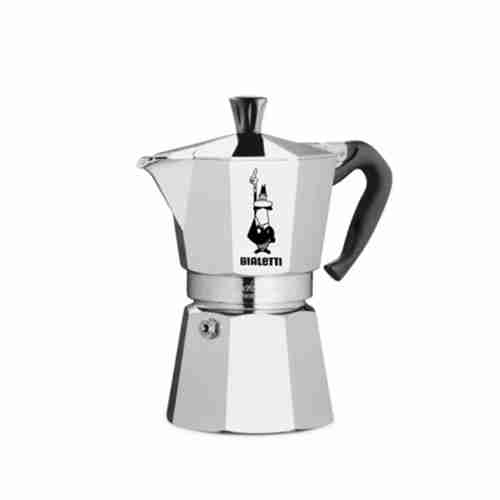
Aluminum is used in the manufacturing of various consumer goods such as appliances, cookware, and furniture. Its corrosion resistance and ability to be easily molded into different shapes make it a popular choice.
6.6 Electronics

Aluminum is used in the electronics industry for components like heat sinks due to its excellent thermal conductivity. It helps dissipate heat generated by electronic devices, preventing overheating.
6.7 Recreation and Sports Equipment
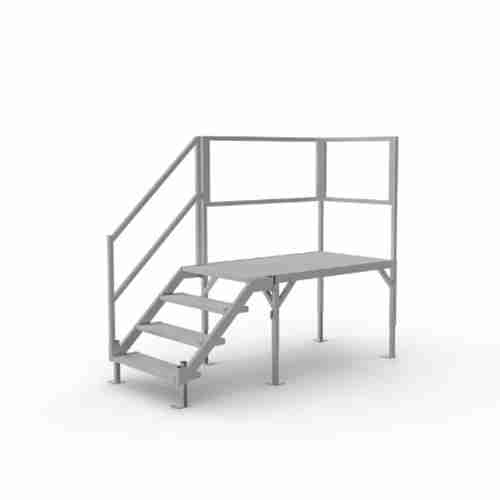
Aluminum is used in the production of sports equipment like bicycles, baseball bats, golf clubs, and camping gear. Its lightweight properties make it desirable for these applications.
6.8 Fence
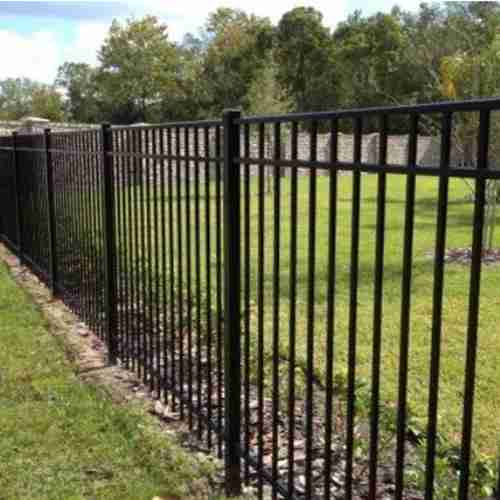
An aluminum fence is a type of fencing system constructed primarily from aluminum. Aluminum is a rust-resistant material, making it suitable for outdoor applications. Aluminum fences are known for their longevity and ability to withstand various weather conditions without corroding.
Unlike iron or steel fences, aluminum fences do not require painting or regular maintenance to prevent rust. They typically only need occasional cleaning with soap and water to maintain their appearance.
7. Why is steel cheaper than aluminium?
The relative cost of steel compared to aluminum is influenced by various factors, and it’s essential to consider the characteristics of each material and the processes involved in their production. Here are some reasons why steel is often cheaper than aluminum:
7.1 Raw Material Costs
Steel is primarily made from iron ore, which is abundant and generally less expensive than the bauxite ore used to produce aluminum. The availability and cost of raw materials play a significant role in determining the overall cost of production.
7.2 Production Processes
The production of steel typically involves less complex and less energy-intensive processes compared to aluminum production. The smelting and refining processes for aluminum are more energy-intensive, requiring significant electricity.
7.3 Energy Consumption
Aluminum smelting is an energy-intensive process that involves electrolysis, where aluminum oxide is dissolved in molten cryolite and subjected to an electric current. The high energy requirements for aluminum production contribute to its higher production costs compared to steel.
7.4 Recycling
Aluminum is often considered more environmentally friendly because it is highly recyclable without losing its inherent properties. However, the recycling process for aluminum is also energy-intensive. Steel is also recyclable but may require more processing.
7.5 Density and Weight
Aluminum is lighter than steel, making it a preferred material in industries where weight is a critical factor, such as aerospace and automotive manufacturing. The lower density of aluminum can contribute to its higher cost per unit volume compared to steel.
7.6 Market Dynamics
Market demand, competition, and other economic factors can influence the pricing of both steel and aluminum. The global supply and demand balance for each material can affect their respective prices.
8. What is the environmental impact of aluminum?
The environmental impact of aluminum production and use involves various stages, from extraction of raw materials to manufacturing, utilization, and disposal. Here are some key aspects of the environmental impact of aluminum:
Bauxite Mining: The primary source of aluminum is bauxite, and its extraction involves clearing forests and disrupting ecosystems. Mining activities can lead to deforestation, habitat destruction, and soil erosion, impacting local biodiversity.
Energy Consumption: The smelting process to extract aluminum from bauxite is energy-intensive. The Hall-Héroult process, commonly used for aluminum smelting, relies on large amounts of electricity. If the electricity is generated from fossil fuels, the process contributes to greenhouse gas emissions and air pollution.
Greenhouse Gas Emissions: The production of aluminum is associated with significant greenhouse gas emissions, primarily due to the energy-intensive smelting process. Emissions occur both directly from the process and indirectly through the generation of electricity.
Water Use and Contamination: Aluminum refining and processing require substantial water usage. The discharge of process water may contain pollutants, affecting local water quality and aquatic ecosystems.
Waste Generation: Aluminum production generates various types of waste, including red mud from bauxite refining. Proper disposal of these by-products is crucial to prevent environmental harm.
Transportation Impact: The transportation of raw materials, processed aluminum, and finished products contributes to the overall environmental footprint. This includes energy consumption and emissions from the transportation of bauxite, alumina, and aluminum.
End-of-Life Management: Aluminum is highly recyclable, and recycling it requires significantly less energy compared to primary production. However, not all aluminum products are recycled, leading to the accumulation of aluminum in landfills.
Human Health Impacts: Some aspects of aluminum production, such as bauxite mining and processing, can have health implications for local communities due to air and water pollution.
Efforts to mitigate the environmental impact of aluminum include increasing recycling rates, improving energy efficiency in production processes, adopting cleaner energy sources, and implementing sustainable mining practices.
9. Is aluminum recyclable?
Yes, aluminum is highly recyclable. Recycling aluminum has several environmental and economic benefits. The process of recycling aluminum requires significantly less energy compared to extracting it from raw materials.
When aluminum is recycled, it can be melted down and used to create new products, saving resources and reducing greenhouse gas emissions.
In fact, aluminum is one of the most recyclable materials, and it can be recycled repeatedly without losing its quality. Recycling aluminum also helps in conserving natural resources, as the extraction of aluminum from bauxite ore involves significant energy consumption and environmental impact.
To promote recycling, many communities have established recycling programs that accept aluminum cans and other aluminum products. It’s important for individuals to participate in these recycling efforts to contribute to the sustainable use of resources and reduce the environmental impact of aluminum production.
9.1 The history of aluminum recycled
The history of aluminum recycling is a testament to the evolution of environmental consciousness, technological advancements, and economic imperatives. Aluminum has been in use for centuries, but its production was costly and labor-intensive until the late 19th century.
In 1886, Charles Martin Hall in the United States and Paul Héroult in France independently developed the Hall-Héroult process, which significantly reduced the cost of aluminum production by electrolyzing aluminum oxide (alumina) dissolved in molten cryolite.
The invention of the Hall-Héroult process led to a rapid expansion of aluminum production. It quickly became a popular material due to its lightweight, corrosion resistance, and versatility in various industries such as transportation, construction, and packaging.
The demand for aluminum surged during World War I and World War II for military purposes, aircraft construction, and weaponry. Recycling efforts during these times were significant, as aluminum was seen as a strategic material.
After World War II, aluminum recycling continued to grow. Scrap aluminum was collected from various sources, including beverage cans, automotive parts, and construction materials. However, recycling rates were relatively low compared to today’s standards.
In the latter half of the 20th century, increasing environmental awareness and concerns about resource depletion and pollution spurred greater interest in recycling. Aluminum, being infinitely recyclable without losing its properties, became a focal point of recycling efforts.
Advanced recycling technologies, such as shredding, melting, and refining, have made aluminum recycling more efficient and cost-effective. The development of curbside recycling programs, deposit systems for beverage containers, and industrial recycling initiatives further boosted aluminum recycling rates.
9.2 How is aluminum recycled?
Aluminum recycling is a process that involves several steps to transform discarded aluminum materials into usable products. Here’s a general overview of how aluminum recycling typically works.
9.2.1 Collection
The first step in aluminum recycling is the collection of used aluminum items. These items can include beverage cans, foil packaging, automotive parts, construction materials, and more. Aluminum can be collected from various sources such as recycling centers, municipal waste collection programs, and industrial scrap yards.
9.2.2 Sorting
Once collected, the aluminum materials are sorted based on their alloy composition and form. This sorting process helps in separating different types of aluminum for more efficient recycling.
9.2.3 Cleaning
After sorting, the aluminum items undergo cleaning to remove any contaminants such as dirt, grease, or coatings. Clean aluminum ensures a higher quality of recycled material.
9.2.4 Shredding
The cleaned aluminum is then shredded into small pieces or chips. Shredding increases the surface area of the material, making it easier to melt down during the next step.
9.2.5 Melting
The shredded aluminum chips are melted in a furnace at high temperatures. The melting process requires a significant amount of energy but consumes less energy compared to primary aluminum production from ore.
9.2.6 Purification
During melting, impurities and alloying elements are removed from the molten aluminum through various purification techniques such as fluxing or degassing.
9.2.7 Casting
Once purified, the molten aluminum is poured into molds to form ingots or other shapes. These ingots can be used to produce new aluminum products.
9.2.8 Rolling or Extrusion
Depending on the desired end product, the recycled aluminum ingots may undergo further processing such as rolling or extrusion to create sheets, plates, rods, or other forms.
9.2.9 Fabrication
Finally, the recycled aluminum products are fabricated into new items such as beverage cans, automotive parts, building materials, or consumer goods.
10. The advantages of aluminum recycled
Recycling aluminum offers numerous advantages, both environmental and economic. Here are some of the key benefits:
Conservation of Resources: Recycling aluminum conserves natural resources because aluminum is extracted from bauxite ore, a non-renewable resource. By recycling aluminum, we reduce the need for mining and extracting new bauxite, preserving these resources for future generations.
Energy Savings: Recycling aluminum requires significantly less energy compared to producing new aluminum from bauxite ore. The energy saved by recycling aluminum can be as much as 95%, reducing greenhouse gas emissions and mitigating the environmental impact of aluminum production.
Reduced Landfill Waste: Aluminum is highly recyclable and does not degrade in quality during the recycling process. By recycling aluminum, we divert it from landfills, where it would otherwise occupy space for hundreds of years.
Lower Carbon Emissions: The energy-intensive process of extracting aluminum from bauxite ore emits greenhouse gases, contributing to climate change. Recycling aluminum reduces the demand for primary aluminum production, thereby lowering carbon emissions associated with the manufacturing process.
Cost Savings: Recycling aluminum is often more cost-effective than producing new aluminum. The recycling process requires fewer resources and energy inputs, resulting in cost savings for manufacturers and consumers alike.
Job Creation: The recycling industry generates employment opportunities in collection, processing, and manufacturing sectors. Recycling facilities, scrap yards, and aluminum processing plants create jobs and support local economies.
Promotion of Circular Economy: Recycling aluminum is a fundamental aspect of the circular economy, where resources are reused, remanufactured, and recycled to minimize waste and maximize resource efficiency. By incorporating recycled aluminum into new products, we close the loop and reduce reliance on virgin materials.
Preservation of Ecosystems: Mining for bauxite ore can have significant environmental impacts, including habitat destruction, soil erosion, and water pollution. By recycling aluminum, we lessen the need for destructive mining practices, helping to protect ecosystems and biodiversity.
Reduced Dependence on Imports: Recycling aluminum domestically reduces dependence on imported raw materials, enhancing national security and reducing vulnerability to fluctuations in global commodity markets.
Promotion of Sustainability: Choosing recycled aluminum promotes sustainable consumption and production patterns. It encourages individuals, businesses, and governments to prioritize resource efficiency, waste reduction, and environmental stewardship.
11. What are the health effects of aluminum exposure?
Excessive exposure to aluminum can have various health effects, although it’s important to note that most people are exposed to low levels of aluminum without any apparent harm. Aluminum is a naturally occurring element and is widely used in daily life, including in food, medications, and household products.
However, elevated or prolonged exposure to high levels of aluminum may lead to health concerns. Here are some potential health effects associated with aluminum exposure:
Neurological Effects: Some studies suggest a possible link between high aluminum exposure and neurological disorders such as Alzheimer’s disease. However, the evidence is not conclusive, and the exact role of aluminum in these conditions is still a subject of research.
Bone Disorders: High levels of aluminum in the body have been associated with bone disorders, as aluminum can interfere with the absorption and utilization of calcium and phosphorus. This may result in weakened bones and potentially contribute to conditions like osteoporosis.
Respiratory and Pulmonary Effects: Workers in certain industries, such as aluminum smelting, may be exposed to high levels of airborne aluminum dust, which can lead to respiratory and pulmonary issues over time.
Kidney Damage: The kidneys are responsible for filtering and excreting excess aluminum from the body. Prolonged exposure to high levels of aluminum may lead to kidney damage in some individuals, especially those with pre-existing kidney conditions.
Anemia: Some studies suggest a possible association between aluminum exposure and an increased risk of anemia, although the mechanisms are not well understood.
12. Conclusion
Aluminum is a versatile and widely used metal with various applications across industries such as transportation, construction, packaging, and electronics. Its popularity stems from its unique properties, including its lightweight nature, corrosion resistance, and excellent conductivity.
In conclusion, aluminum plays a crucial role in modern society due to its abundance, recyclability, and numerous advantageous characteristics. Its applications continue to expand as technology advances, making it an indispensable material in various sectors of the global economy.
Additionally, the ongoing emphasis on sustainability and environmental consciousness has further propelled the demand for aluminum, given its recyclability and energy-efficient production methods. Overall, aluminum remains a vital material contributing to innovation, economic growth, and sustainability efforts worldwide.