
Table of Contents
1.What is a coated fencing panel?

Coated fencing panel refers to a type of fencing system where the metal or other material used for the fence is coated with a protective layer. This coating serves multiple purposes, including enhancing the durability and longevity of the fencing panel.
The coating can provide resistance against corrosion, rust, weathering, and other environmental factors.
Common materials for coated fencing panels include steel, aluminum, or iron. The coating is typically applied through processes such as powder coating, galvanization, or painting.
Powder coating involves applying a dry powder to the metal surface, which is then heated to form a durable and protective layer. Galvanization involves coating the metal with a layer of zinc to protect it from corrosion.
The coating not only adds a layer of protection but also contributes to the aesthetic appeal of the fencing by providing options for different colors and finishes.
2.Coatings types for coated fencing panels
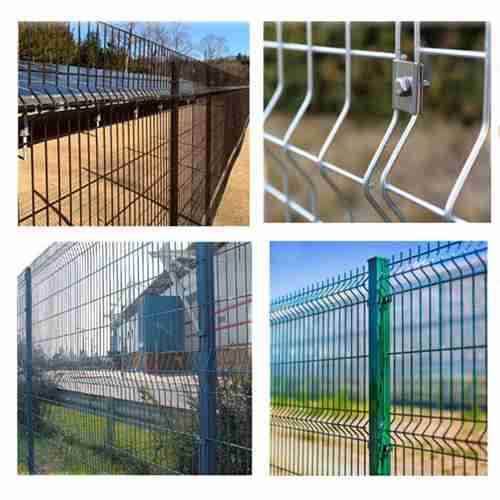
Coated fencing panel can be coated with various materials to enhance their durability, appearance, and resistance to environmental factors.
The choice of coating depends on factors such as the type of metal used in the panels, the intended purpose of the fence, and the local climate. Here are some common types of coatings used for fencing panels.
2.1 Galvanized Coating
Galvanized coating is a common method used to protect fencing panels from corrosion and extend their lifespan. Galvanization involves applying a layer of zinc to the surface of the metal, typically steel, to create a protective barrier against rust and other forms of corrosion.
This process is widely used in the construction and manufacturing industries, including the production of coated fencing panels.
The metal surface, in this case, the fencing panels made of steel, is cleaned to remove any dirt, rust, or other contaminants. This step is crucial to ensure proper adhesion of the galvanized coating.
The cleaned panels are immersed in a bath of molten zinc, usually at temperatures around 450°C (850°F). The zinc bath can be pure zinc or a zinc alloy.
When the panels are immersed in the molten zinc, a metallurgical reaction occurs, forming a series of zinc-iron alloy layers on the steel surface. This results in a bonded coating that provides excellent corrosion resistance.
After the panels are withdrawn from the zinc bath, they are allowed to cool. Sometimes, they are quenched in water to accelerate the cooling process.
2.2 Powder Coating
Powder coating is a popular finishing technique for coated fencing panels due to its durability, corrosion resistance, and aesthetic appeal.
The first step is to ensure that the surface of the fencing panels is clean and free from any contaminants such as dirt, oil, or rust. This can be achieved through methods like sandblasting, chemical cleaning, or a combination of both.
If there are any areas of the fencing panels that should not be coated, they need to be properly masked off using tape or other masking materials.
Powder coating involves electrostatically applying a dry powder to the surface of the fencing panels. The panels are charged with an electric current, and the powder is sprayed onto them. The charged particles adhere to the grounded panels, creating a uniform coating.
After the powder has been applied, the fencing panels are moved to a curing oven. The high temperature in the oven causes the powder to melt and fuse into a smooth, durable coating. The curing process typically takes around 15-30 minutes at temperatures ranging from 300°F to 450°F (150°C to 232°C).
2.3 Vinyl Coating
Vinyl coating is a popular method for enhancing the durability and aesthetics of fencing panels. Vinyl coating provides a layer of protection to the underlying material, often metal, and offers several advantages.
Vinyl coating is commonly applied to metal fencing panels, such as steel or aluminum, to protect against corrosion and rust. Ensure that the material of the fencing panels is compatible with the vinyl coating process.
One of the primary benefits of vinyl coating is its ability to resist corrosion, which is crucial for outdoor applications where fencing is exposed to the elements. This feature extends the lifespan of the fencing panels and reduces maintenance requirements.
2.4 Paint Coating
Paint coating on fencing panels serves several important purposes, including enhancing the aesthetic appeal, protecting the panels from environmental elements, and extending their lifespan.
The primary purpose of the paint coating is to protect the fencing panels from corrosion. This is especially crucial for metal fencing panels, as exposure to moisture and other environmental factors can lead to rust and corrosion over time.
Paint coatings provide an opportunity to enhance the appearance of the fencing panels. Different colors and finishes can be chosen to match the overall design and aesthetic preferences of the property.
2.5 Aluminum Coating
Aluminum is naturally corrosion-resistant, making it an excellent choice for coating materials that are exposed to the elements. This resistance helps protect the fencing panels from rust and other forms of corrosion, increasing their lifespan.
The aluminum coating adds a layer of protection to the fencing panels, making them more durable and resistant to wear and tear. This is particularly important in outdoor environments where panels may be exposed to harsh weather conditions.
Aluminum coatings can enhance the visual appeal of fencing panels. The coating can be applied in various colors and finishes, providing a sleek and modern look to the panels.
2.6 Epoxy Coating
Proper surface preparation is crucial for the success of the epoxy coating. Ensure that the fencing panels are clean, dry, and free of any dirt, rust, or contaminants. You may need to sand or use a chemical cleaner to achieve a suitable surface.
Applying a primer before the epoxy coating can enhance adhesion and durability. The primer helps create a bond between the substrate and the epoxy, improving the overall performance of the coating.
Epoxy coatings can be applied using various methods, including brushing, rolling, or spraying. The chosen method may depend on the size and shape of the fencing panels. Ensure that the coating is applied evenly to achieve a uniform finish.
2.7 Anti-Corrosive Primer
Before applying any primer, ensure that the surface of the fencing panels is clean and free from dirt, rust, grease, and other contaminants. Use appropriate cleaning methods such as power washing, sanding, or chemical cleaning to prepare the surface.
Choose a primer specifically designed for metal surfaces. Common types include zinc-rich primers, epoxy primers, and rust-inhibiting primers. Zinc-rich primers are effective in preventing corrosion by providing sacrificial protection. They are suitable for steel surfaces.
Epoxy primers are known for their excellent adhesion and corrosion resistance. They form a strong bond with the metal surface and provide a protective barrier against corrosion.
3.The primary purpose of coated fencing panel
Coated fencing panels serve several purposes, primarily related to enhancing the durability, appearance, and functionality of the fencing system. The coating on these panels is typically a protective layer applied to the surface of the metal, often made of materials like galvanized steel, vinyl, or powder coating. Here are some primary purposes of coated fencing panels.
3.1 Corrosion Resistance
The coating provides a protective barrier against environmental elements, preventing the underlying metal from rust and corrosion. This is especially important for outdoor fencing exposed to rain, humidity, and other harsh weather conditions.
3.2 Durability
The coating enhances the overall durability of the fencing panel, making it more resistant to wear and tear over time. This is crucial for maintaining the structural integrity of the fence and ensuring a longer lifespan.
3.3 Aesthetic Appeal
Coated fencing panels come in a variety of colors and finishes, contributing to the overall aesthetics of the property. The coating can be customized to match the surrounding environment or adhere to specific design preferences.
3.4 Security and Privacy
Depending on the type of coating used, the panels may offer increased security and privacy. For example, opaque coatings or materials can limit visibility through the fence, enhancing privacy for residential or commercial properties.
4.The coating thickness of the coated fencing panel
The coating thickness of a coated fencing panel can vary depending on the type of coating used and the specifications of the manufacturer. Coatings are applied to fencing panels for various reasons, including corrosion resistance, aesthetics, and durability. Common types of coatings for fencing panels include.
4.1 Galvanized Coating
This involves applying a layer of zinc to the steel or iron fencing panel to protect it from corrosion. The thickness of the galvanized coating is often specified in terms of ounces per square foot (oz/ft²) or grams per square meter (g/m²).
4.2 Powder Coating
This is a type of dry finishing process where a powdered paint is applied to the fencing panel and then cured under heat to form a hard coating. The thickness of powder coatings is typically measured in mils (thousandths of an inch) or micrometers (microns).
4.3 Paint Coating
Traditional liquid paint coatings are also used on fencing panels. The thickness of paint coatings is usually measured in mils.
Manufacturers typically provide specifications for the coating thickness of their products, and these specifications can be found in product datasheets or technical documentation. For example, a specification might state that a galvanized coating has a thickness of 2 oz/ft² or that a powder coating has a thickness of 3 mils.
5.Color options of coated fencing panel
The color options for coated fencing panels can vary depending on the manufacturer and the specific type of coating used. However, many fencing panels are available in a wide range of colors to suit different preferences and aesthetic requirements. Common color options for coated fencing panels may include:
Black: A classic and popular choice for many types of fencing, black provides a sleek and modern look.
White: White fencing panels can create a clean and elegant appearance, often used in residential settings.
Green: Green-coated fencing panels are common for garden or agricultural applications, blending well with natural surroundings.
Brown: Brown-colored panels can provide a more rustic or earthy look, suitable for both residential and commercial settings.
Gray/Silver: A neutral and versatile option that can complement various architectural styles.
Beige/Tan: A warm and neutral color that can work well in different environments, including residential and commercial properties.
Blue: While less common, some manufacturers offer blue-coated fencing panels for a unique and eye-catching appearance.
Red: Another less common option, red-coated panels can add a bold and distinctive touch to fencing.
Custom Colors: Some manufacturers may offer custom color options, allowing customers to choose a specific color that matches their preferences or branding.
6.Advantages of using coated fencing panels
Coated fencing panels offer several advantages due to the protective coating applied to the surface of the panels. Here are some of the key benefits.
6.1 Corrosion Resistance
The corrosion resistance of coated fencing panels depends on the type of coating applied to the panels. Coatings are often used to protect metal surfaces from corrosion caused by exposure to environmental elements such as moisture, salt, chemicals, and pollutants.
6.2 Extended Lifespan
The lifespan of coated fencing panels can be extended compared to non-coated alternatives due to the protective coating applied to the panels. The coating serves as a barrier against environmental elements, preventing corrosion and other forms of deterioration.
The primary purpose of coating on fencing panels is to protect them from corrosion. This is especially important in outdoor environments where exposure to rain, snow, humidity, and other elements can lead to rust and corrosion.
Coatings, such as galvanization or powder coating, create a barrier that helps resist corrosion and prolongs the life of the panels.
6.3 Weather Resistance
Powder coating is a common and durable option for metal fencing panels. It provides a protective layer that is resistant to corrosion, UV rays, and harsh weather conditions.
Galvanized coatings are applied to steel or iron fencing panels to protect against rust and corrosion. This coating consists of a layer of zinc, which provides excellent weather resistance.
6.4 Easy Maintenance
Using coated fencing panels can make maintenance easier compared to traditional fencing materials, as the coating provides added protection against elements like rust and corrosion.
Wash the coated fencing panels regularly with water to remove dirt, dust, and other debris. Use a mild detergent or soap if necessary. A gentle scrub with a soft brush or cloth can help in removing stubborn stains or bird droppings.
Avoid using harsh chemicals or abrasive cleaners, as they may damage the coating. Stick to mild cleaning solutions to preserve the integrity of the coating.
Periodically inspect the fencing panels for any signs of damage such as scratches, chips, or peeling in the coating. Promptly address any issues to prevent further deterioration.
6.5 Aesthetic Appeal
Coated fencing panels come in a wide range of colors, allowing you to choose a palette that complements the surrounding environment or matches the overall design scheme of your property. This customization helps create a cohesive and visually pleasing look.
The coating on fencing panels not only adds a layer of protection against corrosion and rust but also helps maintain the original color for an extended period. This durability ensures that the fencing looks aesthetically pleasing over time, with minimal fading or degradation.
Coated fencing panels often have a sleek and modern appearance. The smooth finish of the coating contributes to a clean and polished look, making them suitable for contemporary architectural styles.
Coated fencing panels are available in various designs and styles. Whether you prefer a classic wrought iron appearance or a more modern and minimalist design, the versatility of coated panels allows you to choose a style that aligns with your aesthetic preferences.
6.6 Versatility
Coated fencing panels are suitable for a wide range of applications, including residential, commercial, and industrial settings. The versatility of coated panels makes them a popular choice for various fencing needs.
6.7 Easy Installation
Many coated fencing panels are designed for easy installation. The protective coating does not interfere with the installation process and may even make it smoother by reducing friction during assembly.
6.8 Environmental Benefits
Some coating materials, such as powder coating, are environmentally friendly. They emit fewer volatile organic compounds (VOCs) compared to traditional paint, contributing to a more sustainable and eco-friendly fencing solution.
6.9 Cost-Effective
Coated fencing panels are known for their durability and resistance to rust and corrosion. This can result in a longer lifespan compared to non-coated alternatives.
While coated panels may have a higher initial cost, the reduced need for maintenance and replacement can make them more cost-effective over time.
Coated panels generally require less maintenance compared to untreated materials. Regular painting or rust prevention measures are often not necessary, reducing ongoing maintenance costs.
6.10 Security and Privacy
Coated fencing panels can provide enhanced security and privacy, depending on the type of coating and the specific design of the panels.
Coated fencing panels can act as a deterrent to potential intruders. The coating can make it more difficult for individuals to climb or breach the fence, enhancing overall security.
The coating on the panels can contribute to the overall durability of the fence, making it more resistant to weathering, corrosion, and other environmental factors. A durable fence is less likely to be easily compromised.
Some coated panels may have anti-climb features, such as smooth surfaces or additional security measures, which can further enhance security by making it difficult for unauthorized individuals to scale the fence.
Coated panels with opaque or solid coatings provide increased privacy by obstructing the view from outside. This is especially important for residential properties or areas where privacy is a priority.
Depending on the material and design of the coated panels, they may offer some degree of noise reduction, contributing to a more private and peaceful environment.
7.The typical lifespan of coated welded fencing panels
The lifespan of coated welded fencing panels can vary depending on several factors, including the type of coating, environmental conditions, maintenance, and the quality of the materials used. Here are some general guidelines.
7.1 Type of Coating
Galvanized Coating: Galvanized steel panels are coated with a layer of zinc to protect against corrosion. These panels can have a relatively long lifespan, often ranging from 20 to 50 years or more, depending on the thickness of the coating and the severity of the environment.
Powder Coating: Some fencing panels may have an additional powder coating for aesthetic purposes and extra protection. The lifespan of powder-coated panels can vary but is generally in the range of 10 to 20 years.
7.2 Environmental Conditions
Harsh environmental conditions, such as exposure to saltwater, extreme temperatures, or high humidity, can accelerate the corrosion process. In coastal areas with salt spray, for example, galvanized coatings may degrade faster.
Regular maintenance, such as cleaning and inspecting the panels for any damage or corrosion, can significantly extend their lifespan. Touching up or recoating damaged areas can also help prevent further deterioration.
8. Conclusion
The conclusion regarding coated fencing panels depends on various factors such as the type of coating, the intended application, and the specific requirements of the project.
Coated fencing panels are generally designed to enhance durability and resist environmental elements. The conclusion would depend on the type of coating material used and its ability to withstand factors like corrosion, UV exposure, and harsh weather conditions.
The primary purpose of coatings on fencing panels is often to prevent corrosion and rust. The conclusion should evaluate the effectiveness of the coating in protecting the panels from moisture, chemicals, and other corrosive agents.
Coated fencing panels are often chosen for their aesthetic appeal. The conclusion would involve assessing the appearance and how well the coating maintains its visual appeal over time.
In summary, the conclusion about coated fencing panels will depend on a thorough evaluation of their durability, corrosion resistance, aesthetic appeal, maintenance requirements, cost-effectiveness, application suitability, environmental impact, and the associated warranties.
