
Table of Contents
1. What is road barrier?
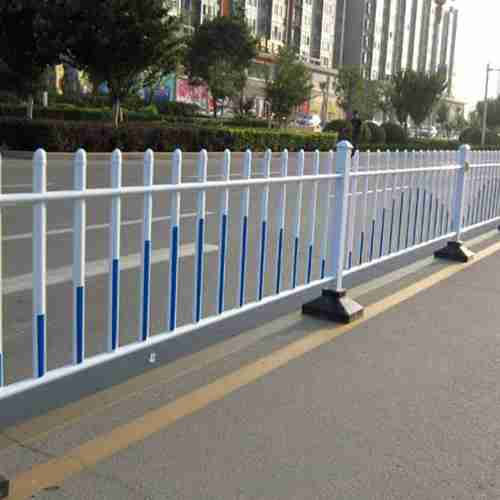
Road barrier is a physical structure installed along roads, highways, or streets to enhance safety by preventing vehicles from leaving the roadway or crossing into opposing traffic lanes. These barriers come in various forms and materials, such as concrete barriers, metal guardrails, cable barriers, and plastic barriers.
Their primary purpose is to redirect vehicles safely, absorb impact energy, or act as a physical barrier to reduce the severity of accidents and protect motorists, pedestrians, and properties adjacent to the road.
Road barriers are strategically placed based on road design, traffic volume, speed limits, and potential hazards to mitigate risks and minimize the impact of collisions or accidents.
2. Different types of road barriers
Road barriers play a crucial role in ensuring safety and managing traffic flow on roads. They come in various types and are designed for different purposes. Here are some common types of road barriers.
2.1 Concrete Barriers
These are robust road barriers made of concrete and are commonly used for highway median barriers or to separate lanes. They provide a strong physical barrier between opposing traffic flows and are designed to redirect vehicles upon impact.
Concrete barriers are sturdy and heavy barricades primarily used in various traffic management, construction, and security applications. These barriers are made from reinforced concrete and are easily recognizable by their distinctive shape, which resembles an inverted “T” or an elongated “L.”
They are often used on roads and highways to direct the flow of traffic, separate lanes, or prevent vehicles from crossing into opposing lanes. These barriers can minimize the impact of accidents and protect against head-on collisions.
2.2 Steel Barriers
Steel barriers are robust structures typically used to manage and control crowds in various settings. These barriers are commonly seen in events, construction sites, concerts, parades, festivals, and other public gatherings.
Steel barriers create designated pathways or restricted areas, helping to direct the flow of pedestrian traffic and prevent overcrowding or chaos.
They act as a physical barrier to prevent unauthorized access to restricted areas or potential hazards. For instance, they can keep spectators away from construction zones or separate crowds from performers or VIP areas.
2.3 Water-filled Barriers
Water-filled barriers are safety devices used for traffic management, crowd control, construction sites, and various other purposes. They are typically made of plastic or other durable materials and can be easily transported and set up as needed.
These barriers are designed to be filled with water, providing stability and weight to prevent movement or displacement. They come in various sizes, shapes, and colors, and their flexibility allows them to be arranged in different configurations to suit specific needs.
2.4 Guardrails
Guardrails refer to protective road barriers or rails installed along roads, highways, bridges, or any elevated surface to enhance safety by preventing vehicles from veering off the roadway or falling off the edge.
They are designed to redirect vehicles that might accidentally leave the roadway, thereby reducing the risk of severe accidents, injuries, or fatalities.
Guardrails come in various forms, such as metal barriers, concrete walls, cable barriers, and even natural elements like trees or rocks in some cases. The choice of guardrail depends on factors like road layout, traffic volume, speed limits, and the surrounding environment.
2.5 Cable Barriers
Cable barriers are safety devices used on roads and highways to reduce the severity of accidents and prevent vehicles from crossing medians or leaving their designated lanes. Road barriers are typically made of high-tension steel cables strung between posts anchored to the ground.
The primary purpose of cable barriers is to absorb and redirect the energy of a crashing vehicle, helping to prevent it from crossing into oncoming traffic or leaving the roadway.
When a vehicle collides with the cables, they are designed to flex and absorb the impact, slowing down the vehicle and redirecting it back into its lane, thereby minimizing the chances of a more severe collision.
2.6 Plastic Barriers
Plastic barriers or acrylic partitions, are physical barriers made from transparent materials like acrylic, plexiglass, or polycarbonate. These barriers are designed to provide a protective shield between individuals in various settings to prevent the spread of germs, particularly in situations where close contact is inevitable.
Road barriers serve various purposes on highways, streets, and construction sites. They are designed to enhance safety, control traffic flow, and provide protection. Here are key features and functionalities commonly associated with road barriers.
3.1 Material Composition
Road barriers can be made from various materials depending on their purpose, durability requirements, and the environment they’re intended for.
Concrete barriers are popular due to their durability and strength. They are often used for highway dividers and roadside barriers. Steel barriers are strong and commonly used for temporary barriers. They are effective in redirecting traffic or preventing entry to certain areas.
Plastic barriers are lightweight and often used for temporary or movable barriers. They are easier to transport and install compared to concrete or steel barriers. Wood barriers are not as common in modern road construction but were historically used. They are less durable and have been largely replaced by more robust materials.
3.2 Safety Enhancement
Improving the safety of road barriers is essential to minimize the impact of accidents and enhance overall road safety.
Explore the use of advanced materials with energy-absorbing properties to reduce the force of impact in case of a collision. Consider materials that are durable, resistant to corrosion, and require minimal maintenance.
Ensure that road barriers are highly visible, especially during low-light conditions and adverse weather. Use reflective materials and incorporate high-visibility markings to make barriers easily noticeable to drivers.
3.3 Traffic Control
Traffic control of road barriers involves the use of various measures and technologies to regulate the flow of vehicles and ensure safety on the road. Here are some common methods and technologies used for traffic control of road barriers:
Traffic police or personnel manually control road barriers to allow or restrict the passage of vehicles. This method is effective in areas with low traffic volume and at specific times, such as during construction or special events.
Traffic lights are used in conjunction with road barriers to manage the flow of vehicles at intersections and entry/exit points. Sequential control of traffic lights can coordinate with the opening and closing of barriers to optimize traffic flow.
3.4 Impact Resistance
The impact resistance of road barrier refers to its ability to withstand collisions or impacts from vehicles and provide effective protection. The level of impact resistance can vary depending on the type of barrier, its design, materials used, and its intended purpose.
Road barriers are installed for various reasons, including traffic safety, preventing vehicle intrusion, and protecting pedestrians and property.
The choice of materials plays a crucial role in determining impact resistance. Common materials include concrete, steel, plastic, and composite materials. Each material has its own set of characteristics and impact-resistant properties.
The design of the barrier, including its shape, height, and structural features, influences its ability to absorb and distribute impact energy. Some barriers are designed to deform upon impact, while others may have additional features like energy-absorbing mechanisms.
3.5 Visibility and Reflectivity
The visibility and reflectivity of road barriers are crucial factors in ensuring road safety, especially during low-light conditions or at night. Road barriers are designed to provide a visual warning to drivers, helping them identify potential hazards and navigate the road safely.
Road barriers often incorporate reflective materials to enhance visibility. Reflective tapes, sheets, or paint containing glass beads or microprismatic elements are commonly used. These materials reflect light from vehicle headlights, making the barriers more visible in the dark.
The color of the road barrier plays a role in visibility. High-contrast colors, such as bright orange or yellow, are often chosen to make the barriers stand out against the background. This helps drivers quickly identify the presence of barriers, especially in diverse environmental conditions.
3.6 Modularity and Interlocking
Modularity and interlocking of road barriers refer to the design and construction features that allow individual barrier units to connect seamlessly, creating a continuous and effective barrier system. These features enhance the flexibility, stability, and overall performance of road barriers.
Road barriers are often designed as modular units, allowing them to be easily connected or stacked to achieve the desired length or configuration. Modular barriers are advantageous for quick installation and removal. This is especially useful in temporary traffic control situations or during road maintenance activities.
3.7 Temporary or Permanent Installation
The decision to use temporary or permanent road barriers depends on various factors, including the purpose of the barrier, the duration of its required use, and the level of permanence needed.
Temporary barriers are often used in construction zones to redirect traffic, create work zones, or protect workers during construction activities. These barriers can be easily installed and removed as needed.
Temporary road barriers are commonly deployed for special events such as parades, festivals, or road races. They help control traffic and create safe zones for event participants and spectators.
Permanent barriers can be used for security purposes, such as protecting critical infrastructure, government buildings, or high-profile locations from unauthorized vehicle access.
In urban planning, permanent road barriers can be integrated into the overall design of a street or neighborhood to control traffic flow, enhance safety, or create pedestrian-friendly zones.
3.8 Water-Filled or Moveable Barriers
Water-filled barriers and movable barriers are two types of road barriers designed to enhance road safety and manage traffic flow. Each type serves specific purposes and has unique features.
These barriers are typically made of plastic and are hollow. They can be filled with water to provide stability and weight. Water-filled barriers are easy to transport and install. Once in place, they can be filled with water using hoses or other filling mechanisms.
Moveable barriers are often made of materials like steel or concrete. They are designed to be easily relocated or adjusted to accommodate changing traffic conditions. These barriers can be manually moved or repositioned using specialized machinery. Some moveable barriers are automated and can be adjusted remotely.
Moveable barriers provide versatility in managing traffic flow. They can be configured to create temporary lanes, redirect traffic during peak hours, or respond to specific road conditions.
3.9 Accessibility for Maintenance
Ensure that road barriers are designed with accessibility features in mind. This includes using standardized components and designing barriers that are easy to inspect and maintain. Consider modular designs that allow for the replacement of individual components without the need for extensive dismantling or road closures.
3.10 Regulatory Compliance
Regulatory compliance for road barriers typically involves adherence to various standards and regulations set by government authorities or relevant organizations. The specific requirements may vary depending on the country or region.
Road barriers are often subject to crashworthiness standards to ensure they can effectively absorb and redirect energy during a collision. Compliance with standards such as those set by the American Association of State Highway and Transportation Officials (AASHTO) or the European Standard EN 1317 may be required.
Road barriers should meet visibility requirements to enhance safety, especially during low-light conditions. Reflective materials and proper markings may be mandated by transportation agencies to improve visibility.
4. The components of road barrier
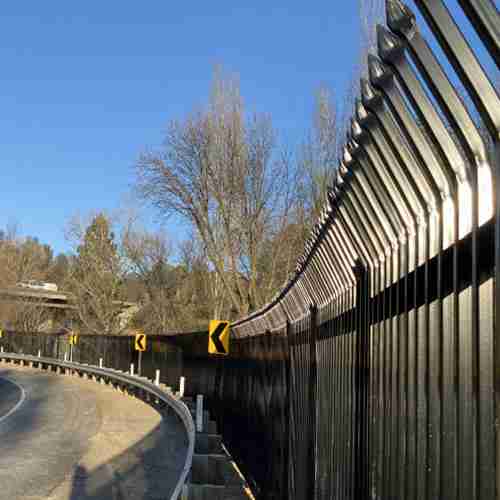
Road barriers are essential safety features on highways and roads, designed to control, redirect, or prevent vehicular traffic in certain areas. These barriers come in various forms and materials, each serving specific purposes. The components of a typical road barrier may include.
4.1 Barrier Body
The main structure of the road barrier, usually made from materials like concrete, steel, plastic, or a combination thereof. This body acts as the primary obstacle for vehicles and provides protection.
4.2 Reflectors or Markings
Reflective materials or painted markings on the barrier to enhance visibility, especially during low-light conditions or at night. These help drivers to see and navigate the road, increasing safety.
4.3 Connectors
Components that allow individual barrier segments to interlock or connect, creating a continuous barrier along the road. Connectors can be bolts, pins, hooks, or other fastening mechanisms.
4.4 End Treatments
Specialized components or designs at the ends of barriers to prevent vehicles from penetrating or going around the barrier. These can include energy-absorbing materials, flared ends, or terminals designed to redirect the vehicle safely.
4.5 Base or Foundation
The part of the barrier that contacts the ground or road surface, providing stability and support. Depending on the barrier type, this could be a concrete foundation, weighted base, or other anchoring systems.
4.6 Crash Attenuators (optional)
Some barriers include crash cushions or attenuators designed to absorb impact energy in case of a collision, reducing the severity of the crash.
4.7 Transition Segments (optional)
Components used when connecting different types of barriers or when transitioning from one barrier system to another, ensuring a smooth and safe flow of traffic.
5. How to choose The Right road barriers?
Choosing the right road barriers involves considering various factors to ensure safety, efficiency, and effectiveness in traffic management. Here’s a guide to help you select the appropriate road barriers.
5.1 Purpose and Application
Determine the primary purpose of the barriers. Are they for traffic control, safety, construction sites, events, or pedestrian protection? Each purpose might require different types of barriers.
5.2 Barrier Type
There are various types of road barriers such as concrete barriers, water-filled barriers, plastic barriers, steel barriers, etc. Choose based on the specific requirements like impact resistance, portability, or visibility.
5.3 Safety Standards
Ensure that the barriers comply with safety regulations and standards in your region or country. Look for certifications and standards that ensure the barriers meet quality and safety requirements.
5.4 Durability and Maintenance
Consider the lifespan and maintenance requirements of the barriers. Some materials might require less maintenance but could be more expensive initially.
5.5 Visibility and Signage
Opt for barriers that offer high visibility to motorists and pedestrians, especially during low-light conditions or in areas with heavy traffic. Reflective surfaces or attached signage might be necessary.
5.6 Ease of Installation and Removal
Depending on the intended use, consider barriers that are easy to install, relocate, or remove. This factor is crucial for temporary applications like construction zones or events.
If the barriers will be used outdoors, consider their resistance to weather conditions such as rain, snow, extreme heat, or cold to ensure they maintain functionality and visibility over time.
Evaluate the cost of the barriers against your budget. Sometimes, higher initial costs might be justified by longer durability and reduced maintenance expenses. Some manufacturers offer customization options like color, size, or additional features. Consider if any customization is needed to meet specific requirements.
6. What are the other uses of road fence?
Road fences serve various purposes beyond simply delineating road boundaries. Some of the additional uses and benefits of road fences include:
6.1 Safety and Accident Prevention
Road barriers play a crucial role in ensuring safety and accident prevention on roads. They are designed to minimize the impact of accidents and provide guidance to drivers.
Ensure that road barriers are designed and installed according to relevant safety standards and guidelines. Consider factors such as the type of road, traffic volume, and speed limits when selecting and placing barriers.
Use highly visible materials and reflective markings on road barriers to enhance visibility, especially during low-light conditions. Ensure that barriers are clearly marked with appropriate signage to alert drivers to potential hazards or changes in road conditions.
6.2 Pedestrian Safety
Road barriers play a crucial role in ensuring pedestrian safety by separating pedestrians from vehicular traffic, guiding them along safe pathways, and preventing unauthorized access to certain areas.
Road barriers physically separate pedestrians from vehicular traffic, providing a designated space for pedestrians to walk safely. This is particularly important in areas with heavy traffic or high-speed roads.
Barriers are often installed near crosswalks to guide pedestrians safely across the road. They can help prevent jaywalking and enhance visibility for both pedestrians and drivers.
Barriers define pedestrian zones, such as sidewalks and pedestrian-only areas. This separation minimizes the risk of pedestrians being in close proximity to moving vehicles.
6.3 Animal Deterrence
Animal deterrence for road barriers is important to prevent wildlife from accessing roads, which can lead to accidents and harm both animals and humans.
Install wildlife fencing along roads to create a physical barrier that prevents animals from entering the road. The fencing should be high enough to deter jumping and extend underground to prevent burrowing.
Use reflectors and warning signs to make roads more visible to animals during the night, reducing the likelihood of them attempting to cross.
Construct underpasses or overpasses specifically designed for wildlife to cross roads safely. These structures allow animals to move freely without coming into direct contact with traffic.
6.4 Noise Reduction
Noise reduction of road barriers is an important consideration in urban planning and transportation infrastructure to mitigate the impact of traffic noise on nearby residents and the environment.
Using sound-absorbing materials in the construction of road barriers can help reduce noise. Materials such as porous concrete, fiberglass, or other absorptive materials can absorb and dissipate sound energy.
6.5 Design and Structure
The design and height of road barriers can influence their effectiveness in reducing noise. Higher barriers and barriers with irregular surfaces can help in deflecting and absorbing sound waves. Tilted or angled barriers can redirect sound waves upwards, away from residential areas.
Planting vegetation along roadways can act as a natural barrier and absorb sound. Trees and shrubs can help break up and dissipate sound waves, providing a more aesthetically pleasing solution.
Advanced technologies like active noise control involve the use of microphones and speakers to actively cancel out noise by generating sound waves that are out of phase with the incoming noise. While more common in indoor settings, there have been experiments with its application outdoors.
Applying special coatings to road barriers can enhance their noise absorption properties. Coatings can be designed to absorb or reflect specific frequencies of sound.
6.6 Visual Barrier
Visual barrier on a road refers to a structure or element designed to create a visual separation or obstruction between different areas, traffic lanes, or to control the flow of vehicles. Road barriers serve various purposes, including enhancing safety, directing traffic, preventing accidents, and providing guidance for drivers.
These are sturdy barriers made of concrete and are often used to separate opposing lanes of traffic or to protect against potential hazards. Concrete barriers can be either permanent or temporary, depending on the specific road conditions and construction needs.
Guardrails are metal barriers typically installed along the edges of roads, bridges, or elevated sections to prevent vehicles from veering off the road. They are designed to absorb the impact of a collision and redirect the vehicle back onto the road.
6.7 Snow Drift Control
In regions with heavy snowfall, strategically placed road fences can help control snow drifting onto roads, preventing snow buildup and improving road visibility and safety during winter months.
Install snow fences along the sides of roads where drifting is a problem. These fences, usually made of wooden slats or plastic mesh, help to trap blowing snow and create a barrier, reducing the accumulation on the road.
Planting trees or constructing natural windbreaks, such as earthen berms, along the sides of the road can also help reduce the wind speed and prevent snow from drifting onto the road.
Constructing solid barrier walls, such as concrete or metal, can provide effective protection against snow drifts. These walls should be strategically placed to block the wind and prevent snow accumulation.
6.8 Erosion Control
Erosion control around road barriers is crucial to maintain the stability and integrity of the road infrastructure. Uncontrolled erosion can lead to soil loss, undermining the foundation of the barriers, and compromising road safety.
Planting grass or other erosion-resistant vegetation around the road barriers helps in stabilizing the soil. The root systems of plants bind the soil together, preventing erosion.
Install silt fences along the perimeter of the road barriers. These fences are designed to control sediment runoff and filter water, reducing the impact of erosion.
Use erosion control blankets or mats made of natural or synthetic materials. These products provide immediate protection to the soil and vegetation, promoting the establishment of vegetation and preventing erosion.
7. How to extend the life of road fence?
Extending the life of road fences involves regular maintenance and care to prevent deterioration caused by weathering, rust, impact damage, and other factors. Here are some tips to help prolong the life of road fences:
Regularly inspect the fence for signs of damage, rust, loose fasteners, or any other issues. Addressing problems early can prevent further deterioration. Keep the fence clean from dirt, debris, and vegetation. Remove any buildup of leaves, dirt, or other organic matter that can hold moisture and accelerate rust or decay.
Apply rust-resistant paint or protective coatings to metal fences to prevent corrosion. This creates a barrier between the metal and the elements. If you notice any damage, such as dents, holes, or rust spots, repair them promptly. This might involve patching holes, straightening bent sections, or replacing damaged parts.
Use anti-corrosion products or rust inhibitors to protect metal components. These treatments can help slow down the corrosion process. Ensure proper drainage around the fence to prevent water accumulation, which can accelerate rusting and decay. Consider improving drainage systems if necessary.
8. Conclusion
Road barriers play a crucial role in ensuring road safety by preventing accidents, managing traffic flow, and protecting pedestrians and drivers. Their effectiveness lies in their ability to act as a physical obstacle, controlling vehicle movement, redirecting traffic, and minimizing the severity of collisions.
Road barriers come in various forms, such as guardrails, concrete barriers, crash cushions, and bollards, each serving specific purposes based on the intended application and location.
In conclusion, road barriers significantly contribute to overall road safety by reducing the risk of accidents, containing vehicle impacts, and delineating safe zones for pedestrians and motorists.
Their strategic placement and design continue to evolve to meet the challenges of modern transportation, aiming to enhance safety measures and minimize the potential hazards on roadways.
