Table of Contents
1. The purposes of ornamental walls
Ornamental walls serve various purposes in architecture and landscaping, enhancing the aesthetics, functionality, and structural aspects of a space. Here are several purposes for ornamental walls.
1.1 Aesthetic Enhancement
Ornamental walls contribute to the visual appeal of a space. They can be designed with different materials, textures, colors, and patterns to create an attractive focal point or complement the overall design scheme of a place, whether indoors or outdoors.
Enhancing ornamental walls can be a creative and visually appealing endeavor. There are various ways to achieve aesthetic enhancements depending on the material, style, and desired outcome.
Install a vertical garden or living wall. Use a variety of plants to create a green, natural aesthetic. Succulents, ferns, and other foliage can be arranged creatively to add texture and color.
1.2 Privacy and Enclosure
Ornamental walls can provide visual privacy by obstructing direct views into a space. They can be designed to block views from the outside or separate areas within a property to ensure privacy for residents or to create secluded spaces in a garden or yard.
Some ornamental walls, especially those made of dense materials like concrete or stone, can also serve to reduce noise transmission, providing acoustic privacy by minimizing sound penetration from outside sources.
Ornamental walls can define the boundaries of a property, demarcating different zones within a garden, yard, or public space. They can enclose specific areas, such as a patio, seating area, or garden bed, giving a sense of enclosure and distinction within the larger space.
Enclosure can also serve security purposes by making it harder for unauthorized access to a property. Ornamental walls can be built with features like gates, fences, or other structures to enhance security while maintaining an aesthetic appeal.
1.3 Structural Support
Some ornamental walls also serve structural purposes, providing support or reinforcement. Retaining walls, for example, help prevent soil erosion and maintain the integrity of landscapes by holding back soil on sloped terrains.
The structural support of ornamental walls depends on various factors, including the material used, the wall’s purpose, and its design. If the ornamental wall is made of brick, stone, or concrete blocks, it typically relies on its mass and the interlocking of the materials for structural stability.
1.4 Sound Barriers
In urban areas or near busy roads, ornamental walls can function as sound barriers, reducing noise pollution and providing a quieter environment within a space.
Sound barriers are often used to reduce noise transmission from one area to another. Ornamental walls, while primarily serving aesthetic purposes, can also be designed to act as sound barriers with certain modifications.
1.5 Security and Safety Walls
Security and safety ornamental walls, especially when designed with security features like fences, gates, or additional security systems, offer protection and safety for homes, businesses, or public spaces.
Choose durable and robust materials for constructing ornamental walls. Common options include stone, brick, concrete, wrought iron, or steel. Ensure that the materials are resistant to weathering, corrosion, and vandalism.
The height and design of the ornamental walls should serve their intended purpose without compromising safety. Ensure that the design doesn’t create blind spots or hiding places that could pose security risks.
1.6 Climate Control
In certain cases, ornamental walls contribute to climate control. For instance, they can be designed to block harsh winds, creating microclimates that protect delicate plants or outdoor seating areas from extreme weather conditions.
Controlling the climate around ornamental walls involves managing various environmental factors to ensure the well-being of the plants or elements on the wall.
Use shading techniques or positioning in areas with suitable temperature ranges for the plants. Additionally, consider installing fans or misters to regulate temperature and humidity levels.
1.7 Wayfinding and Direction
In larger spaces or public areas, ornamental walls can aid in wayfinding by incorporating signage or directional cues, guiding people through the environment more effectively.
Wayfinding involves the use of spatial and environmental cues to help individuals orient themselves and navigate within a space. Ornamental walls can play a significant role in aiding wayfinding by serving as landmarks or directional markers.
Ornamental walls with unique designs, patterns, or artwork can serve as memorable landmarks that aid in navigation. People can use these distinctive features to orient themselves within a space.
Walls adorned with specific colors, textures, or materials can create visual contrasts within an environment. These cues can be used as reference points for guiding individuals along a path or toward a particular destination.
2. Some popular design motifs or patterns used in ornamental walls
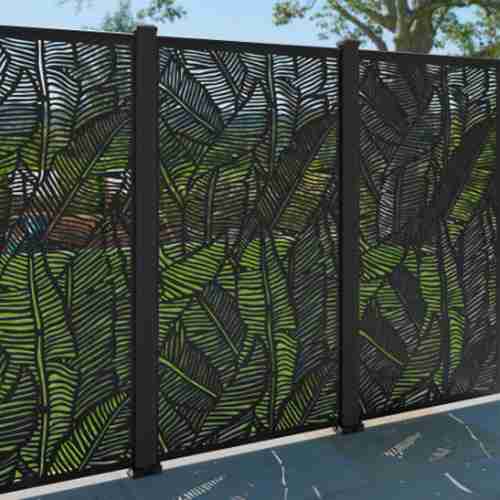
Ornamental walls can incorporate various design motifs and patterns to create visually appealing and decorative surfaces. Here are some popular design motifs and patterns used in ornamental walls.
2.1 Geometric Patterns
Geometric Patterns of Ornamental wall include repetitive shapes such as squares, triangles, diamonds, or hexagons arranged in intricate designs. Examples include chevron, herringbone, or Moroccan geometric patterns.
These are repeated shapes that fit together without any gaps or overlaps. Examples include squares, triangles, hexagons, and other polygons forming intricate and repetitive patterns.
Designs inspired by flowers, vines, leaves, and other natural elements. These motifs can be stylized or realistic and are often seen in wallpapers, tapestries, or carved into walls.
Floral and botanical motifs have been extensively used in ornamental walls across various cultures and artistic movements. These motifs are highly versatile and can be depicted in various styles, from intricate and realistic to stylized and abstract.
Large-scale paintings or frescoes often depict elaborate floral and botanical scenes. These can range from realistic depictions of gardens, flowers, and foliage to more stylized or symbolic representations.
A pattern of ornamental wall resembling a lattice or trellis often seen in garden-inspired themes, consisting of intersecting lines forming squares, diamonds, or other shapes.
Trellis patterns have been used in ornamental walls for centuries, offering both functional support for climbing plants and aesthetic appeal in architectural design. These patterns often involve interwoven or intersecting lines, creating geometric shapes and forms.
This is a simple yet classic design consisting of a grid-like pattern formed by intersecting vertical and horizontal bars. It provides a clean and structured appearance to walls and allows for climbing plants to grow within the spaces.
Diamond Trellis features diamond-shaped patterns created by diagonal bars intersecting at various points. This design adds visual interest and a sense of movement to the wall, often used for a more decorative effect.
Ornamental walls can serve various purposes, from adding aesthetic appeal to providing privacy, security, or defining boundaries. Here are several types of ornamental walls commonly used in architecture and landscaping.
Ornamental brick walls can add a touch of elegance, character, and durability to a building or outdoor space. They can serve various purposes, from providing structural support to enhancing aesthetics.
Different types of bricks can be used for ornamental walls, including standard clay bricks, reclaimed bricks, glazed bricks, or even specially shaped bricks designed for decorative purposes.
Bricks come in various colors, and the choice of color can significantly impact the wall’s appearance. Additionally, bricks can have different finishes, such as smooth, textured, or glazed, contributing to the wall’s aesthetic appeal.
Ornamental stone walls can add a touch of elegance, sophistication, and natural beauty to outdoor spaces. They serve both functional and aesthetic purposes, providing structural support while enhancing the landscape’s visual appeal.
Choose stones that complement the overall design of your landscape. Options include natural stone varieties like granite, limestone, slate, or sandstone. Each type offers different textures, colors, and sizes, allowing for creative designs.
Plan the wall’s design and layout based on the terrain, surrounding architecture, and desired aesthetic. Consider factors like height, curvature, and any necessary reinforcements for stability.
3.3 Ornamental Gabion Walls
Ornamental gabion walls refer to decorative structures constructed using gabion baskets filled with various materials like stones, rocks, or other natural elements.
Gabion walls are typically made of wire mesh containers filled with these materials and are commonly used in landscaping and architectural designs to create visually appealing structures.
Gabion walls can be filled with various materials, including different types and sizes of stones, pebbles, glass, or even recycled materials like old bricks or timber. Choosing the right materials can significantly impact the aesthetic appeal of the wall.
The design of ornamental gabion walls can vary greatly. They can be used for retaining walls, garden features, partitions, or even as artistic installations.
3.4 Ornamental Retaining Walls
Ornamental retaining walls serve the dual purpose of supporting soil and preventing erosion while also adding aesthetic appeal to outdoor spaces. These walls are constructed using various materials and designs to complement the landscape or architectural style.
Despite their decorative nature, these walls must still serve their primary purpose of holding back soil and preventing erosion.
Incorporating ornamental retaining walls into the overall landscaping design can greatly enhance the beauty of outdoor spaces. They can serve as focal points, create garden beds, or define different areas within the landscape.
3.5 Ornamental Metal Walls
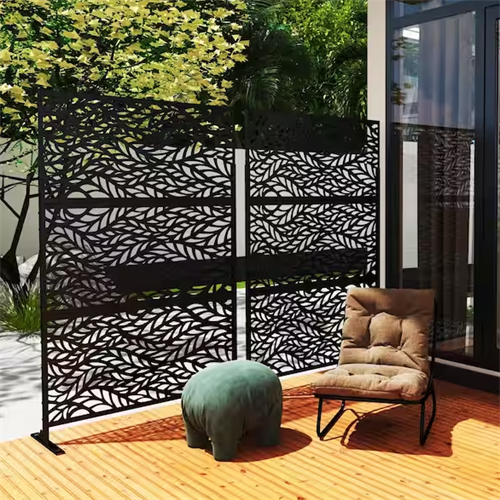
Ornamental metal walls refer to decorative walls constructed primarily or entirely from metal materials for aesthetic purposes. These walls serve both functional and decorative roles in various architectural settings.
Metals like steel, aluminum, iron, copper, brass, or alloys are commonly used due to their durability, malleability, and aesthetic appeal. Different metals offer various finishes and textures, allowing for diverse design possibilities.
Ornamental metal walls can be crafted in numerous designs, including intricate patterns, geometric shapes, filigree work, or even custom designs tailored to specific architectural styles or preferences.
3.6 Ornamental Wooden Walls
Wooden walls, like lattice or trellis structures, can be ornamental and functional, serving as supports for climbing plants or adding a natural aesthetic to the surroundings.
Ornamental wooden walls can enhance the aesthetic appeal of a space by adding warmth, texture, and a touch of natural beauty.
Traditional wood paneling involves covering walls with wooden panels, either horizontally, vertically, or in a pattern. You can opt for tongue-and-groove panels, shiplap, or beadboard to achieve different looks.
3.7 Ornamental Fence Walls
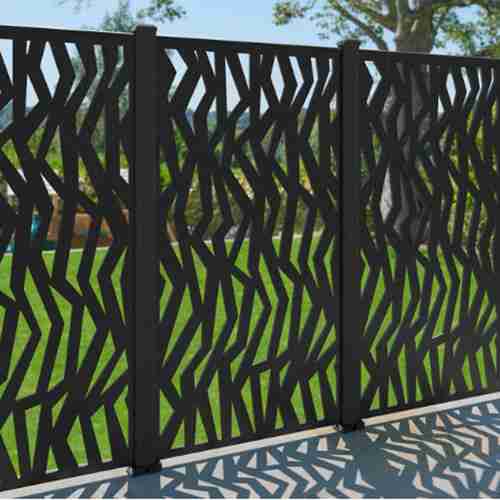
Ornamental fence walls are decorative barriers typically used to demarcate boundaries, provide security, and enhance the aesthetic appeal of a property.
These walls are often made from various materials such as wrought iron, steel, aluminum, or sometimes wood, and are designed with decorative elements like intricate patterns, scrolls, finials, or ornate designs.
4. What maintenance is required for different types of ornamental walls?
Maintenance for ornamental walls can vary depending on the materials used in their construction. Here are some common types of ornamental walls and their respective maintenance requirements.
4.1 The maintenance of ornamental brick walls
Maintaining ornamental brick walls is essential for preserving their aesthetic appeal and structural integrity. Here are some steps and tips for maintaining ornamental brick walls:
Regular Cleaning: Dirt, grime, and pollutants can accumulate on brick surfaces, affecting their appearance. Clean the walls periodically using a soft-bristled brush, mild detergent, and water. Avoid using abrasive materials or harsh chemicals that could damage the bricks.
Pressure Washing: For tougher stains or accumulated dirt, consider using a pressure washer with a low-pressure setting. Be cautious not to use excessive pressure, as it may dislodge bricks or mortar.
Inspect for Damage: Routinely inspect the brick walls for cracks, loose bricks, or mortar deterioration. Address any issues promptly to prevent further damage. Small cracks should be repaired promptly to prevent water penetration, which can cause more significant damage over time.
Repairing Mortar Joints: Repointing, or repairing mortar joints, is crucial for maintaining structural integrity. Remove deteriorated mortar carefully and replace it with fresh mortar. Match the new mortar to the existing color and composition to maintain the wall’s aesthetic appeal.
4.2 The maintenance of ornamental stone walls
Maintaining ornamental stone walls requires regular care to preserve their appearance and structural integrity. Here are some steps you can take to maintain these walls:
Cleaning: Remove dirt, moss, algae, and other debris regularly. Use a brush, mild detergent, and water to scrub the surface gently. Avoid harsh chemicals or power washing, as they can damage the stone.
Inspecting for Damage: Periodically inspect the wall for any signs of damage such as cracks, loose stones, or mortar deterioration. Address these issues promptly to prevent further damage.
Repairing Cracks and Loose Stones: If you notice any cracks or loose stones, repair them using appropriate materials. For small cracks, use a stone patching compound or mortar to fill them. For loose stones, carefully remove them, clean the area, and reposition them with fresh mortar.
Repointing Mortar Joints: Over time, the mortar between the stones can erode. Repointing involves removing deteriorated mortar and applying new mortar to the joints. Use a suitable mortar mix that matches the existing one in composition and appearance.
4.3 The maintenance of ornamental gabion walls
Maintaining ornamental gabion walls primarily involves regular upkeep to ensure their structural integrity, aesthetic appeal, and longevity. Here are some tips for maintaining ornamental gabion walls:
Inspect Regularly: Conduct routine inspections to check for any signs of damage, such as bulging, leaning, or loose stones. Address any issues promptly to prevent further deterioration.
Cleaning: Remove debris, dirt, and organic matter that accumulate on the surface of the gabion wall. Use a brush or a gentle pressure washer to clean the stones without damaging the structure. Avoid harsh chemicals that could affect the stones or the wire mesh.
Repair Damage: Repair any damaged sections promptly. This may involve replacing or repositioning stones and repairing the wire mesh. Ensure that the repaired area blends seamlessly with the rest of the wall.
Weed Control: Control weed growth around the gabion wall. Weeds can cause damage by growing between the stones and pushing them apart. Regularly remove any weeds or vegetation that may affect the integrity of the structure.
Maintain Drainage: Ensure proper drainage around the gabion wall to prevent water buildup. Clogged drainage can lead to water pressure against the wall, potentially causing damage. Clear any blockages and maintain proper water flow away from the wall.
4.4 The maintenance of ornamental retaining walls
Maintaining ornamental retaining walls is essential to ensure their longevity, functionality, and aesthetic appeal. Here are some tips for maintaining these structures:
Regular Inspections: Perform routine inspections to identify any signs of damage, erosion, cracks, or movement. Inspect after heavy rains, freeze-thaw cycles, or seismic events.
Cleaning: Remove debris, dirt, and vegetation that may accumulate on the walls. Pressure washing or using a brush with mild detergent can help remove stains and keep the walls looking fresh.
Repairing Cracks and Damage: Address any cracks or damages promptly. Small cracks can be filled with appropriate sealants or patching materials designed for the wall material. For more extensive damage, consult a professional.
Reinforcement: Check for signs of bulging or leaning. If you notice any instability, consult with a structural engineer or a professional contractor to reinforce or repair the wall.
Proper Drainage: Ensure proper drainage behind the wall to prevent water accumulation that could weaken the structure. Install or maintain drainage systems as needed.
4.5 The maintenance of ornamental metal walls
Maintaining ornamental metal walls involves several steps to preserve their appearance and structural integrity. Here are some tips for maintaining ornamental metal walls:
Remove Stains Promptly: Address any stains or spots immediately. Stubborn stains might require specialized metal cleaners or mild solvents. Always test cleaners on a small, inconspicuous area first to ensure they don’t damage the finish.
Rust Prevention: Metal walls, especially those exposed to outdoor elements, are prone to rust. Apply a protective coating or paint specifically designed for metal surfaces to prevent rust formation. Rust inhibitors can also help prevent oxidation.
Inspect for Damage: Regularly inspect the metal walls for signs of damage, such as dents, scratches, or chipped paint. Address any issues promptly to prevent further deterioration. Repair minor damages by sanding, repainting, or using touch-up paint.
Sealant Application: For outdoor metal walls, consider applying a sealant or protective coating to guard against weather elements like rain, UV rays, and temperature changes. This can help prolong the lifespan of the metal and maintain its appearance.
4.6 The maintenance of ornamental wooden walls
Maintaining ornamental wooden walls is essential to preserve their appearance and structural integrity. Here are some steps and tips for maintaining ornamental wooden walls:
Regular Cleaning: Dust the wooden walls regularly using a soft cloth, microfiber duster, or vacuum cleaner with a soft brush attachment. This prevents dust buildup, which can dull the wood’s appearance.
Gentle Washing: Periodically wash the walls with a mild solution of water and a gentle wood cleaner. Avoid using harsh chemicals or abrasive cleaners as they can damage the wood finish.
Avoid Water Damage: Wood is susceptible to water damage. Clean spills immediately to prevent staining or warping of the wood. Use a dry cloth to soak up any spills and then gently wipe the area with a slightly damp cloth.
Protective Coating: Consider applying a protective coating such as wax, varnish, or polyurethane to the wooden walls. This helps to shield the wood from moisture and scratches while enhancing its natural beauty. Reapply the coating as needed based on the manufacturer’s recommendations.
Inspect for Damage: Regularly inspect the wooden walls for any signs of damage such as cracks, warping, or discoloration. Address any issues promptly to prevent further deterioration.
4.7 The maintenance of ornamental fence walls
Maintaining ornamental fence walls is essential to ensure their longevity, aesthetic appeal, and structural integrity. Here are some tips for maintaining ornamental fence walls:
Inspect for Damage: Routinely inspect the fence for any signs of damage, such as rust, cracks, chipping paint, or loose components. Repair or replace damaged sections promptly to prevent further deterioration.
Rust Prevention and Treatment: For metal fences susceptible to rust, apply a rust-resistant primer and paint to protect the metal from corrosion. Sanding off existing rust and applying a rust converter before painting can also help prevent its spread.
Repainting or Refinishing: Wooden fences may require repainting or refinishing to protect the wood from weather damage. Choose high-quality exterior paint or stain designed for outdoor use and apply according to the manufacturer’s instructions.
Protective Coating: Consider applying a protective coating or sealant to metal or other materials to shield them from the elements and enhance durability.
Hardware Maintenance: Check and tighten bolts, screws, or other hardware regularly to keep the fence securely in place. Lubricate hinges or moving parts as needed to prevent rust and ensure smooth operation.
5. The key elements to consider when designing an ornamental wall
Designing an ornamental wall involves several key elements to consider in order to achieve an aesthetically pleasing and functional result. Here are some crucial factors to keep in mind:
5.1 Purpose and Theme
Determine the purpose of the ornamental wall (e.g., decorative, functional, privacy) and establish a theme or style that complements the overall design of the space. Whether it’s a garden wall, interior feature wall, or a boundary wall, the theme will guide material selection and design choices.
Ornamental walls often serve the purpose of enhancing the visual appeal of a space. Consider the overall look you want to achieve and how the wall will contribute to that.
Walls can be designed to separate spaces, provide privacy, or create distinct zones within an area. The design should cater to these functional aspects while also adding beauty.
5.2 Materials
Select appropriate materials based on the wall’s location, function, and aesthetic preferences. Common materials for ornamental walls include brick, stone, wood, metal, glass, tiles, or a combination of these.
Natural stone like granite, marble, limestone, or slate adds a luxurious and elegant touch to walls. It can be used in the form of large blocks, veneers, or tiles, providing a rustic or contemporary appearance.
Wood panels or planks create warmth and a natural feel. While not as commonly used outdoors due to weathering, treated wood or specific hardwoods like teak or cedar can be used for indoor ornamental walls.
Materials like wrought iron, steel, or aluminum can be crafted into decorative panels, screens, or artistic designs. They add a modern and industrial touch to the wall.
5.3 Design and Pattern
When designing an ornamental wall, several design elements and patterns can be considered to create an aesthetically pleasing and visually appealing space. Geometric shapes such as squares, rectangles, triangles, and hexagons can be arranged in repetitive patterns to create a visually striking design.
Incorporating flowers, leaves, vines, and other botanical elements can add a natural and elegant touch to the wall. These can be depicted realistically or stylized in various artistic ways.
5.4 Color Palette
Choose a color scheme that complements the surroundings or the intended atmosphere. Consider the colors of adjacent structures, landscaping, or interior decor. The right colors can evoke specific moods or highlight certain features.
When designing an ornamental wall, consider a color palette that aligns with the theme, mood, and purpose of the space.
Utilize warm, natural hues like terracotta, olive green, mustard yellow, and sandy beige for a calming and grounded feel. These colors evoke a sense of nature and can complement organic or botanical-themed designs.
Choose varying shades of a single color for a sophisticated and cohesive look. For instance, different tones of blue, such as navy, sky blue, and aqua, can create depth and visual interest without overwhelming the space.
5.5 Texture and Dimension
Incorporate texture to add depth and character to the ornamental wall. Textured surfaces or relief elements can create visual appeal by casting shadows and adding tactile interest. Mixing different textures can create a dynamic and engaging surface.
The choice of materials significantly impacts texture and dimension. Options like stone, brick, wood, tiles, metal, glass, or a combination thereof, can provide diverse textures and dimensions.
Texturizing techniques such as carving, etching, embossing, or using relief patterns can add depth and dimension to the wall. Stucco, plasterwork, or decorative finishes like faux painting techniques (sponging, ragging, or marbling) can also enhance texture.
Incorporating intricate patterns, motifs, or designs can create visual interest. Whether through mosaics, geometric shapes, floral motifs, or abstract forms, the pattern choice impacts how light plays on the surface, accentuating dimension.
6. Can an ornamental fence be installed on any type of terrain or landscape?
In general, ornamental fences can be installed on various types of terrain and landscapes, but the ease and feasibility of installation might vary depending on the specific characteristics of the land. Here are some considerations.
6.1 Flat Terrain
Installing ornamental fences on flat terrain is usually straightforward and presents fewer challenges. The process typically involves digging post holes and setting the fence posts securely in place.
6.2 Sloped or Uneven Terrain
Installing ornamental fences on sloped or uneven terrain can be more complex. It might require adjustments in the design, such as using stepped panels or adjusting the height of the fence along the slope. This ensures that the fence follows the contours of the land without leaving gaps underneath or looking uneven.
6.3 Rocky or Obstructed Terrain
Areas with rocky or obstructed terrain might require specialized tools and techniques for installation. Clearing rocks or debris and using equipment suitable for such conditions might be necessary.
6.4 Wet or Marshy Areas
Installing ornamental wall in wet or marshy areas might require extra consideration for the foundation. Proper drainage and the use of appropriate materials that can withstand moisture are crucial to prevent issues like rust or decay.
6.5 Wooded Areas
When installing ornamental fences in wooded areas, consideration should be given to the trees and roots. Clearing the area without damaging the trees or affecting their root systems might be necessary.
7. The average lifespan of an ornamental fence
The average lifespan of an ornamental fence can vary significantly based on several factors, including the materials used, maintenance, climate conditions, and quality of installation.
Ornamental fences are commonly made of materials like aluminum, steel, wrought iron, or vinyl. Wrought iron and steel, if properly maintained, can last for several decades, potentially up to 50 years or more.
Aluminum is also durable but may have a shorter lifespan, typically ranging between 20 to 30 years. Vinyl fences are known for their longevity and can last around 20 to 30 years or more with proper care.
8. Conclusion
The concept of an ornamental wall serves both aesthetic and functional purposes, providing a decorative element while often contributing to structural integrity or delineating boundaries.
Ornamental walls can be crafted from various materials, such as stone, brick, metal, wood, or concrete, offering diverse textures, colors, and designs that enhance the visual appeal of a space.
These walls serve multiple roles, from purely decorative features in gardens, parks, or architectural landscapes to functional elements that offer privacy, security, or serve as retaining walls.
In summary, ornamental walls merge functionality with artistic expression, offering both structural support and aesthetic enhancement to spaces, making them integral components of architectural and landscape design.