
twisted wire fence
Twisted wire fence is typically constructed using galvanized steel or other rust-resistant materials. The wires are tightly woven together in a zigzag pattern, forming a grid of diamond-shaped openings. This design offers both strength and flexibility, making it suitable for various purposes.
The use of high-quality materials and the interlocking design make it resistant to corrosion, weathering, and wear and tear. It can withstand harsh environmental conditions, making it an excellent choice for outdoor applications.
Twisted wire fences provide an effective security barrier. The closely spaced wires prevent unauthorized access and deter intruders. These fences are difficult to climb and are often used in high-security areas, such as prisons, airports, and military installations.
They are available in various finishes, including galvanized, vinyl-coated, and powder-coated options, which can complement the overall aesthetic of your space.
Metal twisted wire fences are relatively easy to install, especially when compared to other types of fencing. The posts are typically anchored securely into the ground, and the wire mesh is attached to these posts. If you need twisted wire fence products, please contact DEZE.
ProductS
Single Twisted Wire Fence
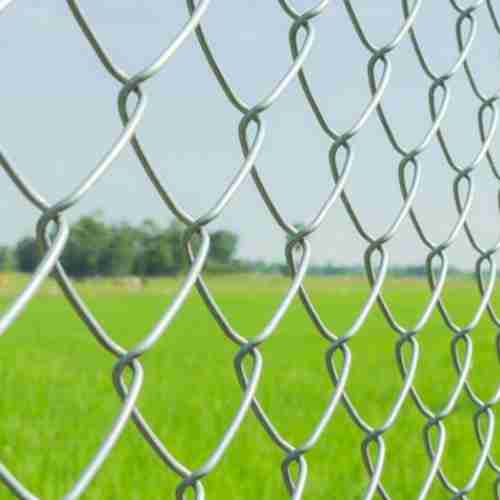
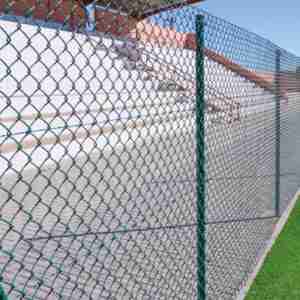
Single twisted wire fence is typically made from metal wires, such as steel or iron, which are twisted together to form a sturdy, interlocking pattern.
These wires are usually galvanized to protect them from corrosion, ensuring the fence’s longevity and durability in various weather conditions.This fence type is often used to clearly outline the limits of residential, commercial, and agricultural properties.
When properly installed and supplemented with the right accessories like barbed wire or electric fencing, it can serve as a formidable barrier to deter unauthorized access.
Single twisted wire fence offers a clean and unobtrusive appearance that can blend seamlessly into various environments. Property owners often paint or coat the fence with a rust-resistant finish to enhance its visual appeal while protecting it from the elements.
The openness of the wire pattern allows for unobstructed views, which can be advantageous for both security and aesthetics.
Triple Twisted Chain Link Fence
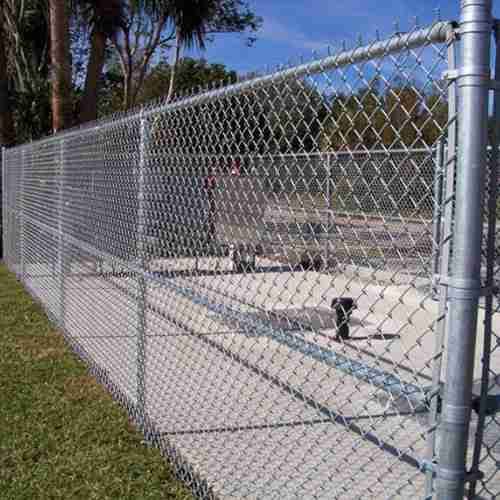
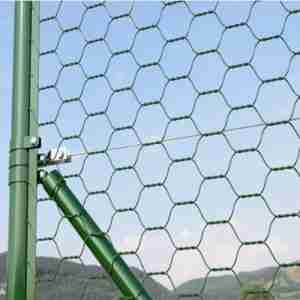
Triple twisted chain link fence is constructed with interlocking metal wires twisted in a triple helix pattern, creating a strong and resilient barrier that offers several advantages.
It is typically made from high-quality galvanized steel, which is resistant to rust and corrosion. This ensures that the fence can withstand the harshest weather conditions, making it suitable for both residential and commercial applications.
Its longevity means that once installed, it will serve its purpose for many years, reducing the need for frequent maintenance or replacement.
The triple helix design of the chain link fence offers added strength and stability compared to traditional single-twisted chain link fences. This feature makes it an excellent choice for high-security applications, where protection and perimeter control are essential.
Unlike solid fences, such as wood or vinyl, chain link fences allow for unobstructed visibility, making them ideal for areas where surveillance and monitoring are crucial.
Galvanized Twisted Wire Fencing
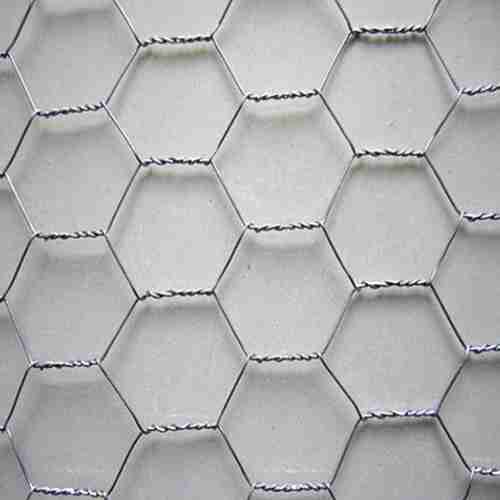
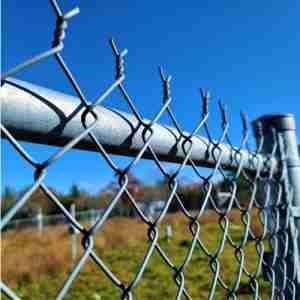
Galvanized twisted wire fencing is primarily made from steel wire, which is then coated with a layer of zinc. This galvanization process provides an additional protective barrier against rust and corrosion, making it ideal for outdoor use.
The twisted wire design enhances the fence’s strength and rigidity, ensuring it can withstand various environmental conditions and external forces.
The zinc coating resists rust and oxidation, which is a common problem with traditional steel fencing. This makes it suitable for areas with high humidity, coastal regions, or anywhere subjected to harsh weather conditions.
It’s commonly employed for perimeter security, enclosing livestock, protecting gardens, and defining property boundaries. Its adaptability means it can be customized to various heights and styles, providing options for both aesthetic appeal and security requirements.
The galvanization process also avoids the need for hazardous chemicals, making it a greener option compared to other forms of corrosion-resistant coatings.
Twisted Barbed Wire Fence
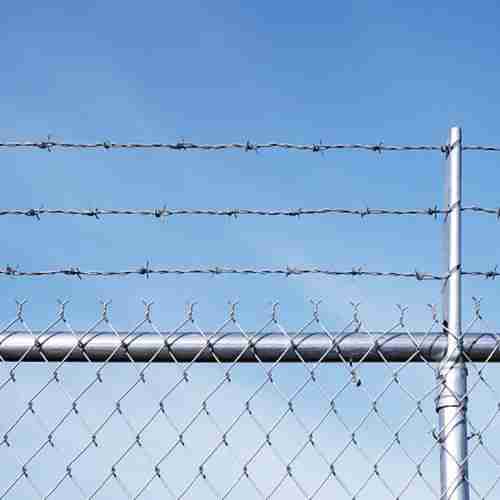
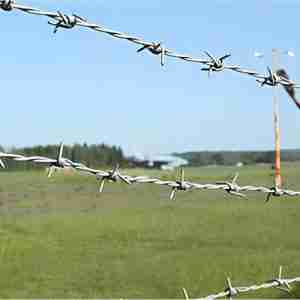
Twisted barbed wire fence consists of strands of metal wire twisted together with sharp, pointed barbs interspersed along its length. The resulting structure forms an effective deterrent against unauthorized entry, making it a popular choice for a variety of applications.
The metal wires are carefully twisted together, creating a mesh-like pattern that serves as the base structure of the fence. The addition of barbs, usually spaced at regular intervals, transforms the otherwise standard wire fence into a formidable security barrier.
The sharp barbs that protrude from the fence are designed to deter trespassers and potential threats. They can cause injury if touched or climbed upon, making it a significant deterrent for unauthorized access.
The durability of metal twisted barbed wire fences makes them a long-lasting fencing solution. They can withstand exposure to the elements and remain effective for many years without significant maintenance.
Techniques
1. How are twisted wire fence typically installed?
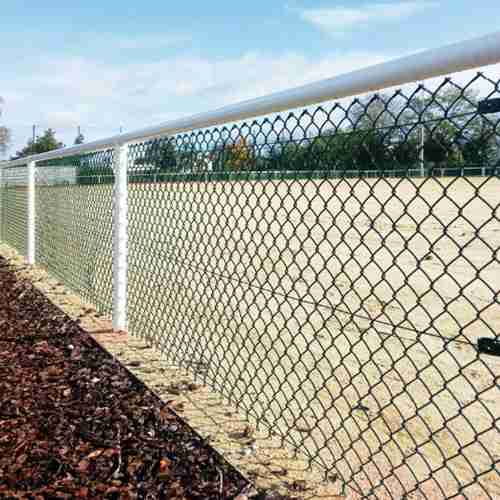
Twisted wire fences are typically installed as a cost-effective and functional solution for containing livestock or securing property boundaries. The installation process typically involves the following steps:
Planning: Start by marking the fence’s intended path and determining the necessary materials, including fence posts, wire rolls, and tensioning equipment.
Digging post holes: Dig holes at regular intervals (usually 8-12 feet apart) to accommodate fence posts. The depth of the holes will depend on the local soil and climate conditions.
Setting posts: Insert wooden or metal fence posts into the holes and secure them with concrete for stability.
Stretching the wire: Unroll the twisted wire along the length of the fence line, securing it to one end post. Tension the wire using a fence stretcher or come-along to create a taut line.
Attaching the wire: Staple or clip the wire to the fence posts, ensuring it’s evenly spaced and taut.
Adding barbed wire: If barbed wire is used, attach it to the fence line at an appropriate height to deter animals from climbing or leaning on twisted wire mesh fencing.
Finishing touches: Trim any excess wire, and ensure that the fence is secure, straight, and properly tensioned.
2. What type of wire is used in barbed twisted wire metal fence?
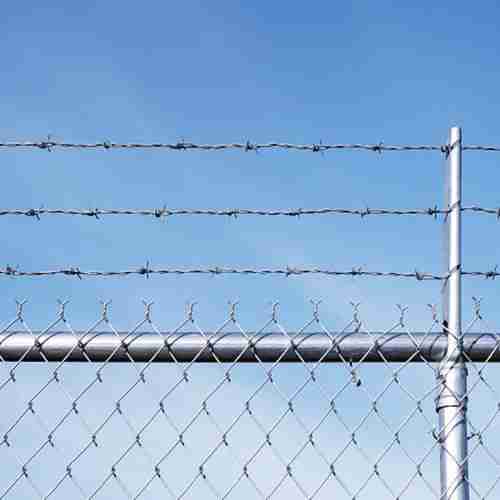
Barbed twisted wire metal fences typically use galvanized steel wire. Galvanized steel wire is chosen for its durability and resistance to corrosion, making it suitable for outdoor applications. This type of wire is coated with a layer of zinc to protect it from rust and other environmental factors.
3. How is the wire tensioned in twisted wire mesh fence?
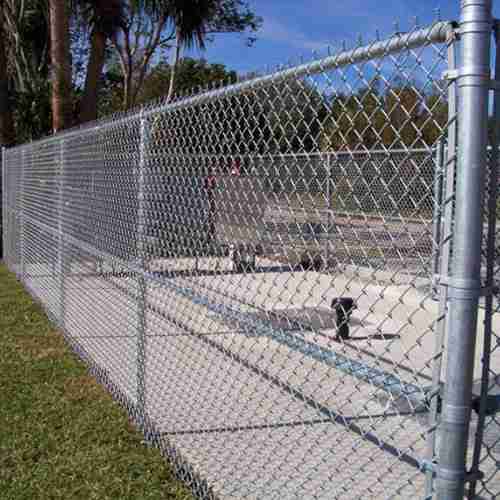
Twisted wire mesh fences are typically tensioned to ensure they are stable and secure. Tensioning the wire in these fences is essential to prevent sagging and to maintain the structural integrity of the fence.
Here are the general steps for tensioning the wire in a twisted wire mesh fence:
Set up the fence framework: Start by installing the fence posts and top rails, if applicable, to create the basic structure of the fence. Make sure the posts are securely anchored in the ground and spaced at regular intervals.
Attach the mesh to the framework: Unroll the twisted wire mesh fabric and attach it to the framework using fence ties, also known as tension wire clips or hog rings.
Install tension wire: Along the bottom of the fence, you can install a tension wire to help keep the mesh taut. This wire is typically threaded through the bottom loops of the mesh and attached to the line posts.
Apply tension to the mesh: To tension the wire mesh, you’ll need a tool called a fence stretcher or come-along. These tools allow you to apply tension to the mesh by pulling it tight.
Secure the tension: Once you’ve achieved the desired level of tension, secure the mesh to the line posts using more fence ties or tension bands. Make sure the mesh remains even and tight along the entire length of the fence.
Trim excess mesh: If there’s excess mesh extending beyond the framework, trim it with fence pliers or wire cutters to ensure a neat and uniform appearance.
4. Are there specific twist patterns used in twisted barbed wire for fencing?
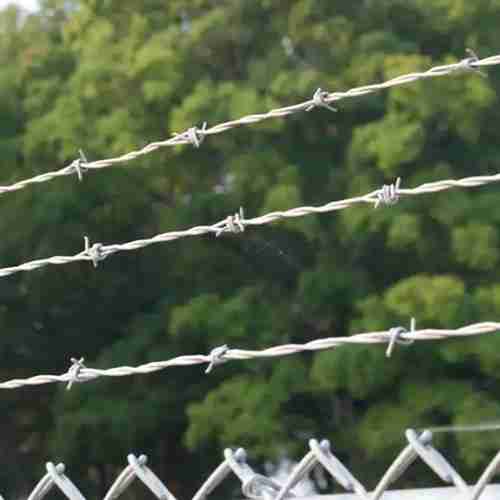
Twisted barbed wire for fencing typically follows specific patterns and designs to enhance its effectiveness as a security and containment barrier. The primary patterns used in twisted barbed wire include:
Single strand twist: This is the simplest form of barbed wire, consisting of a single strand of wire with barbs evenly spaced along it. The barbs are twisted around the wire at regular intervals.
Double strand twist: In this design, two strands of wire are twisted together, with barbs spaced evenly between the two strands. This double strand twist increases the wire’s strength and makes it more difficult to bend or cut.
Reverse twist: The reverse twist pattern is a variation of the double strand twist. In this design, the two strands of wire are twisted in opposite directions, which adds extra security and stability to the fencing. If one strand is cut or broken, the other remains intact.
High-tensile twist: High-tensile barbed wire is made from stronger materials and is often designed with tighter twists, which provide increased durability and resistance to stretching and sagging.
5. How do you determine the appropriate height and spacing for stainless steel twisted wire mesh fence?
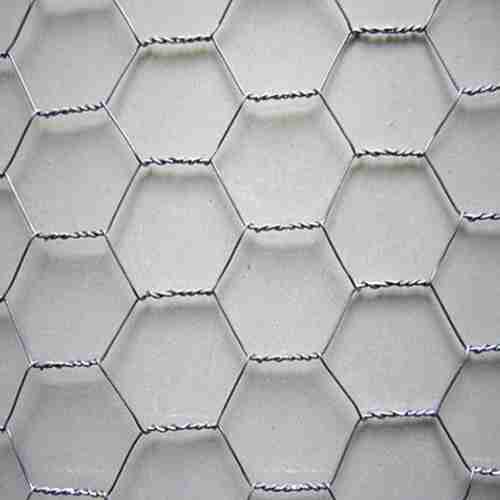
The aperture (or opening size) of stainless steel twisted wire mesh fence can vary depending on the specific design and purpose of the fence. The aperture is typically specified in terms of the clear opening between the wires, and it can be customized to meet different requirements.
Stainless steel twisted wire mesh fences are available in various configurations, and the aperture size is chosen based on factors like security, visibility, and aesthetics.
Common aperture sizes for these types of fences can range from a fraction of an inch (e.g., 1/4 inch or 1/2 inch) to several inches, depending on the specific application.
FAQ
Most frequent questions and answers
Twisted wire fence is a type of fencing made by twisting together two or more wires to create a sturdy and durable barrier. The wires are typically made of metal, such as steel or iron, and are twisted together to form a strong, interconnected mesh.
The primary purpose of twisted wire fence is to create boundaries and enclosures, offering security and protection for property and livestock. The twisted wire design, with sharp barbs at regular intervals, acts as a deterrent to prevent unauthorized access and intrusions.
It is commonly used in rural and agricultural settings to keep livestock like cattle and sheep within designated areas and to safeguard crops from animal grazing.
The expected lifespan of twisted wire fencing depends on various factors, including the type of wire used, environmental conditions, maintenance, and the intended purpose of the fence. Generally, galvanized steel wire fencing can last for several decades, often up to 20-50 years, due to its corrosion resistance.
If the wire is not properly galvanized or coated, its lifespan can be significantly shorter, especially in corrosive environments.
Repairing twisted wire mesh fence made of stainless steel over time might be necessary if it becomes damaged or shows signs of wear and tear. Here’s a step-by-step guide on how to repair it:
Assess the damage: Examine the fence to identify the areas that need repair. Look for rust, broken wires, loose connections, or damaged sections.
Safety precautions: Put on work gloves and safety glasses to protect yourself from sharp edges and debris.
Remove the damaged section: Using wire cutters, carefully cut and remove the damaged section of the stainless steel wire mesh. Be cautious not to damage nearby sections that are still in good condition.
Prepare the replacement mesh: Measure the size of the damaged section you removed and cut a new piece of stainless steel wire mesh to fit the same dimensions.
Attach the Replacement Mesh: Using stainless steel wire ties or clips, attach the replacement mesh to the existing fence. Make sure the new piece is securely fastened and aligned with the rest of the fence.
Repair broken wires: If you have any broken wires in the existing fence, use pliers to twist and secure them back together. If the wires are too damaged, you may need to splice in a new piece of stainless steel wire of the same gauge and secure it using wire ties or clips.
Inspect and tighten connections: Go over the entire fence and make sure all connections are secure. Tighten any loose wire ties or clips to ensure the fence is stable.
Galvanized twisted fence wire and regular fence wire differ primarily in their composition and durability. Galvanized twisted fence wire is specially treated to withstand corrosion and rust. It undergoes a galvanization process, where a layer of zinc is applied to the wire’s surface.
This zinc coating acts as a barrier, protecting the wire from environmental elements and moisture, ensuring a longer lifespan.
On the other hand, regular fence wire lacks this protective coating, making it more susceptible to rust and corrosion over time. As a result, regular fence wire may require more frequent maintenance and replacement in comparison to galvanized twisted fence wire.
Twisted wire has several advantages over single-stranded wire in various applications. Here are some of the advantages:
Flexibility: Twisted wire is more flexible than single-stranded wire. The multiple strands in twisted wire can move independently, making it easier to bend and route in tight spaces.
Resistance to fatigue: Twisted wire is less prone to metal fatigue compared to single-stranded wire. In applications where the wire experiences repeated bending or vibration, twisted wire can withstand these mechanical stresses better, resulting in a longer lifespan.
Enhanced durability: The multiple strands in twisted wire distribute stress more evenly across the conductor, reducing the risk of breakage or damage. This makes it more durable and resistant to wear and tear.
Reducing skin effect: The multiple strands in twisted wire provide more surface area, allowing for better current distribution and minimizing the skin effect.
Easier termination: Twisted wire can be easier to terminate, as it can be more forgiving when connecting to terminals or connectors. It can also provide a more reliable and stable connection, reducing the risk of accidental disconnections or wire breakage.
Resistance to kinking: Twisted wire is less likely to kink or develop sharp bends, making it suitable for applications where maintaining a smooth, continuous wire path is important.
Twisted wire mesh fences, often referred to as chain link fences, have several advantages, such as cost-effectiveness, durability, and low maintenance. However, they also come with some potential drawbacks and limitations:
Security concerns: While they can act as a basic deterrent, twisted wire mesh fences do not offer a high level of security. They are relatively easy to climb, and the diamond-shaped openings can be used as footholds, making them less effective at keeping intruders out.
Maintenance: While these fences are relatively low-maintenance compared to some other types of fencing, they can still require occasional repairs.
Limited lifespan: Twisted wire mesh fences are generally durable, but their lifespan can be limited by factors such as exposure to extreme weather conditions and rust.
Not suitable for containing small pets: The diamond-shaped openings in twisted wire mesh fences are often too large to contain small pets like puppies or kittens.
Zoning and neighborhood restrictions: Local zoning laws and neighborhood association rules may place restrictions on the type and height of fencing you can install.
The environmental impact of using twisted barb wire for animal fencing can vary depending on several factors, including the context in which it is used and how it is maintained. Here are some potential environmental considerations:
Habitat fragmentation: Fencing can create barriers that fragment natural habitats, limiting the movement of wildlife and potentially isolating populations. This can lead to negative effects on biodiversity and disrupt ecological processes.
Injury to wildlife: Twisted barbed wire fences can pose a threat to wildlife, especially if animals become entangled in the wire. Birds, small mammals, and even larger animals may be injured when attempting to cross or navigate such fences.
Landscape aesthetics: Barbed wire fences can be visually unappealing, which may have a negative impact on the scenic and recreational value of an area, particularly in natural or protected areas.
Soil erosion: Poorly maintained or damaged fences can contribute to soil erosion if they do not effectively contain livestock or prevent overgrazing. This can lead to sedimentation in water bodies and harm aquatic ecosystems.
Rust and corrosion: Over time, barbed wire can rust and corrode, potentially shedding small metal fragments into the environment, which can be harmful to wildlife and the soil.
The regulations and permits required for installing twist wire fence can vary significantly depending on your location and the specific circumstances of your project. In general, you may encounter the following considerations:
Local building codes: Most municipalities have building codes that may govern the installation of fences. These codes could specify things like fence height, setback requirements, and materials allowed.
Zoning regulations: Zoning ordinances might dictate the type of fences allowed in residential, commercial, or industrial areas. Make sure your intended fence meets the requirements of your zoning district.
Property lines: Accurate knowledge of property lines is crucial to avoid encroaching on your neighbor’s land or violating property rights. A land survey may be necessary in some cases.
Historic districts: If your property is located in a designated historic district, there may be additional restrictions on fence design and materials.
Environmental permits: In some areas, permits may be required if your fence installation impacts wetlands, waterways, or other environmentally sensitive areas.
The price of a twisted wire fence per linear foot or meter can vary widely depending on several factors, including the type of wire, the height of the fence, the quality of materials, and local market conditions.
On average, you can expect to pay anywhere from $3 to $10 per linear foot for a basic twisted wire fence. If you prefer to measure in meters, the price can range from approximately $10 to $30 per linear meter.
Twisted wire fence suppliers, such as DEZE fence typically focus on providing the materials and installation of the fence itself, rather than offering ongoing maintenance services.
Some suppliers or fencing companies may offer maintenance services as part of their overall package, or they may be able to recommend contractors or services that can help with twisted wire fence maintenance.
Fence maintenance often includes tasks like repairing damaged sections, replacing rusted or broken wires, repainting or re-coating, and addressing any structural issues. It’s a good idea to inquire with the specific supplier or fencing company you are working with to see if they offer maintenance services.