
Cattle Fence
Cattle fence is constructed from materials like steel or aluminum, these fences are built to withstand the test of time. They are resistant to rust and corrosion, ensuring that the fence maintains its integrity even when exposed to rain, snow, and other environmental factors.
Fences are typically constructed to be tall enough to prevent cattle from jumping or leaning over them. The height can vary depending on the specific needs of the farm or ranch, but it generally ranges from 4 to 6 feet.
Cattle fences come in various designs, including post and rail, woven wire, and barbed wire configurations. The choice of design depends on the specific needs of the livestock and the terrain of the area.
The panels can also be designed to be modular, allowing for straightforward assembly and disassembly. This modularity enables farmers and ranchers to customize their enclosures quickly, adapting to the changing needs of their cattle or land.
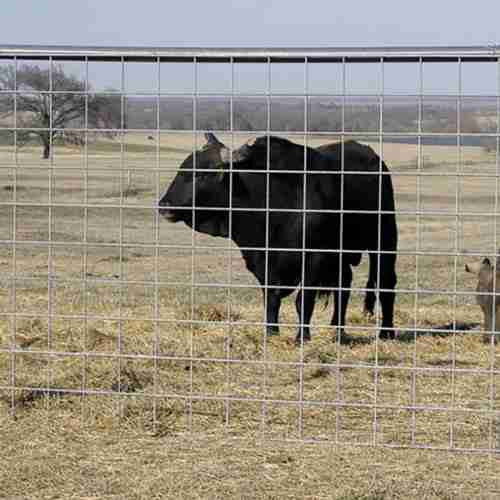
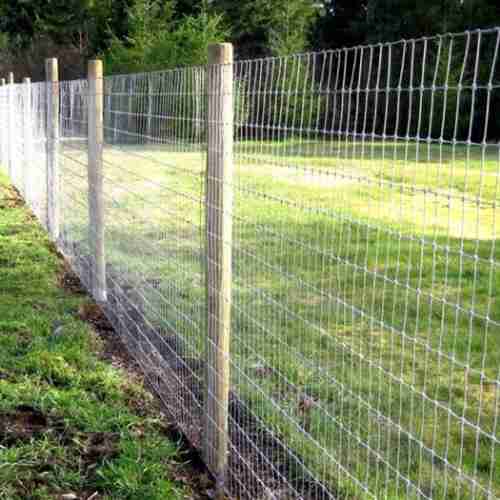
They are commonly employed to create enclosures for grazing, calving, or weaning areas. They can also serve as boundary fences, separating different sections of the property. If you need cattle fence products, please contact DEZE.




ProductS
Woven Wire Cattle Fence
Woven wire cattle fence is constructed using metal wires, typically galvanized steel, that are woven together to create a sturdy and reliable barrier to contain cattle and other large animals.
Galvanized steel wires are resistant to rust and corrosion, ensuring the fence can withstand harsh weather conditions and the wear and tear of daily use.
Woven wire fences are designed to be strong and sturdy, making it difficult for cattle to break through or damage the fence. This added security minimizes the risk of cattle escaping and causing damage or injury.
They are available in various heights, wire spacing, and gauges, allowing property owners to choose the appropriate fence design to meet their specific needs.
The open weave of these fences provides good visibility, allowing property owners to easily monitor their cattle. This is particularly important for keeping an eye on the health and well-being of the animals.
Welded Wire Cattle Fence
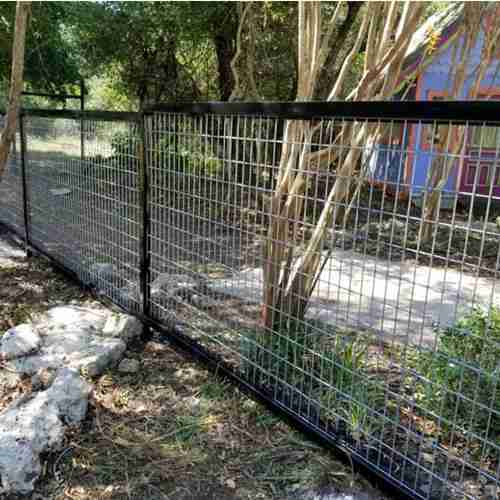
Welded wire cattle fence is constructed using heavy-gauge steel wires that are welded together at the intersections. This welding process creates a strong and resilient barrier that can withstand the force of large animals like cattle.
It is also highly resistant to environmental factors.
The fence is designed to resist bending, breaking, or collapsing, ensuring the safety of the animals it contains. these fences have a longer lifespan compared to other fencing materials, reducing the need for frequent repairs or replacements.
The tight mesh of the fence prevents cattle from pushing through or getting their heads stuck, ensuring their safety. It also helps in keeping predators out, safeguarding the cattle from potential threats.
The open grid pattern of the wires allows for easy monitoring and observation of the cattle. This feature is particularly important for ensuring the health and well-being of the animals, as it allows farmers and ranchers to quickly identify any issues or concerns.
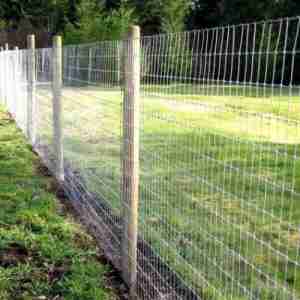
Galvanized Iron Cattle Fence
Galvanized iron cattle fence is typically constructed using galvanized steel or iron, which involves applying a protective zinc coating to the metal. This galvanization process enhances the fence’s resistance to rust, corrosion, and general wear and tear.
Galvanized iron fence can withstand the impact of cattle and other livestock, preventing them from breaking through or causing damage to the fence. This durability ensures that the investment in such a fence pays off over time, as it requires minimal maintenance and replacement.
Galvanized coating effectively repels rust and corrosion, reducing the need for regular painting or treatments. This not only saves time and effort but also minimizes long-term maintenance costs.
They are available in different heights and styles, such as post-and-rail, wire mesh, or panel configurations. Galvanized iron cattle fence can be equipped with gates and other accessories to facilitate easy access and movement within the fenced area.
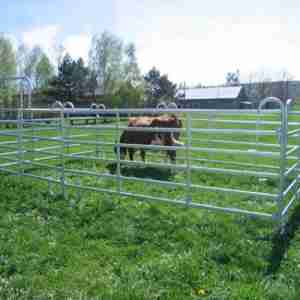
Cattle Steel Fence
Cattle steel fences are typically made from durable materials such as steel or galvanized steel. These materials are chosen for their strength and resilience, as they need to withstand the considerable force and weight of cattle.
The fences are often designed with sturdy vertical posts and horizontal rails, creating a grid-like pattern that effectively restrains the animals. The gaps between the bars are usually wide enough to allow cattle to see through but not wide enough for them to get their heads or bodies stuck.
Steel is highly resistant to environmental factors, including rain, snow, and sunlight. This durability means that a well-maintained steel fence can last for many years without requiring significant repairs or replacements.
They allow for easy division of pastures into separate grazing areas, which is essential for rotational grazing practices. They are resistant to rust and corrosion, which means you won’t need to invest much time and money in ongoing upkeep.
Steel fences can be aesthetically pleasing. They can be designed to enhance the overall look of your property, while still serving their primary purpose of cattle management.
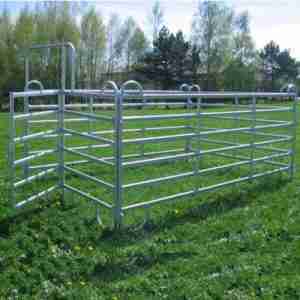
Heavy Duty Cattle Fence
Heavy duty cattle fence serves as a robust barrier to contain cattle while also providing protection from external threats. This type of fence is crafted from durable materials like steel or aluminum to ensure long-lasting performance and withstand the rugged demands of cattle farming.
The solid metal construction is not easily penetrated, offering protection to the livestock within. These fences are designed to withstand the elements, ensuring they remain effective in all weather conditions.
Their strength and robust construction ensure that cattle cannot breach the perimeter, keeping them safe from potential predators and preventing them from wandering onto neighboring properties or roadways.
While the initial investment in a metal heavy-duty cattle fence may be higher compared to other fencing options, it provides long-term cost savings. Its durability and low maintenance requirements reduce the need for constant repairs and replacements.
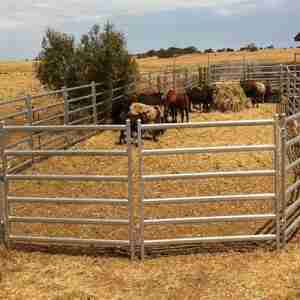
Pipe Cattle Fence
Pipe cattle fence is constructed from steel or aluminum pipes, making them incredibly sturdy and able to withstand the harsh elements and the wear and tear associated with cattle farming.
They are resistant to rust, rot, and corrosion, ensuring a long lifespan for your investment.
The strength and stability of metal pipes offer reliable containment, preventing cattle from escaping or intruders from entering. These fences are designed to withstand the immense pressure and impact that cattle can exert.
The smooth and uniform surface of metal pipes reduces the risk of injury to the animals, unlike sharp edges often found in other pipe cattle fence materials. Whether facing extreme weather, the pressure from large and powerful animals, or accidental impacts, a metal pipe fence is up to the task.
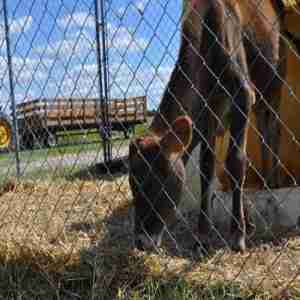
Chain Link Cattle Fence
Chain link cattle fence consists of interwoven metal wires that create a grid-like pattern. The metal wires are typically made of galvanized steel, which provides exceptional durability and resistance to rust and corrosion,
ensuring the fence’s longevity even in harsh outdoor conditions.
The diamond-shaped openings in the chain-link pattern allow for proper airflow, which is crucial for preventing the buildup of moisture and minimizing the risk of mold and mildew in the cattle’s environment.
This type of fence is an excellent option for regions with strong winds, as it allows wind to pass through rather than creating resistance that could potentially topple the fence.
Chain link cattle fence is highly adaptable, accommodating various terrains and landscapes. It can be installed on flat or sloped land and is available in different heights to suit specific needs.

Barbed Wire Cattle Fence
Barbed wire cattle fences are typically composed of steel wires and barbs that are designed to withstand the rigors of outdoor exposure and the force of large animals. The wires are often galvanized to protect against rust and corrosion,
ensuring a longer lifespan for the fence.
The barbs are strategically placed along the wires, serving as a deterrent for cattle and deterring them from leaning or pushing against the fence. They can also endure harsh weather conditions, including rain, snow, and intense sunlight, without losing their effectiveness.
The sharp barbs on the wire effectively discourage animals from attempting to breach or climb the fence, reducing the risk of injuries and escapes. This enhances the safety of the animals and minimizes the potential for damage to surrounding properties.
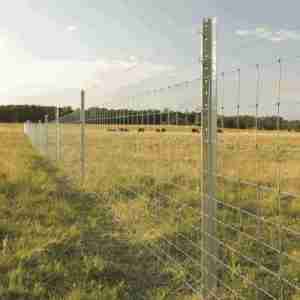
Cattle Panel Fence
Cattle panel fence is constructed from heavy-duty steel panels that are welded together to form a sturdy and long-lasting barrier. These panels come in various lengths and heights,
allowing for flexibility in fence design to suit the specific needs of the livestock and property.
Steel panels are typically hot-dip galvanized, which provides a protective zinc coating to prevent corrosion and ensure the fence’s longevity.
It is modular design. Each panel typically measures around 16 feet in length and 50 inches in height, but they can be easily connected to create custom configurations that suit the specific needs of a farm or ranch. This versatility allows for the creation of square enclosures, rectangular pens, and even curved layouts.
The open design of metal cattle panel fences offers excellent visibility for both livestock and farmers. This ensures that animals can be monitored easily and that potential issues can be spotted quickly. The fence’s sturdy horizontal and vertical bars also prevent animals from getting their heads or bodies caught.
Techniques
1.What are the typical dimensions of cattle fencing?

length | 0.65m-5m |
diameter | 0.8mm-1.2mm or 1.5mm-5mm |
height | 3ft-8ft |
top&bottom wire | 2.5/3.0mm |
inner wire | 2.0/2.5mm |
spacing | 150/300mm |
2.What types of metal are typically used for cattle wire fence?

Several types of metal can be used for cattle wire fences, including:
Steel: Steel is one of the most popular choices for cattle wire fences. It is strong, durable, and can withstand the weight and pressure exerted by cattle. Steel fences come in various forms, such as welded wire, woven wire, or barbed wire.
Galvanized steel: Galvanized steel has a protective zinc coating that helps prevent rust and corrosion, making it an excellent choice for outdoor applications like cattle fences. It is particularly resistant to the elements and can have a longer lifespan.
High-tensile steel: High-tensile steel is a type of steel that is engineered to be stronger and more elastic than traditional steel. It is often used for tensioned wire fence systems because of its ability to maintain tension and resist sagging.
Aluminum: Aluminum is lightweight and corrosion-resistant, making it a good choice for fences, especially in areas with high moisture or salt exposure. However, it may not be as strong as steel and might require additional supports for large cattle.
Wrought iron: Wrought iron is a decorative and durable option for fences. While it can be more expensive than steel or aluminum, it adds an aesthetic appeal to the property while providing the necessary containment for cattle.
Copper-coated steel: Some fences use copper-coated steel wire, which can deter rust and provide additional durability. It is particularly useful in areas with a high risk of corrosion.
3.How are cattle fence panels connected or fastened together?
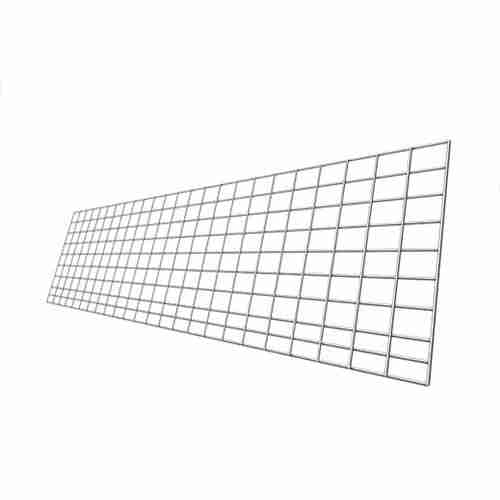
Here are some common methods for connecting fence panels:
Clips or latches: Many fence panels come with built-in clips or latches that allow you to easily connect one panel to another.
Chain or wire ties: Can use chain or wire ties to fasten panels together.
Carabiners or snap hooks: Carabiners or snap hooks are easy-to-use devices that can be attached to the panel’s frame or mesh and then clipped together to join two panels.Bolts and nuts: Some people use bolts and nuts to connect fence panels.
Welding: In situations where a permanent and extremely strong connection is needed, panels can be welded together.
Panel connectors: There are specific panel connectors or couplers available in the market designed to connect fence panels securely.
4.What is the composition of the cattle field fence?
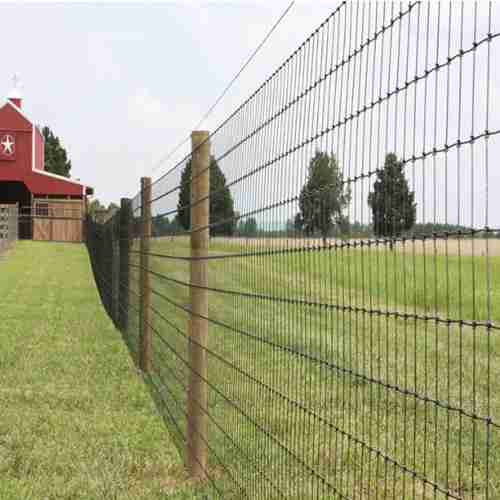
The specific composition and design of fence can vary, but here are the common components and materials used in such fences:
Steel posts: Metal fences often use steel posts to provide structural support. These posts are typically made of galvanized steel to resist corrosion.
Steel rails or pipe: Horizontal elements, such as steel rails or pipes, are used to connect the steel posts. These provide stability and support for the fence.
Wire panels: Metal fences may use welded wire panels made of steel. These panels are strong and secure, making them suitable for containing cattle.
Gates: Gates in metal cattle field fences are typically made of steel to match the rest of the fence. They can be single or double gates, depending on the width needed for entry and exit.
Tensioning hardware: If the fence includes wire components, tensioning hardware may be used to keep the wire taut and secure.
Fasteners: Nuts, bolts, screws, or welding are used to attach the various metal components together securely.
Corner braces: Metal fences often include corner braces, which are steel components that provide additional support and stability at the corners and ends of the fence.
Support structures: In challenging terrain or for additional strength, stay wires or diagonal braces made of steel may be used to maintain the integrity of the fence.
5.How are industrial-grade cattle panels designed?

Industrial-grade cattle panels are designed with durability and strength in mind to effectively contain and manage cattle and other livestock.
These panels typically consist of heavy-gauge steel tubing or wire, with a hot-dip galvanized or powder-coated finish to resist rust and corrosion. The panels are usually 16 feet long and about 5 to 6 feet high to provide ample space for cattle.
They feature vertical and horizontal bars or wires, spaced at appropriate intervals to prevent cattle from escaping or getting stuck.
The design also incorporates easy-to-connect pins or latches for quick assembly and disassembly, allowing for flexible and customizable pen configurations. These panels often have rounded corners and no sharp edges to enhance safety for both livestock and handlers.
6.How to calculate the load-bearing capacity of cattle panel fencing?
To calculate the uniform load capacity of cattle panel fencing, knowledge of the material strength and support spacing is required. The formula for calculating uniform load capacity is:
Load Capacity = Material Strength / (Panel Length x Support Spacing)
Ensure that the units are consistent. Material strength is typically measured in pounds per square inch (psi), and panel length and support spacing are usually measured in inches or feet.
If you expect concentrated loads in specific areas of the fence (e.g., where animals may lean or push), you should calculate the concentrated load capacity. This is usually lower than the uniform load capacity and depends on the panel’s design and material.
FAQ
Most frequent questions and answers
Cattle fence is a type of fence specifically designed to enclose and manage cattle or other livestock animals.
These fences are used on farms and ranches to keep cattle within a designated area, prevent them from wandering onto roads or neighboring properties, and protect them from potential predators.
The purpose of a cattle field fence is to create a physical barrier or enclosure to keep cattle and other livestock within a designated area, preventing them from wandering onto roads, neighboring properties, or areas where they could cause harm or damage.
keeping livestock safe from potential threats, such as predators, hazardous plants, and hazards like roads or bodies of water.
Using a hot sale cattle fence, or a high-quality fence in general, offers several benefits for farmers and ranchers. These benefits include:
Improved grazing management: Fences can help in managing cattle grazing by dividing pastures into sections.
Protection from predators: Cattle fences provide protection from predators like coyotes, wolves, and other wildlife that might pose a threat to livestock.
Reduced risk of accidents: Properly constructed and maintained fences can prevent cattle from wandering onto roads or into areas where they might cause accidents.
Preventing interactions with other livestock: Fencing helps segregate different groups of cattle or other livestock, preventing unwanted interactions that can lead to injuries or stress.
Disease control: Fencing can help control the movement of cattle, reducing the risk of disease transmission between animals.
Longevity: A durable fence can provide long-term value, reducing the need for frequent repairs or replacements.
The service life of cattle panel fencing can vary depending on various factors, including the quality of materials, environmental conditions, and maintenance.
Cattle panel fencing made from high-quality materials such as galvanized steel can have a relatively long service life, ranging from 15 to 30 years or more.
Here are some tips to help you prolong the life of your cattle panel fencing:
Use quality materials: Start with high-quality materials when building or repairing your cattle panel fence. Choose durable panels made of materials such as galvanized steel.
Proper installation: Ensure that the panels are installed correctly and securely. Use the appropriate tools and hardware to attach the panels to posts or other support structures.
Regular inspection:Regularly inspect your fence for signs of damage, wear, or corrosion. Catching issues early can help prevent them from becoming major problems.
Maintain the ground: Keep the area around the fence clear of vegetation and debris. Overgrown grass or shrubs can trap moisture and promote rust or rot.
Prevent rust: If your cattle panel fencing is made of metal, like galvanized steel, consider using a rust-resistant paint or coating to protect it from the elements.
Secure fasteners: Regularly check the fasteners, such as screws, nails, or bolts, to ensure they are tight and in good condition.
Gate maintenance: If your fence includes gates, make sure they open and close smoothly.
Repair promptly: Address any damage or weaknesses as soon as you notice them. Prompt repairs can prevent minor issues from turning into major problems.
Preventing rust and corrosion on cattle panel fencing is essential to ensure its longevity and effectiveness. Here are some key steps to achieve this:
Choose the right material: Opt for galvanized steel panels as they are coated with a layer of zinc, providing excellent corrosion resistance.
Regular cleaning: Periodically clean the panels to remove dirt, debris, and contaminants that can accelerate rust formation. Use a hose, scrub brush, and mild detergent.
Paint or powder coating: Apply a rust-resistant paint or powder coating to provide an additional barrier against moisture and oxidation. Ensure to touch up any chipped or scratched areas.
Avoid contact with soil: Elevate the bottom of the panels slightly to prevent direct contact with the ground, reducing exposure to moisture and rust-promoting agents.
Inspect and maintain: Regularly inspect the panels for signs of rust, and promptly address any issues by sanding and repainting affected areas.
Begin by assessing the cattle field fence damage, identifying broken posts, loose wires, or damaged mesh. Remove damaged posts with the post driver and replace them with new ones, ensuring they are firmly anchored.
Repair or replace damaged wires and mesh using fencing pliers. Tension wires and secure mesh connections. Address rust issues by sanding and applying rust-resistant paint to prevent further deterioration.
Properly secure wires to posts at both ends to enhance stability. Test the repaired section for strength by applying gentle pressure.
Here’s a step-by-step guide on how to replace damaged sections of a cattle field fence:
1.Assess the damage: Examine the damaged section of the fence to determine the extent of the damage.
2.Remove the old fence: If you’re replacing an entire section, start by removing the old fence. Use wire cutters or fencing pliers to remove any staples or nails holding the damaged fence in place.
3.Install new fence posts: If you’re replacing fence posts, dig holes for the new posts. Typically at least 2-3 feet deep. Space the posts according to your fence design and local regulations, usually between 8 to 12 feet apart. Make sure the posts are level.
4.Secure the posts: Place the new posts into the holes, ensuring they are plumb and level. Fill the holes with dirt or concrete to secure the posts in place.
5.Attach fence rails or wires: With the posts securely in place, start attaching the new fence rails or wires.
6.Tighten and tension: If you’re using wire fencing, make sure it’s tensioned properly. Use a come-along or a fence stretcher tool to tighten the wire between the posts.
On average, the cost can range from $1.50 to $4.00 per linear foot for materials like barbed wire or fencing. For a basic four-strand barbed wire fence, you might expect to pay around $1,500 to $4,000 for a 1,000-foot cattle fence.
If you require more robust and durable materials like steel, the cost can be substantially higher, potentially exceeding $10 per linear foot.
Labor costs are another significant consideration, and they vary based on local wages and the complexity of the installation.
A rough estimate for a standard fence installation might range from $2,000 to $10,000 or more.
Yes, cattle panels can be effectively used for temporary or portable fencing. Due to their portability and modularity, you can easily set up and dismantle cattle panel fences as needed, making them suitable for temporary fencing on construction sites, events, or rotational grazing systems.
Here are some common welding methods and considerations for constructing industrial cattle fencing:
Shielded metal arc welding (SMAW): SMAW, also known as stick welding, is a commonly used welding technique for joining steel components in cattle fencing.
MIG welding (Metal Inert Gas): MIG welding is suitable for welding steel and can provide high-quality and strong welds. It’s often used in manufacturing pre-fabricated fencing panels.
TIG welding (Tungsten Inert Gas): TIG welding is a precise and clean welding method, making it suitable for joining thin materials and creating aesthetically pleasing welds. It’s used in situations where a high level of quality and aesthetics is required.
Resistance spot welding: This method is often used in the production of wire mesh or woven wire fencing. It creates strong and consistent welds at the points where wires cross each other.
Arc welding: Arc welding, which includes SMAW and other similar processes, is commonly used for attaching components such as hinges, gate latches, and other hardware to the fence.
Post welding: When attaching horizontal rails or pipes to fence posts, various welding techniques may be used, including MIG, TIG, or arc welding.
Galvanized welding: Since cattle fencing is typically exposed to the elements, it’s common to use galvanized steel components.
Some of the specialized coatings used for this purpose include:
Galvanization: Galvanization is a common and highly effective method for protecting cattle wire fences. In this process, the wire is coated with a layer of zinc.
Vinyl coating: Some wire fences are available with a vinyl coating, which adds a protective layer on top of the metal.
Paint or powder coatings: Applying a paint or powder coating specifically designed for outdoor use can help protect wire fences from corrosion.
Epoxy coatings: Epoxy coatings are another option for protecting wire fences from corrosion.
Zinc-aluminum coatings: Some manufacturers offer wire fences with zinc-aluminum alloy coatings, which provide enhanced corrosion protection.
Here are some maintenance requirements for cattle panel fencing:
Regular inspection: Inspect the fence regularly to identify any damage or wear. Look for bent or broken panels, loose or missing fasteners, and any signs of rust or corrosion.
Repair damages promptly: If you find any damaged panels, posts, or fasteners, repair or replace them promptly.
Rust prevention: Cattle panel fencing is often made of metal, which can rust over time.
Paint or coating: Applying paint or a protective coating to the fence can help extend its lifespan and prevent rust.
Gate maintenance: If your cattle panel fence includes gates, make sure they operate smoothly.
Cleaning: Periodically clean the fence to remove dirt, debris, and manure.
Snow and ice: In areas with cold winters, be mindful of snow and ice accumulation on the fence. Heavy snow and ice can stress the fence structure.
Inspect posts: Check the fence posts for signs of leaning or instability.
You can find cattle fences for sale at a variety of places, both online and offline. Here are some options to consider:
Farm supply stores: Local farm supply stores or agricultural supply stores often carry a range of fencing materials, including those suitable for cattle.
Online retailers: Websites like Amazon, eBay, and specialized agricultural supply websites often have a wide selection of cattle fencing materials.
Agricultural co-ops: Many agricultural cooperatives or co-ops have farm and ranch supply stores that sell fencing materials, including those designed for cattle.
Specialty fence suppliers: Some companies specialize in agricultural and livestock fencing.
Local classified ads: Check local classified ads, both in print and online, for people selling used cattle fencing materials, which can be a cost-effective option.
Online classifieds: Websites like Craigslist or Facebook Marketplace often have listings for fencing materials, including those suitable for cattle.
Many cattle fence manufacturers such as DEZE fence do offer installation services as part of their product offerings. These services are often provided to ensure that customers can properly set up and use the fencing products they purchase.
Installation services may include on-site consultations, where experts assess the specific needs and terrain of the customer’s property. Once the requirements are determined, the manufacturer’s team can install the fence, ensuring it is correctly and securely positioned.
The benefits of opting for installation services from the manufacturer include professional expertise, knowledge of their products, and a guarantee of quality workmanship. However, not all manufacturers provide installation services, so it’s essential to inquire about this option when purchasing cattle fencing materials.