
Industrial Metal Fencing
Industrial metal fencing is constructed from high-quality metals such as steel or aluminum, these fences are built to withstand harsh environmental conditions, including extreme temperatures, heavy winds, and moisture.
The sturdy construction and robust materials provide a formidable barrier that can deter unauthorized access and protect valuable assets.
In addition to its functional benefits, industrial metal fencing is known for its low maintenance requirements. The durable materials and finishes used in its construction resist rust and corrosion, reducing the need for frequent maintenance or repainting.
Industrial metal fencing is also environmentally friendly, as it can be recycled at the end of its service life, reducing its impact on the environment.If you need industrial metal fencing products, please contact DEZE.


ProductS
Industrial Chain Link Fence
Industrial chain link fence is typically made from galvanized steel or other corrosion-resistant metals. This material ensures that the fence is highly resistant to rust and corrosion, making it suitable for outdoor use in various weather conditions.
The galvanized steel wire used in the chain link fabric is woven in a diamond-shaped pattern, creating a sturdy and open framework that offers both security and visibility.
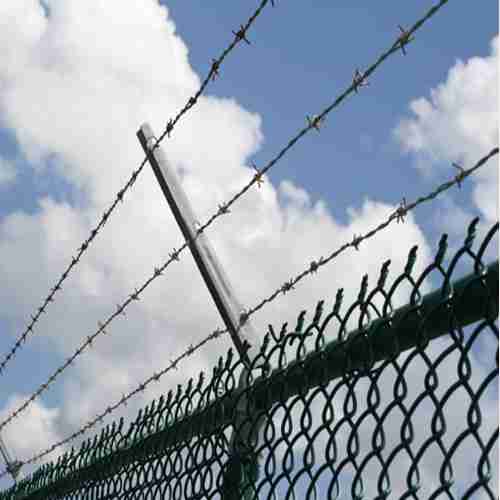
These fences can be equipped with various accessories, such as barbed wire or razor wire, to enhance security and deter unauthorized access.
The open design of the chain link fabric allows for excellent visibility, making it easier to monitor activities inside and outside the fenced area.
Industrial Metal Welded Mesh Fence
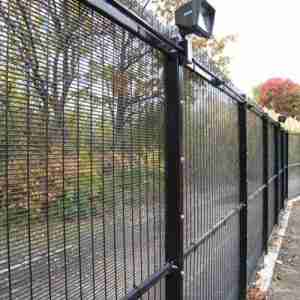
Industrial metal welded mesh fence is constructed from high quality steel or other durable metal materials that are expertly welded together to create a strong, secure, and long-lasting barrier.
The use of high-quality metal and precision welding ensures that the fence can withstand harsh environmental conditions, including extreme temperatures, heavy winds, and corrosive elements.
The robust construction of a metal welded mesh fence, combined with its resistance to tampering, makes it an excellent security solution. The small openings in the mesh design also discourage climbing, making it difficult for intruders to breach the perimeter.
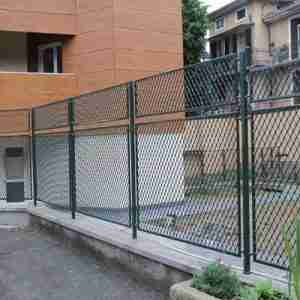
Industrial Expanded Metal Fencing
Industrial expanded metal fencing is known for its distinctive pattern, created by strategically cutting and stretching metal sheets, resulting in a grid-like structure with diamond-shaped openings.
It is constructed from high-quality metals, such as steel or aluminum, which are chosen for their strength and resistance to corrosion. This ensures that the fencing can withstand harsh weather conditions, extreme temperatures, and the test of time, reducing the need for frequent maintenance or replacements.
The robust nature of expanded metal fencing also acts as a deterrent to potential intruders, enhancing security.
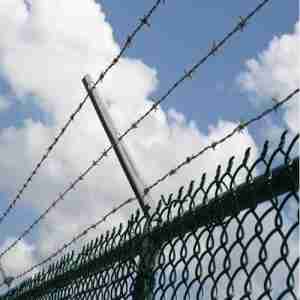
Industrial Barbed Wire Fencing
Industrial barbed wire fencing is using high-quality metal materials, typically galvanized steel. This ensures the fence’s longevity and ability to withstand harsh environmental conditions, including extreme weather, corrosion, and physical impacts.
The defining characteristic of this type of fencing is the presence of sharp barbs or spikes strategically attached to the top of the fence. These barbs act as a potent deterrent to potential intruders, discouraging any attempts to breach the perimeter.
It is essential to periodically check for any damage or signs of wear and tear, as prompt repairs will keep the fence in optimal condition.
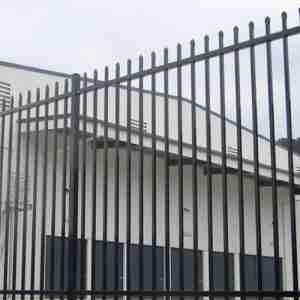
Galvanized Industrial Metal Fence Panels
Galvanized industrial metal fence panels are constructed from high-quality steel that has been hot-dip galvanized, a process that involves coating the metal with a layer of zinc to protect it from corrosion and rust.
This galvanized coating not only enhances the fence’s longevity but also adds to its aesthetic appeal.
The galvanization process provides a robust barrier against environmental factors like moisture, UV exposure, and extreme temperatures, ensuring that the fence panels remain in excellent condition for many years.
Galvanized industrial metal fence panels are low-maintenance, requiring minimal upkeep over their lifespan.
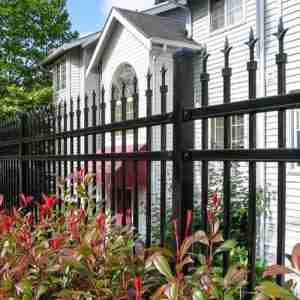
Three Rail Industrial Picket Fence
Three rail industrial picket fence is its robust construction. Made from high-quality metal materials, such as steel or aluminum, this fence is built to withstand harsh weather conditions, impact, and wear and tear.
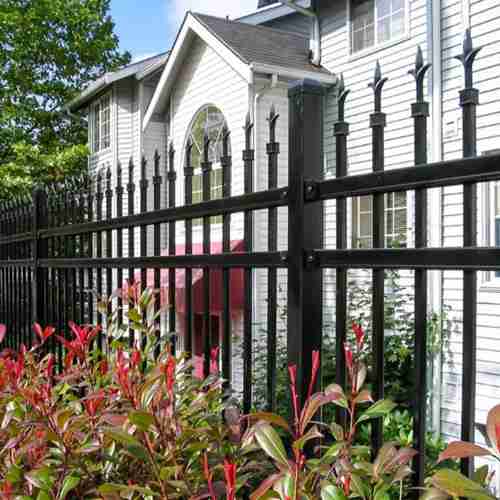
The three horizontal rails provide structural integrity, while the picket design offers a level of visibility that enhances security. This fence serves as a formidable barrier that deters unauthorized access and provides peace of mind to property owners.
Its simple and clean lines make it a versatile choice that complements a variety of architectural styles.
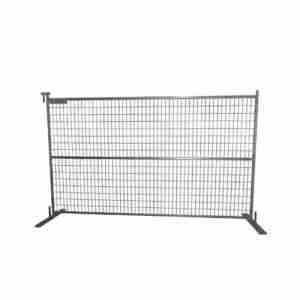
Industrial Temporary Fencing
Industrial temporary fencing are designed to provide a temporary and reliable barrier that helps ensure safety, security, and privacy while accommodating easy installation and removal.
These fences are typically constructed from high-quality materials such as galvanized steel or aluminum, which ensures their ability to withstand the rigors of outdoor environments.
These fences are often modular, which means they can be easily assembled and disassembled as needed. No permanent foundation or extensive groundwork is required, making them an excellent choice for construction sites, outdoor events, and industrial facilities with ever-changing needs.
Techniques
1. What are the common materials used in industrial fence panels?
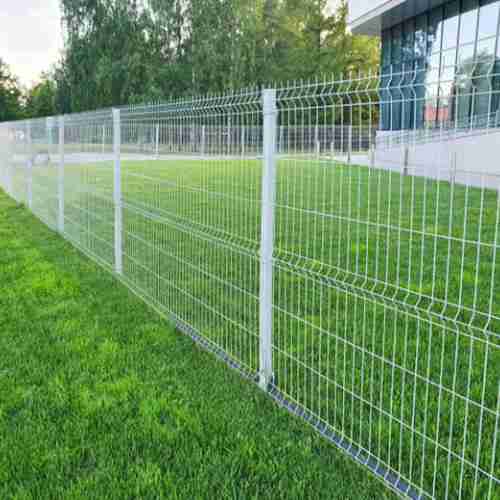
Industrial fence panels are used for a variety of purposes, including security, privacy, and boundary demarcation. The choice of materials for industrial fence panels depends on factors such as security requirements, aesthetics, and environmental conditions. Common materials used in fence panels include:
Steel: Steel is one of the most common materials for industrial fencing due to its strength and durability. It can be used to create high-security fences and is often used in applications where the fence needs to withstand significant stress and potential impacts.
Aluminum: Aluminum is lightweight and resistant to corrosion, making it a popular choice for industrial fencing, especially in areas where moisture and rust are concerns. It’s not as strong as steel, so it may be better suited for lower-security applications.
Wrought iron: Wrought iron fences are known for their decorative and ornamental qualities. While they are not as commonly used for high-security applications, they provide a classic and elegant look often used in industrial and commercial settings.
2. What is the typical height for industrial security fencing?
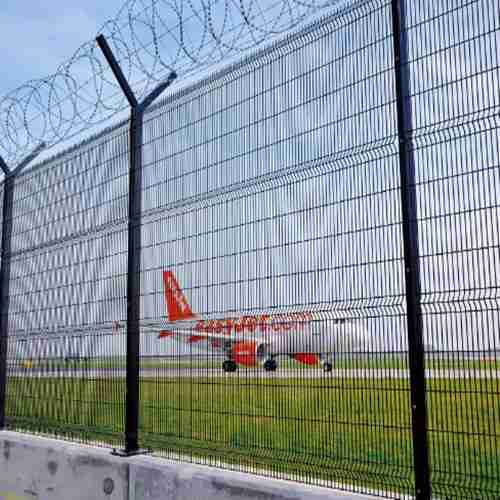
Generally, industrial security fencing ranges from 6 to 10 feet in height. The choice of height is determined by factors such as the level of security required, local regulations, and the nature of the industrial site.
For lower-security applications, a 6-foot fence may suffice, serving as a deterrent to casual intruders. For high-security environments or those housing valuable assets, a taller fence of 8 to 10 feet may be preferred to discourage more determined trespassers.
3. What is the general thickness of the coating on the industrial machine safety fencing?

In many cases, a standard coating thickness can range from 1 to 4 millimeters (0.04 to 0.16 inches). These measurements are not set in stone, as the thickness can be adjusted based on factors such as the type of material used for the fencing, environmental conditions, and the level of protection required.
4. What are the different types of finishes available for industrial metal fencing?

Industrial metal fencing can be finished in various ways to enhance its durability, appearance, and performance. The choice of finish depends on factors such as the specific application, the environment, and aesthetic preferences. Here are some common types of finishes for fencing:
Powder coating: Powder coating is a popular finish for Industrial metal fencing. It involves applying a dry powder to the metal surface, which is then baked to form a hard, protective coating.
Galvanization: Galvanization involves immersing the Industrial metal fencing in a bath of molten zinc, creating a protective layer that prevents corrosion. Hot-dip galvanizing is the most common method for steel fencing.
Epoxy coating: Epoxy coatings are highly durable and resistant to chemicals and abrasion. They are often used in industrial settings where the fencing is exposed to harsh conditions.
Anodizing: Anodizing is typically used for aluminum fencing. It involves creating an oxide layer on the metal’s surface, which enhances corrosion resistance and provides a decorative finish.
Vinyl coating: Vinyl-coated Industrial metal fencing involves a layer of PVC (polyvinyl chloride) or another plastic material that provides additional protection and a colored finish.
Stainless steel: Stainless steel fencing does not require a finish because it is inherently corrosion-resistant due to its chromium content.
Polishing: Polishing can be used on Industrial metal fencing to achieve a shiny, reflective finish. It is often used for decorative or architectural purposes.
5. Can industrial mesh fencing be customized in terms of design, height, or color?
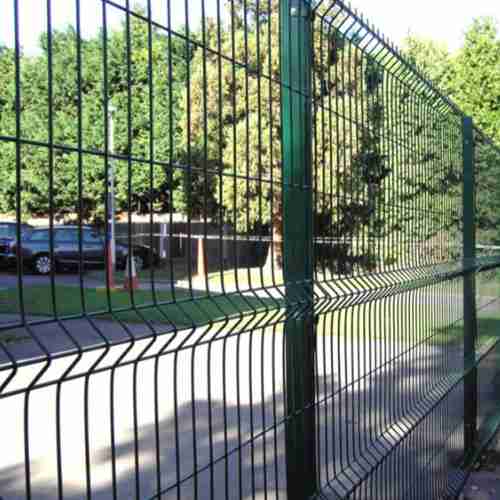
Yes, industrial mesh fencing can often be customized in terms of design, height, and color to meet specific requirements and preferences. Here are some details on each of these customization options:
Design: Mesh fencing comes in various designs and patterns, including chain-link, welded wire, expanded metal, and woven wire mesh. The specific design can be selected based on factors such as security needs, aesthetics, and intended use.
Height: Industrial mesh fencing can be customized in terms of height to match the security and privacy needs of the facility or property. Taller fences provide better security and privacy but may have local regulations or aesthetic considerations to consider.
Color: Mesh fencing is often available in various color options, with the most common being galvanized steel (silver) or vinyl-coated colors such as black, green, or brown.
Additional customization: Depending on the manufacturer and the specific requirements, you may have additional customization options.
FAQ
Most frequent questions and answers
The main purposes of Industrial aluminum fencing is typically used to enhance security, control access, deter unauthorized entry, and protect valuable assets on industrial or commercial properties. It can also serve as a visual barrier and can be used for safety purposes.
In general, well-constructed industrial fencing made from durable materials like steel, aluminum can last for several decades, often ranging from 20 to 50 years or more.
The service life of industrial site fencing can be influenced by various factors, and it’s essential to consider these factors when selecting and maintaining fencing for industrial sites. Here are some key factors that can affect the service life of fencing:
Material selection: The choice of fencing material is a crucial factor. Common materials for industrial site fencing include steel, aluminum, chain-link.
Corrosion resistance: Industrial sites are often exposed to harsh environmental conditions, including moisture, chemicals, and salt. Fencing materials with excellent corrosion resistance, such as galvanized steel or aluminum, can last longer in such environments.
Maintenance: Regular maintenance, such as cleaning, painting, or anti-corrosion treatments, can extend the life of the fencing.
Installation quality: Proper installation is essential. If fencing is not installed correctly, it may be more susceptible to damage or structural issues.
Environmental conditions: The specific environmental conditions of the industrial site, including climate, exposure to chemicals, and proximity to saltwater, can impact the service life of the fencing.
Wear and tear: Regular wear and tear from usage and contact with equipment or machinery on the industrial site can affect the condition of the fence.
Industrial fence systems offer several benefits when used in industrial applications. These systems are designed to meet the specific needs and challenges of industrial environments, providing various advantages, including:
Security: Industrial fence systems are built to provide a high level of security, helping to protect valuable equipment, assets, and personnel from unauthorized access and intruders.
Safety: These systems help maintain safety by preventing accidental entry into restricted areas, reducing the risk of accidents, injuries, and potential liability.
Perimeter control: Industrial fences help establish clear and controlled perimeters for industrial facilities, enabling better organization, access control, and surveillance.
Deterrence: The presence of industrial fencing acts as a deterrent to potential trespassers or vandals, helping to prevent unauthorized access and damage to property.
Boundary demarcation: Industrial fence systems clearly define property boundaries, helping to prevent disputes with neighboring properties and ensuring that the land is used efficiently.
Aesthetic appeal: Modern industrial fence systems are available in various designs and materials, allowing for customization to suit the aesthetics of the industrial facility while still providing the necessary security and functionality.
Durability: Industrial fence systems are designed to withstand harsh environmental conditions, including extreme weather, corrosive substances, and wear and tear from heavy industrial machinery, ensuring a longer lifespan and reduced maintenance costs.
Asset protection: Industrial fence systems help protect valuable equipment, materials, and inventory from theft and vandalism.
Yes, metal industrial fencing typically requires maintenance to ensure its longevity, appearance, and functionality. Here are some common maintenance tasks and considerations for fencing:
Cleaning: Regularly clean the metal fence to remove dirt, dust, debris, and contaminants. Use a mild detergent and water or a metal-specific cleaner. Avoid abrasive materials that could scratch the metal’s surface.
Rust prevention: Rust is a common issue with metal fencing, especially if it’s exposed to moisture or corrosive elements.
Inspect for damage: Periodically inspect the fence for signs of damage, such as dents, dings, or bent sections.
Lubrication: If your metal fence includes moving parts, like gates or hinges, lubricate them regularly to ensure smooth operation and prevent rust or corrosion.
Repainting: Over time, the paint or finish on metal fencing may fade or deteriorate. Repainting the fence can help protect the metal and improve its appearance.
Adjust hardware: Check the hardware, such as bolts, screws, and fasteners, for tightness. Ensure that all connections are secure and make adjustments as needed.
Coating maintenance: If your metal fence has a specific coating or finish, follow the manufacturer’s recommendations for maintenance. This might include periodic reapplication of protective coatings.
Security checks: For industrial fencing used for security purposes, regularly check the integrity of the fence to ensure it remains effective in deterring trespassers and unauthorized access.
Industrial metal fencing serves a variety of purposes in different industries due to its durability, security, and versatility. Some common uses for fencing in various industries include:
Perimeter security: Industrial metal fencing is often used to secure the perimeters of industrial facilities, warehouses, factories, and construction sites to deter unauthorized access and protect valuable assets.
Safety barriers: In manufacturing and construction, metal fencing can be used to create safety barriers around hazardous areas, machinery, or equipment to prevent accidents and protect workers.
Critical infrastructure protection: Metal fencing is often deployed around critical infrastructure facilities, such as power plants, water treatment plants, and data centers, to safeguard against potential threats.
Animal control: In agriculture and livestock farming, metal fencing is used to enclose pastures, pens, and corrals to contain animals and protect them from external threats.
Sports facilities: Industrial metal fencing is used in sports complexes, stadiums, and recreational areas to create boundaries, protect spectators, and control access to playing fields.
Airports and transportation: Airports and transportation hubs often use metal fencing to secure runways, control access to sensitive areas, and keep wildlife away from aircraft.
Environmental protection: In ecological and environmental restoration projects, metal fencing can be used to create barriers to protect sensitive ecosystems from human interference.
In a typical scenario, the installation process for industrial metal gate fencing may take anywhere from a few days to several weeks.
For smaller projects with standard-sized gates and minimal customization, installation may be completed relatively quickly. On the other hand, larger industrial sites with extensive perimeter fencing, multiple gates, or specialized security features may require more time and resources.
Yes, industrial security fences can be used for privacy purposes in some cases. Fences are typically designed to provide security and prevent unauthorized access to a property or facility.
Yes, industrial metal fencing can certainly be used for decorative purposes in addition to providing security. Many types of metal fencing, such as wrought iron or ornamental steel fencing, are known for their aesthetic appeal and can enhance the appearance of a property while also serving a functional purpose.
Grating wire industrial fence panels, while versatile and durable, may not be the ideal choice for coastal or high-corrosion environments. These environments are characterized by high levels of moisture, salt, and airborne contaminants, which can accelerate the corrosion of metal components.
In coastal areas, the salt-laden air can lead to rapid corrosion of the grating wire panels, compromising their structural integrity and reducing their lifespan. Similarly, in high-corrosion environments with chemical exposure, the panels may deteriorate more quickly.
Selecting the right industrial safety fencing is essential to ensure the safety of employees and protect assets in industrial settings. Several factors should be considered when choosing fencing:
Purpose and application: Clearly define the purpose of the fencing, whether it’s to protect workers from hazardous equipment, control access to specific areas, or secure a perimeter. Different applications may require different types of fencing.
Material: Choose the right material for the fencing, such as steel, aluminum, or chain-link, based on the specific needs of your application.
Height: The height of the fence should be sufficient to prevent unauthorized access and protect against potential hazards. It should be tall enough to deter climbing or reaching over.
Visibility: Ensure that the fencing provides adequate visibility for both safety and security. Mesh or transparent panels can improve visibility while still providing protection.
Environmental conditions: Consider the environmental conditions of the industrial site. Factors like weather, temperature, humidity, and exposure to corrosive substances can impact the choice of materials and coatings.
Aesthetic concerns: In some cases, the appearance of the fencing may be important, especially if it’s visible to the public. Choose a design that complements the overall aesthetics of the site.
Budget: Consider your budget constraints when selecting industrial safety fencing. While it’s important to prioritize safety, cost-effective options may be available that meet your needs without breaking the bank.
Installation: Ensure that the fencing is installed correctly by professionals who are experienced with industrial safety requirements.
Industrial grade aluminum fencing can generally be repaired with relative ease in case of damage. Aluminum is a lightweight yet durable material that resists corrosion, making it a popular choice for fencing in industrial settings. In the event of damage, such as dents or bent sections, repairs can be straightforward.
Replacement parts or panels are readily available, and many manufacturers offer modular systems that allow damaged sections to be swapped out without affecting the integrity of the entire fence.
Industrial metal grid fencing, such as chain-link or wire mesh fencing, is commonly used for security, perimeter protection, and other industrial applications. However, several challenges and issues can arise with these types of fencing. Here are some of the common ones:
Corrosion: Metal fencing is susceptible to corrosion, especially in outdoor environments where it’s exposed to the elements. Regular maintenance, such as applying rust-resistant coatings or galvanizing, is essential to prevent corrosion.
Damage: Industrial areas may have heavy machinery, forklifts, or vehicles moving around, which can lead to accidental damage to the fencing. Repairing and replacing damaged sections can be a recurring issue.
Climbing: Some individuals may attempt to climb over industrial metal fencing to gain unauthorized access. This can be a security concern. Adding anti-climbing measures like spikes or curved tops can deter trespassers.
Maintenance Costs: Keeping metal grid fencing in good condition can be costly due to the need for regular inspections, repairs, and repainting or re-galvanizing to prevent rust.
Aesthetics: Industrial metal grid fencing may not be aesthetically pleasing, and in some cases, it might negatively impact the visual appeal of the area.
Environmental Impact: Some industrial metal grid fencing materials may have a negative environmental impact due to the use of resources and energy in their production.
Galvanized iron industrial fencing is a versatile and durable solution that can be adapted to various types of terrain and environmental conditions. Its galvanized coating provides excellent corrosion resistance, making it suitable for both dry and humid climates.
In arid regions, galvanized iron fencing can withstand intense sunlight and extreme temperatures without deteriorating, making it an ideal choice for desert environments. Similarly, in coastal areas where saltwater corrosion is a concern, galvanized iron’s protective coating ensures longevity.
Safety industrial metal fencing acts as a physical barrier, deterring unauthorized personnel from entering restricted areas, which helps prevent accidents, theft, and vandalism.
This restriction of access ensures that only qualified and trained individuals are allowed in potentially hazardous zones, reducing the risk of accidents and injuries.
Whether industrial metal fencing comes with warranties or not depends on the manufacturer and the specific product you choose. Many reputable manufacturers of fencing offer warranties to provide assurance of the product’s quality and durability.
Typically, warranties for industrial metal fencing may cover defects in materials or workmanship, such as rust or corrosion, for a certain period of time, which can range from a few years to several decades.
The return and exchange policies of industrial metal fencing manufacturers can vary depending on the specific company and their terms and conditions. Here are some general guidelines that you might find in such policies:
Defective or damaged products: Manufacturers typically accept returns or exchanges for products that are defective or arrive damaged. In such cases, they may provide replacements or issue refunds.
Returns for non-defective products: Some manufacturers may accept returns for non-defective products, but this is often subject to certain conditions.
Custom or made-to-order products: Products that are custom-made or made-to-order are often not eligible for returns or exchanges unless they are defective or damaged.
Time limit for returns: There may be a time limit within which returns or exchanges must be requested. This period is often specified in the manufacturer’s policy.
Refund or credit: Some manufacturers may offer refunds to the original payment method, while others may issue store credits for returned items.
Return authorization: Customers may be required to obtain a return authorization number or follow specific procedures to return or exchange products.