
Heavy Gauge Wire Fence
Heavy gauge wire fences are typically constructed from materials like steel or iron, which are known for their strength and resilience. These materials are chosen for their ability to withstand harsh weather conditions, resist corrosion, and deter potential intruders.
The thickness of the wire, or gauge, in these fences is considerably greater than standard fencing options, making them a formidable barrier.
Heavy gauge wire fence can be designed in various heights and configurations, including different post spacings and wire patterns. This adaptability allows property owners to tailor their fences to suit their needs.
Periodic inspections for signs of rust or damage and occasional repainting can help extend the fence’s lifespan.
They are available in various finishes, such as powder-coating, which not only enhances their appearance but also adds an extra layer of protection against the elements. If you need heavy gauge wire fence products, please contact DEZE.


ProductS
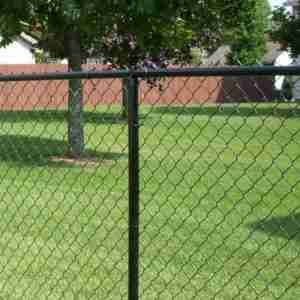
Heavy Gauge Chain Link Fence
Heavy gauge chain link fence features interwoven metal wires in a distinctive diamond-shaped pattern. These wires are made from heavy-duty steel or other metals, offering superior strength and resilience.
The fence’s heavy gauge construction makes it highly resistant to damage from external forces such as impacts, weather conditions, and attempted breaches.
These fences are commonly used to secure commercial and industrial properties, construction sites, warehouses, and government facilities. While chain link fences are known for their transparency, privacy slats or screening materials can be added to increase privacy without sacrificing the fence’s durability.
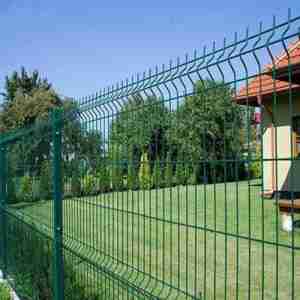
Heavy Gauge Welded Wire Fence Panels
Heavy gauge welded wire fence panels are constructed using high-quality steel wire, known for its exceptional strength and resilience. With thicker gauges of steel, these panels are built to withstand the toughest environmental conditions.
The panels are meticulously welded, providing a sturdy and seamless structure. This welding technique ensures that the wires are securely joined, preventing any weak points or gaps that could compromise security.
Their galvanized or powder-coated finish resists rust and corrosion, keeping them looking great and functioning effectively for years. Many heavy gauge welded wire fence panels are eco-friendly options, with some being made from recycled materials.
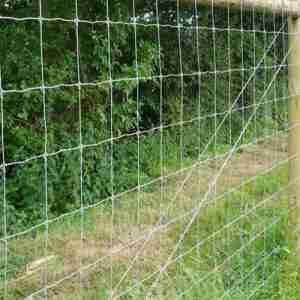
Heavy Gauge Woven Wire Fence
The use of thick, high-quality metal wires makes heavy gauge woven wire fence resistant to wear and tear, weathering, and damage from external forces. This results in a long-lasting fence that can stand the test of time, providing reliable protection for years to come.
The tightly woven pattern and robust materials make it difficult for intruders to breach the fence, offering an effective deterrent against trespassers and potential threats.
The intricate woven patterns and customizable finishes can enhance the visual appeal of your property, blending seamlessly with its surroundings.
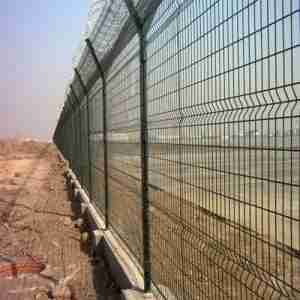
Heavy Gauge Small Hole Wire Fence
The use of a thicker gauge metal, such as steel or aluminum, ensures the fence’s strength and resilience. Heavy gauge small hole wire fence is designed to withstand harsh weather conditions, resist corrosion, and remain durable over many years, reducing the need for frequent maintenance or replacements.
Its heavy gauge also adds an additional layer of security, making it a formidable barrier to deter potential intruders.
The small hole design is another defining characteristic of this wire fence. The tightly spaced openings in the fence panels offer several advantages. They provide an effective barrier against smaller pests and animals, making it ideal for securing gardens and agricultural areas.
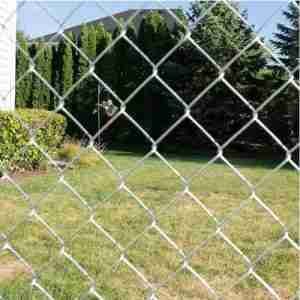
Heavy Gauge Woven Wire Fence
Heavy gauge galvanized fencing is constructed using high-quality materials and is known for its corrosion resistance, making it an ideal choice for both residential and commercial settings. Heavy gauge galvanized fencing is typically made from steel.
This thicker gauge steel provides increased strength and rigidity, ensuring that the fence can withstand harsh weather conditions, impacts, and potential intruders.
This coating consists of a layer of zinc applied to the steel through a process called galvanization. Galvanization involves immersing the steel in molten zinc, which bonds with the steel surface, creating a protective barrier that effectively prevents rust and corrosion.
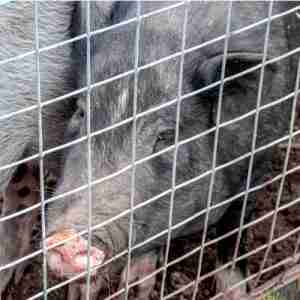
Heavy Duty 10 Gauge Wire Fence
Heavy duty 10 gauge wire fence is constructed from high-quality metal materials, typically steel or iron, and features wires that are 10 gauge in thickness. 10 gauge wires are thicker than standard fencing wires, which makes them highly resistant to bending, breaking, or sagging.
In terms of maintenance, a metal heavy-duty 10-gauge wire fence is relatively low-maintenance. The metal construction makes it resistant to rust and corrosion, reducing the need for regular upkeep.
10-gauge wire fence is suitable for a wide range of climates, but it can be particularly beneficial in regions with extreme weather conditions, such as high winds, heavy snow, or intense sunlight.

Heavy 8 Gauge Wire Fence
Heavy 8 gauge wire fence is significantly thicker than standard fencing materials, making it highly resistant to damage from external forces, such as impacts or weather conditions. Its heavy gauge wire and strong construction make it a formidable barrier that is difficult to breach.
This type of fencing is often used in high-security areas, industrial facilities, and military installations due to its effectiveness in deterring trespassers.
To ensure the fence’s longevity, most 8-gauge wire fences are treated with corrosion-resistant coatings.
Although the upfront cost of an 8-gauge wire fence may be higher than some other fencing options, its long-term durability and minimal maintenance requirements make it a cost-effective investment.
Techniques
1. What is the typical wire gauge used for heavy gauge wire fence?

Common wire gauges for heavy gauge wire fence typically range from 8 to 12 gauge. Here’s a general guideline for selecting a wire gauge based on different fence types and their intended purposes:
8-Gauge Wire: It is suitable for heavier livestock and agricultural fencing.
9-Gauge Wire: This is a thicker and stronger wire often used for heavy gauge wire fence, such as security fences, livestock enclosures, and deer fences. It provides excellent durability and is resistant to bending or breaking.
10-Gauge Wire: Slightly thinner than 9-gauge, 10-gauge wire is still suitable for many heavy-duty applications, including agricultural and security fencing.
11-Gauge Wire: 11-gauge wire is commonly used for heavy gauge wire fence that requires strength and durability. It can be suitable for livestock, farm, and security fencing.
12-Gauge Wire: This is a moderately thick wire and is commonly used for perimeter or garden heavy gauge wire fence. While it may not be as robust as thicker gauges, it’s still sturdy enough for many residential and light commercial applications.
Thicker gauges provide more strength and durability but may be more challenging to work with and more expensive.
2. What materials are commonly used for heavy gauge wire fence panels?

Heavy gauge wire fence panels are typically used for security, containment, and perimeter fencing in various applications. Common materials used for manufacturing these panels include:
Steel: Steel is one of the most popular materials for heavy gauge wire fence panels. It is strong, durable, and resistant to corrosion, making it suitable for outdoor applications. Steel wire panels can be galvanized or coated with a layer of zinc to enhance their rust resistance.
Aluminum: Aluminum heavy gauge wire fence panels are lightweight, corrosion-resistant, and durable. They are often used in applications where weight is a concern, or where a fence needs to resist corrosion, such as near coastal areas. Aluminum panels can be powder-coated for added protection and aesthetics.
Galvanized steel: Galvanized steel heavy gauge wire fence panels are regular steel panels that have been coated with a layer of zinc to protect them from rust and corrosion. They are cost-effective and durable.
Wrought iron: Wrought iron heavy gauge wire fence panels are known for their ornamental and decorative qualities. They are strong and can be used for both security and aesthetic purposes. Wrought iron requires maintenance, such as regular painting, to prevent rust.
3. What are the standard mesh sizes for heavy gauge field fence?

The mesh size is an important factor in determining the fence’s effectiveness for different types of animals. Common mesh sizes for heavy gauge field fences typically range from 4 inches to 12 inches, with variations in between.
4. Do heavy gauge steel wire fence require a top rail for added strength and stability?

Heavy gauge steel wire fences, often used for security and containment purposes, can benefit from the addition of a top rail to enhance their strength and stability.
The top rail is a horizontal beam that runs along the uppermost part of the fence, it distributes the load and helps prevent the fence from sagging or buckling under pressure, especially when subjected to strong winds or impact.
It serves as a deterrent for climbers or would-be trespassers, as it creates an extra barrier at the top.
5. What are the components of the heavy gauge wire fencing?

Heavy gauge wire fencing typically consists of several key components that work together to create a sturdy and durable barrier. These components may include:
Wire panels or rolls: The primary material of heavy gauge wire fencing is metal wire, usually made of materials like steel or iron. These wires can be in the form of panels or rolls, with panels being rigid sections and rolls being more flexible and continuous.
Mesh: The wire is usually woven or welded to create a mesh pattern. The size of the mesh can vary depending on the specific application and desired level of security.
Posts: Heavy gauge wire fencing requires sturdy support posts to hold the wire panels or rolls in place. These posts are typically made of metal, such as steel or iron, and can be either round or square in shape.
Tensioning system: To keep the wire fencing taut and prevent sagging, a tensioning system is often used. This system typically includes tensioning bars, wire, or cables that are tightened between the end posts to pull the fencing material tight.
Fasteners: Various types of fasteners, such as bolts, nuts, screws, or clips, are used to attach the wire mesh to the support posts.
Gates and gate hardware: If the heavy gauge wire fencing includes access points, gates are installed. Gates come in various sizes and styles and are often equipped with hinges, latches, locks, and other hardware to secure them.
Top Rail: In some cases, a top rail may be added to the fence for extra stability and to prevent sagging. The top rail is typically a horizontal bar that runs along the top of the fence and is attached to the support posts.
Coating or finish: Depending on the material used and the desired appearance, heavy gauge wire fencing may be coated or finished. Common finishes include galvanization (for rust resistance) and powder coating (for color and additional protection).
Accessories: Additional accessories, such as barbed wire or razor wire, may be added for security and deterrence.
FAQ
Most frequent questions and answers
Heavy gauge wire fence is a type of fencing system made from thick and durable wires, typically of a larger diameter than standard wire fences. It is designed to provide security, containment, or other specific purposes.
The primary purposes of installing heavy gauge galvanized welded fence is to enhance security. The heavy gauge construction, coupled with the durability of galvanized steel, provides a formidable barrier against unauthorized entry, deterring potential intruders.
Heavy wire mesh panels offer several advantages for various applications. Here are some of the key advantages of using mesh panels:
Security: Heavy wire mesh panels are often used for security purposes, as they provide a sturdy barrier that is difficult to breach.
Durability: Heavy wire mesh panels are typically constructed from robust materials like steel or galvanized steel, making them highly durable and able to withstand harsh weather conditions, impact, and wear and tear.
Versatility: These panels can be used in a wide range of applications, including fencing for residential properties, industrial facilities, construction sites, and agricultural purposes.
Visibility and airflow: Heavy wire mesh panels allow for good visibility through the fence, which can be advantageous for security and surveillance purposes. They also permit airflow, making them suitable for use in areas where ventilation is required.
Low maintenance: Once installed, heavy wire mesh panels generally require minimal maintenance. They are resistant to rust and corrosion, which helps extend their lifespan.
Cost-effectiveness: While the upfront cost of heavy wire mesh panels may be higher than some other fencing options, their long lifespan and low maintenance needs can make them cost-effective in the long run.
Customization: Heavy wire mesh panels can be customized in terms of size, shape, and mesh spacing to meet specific project requirements.
Maintaining heavy duty field fence, commonly used for agricultural and livestock applications, is important to ensure its longevity and effectiveness. Here are some maintenance requirements and tips for fence:
Regular inspections: Perform routine inspections of the fence to check for damage, wear, or areas that may need repair. Look for loose or broken wires, damaged posts, and sagging sections.
Repairs: Promptly repair any damage you find during inspections. This may involve reattaching loose wires, replacing broken wires or posts, and fixing any bent or damaged sections.
Tension adjustment: Check the tension of the fence wires periodically. Tension helps maintain the fence’s integrity. If you notice sagging, tighten the wires as needed to keep the fence taut.
Gates and latches: Ensure that gates and latches are in good working condition. Lubricate moving parts to prevent rust and make sure gates close securely.
Rust prevention: Heavy-duty field fence is typically made of galvanized steel, which is resistant to rust. However, if you notice any signs of rust, it’s important to address them promptly.
Heavy type welded wire mesh differs from regular welded wire mesh in terms of wire diameter and mesh size, making it suitable for specific applications that require greater strength and durability.
Heavy type mesh typically features thicker wire gauges, which provide increased structural integrity and load-bearing capacity compared to the lighter wire used in regular mesh.
The heavier wire diameter enhances its resistance to bending and impact, making it ideal for applications such as construction, infrastructure, and industrial purposes where greater strength and security are essential. It can withstand heavier loads and more significant stresses without deforming or breaking.
The mesh size may vary, with heavy type mesh often having larger openings, which can facilitate improved visibility, airflow, or material penetration.
Selecting the appropriate height for heavy gauge wire mesh fencing depends on several factors, including the specific needs and objectives of the fencing project. Here are some important considerations to keep in mind:
Privacy: If privacy is a concern, a taller fence can provide better visual obstruction. This is important for residential properties or locations where you want to shield certain areas from view.
Legal regulations: Check local zoning laws and regulations that may dictate the maximum allowable fence height in your area. Non-compliance can result in fines or the need to modify the fence.
Aesthetic and design: Consider the overall aesthetic and design of the property. The fence should complement the style and appearance of the surrounding structures and landscaping.
Budget: Taller fences typically require more materials and labor, which can increase the cost of the project.
Local climate: Take into account the local weather conditions. In areas with high winds or heavy snowfall, a taller fence may be more susceptible to damage. Wind can also create additional force on the fence, which needs to be considered in design and construction.
Views and sunlight: Consider how the fence height may affect your view or the amount of sunlight that reaches your property and nearby areas.
In general, a routine inspection every 1-3 months is recommended for heavy wire fencing. More frequent inspections may be necessary in harsh environments or areas prone to high winds, extreme temperatures, or heavy vegetation growth.
Yes, heavy gauge wire fences can be used for various agricultural purposes. These fences are commonly used in agriculture to provide security, containment, and protection for crops, livestock, and property.
Yes, heavy gauge wire fences can be installed on uneven terrain, but it may require additional planning and effort to ensure the fence is secure and effective. Uneven terrain can present challenges such as slopes, hills, rocks, and other obstacles that need to be addressed during the installation process.
Installing heavy gauge wire fencing can be a significant project, and there are several cost considerations to keep in mind. The total cost will depend on various factors, including the type of wire fencing, the length of the fence, the terrain, labor costs, and local material prices. Here are some key cost considerations:
Type of wire fencing: The type of heavy gauge wire fencing you choose will significantly impact the cost. Options include chain-link, welded wire, woven wire, and more.
Fence length: The length of the fence will directly affect the total cost. Measure the perimeter of the area you want to enclose to estimate the required materials.
Height of the fence: Taller fences require more materials and labor for installation. Be sure to consider the desired height when estimating costs.
Terrain and site preparation: If the terrain is uneven or has obstacles like rocks or trees, site preparation costs may be higher. Clearing and grading the land, as well as removing obstacles, can add to the overall expense.
Gates and accessories: If you need gates or additional accessories like post caps or tension wire, these will add to the cost of your fencing project.
Labor costs: The cost of labor can be a significant portion of the total expense. Labor costs depend on the local labor market, the complexity of the installation, and the number of workers required.
Permits and regulations: Check with your local authorities to determine if you need permits for your fence installation. Permit fees and compliance with local regulations can add to the cost.
Maintenance and repairs: While not an initial cost, consider the long-term expenses associated with maintaining and repairing heavy gauge wire fencing.
The legal regulations and zoning restrictions for heavy gauge steel wire fences can vary depending on your location, as they are typically determined by local, state, or national authorities. Here are some general guidelines and factors to consider when dealing with such fences:
Local zoning ordinances: Most areas have zoning regulations that govern the type, height, and location of fences on private property. These regulations are typically enforced by local municipal or county authorities.
Fence height: Zoning ordinances often specify the maximum allowable height for fences in different zones (e.g., residential, commercial, industrial). Heavy gauge steel wire fences may have height restrictions, and these restrictions can vary depending on the purpose of the fence and its location.
Setback requirements: Some zoning regulations might require fences to be set back a certain distance from property lines, roads, and structures. This is to ensure that fences do not impede visibility, access, or safety.
Aesthetic considerations: In certain residential areas, there might be restrictions on the design and appearance of fences to maintain the neighborhood’s aesthetic quality.
Permits: Depending on the size and type of fence, you may need to obtain a building permit or fence permit. The requirements for permits vary by location, and local authorities can provide guidance.
Safety and building codes: Some areas may have building codes that regulate the construction of fences, particularly if they are intended for security or safety purposes.
Manufacturers of heavy gauge wire fence products, such as DEZE fence often offer guarantees to provide assurance to their customers regarding the quality and durability of their products.
These guarantees typically cover defects in materials and workmanship, ensuring that the heavy gauge wire fence will perform as intended for a specified period. The length of the guarantee can vary from one manufacturer to another, but it commonly ranges from a few years to several decades.
These guarantees give customers confidence in the product’s longevity and can serve as a testament to the manufacturer’s commitment to quality.