
Modular Barrier Fence
Modular barrier fence is a versatile and adaptable fencing system composed of individual, pre-fabricated sections or modules that can be interconnected to create a wide range of configurations and lengths.
These modular panels can be constructed from various materials like metal, allowing flexibility in terms of appearance and function. Modular barrier fences find application in diverse scenarios. Their quick assembly and disassembly make them ideal for short-term or changing needs.
The modular nature of these fences facilitates easy setup, and customization, ensuring that they can effectively serve as temporary or semi-permanent barriers for a wide array of applications.
DEZE FENCE is a modular barrier supplier. DEZE has accumulated rich experience through in-depth understanding of the market and customer needs. We are committed to integrity, compliance, convenient service and customer first, DEZE FENCE hopes to be your reliable partner.


ProductS

Modular Temporary Fencing
Modular temporary fencing is a highly adaptable and practical solution for temporary or short-term fencing needs. This fencing system comprises individual, pre-fabricated panels or modules that can be easily interconnected to form temporary barriers.
Modular temporary fencing serves a wide array of applications. It is commonly employed to secure construction sites, providing safety, access control, and property protection.
During events, it is used for crowd management, delineating event perimeters, and creating designated areas. It offers a temporary solution for barriers in roadwork, renovation projects, and crowd control at public gatherings.
The modular design allows for quick deployment, adjustment, and dismantling to accommodate changing requirements.
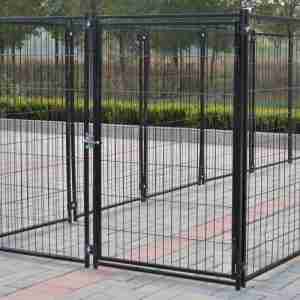
Modular Dog Exercise Fence Barrier
Modular dog exercise fence barrier is a versatile and customizable fencing solution designed to create a secure and designated space for dogs to play and exercise. Comprising individual modular panels or sections, it offers several benefits to pet owners.
Its quick assembly and adaptability make it a convenient choice for pet owners who want to establish a safe and enclosed area for their dogs on a temporary or semi-permanent basis.
The modular design allows for easy customization of the exercise space’s size, providing flexibility to accommodate various dog breeds and activity levels.
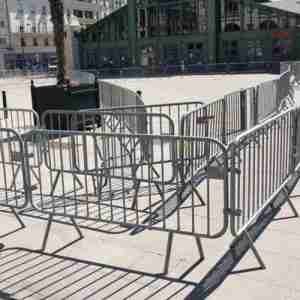
Modular Crowd Barrier
Modular crowd barrier is a versatile and essential tool for event management and crowd control, designed to ensure the safety and organization of crowds at various temporary settings.
This system comprises individual, interlocking panels or modules that can be rapidly assembled to create effective barriers.
The panels can be interconnected to create continuous barriers, designate specific areas, or guide crowd pathways, enhancing overall event safety.
Their customizable configurations accommodate different event layouts and crowd control requirements, providing adaptability to a range of situations.
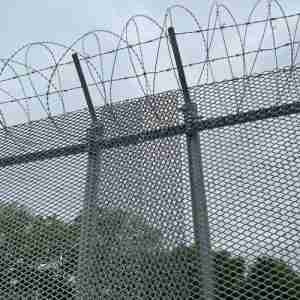
Galvanised Modular Barrier Fence
Galvanized modular barrier fence is a robust and versatile fencing system known for its resilience and corrosion resistance. This type of fencing is constructed using individual interlocking panels or modules, typically made of steel that has been galvanized.
Galvanization involves applying a protective zinc coating to the steel, rendering it highly resistant to rust and corrosion, even in harsh outdoor environments.
The modular design allows for efficient setup, making it suitable for both temporary and semi-permanent applications. The panels can be easily interconnected to create continuous barriers, enclose specific areas, or guide crowd flow.
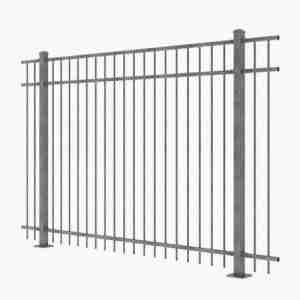
Modular Aluminum Barrier Fence
Modular aluminum barrier fence is constructed from interlocking panels or modules made of aluminum. This lightweight material, known for its natural resistance to corrosion, provides a range of benefits for various applications.
The modular design allows for quick assembly, making it suitable for events, construction sites, crowd control, and temporary enclosures. Panels can be efficiently interconnected to create continuous barriers, designate specific areas, or guide crowd flow.
The combination of lightweight, corrosion-resistant aluminum and the flexibility of modular fencing systems makes modular aluminum barrier fences a valuable solution for those seeking a durable, versatile, and convenient fencing option for a wide range of applications.

Modular Steel Security Fence
Modular steel security fence is engineered for securing properties and assets that demand the utmost protection. Constructed from interlocking steel panels, these fences offer a combination of features that make them a premier choice for security applications.
The primary advantage of a modular steel security fence is its strength and durability. Steel panels provide a robust and impenetrable barrier, offering the highest level of security. The modular design allows for rapid assembly, ensuring efficiency and effectiveness in security setups.
These interlocking panels can be easily connected to create a continuous and formidable security perimeter, making them ideal for safeguarding critical infrastructure, industrial sites, government facilities, and more.
The combination of strength, durability, and adaptability makes modular steel security fences an exceptional choice for protecting high-value assets and properties that necessitate stringent security measures.
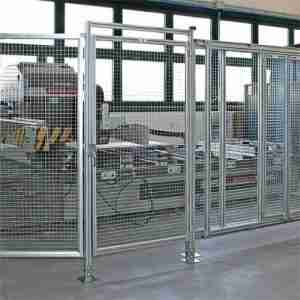
Modular Machine Guarding Barrier Fence
Modular machine guarding barrier fence is a specialized and indispensable fencing system designed to enhance safety and protection in industrial and manufacturing environments.
These fences serve as crucial physical barriers around machinery and equipment, shielding workers from moving parts and preventing unauthorized access.
They play a pivotal role in reducing workplace accidents by preventing accidental contact with machinery, minimizing the risk of injuries, and ensuring a secure working environment.
The modular design facilitates quick assembly, enabling easy installation around various types of machinery. Panels can be interconnected to create a continuous and secure barrier that surrounds equipment or specific zones within an industrial facility.
Techniques
How are modular barrier fence panels connected together?

Modular barrier fence panels are connected together using various methods and hardware designed to create a secure and stable fence line. Here are some common ways modular barrier fence panels are connected:
Interlocking Hooks or Latches: Many modular fence panels come with built-in hooks or latches that allow them to interlock with adjacent panels, creating a secure connection.
Clips or Brackets: Some modular fence systems use clips or brackets that are attached to the panels. These clips or brackets are then connected to neighboring panels, holding them in place.
Clamps: Clamps can be used to secure panels together by fastening them around the vertical or horizontal posts, ensuring a strong connection.
Fasteners (Screws or Bolts): In some cases, panels are connected using screws or bolts that are inserted through pre-drilled holes in the panels and posts.
Hinges: For gates or sections of the fence that need to swing open and closed, hinges are used to connect the panels to posts.
Drop Pins: Drop pins or locking pins are inserted through holes in the panels and posts to create a secure connection.
Proper and secure connections are essential to maintain the stability and integrity of the fence.
What is the structural design of modular fence barrier?

1. Panels or Modules: Modular fence barriers consist of individual panels or modules that are designed to interlock or connect with each other. These panels can vary in size, shape, and material, depending on the specific application.
2. Posts: Vertical posts or supports are typically used to anchor the fence panels and provide stability. These posts are often made of durable materials like steel, aluminum, or galvanized steel.
3. Connection Mechanisms: The panels and posts are connected using various mechanisms such as interlocking hooks, clips, clamps, screws, or bolts. The choice of connection method depends on the manufacturer and the design of the fence.
4. Gates: Modular fence barriers may include gate sections that are hinged to allow for access to enclosed areas. Gate design can vary based on the specific requirements of the application.
5. Height and Width: The height and width of the panels and the spacing between posts can be customized to suit the intended purpose, whether it’s for security, crowd control, or other applications.
6. Materials: The choice of materials is crucial for the structural integrity and durability of the fence. Common materials include steel, aluminum, galvanized steel, and other weather-resistant options.
7. Finish and Coatings: To enhance the fence’s durability and appearance, various finishes and coatings may be applied, such as powder coating, galvanization, or paint.
8. Customization: Many modular fence barriers can be customized to meet specific requirements, including variations in panel design, color, and added security features.
What kind of support is required for the installation of modular barrier panels?

The support needed for the installation of modular barrier panels varies depending on the design, materials, and intended application.
Typically, vertical posts or uprights serve as the primary support, anchoring the panels and ensuring stability.
These posts are often secured in concrete footings to provide a solid foundation, especially in windy conditions.
Base plates or mounting brackets may be used for flat surfaces like concrete.
In cases of softer ground, ground anchors or spikes can offer stability.
For sections with gates, hinges and latches provide essential support.
The specific support requirements should align with the fence’s design, height, and local conditions to ensure a secure and functional installation.
What is the typical height and length of modular barrier fence sections?
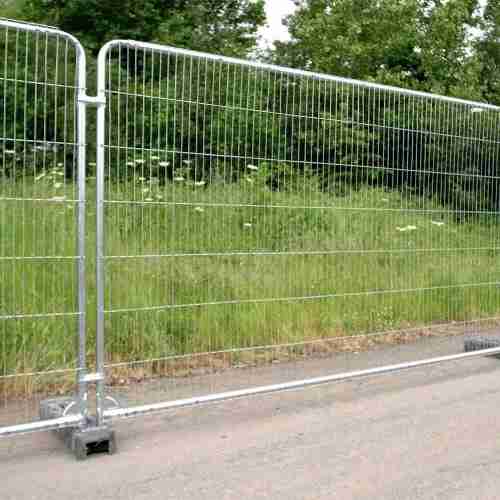
Event Crowd Control: Fence sections used for crowd control at events, festivals, or construction sites are often around 3 to 4 feet in height and 6 to 8 feet in length. These sections are designed for easy setup and flexibility.
Security Fencing: Security fencing may have taller sections, ranging from 6 to 8 feet in height. These sections can vary in length but are often around 8 to 10 feet, depending on the level of security needed.
Perimeter Fencing: Fences used to enclose a property or create a perimeter are typically taller, with heights ranging from 6 to 8 feet and longer sections, often 8 to 12 feet.
Construction Sites: Fencing used for construction site safety and security can vary, but common heights range from 4 to 6 feet, and lengths can be tailored to the site’s layout and requirements.
Privacy Fencing: For privacy applications, fence sections can be quite tall, often 6 to 8 feet in height, and lengths may range from 6 to 8 feet.
FAQ
Most frequent questions and answers
The distinction between industrial modular safety fences and traditional fencing lies in their primary function, design, materials, and compliance, reflecting their specific roles in industrial safety and property use.
Industrial safety fences are engineered to enhance workplace safety by creating physical barriers that protect workers from hazardous machinery and control access to restricted areas.
These fences are constructed from durable materials like steel or aluminum to withstand the challenges of industrial environments, emphasizing strength and impact resistance. They are typically taller and designed for security and safety.
In contrast, traditional fencing serves purposes such as property delineation, privacy, or aesthetics. They offer more customization options for landscaping and property boundaries, utilizing materials like wood, vinyl, or ornamental metals chosen for their appearance rather than industrial durability.
Modular barrier panels have a wide range of applications due to their versatility and flexibility. Some common applications include:
Construction Sites: Modular barrier panels are used to create safety perimeters around construction sites.
Event Crowd Control: They create designated pathways, crowd enclosures, and access control points.
Security Fencing: Modular barrier panels provide a physical barrier to deter intruders and enhance security.
Temporary Enclosures: These panels are used to create temporary enclosures for outdoor events, trade shows, and exhibitions.
Machine Guarding: In manufacturing and industrial settings, modular barrier panels are installed as machine guarding to protect workers from moving machinery and equipment.
Swimming Pools: Temporary modular fencing is used to secure swimming pools.
Privacy Barriers: Modular panels can be employed as privacy screens or barriers for residential and commercial properties, enhancing privacy and security.
Animal Control: They are used as temporary enclosures for animal control and rescue operations, providing a safe space for animals during transportation or emergencies.
Roadwork and Traffic Control: Modular panels are used for traffic control and roadwork to create safe zones and guide traffic during construction or repair activities.
Their ease of assembly, customization, and portability adds to their popularity across various industries and settings.
Modular fence barriers offer several advantages:
- Versatility:Modular fence barriers can adapt to various configurations, heights, and lengths, making them suitable for a wide range of applications.
- Quick Assembly: These fences are designed for rapid setup and easy installation. They often feature interlocking panels and simple connection mechanisms, allowing for efficient deployment.
- Portability:Modular barriers are often lightweight and easy to transport.
- Safety:In industrial settings, modular barrier panels enhance safety by creating physical barriers to protect workers from hazardous machinery.
- Customization:Many modular fence systems offer customization options, allowing users to tailor the fence’s size, shape, and design to meet specific requirements.
- Durability: These fences are typically constructed from durable materials such as steel or aluminum, ensuring long-term use and resistance to wear and tear.
- Easy Maintenance:Modular fences are easy to clean and maintain, and damaged sections can be replaced or repaired without significant effort.
These advantages make modular fence barriers a versatile and practical choice for a wide array of applications.
DEZE FENCE typically offer a range of customization options to meet the unique needs of their customers. These options encompass design, size, and various aspects of the fence system. Customers can often select from different panel designs, materials, colors, and finishes to align the fence with their aesthetic preferences.
Common materials used in the construction of modular security fences include:
Steel: Steel is a popular choice for modular security fences due to its exceptional strength and durability. It can withstand impact and tampering, making it suitable for high-security applications.
Aluminum: Aluminum is lightweight and corrosion-resistant, making it a good choice for security fences, especially when a combination of strength and low maintenance is required.
Galvanized Steel: Galvanized steel is regular steel that has been coated with a layer of zinc, providing excellent corrosion resistance. It is often used in outdoor and industrial settings.
Iron: Wrought iron is known for its classic appearance and strength. It is commonly used for decorative security fencing.
Chain Link: Chain-link fences are often used for security in commercial and industrial settings. They are typically made of galvanized or vinyl-coated steel.
Mesh or Wire: Wire mesh or wire panels made of materials like steel or aluminum are used in security fencing, providing visibility and strength.
The choice of material depends on factors such as the required level of security, environmental conditions, and aesthetic preferences.
The choice of materials like galvanized steel or aluminum, known for their corrosion resistance, can reduce the environmental impact by extending the fence’s lifespan and decreasing the need for replacements.
Furthermore, selecting coatings and paints that are environmentally friendly ensures compliance with regulations and minimizes the release of harmful substances. Recycling options for metal materials can reduce waste and promote sustainability.
- Layout Planning:Plan the layout of the fence, including the position of fence panels and any gate sections. Ensure that the layout aligns with your intended purpose, whether it’s for security, crowd control, or another application.
- Prepare the Ground: Ensure that the ground is level and clear of debris. If necessary, mark the locations for fence posts or anchors.
- Install Posts or Anchors: Place the vertical posts or anchors into the ground at regular intervals. The spacing between posts depends on the fence design and the desired stability.
- Connect Panels:Begin connecting the modular fence panels to the posts or anchors. Most modular fencing systems use interlocking mechanisms, clips, or brackets to secure the panels in place.
- Install Gates:If your temporary fence includes gate sections, install them in the designated areas, ensuring that they function correctly.
- Secure the Fence: Make sure all connections are secure and that the fence stands firm. If necessary, use additional support elements like base plates or ground anchors.
- Final Inspection: Conduct a final inspection to verify that the fence is installed correctly, all connections are secure, and the fence serves its intended purpose.
Modular barrier fence panels are versatile and can be used for both temporary and permanent applications. In temporary scenarios, they are ideal for construction sites, event crowd control, and temporary enclosures. They can be easily assembled and disassembled as needed.
In permanent roles, these panels serve as security fencing for facilities, privacy barriers for residential or commercial properties, and industrial machine guarding.
Their flexibility, ease of installation, and adaptability make them a practical choice for various security, safety, and privacy requirements in both temporary and permanent settings.
Here are some typical maintenance tasks:
Regular Inspections: Periodically inspect the fence for damage, loose panels, or missing components. Address any issues promptly to maintain security and safety.
Cleaning: Clean the fence as needed to remove dirt, debris, and contaminants. This can help prevent corrosion and maintain its appearance.
Repairs: If any parts are damaged or missing, replace or repair them promptly. This includes replacing damaged panels, posts, or hardware.
Rust Prevention: If the fence is made of steel, apply a rust-inhibiting coating to prevent corrosion, especially in outdoor settings.
Lubrication: If the fence includes gates or hinges, lubricate moving parts to ensure they operate smoothly.
Paint or Coating Maintenance: If the fence has a painted or coated finish, inspect it for peeling or damage. Repaint or reapply the coating as needed to protect the metal from corrosion.
Adjustments: Ensure that the fence remains level and secure. Make any necessary adjustments to posts and connections to maintain stability.
Regular inspections and proactive maintenance can extend the life of modular metal barrier fences and ensure their continued effectiveness.
Modular steel security fences are designed to resist environmental factors like wind, rain, and snow.
Their wind resistance is often a result of solid structural design, with securely anchored posts and connections.
Steel’s natural resistance to rain is complemented by protective coatings like galvanization, which reduces the risk of corrosion over time.
These fences can typically handle snow loads, but their performance depends on the fence’s design and the local climate. In areas with heavy snowfall, choosing an appropriate design and clearing snow when necessary is important.
Proper installation, regular maintenance, and protective coatings all play crucial roles in ensuring the fence’s durability and effectiveness in various environmental conditions.
To protect modular barrier fence panels from corrosion or wear, there are various finishing options available.
Galvanization: Galvanization involves coating the metal panels with a layer of zinc, which provides excellent corrosion resistance. This is a highly effective method for protecting steel or iron panels from rust.
Powder Coating: Powder coating is a durable and aesthetically pleasing finish. It involves applying a dry powder to the panels, which is then baked on to create a protective and decorative coating. Powder coating is available in a wide range of colors.
Paint: Traditional paint can be used to protect metal fence panels and add color. High-quality paint is essential for durability and longevity.
Vinyl Coating: For chain-link fences, vinyl coating provides an extra layer of protection and offers color options. It enhances corrosion resistance and improves aesthetics.
The choice of finishing option depends on the material of the fence and the specific requirements, such as aesthetics, durability, and resistance to environmental conditions.