
Residential Metal Fencing
Residential metal fencing refers to a type of fencing commonly used for homes and residential properties that is primarily constructed from metal materials. It is designed to provide security, privacy, or decorative enhancement for the property.
Residential metal fencing can come in various styles, including wrought iron, aluminum, steel, or other metal alloys, and it is available in different designs and heights to suit the homeowner’s preferences and needs.
Metal fencing offers several benefits for residential use, such as durability, low maintenance, and the ability to withstand various weather conditions.
Residential metal fencing can be customized to match the architectural style and landscaping of a home, making it a versatile choice for homeowners looking for a long-lasting and attractive fencing solution.
DEZE FENCE is one of the residential metal fencing manufacturer and supplier. We have advanced process technology, strong manufacturing equipment and a professional team. DEZE uses high-quality raw materials to ensure product quality.

ProductS
Residential Aluminum Fence
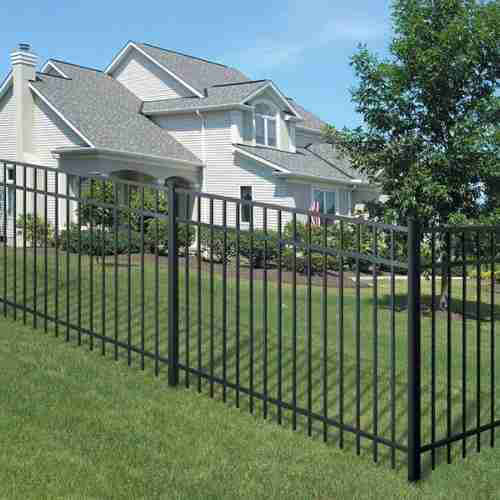
Residential aluminum fence is a practical and attractive fencing solution for homeowners. Made primarily from aluminum, this type of fence is known for its durability and resistance to corrosion.
With minimal maintenance requirements, such as no need for frequent painting or staining, it offers convenience to homeowners. Homeowners can choose from a wide range of styles, colors, and designs to match their property’s aesthetics and specific needs.
Whether it’s for marking property boundaries, enhancing curb appeal, providing pool safety, or improving security, aluminum fences can be customized to fulfill various purposes.
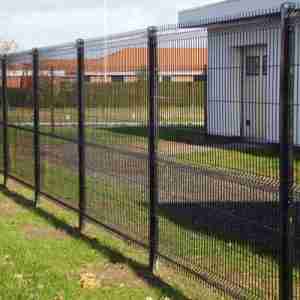
Steel Fence Panels Residential
Steel fence panels designed for residential use offer homeowners a robust and dependable fencing option. Crafted from steel for its strength and durability, these panels are an ideal choice for safeguarding and enhancing the aesthetics of residential properties.
These panels come in a wide range of designs, from ornamental and decorative styles to more simple and utilitarian options, allowing homeowners to select a design that complements their property’s visual appeal.
Steel fence panels are a cost-effective investment for homeowners, steel fence panels offer durability, customization, and affordability, making them a well-rounded choice for residential fencing needs.
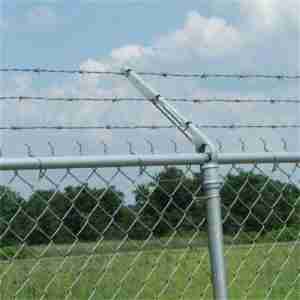
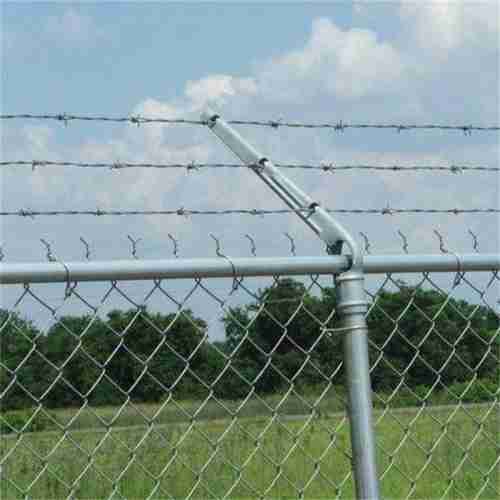
Barbed Wire Fence Residential
Barbed wire fence residential is a type of fencing that incorporates strands of sharp, pointed barbs or wire twisted around a strand of wire.
They are not typically used in residential settings due to safety and security concerns. However, in some rural or remote residential areas, homeowners may choose to use barbed wire for specific purposes, such as livestock containment or property demarcation.
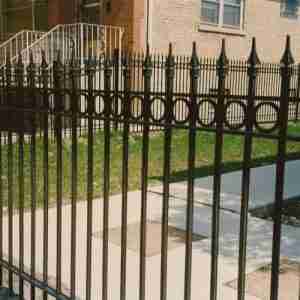
Decorative Residential Metal Fence
Decorative residential metal fences are crafted from various metals like wrought iron, aluminum, or steel, these fences serve the dual purpose of providing security and privacy while enhancing the visual charm of a home.
The hallmark of these fences is their ornate and artistic designs, featuring intricate scrollwork, finials, and decorative elements that complement the property’s architecture and landscaping.
Beyond their eye-catching appearance, decorative metal fences can still deliver a level of security and privacy, making them a versatile choice for residential applications.
These fences often feature durable coatings or finishes that reduce maintenance, ensuring they maintain their beauty over time.
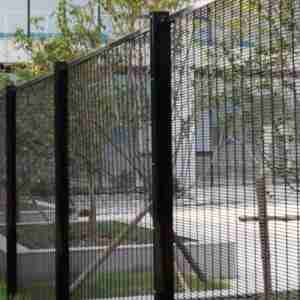
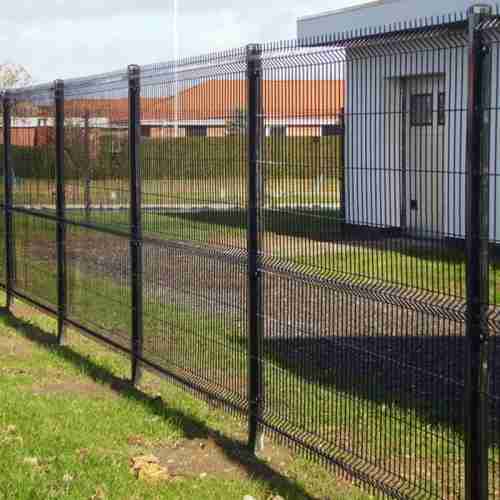
Residential Security Fence
Residential security fence is made of robust materials like steel, wrought iron, or aluminum, these fences are strategically designed to deter unauthorized access, protect the premises, and ensure privacy.
While the primary purpose is security, aesthetics are not sacrificed. Many security fences feature an attractive design that complements the property’s visual appeal, striking a balance between function and form.
For homeowners concerned about their safety and privacy, a residential security fence offers a visible and effective deterrent against potential intruders, providing an invaluable layer of protection for the property and its residents.
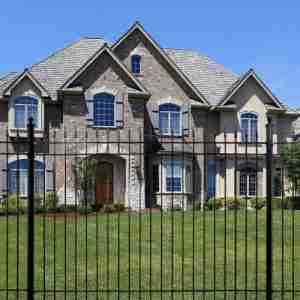
Residential Wrought Iron Fences
Residential wrought iron fences are a fusion of classic elegance and robust security, creating an enduring and captivating boundary for homes and residential properties.
Characterized by their distinctive wrought iron construction, these fences are renowned for their timeless beauty. Beyond their aesthetic charm, wrought iron fences serve a practical purpose in enhancing security.
Their formidable structure acts as a deterrent to unauthorized access, contributing to the safety of the property and its occupants. Moreover, wrought iron’s durability and weather resistance make these fences a long-lasting choice, requiring minimal maintenance.
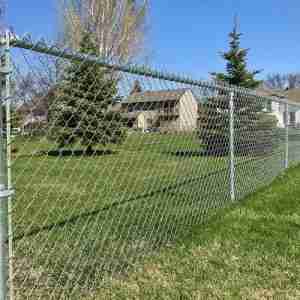
Residential Metal Chain Link Fencing
Residential metal chain link fencing is a versatile and budget-friendly fencing solution that offers a balance between practicality and affordability for homeowners.
Constructed from galvanized steel wire, these fences are known for their durability and longevity, making them an ideal choice for enclosing residential properties.
Their transparent design offers visibility into and out of the property, which can be advantageous for security and monitoring purposes. Homeowners can customize chain-link fences with colored vinyl coatings or privacy slats to improve their visual appeal and enhance privacy.
They are also relatively quick and easy to install, making them a convenient option for homeowners seeking a fast fencing solution.
Techniques
What types of metal are commonly used for residential metal fencing?
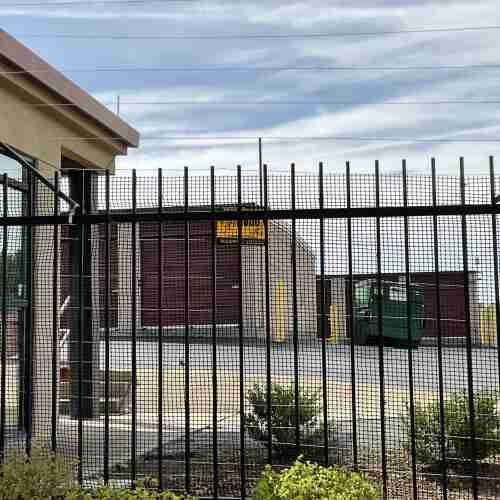
Several types of metal are commonly used for residential metal fencing. Some of the most common metals used for residential metal fencing include:
Aluminum: Aluminum is a popular choice for residential fencing due to its lightweight nature and resistance to rust and corrosion. It’s often used for decorative and ornamental fencing, as it can be easily customized and comes in various styles and finishes.
Wrought Iron: Wrought iron is renowned for its timeless and ornate appearance. It is exceptionally durable and provides a high level of security.
Steel: Steel is a strong and durable metal often used for security-focused residential fencing. It comes in various grades and thicknesses, offering different levels of security.
Chain-Link: Chain-link fencing is typically made of galvanized steel, offering a cost-effective and low-maintenance option for residential properties.
Each type of metal has its unique characteristics and can be tailored to meet specific residential needs.
What types of metal coatings are used to protect residential metal fences from corrosion?

Galvanization: Galvanizing involves coating the metal with a layer of zinc. The zinc coating provides excellent corrosion resistance and can significantly extend the life of the fence.
Powder Coating: Powder coating is a process where a dry powder is applied to the metal surface and then heated to create a hard and durable finish. It’s available in a wide range of colors and provides both protection from corrosion and an attractive appearance.
Paint: Metal fences can be painted with specialized metal paint or enamel coatings. These coatings provide protection from rust and can be customized to match the property’s color scheme.
Epoxy Coating: Epoxy coatings are often used on metals like aluminum to protect against corrosion. They form a strong, resilient barrier that resists environmental damage.
Vinyl Coating: Vinyl-coated metal fences, typically used with chain-link fences, involve applying a vinyl layer over the metal. This not only enhances corrosion resistance but also adds color and visual appeal.
What maintenance requirements of residential metal fencing?

Here are some common maintenance requirements for residential metal fencing:
1. Cleaning: Regularly clean the fence to remove dirt, debris, and contaminants that can accumulate on the surface. Use a hose or pressure washer and a mild detergent to clean the metal. Avoid abrasive materials that can scratch the finish.
2. Rust Removal: Use a wire brush or sandpaper to remove rust, then apply a rust converter or primer to prevent further corrosion. Finish with a touch-up coat of paint or a matching finish.
3. Paint or Finish Maintenance: If your metal fence is painted or coated, check for any peeling or chipping. Repaint or recoat these areas as needed to maintain the fence’s protective finish and appearance.
4. Inspect for Damage: Regularly inspect the fence for signs of damage, such as bent or loose parts. Address any damage promptly to prevent it from worsening.
5. Check Fasteners: Ensure that nuts, bolts, and screws are tightened and secure. Loose fasteners can lead to instability.
6. Clear Drainage: Check that the fence’s drainage is clear. Pooled water near the fence can lead to rust and deterioration.
7. Repairs: When necessary, make repairs to the fence promptly. This includes fixing damaged sections, replacing missing parts, and addressing any structural issues.
The frequency of maintenance tasks may vary depending on the climate and local conditions.
What are the features of metal residential fencing?

Durability: Metal fences, whether made of steel, aluminum, or wrought iron, are known for their durability and ability to withstand various environmental conditions.
Security: Metal fences provide a reliable level of security, helping to deter unauthorized access and enclose your property effectively.
Aesthetics: Many metal fences come in ornate and decorative designs, adding an elegant touch to the property.
Low Maintenance: Metal fences often require minimal maintenance.
Privacy Options: Some metal fences, like chain-link and wrought iron, can be customized with privacy slats or panels to enhance privacy.
Longevity: When properly maintained, metal fences have a long lifespan, offering an excellent return on investment.
Weather Resistance: Metal fences are designed to withstand adverse weather conditions, making them a reliable choice in different climates.
FAQ
Most frequent questions and answers
Some of the advantages of residential aluminum fence panels include:
Durability: Aluminum is a corrosion-resistant material, which means it is not prone to rust or decay. This durability makes aluminum fence panels a long-lasting option for residential properties.
Low Maintenance: Aluminum fences are virtually maintenance-free. They do not require painting, staining, or regular upkeep to maintain their appearance and functionality.
Versatility: These panels are available in a wide range of designs and styles, allowing homeowners to choose a look that complements their property’s aesthetics.
Lightweight: Aluminum is a lightweight material, making the installation of these fence panels more manageable and potentially more cost-effective.
Aesthetic Appeal: The sleek and modern appearance of aluminum fencing panels can enhance the curb appeal and value of a residential property.
Environmental Friendliness: Many aluminum fence panels are made from recycled materials, contributing to eco-friendliness and sustainability.
Weather Resistance: Aluminum can withstand various weather conditions, making it suitable for different climates and regions.
Cost-Effective: While aluminum fences may have a higher upfront cost than some other materials, their long-term durability and low maintenance costs can make them a cost-effective choice for homeowners.
The lifespan of residential steel fence panels typically ranges from 20 to 30 years or more, depending on various factors.
The type of steel used, the quality of the protective coating, local environmental conditions, and maintenance practices all play a crucial role in determining how long the panels will last.
Metal residential fencing is naturally resistant to rust and corrosion, reducing the need for frequent upkeep.
With proper care, metal fences can have a long lifespan and withstand various weather conditions, minimizing the need for repairs or replacement.
Periodic cleaning with basic tools like a hose and mild detergent is usually all that’s necessary to keep them looking great.
DEZE FENCE commonly offer a range of customization options, allowing homeowners to create a fence that perfectly suits their property. The height can be adjusted for added security or privacy, and the color can be customized to harmonize with the home’s color scheme.
We are committed to providing various types of residential metal fencing. Our products are of the highest quality, designing the best solutions and selecting the best materials for our customers.
Residential aluminum fences are a practical choice that offers moderate security and limited privacy. Residential aluminum fences are more focused on aesthetics and property delineation.
Decorative residential metal fences offer a range of color options to cater to diverse aesthetic preferences and property styles.
Common color choices include classic black for a timeless appearance, white for a traditional and elegant look, and bronze or dark brown for a warm and rustic feel.
Green coatings create a natural and fresh appearance that complements garden settings. Some manufacturers offer custom color options, enabling homeowners to match the fence with their unique color preferences or property’s existing color scheme.
The cost of a residential security fence varies widely based on several factors.
The choice of fence material, height, length, design, access control features, local labor costs, and regulatory requirements all contribute to the overall cost.
Security fences are often made from durable materials like steel or wrought iron, which tend to be more expensive than options like chain-link or aluminum.
A taller fence with custom design elements and advanced security features will typically incur higher costs.
The installation process for residential metal fence panels involves several steps to ensure a secure and properly constructed fence. Here is a general outline of the installation process:
- Planning and Preparation: Determine the fence layout, including the placement of gates and corners.
- Excavation and Post Installation: Dig holes for fence posts using a post hole digger or an auger, ensuring the holes are deep and wide enough for stability. Insert and set the fence posts in concrete for support, ensuring they are level and plumb.
- Panel Installation:Attach the metal fence panels to the posts using brackets, screws, or other fasteners, ensuring they are level and secure. Maintain proper spacing between panels for uniformity.
- Finishing Touches: Clean the fence and remove any construction debris. Check for any loose or protruding fasteners and tighten or trim as needed.
- Inspection:Inspect the entire fence for proper alignment, stability, and functionality.
Proper installation is crucial for the longevity and effectiveness of the residential metal fence.
Residential metal garden fencing comes in various height options, typically ranging from 2 to 3 feet for decorative borders, 4 to 6 feet for a balance of privacy and aesthetics, and 7 feet or more for maximum privacy and security.
Yes, you can enhance the aesthetics of residential metal wire fencing by adding features like finials or decorative post caps. These ornamental elements can provide a more stylish and finished look to the fence.
Installing metal fence panels on uneven terrain is feasible and requires adaptation to the landscape’s contours. Several methods are available to address varying slopes or uneven ground.
Stepped installation involves setting the fence panels and posts at different heights to match the terrain, creating a series of stepped sections.
Racked installation entails angling the panels to follow the slope, often using specialized brackets to maintain a level appearance.
In cases of more extreme slopes, custom-cut panels may be needed to fit the specific height requirements.