
Galvanized Fence Post description
Galvanized fence post are an integral component of fencing systems, providing support and stability to the structure. The galvanization process involves immersing the steel posts into a bath of molten zinc, which forms a protective layer on the surface of the metal.
The zinc coating acts as a barrier against moisture and other environmental elements, preventing the steel from rusting or corroding over time. This makes Galvanized fence post ideal for outdoor applications, where they are constantly exposed to rain, snow, and other weather conditions.
The zinc coating not only protects the steel from corrosion but also adds an additional layer of strength to the posts. This makes them capable of withstanding heavy loads, such as the tension exerted by tight fencing wire. Galvanized fence post are also resistant to bending, cracking, or breaking, ensuring that the fence remains intact and secure.
They come in various sizes, shapes, and styles to suit different fencing requirements. Common options include round, square, and T-posts, each with its own advantages and applications. The availability of different sizes allows for flexibility in designing and constructing fences of various heights and lengths.
Galvanized fence post offer numerous advantages that make them a popular choice for fencing systems. Their durability, strength, versatility, and ease of installation make them an ideal option for both residential and commercial applications. If you also like, please contact us, we will provide you with customized services.

ProductS

Round Galvanised Steel Posts
Round galvanized fence post are made from high-quality steel and are a popular choice for various applications, including residential, commercial, and agricultural uses.
They can be used for a wide range of applications, including fencing, signage, construction
support, and more. The round shape of these posts makes them easy to handle and install, and their sturdy construction makes them capable of withstanding heavy loads and impacts.
Compared to other materials like wood or concrete, round galvanised steel posts are generally more affordable and offer a longer lifespan. This means that they can provide long-term savings, as they do not require frequent replacements or repairs.
Round galvanised steel posts are environmentally friendly. The zinc coating used in the galvanization process is non-toxic and can be easily recycled. This makes galvanized steel posts a sustainable choice for those looking for environmentally friendly building materials.
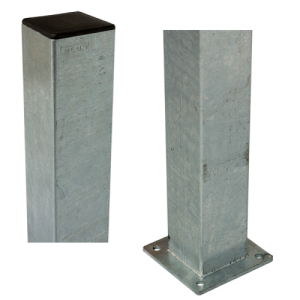
Square Galvanized Steel Fence Posts
Square galvanized steel fence posts are durable and long-lasting, making them an excellent choice for various fencing applications. Their strength, durability, resistance to rust, and low-maintenance requirements make them a reliable and cost-effective option.
Their shape allows for convenient attachment of fence panels and other components, making the installation process quick and straightforward. Square galvanized steel posts do not require any special tools or expertise to install, making them suitable for both DIY enthusiasts and professionals.
Square galvanized steel fence posts are also versatile in terms of their design and application. They can be used for various types of fences, such as chain link, wood, vinyl, or ornamental fences.
Their sleek and clean appearance makes them suitable for both residential and commercial properties, allowing them to blend seamlessly with different architectural styles.
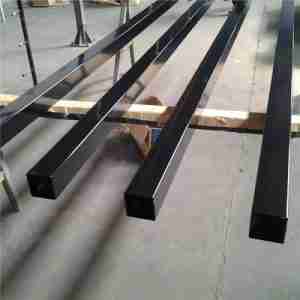
Black Galvanized Fence Post
Black galvanized fence post is a type of support structure used to install and secure a fence. It is made from galvanized steel that has been coated with a black powder finish. This combination of materials and finishes provides the post with excellent durability and resistance to rust and corrosion.
Galvanized steel is known for its high tensile strength, making it a reliable choice for supporting fences. The galvanizing process involves applying a protective zinc coating to the steel, which acts as a barrier against rust and corrosion.
The black powder finish further enhances the post’s resistance to environmental factors, such as rain, snow, and UV rays.
Due to its excellent corrosion resistance, a black galvanized fence post is suitable for installation in various locations, including coastal areas and regions with high humidity levels. It can withstand exposure to moisture without deteriorating or becoming weak.
Black galvanized fence post can also be cut to the desired height and used with fences of various sizes and designs. The black color option provides an alternative to the traditional silver or gray color of galvanized posts, allowing homeowners and business owners to customize their fences to suit their preferences.
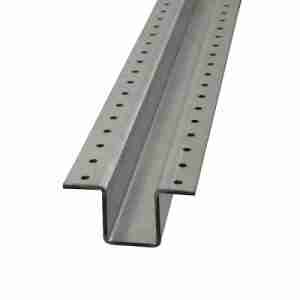
Galvanized U Channel Fence Post
Galvanized U channel fence post are an ideal choice for many fencing applications. The U channel design provides added stability and support for the fence. The shape of the post allows for added retention of the fencing material and prevents shifting or sagging over time.
This is especially important for heavy-duty applications or when using heavy fencing materials, such as chain link or wire mesh.
Galvanized U channel fence post with sleek design and shiny silver color create a clean and professional look for any fence. Whether used for residential or commercial installations, it can enhance the overall appearance of the property.
Maintaining galvanized U channel fence post is relatively simple. Regular inspections and cleaning can help prevent dirt, debris, or plant growth from compromising the integrity of the coating.
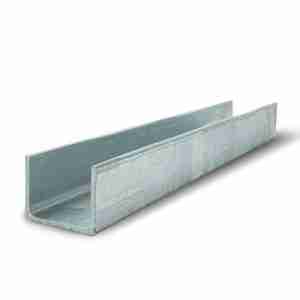
Galvanized C Channel Steel Posts
C channel, also known as a C-beam or C-profile, is a type of structural steel that is shaped like a “C”. It is widely used in the construction industry as a support component for beams, columns, purlins, and other structural elements.
The shape of the galvanized C channel steel posts allows it to have greater structural integrity and load-bearing capacity compared to other types of structural steel. This makes it an ideal choice for applications where strength and durability are important, such as in building foundations or framing.
The shape of the C channel distributes weight evenly and minimizes the risk of bending or buckling under heavy loads. This ensures the structural integrity of the overall system and prevents any potential failure.
Compared to other types of structural steel, galvanized C channel steel posts is relatively affordable and readily available in various sizes and thicknesses.
Galvanized C channel steel posts also have numerous applications beyond construction. They are commonly used in the manufacturing and automotive industries for fabricating shelving units, racks, and storage systems.
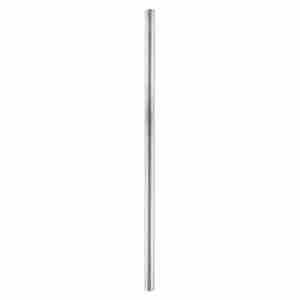
Galvanized Steel Chain Link Fence Terminal Post
Galvanized steel chain link fence terminal post is a crucial component of a chain link fence system. Terminal posts, also known as end or corner posts, are strategically placed at the ends and corners of the chain link fence to provide stability and support.
The galvanized coating provides excellent protection against rust and weathering. This makes the posts more durable and ensures a longer lifespan for the fence overall, reducing the need for maintenance and replacement.
Galvanized steel chain link fence terminal post provide strong structural support to the entire fence system, ensuring that it can withstand external forces such as wind, pressure, and impacts. This is particularly important for fences in high-stress areas or regions with extreme weather conditions.
Galvanized steel terminal posts are also compatible with various fence accessories and fittings. This includes post caps, brackets, and tension bands, which help secure the chain link fabric to the posts and ensure a tight and secure installation.
When choosing a galvanized steel chain link fence terminal post, it is important to consider the specific requirements of the project. This includes the height and gauge of the chain link fabric, as well as the expected wind load and overall design of the fence.
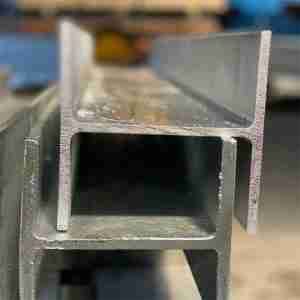
Galvanized Steel H Post
Galvanized steel H post are a popular choice for a variety of construction projects, including fencing, signage, and retaining walls. Galvanization process not only adds strength and durability to the posts but also extends their lifespan, making them a cost-effective and long-lasting solution.
The H shape of these steel posts provides excellent structural support, making them ideal for installations that require stability and strength. The two vertical sides of the H shape allow for the attachment of materials such as fencing panels or signboards, while the horizontal crossbar at the top adds additional rigidity to the overall structure.
Galvanized steel H post is also a cost-effective option for construction projects. While the initial cost of these posts may be slightly higher than other materials such as wood or PVC, their long lifespan and minimal maintenance requirements make them a cost-effective choice in the long run.
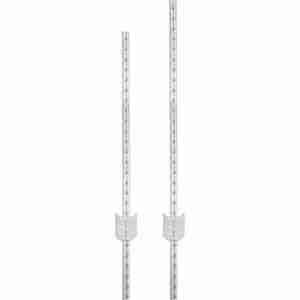
Galvanized Steel T Posts
T-posts, also known as T-stakes, are commonly used for a variety of applications, such as fencing, construction, agriculture, and landscaping. The design of T-posts allows for easy installation and provides great stability and strength.
They can be used for various purposes and are compatible with different types of fencing materials, such as wire mesh, barbed wire, and electric fence tape. The design of T-posts allows for the attachment of fencing materials using clips or insulators, resulting in a secure and stable fence.
Galvanized steel T-posts are commonly used in construction projects. They are used as temporary supports for structures and as markers for underground utilities. T-posts are easy to install, thanks to their shape and design.
Landscaping is another area where galvanized steel T-posts find extensive use. They can be used to create borders and define different areas in a garden. T-posts can support netting or mesh to create a barrier against pests or to support climbing plants.
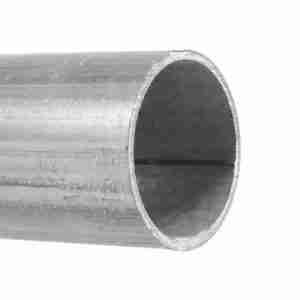
Galvanized Fence Pipe
Galvanized fence pipe is a versatile and durable material commonly used for fencing applications. Whether used for privacy, security, or decorative purposes, it provides a reliable and attractive solution for any fencing project.
The zinc coating not only provides a protective barrier against corrosion but also enhances the structural integrity of the steel. This makes it highly resistant to bending, breaking, and other forms of damage.
Whether used as posts, rails, or crossbars, galvanized fence pipe can effectively withstand the pressure and strain caused by winds, impacts, and other forces.
Galvanized fence pipe comes in a variety of sizes and lengths, making it easy to customize to fit any fencing project. Its lightweight nature also makes it easier to handle and transport, reducing labor costs and minimizing the risk of injury during installation.
Techniques
1. How do galvanized round fence post compare in terms of cost to other types of fence posts?

Galvanized round fence posts are generally more affordable than other types of fence posts. While the exact cost will depend on factors such as post height and diameter, galvanized round fence posts are typically cheaper than options like wooden or vinyl posts.
2. Are there any specific safety considerations or precautions to take when using galvanised metal fence posts?

Yes, there are several safety considerations and precautions to take when using galvanized metal fence posts:
1. Wear appropriate personal protective equipment (PPE) such as gloves and eye protection to prevent any injuries while handling the metal posts.
2. Be cautious of sharp edges or burrs on the metal posts. Inspect the posts for any sharp edges or protruding metal that could cause cuts or injuries. File or grind down any rough edges before installation.
3. Use caution when driving the metal posts into the ground. Ensure that the area is clear of any underground utilities such as water, gas, or electrical lines. Use a post driver or sledgehammer and follow proper techniques to prevent injuries or damage.
4. Avoid contact with any bare skin or consuming food or drink near the galvanized metal posts. Galvanized metal can release zinc oxide fumes when heated or in contact with acids, potentially causing metal fume fever, which can lead to flu-like symptoms.
5. If welding or cutting galvanized metal posts, work in a well-ventilated area or use a respirator to avoid inhaling the zinc oxide fumes, which can cause respiratory irritation and long-term health issues.
3. How does galvanization protect the galvanised fencing posts from rusting?
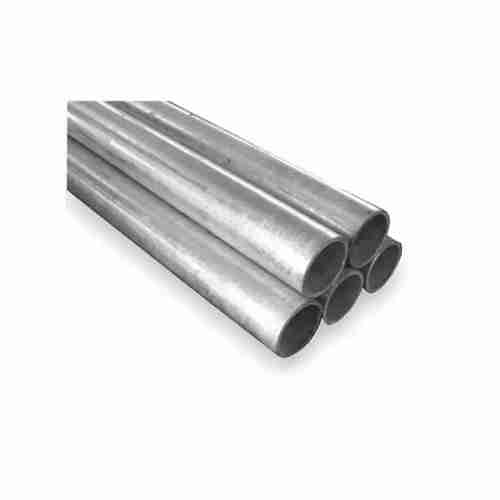
Galvanization is a process in which a layer of zinc is applied to the surface of the fencing posts. This layer of zinc serves as a sacrificial anode, which means that it corrodes instead of the underlying metal.
When the galvanized fencing posts are exposed to moisture or oxygen, the zinc layer corrodes instead of the steel or iron beneath. This results in the formation of zinc oxide or zinc hydroxide, which create a protective barrier over the metal surface.
Additionally, zinc has a natural tendency to form a dull grey protective layer of zinc carbonate over time, known as patina. This patina also plays a role in further protecting the fencing posts from rusting by providing an additional barrier against moisture and oxygen.
4. Can galvanized pipe for fence posts be painted or coated with another material for added protection?

Yes, galvanized pipe can be painted or coated with another material for added protection. However, it is important to properly prepare the surface before applying paint or coating.
This may involve cleaning the surface, removing any rust or corrosion, and applying a primer before applying the desired paint or coating. Additionally, it is important to use a paint or coating that is compatible with galvanized surfaces to ensure proper adhesion and protection.
5. How do galvanised steel fence posts compare to other types of fence posts, such as wooden or vinyl posts?

Galvanized steel fence posts offer several advantages compared to other types of posts, such as wooden or vinyl posts.
1. Durability: Galvanized steel posts are extremely durable and long-lasting. They are resistant to corrosion and rust, making them suitable for all weather conditions.
2. Strength: Steel fence posts are much stronger than wooden or vinyl posts. They can withstand heavy winds, impact, and pressure without bending or breaking.
3. Low maintenance: Galvanized steel posts require minimal maintenance compared to wooden or vinyl posts. They do not need regular painting or staining, and there is no need for sealing or treating to protect against rot or pests.
4. Cost-effectiveness: While galvanized steel posts may have a higher initial cost compared to wooden or vinyl posts, they offer significant cost savings in the long run.
6. Can galvanised post be used for all types of fencing, or are there any limitations?

Galvanized posts can be used for various types of fencing, but there are some limitations to consider. Galvanization helps to protect the metal from corrosion, making it suitable for outdoor applications, including fencing.
For example, galvanized steel posts are commonly used in chain-link fences. These posts are strong, durable, and resistant to rust, making them suitable for this type of fencing. However, for wooden fences, galvanized posts may not be the best choice because they can be difficult to attach securely.
Additionally, the thickness and length of galvanized posts may vary. Some types of fencing may require more substantial posts, such as heavy-duty steel posts, to support the weight or provide stability. In such cases, galvanized posts may not be strong enough and more robust options like steel or concrete posts may be needed.
7. Are there any maintenance or care requirements for galvanised metal posts?

Yes, there are some maintenance and care requirements for galvanized metal posts. Here are a few:
1. Regular Cleaning: Clean the galvanized metal posts regularly to remove dirt, dust, and other debris that can accumulate on the surface.
2. Inspection: Periodically inspect the galvanized metal posts for any signs of damage, such as rust or corrosion, especially in areas where the galvanized coating has been scratched or worn away.
3. Repairs: If the galvanized coating has been damaged, it’s important to repair it promptly to prevent rust from forming on the underlying metal. Use a zinc-rich paint or a galvanized repair compound to restore the protective coating on the posts.
4. Painting: While galvanized metal posts do not require painting, you can paint them if desired. However, it’s important to properly prepare the surface by cleaning and removing any rust or corrosion before applying paint.
5. Avoid Contact with Other Metals: Avoid direct contact between galvanized metal posts and other metals, especially those that are prone to corrosion, such as copper or untreated steel.
By following these maintenance and care requirements, you can extend the lifespan and durability of galvanized metal posts.
8. Can galvanised steel fence posts be easily repaired if they become damaged?

The process of repairing a galvanized steel fence post typically involves removing the damaged portion and patching it up. Here’s a step-by-step guide on how to repair galvanized steel fence posts:
1. Assess the damage: Determine the extent of the damage to the fence post. If it is only minor, you may be able to bend it back into place or remove any dents or bends.
2. Remove the damaged portion: If the damage is localized, use a hacksaw or angle grinder to cut away the damaged section of the post.
3. Prepare the replacement section: Obtain a replacement section of galvanized steel pipe that matches the dimensions of your existing fence post.
4. Sand and clean the surfaces: Using sandpaper or a wire brush, roughen up the ends of the existing post and the replacement section.
5. Apply adhesive: Apply a galvanized steel epoxy adhesive or metal bonding adhesive to both the existing post and the replacement section.
6. Attach the replacement section: Carefully slide the replacement section onto the existing post, making sure to align them properly.
7. Let the adhesive cure: Follow the manufacturer’s instructions for the adhesive and allow it to cure for the recommended time.
8. Reinforce if necessary: Depending on the severity of the damage and the overall stability of the fence post, you may need to reinforce the repaired section.
If the damage is extensive or the repair seems too complicated, it may be more practical to replace the entire fence post.
9. How does galvanised steel fencing withstand different weather conditions, such as extreme heat or cold?

Galvanised steel fencing is highly durable and can withstand different weather conditions, including extreme heat and cold, due to its unique properties.
Extreme Heat: Galvanised steel has a high melting point, which makes it resistant to extreme heat. The zinc coating on galvanised steel provides an additional layer of protection by acting as a barrier to prevent heat damage.
Cold Weather: Galvanised steel is also well-suited for cold weather conditions. The zinc coating on galvanised steel acts as a barrier against moisture, preventing rust and corrosion, which can be accelerated by freezing and thawing cycles.
Corrosion Resistance: Galvanised steel fencing is particularly resistant to rust and corrosion, which are common problems in different weather conditions. The process of galvanisation involves coating the steel with a layer of zinc, creating a protective barrier. This barrier prevents the steel from coming into contact with moisture, oxygen, and other elements that can cause corrosion.
UV Resistance: Galvanised steel can also withstand exposure to UV radiation from the sun. The zinc coating acts as a reflective surface, minimizing the absorption of UV rays and reducing the chances of the steel fencing degrading or becoming discolored over time.
10. Are galvanized metal fence post resistant to pests, such as termites or other insects?

Yes, galvanized metal fence posts are generally resistant to pests such as termites and other insects. The galvanization process involves coating the metal with a layer of zinc, which acts as a protective barrier against rust, corrosion, and pest infestations. This coating makes the metal less attractive to insects and prevents them from burrowing or feeding on the post.
11. Are galvanised metal fence posts environmentally friendly or recyclable?

Galvanised metal fence posts can be considered environmentally friendly and recyclable due to a few reasons:
1. Durability: Galvanised metal, typically made from steel or iron, is highly durable and can last for many years without corroding or rusting.
2. Galvanisation process: Galvanising is a coating process that involves applying a protective layer of zinc to the metal surface.
3. Recyclability: Galvanised metal, including fence posts, is fully recyclable. At the end of their lifespan or when they are no longer needed, these posts can be taken to metal recycling facilities.
While galvanised metal fence posts possess these environmentally friendly characteristics, it is important to ensure proper disposal or recycling at the end of their life cycle to maximize their sustainability benefits.
12. Are there any additional costs associated with using round galvanised steel posts, such as special tools or equipment for installation?

There may be some additional costs associated with using round galvanized steel posts, especially in terms of installation. Here are a few potential costs to consider:
1. Tools and Equipment: Depending on the size and type of posts being used, you may need special tools or equipment to properly install them.
2. Post Caps and Fasteners: To ensure the posts are protected from corrosion and to provide a finished look, you may want to invest in post caps. These can range in price depending on the material and style desired.
3. Concrete or Gravel: Depending on the installation method, you may need to use concrete or gravel to secure the posts in the ground.
4. Professional Installation: If you do not have the necessary tools or expertise to install the posts yourself, you may need to hire a professional for installation.
13. Can galvanized fence post be used in both residential and commercial applications?

Yes, galvanized fence posts can be used in both residential and commercial applications. Galvanized steel is corrosion-resistant, making it suitable for outdoor use. It is commonly used for various fencing applications, including perimeter enclosures, security fencing, and agricultural fencing, in both residential and commercial settings.
Galvanized fence posts provide excellent durability and long-lasting performance, making them a popular choice for various fencing projects.
14. Are there any specific recommendations or techniques for installing galvanized fence posts?

Yes, here are some specific recommendations and techniques for installing galvanized fence posts:
1. Mark the post locations: Determine the spacing and layout of the fence posts. Make sure to measure accurately to ensure a straight and even fence line.
2. Dig the post holes: Use a post hole digger or an auger to dig holes for the fence posts. The depth and diameter of the holes will depend on the specific requirements of your fence.
3. Set the posts: Place the galvanized fence post in the hole, making sure it is straight and aligned with the string. Use a level to check the vertical alignment.
4. Brace the posts: To ensure the posts stay in place while the gravel or concrete sets, use braces or stakes to hold them straight and level.
5. Allow the concrete to set: If you are using concrete mix to secure the posts, follow the instructions on the bag for the recommended curing time.
6. Attach the fence panels: Once the posts are securely in place, attach the fence panels or rails to the posts using appropriate fasteners, such as screws or nails.
7. Finish the installation: Depending on the specifics of your fence, you may need to add other components, such as gates, corner posts, or post caps. Follow the manufacturer’s instructions and recommendations for these additional installations.
15. Are there any recommended maintenance intervals or schedules for welding galvanized fence post?
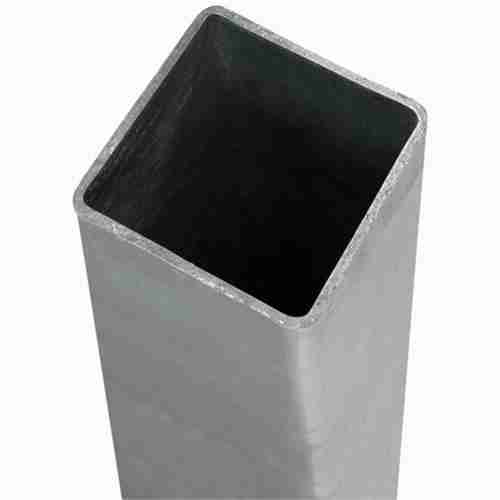
Yes, there are recommended maintenance intervals and schedules for welding galvanized fence posts. Here are some general guidelines:
1. Visual inspection: Regularly inspect the galvanized fence posts for any signs of damage, such as corrosion, rust, or bends. Inspect the welds for any cracks or weak spots.
2. Clean the surface: Remove any dirt, debris, or grime from the galvanized fence posts using a wire brush or a pressure washer. This helps to maintain the integrity of the zinc coating.
3. Zinc repair: If there are any areas where the galvanized coating has been damaged, touch up the zinc coating using a galvanized zinc repair paint. This helps to prevent corrosion.
4. Lubrication: Apply a thin layer of lubrication, such as silicone spray or oil, to the moving parts of the fence, such as hinges or latches, to prevent them from rusting or seizing.
5. Repainting: If the galvanized coating has worn off in certain areas, consider repainting those areas with a suitable paint or coating designed for use on galvanized surfaces.
16. How does metal fence post galvanized perform in areas with high levels of soil moisture or saltwater exposure?
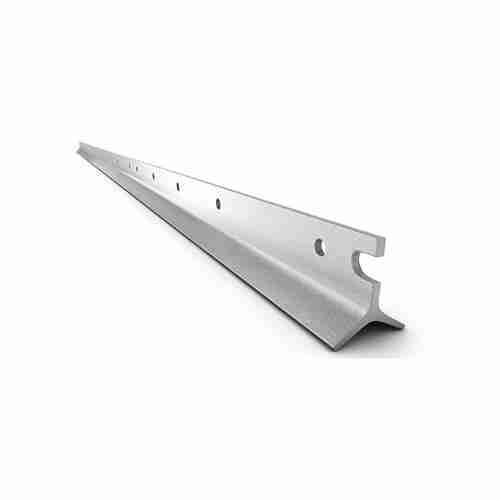
Galvanized metal fence posts are highly resistant to corrosion and perform well in areas with high levels of soil moisture or saltwater exposure. The galvanization process involves coating the metal with a layer of zinc, which provides a protective barrier against rust and corrosion.
In areas with high levels of soil moisture, the zinc coating on galvanized fence posts acts as a sacrificial layer, meaning that it corrodes first before the underlying metal. This sacrificial protection helps to extend the lifespan of the posts and prevents them from rusting or degrading quickly.
As a result, galvanized fence posts can withstand the constant exposure to moist soil without experiencing significant damage.
Similarly, in areas with saltwater exposure, galvanized metal fence posts perform well due to the protective zinc coating. Saltwater contains high levels of sodium chloride, which can accelerate corrosion in metal surfaces.
17. Are there any specific installation requirements for sloped or uneven terrain about galvanized posts for chain link fence?

Yes, there are specific installation requirements for sloped or uneven terrain when installing galvanized posts for a chain link fence. Here are some guidelines to follow:
1. Determine the slope or unevenness of the terrain: Measure the slope or unevenness of the terrain by using a level or a string line.
2. Use longer posts for sloped areas: For areas with slopes, use longer galvanized posts to ensure that the top of the fence remains level.
3. Dig holes at different depths: When installing the posts on sloped terrain, the holes should be dug at different depths to account for the slope.
4. Use concrete for stability: Fill the holes with concrete to ensure stability and support for the posts.
5. Adjust the brackets and rails: When attaching the chain link fabric to the posts on sloped terrain, make sure to adjust the brackets and rails to follow the slope.
18. Can galvanized fence post spikes be used in conjunction with other types of fencing materials, such as chain link or wood panels?
Yes, galvanized fence post spikes can be used with other types of fencing materials like chain link or wood panels. The spikes are designed to provide stability and support to the fence posts, regardless of the type of fencing material used.
19. How do galvanized steel pipe fence post compare in terms of strength and durability?

Galvanized steel pipe fence posts are known for their exceptional strength and durability. They are made from high-quality steel that is first coated with a layer of zinc to protect it from rust and corrosion.
This galvanization process adds an extra layer of protection to the steel, making it highly resistant to the elements, including moisture, UV rays, and chemicals.
In terms of strength, galvanized steel pipe fence posts are incredibly sturdy and can withstand heavy loads and impacts. They are commonly used in industrial and agricultural settings due to their ability to support large and heavy fences.
20. What is the production process of round galvanized steel fence posts?

The production process of round galvanized steel fence posts typically involves the following steps:
1. Material selection: High-quality steel, often low carbon steel, is selected for the production of the fence posts.
2. Cutting: The selected steel is cut into desired lengths based on the required size of the fence posts. This can be done either manually or using automated machinery.
3. Shaping: The cut steel pieces are then shaped into round posts using a variety of techniques, such as rolling or extrusion. This helps to create a uniform shape and size.
4. Galvanizing: The shaped steel posts are then sent for galvanization. Galvanization involves the coating of the steel with a layer of zinc to protect it from corrosion and rusting.
5. Inspection: After galvanization, the posts are inspected for quality control.
6. Packaging: Once the posts pass the inspection, they are packaged for shipping and distribution.
21. What is common specification of galvanized steel posts for fencing?

Material | galvanized steel |
Shape | cylindrical or square in shape |
Thickness | ranges from 1.5mm to 4mm |
Length | 2.4 meters, 3 meters, and 3.6 meters |
Diameter | 48mm, 60mm, and 76mm |
Holes and slots | pre-drilled holes or slots |
Coating | zinc coating |
Applications | chain link fences, mesh fences, and metal panel fences |
22. Are there any specific techniques for removing rust or corrosion from galvanised steel posts for fencing?

Yes, there are several techniques for removing rust or corrosion from galvanized steel posts for fencing. Here are a few commonly used methods:
1. Wire brush: Start by using a wire brush to scrub off loose rust or corrosion from the surface of the steel posts.
2. Sanding or grinding: For more severe rust or corrosion, you can use sandpaper or a power grinder with a sanding disc to remove the rust.
3. Chemical rust remover: There are various rust removal products available in the market that can dissolve or loosen the rust.
4. Vinegar or lemon juice: For lighter rust or as a home remedy, you can soak a cloth in vinegar or lemon juice and wrap it around the rusted areas.
5. Rust converter: Another option is using a rust converter, which is a product that reacts chemically with the rust to convert it into a stable compound.
FAQ
Most frequent questions and answers
There are several factors that can affect the galvanized steel posts for sale:
- Galvanizing quality: The quality of the galvanizing coating can vary, depending on the zinc content and the thickness of the coating.
- Steel quality: The quality of the steel used for the posts can also affect their performance.
- Post design and construction: The design and construction of the posts can also impact their durability and strength.
- Environmental conditions: The environmental conditions in which the posts will be used can also have an impact.
- Installation and maintenance: Proper installation and regular maintenance can also prolong the lifespan of galvanized steel posts.
Cheap galvanized fence posts may have quality problems. Galvanization is a process that coats the steel with a protective layer of zinc to prevent rust and corrosion.
In addition to issues with galvanization, cheap fence posts may also have other quality problems. These could include poor construction, uneven sizing, weak or flimsy materials, and low durability.
These quality issues can affect the overall strength and stability of the fence, potentially leading to problems with leaning, sagging, or even collapsing.
- Wear protective gloves and eyewear when handling galvanized fence posts to avoid injury.
- Check the quality of the galvanized coating to ensure it is intact and free from any defects or rust.
- Avoid using galvanized fence posts in highly corrosive environments, such as areas that are frequently exposed to saltwater or chemicals.
- Store galvanized fence posts in a dry and well-ventilated area to prevent corrosion.
- Use the appropriate tools and equipment when installing the fence posts to prevent damage to the galvanized coating.
- Inspect the fence posts regularly for any signs of corrosion or damage and address any issues promptly.
- Avoid using galvanized fence posts near electrical power lines to reduce the risk of electrical shock.
The price range for galvanized fence posts can vary depending on the size and quality of the posts. On average, galvanized fence posts can cost anywhere from $10 to $30 per post.
A round galvanized post is typically used for fencing or signage applications. It is a long, cylindrical post made from galvanized steel, which means it is coated in a protective layer of zinc to prevent rusting and corrosion.
Some common purposes of a round galvanized post include:
- Fencing: The post can be used as a support structure for fences. It provides stability and strength for the fencing material, ensuring that it remains upright and secure.
- Signage: Round galvanized posts are often used to mount signage, such as road signs, street signs, or directional signs.
- Construction: In some construction projects, round galvanized posts may be used as temporary or permanent support structures.
A galvanized fence stake typically lasts between 15 and 20 years. The exact lifespan can vary depending on factors such as the quality of the galvanization, exposure to harsh weather conditions, and regular maintenance. With proper care and maintenance, a galvanized fence stake can last even longer.
Yes, there are different sizes and styles of galvanized steel fence pipe available. The size options typically range from 1 inch to 6 inches in diameter, with various lengths available.
The style options include round pipe, square tube, and rectangular tube. These different sizes and styles allow for flexibility in designing and constructing a fence that suits specific needs and preferences.
There are a few potential drawbacks or disadvantages to using steel galvanized fence posts:
- Cost: Steel galvanized fence posts can be more expensive than other types of fence posts, such as wooden posts.
- Rusting: While galvanized steel is designed to resist rust and corrosion, over time, the galvanized coating may wear off, and the steel posts can start to rust.
- Difficulty in installation: Steel galvanized fence posts can be heavy and difficult to handle, especially if you are installing them on your own.
- Limited aesthetic options: Steel galvanized fence posts typically have a simple and industrial appearance.
- Potential for damage to surrounding objects: Steel galvanized posts are quite sturdy, which can be an advantage, but they can also pose a risk of damage if they are accidentally hit by a vehicle or other objects.
Yes, galvanized post extensions are typically made to attach to the original fence post in order to add additional height. They are designed to slide over the existing post and are then secured in place.
Yes, galvanized privacy fence posts can be easily removed or replaced if necessary. Galvanized posts are typically installed in a concrete footing, which can be dug up and removed if needed.
Once the concrete is removed, the post can be detached from the fence panels and replaced with a new post if desired.
Yes, there are several concerns and considerations to keep in mind when installing galvanized steel fence post brackets near underground utilities or cables:
- Safety:Underground utilities and cables are often under high voltage, which can pose a significant safety risk if they are accidentally damaged during the installation process.
- Compliance: Local building codes and regulations may have specific requirements for installing fence post brackets near underground utilities.
- Digging: The process of installing the fence post brackets may involve digging or excavation. Care should be taken to avoid damaging any underground utilities or cables during this process.
- Location:When choosing the location for the fence post brackets, it is recommended to avoid areas known to have underground utilities or cables to minimize the potential risk of damage.
Galvanized steel fence line posts can be used for both residential and agricultural purposes, including livestock fencing. Galvanized steel posts are known for their durability, strength, and resistance to corrosion, making them suitable for various applications.
They are commonly used in both residential and agricultural settings to provide a sturdy and long-lasting support for fences, including those used to contain livestock.
Yes, galvanized steel electric fence posts can be used in high wind areas or regions with frequent storms. Galvanized steel is known for its strength and durability, which makes it suitable for withstanding strong winds and storms.
The galvanized terminal post is typically connected to the fence fabric or wire mesh. It serves as an anchor point for attaching and securing the fence material.
Galvanised fencing posts can have a significant impact on the overall appearance of the fence. Here are some aspects to consider:
- Color Contrast:Galvanised fencing posts have a distinct silver-gray color that contrasts with the traditional black or green color of the fence panels.
- Visibility: The shiny silver surface of galvanised posts can make them more visible, especially in bright sunlight or artificial lighting.
- Rust Resistance: Galvanised fencing posts are coated with a layer of zinc to protect against rust and corrosion.
- Clean Lines: Galvanised posts typically have a smooth, clean finish. T
- Compatibility: Galvanised posts are versatile and can be paired with various types of fence panels, such as metal, chain-link, or even wooden panels.
Yes, there are several maintenance practices that can prolong the lifespan of galvanized steel post and rail fencing:
- Regular cleaning: Remove any dirt, debris, or vegetation that has accumulated on the fence.
- Inspect for damage: Regularly inspect the fence for any signs of damage, such as rust, corrosion, or bent rails or posts.
- Rust prevention: Galvanized steel is already resistant to rust, but over time, the zinc coating may wear off in certain areas.
- Keep vegetation away:Ensure that vegetation, such as vines or shrubs, is kept away from the fence.
- Avoid abrasive cleaning agents: When cleaning the fence, avoid using abrasive cleaning agents or tools, as they can damage the galvanized coating.
Galvanised box section fence posts can be installed in rocky or challenging soil conditions, but it may require more effort and tools compared to installation in softer soils. It is important to determine the depth and size of the rocks or challenging areas in the soil before installation.
Here are a few steps to consider when installing galvanised box section fence posts in rocky or challenging soil conditions:
- Prepare the area:Clear away any debris or rocks on the surface of the soil. This will help make the installation process easier.
- Dig a hole:Use a post hole digger or an auger to dig a hole for the fence post. The depth of the hole will depend on the height of the fence and local building codes. Typically, a hole depth of 1/3 the length of the post is recommended.
- Remove rocks:If the hole is filled with rocks or challenging areas, you may need to remove them using an appropriate tool such as a rock bar or pickaxe.
- Set the post: Place the galvanised box section fence post into the hole, ensuring it is level and straight. You may need to use a level and a friend to assist you in this step.
- Add concrete (optional):In rocky soil conditions, adding concrete around the fence post can provide additional stability.
- Secure the post:Allow the concrete to dry or, if not using concrete, pack the soil tightly around the post. This will help keep the post in place and prevent shifting.
- Repeat the process:Repeat steps 2-6 for each fence post along the desired fence line.
There are several types of galvanised steel gate posts, including:
- Square Tube Gate Posts:These gate posts are made with square tube steel and are commonly used for residential or commercial gates.
- Round Tube Gate Posts: Similar to square tube gate posts, round tube gate posts are made with round tube steel.
- Galvanised metal gate posts:Galvanised metal gate posts are made from metaland are typically used for heavier or larger gates.
- Hinged Gate Posts: Hinged gate posts are specifically designed for gates with hinges. They have a built-in hinge bracket or plate that allows the gate to swing open and closed.
- Galvanised field gate posts:These posts are typically heavier and sturdier to support the weight of the sliding gate.
- Adjustable Gate Posts: Adjustable gate posts are designed to be adjustable in height, allowing for easier installation on uneven or sloping ground. These posts often have an adjustable mechanism or a telescopic design.
- Galvanised steel farm gate posts: These posts are commonly used when there is no available space for freestanding gate posts.
Galvanised steel star pickets, also known as steel post or Y-post, are a type of fence post used for various agricultural and construction purposes. They are typically made of pre-galvanised steel for added durability and corrosion resistance.
These pickets have a distinctive shape, resembling a star or a Y, which provides increased stability and strength when used in fencing applications.
They are commonly used for erecting fences, supporting wire mesh, and securing various types of agricultural structures. Galvanised steel star pickets are easy to install, versatile, and provide long-lasting support for a wide range of fencing and construction projects.
Yes, steel posts that have been galvanized can be used for temporary fencing purposes. Galvanization is a process that involves coating the steel with a layer of zinc to protect it from rust and corrosion.
This makes the steel posts more durable and suitable for outdoor applications, including temporary fencing. The galvanized coating helps to extend the lifespan of the posts and ensures they can withstand the elements and the stresses of installing and removing temporary fencing.
Galvanised garden posts can be used in areas with seismic activity or ground movement, but their performance will depend on various factors such as the magnitude and frequency of the seismic activity, the type of soil, and the installation method. Here are a few considerations:
- Soil Conditions: The type and stability of the soil can affect the performance of galvanised garden posts. Rocky or dense soils generally provide better support and resistance to movement compared to loose or sandy soils.
- Installation Technique: Proper installation techniques are crucial for the stability of any type of post, especially in areas with ground movement.
- Post material and construction: Galvanised garden posts are typically made of steel, which is generally stronger and more resistant to movement compared to other materials like wood or PVC.
- Depth and Spacing: The depth and spacing of the garden posts also play a role in their ability to withstand lateral forces. Deeper post installation can increase resistance to movement, while appropriate spacing between the posts can improve overall stability.
Galvanised steel fence post supports play a crucial role in securely anchoring and supporting fence posts in the ground. These supports provide stability and prevent the fence from leaning or collapsing.
By driving these supports deep into the soil, they create a strong foundation that can withstand the weight of the fence and any external forces, such as wind or pressure.
Yes, galvanized metal post supports are generally stronger than non-galvanized metal post supports. Galvanization is a process where a layer of zinc is applied to the surface of the metal to protect it from corrosion and rusting.
This zinc coating makes the metal more resistant to environmental factors such as moisture and chemicals, ultimately increasing its strength and durability. Additionally, the galvanized coating can act as a barrier against scratching and scraping, further enhancing the strength of the metal post support.
Yes, galvanized fence post feet are typically linked or connected to the fence post. These feet are designed to provide stability and support to the fence post by attaching securely to the bottom or base of the post.
This connection ensures that the fence post remains upright and secure, even in harsh weather conditions or when subjected to external forces.
Yes, there are several anti-climb and security features that can be added to galvanized steel posts to enhance the security of an area. Some of these include:
- Anti-climb paint: The application of anti-climb paint to the surface of the galvanized steel posts makes it difficult for intruders to gain a foothold, as the paint remains slippery and creates an obstacle for climbing.
- Anti-climb spikes:Anti-climb spikes can be installed on top of the galvanized steel posts to deter climbing. These spikes are designed to be sharp and pointed, making it challenging for individuals to climb over the posts.
- Barbed wire or razor wire: Adding a layer of barbed wire or razor wire along the top of the galvanized steel posts is an effective security measure. The sharp edges of the wire act as a deterrent for climbing or trespassing.
- Mesh fencing:Attaching mesh panels or wire mesh fencing to the galvanized steel posts can prevent unauthorized access. The close-knit design of the mesh makes it difficult for people to climb or pass through.
Yes, galvanized steel fence posts can be used with concrete footings or foundations. The concrete provides additional stability and support for the posts, ensuring that they remain upright and secure.
It is common practice to use concrete footings when installing fence posts, particularly in areas with high winds or heavy soil conditions.
Galvanized steel fence posts are generally resistant to high humidity and salt air due to their protective zinc coating. The galvanization process involves applying a layer of zinc to the steel to prevent corrosion.
This zinc coating acts as a barrier, protecting the steel from moisture, salt, and other corrosive elements.
In areas with high humidity or salt air, the zinc coating on galvanized steel posts helps them withstand the corrosive effects of these environmental factors. The posts are less likely to rust or deteriorate quickly compared to non-galvanized steel posts.
This makes them a suitable option for coastal regions or locations with high levels of humidity.
Comparing galvanized fence posts near you can be done by considering several factors such as price, quality, dimensions, and availability. Here’s a step-by-step guide on how to compare galvanized fence posts:
- ResearchSuppliers: Start by identifying local suppliers or home improvement stores that carry galvanized fence posts. Use search engines, social media, or local directories to find these sources.
- Check Product Availability: Browse through the websites or call the suppliers to verify if they have galvanized fence posts in stock. Some suppliers may have online inventory lists or product catalogs that can help with this.
- Compare Prices: Make a list of the different suppliers and note down the price of galvanized fence posts from each one.
- Consider Quality:Look for suppliers who offer galvanized fence posts with a high-quality coating to ensure better durability and protection against rust.
- Check Dimensions:Determine the required dimensions, such as height and thickness, for your fence. Compare the available options from different suppliers to ensure they meet your project requirements.
- Assess Additional Services: Consider if the suppliers offer any extra services such as delivery, installation assistance, or post-sales support. These services can add value and convenience to your purchase.
- Make the Final Decision: Based on your research and comparison, finalize which supplier offers the best combination of price, quality, and availability that aligns with your specific needs.
Galvanized fencing pipe can be used in areas with heavy snowfall or freezing temperatures. Galvanization refers to the process of coating steel with a layer of zinc to protect it from corrosion.
This coating acts as a barrier between the steel and the environment, providing excellent resistance to rust and other forms of damage caused by moisture and extreme temperatures.
However, it is important to consider the specific design and installation of the fencing system to ensure its suitability for heavy snowfall or freezing temperatures.
The height, spacing, and strength of the posts, as well as the overall construction of the fence, should be carefully considered to withstand the weight of snow or the potential for ground freezing.
Yes, there are a few recommended methods for attaching fencing materials to galvanized pipe fence posts:
- U-Bolts: U-bolts are commonly used to attach fencing materials to galvanized pipe posts. They can be tightened around the post and then used to secure wires, mesh, or other types of fencing materials.
- Pipe Clamps: Pipe clamps are another option for attaching fencing materials to galvanized pipe posts. These clamps wrap around the post and can be tightened to hold the fencing in place. They are often used for attaching wooden or PVC fencing panels.
- Brackets and Screws: Brackets can be used to attach fencing materials to galvanized pipe posts by screwing them into the post. The fencing materials can then be attached to the brackets using screws or other fasteners.
- Wire Ties: Wire ties are a simple and cost-effective method for attaching wire mesh or other types of fencing material to galvanized pipe posts. They can be looped around the post and then tightened to hold the fencing in place.
Round galvanized fence posts can be used for privacy fences, but they may not be the most suitable option. While they can provide the necessary support, their shape can make it difficult to attach privacy fence panels securely.
Rectangular or square posts are often preferred for privacy fences as they create a more solid and stable structure for attaching the panels.
Galvanized line posts are typically made from steel that has been coated with zinc to prevent rust. This coating provides additional protection against bending and warping.
However, over time, factors such as extreme weather conditions, heavy loads, or accidental impacts can still cause galvanized line posts to bend or warp. It is important to properly install and maintain line posts to minimize the risk of bending or warping over time.
Yes, galvanized round steel fence posts can be cut or modified to fit specific dimensions or project requirements. They are typically made of a durable material that can be easily cut with a saw or grinder.
Yes, galvanized corner posts can be used in conjunction with electric fencing or other specialized fences. Galvanized steel is a durable and corrosion-resistant material, making it a popular choice for fence posts.
The posts can be easily installed and provide a sturdy support for various types of fencing, including electric fencing. They are also able to withstand the tension and pressure that may be applied to the fence system.
- Environmentally friendly: Galvanization is an environmentally friendly process that reduces the need for frequent replacement of fence posts.
- Strength and stability: H beam fence posts are designed to provide a sturdy support system for fencing materials. The H-shaped profile of the beam distributes the weight evenly, resulting in increased durability and stability.
- Easy installation: Galvanized h beam fence posts are pre-drilled with holes, making it easy to install them securely in the ground.
- Versatile: Galvanized h beam fence posts can be used for a variety of fencing applications, including residential, commercial, and industrial projects.
- Cost-effective: Despite their high-quality and durability, galvanized h beam fence posts are relatively inexpensive compared to other types of fence post materials. They offer a cost-effective solution for long-term fencing needs.
Galvanized steel fence posts are available at various locations, including home improvement stores, fencing supply companies, and online retailers. To find the closest place to purchase galvanized steel fence posts near you, you can try searching for “galvanized steel fence posts” or “fencing supply stores” followed by your location on a search engine or online directory.
This will provide you with a list of potential places to buy galvanized steel fence posts in your area.
Yes, galvanized metal fence corner posts are often used to support heavy materials such as wire mesh or solid panels. Galvanized metal is known for its strength and durability, making it suitable for supporting heavy loads.
Galvanized fence post driver is used to drive fence posts into the ground. It is a heavy-duty tool that is typically made of steel and is designed to withstand the force applied to drive posts into the ground.
The galvanized coating on the driver provides durability and corrosion resistance, making it suitable for outdoor use. This tool is commonly used in fencing and construction projects where fence posts need to be securely installed.
The galvanized fence post extensions are lengthened in height.