
Wire Mesh Fence Posts Description
Wire mesh fence posts are typically made of strong and durable metals such as galvanized steel or aluminum, ensuring that the fence remains upright and secure for an extended period of time. One of the key characteristics of the posts is their compatibility with wire mesh fencing materials.
Wire mesh fence posts are designed with pre-drilled holes or slots, allowing the wire mesh to be easily attached and secured to the posts. This ensures a tight and secure fit, preventing any movement or sagging of the wire mesh.
Wire mesh fence posts come in various lengths and thicknesses to accommodate different fence heights and requirements. These posts are usually available in standard sizes, ranging from 6 feet to 12 feet in length. The posts also come in different diameters, typically ranging from 1.5 inches to 3 inches, depending on the level of strength required for the fence.
The most common type of metal used for wire mesh fence posts is galvanized steel. Galvanization involves coating the steel with a layer of zinc, protecting it from rust and corrosion. These wire mesh fence posts have a long lifespan, making them a cost-effective option for long-term fencing needs.
Wire mesh fence posts are an essential component of wire mesh fences. They provide the necessary support and stability to ensure that the fence remains secure and strong. If you are currently lacking it, please contact me and we will help you.
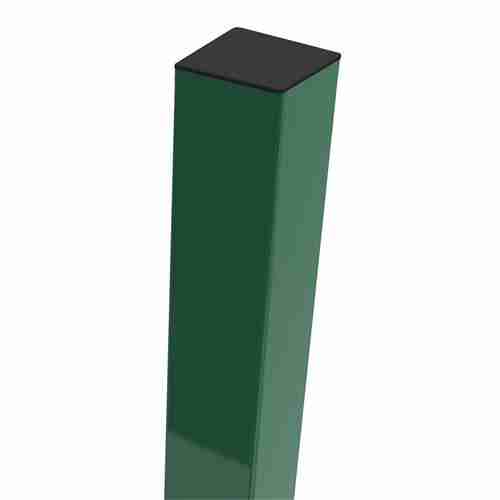
ProductS
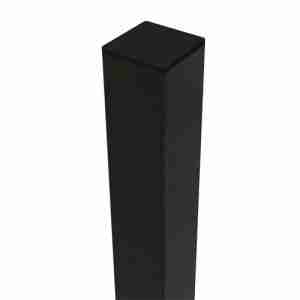
Fence Post for Wire Mesh
Metal posts are ideal for supporting heavy-duty wire mesh fences and can withstand harsh weather conditions. There are several factors to consider when choosing a fence post for wire mesh, including the height and installation method.
The height of the fence post for wire mesh will depend on the height of the wire mesh fence. Typically, for a standard wire mesh fence, a post should be at least one-third of the overall height of the fence.
When it comes to the installation method, there are a few options to consider. One common method is to set the fence post for wire mesh in concrete footings. This provides a solid foundation and prevents the posts from shifting or leaning over time.
Another installation method is to use metal post spikes or brackets. These are hammered into the ground and then the fence posts are attached to them. The advantage of using spikes or brackets is that they allow for easier installation and adjustment of the fence posts.
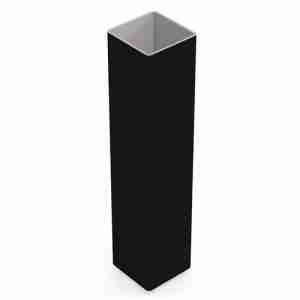
Wire Mesh Fence Posts
Wire mesh fence posts are the structural components that support and secure wire mesh fencing. They provide stability and strength to the fence. Wire mesh fences are commonly used in a variety of applications, including residential, commercial, and
industrial settings. They are often used to enclose and protect properties, secure livestock, or create boundaries.
Metal posts, such as steel or aluminum, are a popular choice for wire mesh fencing due to their durability and strength. They are resistant to weathering, corrosion, and damage, making them ideal for outdoor applications.
Metal posts can be easily installed and are available in different sizes and styles to accommodate different fence heights and designs.
In addition to providing support, wire mesh fence posts can also be used to enhance the security and functionality of the fence. Accessories such as post caps, brackets, and post anchors can be added to reinforce and stabilize the posts. These accessories can also be used to attach gates, wires, or other accessories to the fence.
Techniques
1. What material are the post and wire mesh fence made of and what are their durability and lifespan?
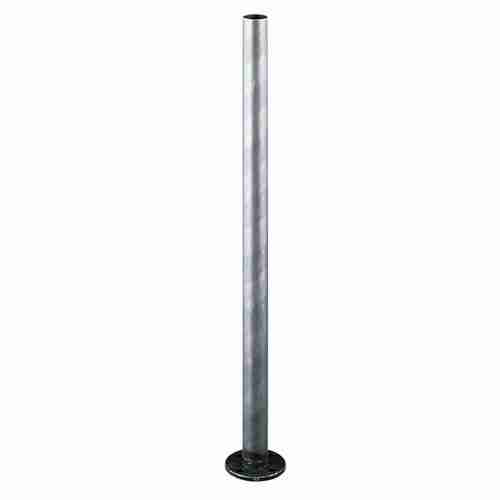
The posts of a post and wire mesh fence are typically made of either metal. Metal posts, such as steel or galvanized iron, offer greater strength and longevity.
The wire mesh used in this type of fence is commonly made of galvanized steel or sometimes PVC-coated galvanized steel wire. Galvanized steel is coated with zinc, which protects it from rust and corrosion. PVC-coated wire provides additional resistance to harsh weather conditions.
In terms of durability, a properly installed post and wire mesh fence can be quite robust and long-lasting. The lifespan largely depends on the quality of materials used, the installation technique, and the level of maintenance.
Generally, a post and wire mesh fence can last for 15-20 years if well-maintained. On the other hand, a metal post and wire mesh fence can have a lifespan of 20-30 years or more.
2. What is the recommended spacing between the metal fence posts wire mesh for optimal support and stability?
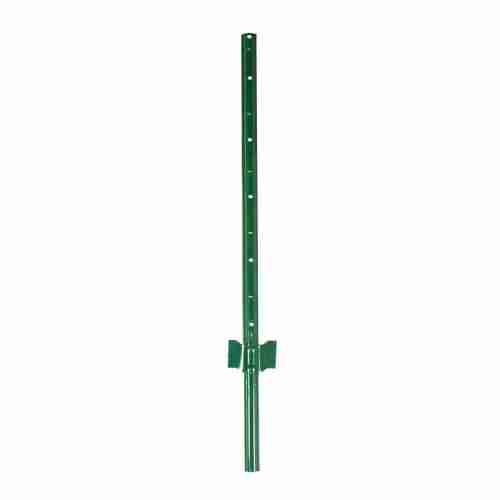
The recommended spacing between metal fence posts for optimal support and stability can vary depending on the size of the wire mesh and the purpose of the fence.
Generally, for standard chain link fencing, the spacing between posts is typically 8 to 10 feet. However, for larger wire mesh or fences with higher tension, closer spacing of 6 to 8 feet may be necessary to ensure stability and prevent sagging.
3. Are there any specific installation requirements for the wire mesh fence posts?
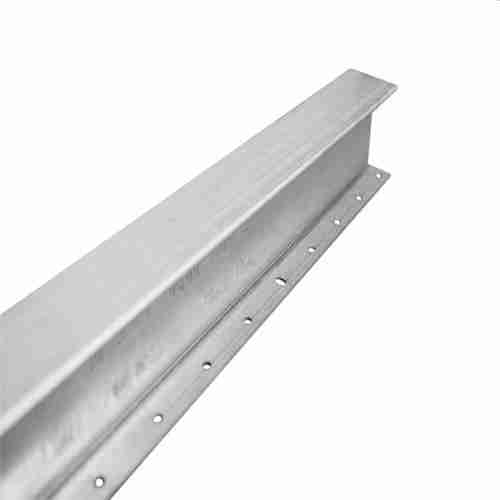
Yes, there are specific installation requirements for wire mesh fence posts.
First, you need to choose the appropriate size and type of posts for your specific fencing needs. The posts should be made of a durable material such as metal and should be the appropriate height and width to support the wire mesh fence.
Next, you need to determine the spacing and layout of the posts. This will depend on the length and height of the fence, as well as the type of terrain and any specific requirements you have.
Once you have determined the layout and spacing, you need to prepare the ground for installation. This may involve digging holes for the posts, pouring concrete footings, or using post anchors or brackets to secure the posts to a concrete surface.
After the posts are installed, you can attach the wire mesh to the posts using fence clips, wire ties, or other fastening methods. Make sure the mesh is pulled tight and securely fastened to the posts to ensure stability and security.
Finally, make any necessary adjustments, such as leveling or tightening the posts, to ensure the fence is properly installed and secure.
4. What does a erecting a wire mesh fence mean?
Erecting a wire mesh fence refers to the process of installing a fence made of wire mesh. This involves setting up the support posts, stretching the wire mesh between the posts, and securing it in place.
The purpose of a wire mesh fence can vary, but it is commonly used for security, containment, or boundary purposes.
5. Specification of wire mesh fence posts
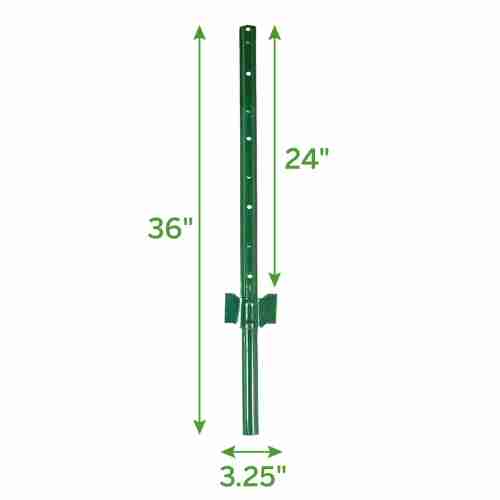
Material | steel or aluminum |
Length | 6 to 8 feet |
Diameter | range from 1.5 to 3 inches |
Shape | round or square shapes |
Coating | Galvanized, powder coating |
Accessories | post caps and brackets |
FAQ
Most frequent questions and answers
Metal fence posts provide strength and stability to the wire fence in several ways:
- Structural support: Metal posts act as sturdy vertical supports that hold the weight and tension of the wire fencing. They provide a solid foundation for the fence to remain upright and resist external forces.
- Resistance against bending: Metal posts offer resistance against bending or leaning, which can occur due to heavy winds, animal pressure, or other external forces. Their rigid nature prevents the fence from warping or collapsing.
- Tension distribution: The metal posts are typically spaced evenly along the fence line and provide points of attachment for the wire fencing. By securing the wires to the posts, the tension is distributed evenly, creating a strong and secure fencing system that can withstand pressure and tension.
- Durability: Metal fence posts, usually made from materials like steel or aluminum, are highly durable and can withstand harsh weather conditions and other forms of wear and tear. This ensures that the fence remains strong and intact over an extended period.
- Adaptability: Metal fence posts can be easily adjusted or replaced if necessary. This allows for flexibility in terms of adding or modifying the fence structure as per the changing needs of the property.
Split rail fencing with wire mesh is generally durable and can handle most weather conditions and environmental factors.
However, its ability to withstand extreme conditions depends on the materials used and the construction method. Here are a few factors to consider:
- Material Selection: The type of wood used for the split rails and the gauge of the wire mesh can influence its durability. Cedar and redwood are naturally resistant to rot, decay, and insect damage, making them good choices for withstanding extreme weather conditions.
- Pressure Treatment: If the wood is pressure-treated, it will have added resistance to rot, decay, and pests.
- Maintenance: Regular maintenance is essential to prolong the life of split rail fencing. Applying a protective sealant or stain can help prevent moisture damage, UV fading, and other weather-related issues.
- Installation: Proper installation plays a key role in the fencing’s ability to withstand extreme conditions. The posts should be securely anchored, and the wire mesh tightly fastened to ensure it does not easily come loose during storms or other severe weather.
- Wind Resistance: Split rail fencing is generally more wind-resistant than solid panel fencing due to its open construction.
- Environmental Factors: Environmental factors like extreme heat or excessive moisture can impact the durability of split rail fencing.
It depends on the specific design and installation of the wire mesh posts. Some wire mesh systems may have adjustable posts that can be easily repositioned or removed if needed.
However, other systems may have more permanent posts that are welded or otherwise fixed in place, making them more difficult to adjust or remove.
Yes, there are several additional accessories and components that are needed for the installation of posts for wire mesh fencing. These may include:
– Post anchors or concrete footings: These are used to secure the posts into the ground and provide stability.
– Brackets or clips: These are used to attach the wire mesh to the posts and ensure it is held firmly in place.
– Tension bands and bolts: These are used to secure the ends of the wire mesh to the posts and keep it taut.
– Gate hardware: If installing a gate, additional hardware such as hinges and latches may be required.
– Wire mesh: The wire mesh itself is also considered an accessory and is needed for the installation.
The maintenance required for wire mesh fencing posts typically includes regular inspection, cleaning, and repairs.
Regular inspection: It is important to regularly inspect the wire mesh fencing posts to identify any damage or wear and tear. This can involve checking for loose or damaged wires, rust or corrosion, and any signs of bending or leaning.
Cleaning: Wire mesh fencing posts should be regularly cleaned to remove any dirt, debris, or vegetation that may accumulate. This can be done using a brush or a pressure washer, depending on the level of dirtiness.
Repairs: If any damage is detected during the inspection, it is essential to make the necessary repairs. This can involve replacing broken or loose wires, tightening any loose connections, or repairing any bent or leaning posts.
Yes, wire mesh fence posts are typically designed to be compatible with various wire mesh designs and materials. The posts are typically equipped with specific brackets or clips that can securely hold the wire mesh in place, regardless of its design or material.
This allows for versatility and the ability to customize the fence based on specific needs and preferences.