Professional Content Related To Fence Gates

Table of Contents

1. What is fence gates?

fence gates

Fence gate is a hinged barrier that can be opened and closed to allow or prevent access through a fence. It serves as an entry or exit point in a fence, providing a way for people, animals, or vehicles to pass through.

Fence gates are commonly used in residential, commercial, and agricultural settings to control access, enhance security, or enclose an area. Fence gates come in various designs, materials, and sizes, depending on their intended purpose and the type of fence they are integrated into.

Some common materials for fence gates include wood, metal, vinyl, and composite materials. The design of a fence gate can range from simple and utilitarian to decorative and ornate, depending on the aesthetic preferences of the property owner.

Fence gates are typically equipped with hinges to allow them to swing open and close, and they may also have a latch or lock mechanism for added security.

2. Types of fence gates

There are various types of fence gates, each designed to serve specific purposes and complement different styles of fencing. Here are some common types of fence gates:

2.1 Swing Gates
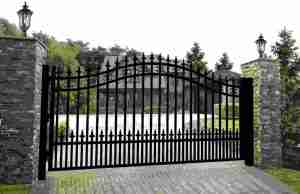
Swing Gate

Swing gates are a common type of fence gates that opens by swinging either inward or outward. They are widely used in residential, commercial, and industrial settings, providing a secure and convenient way to access a property.

There are different types of swing gates based on their construction, materials, and design. Here are some common types of swing gates:

Single Swing Gates: Consists of a single gate panel that swings open in one direction. Suitable for smaller openings and areas with limited space.

Double Swing Gates: Comprises two gate panels that swing open in opposite directions. Ideal for larger openings and driveways.

Bi-Folding Gates: Consists of two gate panels that fold in the middle, allowing them to open and close like a book. Suitable for limited space conditions where a traditional swing gate may not be practical.

Cantilever Gates: Operate by sliding horizontally along a counterbalance system.

Ideal for areas where the ground is uneven or where there is limited space for a swinging motion.

Automatic Swing Gates: Can be single or double swing gates equipped with an automated system for remote or automatic operation. Often used in residential and commercial applications for enhanced convenience and security.

Manual Swing Gates: Operated manually, either by pushing or pulling the gate to open or close. Common in situations where automation is not necessary or feasible.

Decorative Swing Gates: Designed with ornamental elements to enhance the aesthetic appeal of the property. Often used in residential areas where visual appeal is important.

Farm or Ranch Gates: Typically used in agricultural settings to control access to fields, pastures, or farm entrances. Can be simple or elaborate depending on the specific needs and aesthetics.

Security Swing Gates: Reinforced and designed with security features to deter unauthorized access.

Commonly used in industrial and high-security facilities.

Mesh or Chain Link Swing Gates: Made with materials like chain link or mesh for visibility and airflow. Often used in areas where security is needed without compromising visibility.

2.2 Sliding Gates
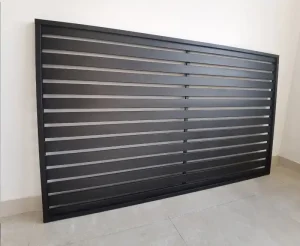
Sliding Gates

Sliding gates are a popular choice for fence gates due to their space-saving design and ease of use. They can be a great addition to various types of fences, providing security, convenience, and aesthetic appeal. Here are some common types of sliding gates used in conjunction with different fence styles:

Chain Link Sliding Gates: These gates are commonly used with chain-link fences.

They provide a durable and cost-effective solution for residential, commercial, and industrial properties.

Wooden Sliding Gates: Wooden sliding gates are often chosen for their aesthetic appeal and natural look. They can complement wooden fences and enhance the overall appearance of the property.

Metal Sliding Gates: Metal sliding gates, such as those made from steel or aluminum, offer a high level of security and durability. They are suitable for various fence types, including ornamental iron fences and industrial security fences.

Vinyl Sliding Gates: Vinyl sliding gates are low-maintenance and resistant to rot, decay, and pests. They are a good choice for vinyl fences and provide a clean and modern look.

Cantilever Sliding Gates: Cantilever gates are a type of sliding gate that is suspended above the ground, eliminating the need for a track along the length of the opening.

They are suitable for areas with uneven terrain and offer smooth operation.

Telescopic Sliding Gates: Telescopic gates consist of multiple sliding panels that overlap each other when opening or closing. They are ideal for locations with limited space as they reduce the overall footprint required for the gate.

Automated Sliding Gates: Many sliding gates can be automated for added convenience and security. Automated sliding gates often come with remote control or keypad entry systems for easy access.

Farm and Ranch Sliding Gates: These gates are designed for agricultural and rural applications, providing security for farms, ranches, and other large properties. They are often used with various fence types, including wire fences and post-and-rail fences.

2.3 Driveway Gates
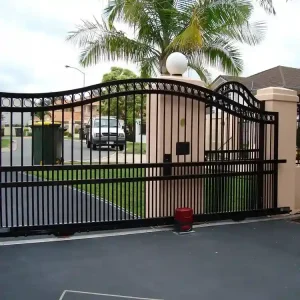
Driveway Gates

Single-Leaf Driveway Gate: A gate with a single panel that covers the driveway entrance.

Double-Leaf Driveway Gate: Consists of two panels that meet in the middle when closed. It is often used for wider driveways.

2.4 Pedestrian Gates

Pedestrian gates are gates designed specifically for the passage of pedestrians rather than vehicles. These gates are commonly used in fencing systems to allow controlled access to a defined area. Here are some key aspects to consider about pedestrian gates in the context of fence gates:

2.5 Bi-Folding Gates

Bi-folding gates are a type of fence gates that consists of two sections, or leaves, that fold together when the gate is closed. These gates are popular for various applications, including residential, commercial, and industrial properties, where space efficiency and aesthetics are important.

Bi-folding gates are known for their space-saving design. As they fold in on themselves, they require less space to open and close compared to traditional swing gates. This makes them suitable for areas with limited space or where a swing gate might be impractical.

Bi-folding gates are available in various materials, including metal (such as steel or aluminum), wood, or a combination of materials. The choice of material often depends on factors like durability, security requirements, and aesthetic preferences.

Many bi-folding gates are designed to be automated for convenient operation. Automation can be achieved using electric motors and control systems. This is especially useful for high-traffic areas or locations where manual operation may be inconvenient.

2.6 Farm Gates

Farm gates are commonly made from durable materials such as steel, aluminum, or wood, depending on the specific requirements of the farm. Each material has its advantages and is chosen based on factors like durability, cost, and intended use.

Types of Gates:

Sliding Gates: Sliding gates move horizontally along a track, making them suitable for larger openings or situations where swinging gates might not be practical.

Cattle Gates: Designed with horizontal bars, cattle gates are used to contain livestock while allowing easy passage for farm vehicles and equipment.

Mesh Gates: These gates are equipped with mesh or wire panels, offering visibility and security. They are often used in areas where keeping smaller animals or poultry secure is essential.

2.7 Security Gates

Security gates play a crucial role in controlling access to a specific area, ensuring the safety and security of a property or facility. When it comes to fence gates, they are an integral part of the overall security infrastructure.

2.8 Decorative Gates

Decorative gates add a touch of style and personality to any fence, enhancing the overall aesthetic appeal of your property. Whether you have a garden, a courtyard, or a front entrance, a well-designed decorative gate can become a focal point and make a lasting impression.

Wrought iron gates are classic and timeless, offering intricate designs and durability. They can be customized with swirls, scrolls, and other artistic elements.

2.9 Mesh or Chain Link Gates

Mesh and chain-link are two common materials used for fence gates. Each has its own set of characteristics and advantages, so the choice between mesh and chain-link gates depends on your specific needs and preferences.

Mesh gates provide more privacy compared to chain-link gates. They typically have a tighter weave that obscures the view inside the fenced area. Mesh gates are often considered more visually appealing due to their sleek and modern appearance. They can blend well with various architectural styles.

Mesh gates offer less wind resistance, which can be an advantage in areas prone to strong winds. This characteristic may help prevent damage to the gate or the fence structure.

Chain-link gates are known for their durability. They can withstand harsh weather conditions, making them a practical choice for outdoor applications. Chain-link gates are often more affordable than mesh gates, making them a cost-effective option for large fence projects.

Chain-link gates provide better visibility through the fence. This can be advantageous in situations where monitoring the enclosed area is important.

2.10 Wooden Gates

Wooden gates are a popular choice for fence gates, offering a classic and natural aesthetic that can enhance the overall look of a property. Whether used for privacy, security, or simply as a decorative element, wooden gates come in various styles and designs to suit different preferences.

Common choices for wooden gates include cedar, redwood, pine, and oak. Each type of wood has its own characteristics in terms of durability, appearance, and resistance to decay.

Wooden gates can be designed as single or double gates. The choice depends on the width of the entrance and the desired aesthetic. Gates can have arched or flat tops, each contributing to a different visual appeal. Arched tops often provide a more traditional and elegant look.

2.11 Iron or Metal Gates

Gates made from iron or other metals are durable and often used for security or decorative purposes. They can be ornate and may be powder-coated for added protection.

3. Materials of fence gates

Fence gates can be constructed using a variety of materials, each with its own set of advantages and disadvantages. The choice of materials often depends on factors such as the desired aesthetic, budget, security needs, and maintenance preferences. Here are some common materials used for fence gates.

3.1 Wood

Wood is a classic and versatile material that can be easily customized to match the style of your fence. It provides a natural look and is relatively affordable. Wood may require regular maintenance, such as staining or sealing, to protect it from the elements and prevent rotting or warping.

3.2 Metal

Metal gates, especially those made from steel or aluminum, are durable and resistant to weather conditions. They can be ornamental and offer a high level of security.

Some metal gates, particularly iron, may be susceptible to rust over time. Regular maintenance, such as painting or applying a protective coating, can help mitigate this issue.

3.3 Vinyl/PVC

Vinyl or PVC gates are low-maintenance, as they resist rot, warping, and insects. They are also available in various styles and colors. While durable, vinyl gates may not be as strong as metal or wood, and extreme temperatures can cause them to become brittle.

3.4 Composite

Composite materials, such as wood-plastic composites (WPC), offer the look of wood with the durability of synthetic materials. They are resistant to rot, insects, and weather conditions. Composite materials can be more expensive than some other options, and their appearance may not match that of natural wood perfectly.

3.5 Chain Link

Chain-link gates are durable, affordable, and provide visibility. They are commonly used for security and containment purposes. While practical, chain-link gates may lack the aesthetic appeal of other materials. They also offer less privacy.

3.6 Wrought Iron

Wrought iron gates are strong, durable, and often feature intricate designs. They provide a high level of security and a classic look. Like other metal gates, wrought iron gates may require maintenance to prevent rust.

4. Applications of fence gates

Fence gates serve various practical and aesthetic purposes in residential, commercial, and industrial settings. Here are some common applications of fence gates:

4.1 Security and Access Control

Residential Properties: Fence gates are often used to control access to residential properties, providing a secure barrier to deter trespassers and enhance privacy.

Commercial and Industrial Areas: In commercial and industrial settings, fence gates are crucial for controlling access to restricted areas, preventing unauthorized entry, and safeguarding valuable assets.

4.2 Enhanced Privacy

Fence gates contribute to the overall privacy of a property by closing off the entrance. This is particularly important for homeowners who want to create a private and secluded space within their yards.

4.3 Aesthetic Appeal

Fence gates come in various styles, designs, and materials, contributing to the overall aesthetic of a property. They can enhance the curb appeal and add a decorative element to the landscape.

4.4 Safety and Containment

Fence gates are used to create enclosed spaces, ensuring the safety of children and pets by preventing them from wandering off into dangerous areas. Pool gates, for example, are designed to enhance pool safety by restricting access.

4.5 Land Zoning and Property Division

Fence gates are employed to mark property boundaries and define different zones within a larger property. This is common in agricultural settings, where gates are used to separate fields or pastures.

4.6 Pedestrian and Vehicle Access

Fence gates are used as entry and exit points for both pedestrians and vehicles. They provide a controlled access point while allowing convenience for authorized individuals.

4.7 Sports Facilities

Fence gates are often installed in sports facilities such as tennis courts, soccer fields, or baseball fields to control access and ensure that only authorized individuals can use the facilities.

4.8 Event Management

Temporary fence gates are commonly used for events and gatherings to manage the flow of people and control access points. This ensures better security and organization during events.

4.9 Construction Sites

Fence gates are utilized in construction sites to control access, secure the site, and prevent unauthorized individuals from entering potentially hazardous areas.

5. Function of cyclone fence gates

Cyclone fence gates serve several important functions in conjunction with cyclone or chain-link fencing. These gates provide controlled access to enclosed areas and offer various practical benefits

Cyclone fence gates act as entry and exit points to enclosed spaces. They allow people, vehicles, or equipment to pass through the fence, providing controlled access to the secured area.

While chain-link fences provide a basic level of security by creating a physical barrier, gates enhance security by controlling access. By installing a gate, you can restrict entry to authorized individuals, helping to prevent unauthorized access and trespassing.

5.1 Function of cyclone fence gate latch

The cyclone fence gate latch serves the purpose of securing and controlling access to a cyclone fence or chain-link fence gate. Also known as a chain-link fence latch, it is specifically designed for gates made of chain-link or cyclone fencing materials.

The latch ensures that the gate remains securely closed, preventing unauthorized entry and enhancing security for the enclosed area. It allows for easy and convenient opening and closing of the gate. This is typically achieved by lifting, pulling, or turning the latch mechanism.

Cyclone fence gate latches are typically designed to withstand outdoor conditions, including exposure to weather elements. This ensures their durability over time without compromising functionality.

5.2 Function of cyclone fence gate hinges

Cyclone fence gate hinges play a crucial role in the functionality of a cyclone or chain-link fence gate. These hinges are designed to facilitate the opening and closing of the gate, providing a pivot point around which the gate can swing.

The primary function of gate hinges is to enable the gate to move. They provide a point of rotation, allowing the gate to swing open and closed smoothly.

Gate hinges are designed to bear the weight of the gate. This is important for larger and heavier gates, as the hinges must be strong enough to support the gate without sagging or causing damage over time.

Properly installed gate hinges contribute to the stability of the gate. They help ensure that the gate opens and closes in a controlled manner without wobbling or becoming misaligned.

6. Install cyclone fence slats gates

Installing cyclone fence slats and gates can enhance the privacy and security of your property. Here’s a general guide on how to install cyclone fence slats and gates:

6.1 Prepare the Site

Locate and mark the boundaries where you want to install the fence and gates.

Check with local authorities or homeowners’ association for any regulations or permits required.

6.2 Install Fence Posts

Dig holes for the fence posts using a post hole digger. The depth and width of the holes will depend on the type of soil and the size of the posts. Place the posts in the holes and use a level to ensure they are plumb. Pour concrete mix into the holes around the posts and let it set according to the manufacturer’s instructions.

6.3 Attach Cyclone Fence Slats

Unroll the cyclone fence and secure it to the posts. If the slats need to be cut to fit the length of the fence, use a saw to trim them to the appropriate size. Slide the slats through the cyclone fence links, making sure they are properly secured.

6.4 Install Gates

Measure and mark the locations for gate posts. These should be sturdy and deep enough to support the weight of the gate. Dig holes for the gate posts and install them using the same process as the fence posts.

Attach hinges to the gate posts and the gate itself, following the manufacturer’s instructions. Hang the gate on the hinges and check that it swings freely. Adjust as necessary.

6.5 Install Gate Hardware

Install a latch or lock on the gate for security. Make sure it’s at a comfortable height and is easy to use.

6.6 Check Alignment and Leveling

Use a string line to check the alignment of the fence and gate. Adjust the posts as necessary to ensure a straight and level installation.

6.7 Finishing Touches

Trim any excess slats or posts if needed. Add any additional accessories or decorative elements. Always follow the manufacturer’s instructions for specific products you are using. If you are unsure about any step, consult with a professional or seek advice from your local hardware store.

7. Conclusion

The conclusion on fence gates depends on various factors such as the purpose, materials used, and design preferences. Generally, fence gates serve as crucial components of a fencing system, providing access, security, and aesthetic appeal to a property.

Fence gates play a vital role in providing access to enclosed spaces. The choice of gate should align with its intended purpose, whether it’s for pedestrian access, driveway entry, or other specific needs.

In conclusion, the choice of a fence gate should be a well-considered decision based on the specific needs and preferences of the property owner. Whether prioritizing security, aesthetics, or a balance of both, a carefully selected fence gate can enhance the overall functionality and appearance of a fencing system.

cyclone fence
Cyclone Fence
Contact Form

Leave a Comment

Your email address will not be published. Required fields are marked *

Say Hello!

Get In Touch With Us

Office Address

Hanwang Road, Anping county, Hebei provine, China